upworthy
Add Upworthy to your Google News feed.
Google News Button
Joy

Five Gen X values from the ’90s that can save today’s world

We're bringing "whatever" back.
1990s, gen x, '90s values

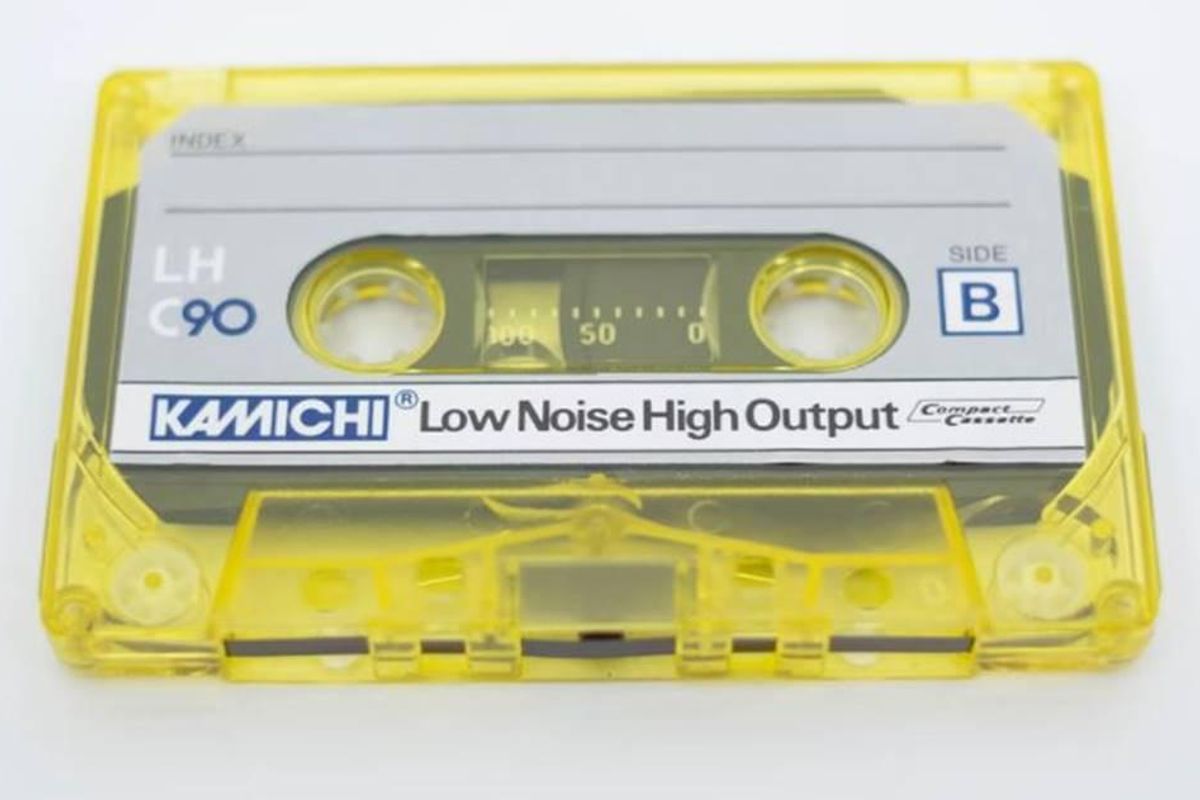
A mix tape from 1992.

A few weeks ago I came across an article about a kid who watches television at 1.5x speed so he can cram as much viewing in as he can. It seemed that his unquenchable desire to get through shows in the Golden Age of television meant he’d sacrifice the entertainment value of the show just to get to the end.

“Man, this guy would have been crucified in 1993,” I thought.

As a 45-year-old card-carrying member of Generation X (those born between 1965 and 1979), I remembered a time when nobody bragged about the amount of TV they watched. In fact, they bragged about not owning a TV. “I don't watch TV, man,” people would say. “It only exists to sell you stuff.”

This complete reversal on the social acceptance of gluttonous TV viewing made me wonder what happened to the values we were raised on as Gen Xers? We were taught that sincerity was for simpletons, everything corporate is evil, old school is always better than the latest and greatest, authenticity is king, conformity is death and there is nothing worse than being a sell-out or a poser.


Nobody would have ever referred to themselves as an “influencer” in 1991—that’s the definition of a sell-out.

“After writing this book, I’m back in the mindset of ’90s thinking, which is that nothing is worse than selling out,” Chuck Klosterman, author of “The Nineties: A Book,” told Esquire. “Nothing was more embarrassing in the ’90s than trying to convince people to like the thing you made."

Deep inside the heart of almost every Gen Xer is a deep-seated feeling of nihilism. We didn’t trust the corporations that laid off our parents or gutted their pensions in the ’80s. In fact, everything corporate was predatory. We didn’t have a lot of faith in family values because we were the first generation raised by single parents or in daycare. We didn’t care much about politics either. Back in the ’90s, Gen X’s aversion to politics was historic.

Of course, these are all generalities about a generation of nearly about 65 million people, but studies show that there are some definite hallmarks of being a Gen Xer.


According to a generational differences document circulated through the business community, Gen X’s core values are “skepticism,” “fun” and “informality.” They’re described as “self-reliant,” “independent,” “unimpressed with authority” and motivated by “freedom.”

In the young Gen Xer, the culture of the era “instilled a wariness and skepticism, and a kind of ‘figure it out for yourself’ mindset,” Paul Taylor, author of “The Next America: Boomers, Millennials, and the Looming Generational Showdown” told The Washington Post. And with that came a sense “that you don’t have to shine a light on yourself. You’re not the center of the universe.”

But things have changed since the ’90s when Gen X was coming of age. We live in an American culture that is fractured by political partisanship, fueled by a constant culture of outrage, crippled by a preoccupation with technology, plundered by greedy boomers and annoyed by overly sensitive millennials. All of this is happening while we face the greatest challenge of our times, climate change.

The answer to all of these problems is simple: admit that Gen X at one point had it right and if we followed its lead, we could reverse these terrible trends. OK, it might not fix all of our woes, but the way things are going now surely aren’t working. Plus, weren’t the ’90s great?

Also, with hat in hand, I must admit that this message is for Gen Xers as well. Many of us have lost our way by forgetting our disdain for authority and skepticism toward institutions. This is a call for us to remember what we once stood for and to fight back by doing what we do best—staying above the fray.

Gen X, it’s time to strap on your Dr. Martens boots and get back to fighting the “Battle of Who Could Care Less.” It’s time we collectively got our “whatever” back and showed the other generations how powerful dismissiveness can be.

Here are the top five Gen X values that we need to embrace again.

5.  Buying vintage items

Nothing was less hip in the early ’90s than wearing mall clothes. If you had any style you shopped at a thrift store and bought used duds from the ’70s and early ’80s and remixed them into something awesome. If you were into hip-hop or skating you shopped at the surplus store and rocked some super-durable Dickies or Carhartt gear. The mood of the times was totally anti-fashion. These days, we live in a world where fast fashion is killing the environment. By embracing the Gen X value of old-school cool, we can help the planet while looking much more fashionable in the process.

4. Corporate skepticism

In the early 2000s, people fell head-over-heels in love with smartphone technology and social media so quickly that nobody stopped and said, “Hey, wait a minute!” Now, we have a world where kids are depressed, the culture has become divided and nobody talks to each other in public anymore, they just stare at their phones. I can totally understand why young millennials and Luddite boomers would fall for the big-tech ruse, but sadly, Gen X was asleep at the wheel and fell victim, too. The generation that embraced the notion that TV rotted your brain needs to remind everyone to go outside and play in the sunshine or read a book. And if you read a book it should be by Bret Easton Ellis.

3. Just say “whatever”

Two of the most popular Gen X phrases were “whatever” and “talk to the hand (because the face don’t give a damn).” These may seem to be flippant responses but they are the correct way to deal with other people’s nonsense and in 2022, we have to deal with a constant barrage of it.

Somewhere along the way, people forgot that it’s even more powerful to ignore someone than to admit they got under your skin. In the world of social media, we unintentionally amplify the most wretched voices by subtweeting, commenting and liking the posts from the army of grifters fighting for our attention.

We also live in an era where many seem to be addicted to outrage. The quickest way to stop fanning the flames of outrage is with a simple, “whatever.” Like dogs distracted by squirrels, we’ve got our heads on outrage swivels these days. Throwing around the occasional “whatever” gives us the time and energy to focus on the problems that really matter and take action.

These days “whatever” matters more than ever.

2. Bring back snobbery

Good taste used to matter. In the 2000s, millennials decided that people have the right to like what they like and that it’s worse to judge someone’s personal taste than to have bad taste. Gen Xers based their entire personalities on taste and demanded integrity from artists and were rewarded by living in a time of superior films and music. These days, no one listens to new music and we’re stuck in a world dominated by comic book movies because no one stood up and shamed people for liking low-effort culture.

1. ​Political apathy

America’s political divide has calcified over the past decade because more and more people are basing their personal identities on their politics. This has created a culture where the dialog between liberals and conservatives has become a shouting match that only makes people dig their heels in further. It’s also created a culture in Washington, D.C. that has attracted a more debased form of politician and led to the gridlock that has halted any sense of progress. Sadly, Gen X has also been sucked into this vortex.

Things were a lot different in the ’90s. Back in 1999, Ted Halstead at The Atlantic noted that Xers “appear to have enshrined political apathy as a way of life.” He added that Gen Xers “exhibit less social trust or confidence in government, have a weaker allegiance to their country or to either political party.”

Compared to what’s going on in America in 2022, this type of apathy seems welcome. Back in the ’90s, taking a “chill pill” could solve everything. Wouldn’t it be great if everyone took one, and then we could open our ears and hearts and have some constructive discussions?

There was a common lament in the 1980s that the boomer hippies had sold out and became boomer yuppies. They went from being concerned with peace, love and the planet to stocks, bonds and conspicuous consumption. Gen X is now in its 40s and 50s and it’s fair to say that we've moved from being the outsiders to creating technological and political machines that are generating the type of conformity that we once railed against.

Now that Xers are at the age where we get to run the world for a few decades, it’s time to recommit to the core values that make us well … us. The great news is that as Gen Xers, it’ll be easy to get back to our roots because we were raised to ironically love the past.


This article originally appeared on 03.10.22

From Your Site Articles
Planet

Our favorite giveaway is back. Enter to win a free, fun date! 🌊 💗

It's super easy, no purchase or donation necessary, and you help our oceans! That's what we call a win-win-win. Enter here.

Our favorite giveaway is back. Enter to win a free, fun date! 🌊 💗
True

Our love for the ocean runs deep. Does yours? Enter here!

This Valentine’s Day, we're bringing back our favorite giveaway with Ocean Wise. You have the chance to win the ultimate ocean-friendly date. Our recommendation? Celebrate love for all your people this Valentine's Day! Treat your mom friends to a relaxing spa trip, take your best friend to an incredible concert, or enjoy a beach adventure with your sibling! Whether you're savoring a romantic seafood dinner or enjoying a movie night in, your next date could be on us!

Here’s how to enter:


  • Go to upworthy.com/oceandate and complete the quick form for a chance to win - it’s as easy as that.
  • P.S. If you follow @oceanwise or donate after entering, you’ll get extra entries!

Here are the incredible dates:

1. Give mom some relaxation

She’s up before the sun and still going at bedtime. She’s the calendar keeper, the lunch packer, the one who remembers everything so no one else has to. Moms are always creating magic for us. This Valentine’s Day, we’re all in for her. Win an eco-friendly spa day near you, plus a stash of All In snack bars—because she deserves a treat that’s as real as she is. Good for her, kinder to the ocean. That’s the kind of love we can all get behind.


Special thanks to our friends at All In who are all in on helping moms!

2. Jump in the ocean, together

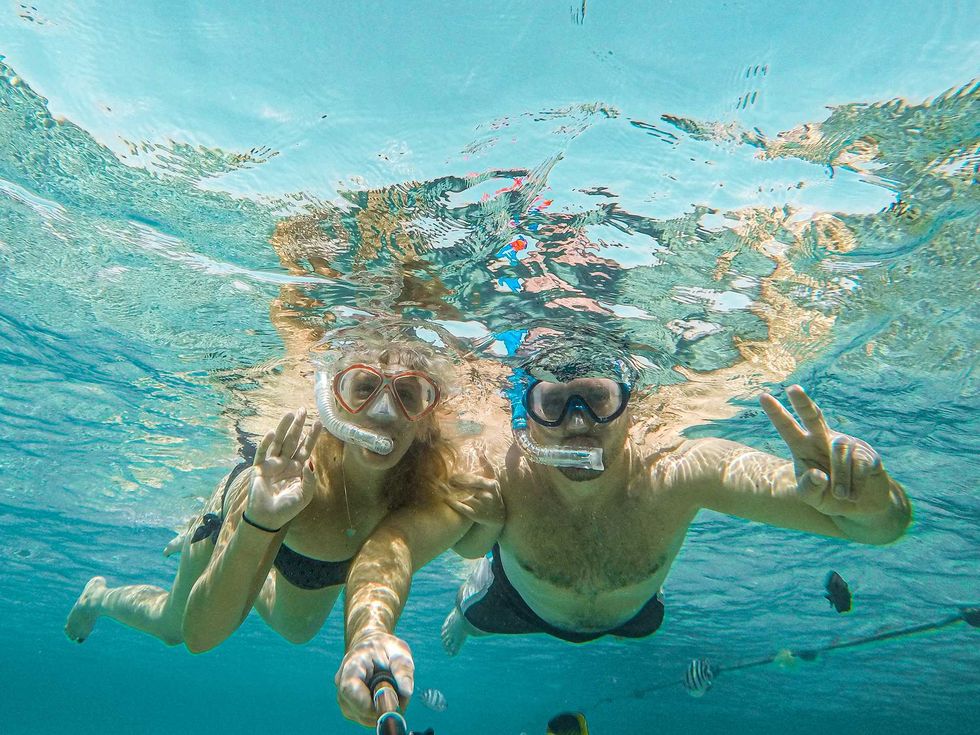
Grab your favorite person and get some much-needed ocean time. Did you know research on “blue spaces” suggests that being near water is linked with better mental health and well-being, including feeling calmer and less stressed? We’ll treat you to a beach adventure like a surfing or sailing class, plus ocean-friendly bags from GOT Bag and blankets from Sand Cloud so your day by the water feels good for you and a little gentler on the ocean too.

Special thanks to our friends at GOT Bag. They make saving the ocean look stylish and fun!

3. Couch potato time

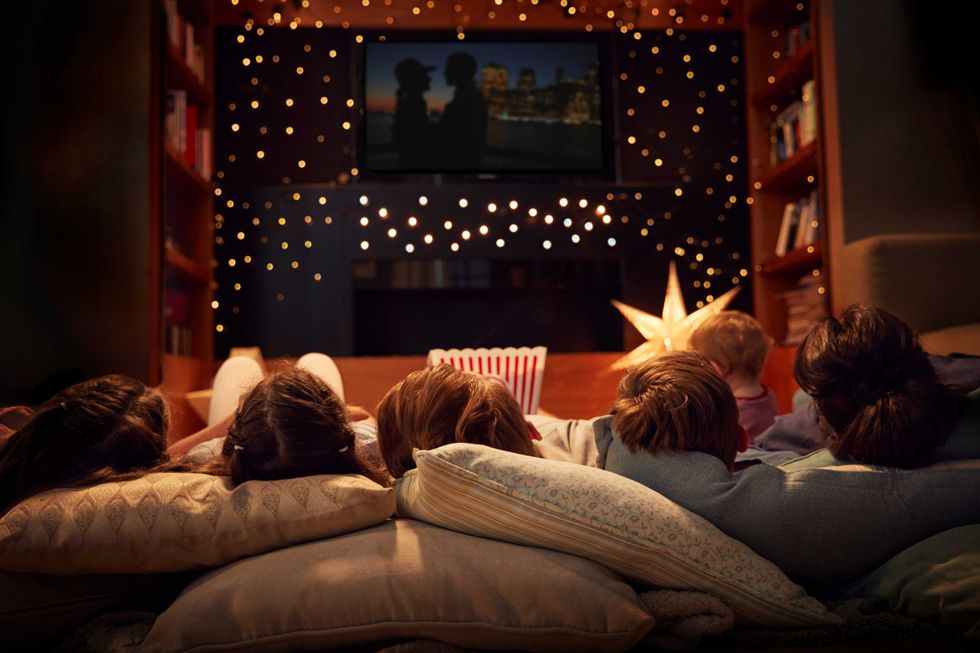
Love nights in as much as you love a date night out? We’ve got you. Have friends over for a movie night or make it a cozy night in with your favorite person. You’ll get a Disney+ and Hulu subscription so you can watch Nat Geo ocean content, plus a curated list of ocean-friendly documentaries and a movie-night basket of snacks. Easy, comfy, and you’ll probably come out of it loving the ocean even more.

4. Dance all day!

Soak up the sun and catch a full weekend of live music at BeachLife Festival in Redondo Beach, May 1–3, 2026, featuring Duran Duran, The Offspring, James Taylor and His All-Star Band, The Chainsmokers, My Morning Jacket, Slightly Stoopid, and Sheryl Crow. The perfect date to bring your favorite person on!

We also love that BeachLife puts real energy into protecting the coastline it’s built on by spotlighting ocean and beach-focused nonprofit partners and hosting community events like beach cleanups.

Date includes two (2) three-day GA tickets. Does not include accommodation, travel, or flights.

5. Chef it up (at home)

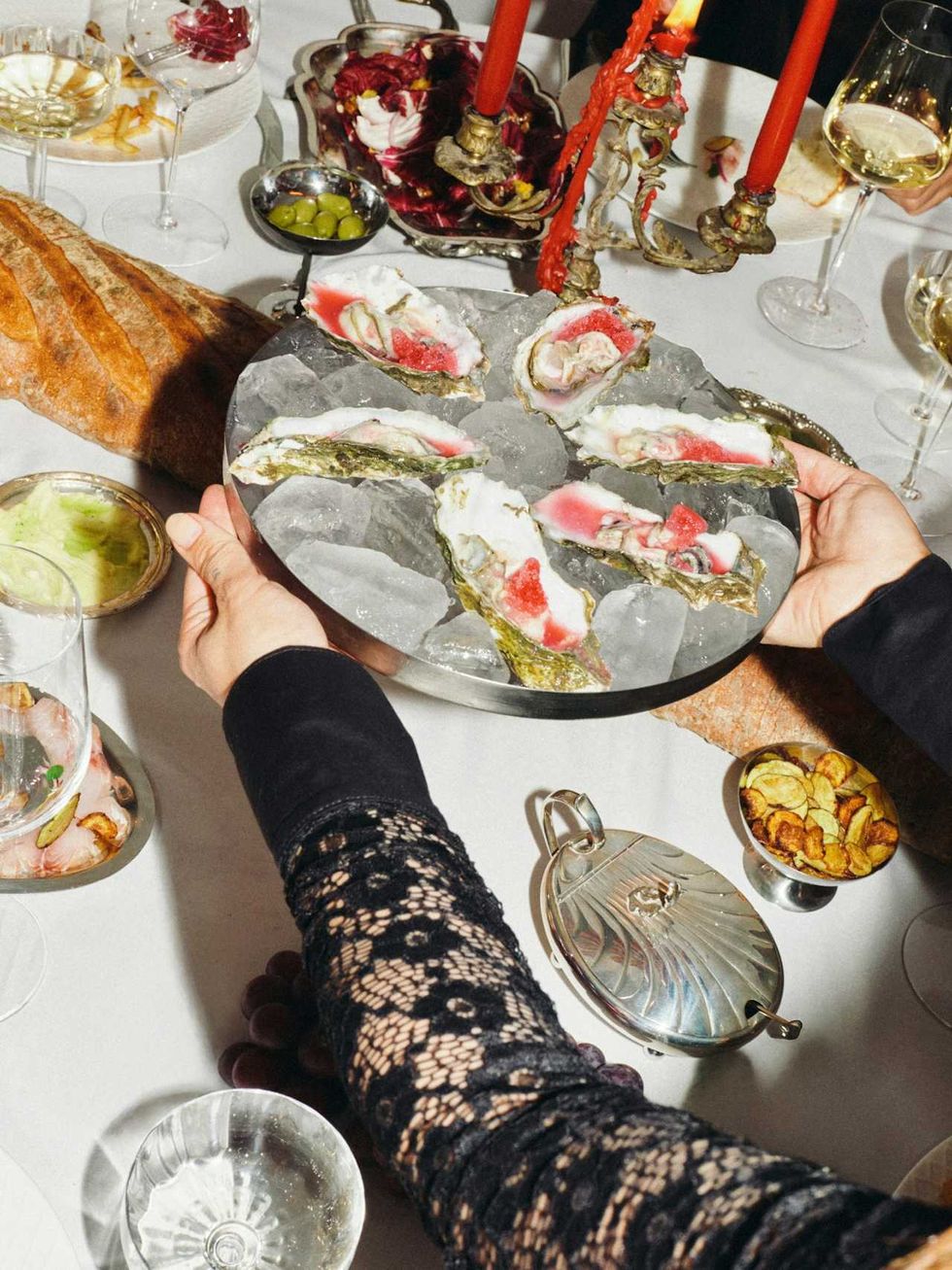
Stay in and cook something delicious with someone you love. We’ll hook you up with sustainable seafood ingredients and some additional goodies for a dinner for two, so you can eat well and feel good knowing your meal supports healthier oceans and more responsible fishing.

Giveaway ends 2/15/26 at 11:59pm PT. Winners will be selected at random and contacted via email from the Upworthy. No purchase necessary. Open to residents of the U.S. and specific Canadian provinces that have reached age of majority in their state/province/territory of residence at the time. Please see terms and conditions for specific instructions. Giveaway not affiliated with Instagram. More details at upworthy.com/oceandate

quiet, finger over lips, don't talk, keep it to yourself, silence

A woman with her finger over her mouth.

It can be hard to stay quiet when you feel like you just have to speak your mind. But sometimes it's not a great idea to share your opinions on current events with your dad or tell your boss where they're wrong in a meeting. And having a bit of self-control during a fight with your spouse is a good way to avoid apologizing the next morning.

Further, when we fight the urge to talk when it's not necessary, we become better listeners and give others a moment in the spotlight to share their views. Building that small mental muscle to respond to events rather than react can make all the difference in social situations.


argument, coworkers, angry coworkers, hostile work enviornment, disagreement A woman is getting angry at her coworker.via Canva/Photos
What is the WAIT method?

One way people have honed the skill of holding back when they feel the burning urge to speak up is the WAIT method, an acronym for the question you should ask yourself in that moment: "Why Am I Talking?" Pausing to consider the question before you open your mouth can shift your focus from "being heard" to "adding value" to any conversation.

The Center for The Empowerment Dynamic has some questions we should consider after taking a WAIT moment:

  • What is my intention behind what I am about to say?
  • What question can I ask to better understand what the other person is saying?
  • Is my need to talk an attempt to divert the attention to me?
  • How might I become comfortable with silence rather than succumb to my urge to talk?

tape over muth, sielnce, be quiet, mouth shut, saying nothing A man with tape over his mouth.via Canva/Photos

The WAIT method is a good way to avoid talking too much. In work meetings, people who overtalk risk losing everyone's attention and diluting their point to the extent that others aren't quite sure what they were trying to say. Even worse, they can come across as attention hogs or know-it-alls. Often, the people who get to the heart of the matter succinctly are the ones who are noticed and respected.

Just because you're commanding the attention of the room doesn't mean you're doing yourself any favors or helping other people in the conversation.

The WAIT method is also a great way to give yourself a breather and let things sit for a moment during a heated, emotional discussion. It gives you a chance to cool down and rethink your goals for the conversation. It can also help you avoid saying something you regret.

fight, spuse disagreement, communications skills, upset husband, argument A husband is angry with his wife. via Canva/Photos

How much should I talk in a meeting?

So if it's a work situation, like a team meeting, you don't want to be completely silent. How often should you speak up?

Cary Pfeffer, a speaking coach and media trainer, shared an example of the appropriate amount of time to talk in a meeting with six people:

"I would suggest a good measure would be three contributions over an hour-long meeting from each non-leader participant. If anyone is talking five/six/seven times you are over-participating! Allow someone else to weigh in, even if that means an occasional awkward silence. Anything less seems like your voice is just not being represented, and anything over three contributions is too much."

Ultimately, the WAIT method is about taking a second to make sure you're not just talking to hear yourself speak. It helps ensure that you have a clear goal for participating in the conversation and that you're adding value for others. Knowing when and why to say something is the best way to make a positive contribution and avoid shooting yourself in the foot.

Education

Real people share 17 red flags that expose someone trying to appear wiser than they actually are

"Actually referring to oneself as 'smart' in general is often a good indicator too."

low intelligence, low iq, iq lower, signs of low intelligence, not smart, not very smart

A man looks confused.

People who struggle with intellectual functioning, often described as having a low IQ, may also be considered to have low intelligence. Determining low intelligence is not always easy or obvious, so people on Reddit shared their thoughts on the signs that can indicate it.

One observant Redditor shared their insight, writing that a sign of low intelligence is "actually referring to oneself as 'smart' in general is often a good indicator too." The comment is an example of the Dunning–Kruger effect, first described in 1999 by psychologists David Dunning and Justin Kruger, which found that people with lower IQs tend to overestimate their intelligence, while those with higher IQs often underestimate it.


"Those with limited knowledge in a domain suffer a dual burden: Not only do they reach mistaken conclusions and make regrettable errors, but their incompetence robs them of the ability to realize it," the psychologists wrote, according to Psychology Today.

- YouTube www.youtube.com

17 signs of low intelligence, according to Redditors

"When presented with an statement that generalizes something, they will use an anecdote as a counterexample and think that it completely refutes the statement. Example: travelling in an airplane is generally safer than in a car. 'Actually that's not true, I know someone who died in an airplane crash.'" - Traditional_Rub_9828

"Refusal to learn, grow and change your views from evidence provided." - Userdataunavailable

"Confusing 'being loud' with 'being right.' The loudest person in the room is rarely the smartest." - Kernel_Slasher

"Actually referring to oneself as 'smart' in a general is often a good indicator too." - loku_gem

"Believing anything they see on social media." - Fabulous_Ady

"Lack of curiosity. Thinking they know it all." - Disastrous-Sky-8484

- YouTube www.youtube.com

"Further than a lack of curiosity is never asking questions. It was something I heard about gorilla researchers who taught them sign language that in the years of gorilla sign language communications they never had a gorilla ask a question of a human. That simple process of recognizing you don't know/have something you want, understanding someone else likely does know what you want, and asking them actually takes a lot of brain power. Some parrots and exceptionally smart dogs can hit that threshold... And some very cognitively limited humans do not." - MildGenevaSuggestion

"They get annoyed by people who act curious, too. About anything. 'Why do you care?' 'Who cares?' Idk man, it's just interesting. Why shouldn't I care?" - Belle_Juive

"Not realizing that everything has nuances." - SecretHuckleberry720

"Refusing to consider they might be wrong." - Marry_Ennaria

"Not being able to understand or engage with hypotheticals. It is a meme online but that is actually a sign of low intelligence. Individuals with IQs under 90 often struggle with conditional hypotheticals—such as 'How would you feel if you hadn't eaten dinner?'—responding with factual rebuttals like 'But I did eat dinner.'" - Emergency-Resist-730

@baxate_carter

Even more low IQ traits from a year ago

"Severe impairment in metacognition - that is, a persistent inability to recognize one's own errors in thinking, monitor one's own reasoning, or adjust beliefs/behavior even when presented with clear contradictory evidence." - DiamondCalvesFan

"Ironically, Always having an answer. There is a lot of power in saying 'I don't know'." - Loose-Cicada5473, mattacular2001

"People who mock others instead of trying to understand them. Curiosity is usually a sign of intelligence." - cutiepie_00me

"Repeating the same mistakes and blaming everyone else." - Luckypiniece

"Bragging that you haven't read a book since high school." - tiger0204

"One move chess player. This is like an analogy to how some people think and act and vote. A good chess player is thinking 3 or more moves ahead. a bad one is playing one move ahead only. When people say things like 'Why should I pay school taxes if I don't have any kids!?' they are playing one move without thinking ahead. Better schools means a more educated populace means less crimes and more economic opportunity for your area, thus it benefits everyone whether they have kids or not." - ChickenMarsala4500

arthur c. brooks, harvard, psychology, happiness research, bucket list

Harvard researcher Arthur C. Brooks studies what leads to human happiness.

We live in a society that prizes ambition, celebrating goal-setting, and hustle culture as praiseworthy vehicles on the road to success. We also live in a society that associates successfully getting whatever our hearts desire with happiness. The formula we internalize from an early age is that desire + ambition + goal-setting + doing what it takes = a successful, happy life.

But as Harvard University happiness researcher Arthur C. Brooks has found, in his studies as well as his own experience, that happiness doesn't follow that formula. "It took me too long to figure this one out," Brooks told podcast host Tim Ferris, explaining why he uses a "reverse bucket list" to live a happier life.


bucket list, wants, desires, goals, detachment Many people make bucket lists of things they want in life. Giphy
Brooks shared that on his birthday, he would always make a list of his desires, ambitions, and things he wanted to accomplish—a bucket list. But when he was 50, he found his bucket list from when he was 40 and had an epiphany: "I looked at that list from when I was 40, and I'd checked everything off that list. And I was less happy at 50 than I was at 40."

As a social scientist, he recognized that he was doing something wrong and analyzed it.

"This is a neurophysiological problem and a psychological problem all rolled into one handy package," he said. "I was making the mistake of thinking that my satisfaction would come from having more. And the truth of the matter is that lasting and stable satisfaction, which doesn't wear off in a minute, comes when you understand that your satisfaction is your haves divided by your wants…You can increase your satisfaction temporarily and inefficiently by having more, or permanently and securely by wanting less."

Brooks concluded that he needed a "reverse bucket list" that would help him "consciously detach" from his worldly wants and desires by simply writing them down and crossing them off.

"I know that these things are going to occur to me as natural goals," Brooks said, citing human evolutionary psychology. "But I do not want to be owned by them. I want to manage them." He discussed moving those desires from the instinctual limbic system to the conscious pre-frontal cortex by examining each one and saying, "Maybe I get it, maybe I don't," but crossing them off as attachments. "And I'm free…it works," he said.

- YouTube www.youtube.com

"When I write them down, I acknowledge that I have the desire," he explained on X. "When I cross them out, I acknowledge that I will not be attached to this goal."

The idea that attachment itself causes unhappiness is a concept found in many spiritual traditions, but it is most closely associated with Buddhism. Mike Brooks, PhD, explains that humans need healthy attachments, such as an attachment to staying alive and attachments to loved ones, to avoid suffering. But many things to which we are attached are not necessarily healthy, either by degree (over-attachment) or by nature (being attached to things that are impermanent).

"We should strive for flexibility in our attachments because the objects of our attachment are inherently in flux," Brooks writes in Psychology Today. "In this way, we suffer unnecessarily when we don't accept their impermanent nature."

What Arthur C. Brooks suggests that we strive to detach ourselves from our wants and desires because the simplest way to solve the 'haves/wants = happiness' formula is to reduce the denominator. The reverse bucket list, in which you cross off desires before you fulfill them, can help free you from attachment and lead to a happier overall existence.

This article originally appeared last year.

parenting, toddlers, bittersweet , nostalgia, kids, viral tiktok, parenting content, raising kids
via @nickgorman0/TikTok, used with permission

A lighthearted moment turns bittersweet with a painful realization.

Parenting is full of bittersweet moments. Every milestone toward independence—walking, talking, the first day of school—marks the end of something precious and fleeting, a time when parents are their children's entire world. So while these firsts are, of course, joyful, it's completely natural for parents to feel a sense of grief.

One such moment happened recently for Nick Gorman while he was filming his daughter playing in a puddle for the first time.


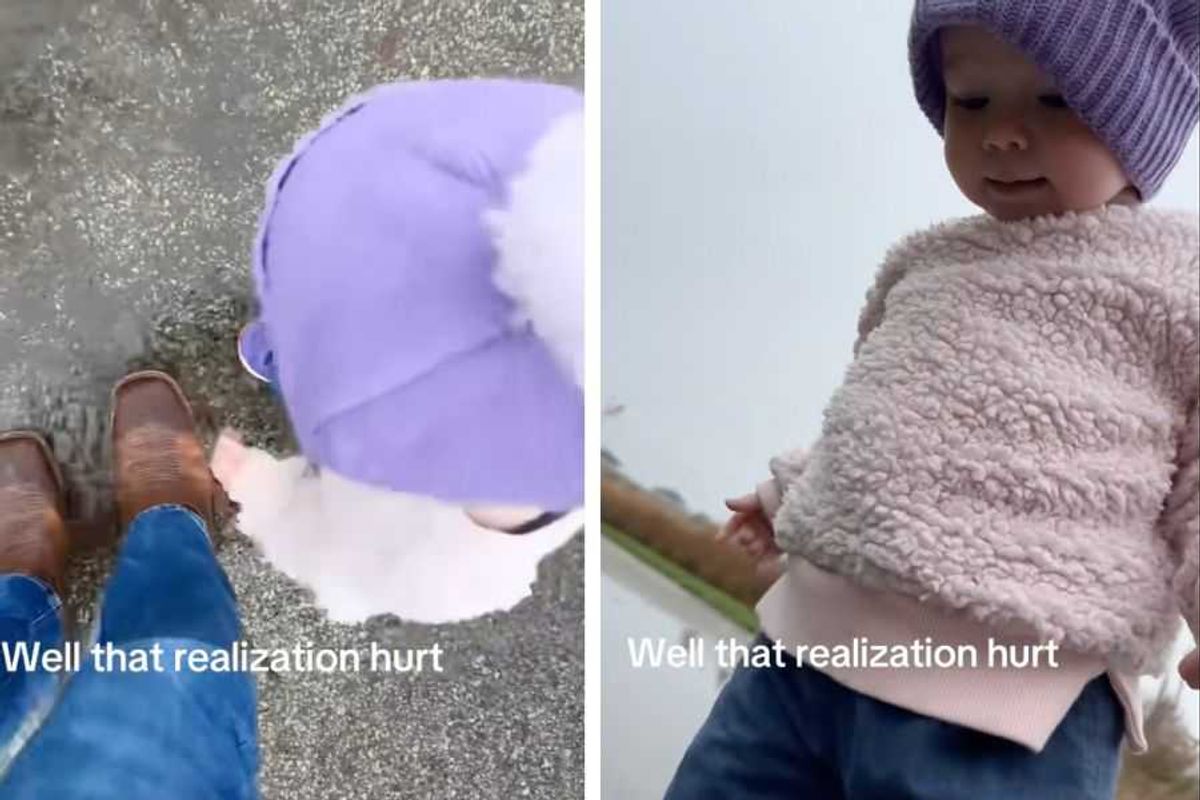
The now-viral clip, posted to TikTok, seems lighthearted enough. Gorman encourages his little one to splash in the water, and when she does, he gushes, "You know what this means? You're officially a kid. You're no longer a baby."

The phrase clearly hit harder than Gorman thought it would, because in the caption he wrote, "Well that realization hurt."

@nick.gorman8 Didn’t realize what I’d said until I watched the video later on…woof! #kiddos #toddlersoftiktok #aww #kidsoftiktok #dad ♬ These Memories - Hollow Coves

It's a realization that's pretty darn universal, as indicated by the thousands of other parents who chimed in on the TikTok video with their own similarly wistful stories:

"Today I heard my daughter getting into the Pop-Tarts while I was doing the dishes and dried my hands waiting for the inevitable 'daddy will you open this?' And then minutes went by, and silence. Curious, I poked my head around the corner and saw her eating them happily. She saw me and announced that she did it herself. I was so proud. But I still move the box up another shelf because I am not ready to stop helping her."

"My daughter used to call ketchup 'dip dip.' One day I asked if she wanted dip dip and she said 'it's ketchup mom.' My heart broke."

"My daughter used to hide from me when I'd get home from work. Came home expecting some elaborate hiding spot but she was just watching tv."

"One day I realized my babies quit calling me dada, and started saying daddy, and that was hard, but when I realized they had switched from daddy to dad that one had me in tears."

Experts seem to agree that when it comes to navigating these closing chapters, parents should permit themselves to feel whatever conflicting emotions arise and remember that it's a natural part of the process.

It's also important to remember that good things are still on the horizon. Every season brings its own special gifts and cherished memories. Even when kids finally leave the house to start their own adult lives, arguably the most bittersweet transition of all, parents are given the chance to explore other aspects of their identity that may have gone dormant during the more active days of parenthood.

Even Gorman seems to have recognized that his realization isn't entirely painful. In an interview with Newsweek, he shared, "While it's sad she's growing up, and we're already seeing our time with her pass, it's exciting at the same time to see her grow and experience new things—which is why I wanted to become a parent in the first place."

Nobody becomes a parent expecting things to become simpler. But most would argue that the trade-off is beyond worth it. And stories like these can remind parents that they're not alone in whatever feelings they're experiencing.

Health

Researchers tested 6 brands of bottled water against tap water, and there was a clear winner

New technology allowed them to analyze the water in ways they never could before.

water, workout, sweat, towell, woman at gym, bottled water, thirst

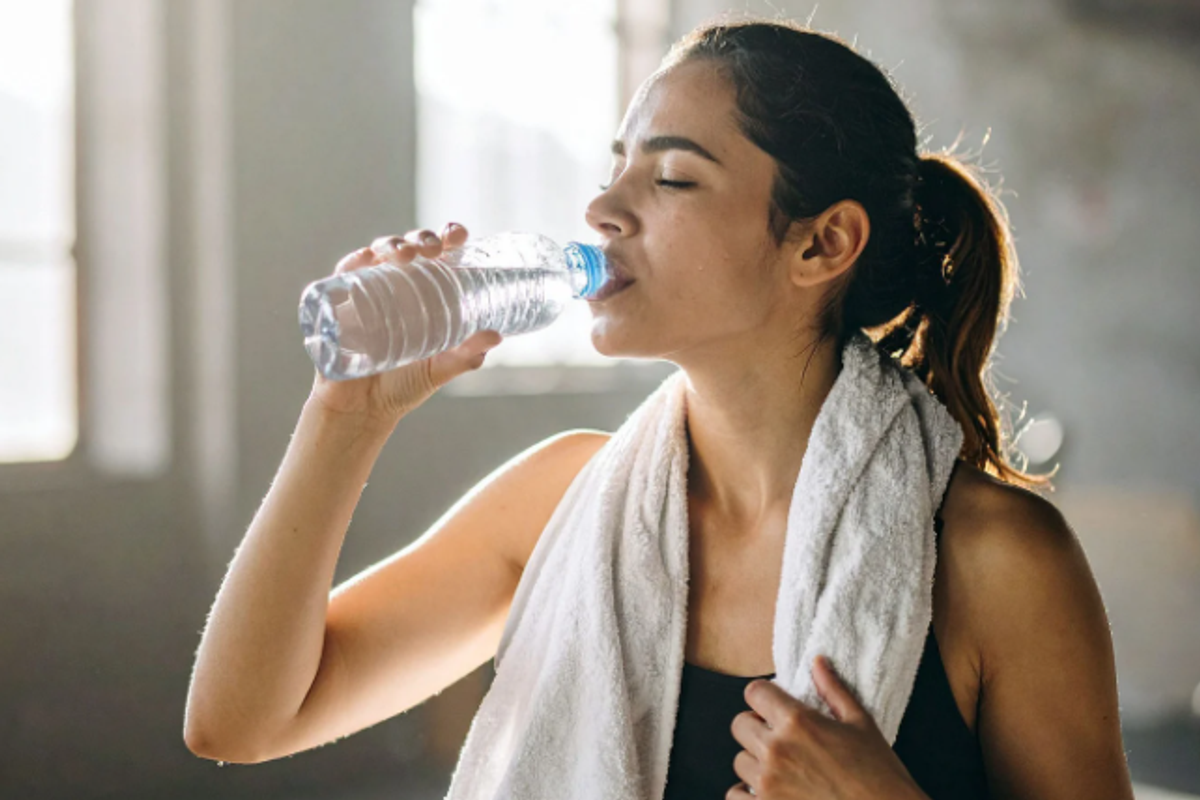
A woman drinking bottled water after a workout.

Ever since bottled water became popular in the 1990s, there has been a vigorous debate over whether it's healthier to drink bottled water or tap water. Bottled-water aficionados often claim it's purer than tap water because it's traditionally marketed as being "from the source" or having come from an untouched stream. That has to be cleaner than water that reaches your home after traveling from God-knows-where through city pipes, right?

What many people don't realize is that bottled water isn't regulated as stringently as tap water. Tap water is overseen by the Environmental Protection Agency (EPA), which requires more frequent testing and stricter disinfection standards. Bottled water is regulated by the Food and Drug Administration (FDA) as a food product.


Tap water found to have fewer microplastics than bottled water

A recent study from The Ohio State University (OSU) delivered another big victory for Team Tap, finding that after testing six brands of bottled water against tap water from four water treatment plants, bottled water contained more than three times as many microplastics as tap water. The big problem is that plastic bottles can shed tiny plastic particles, smaller than a speck of dust, into the water when temperatures change, the cap is removed, or the bottle tumbles around in a purse or the back seat of a car.

tap water, kitchen water, boy drinking, thirsty boy, kitchen sink A boy drinking from the kitchen sink.via Canva/Photos
The tests revealed that the amount of microplastics in bottled water ranged from 2.6 to 11.5 million particles per liter, while tap water ranged from 1.6 to 2.6 million particles per liter. In the best-case scenario, tap water contains similar levels of microplastics, but in the worst-case scenario, bottled water contains more than seven times as many.

The researchers were surprised by their findings because nanoplastics are so small that they've been hard to quantify in the past.

"This lack of knowledge primarily reflects limitations in the methods to isolate and analyze the nanoplastics," said Megan Jamison Hart, a PhD candidate at OSU and the study's lead researcher. "In this study, we developed and validated a novel method for isolating MNPs [micro- and nanoplastics], allowing for the determination of their concentrations using scanning electron microscopy and identification using optical photothermal infrared spectroscopy (OPTIR)."

Are microplastics harmful to humans?

Much more research on microplastics is needed to determine their potential harm to humans. Studies have linked microplastics to impaired immune function, increased inflammation, and cellular damage in animals. Researchers believe that larger nanoplastics pass through the digestive tract and are eventually excreted. Smaller nanoplastics, however, may move into human tissues and even enter the brain.

"While we don't really fully understand the human health risks associated with nanoplastic exposure, it's still better to try and mitigate that risk because evidence indicates that they do cause problems, even if we're not fully aware of what those are yet," said Hart.

water bottle, plastic, thirsday woman, woman workout, workout clothes, A woman drinking out of a plastic water bottle. via Canva/Photos

Given that scientists have yet to determine the harm that micro- and nanoplastics can cause in our bodies, they believe it's best to avoid them as much as possible.

"We can make educated choices to try and reduce our daily exposure to these harmful chemicals," said Hart. "For the average person who is thirsty and wants a drink, the best way to do that would be drinking it straight out of the tap rather than grabbing pre-bottled water."

Hart told StudyFinds that the best thing to do is ditch bottled water and instead drink filtered tap water from a reusable metal bottle.

"This has definitely changed my own drinking habits," she said. "I was primarily a tap water drinker before, knowing that disposable bottles were bad for the environment, but this is something I am even more adamant about now, and I swapped my reusable plastic bottle for a reusable metal one."