

Man's eye-opening story about taking 'a black walk' in a white neighborhood goes viral
"There is an art to making white people feel safe."
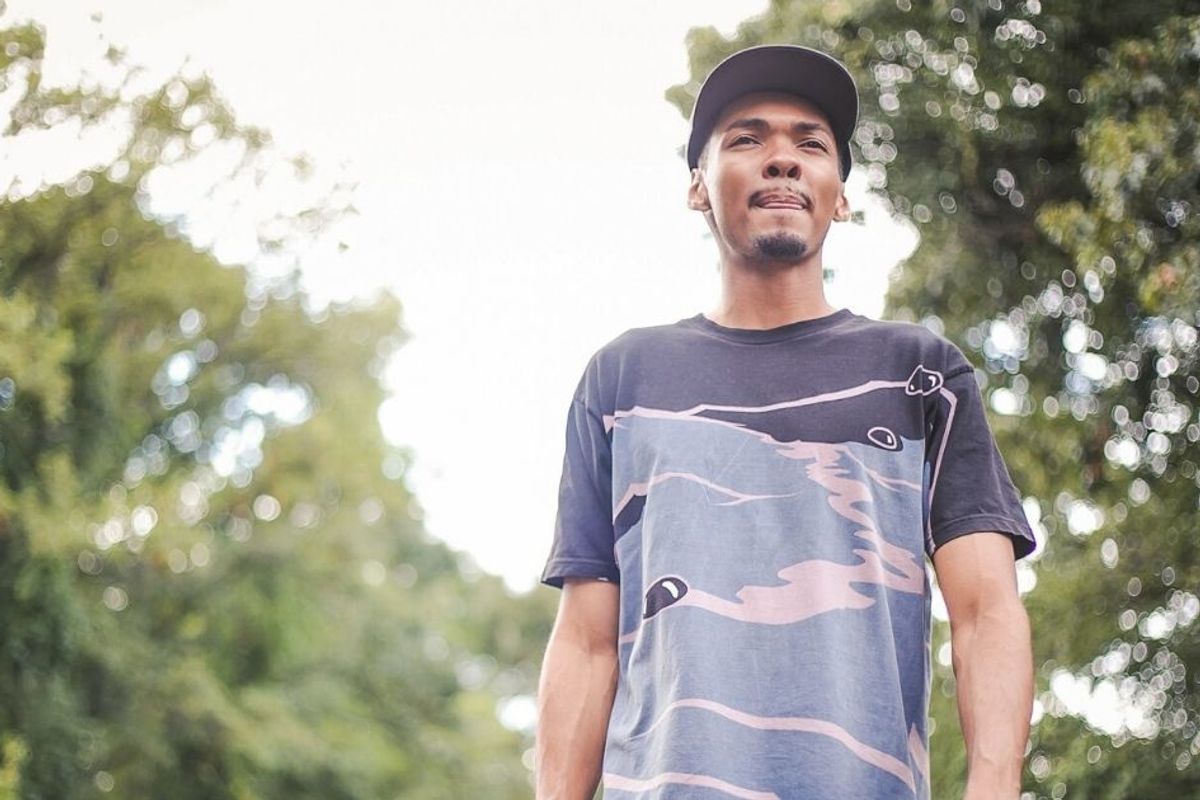
For Black people, something as simple as taking a walk isn't so simple.
Though we're all part of the same species living on the same planet, our experience as humans walking through this world can differ widely. Children see things through a different lens than adults. Women and men have different perspectives on certain issues. And because racism has long been an active element in our society, people with varying amounts of melanin in their skin face specific challenges that others don't.
As a white American, I don't instinctively know what it's like to walk in a Black person's shoes. I can tell you about the legacy of white supremacy laced throughout our country's history. I can explain the far-reaching effects of slavery, lynch mobs, Jim Crow laws, redlining, mass incarceration, and more. I can intellectually break down the psychological and sociological impact of centuries of race-based oppression.
But I can't tell you what it feels like to walk through this world, right now, as a Black person—which is why it's so important to listen to the voices of people who can.
David Summers shared a story on Facebook that reflects the experience of many Black Americans—one that can help us non-Black folks see through a lens we simply do not and cannot have. Perhaps that's why it's been shared more than 20,000 times. From the fear that any object he carries might be mistaken as a gun to figuring out how to smile at a stranger just right so he won't be considered a threat, the "black thoughts" Summers describes during his walk through a beautiful, white neighborhood—presumably a neighborhood most of us would consider "safe"—are heartbreaking.
He wrote:
"I took a black walk this morning. I took a black walk through a white neighborhood. When I take black walks, I think black thoughts. I am conscious of where I've placed my gun, my gun, and my gun. I mean, my phone, my wallet, and my keys. Because Peace Officers have a hard time telling the difference. I rehearse what I'll say if a concerned resident, or a law enforcement employee has questions about why my black body is walking through their white space. And I remind myself to make sure the law enforcement employee has his body camera recording. Sometimes it helps if there is video evidence to accompany the hashtag.
There is no way to be stealthy when you take a black walk. White neighborhoods are blanketed by a sophisticated security system comprised of nosy neighbors, Ring doorbell cameras, and white women walking their dogs. So, I've learned to notice the white world through my periphery. To be aware of the dangers without acknowledging them. There is an art to making white people feel safe. To say 'Good Morning' and flash a smile that shows confidence and deference at the same time. To being polite because your life depends on it.
I felt the squad car behind me before I saw it.
It moved deliberately. Not like the other cars mindlessly whizzing past. Its tires inched. Crept. Stalked their way toward me.
I kept walking.
"Don't take your hands out of your pockets," I thought. Or wait, maybe I should? Maybe it's better if my hands are clearly empty. But it's cold outside…maybe it's nothing. Keep walking.
The car rolled past me and made a slow right turn. I glanced quickly but didn't stare. The air is still. My ears tuned out everything but the slight scuff of my sneakers on the sidewalk and the fading sound of those stalking tires.
Almost there.
Suddenly the squad car re-emerged. It was a block ahead of me. It made a quick right turn, continued to the end of the street, and then waited. No more stalking. This was a show of force. This was a roar. This was a reminder that I was trespassing.
I kept walking.
As I approached the corner, the front window began to roll down. The occupant didn't speak. Didn't smile. Just stared. I was being warned.
I crossed the street and the lion trotted off. He had effectively marked his territory. The brave protector had done his job.
I however, couldn't help but wonder what I'd missed during my black walk. It's hard to hear the birds chirping, or to smile at the squirrels playfully darting along the branches when you're on a black walk. It's easy to miss the promise of a light blue sky, or appreciate the audacity of the red, yellow, and purple daisies declaring their independence from the green grass when your mind is preoccupied with black thoughts.
I took a walk through a beautiful neighborhood this morning. But I missed the whole thing."
Thank you, Mr. Summers, for sharing your "black walk" experience. Hopefully, it will prompt us all to ask ourselves whether our words and actions serve to reinforce or remedy what you've described.
This article originally appeared five years ago.
- 7 things black people want their well-meaning white friends to know ... ›
- I'm black. I live in the whitest city in America. So I left town to see ... ›
- Why simply living as a black man in America is exhausting. - Upworthy ›
- Reflections from a token black friend - Upworthy ›
- Dear white friends I need you to love my sons as they grow into Black men - Upworthy ›
- 15 classy ways to tell someone off without using foul language - Upworthy ›
- Want to tell better stories? Include these 5 story elements. - Upworthy ›
- Man becomes 'neighborhood dad' to group of young boys playing flag football - Upworthy ›
- Man notices a single mom's fence falling down so he stopped to build her a new one for free - Upworthy ›
- Clever mom had an epic rebuttal to neighbor's complaint about her toddler's sidewalk chalk - Upworthy ›



 A Baby Boomer couple.via
  A Baby Boomer couple.via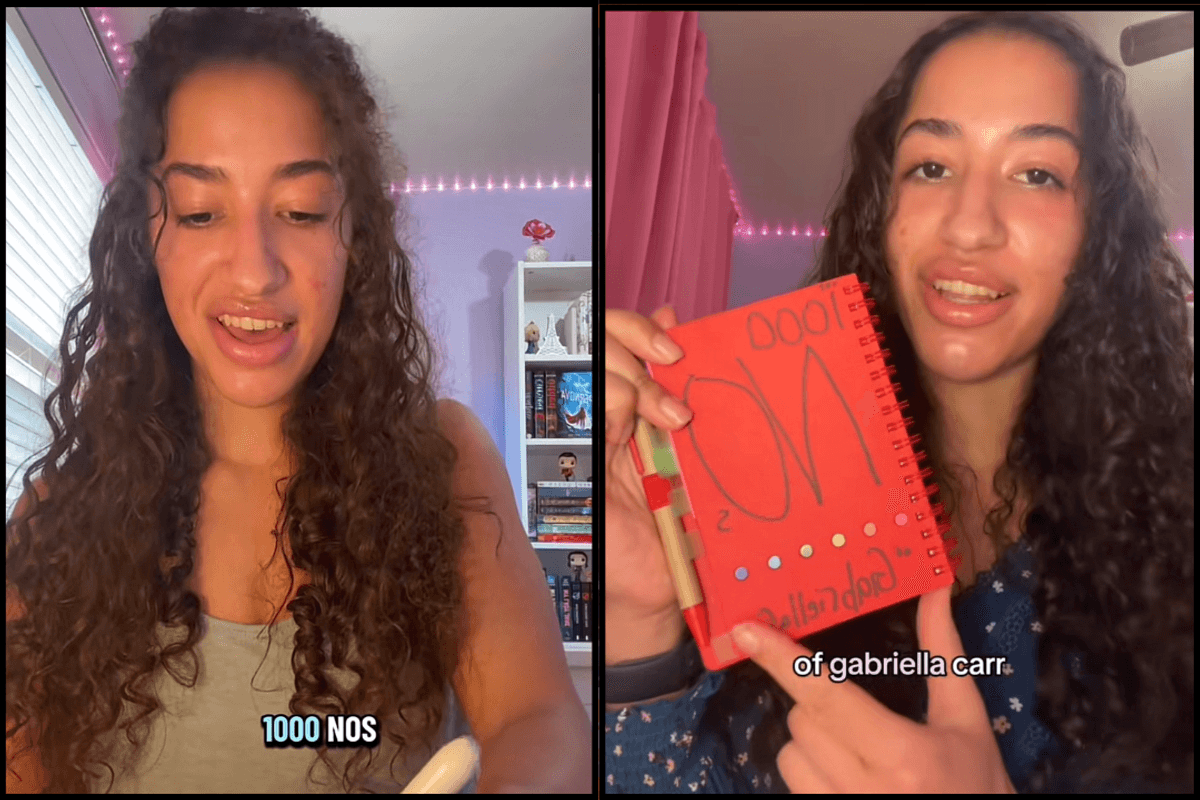
 This is where Gabrielle tracks her rejection journey.
 Social rejection feels just like physical pain to the brain.
 Asking questions can be a form of bravery.

 Woman working, productively.
 An exhausted mom and her baby.
 A mom yawns while feeding her baby.