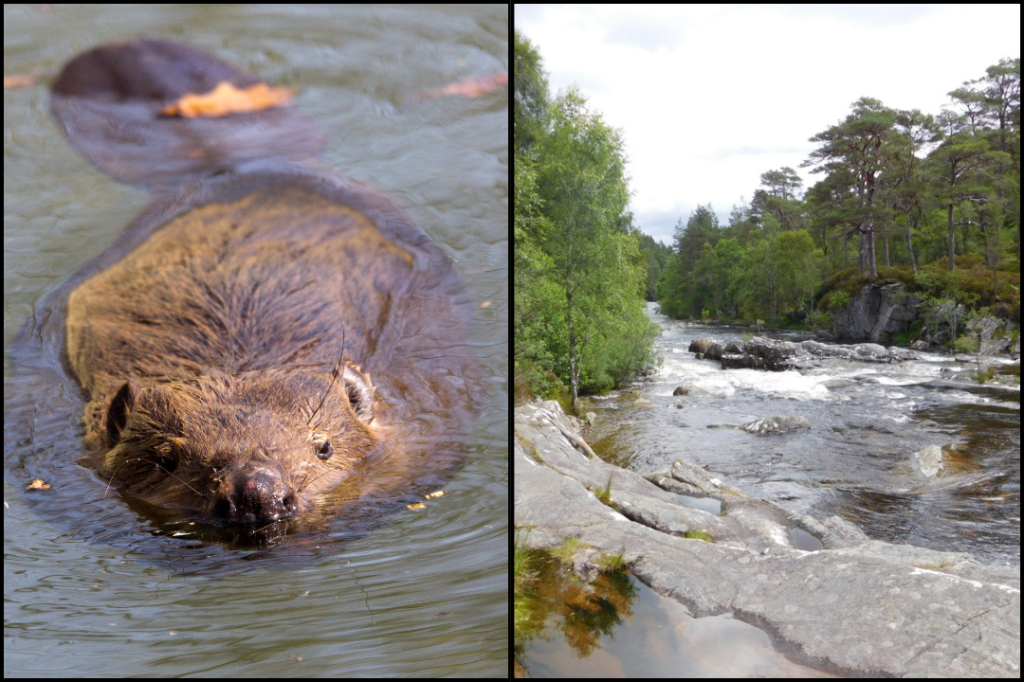
Imagine standing on the edge of a loch in the Scottish Highlands. The air is crisp, and pine trees reflect off the glass-like water.
Welcome to the Glen Affric National Nature Reserve. Often called “one of the most beautiful places in Scotland,” this stunning nature reserve is home to ancient Caledonian pine trees, gorgeous lochs, and magnificent hiking trails. However, for centuries, a specific sound—and species—has been missing from this landscape. On a brisk day in October 2025, that silence was finally broken by a splash.
In a moment conservationists are dubbing “wildlife history,” seven beavers were released into the crystal-clear waters of Glen Affric, marking a monumental homecoming for a species that disappeared from the area four centuries ago.
Forestry and Land Scotland (FLS), working alongside the charity Trees for Life, released a family of five and a breeding pair of beavers at two sites on Loch Beinn a Mheadhoin in the nature reserve in Invernesshire. These animals are now swimming in waters that haven’t felt the paddle of beaver tails since the 16th century.
For the people of Scotland, and nature lovers around the world, this release offers a profound sense of hope. It signals that we have the power to repair what was once broken, and that nature, when given the chance, can return to its rightful glory.
The long road home
To understand the magnitude of this occasion, we have to look back at what was lost. The European beaver was once a common sight across Britain. These animals were architects of wetlands, shaping the rivers and valleys people know today. Over time, however, humans hunted them to extinction for their fur, meat, and musk oil, and they disappeared from Scotland’s landscape roughly 400 years ago.
For generations, ecosystems managed without them, but their absence was felt. Rivers flowed too fast, and wetlands dried up too quickly.
The tide began to turn in 2009 with the Scottish Beaver Trial in Knapdale Forest. This marked the UK’s first licensed release of a mammal into the wild, bringing European beavers back to Argyll. The trial proved to scientists that beavers could once again thrive in Scottish waters. Since then, populations have grown in the Tay and Forth catchments, with current estimates suggesting more than 1,500 beavers now call Scotland home. The release in Glen Affric marks the next exciting chapter in this recovery, expanding their range into one of the country’s most iconic nature reserves.
Nature’s hardworking engineers
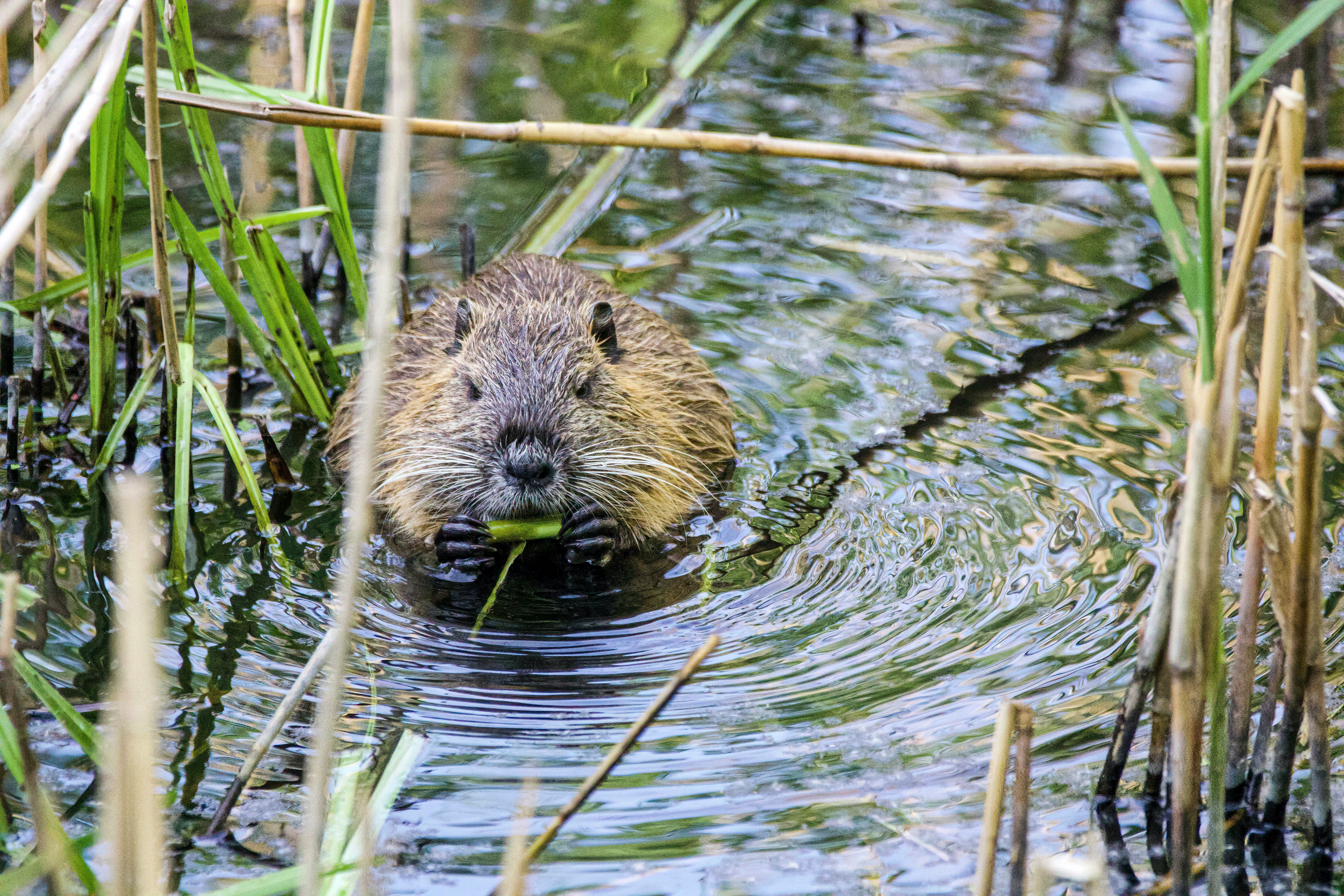
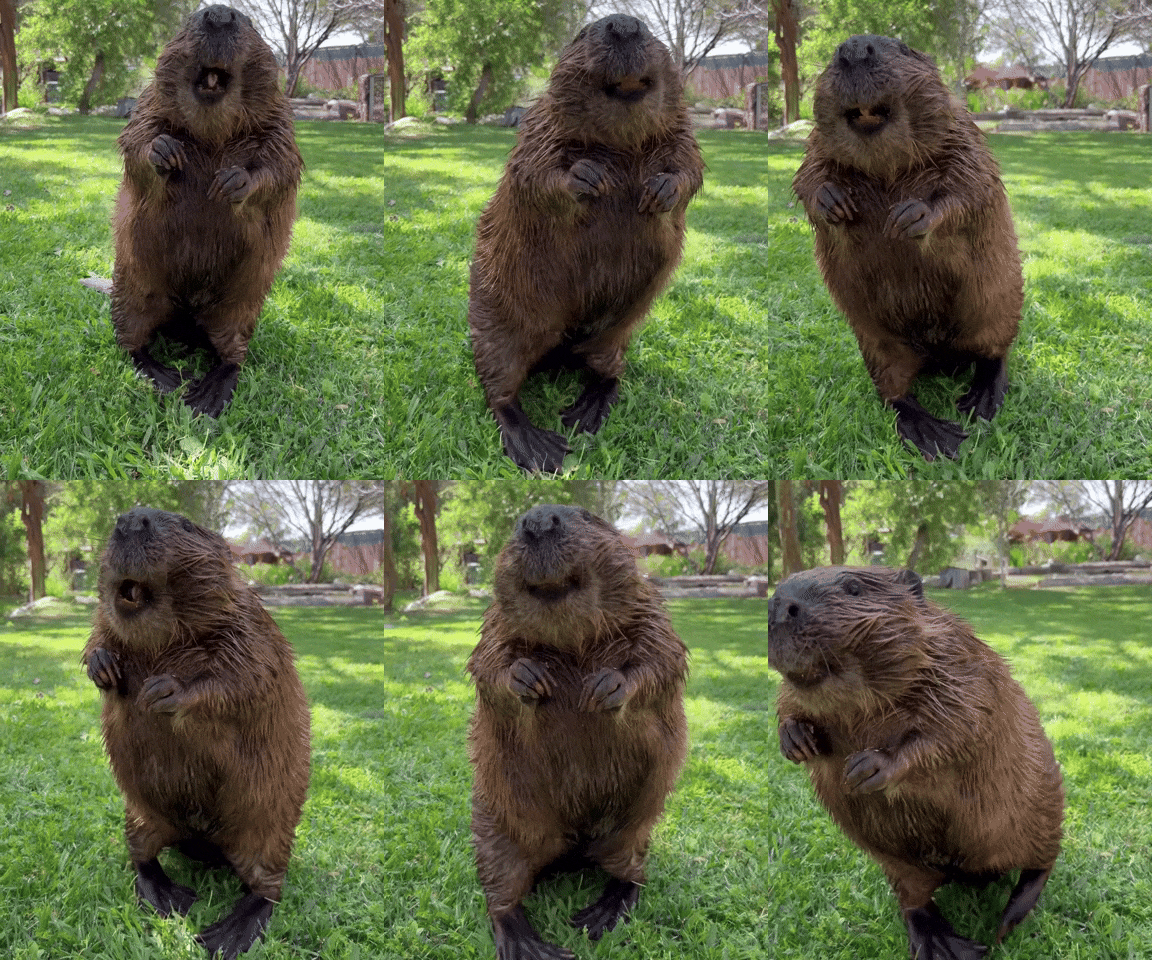
You might wonder why there’s so much commotion over what, to many, looks like a giant rodent. The answer lies in the beaver’s nickname, ecosystem “engineer.” These creatures possess a remarkable ability to transform their environment, benefiting nearly everything around them.
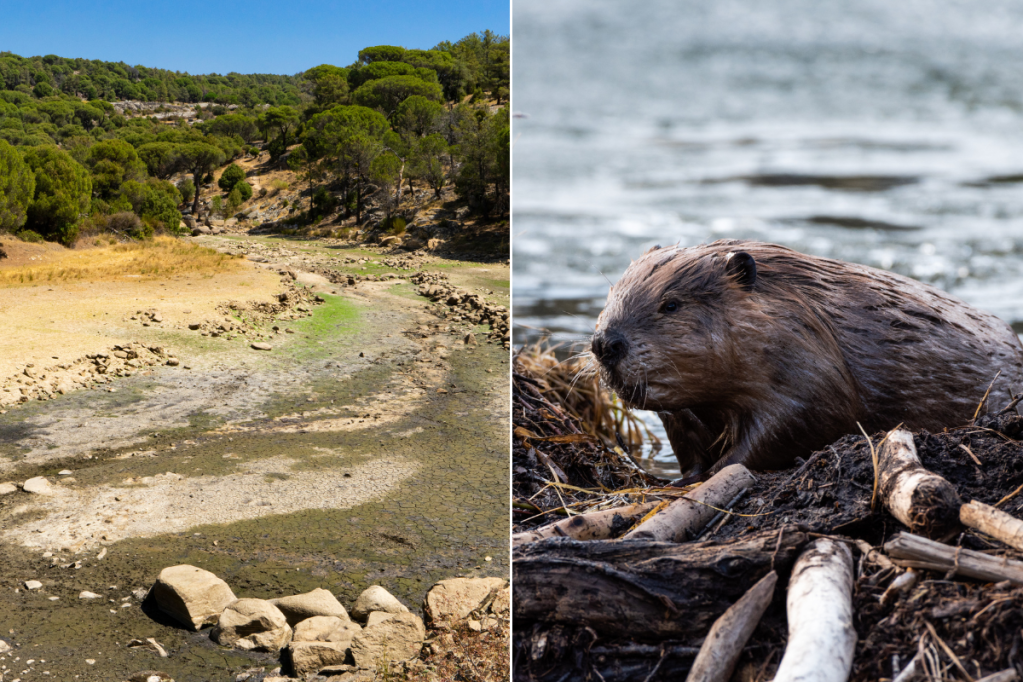
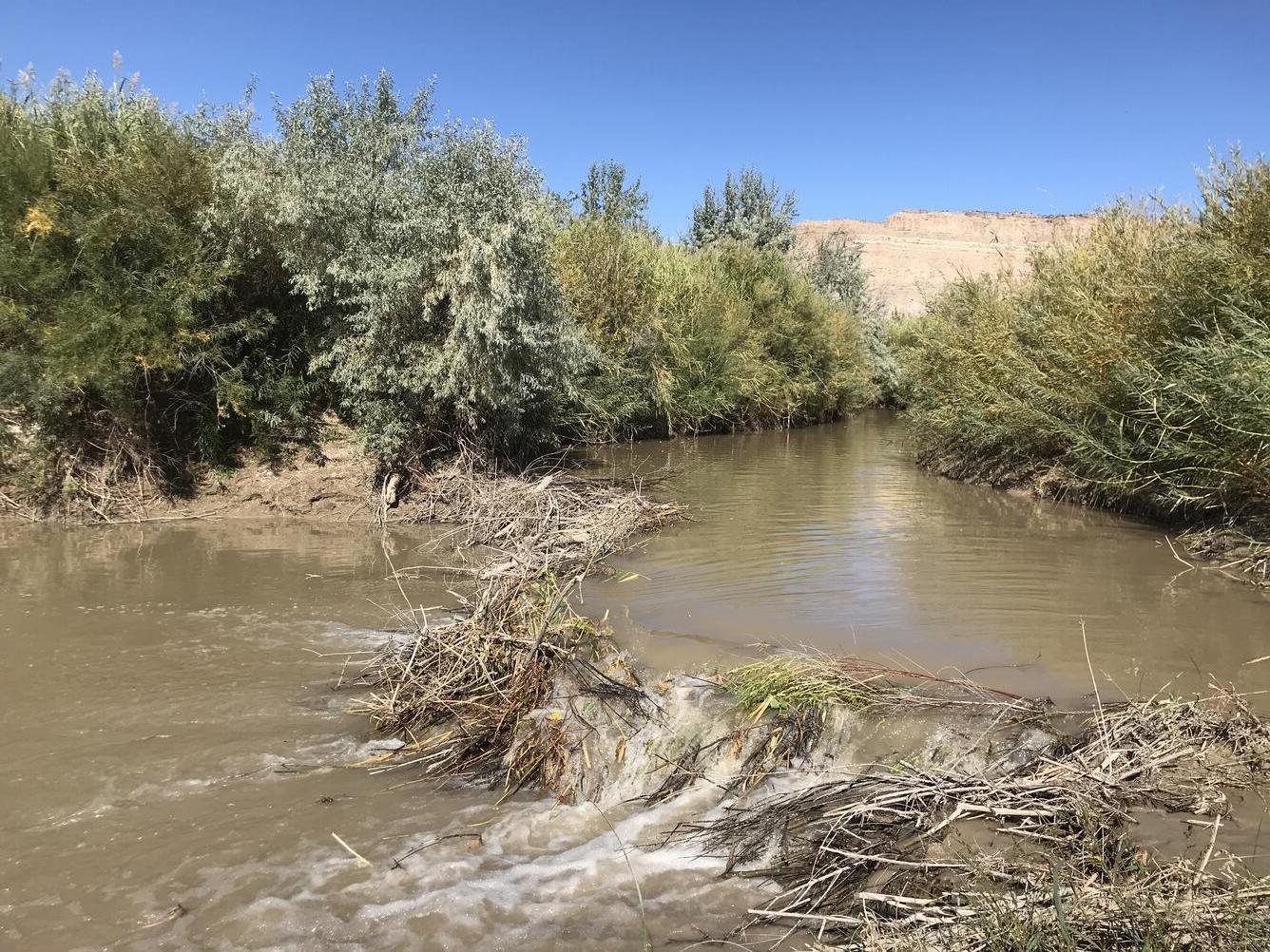
When beavers build dams, they slow the flow of water. This creates complex wetland habitats, ponds and pools that become nurseries for fish, amphibians, and insects. These wetlands act like giant sponges in the landscape. During heavy rains, they hold back water, reducing the risk of catastrophic flooding for downstream communities. During droughts, they store water, keeping rivers flowing and providing a lifeline for wildlife.
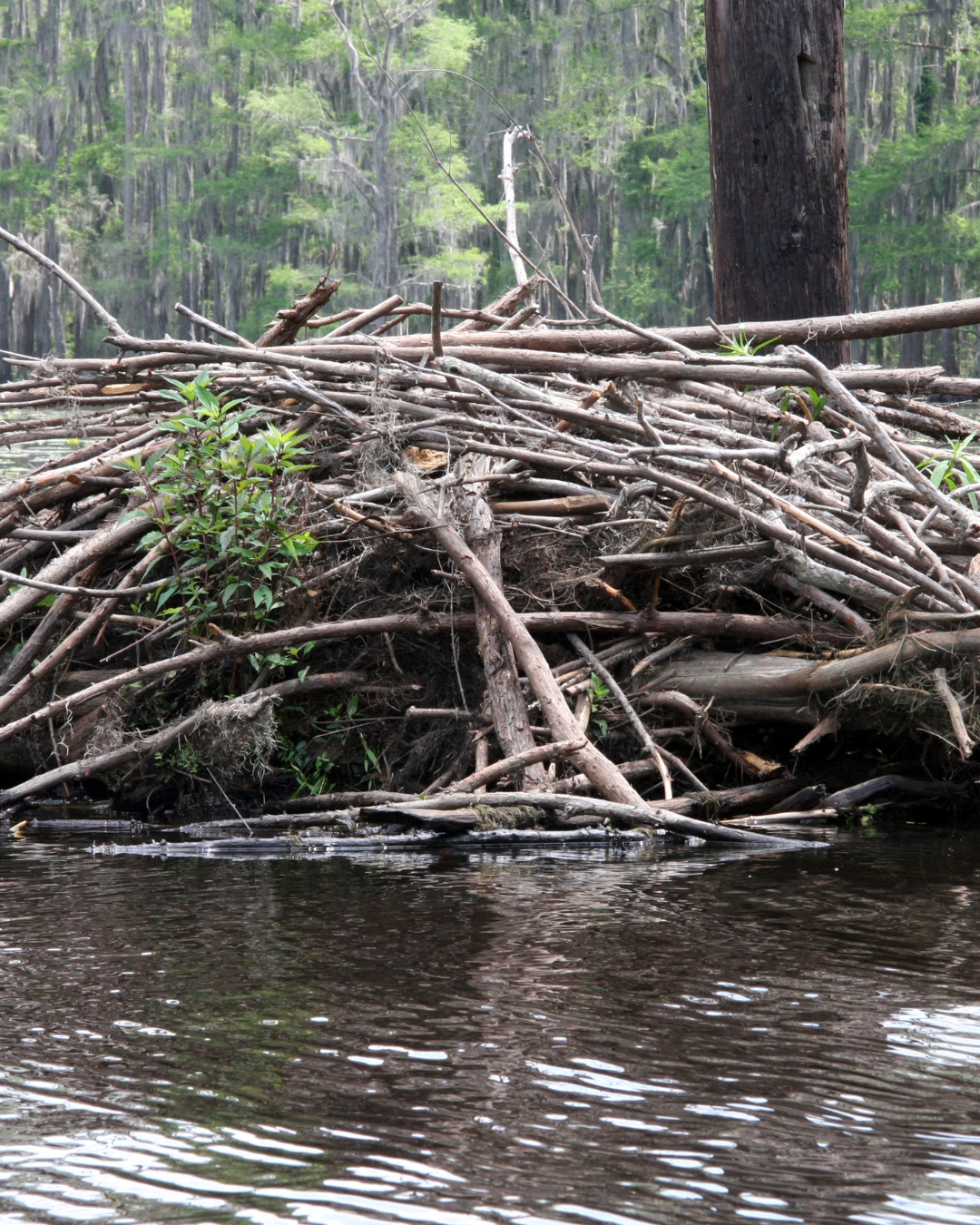
Recent studies highlight the benefits of beaver reintroduction for ecosystems. Research led by the University of Stirling found that beaver dams can reduce peak water pollution levels by 95%. These dams act like the kidneys of a river system, filtering out agricultural runoff and helping keep the water clean. By bringing beavers back to Glen Affric, scientists have effectively reinstalled a natural life-support system for the entire glen.
Added bonus: a boost to local communities
The return of the beaver is good news for people, too. Across Scotland, the presence of these charismatic creatures is becoming a significant draw for visitors—and a boost to local economies. Wildlife tourism is booming, with “beaver safaris” in places like Perthshire often booked to capacity.
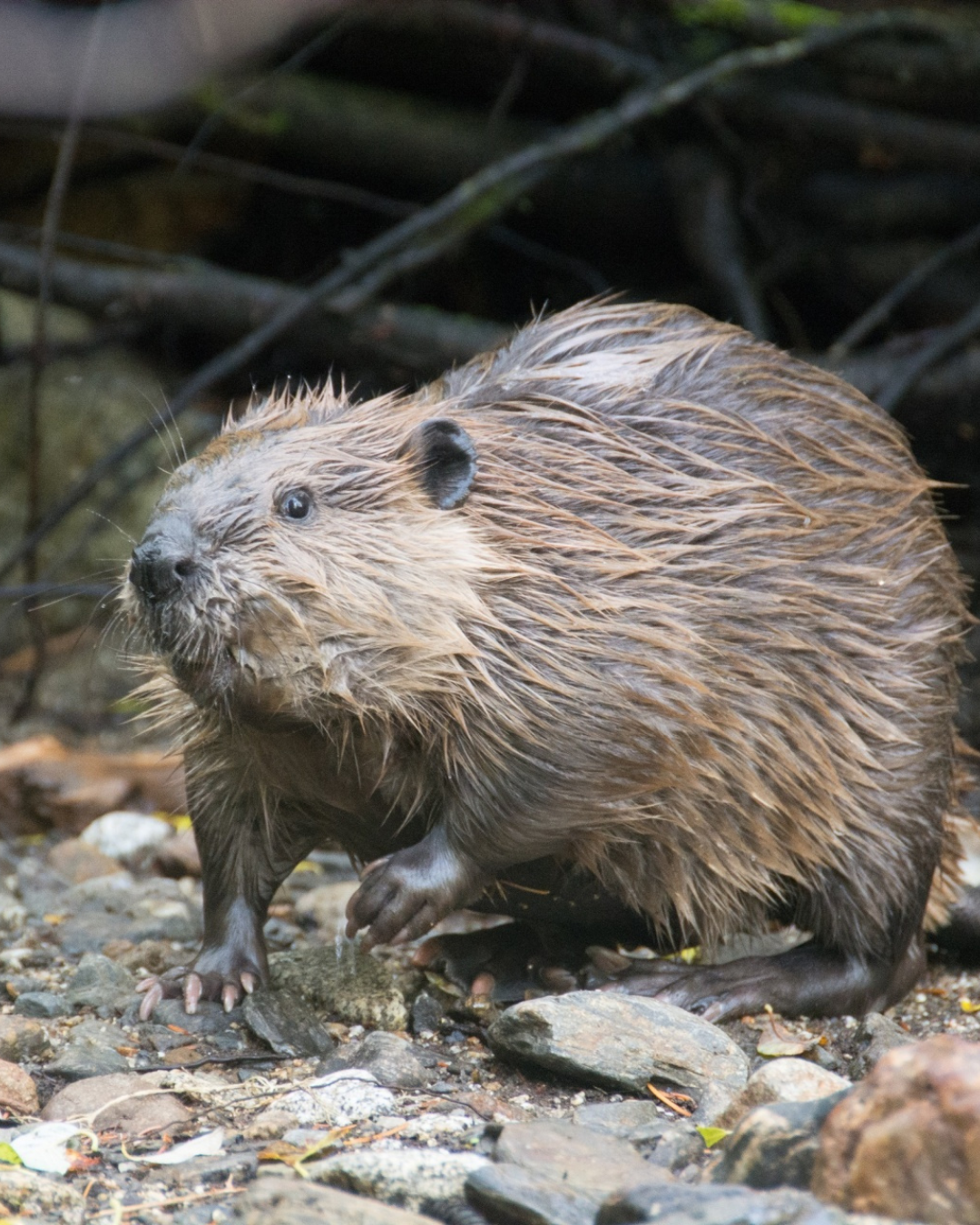
Estimates now suggest that a single reintroduction site could eventually inject an estimated £2 million—roughly $2.7 million—into the local economy each year. Visitors come for the chance to see a beaver gliding through the water at dusk or to spot the telltale signs of gnawed wood and dams. This interest in the environment supports local hotels, guides, and cafes, breathing new life into rural areas.
Crucially, the Glen Affric release was not a top-down decision. FLS and Trees for Life spent years engaging with local communities, listening to concerns and building a plan that works, for the most part, for everyone. This model of community consultation helps ensure holistic sustainability and that the beavers are welcomed neighbors rather than a nuisance, setting a high bar for conservation projects worldwide.
A bright vision for the future
This release is part of a larger picture. In 2022, the Scottish Government published “Scotland’s Beaver Strategy 2022-2045,” an ambitious roadmap endorsed by more than 45 organizations. The mission is simple but powerful: to see the beaver population actively expand across Scotland.
The strategy recognizes that beavers are essential allies in tackling the twin crises of biodiversity loss and climate change. By restoring wetlands, beavers help sequester carbon and create natural firebreaks in forests. Scotland is hoping for a future in which beavers are no longer a novelty but an integrated, widespread part of the natural world.
Navigating challenges
Of course, bringing back a species that’s been gone for nearly 400 years comes with its own learning curve. In low-lying areas, beaver activity can cause localized flooding that impacts farmers on prime agricultural land.
This is where the beaver strategy shifts from pure conservation to vigilant, careful management. Mitigation comes first: tree guards protect timber, and “flow devices” are installed on dams to regulate water levels. If conflicts remain unresolved, beavers are translocated, with experts trapping and moving them to areas where they are wanted and needed, such as the family relocated to Glen Affric.
Approaches like these balance and respect the needs of land managers while acknowledging the broader benefits to biodiversity. They recognize that living alongside wildlife requires compromise and adaptation, but that the rewards are well worth the effort.
A legacy of hope
As the seven beavers settle into their new lodges in Glen Affric, scientists look forward to them building dams—and a legacy. These animals represent a meaningful shift in how we relate to the natural world, moving from a mindset of exploitation to one of restoration.
Steve Micklewright, the chief executive of Trees for Life, described the release as a “moment of wildlife history.” In a world where we often hear about what we’re losing, the return of the beaver after 400 years is a powerful reminder of what we can regain. It offers a tangible sign that with patience, cooperation, and a little help from our furry friends, we can heal our landscapes and leave a richer, wilder world for future generations.