Have you ever wondered why some people seem to fall fast asleep by 10:00 p.m. and are up at the crack of dawn, while others are just getting their night started at midnight? You’ve probably heard terms like “night owl” and “early bird” and assumed they were related to a person’s age or lifestyle.
What some people may not realize is that this tendency to go to bed or wake up at certain times is often genetically etched in our DNA through what’s known as a “chronotype.” It not only affects our sleep–wake cycles but can also influence our overall health in a plethora of ways.
According to UCLA Health:
“[It’s] the subjective way you experience your circadian rhythm. In other words, your 24-hour daily cycle may or may not align with sunrise and sunset, depending on when your body naturally wants to wake up and go to sleep. Your chronotype determines your peak time for concentration, physical performance and creativity.”
Danielle Pacheco of Sleep Foundation writes that a person’s chronotype affects far more than just sleep: “In addition to regulating sleep and wake times, chronotype has an influence on appetite, exercise, and core body temperature. It is responsible for the fact that you feel more alert at certain periods of the day and sleepier at others.”
The good news, according to UCLA Health, is that our body’s natural proclivities are never inherently right or wrong:
“You probably have a good idea about when you are likely to be tired and when you tend to have the most energy. We often fight those natural inclinations due to work obligations, family schedules or fear of missing out. But learning to work with, and not against, your chronotype can improve your sleep quality. Getting better sleep enhances your mood, productivity and overall health.”
The key is to first identify your type.
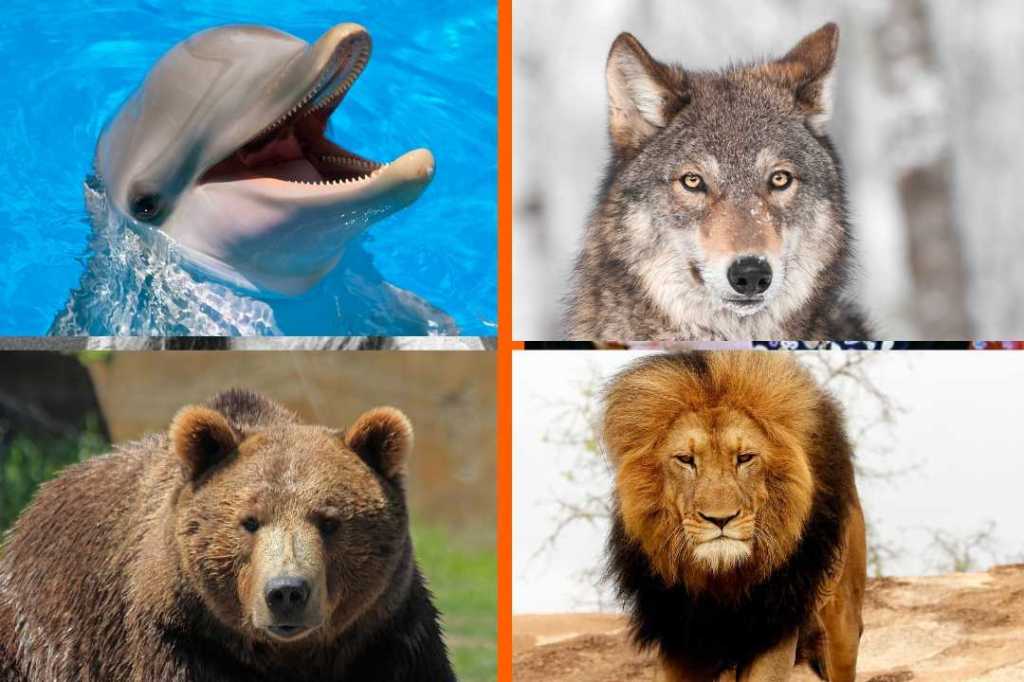
Clinical psychologist Dr. Michael Breus, founder of Sleepdoctor.com, created a popular quiz to help people understand their chronotypes and sleep scores. After a short series of questions covering everything from snoring and anxiety to caffeine intake, the quiz-taker is assigned an animal that represents their chronotype. Participants may lean toward the “Bear, Wolf, Lion, or Dolphin.”
Based on the answers, Breus’s website offers suggestions for healthier sleep habits. For example, I’m a “Dolphin” who snores, and the site recommends specific pillows that may help open the air passages in my throat and nose.
Here’s a breakdown of the animal chronotypes, which Breus notes “can and probably will change throughout your life.”
THE DOLPHIN
“Dolphins make up about ten percent of the population and it turns out, can be pretty erratic sleepers,” Breus shares.
Pacheco explains that Dolphins are the insomniacs of the bunch: “The dolphin chronotype is based on the ability of real dolphins to stay alert even while sleeping.”
Attributes:
“Intelligent
A little high-strung
Sensitive
Often easily disturbed by noise or light.”
Breus points to some good news: “People with this chronotype have an excellent window of productivity. They tend to get things done between 10:00 a.m. and 2:00 p.m. every day.”
Famous Dolphins:
William Shakespeare
Richard Branson
Steve Aoki (whom Breus says is a friend)
Breus suggests sleeping from around midnight to 6:30 a.m. and exercising in the morning.
THE LION
Breus explains that Lions are the “early to bed, early to rise prototype.” They make up about 15 percent of the population, wake up around or just before 5:00 a.m., and are “most productive in the hours before noon.”
Attributes:
“Go-getters
Leaders
(Often) COOs of companies.”
Breus also adds that Lions value exercise and sticking to plans.
Famous Lions:
Maya Angelou
Benjamin Franklin
Kelly Ripa
For Lions, Breus suggests waking up early and “winding down early in the evening.” He also believes Lions should exercise early in the morning to give them a “burst of energy” throughout the day.
THE WOLF
Making up about 15 to 20 percent of the population, the Wolf chronotype is also known as the classic “night owl.”
Attributes:
“Crave novelty
Risk takers
Don’t follow patterns”
Breus mentions their tendency to be socially introverted, but notes that “not all the characteristics are gonna fit all of you.”
Famous Wolves:
Elon Musk
Jay Leno
Rachael Ray
The Wolf is “most productive between noon and 4:00 p.m.,” so a later start to the day is advised, Breus notes.
Because most social and work schedules follow a fixed pattern, the Wolf chronotype may face challenges due to its tendency to stay up late or wake up later. Breus says there’s no need to worry. “There are ways to accommodate your sleep needs,” he explains, recommending exercise in the early evening and limiting caffeine intake to once a day.
THE BEAR
Breus says most Americans fall into the Bear chronotype, estimating it accounts for about 50 to 55 percent of the population. He adds that “the whole world is adapted to a Bear’s schedule.”
Breus proclaims that Bears have the healthiest sleep patterns, adding, “You guys are the glue that keeps society together.”
Attributes:
“Tendency to be cautious
Extroverted
Friendly
Very easy to talk to”
Famous Bears:
Stephen King
Jeff Bezos
Arianna Huffington
Breus recommends that Bears “wind down in the early evening,” with a target bedtime of around 10:00 p.m. He also suggests exercising before 1:00 p.m. to allow enough time for activity during the day. In addition, he advises Bears to wait at least 90 minutes after waking before having coffee or tea and to “stop caffeinated intake by about 2:00 p.m.”