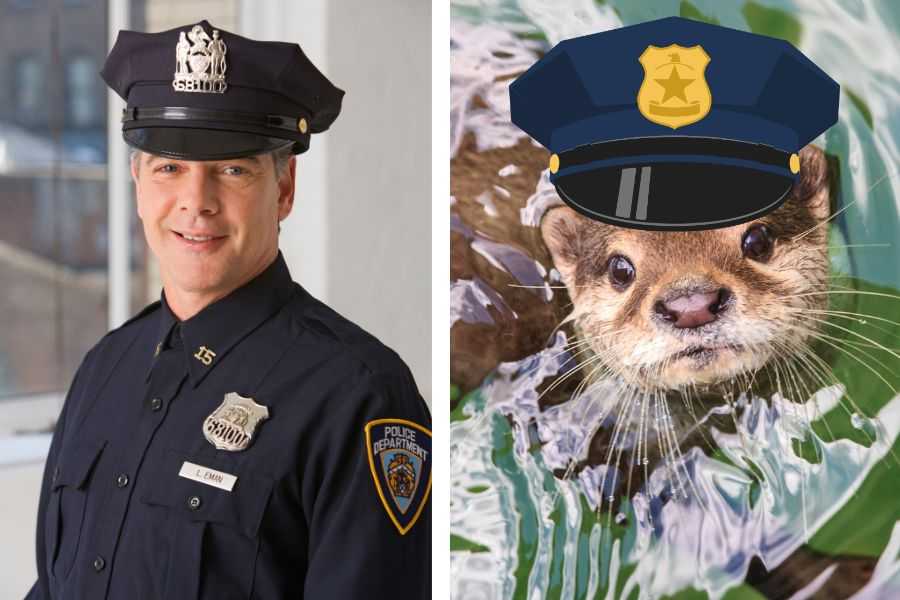
Police departments have long relied on the incredible smelling power of canines, but even their sniffing skills have their limits. Bodies of water, for instance, aren’t exactly locations that dogs can traverse easily, hence why oceans and lakes are often spots that criminals might dispose of evidence or victims.
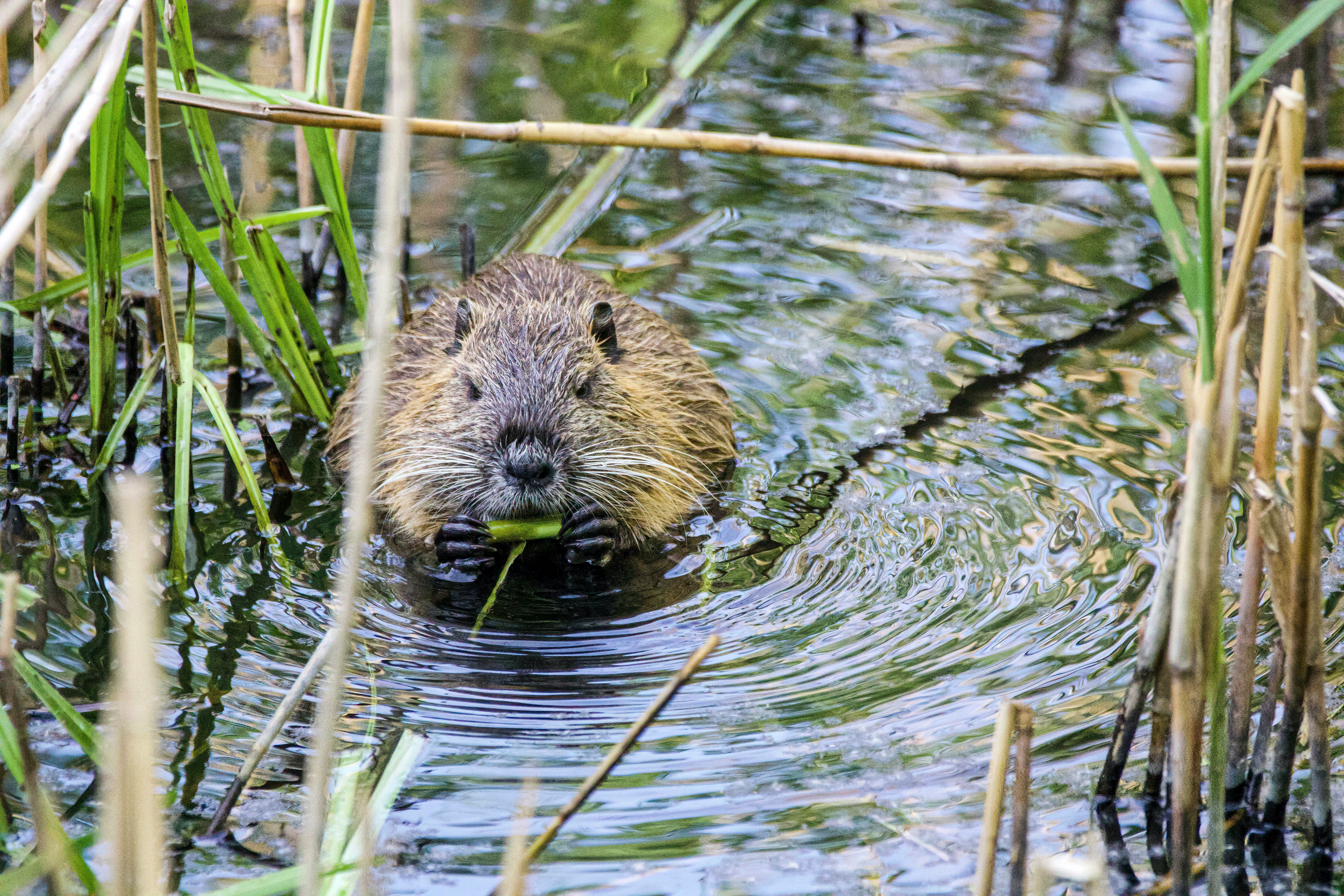
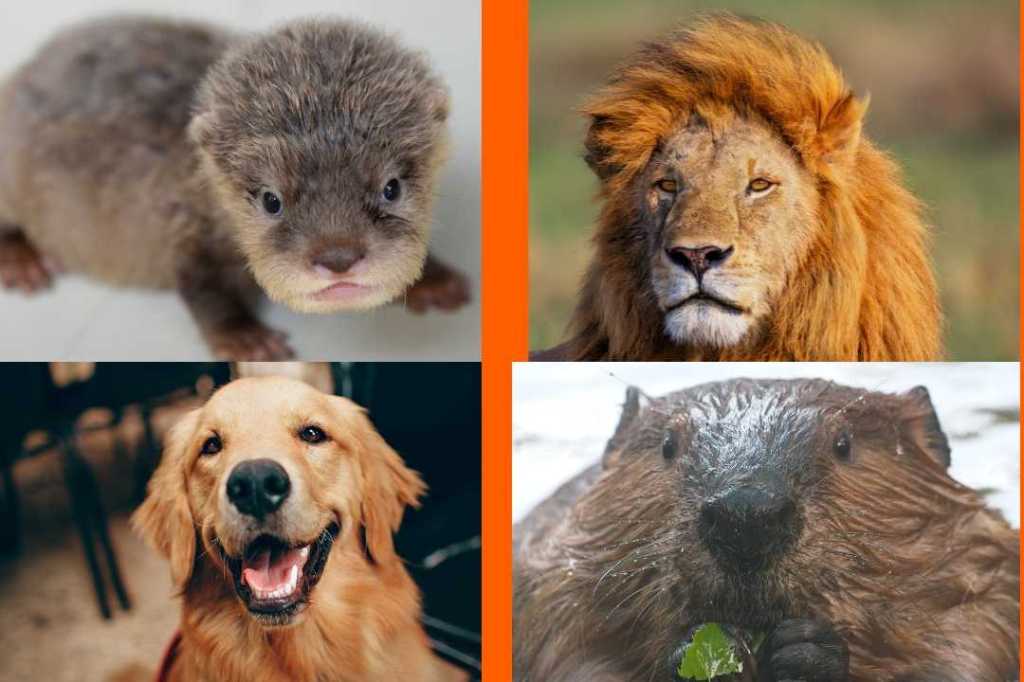
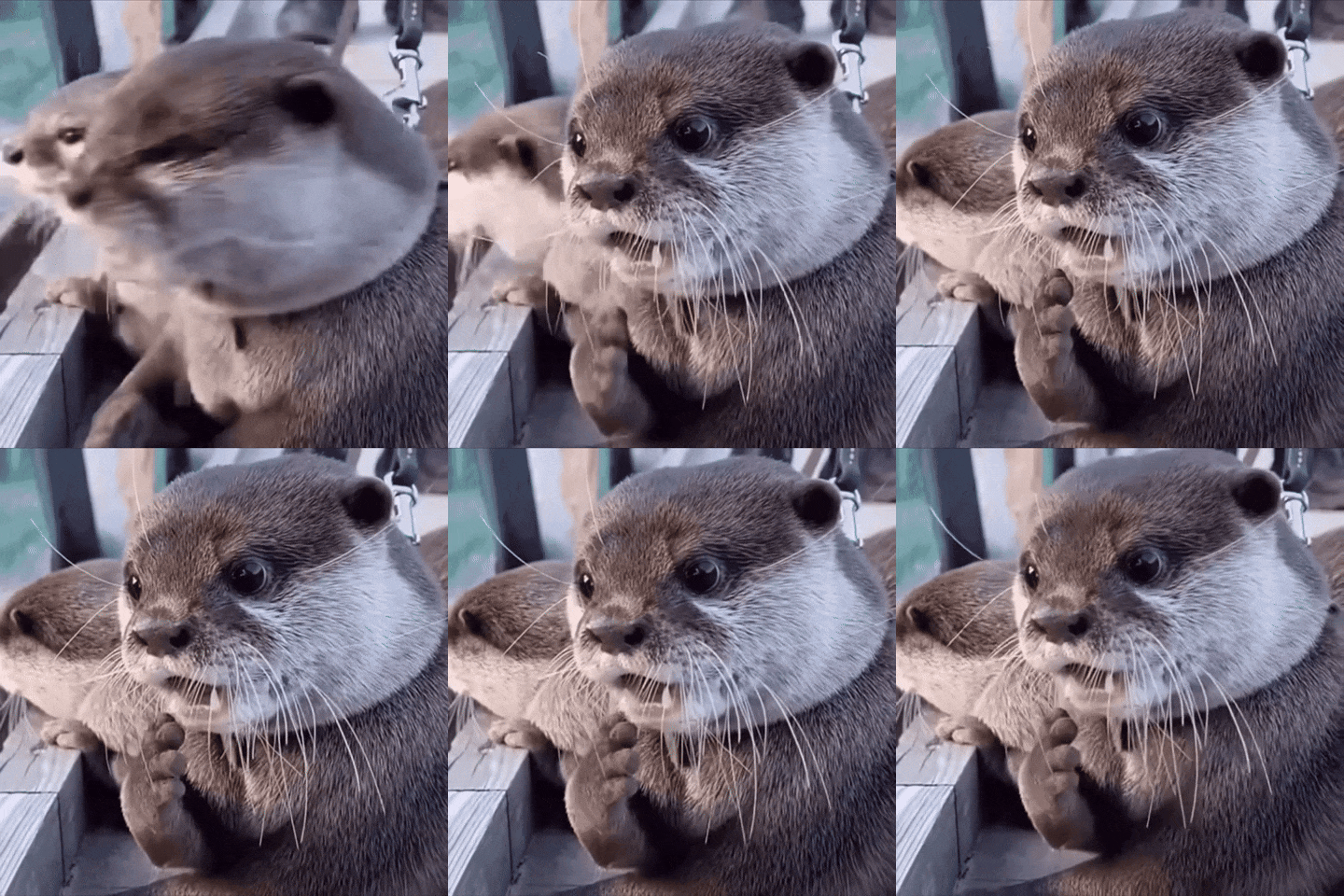
That’s where Splash comes in. Splash is an Asian small-clawed otter specially trained to detect and recover human remains in the water. Hey, it’s a tough job, but somebody’s got to do it.
How exactly did Splash stumble (or swim) upon this unique career normally reserved for dogs? You have his owner, Michael Hadsel, to thank for that.
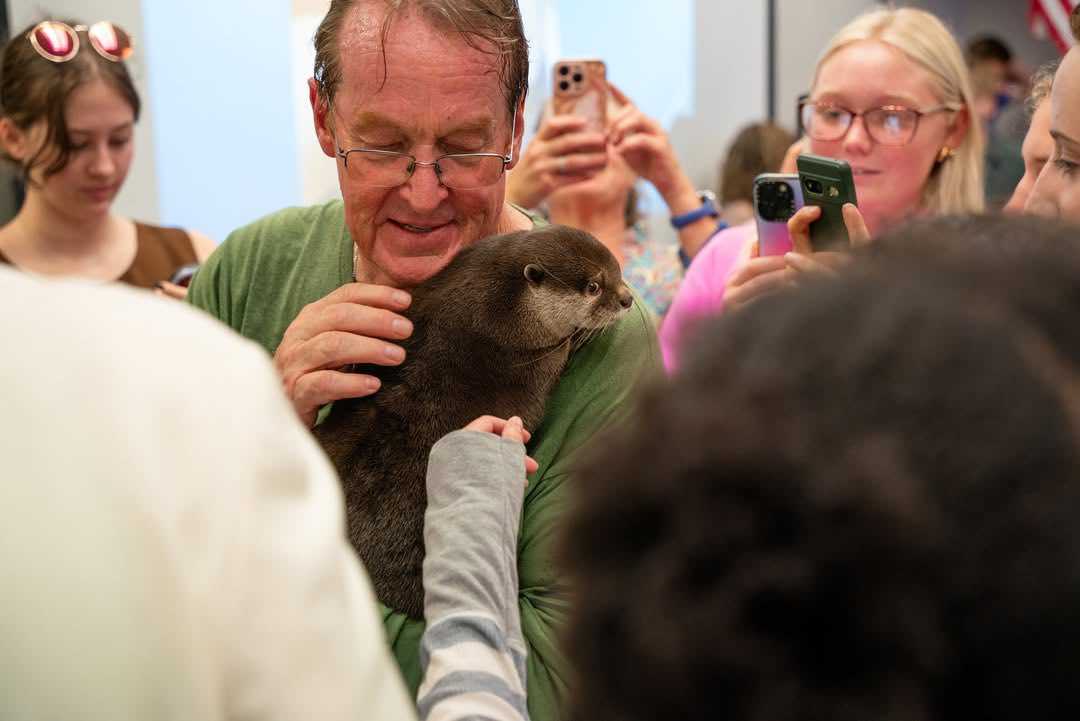
For the last 46 years, forensic diver Hadsel has trained dogs SAR squads, law enforcement, and recovery teams through his Peace River K9 Search and Rescue company. Around 2018, Hadsel began seeing if other animals, like horses, could also be trained to sniff out dead bodies. Then he read an article about fishermen in Bangladesh and India teaching local river otters to chase prey into fishing nets.
Once Hadsel learned that otters are believed to be the only mammals capable of smelling underwater—a feat they achieve by exhaling small, rapid air bubbles from their noses and sniffing them back in—he began attempting to train them to do similar K9 tasks. By 2024, Splash had been adopted and proved to be quite a worthwhile trainee.
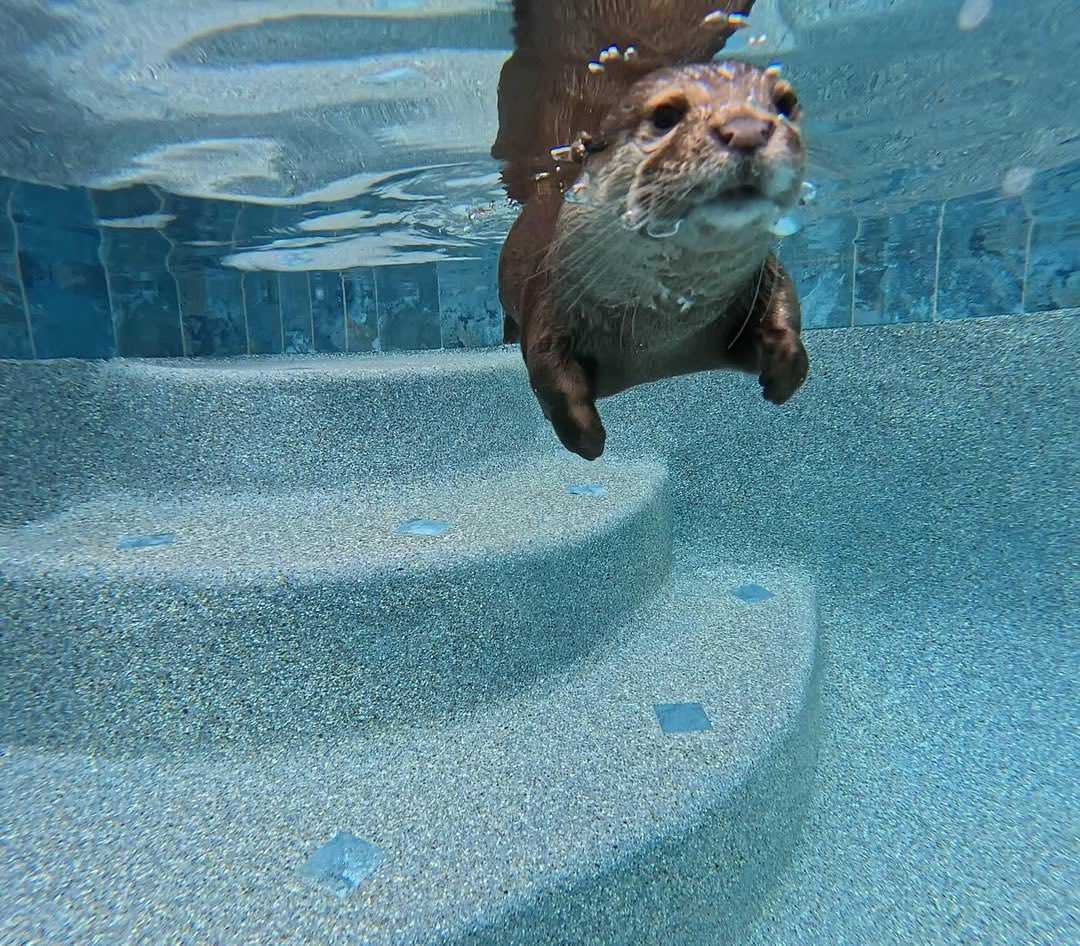
According to an interview with Outside, Splash’s training went a little something like this: Hadsel would mark an object with the odor of human remains in a pool. Then, he placed that same smell on a ball on the end of a stick. After Hadsel said the word “Hoffa” (a nod to a Teamsters president who disappeared in the ‘70s), Splash would sniff the ball, dive into the pool, and go searching for the same scent.
If Splash inhaled bubbles with the same odor on the ball, he would swim back and notify Hadsel in exchange for a piece of salmon. Farm-raised only, apparently. “He won’t eat wild salmon,” Hadsel told Outside.
Where Splash could easily smell underwater, hearing was a different story, since otters have a membrane that protects their ears when they swim. But once Hadsel tied a string to Splash and developed a tug language (“One tug is turn right, two tugs is turn left, and three tugs is come back to the boat.”), that would prove to be a minor obstacle.
Following his debut mission in Alabama, where he helped recover a weapon used in a 25-year murder case, Splash has been on 27 recovery missions across the country, and has so far had six confirmed finds, including four bodies. Morbid, sure, but without him, these cases go unsolved.
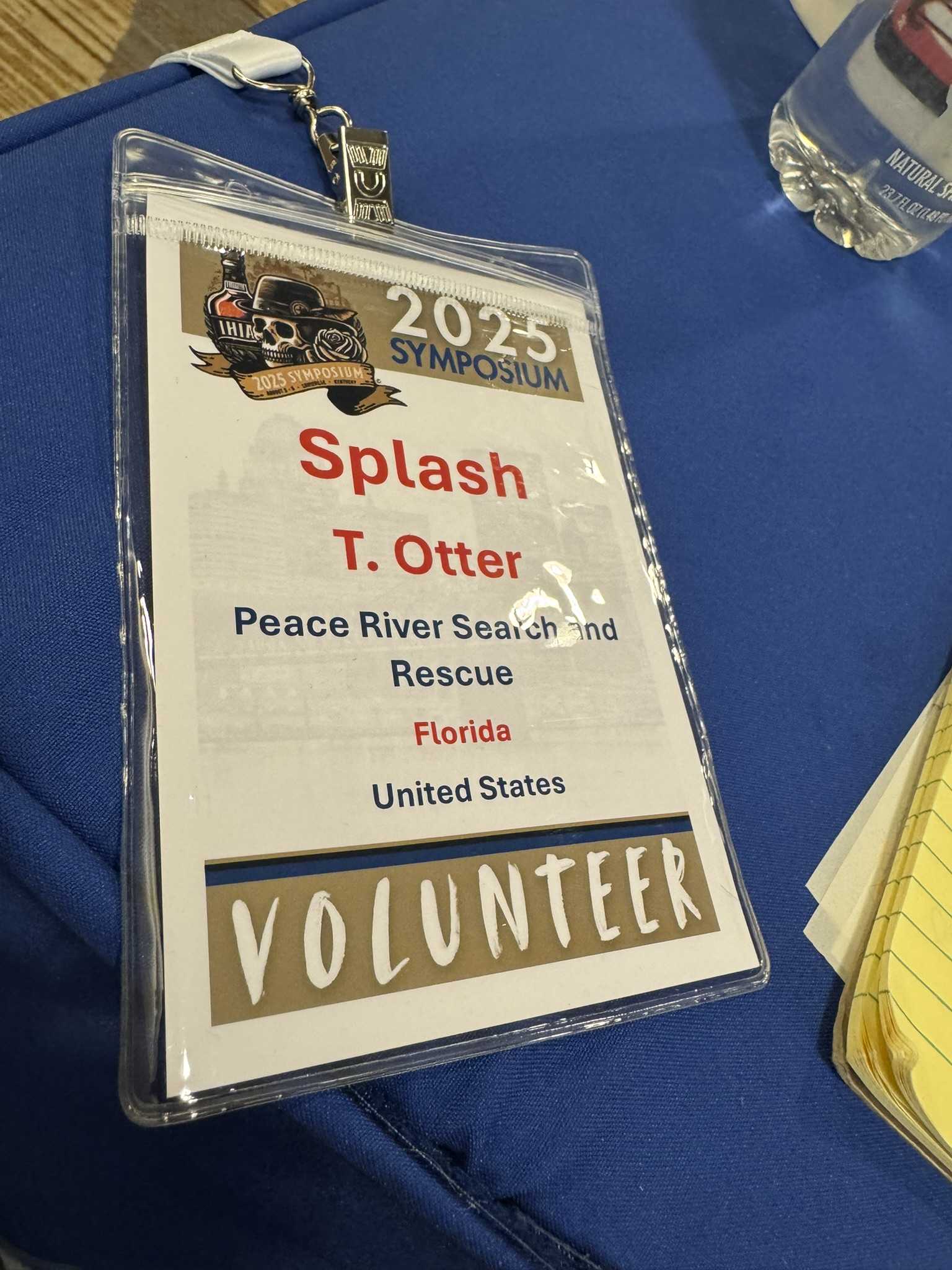
Splash’s success has turned him into an online sensation. He’s made the Peace River K9 Search and Rescue Facebook page blow up, has been featured by several news outlets, and he’s been invited to multiple law enforcement conferences. He is, after all, the first of his kind.
Whether or not Splash will be the first of many search and rescue otters remains to be seen, and there are still a few other challenges to face, like how to deal with potential predators in the water. But Splash is a shining example of the awesome power of nature itself, which will always be our greatest collaborator.