When McCall Mirabella was a freshman in high school, she began vaping nicotine. It seemed like everyone she knew was doing it— she felt like she saw more kids her age using e-cigarettes than drinking alcohol, and rationalized that it couldn’t be that bad for her.
Eventually, she decided to quit and shared her entire journey with the world, hoping to warn others about the dangers—and realities—of vaping. Mirabella often wished she had access to a program for people her age when she was struggling on her own quit effort. That’s why she is partnered with truth® to spread the word about This is Quitting, a free and anonymous text message quit vaping program that is helping more than 500,000 young people.
The truth campaign, which helped reduce youth smoking to historic lows, took on the topic of vaping when it was declared an epidemic among young people in 2018. At that time, Truth Initiative, the organization behind truth, saw how many young people wanted to quit and developed This is Quitting in response to that need. A first-of-its-kind quit vaping text program, This is Quitting is now part of truth.
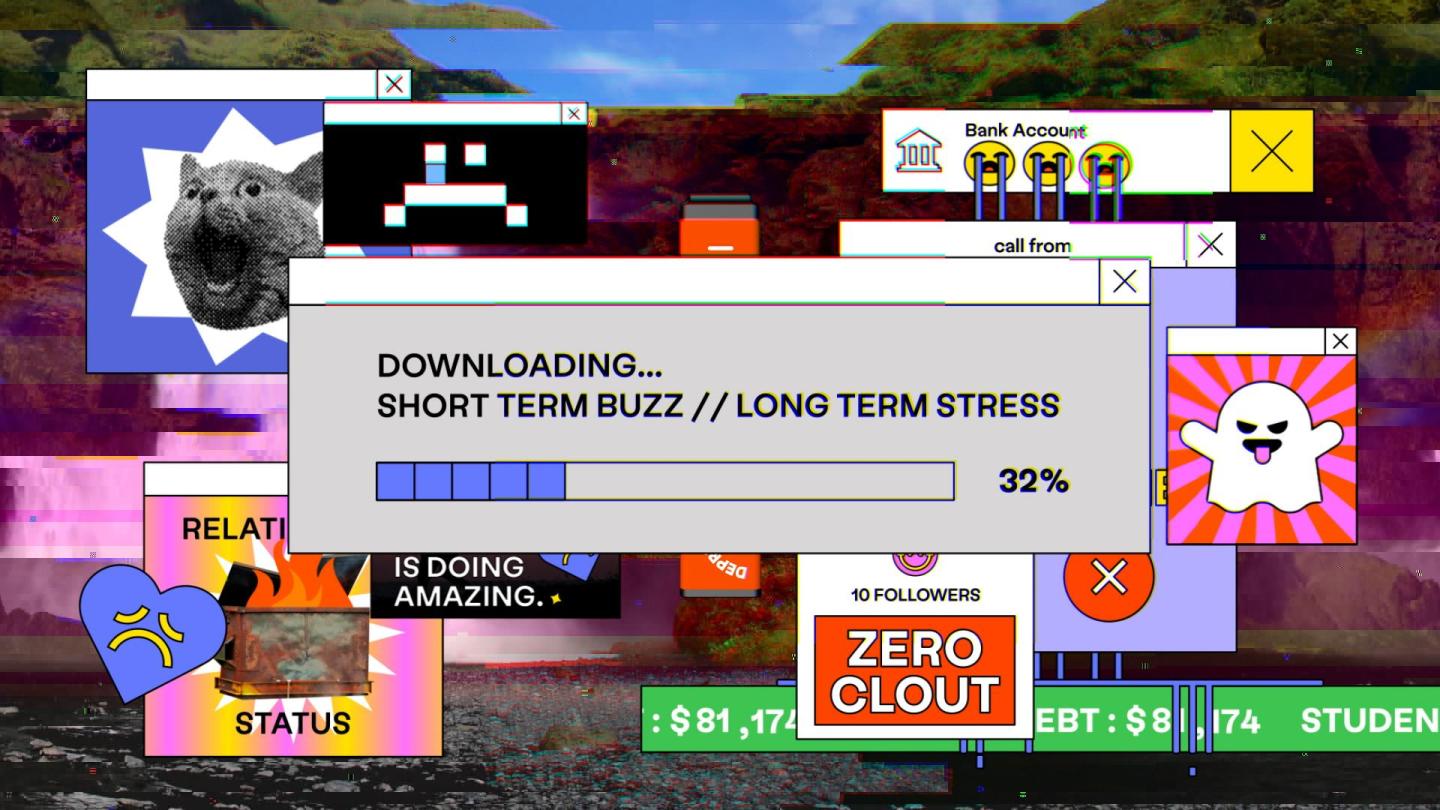
The most recent truth campaign, Breath of Stress Air connects the dots between vaping and mental health, revealing that while it might seem like vaping helps you tolerate the stress of life (and the holidays!), the reality is that vaping nicotine can worsen symptoms of anxiety and depression and may increase stress levels. But the good news? Among young people who quit, 90% of said that they felt less stressed, anxious, or depressed.
Basically: vaping may not be chilling you out and it may be best to trade stress air for fresh air.
Like many young people who vape, Mirabella took a hit of nicotine first thing in the morning, before she even got out of bed. Vaping felt like it made her life better—her brain, which was seriously hooked on the nicotine she was inhaling, told her what she was doing improved her mood, alleviated her stress, and curbed her appetite. Why would she ever quit?
However, 4 years into her nicotine addiction, a friend bet her $3,000 that she would not be able to quit vaping for an entire year. While quitting felt intimidating, she took the bet (planning to donate the money to charity), and opted to document her entire experience via her YouTube channel.
“When I uploaded my quitting nicotine documentary on my YouTube, I hoped that by telling my story, I’d have the opportunity to also help others. That’s why I was so happy to learn about This is Quitting and have the opportunity to partner with truth to help others quit too,” said Mirabella.
Mirabella continues to pay it forward. In an effort this past November to help others quit she joined truth for a ‘Quit With McCall Challenge,’ which helped nearly 2,500 young people join This is Quitting. Additionally, nearly 800 of those who enrolled in the challenge joined Mirabella’s Discord channel, leaning on each other for additional support. One user commented, “Yes I was looking for someone to talk to about quitting and I [saw] McCall’s new YouTube video and she blessed me with this [gift, because] I felt veryyyy alone and not so much anymore.”
Overcoming addiction of any kind is an enormous undertaking, which is why support from friends and peers is so crucial. With that in mind, This is Quitting incorporates text messages from other quitters on their journey. truth also uplifts the voices of real young people through its ongoing “Quitters” series. One such story comes from Jordon, a young person who committed to escaping his nicotine addiction. Using This is Quitting, he has successfully been able to commit to a healthy, vape-free lifestyle.
Mirabella knows better than anyone how important peer-to-peer relationships are when it feels like you’re at war with your body.
“I am so inspired by everyone who is participating and the community we’ve built. A lot of Gen-Z wants to quit once they know the risks, they just don’t know how. That’s why I stand behind truth and their amazing work to provide free 24/7 guidance,” said Mirabella. “I hope other aspiring quitters know there is a big supportive community out there that wants to see you succeed in quitting.”
By enrolling today, you’re joining a half-a-million other young people who are taking control of their future and rejecting vaping. Even if you’re just thinking about quitting, but aren’t sure you’re ready, you can still text the number anytime. Support is truly 24/7—you can text DITCHVAPE to 88709 to receive it instantly. What better way to begin a new year?