In many families, large gatherings over the holidays or at other times are commonplace, with kids, parents, aunts, uncles, cousins, grandparents, and in-laws getting together to eat, play games, watch movies, and spend quality time together. For others, friends might hold parties or events that involve multiple generations gathering in a home for fun and frivolity.
For parents, such events can be a tricky balancing act. Some kids might love big parties, while others get overwhelmed. Sometimes family dynamics can make such gatherings less-than-ideal. And then there are the safety aspects to consider for our children’s mental and physical well-being.
Licensed clinical psychologist Dr. Raquel Martin shares six conversations parents need to have with their children when attending events, even when they take place in their own home. These family conversations are designed to help protect kids’ personal safety, both mentally and physically.
1. The bodily autonomy conversation
No one should ever feel forced into giving someone physical affection, even a close family member. Kids don’t owe anyone hugs or kisses, no matter who they are. Martin says parents can tell kids, “If someone asks for a hug or any form of affection and you don’t want to, you can say no. If you freeze, catch my eye, I will step in.”
Rule #1: No forced affection. I will always back you up.
2. The teasing conversation
Martin points out that there’s a difference between playful jokes and hurtful comments. The difference is whether or not you feel uncomfortable. “I tell them if someone makes a comment about your body, your food, your emotions, your voice, or compares you to others, and it makes you uncomfortable, or if anything conversation-wise makes you uncomfortable, that’s not joking,” she says. “The line is where you draw it.”
Rule #2: If it makes you feel bad in your body, you do not have to stay.
3. The secrets conversation
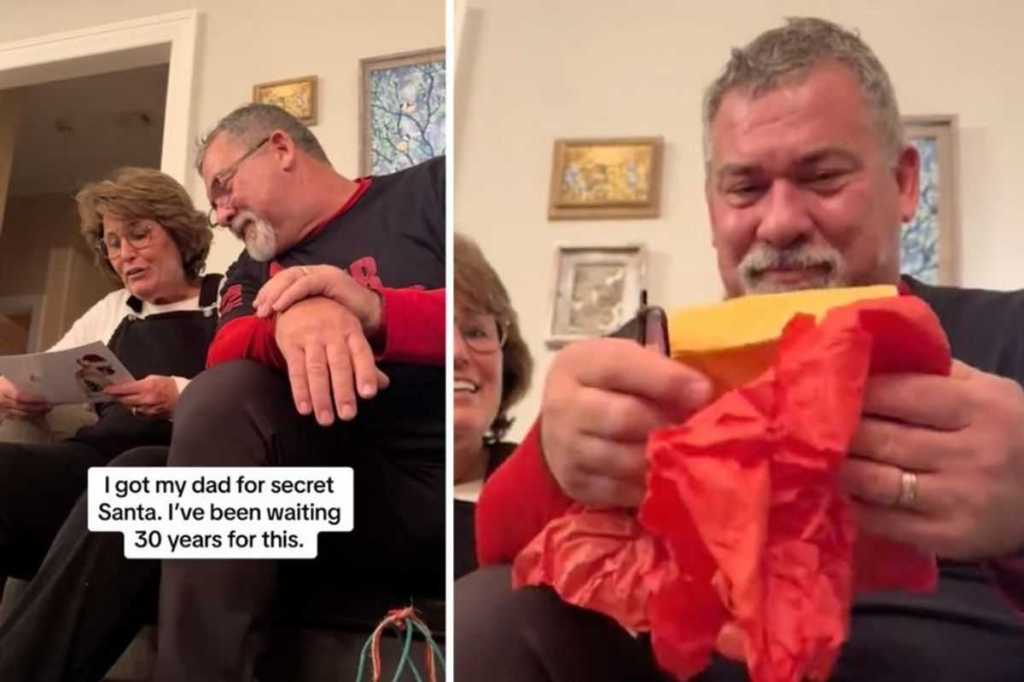
Surprises are one thing, but secrets are another.
“I tell children there are surprises and there are secrets,” Martin explains. “Surprises are safe and temporary. Secrets make you feel scared, confused, or uncomfortable and should always be told to me, even if someone says don’t tell. And if you don’t know the difference, tell me.” Adults should never be telling children to keep secrets, and no one should tell kids to keep a secret from their parents. Period.
Rule #3: No person (adult or child) should ask you to keep secrets from me.
4. The respect conversation
Kids might feel afraid to speak up if an elder does or says something hurtful because they’ve been taught to respect adults or they might worry about getting in trouble. But there are ways to talk about respect that clarify what it is and what it isn’t.
“Tell your children respect does not mean letting people hurt your feelings,” Martin says. “Respect does not mean staying quiet when something is wrong. You can be respectful and still say, ‘I do not like that, please stop.’” And they can always ask a parent for help in a sticky situation.

Martin points out that it’s important for children to always know where their parents are at events. “If they can’t find you, they can’t get the help they need.”
Rule #4: You are not in trouble for protecting yourself.
5. The exit plan conversation
Martin lets her kids know that if they ever feel overwhelmed, uncomfortable, or overstimulated, they can let her know. “We can use a code word. We can use a hand signal. You can just come sit next to me, squeeze my arm. We can take a break, or if necessary, we can leave,” she tells them.
Having an exit plan lets kids know they can count on parents to have their back and to remove them from a situation they might otherwise feel trapped in.
Rule #5: You do not have to endure discomfort to be polite.
6. The open door conversation
“Let them know you do not play in rooms with closed doors, not bedrooms, not basements, not bathrooms,” Martin says. “If someone says, ‘It’s fine, we’re just playing,’ you open the door or you leave the room. And if someone asks you to close the door, you come get me immediately.”

While no one wants to imagine it happening, most sexual abuse is perpetrated by people a child knows, and according to U.S. Department of Justice statistics, about 1/3 of sexual abuse cases involve a family member. Keeping doors open helps keep kids safer.
Rule #6: Doors stay open. Always.
Gatherings can be a lot of fun, and making sure these conversations happen beforehand can help protect kids so they can create fond memories with family and friends.
You can follow Dr. Martin on Instagram.