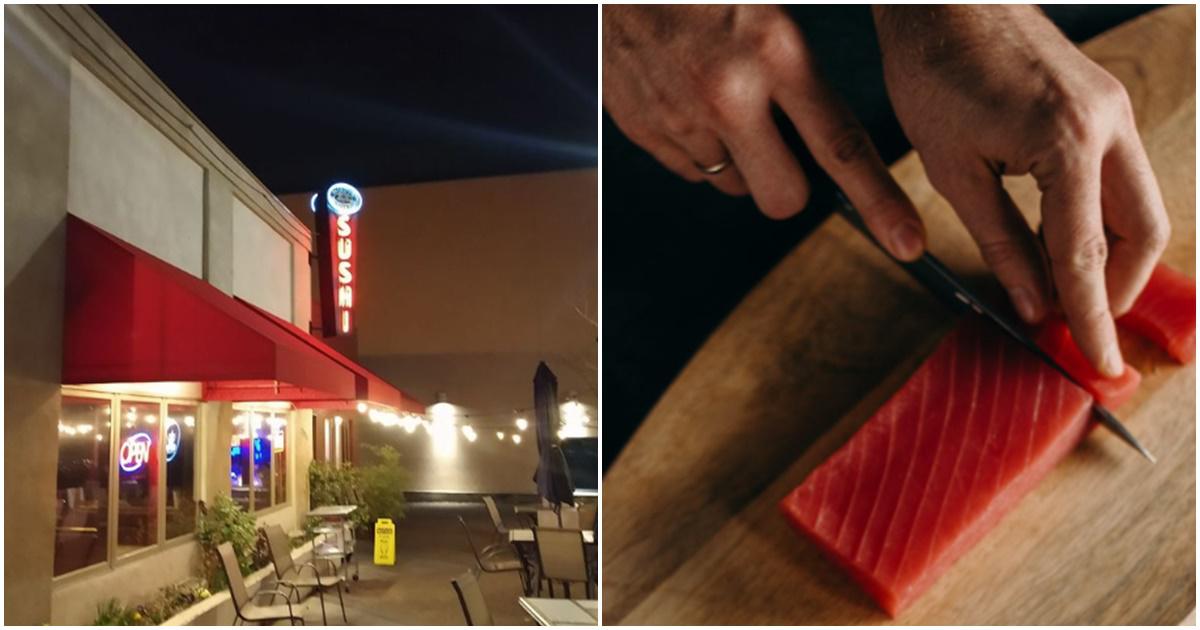
Oregon sushi restaurant ordered to pay employees $280,000 after stiffing them on tips

A Medford, Oregon sushi restaurant tried to pull a fast one on its employees but it didn’t get past the U.S. Department of Labor. The agency has recovered $280,124 in back pay from Misoya Bistro that will be split among 36 employees. Federal investigators say that for the past two years, the restaurant paid its…

Array
Photo credit: via Google and Pexels – Array

A Medford, Oregon sushi restaurant tried to pull a fast one on its employees but it didn’t get past the U.S. Department of Labor. The agency has recovered $280,124 in back pay from Misoya Bistro that will be split among 36 employees.

Federal investigators say that for the past two years, the restaurant paid its employees an hourly “tip wage” that was “significantly lower” than what they earned in tips.

“I think employers sometimes may think that because they pay the state minimum wage which is higher than the federal minimum wage, means that they can be involved in tips,” Carrie Aguilar, district director for the Wage and Hour Division – Portland office, told NBC5. “That’s just not the case. Tips should always go to the employees.”


Investigators also found the restaurant didn’t pay overtime to several employees when they worked over 40 hours a week.

The bistro has agreed to pay the back wages and tips and the investigation will be closed once this is confirmed. No charges have been filed against the owner.

“Restaurant workers are among the nation’s lowest-paid and are often unfamiliar with their legal rights regarding tips, minimum wages and overtime. The pandemic made clear these workers are essential to our economy and they must be paid all of their hard-earned wages,” Aguilar said. “Employers who violate the law hurt workers and their families. They also gain an unfair advantage over law-abiding competitors who operate legally.”

Culture

Historians explain why men in old-timey portraits always had one hand in their vest or coat

Nature

Beavers were brought to the desert to save a dying river. 6 years later, here are the results.

Nature

In 1879 a scientist buried bottles filled with seeds. Every 20 years, one is dug up and studied.

Culture

Gen Xers share 17 nostalgic dishes they ate growing up—and still make for dinner