

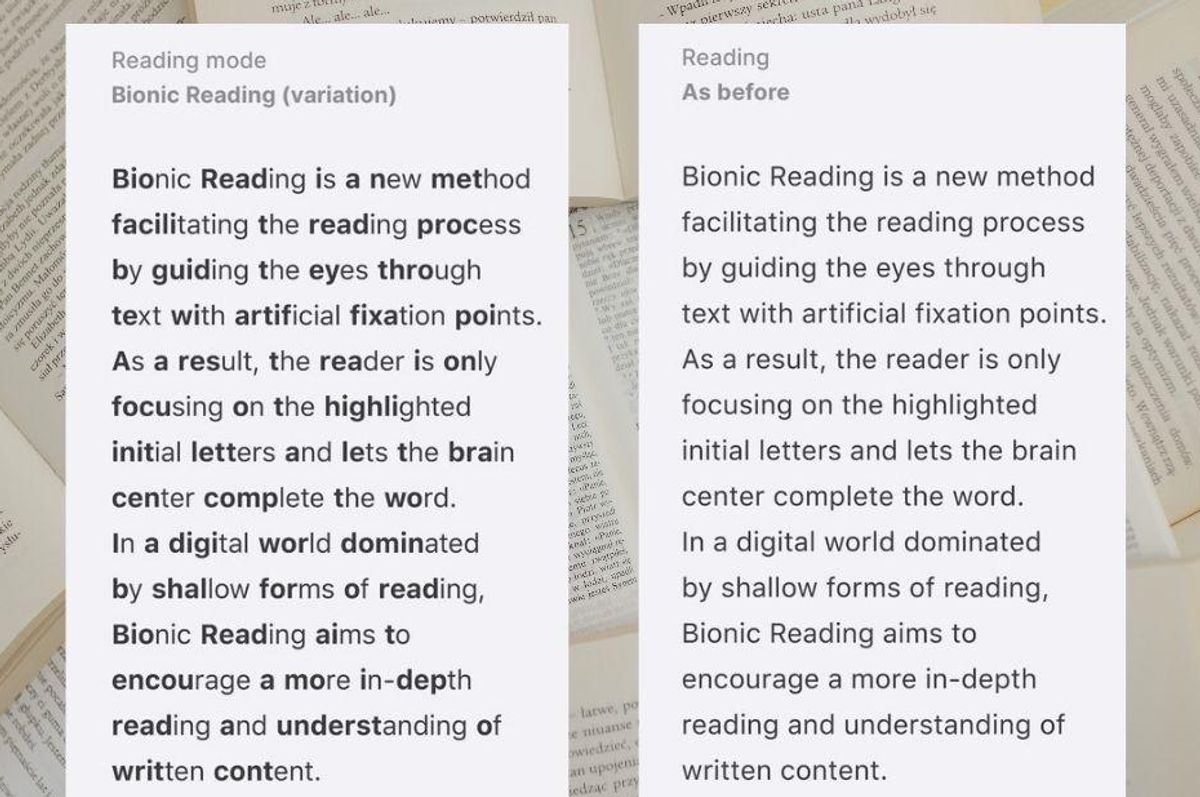
The 'bionic reading' font is designed to help keep you focused and read faster.
Reading is a fundamental tool of learning for most people, which is why it's one of the first things kids learn in school and why nations set literacy goals.
But even those of us who are able to read fluently might sometimes struggle with the act of reading itself. Perhaps we don't read as quickly as we wish we could or maybe our minds wander as our eyes move across the words. Sometimes we get to the end of a paragraph and realize we didn't retain anything we just read.
People with focus or attention issues can struggle with reading, despite having no actual reading disabilities. It can be extremely frustrating to want to read something and have no issues with understanding the material, yet be unable to keep your mind engaged with the text long enough to get "into" what you're reading.
But what if there were a font that could help you stay focused? That could help you not only read faster but better retain what you've just read?
That's what the creators of Bionic Reading claim is possible with their font tool."Bionic Reading revises texts so that the most concise parts of words are highlighted," the Swiss company's website reads. "This guides the eye over the text and the brain remembers previously learned words more quickly."
Give it a try:

The gist is that our eyes don't need to focus on the entire word because our brains can fill in the rest for us. By bolding the first part of the word, we're more quickly able to move from word to word.
"Bionic Reading aims to play a supporting role in the absorption of volume text," states the website. "We see technological progress as an opportunity for all those who want to increase the pleasure of reading in a noisy and hectic world in a focused way and without distraction."
While there are no studies cited on this method of reading, there are plenty of anecdotes about it being helpful. The example shared by @WhattheADHD on Twitter got people's attention and many people responded with enthusiasm at how much easier the bionic reading text was for them to read.
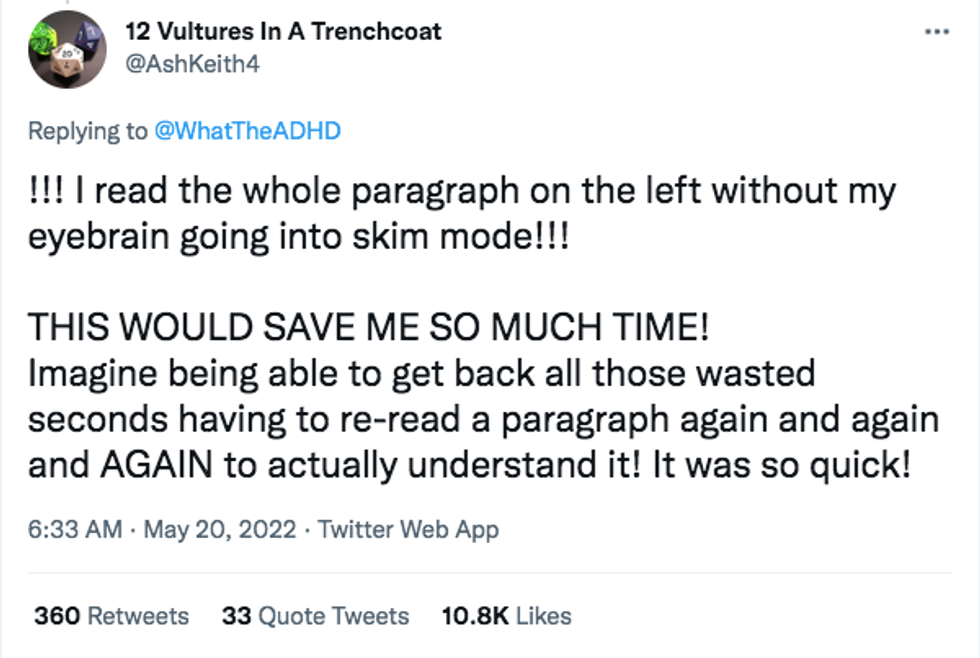
"This is amazing! I have ADHD and I didn’t even realize that I was having trouble fixating when I read," wrote one person. "My eye latches right on to the bold face. Can’t wait to try reading a book again. It’s been all audiobooks for a while."
"It's incredible how reading this feels like finally unlocking 100% of your brain," wrote another.
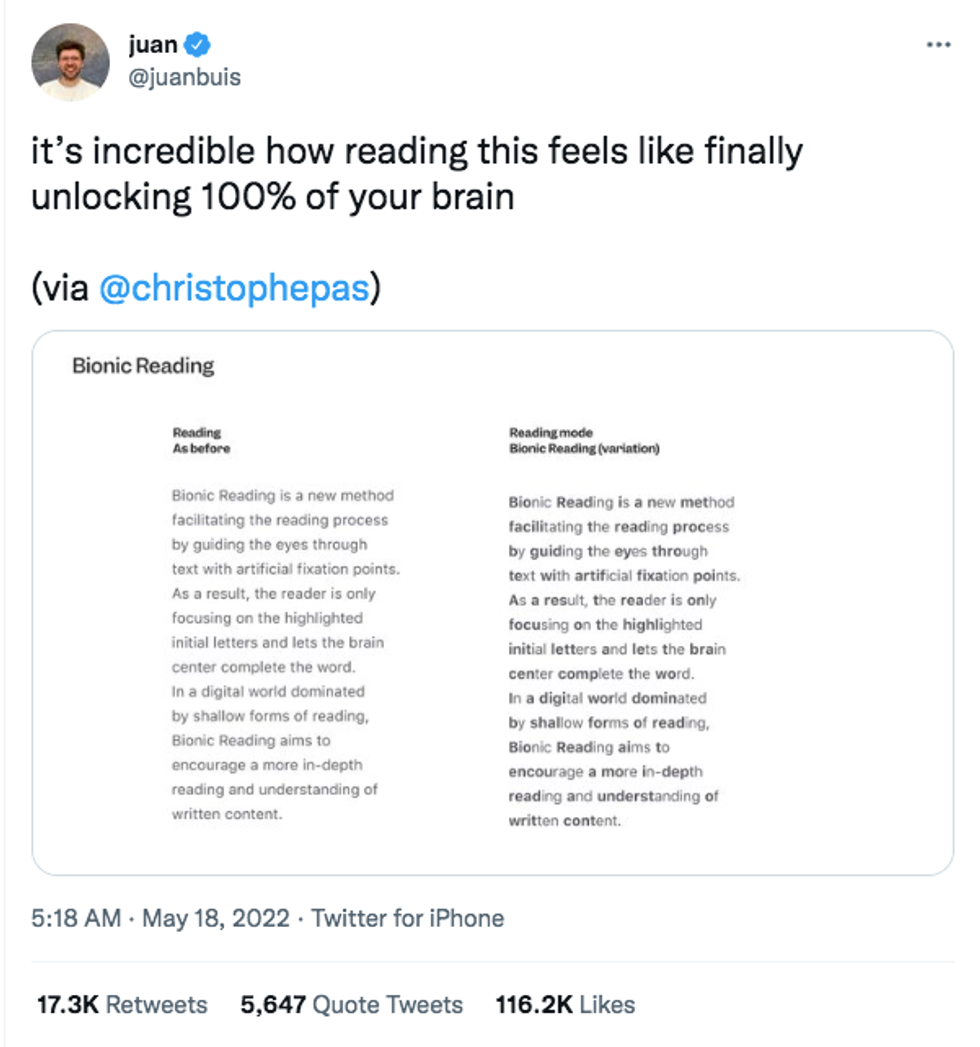
However, not everyone was impressed or thrilled with the sample. Some people said that they had a harder time reading the bionic text or that it distracted or slowed them down. Both positive and negative responses came from a diverse pool of people. Some who described themselves as neurodivergent said that they loved it and some said it was harder. The same went for people who said they were neurotypical, so it's hard to say who this tool may specifically help the most. Everyone's brains work differently, and different people will find different things helpful.
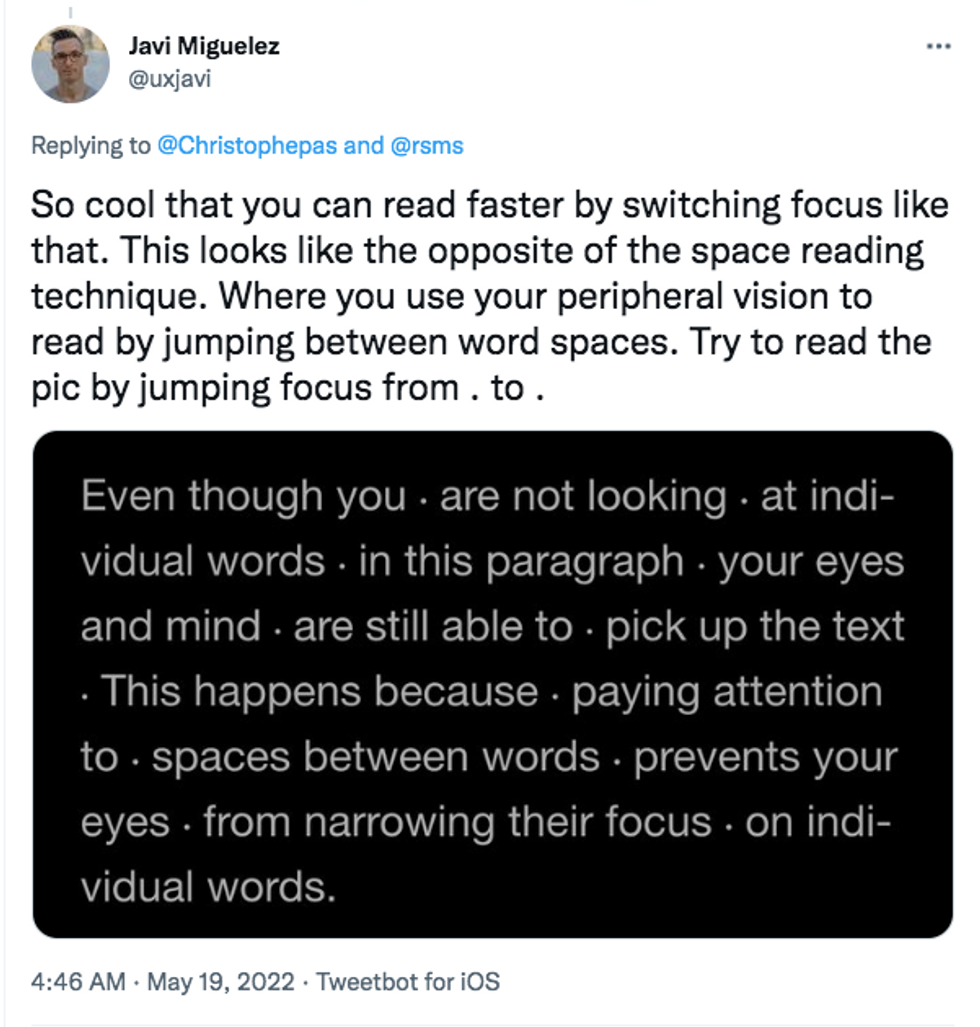
Bionic reading might be a game-changer for some, but it's not the only tool of its kind. There are speed-reading programs that train you to stop reading each word and allow your brain to read visually instead of auditorily. There are also various methods of making reading easier by adjusting how your eyes move across the text.
For instance, check out this "space reading" technique:
Bionic Reading has a free text converter on its website that you can use to try out its font changes. A YouTube clip from the company also shows possibilities for how the font can be adjusted to individual preferences, making more or less of the initial letters bolded.
And again, if this doesn't work for you, then it's probably not made for you. For people who struggle with reading, something like Bionic Reading could make a huge difference.
Three cheers for technology being used to help people overcome difficulties and make learning easier and more efficient.
This article originally appeared on 5.30.22.
- If you have dyslexia, this website can show your friends what ... ›
- Millennials cry happy tears as 'Reading Rainbow' debuts on Netflix ... ›
- 34-year-old teaches himself to read on TikTok - Upworthy ›
- Viral 2-minute reading test proves reading 900 words per minute isn't as hard as we might think - Upworthy ›

 Student smiling in a classroom, working on a laptop.
 Students focused and ready to learn in the classroom.
 Fish find shelter for spawning in the nooks and crannies of wood.
  Many of these streams are now unreachable by road, which is why helicopters are used.
 Tribal leaders gathered by the Little Naches River for a ceremony and prayer.
Communications expert shares the perfect way to gracefully shut down rude comments
Taking the high ground never felt so good.
A woman is insulted at her job.
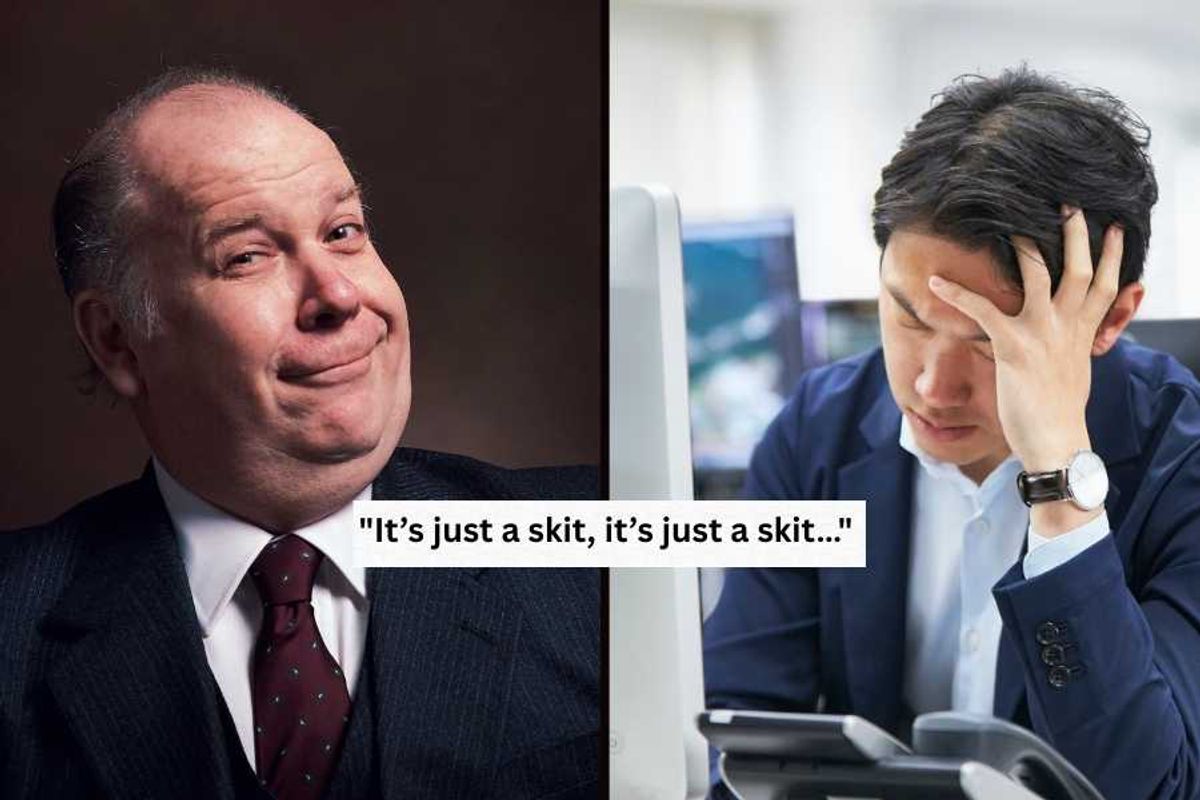
It came out of nowhere. A coworker made a rude comment that caught you off guard. The hair on the back of your neck stands up, and you want to put them in their place, but you have to stay tactful because you're in a professional setting. Plus, you don't want to stoop to their level.
In situations like these, it helps to have a comeback ready so you can stand up for yourself while making making sure they don't disrespect you again.
Vince Xu, who goes by Lawyer Vince on TikTok, is a personal injury attorney based in Torrance, California, where he shares the communication tips he's learned with his followers. Xu says there are three questions you can ask someone who is being rude that will put them in their place and give you the high ground:
Question 1: "Sorry, can you say that again?"
"This will either make them have to awkwardly say the disrespectful remark one more time, or it'll actually help them clarify what they said and retract their statement," Xu shares.
Question 2: "Did you mean that to be hurtful?"
The next step is to determine if they will repeat the disrespectful comment. "This calls out their disrespect and allows you to learn whether they're trying to be disrespectful or if there's a misunderstanding," Xu continues.
Question 3: "Are you okay?"
"What this does, is actually put you on higher ground, and it's showing empathy for the other person," Xu adds. "It's showing that you care about them genuinely, and this is gonna diffuse any type of disrespect or negative energy coming from them."
The interesting thing about Xu's three-step strategy is that by gracefully handling the situation, it puts you in a better position than before the insult. The rude coworker is likely to feel diminished after owning up to what they said, and you get to show them confidence and strength, as well as empathy. This will go a lot further than insulting them back and making the situation even worse.
Xu's technique is similar to that of Amy Gallo, a Harvard University communications expert. She says that you should call out what they just said, but make sure it comes out of their mouth. "You might even ask the person to simply repeat what they said, which may prompt them to think through what they meant and how their words might sound to others," she writes in the Harvard Business Review.
More of Gallo's suggested comebacks:
“Did I hear you correctly? I think you said…”
“What was your intention when you said…?”
“What specifically did you mean by that? I'm not sure I understood.”
“Could you say more about what you mean by that?”
Ultimately, Xu and Gallo's advice is invaluable because it allows you to overcome a negative comment without stooping to the other person's level. Instead, it elevates you above them without having to resort to name-calling or admitting they got on your nerves. That's the mark of someone confident and composed, even when others are trying to take them down.