An open letter to my coworker:
It’s a Monday morning and we’re making small-talk.
Like, “How was your weekend?”
“You see that fire out in Calabasas?”
“It’s been so cloudy lately.”
“So, how about that rape letter?” you say.
Yeah, you saw I’d posted about it “like seven times.”
Yeah, I tell you it makes me angry. Angrier than usual.
“Listen,” you say, and you pause, like: “I’m trying to figure out how to phrase this.”
That’s when I pull out the thick skin.
You know, the kind women always keep tied around their waists like an extra flannel shirt, ready to throw on before meetings or rape trials, or walking down the street, or making small talk at the office,
The thick skin that says, “I’ll try my best not to get offended by what you say because I know how offensive it is to have my own opinion.”
“People are saying that it’s 100% his fault and 0% her fault,” you say hesitantly.
You say it the way women are taught to speak, afraid of their own mouths. “And I agree…”
“But…” you say. “But don’t you also agree that this whole thing could have been avoided if she had just been more responsible.”
I stare at you in disbelief for a moment.
I am sick to my stomach, like, stranger groping my ass in a crowded train kind of sick to my stomach, just as unable to respond, to discern bile from protest bubbling in my throat, wanting to explain, wanting to say:
”Hey, just so you know, you don’t need to play devil’s advocate — he’s already got one. And he’s good enough to get him off with only six months.”
But I knew that any response of mine would be sharp, like car keys between knuckles sharp. And so instead, I did the only responsible thing I could do in that situation. I walked away.
I should’ve remembered that my retreating back is an open invitation…
Because as I did so, you felt the need to add insult to injury.
Like turning away wasn’t enough of an indication that this subject was too painful for me to deal with right now.
You got in one last word: “Seriously! Just think about it!”
Think about it. Like I don’t.
Like I have the privilege of not thinking about it.
Like I don’t think about it when I go for a run after work and instead of using a timer, my personal best is just running faster than anyone who’s following me.
Like I don’t think about it when I leave the headphones at home on my way to pick up milk because I need to hear if anyone’s coming up behind me and it’s already hard enough to make out my music over the soundtrack of my someday interrogation:
“Don’t you know you live in K-town? Why would you walk alone after dark? What did you think was going to happen?”
Like I don’t think about it when I pick an outfit from my closet and look at it like a piece of evidence.
“If I get raped when I’m wearing this tonight, how guilty would it make me?”
Like maybe they should mark it on the tag: 60% cotton, 40% her fault.
Like I don’t think about it when strangers offer to buy me a beer.
Like this is Wonderland, and that bottle says, “Drink me,” and you think that my miniskirt says “Rape me.”
Like we’re all just making bad choices.
Like I don’t think about it when my little sister sends me photos that she wants to put on Facebook, for my approval, to make sure they’re appropriate.
To make sure they’re safe. To imagine them under a headline about how she got raped behind a dumpster.
“Just think about it,” you tell me.
Like I don’t think about it when boys like you say things like, “But don’t you also agree that this whole thing could have been avoided if she had just been more responsible.”
Like I don’t constantly think about how I live in a world where women are held responsible for the actions of men.
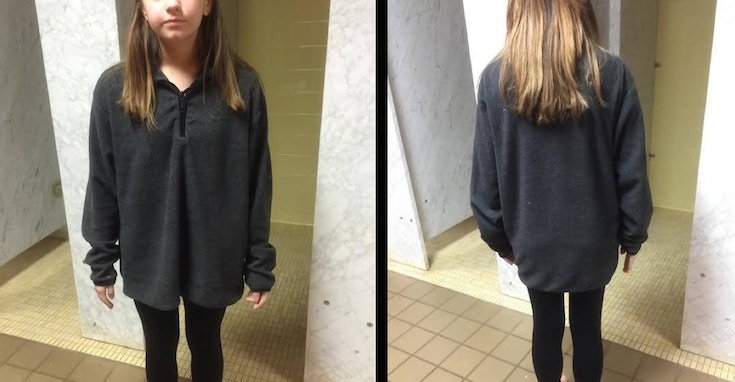
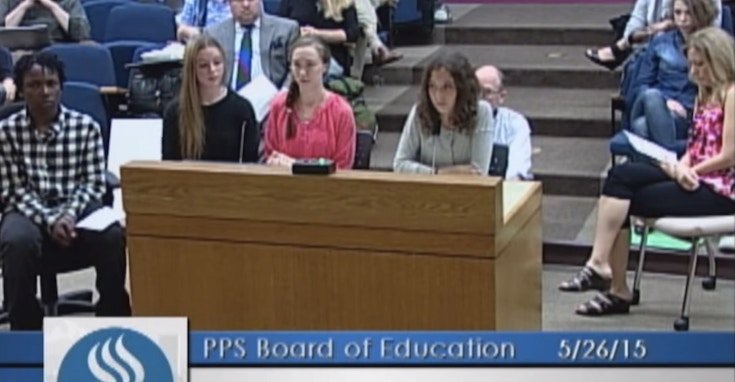
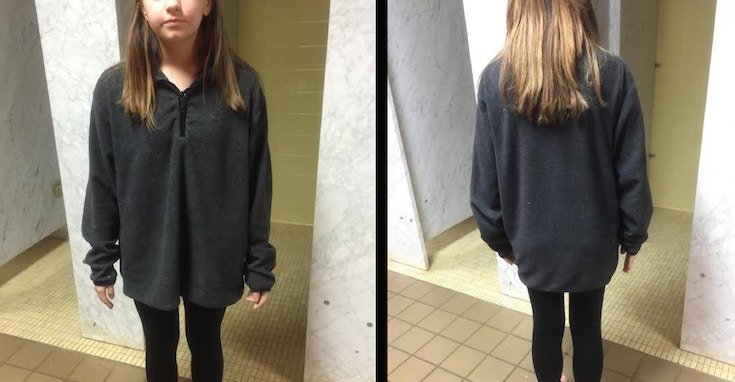
Like I didn’t learn that in middle school when girls were sent home for wearing tank tops with straps thinner than two fingers.
Like it wasn’t made clear every time they called us “daughters, sisters, mothers” — that we only exist in relation to men.
That naturally, we should be more responsible, so as not to let them rape us, and ruin their own life with the same two fingers they once used to measure our straps.
Like I don’t think about it. Like I can choose not to think about it. Like I wasn’t up all night thinking about it.
But it’s almost 5 a.m., and I need to sleep before tomorrow.
I need to sleep so I have the energy to smile at the men on the street, so they don’t have to ask me to.
But first, I need to make sure that I’m being perfectly clear:
Like, “no means no” clear.
Like, “an intoxicated person cannot consent” clear.
Like, “an unconscious person cannot consent” clear.
Like, “sex without consent is not sex, it’s rape” clear.
Like, “guilty on three counts of sexual assault” clear.
Let me keep it simple: No. I do not agree.
Seriously.
Think about it.