
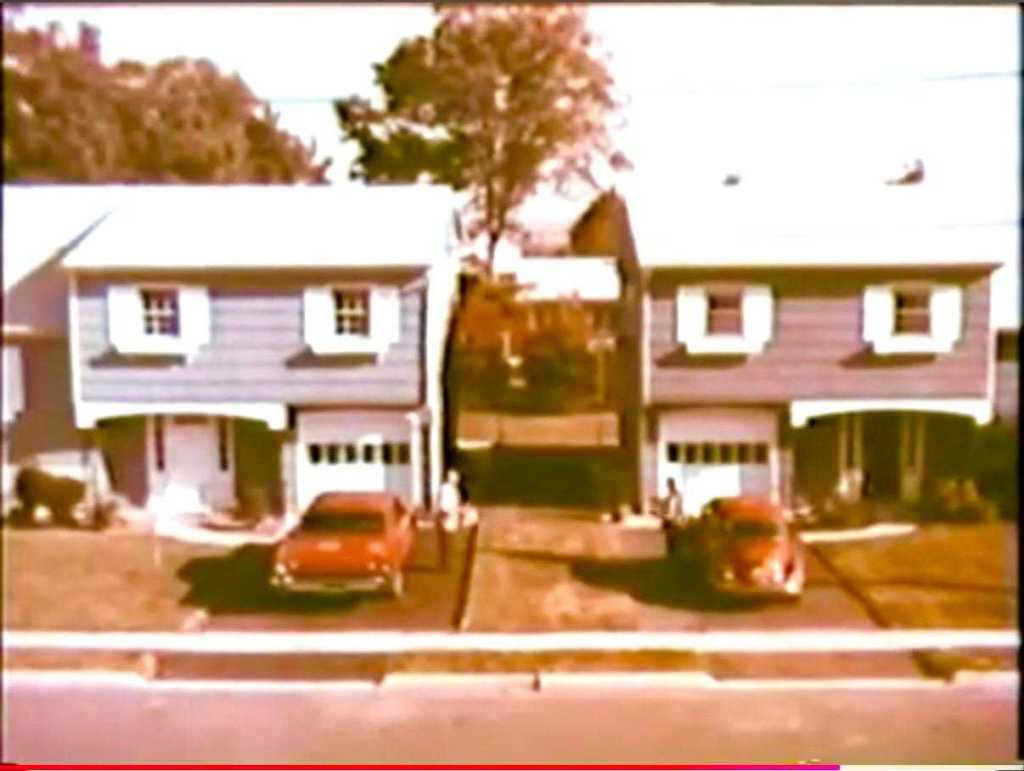
The year was 1967, and like most years, Americans were looking to budget their money wisely. Lyndon B. Johnson was president, the Vietnam War raged on, and anxiety was rising over inflation during what is now considered a mini-recession.
Of course, good advertisers are always well aware of the financial temperature. Case in point: the 1967 “Keeping Up with the Kremplers” Volkswagen commercial.
In the advertisement, viewers see two houses side by side. A voice-over narrator explains, “Mr. Jones and Mr. Krempler were neighbors. They each had $3,000. With his money, Mr. Jones bought himself a three thousand dollar car.” We see a four-door sedan pull into one of the driveways.
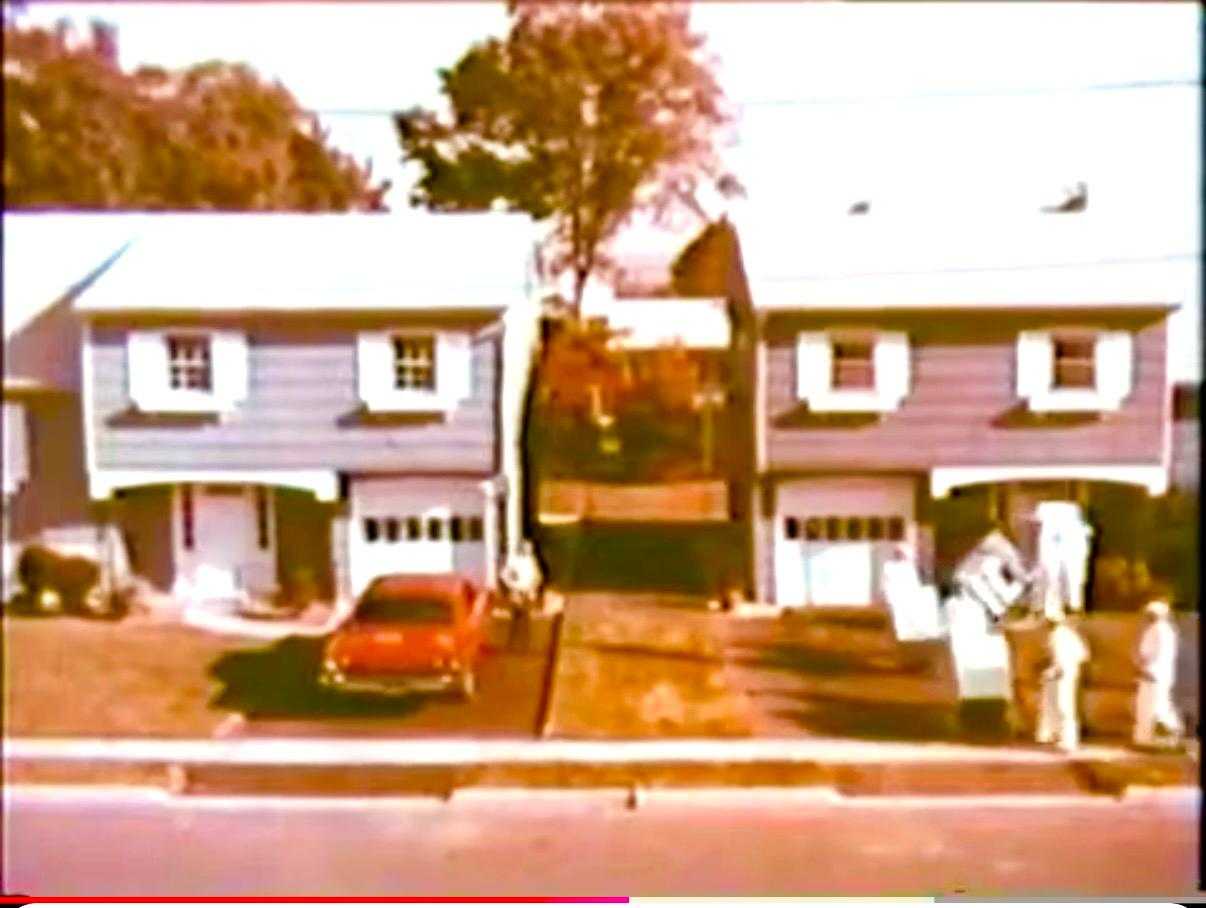
Over visuals of delivery people bringing merchandise into the other home, the narrator continues, “With his money, Mr. Krempler bought himself a new refrigerator, a new range, a new washer, a new dryer, a record player, two new television sets, and a brand new Volkswagen.” A VW Beetle slides into Mr. Krempler’s driveway.
And now for a clever tag: “Now Mr. Jones is faced with that age-old problem: Keeping up with the Kremplers.” (This is a twist on “keeping up with the Joneses,” the idea that we all must keep up appearances to compete with our friends and neighbors.)
On Reddit, an OP posted the ad, writing, “Informative and clever commercial from the 60s, facts instead of bulls–t we get nowadays.” Its simplicity is what sells it, and many Redditors seem to agree.
One Redditor shared the backstory behind the ad:
“This is iconic work by Bill Bernbach, art director Helmut Krone, and copywriter Julian Koenig from the legendary Madison Avenue agency Doyle, Dane, Bernbach (DDB). These VW ad campaigns were revolutionary and caused a seismic quake throughout advertising at the time. What today looks to be a common, cheeky approach to auto advertising and advertising in general was unheard of. Their approach to art and copy, led by Bernbach, was groundbreaking and award-winning. They used whitespace, humor, and tiny photos of the car to introduce the public to the (at the time) new, inexpensive, German car (remember, this is less than a couple decades after the end of WWII, which was still fresh in people’s minds, who weren’t keen to associate Germany with goods that Americans would easily warm up to…)
Bill Bernbach was a legend in advertising. He was quite literally the father of modern advertising, being the first man to pair Art Directors with Copywriters as a ‘Creative Team.’ A pairing that continues to this day. I’ll always love his work, and his approach to advertising is still being taught in creative institutions.”
Quite a few comments offer interesting economic insight by comparing today’s prices with those of the mid-to-late ’60s.
One commenter writes, “Did some digging based on the current value of that money, which comes out to 29.5k. Cheapest full-sized fridge I found: $480. Average-priced stove: $426. Washer and dryer set: $799. Record player: $54. Two 4K 55-inch TVs: $200 each. Brand new Volkswagen Jetta: $23,996 (MSRP; I see them anywhere between $21,000 to $25,000 depending on the dealer).”
They conclude, “After sales tax of 7%, that leaves you with $1,500 to account for price variation. I didn’t account for any fees or markups, but I also didn’t factor used cars and appliances, nor did I spend very long looking for the best deals.”
This also leads to some nostalgia about how long those appliances seemed to last compared to today: “My parents had the same washer and dryer for like 25 years before the dryer gave out. They replaced both less than 10 years ago and have already had to replace the replacements.”
Another person notes that perhaps the nostalgia isn’t entirely warranted: “If we look at the consumer goods we have access to today, we have a higher quality of life. Lots of the stuff we can buy today for basically nothing was unobtainable or prohibitively expensive. You’d need to look at the lives of the people once they bought the $3,000 house to make a fair comparison. Healthcare? Cheap electronics? Forms of entertainment? Automation? These things we take for granted would be worth millions to an early 20th-century consumer. Note: Another thing one needs to consider is the median income. It went from $5,600 per family in 1960 to $84,000 today. This house that cost 50% of the annual median income then is inferior to a house that can be bought for 100% of the annual median income today.”
While we may or may not be better off, the contrast with some of today’s ads is stark. The same agency also created the extremely popular Charmin toilet paper ad, taking the time to make it funny, memorable, and relatable.
In an Instagram post sharing the ad, marketing agency Zest Lab wrote, “These ads also demonstrated the power of storytelling and character creation in advertising. Mr. Whipple, portrayed by actor Dick Wilson, became one of the most recognized faces in American television advertising history. The character’s quirky, lovable nature made the commercials entertaining, and viewers found themselves looking forward to the next installment.”























.jpg)