upworthy
Add Upworthy to your Google News feed.
Google News Button
Pop Culture

What happens after drinking 1, 2, and 3 glasses of wine? 19 viral photos tell all.

Ah, the beauty in winding down.

What happens after drinking 1, 2, and 3 glasses of wine? 19 viral photos tell all.

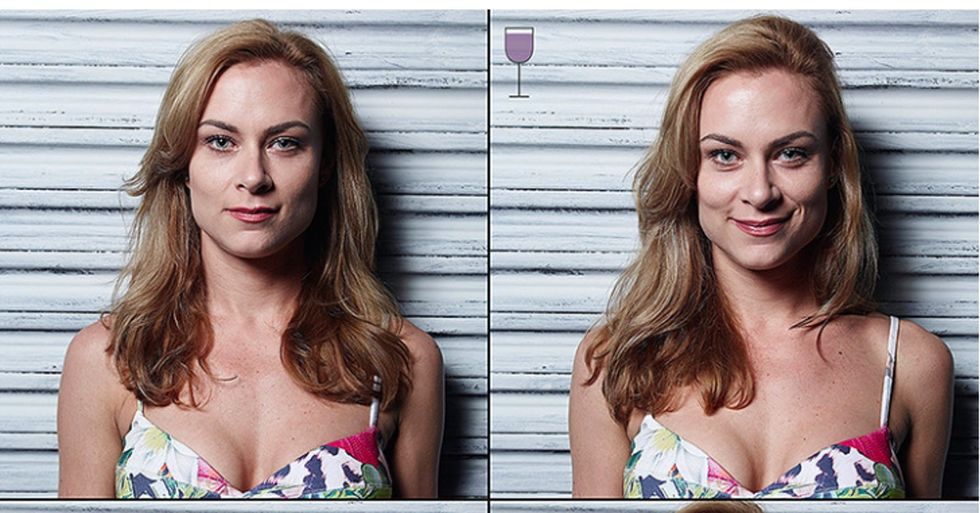
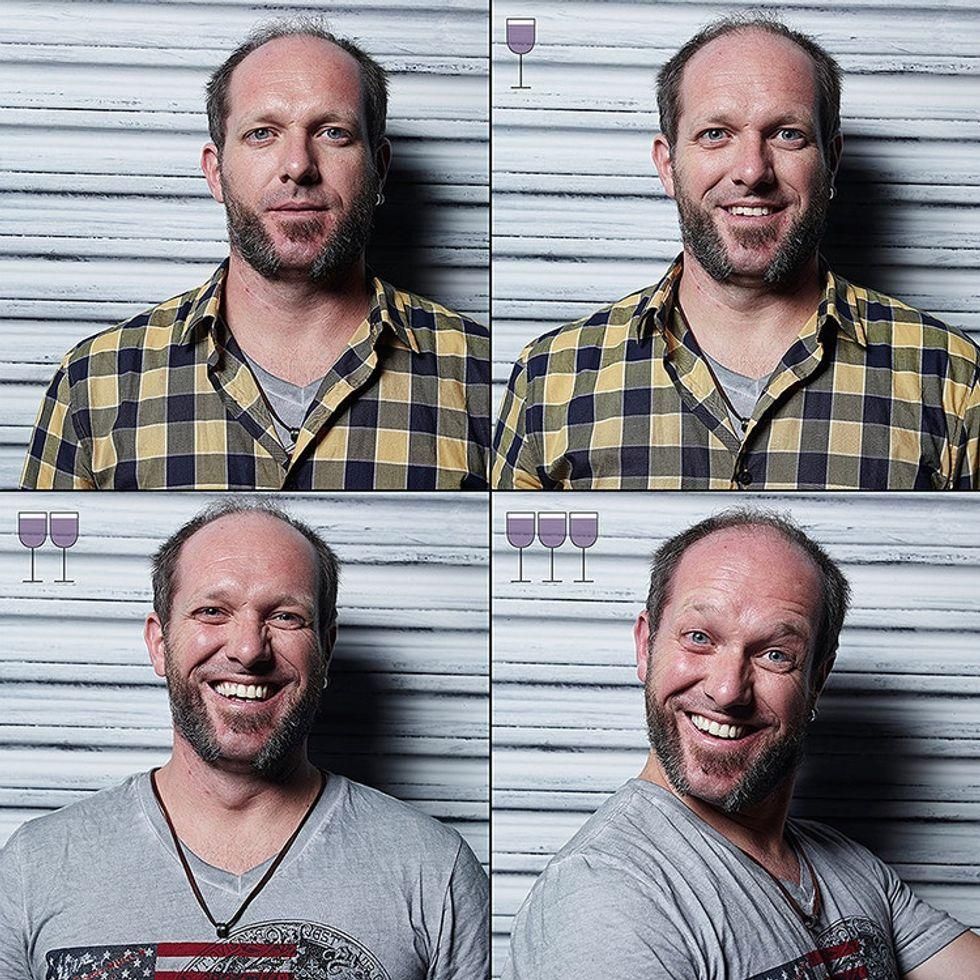
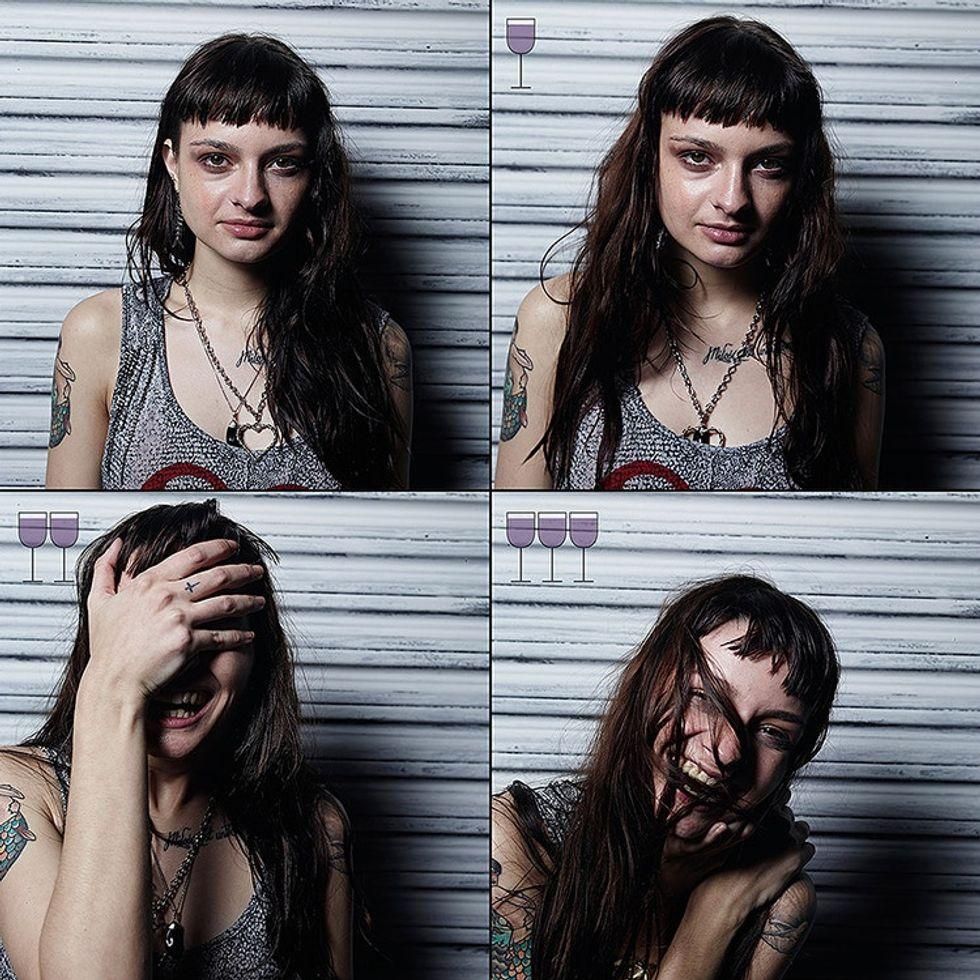
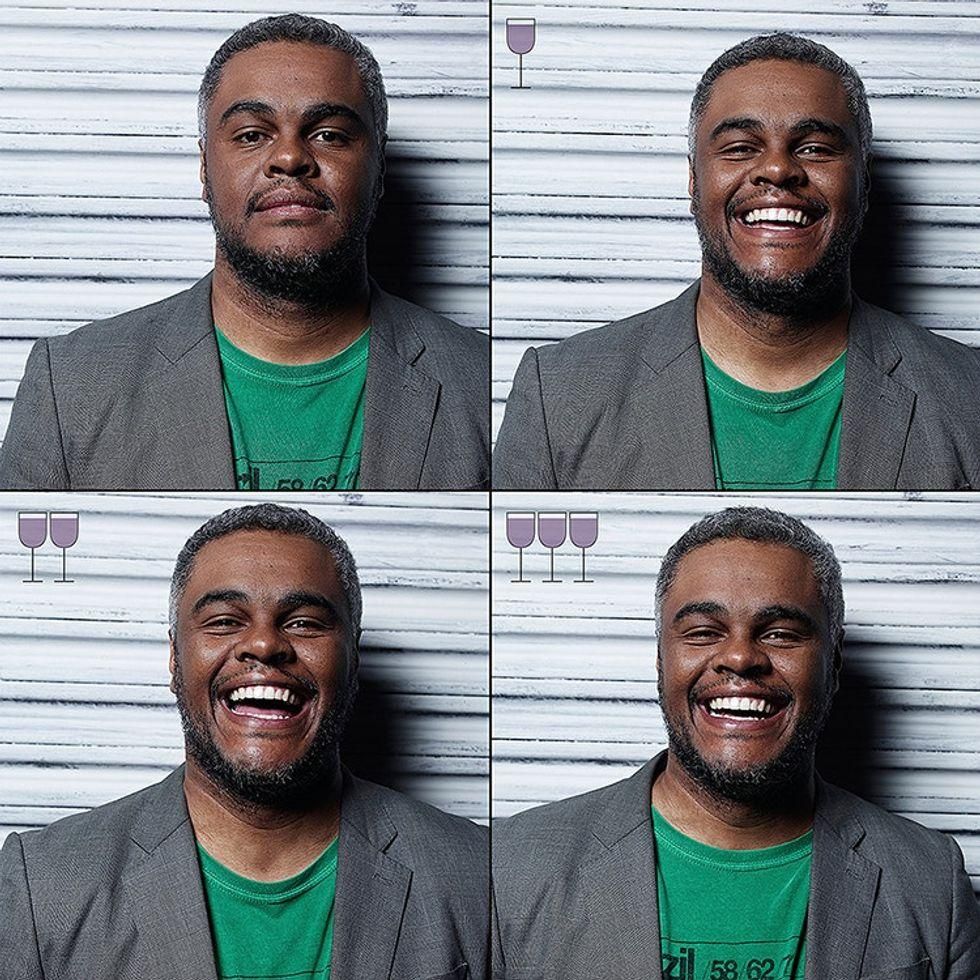
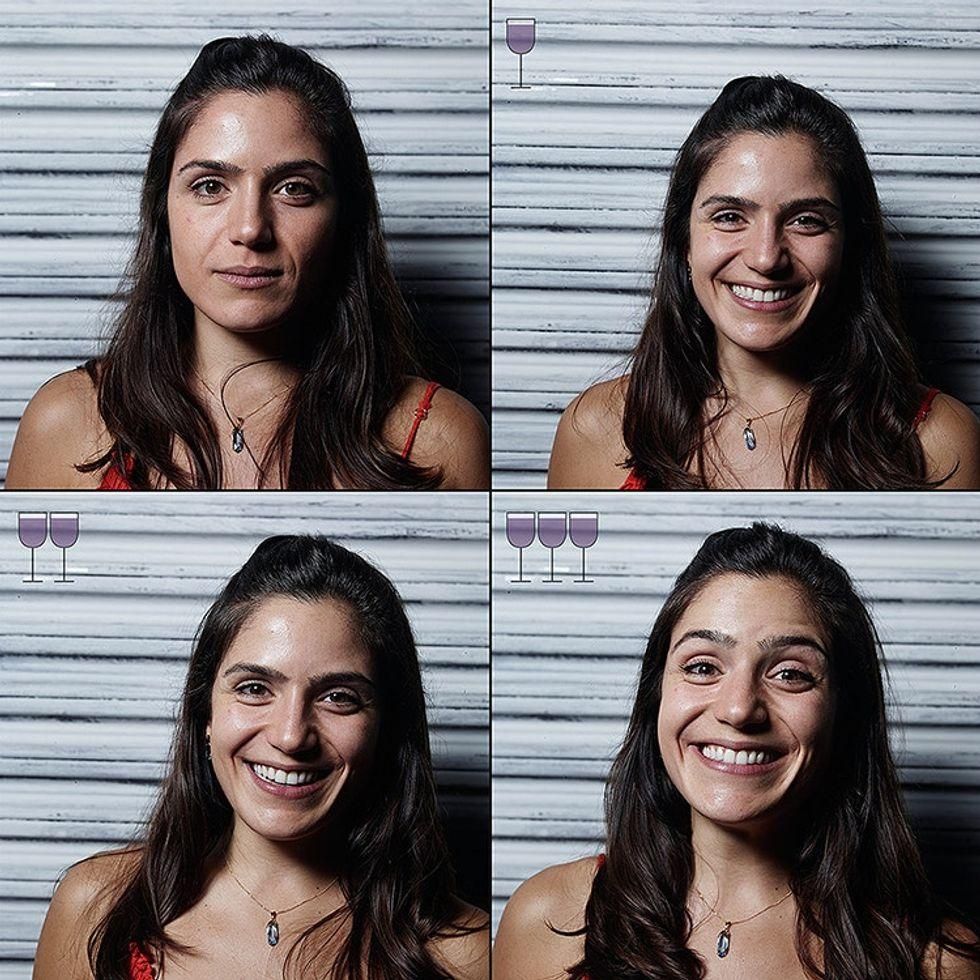
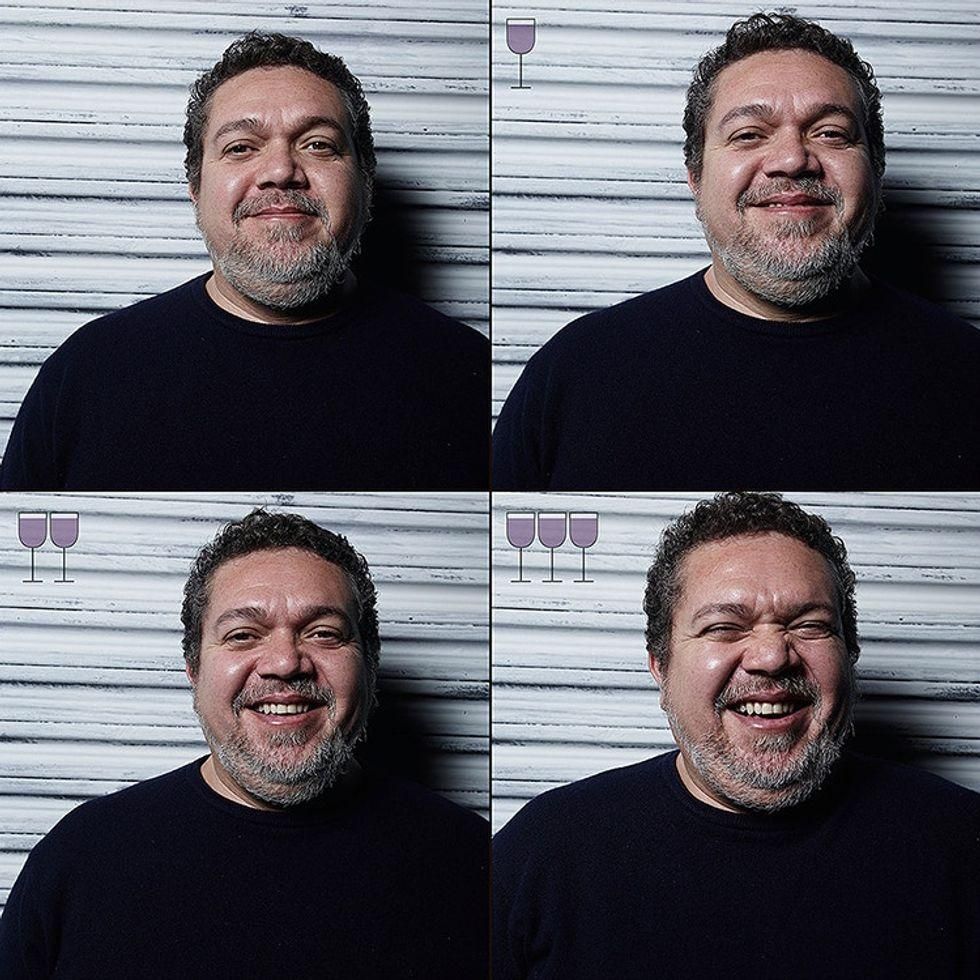
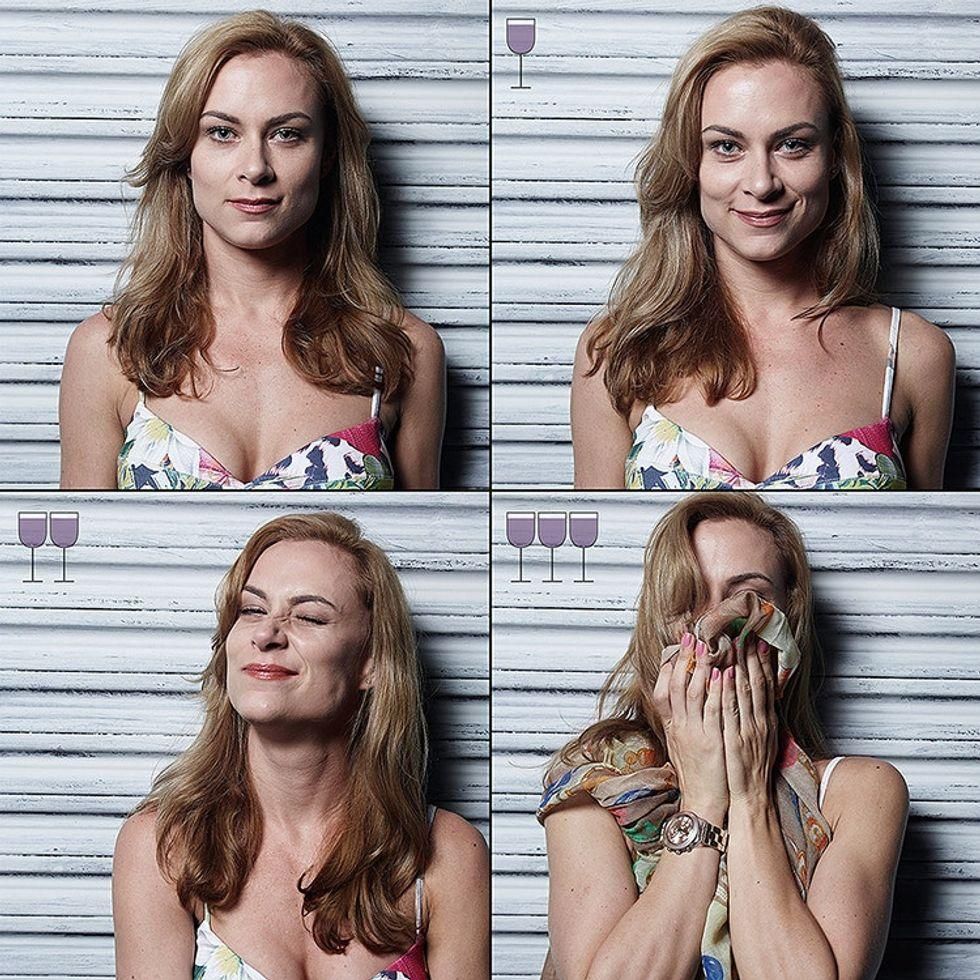
Marcos Alberti's "3 Glasses" project began with a joke and a few drinks with his friends.

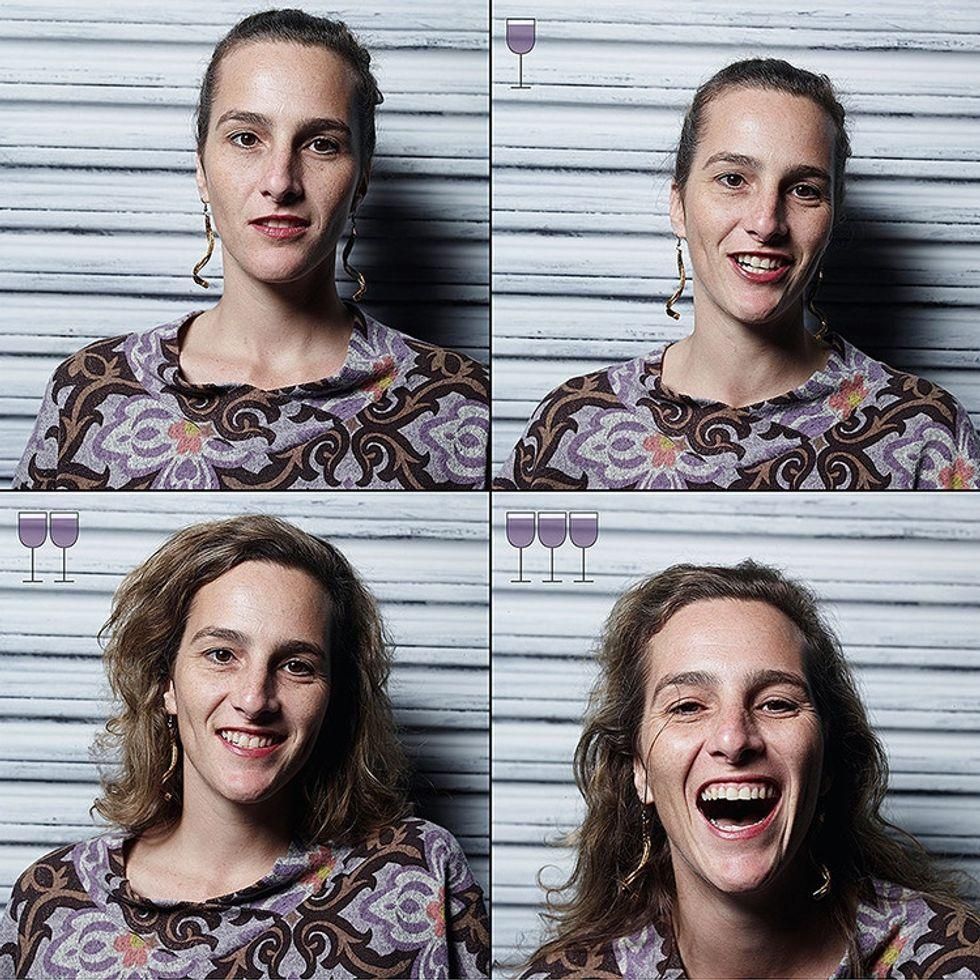
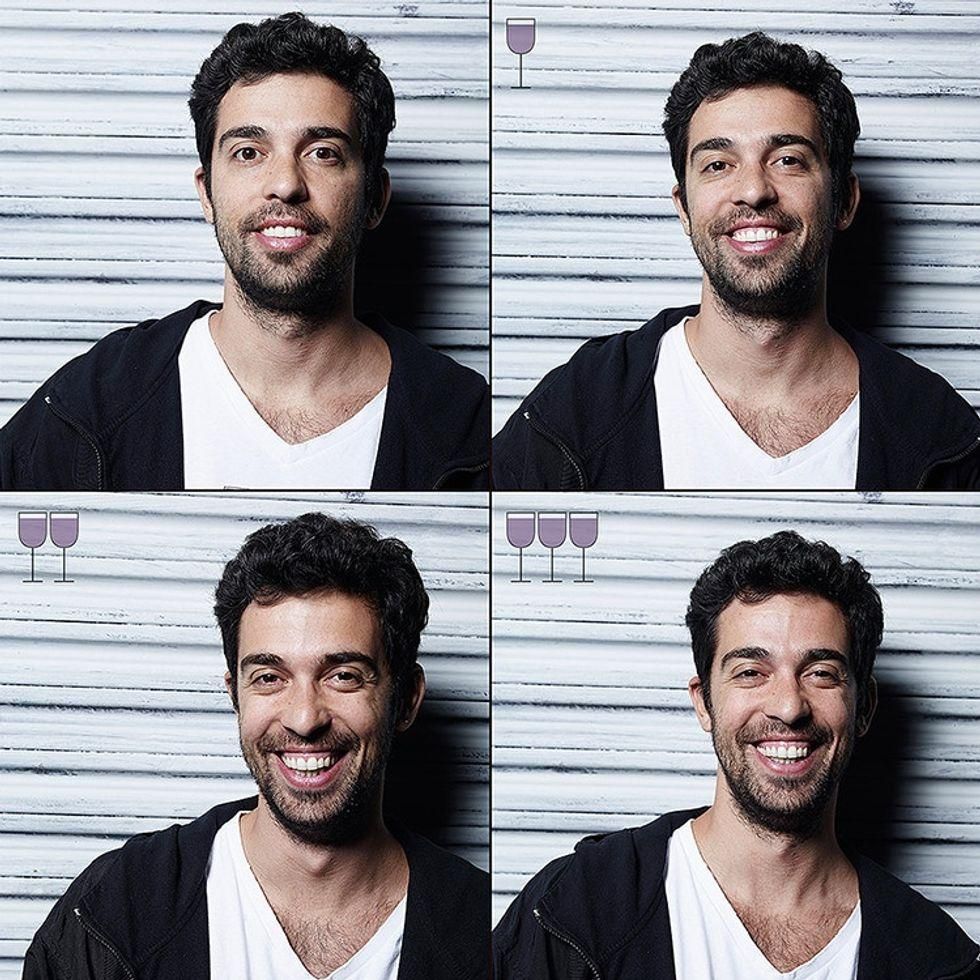
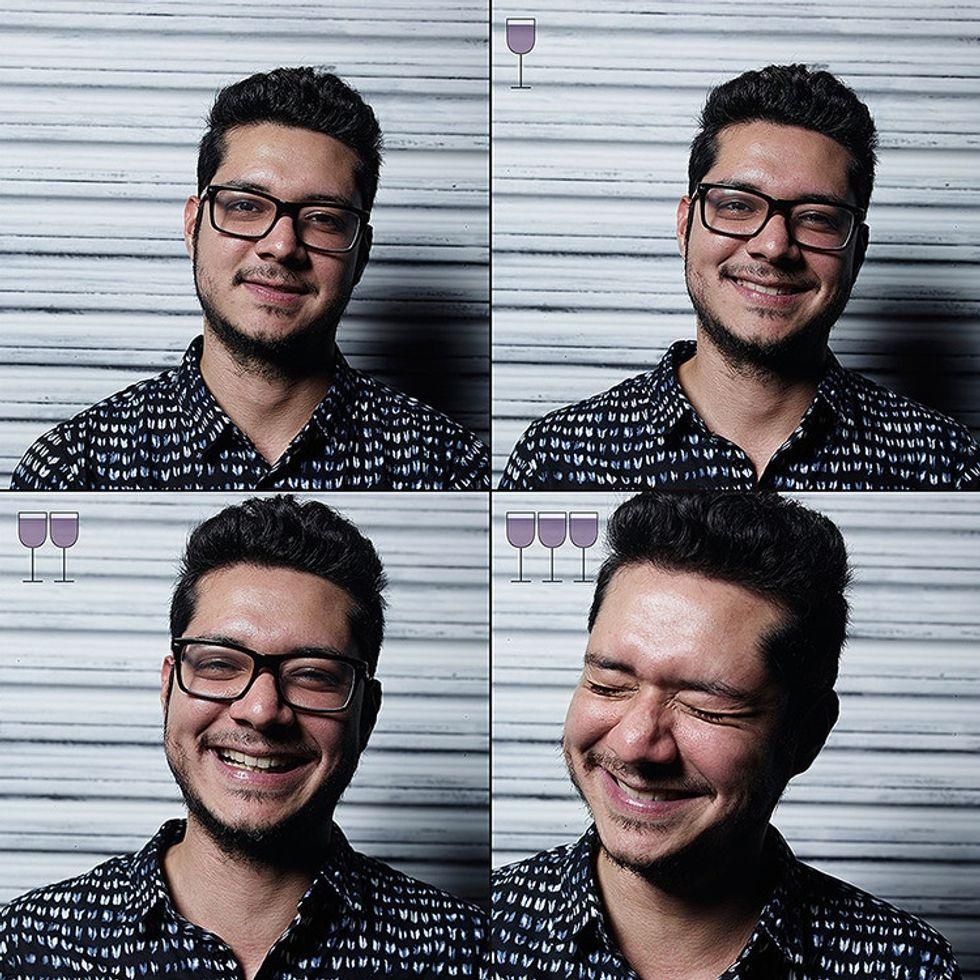
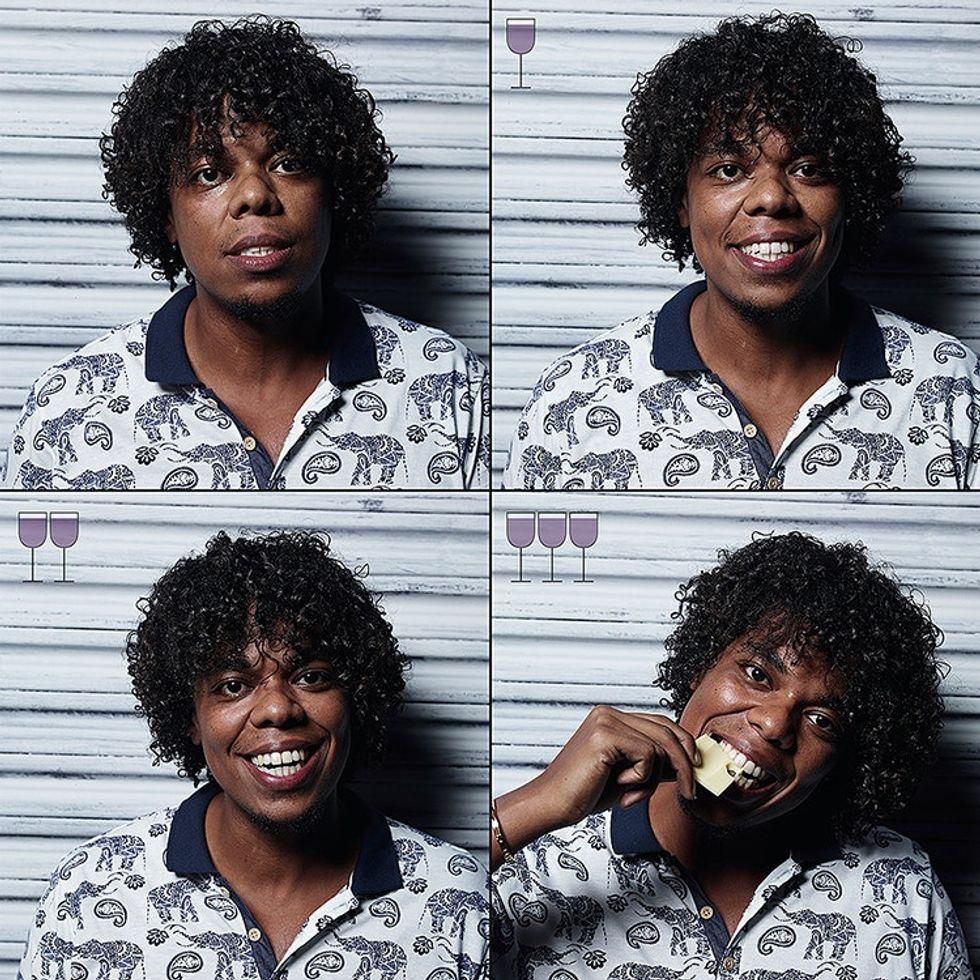
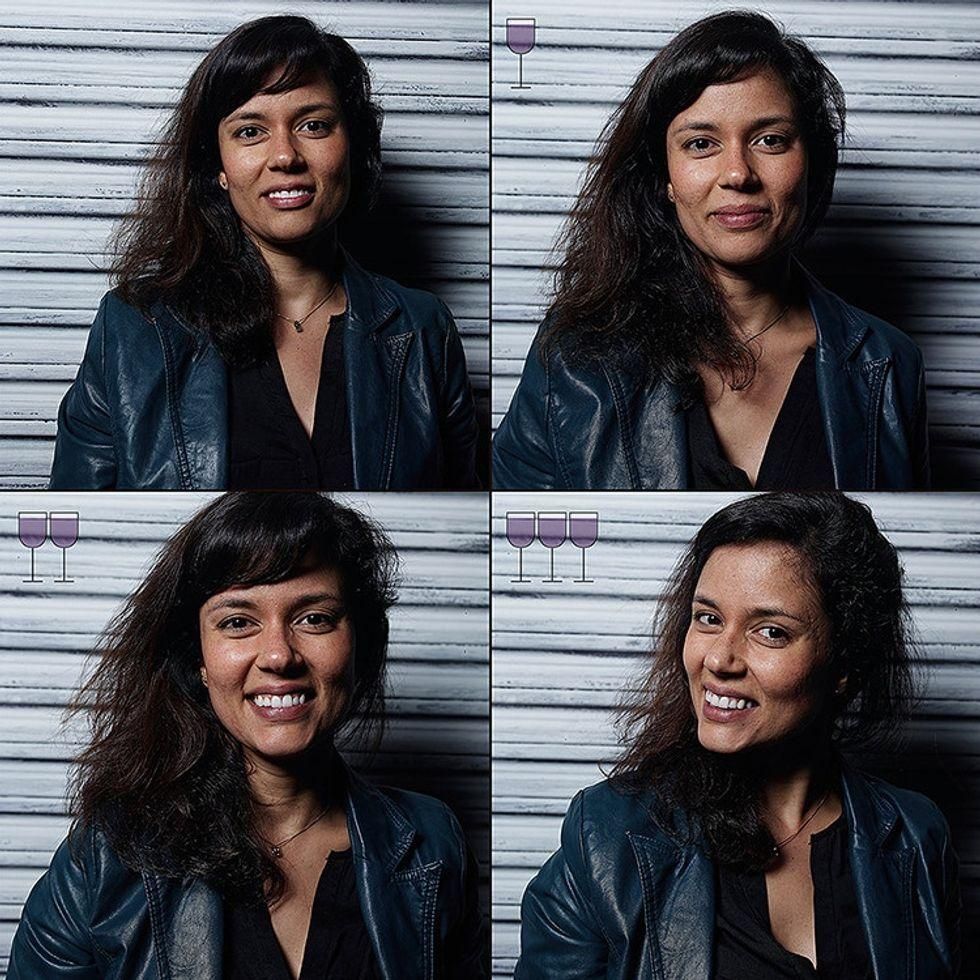
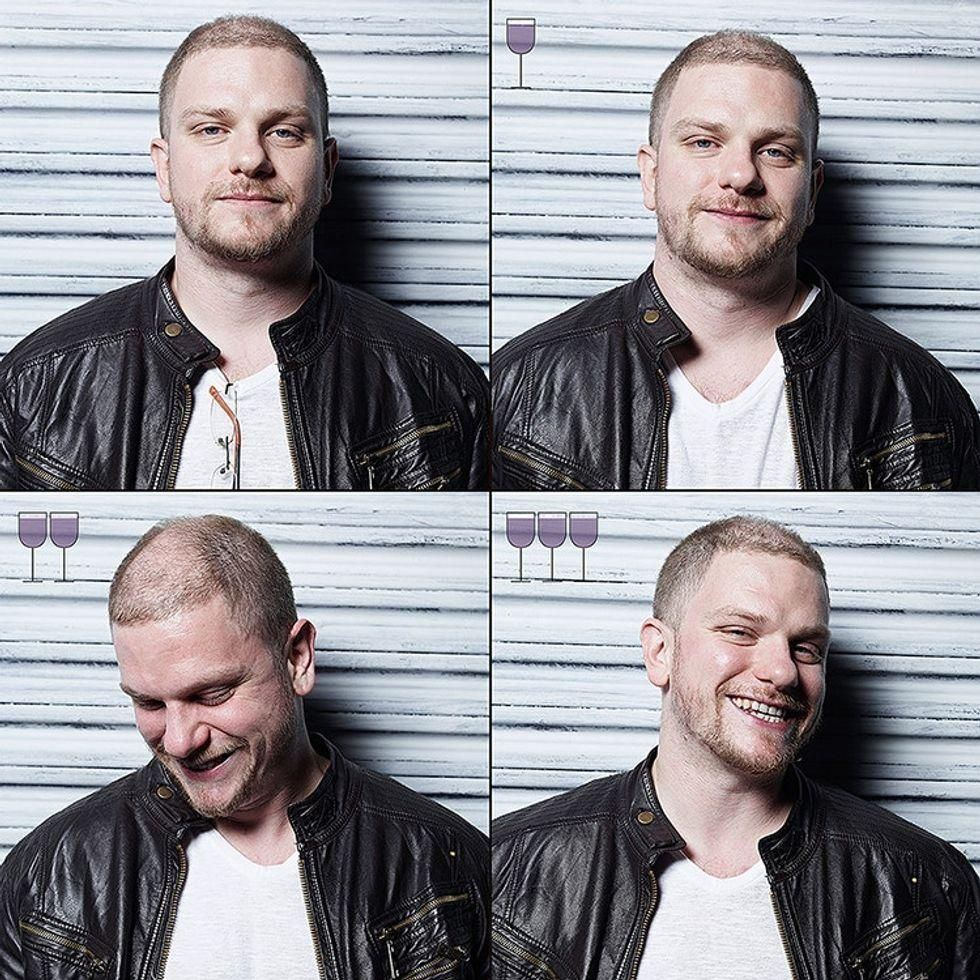
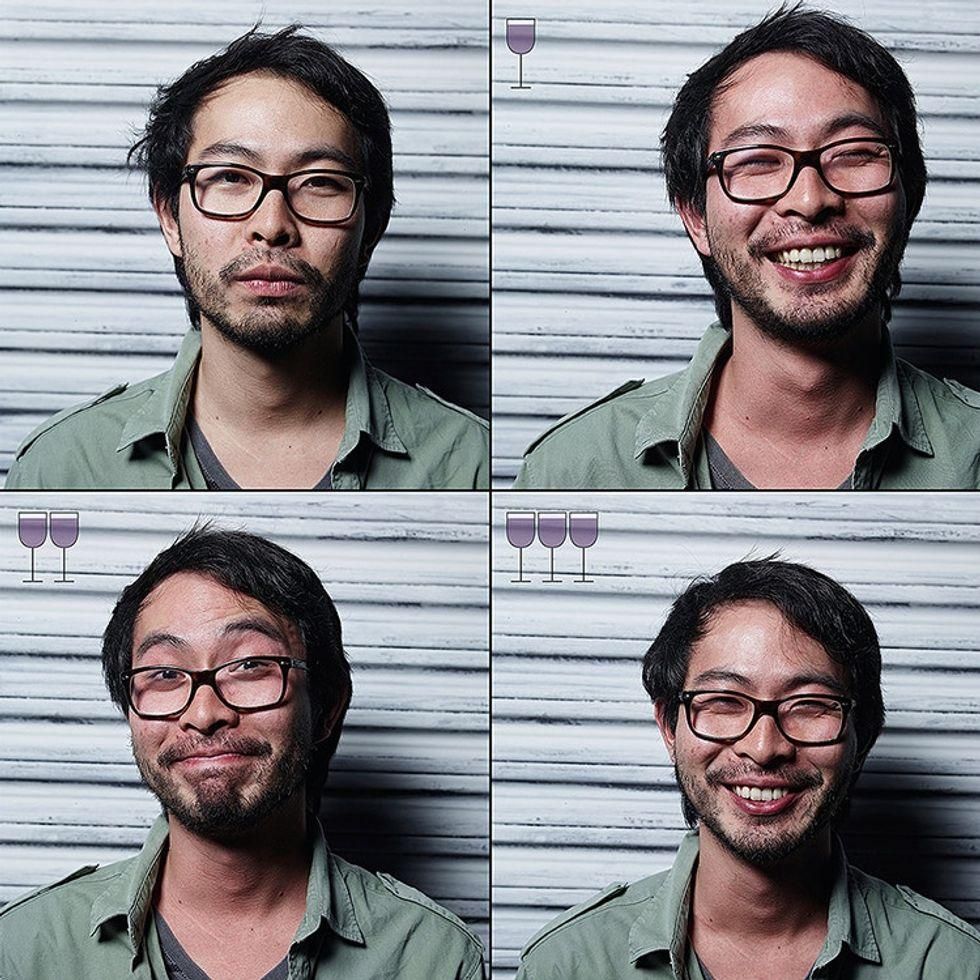
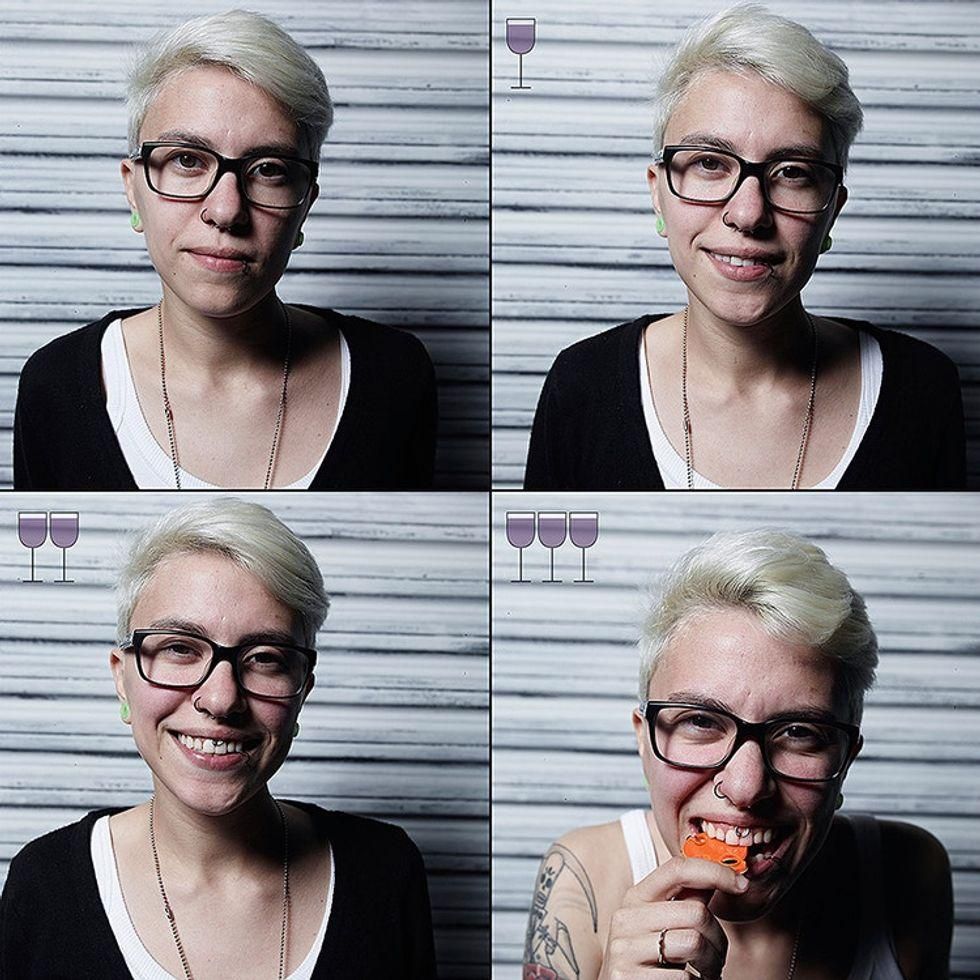
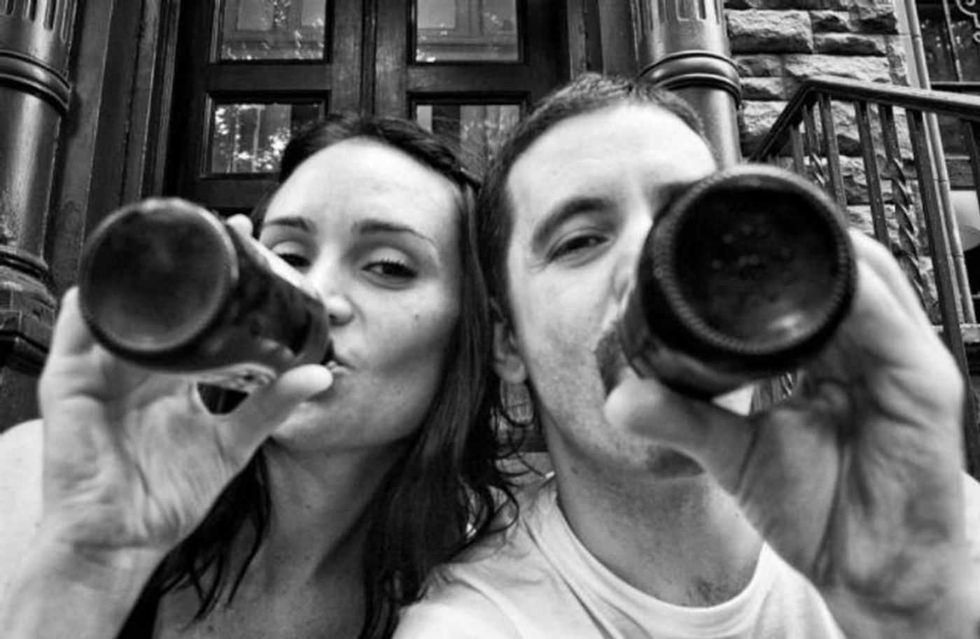
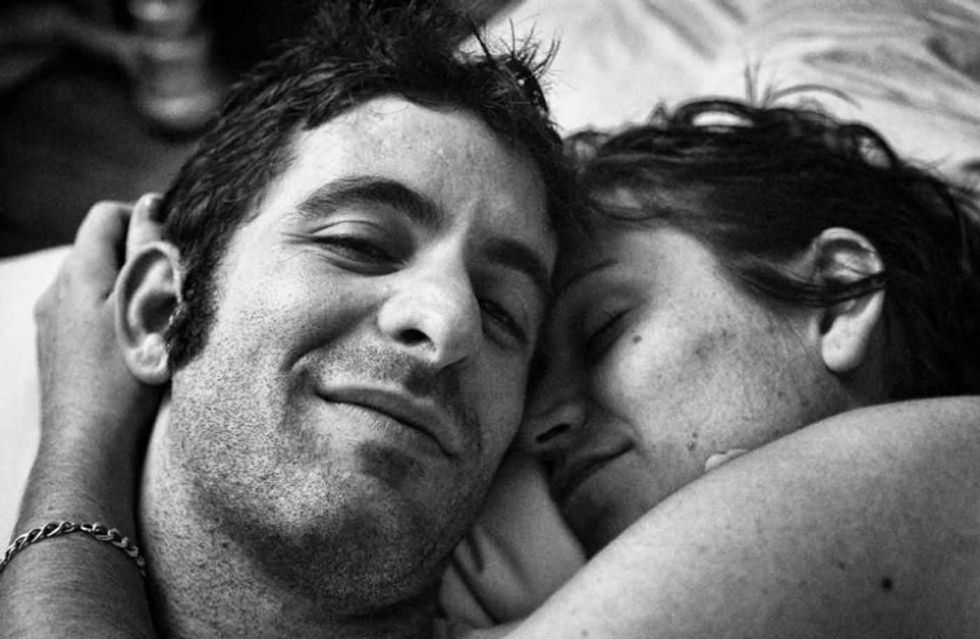
The photo project originally depicted Alberti's friends drinking, first immediately after work and then after one, two, and three glasses of wine.

But after Imgur user minabear circulated the story, "3 Glasses" became more than just a joke. In fact, it went viral, garnering more than 1 million views and nearly 1,800 comments in its first week. So Alberti started taking more pictures and not just of his friends.


"The first picture was taken right away when our guests (had) just arrived at the studio in order to capture the stress and the fatigue after a full day after working all day long and from also facing rush hour traffic to get here," Alberti explained on his website. "Only then fun time and my project could begin. At the end of every glass of wine, a snapshot, nothing fancy, a face and a wall, 3 times."

Why was the series so popular? Anyone who has ever had a long day at work and needed to "wine" down will quickly see why.

Take a look:

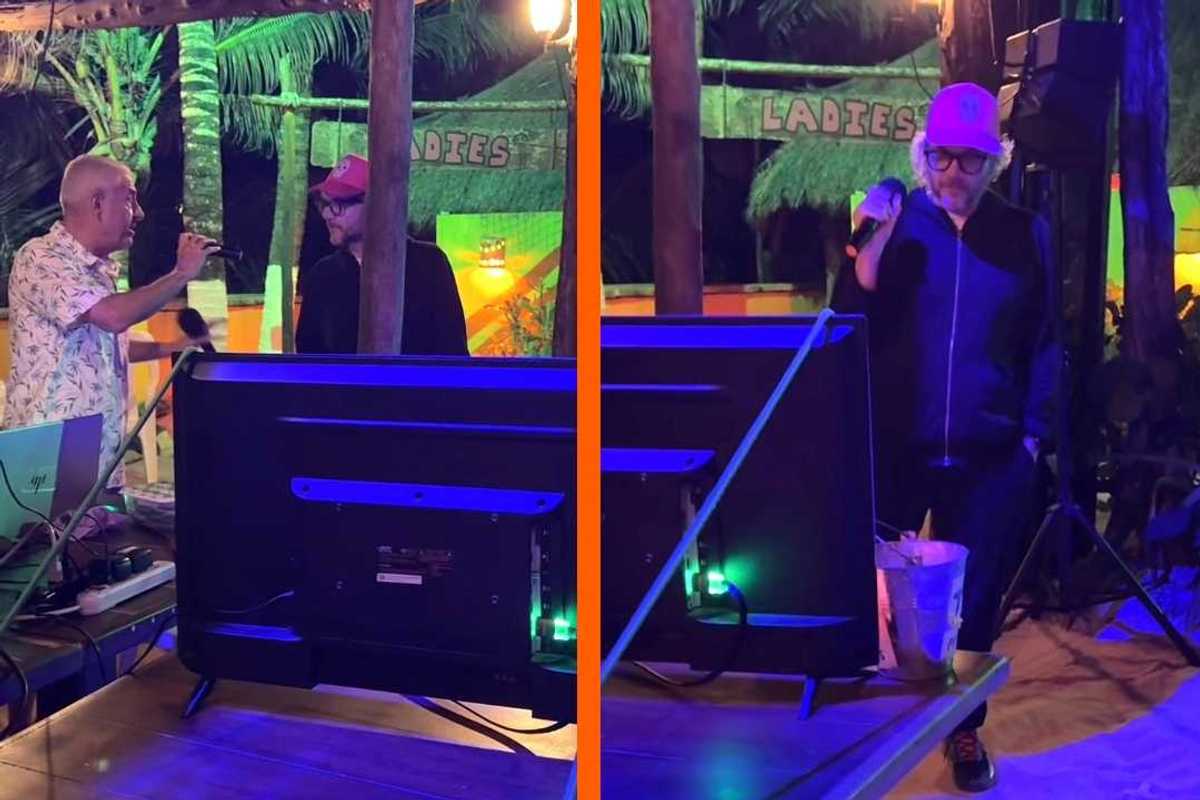
Photos of person after drinking glasses of win

All photos by Marcos Alberti, used with permission.

assets.rebelmouse.io

Photos of person after drinking glasses of win

assets.rebelmouse.io

This article originally appeared on 11.19.16

Health

From trials to treatments: one family's journey with "Brittle Bone Disease"

For Alex and his family, osteogenesis imperfecta spans four generations — and Shriners Children’s has been there every step of the way with life-changing care.

Four generations, one diagnosis: A family’s lifelong journey with “Brittle Bone Disease”
True

Like his mom, grandma and great-grandma before him, Alex was born with a condition called osteogenesis imperfecta, otherwise known as “brittle bone disease.” For every family member before him, the condition meant a lifetime of broken bones, hospital visits, and constant worry — but that story is now changing. With the support from Shriners Children’s™, Alex is experiencing a level of freedom and quality of life that former generations had only hoped for.


A family affair

Alex’s family’s story began in 1934, when his great-grandma June started fracturing her bones at the age of 10. June would be nearly a teenager before she received a diagnosis of osteogenesis imperfecta — and, with that, she became one of the first patients with the condition to be treated at Shriners Children’s.

June’s daughter, Wanda, was diagnosed with the same condition at Shriners Children’s shortly before she was born in 1955. Like her mom Wanda spent a significant part of her childhood in the hospital, often watching her siblings line up outside the hospital window to wave and wish her luck between surgeries.

When Wanda’s daughter was born, Chandra spent years undergoing treatment at Shriners Children’s for osteogenesis imperfecta, like her mom and grandma before her. Experiencing more than 200 fractures in her early years, she was unable to walk before age 22 — but no less determined to make life better for others with her condition. Chandra donated her bone marrow to be used in a study, and the results contributed to the OI protocols and treatment that are now the standard of care all over the world. Best of all, this study would go on to benefit her own son, Alex.

Care that feels like family

While her treatment journey was challenging, Chandra also cherished her experience at Shriners Children’s. “The staff was like family to me,” she said.

Shriners Children’s has been providing that same level of professional care for families across the country. Founded in 1922 — just two years before June was born — Shriners Children’s has been providing specialty care to children with a wide variety of complex conditions, such as orthopedics, burn injuries, cleft lip and palate, and others.

But Shriners Children’s doesn’t provide this care alone. All services are made possible by generous donors. Through their giving, patients are able to access specialty care as well as adaptive equipment, long-term rehab, surgeries, and more. In one year alone, Shriners Children’s performed more than 24,000 life-changing surgeries, as well as 446,000 procedures. On top of that, they delivered tens of thousands of prosthetic and orthotic devices for patients in need and welcomed an additional 62,000 patients on top of that.

Hope for a new generation

With Chandra’s bone marrow donation, along with the compassionate care he was able to receive through Shriners Children’s, Alex is now able to live a life his family only dreamt of. To treat his condition, Alex receives infusions that regulate calcium levels in his blood and slow bone breakdown.

“When Alex started walking between one and two years old, I was shocked,” Chandra said. “The fact that he was able to walk, even run, and knowing I had a part to do with that, makes my heart happy.”

Without consistent treatment, Alex’s family believes he might still be spending most of his time in the hospital, facing broken bones and countless fractures. Instead, the compassionate care he receives has given him a bright future — and has made Chandra eternally grateful.

“Shriners [Children’s] is amazing with him,” she said. “I love Shriners [Children’s] so much.”

Shriners Children’s helps children heal and thrive so they can chase their dreams. Learn more about how they’re making it possible and share this article to inspire others to join you. Shriners Children’s relies on generous donors to make a difference.

Donate today during the 3X Match Challenge to make 3X the life-changing impact for patients.

black lab, dog walker, dog walker near me, dog walker ap, neighbors, good news, pets, feel good news

black lab (left. Handwritten letter (right)

If you've lived your whole life with a dog, a home has to feel pretty empty without one. Your heart has to feel like there's something missing as well. When Jack McCrossan, originally from Scotland, moved to Bristol, England with his three friends, they were bummed out to learn that their landlord didn't allow dogs.

So when they saw a beautiful black Sheprador (a German Sheppard Lab mix) in their neighbor's window, they knew that had to become buddies with her. They wrote the dog's owner, Sarah Tolman, a letter asking to arrange a play date with the dog. "If you ever need someone to walk him/her, we will gladly do so," they wrote.


"If you ever get bored (we know you never will, but we can dream), we are more than happy to look after him/her. If you want to come over and bring him/her to brighten our day, you are more than welcome. If you want to walk past our balcony windows so we can see him/her, please do," the letter continued.

"We hope this doesn't come too strong, but our landlord won't allow pets, and we've all grown up with animals. The adult life is a struggle without one," they wrote. "Yours sincerely, The boys from number 23," the letter concluded.

Soon after, the boys in 23 received a response from the dog herself, Stevie Ticks, accepting the offer. However, it may have been written by her human, Sarah Tolman. In the letter, Stevie shares a bit about herself, saying she's two years and four months old, was adopted in Cyprus, and that she's "very friendly and full of beans." (The boys shouldn't worry about a gassy hound, in England, "full of beans" means lively.)

"I love meeting new people and it would be great if we can be friends. I must warn you that the price of my friendship is 5 x ball throws a day and belly scratches whenever I demand them," the letter continued. A few days later, the boys got to meet Stevie.

"Meeting Stevie was great!" McCrossan told Buzzfeed. "She was definitely as energetic as described. We got to take her for a walk and she wouldn't stop running!"

Tolman thought the boys' letter was a fantastic gesture in an era where, quote often, neighbors are strangers. "In a day and age where people don't really know or speak to their neighbors, it was really nice for them to break down that barrier," she said. After the story went viral, she saw it as an opportunity for people to share their love of dogs with the world. "My mother and I are amazed at all the love we've received from around the world these past few days," Tolman wrote as Stevie. "If you have a doggo in your life, share that love with those around you."

A lot has changed since this story first warmed hearts around the globe. The boys have since moved away, but as of September 2024, Stevie is around 8 years old and still living her best life. Recently, she even made it to the doggie wall of fame at her local coffee shop.

In the years since this story first went viral, pet-sharing and neighbor dog borrowing have actually become more common, especially in cities where landlords restrict pets. Several platforms (like BorrowMyDoggy) and community groups now exist to pair dog owners with trusted neighbors who want occasional playtime, walks, or dog-sitting without having to own a pet. It’s a small but growing trend that reflects how deeply animal companionship is needed—even for people who can’t adopt a dog full-time. In many apartment buildings, these kinds of informal arrangements help reduce loneliness, build community, and give non-owners the emotional benefits of living with pets.

Just goes to show the power of a dog's love…even if that dog isn't your own.

This article originally appeared six years ago.

Richard Pryor; Johnny Carson; Dorothy Fuldheim; poverty; cost of living; Johnny Carson Show

Watch Richard Pryor use humor to shut down Johnny Carson Guest on poverty

In 1978, late comedian and actor Richard Pryor appeared as a guest on the Johnny Carson show. As many late-night talk shows do, he stuck around after his interview to occasionally mingle when the next guests was introduced. But instead of dropping in a few funny quips, Pryor spent nearly twenty minutes engaging with, and occasionally debating, Dorothy Fuldheim, a then-85-year-old pioneering female journalist.

The comedian moved to the other available chair as Carson introduced the next guest, but it didn't take long before Pryor jumped into the conversation. At first, things seem to be going well with Fuldheim joking with Pryor about being a sinner and smoking marijuana. The also touched on deeper subjects including racism, space exploration and whether God is real. Fuldheim, who was the first woman to host a television news program in the United States, often appeared to take more progressive leaning views than Pryor, which resulted in a lot of laughs from Johnny Carson and the audience.


However, it was when the conversation turned to the idea of poverty that things took a turn.

The typically hilarious, vulgar comedian had been exceptionally respectful to his fellow guest. Peppering all of his interactions with with "yes, ma'am" and "no, ma'am," his tone changed when Fuldheim, who had grown up in poverty, said she didn't believe it existed in America anymore.

Richard Pryor; Johnny Carson; Dorothy Fuldheim; poverty; cost of living; Johnny Carson Show Richard Pryor and Lou Gossett Jr. backstage at the Shrine Auditorium, Los AngelesUCLA Library/ Wikimedia Commons

After discussing whether poverty builds character, Carson asks the woman, "Do you think it's tougher now for young people just to survive?" Before the late-night talk show host could finish his sentence, Fuldheim emphatically said no.

"No, no. I think life is so much simpler now. Nobody starves in our country. Nobody has to go out on the corners to beg. You can go and get medical aid. Nobody lives in the streets," Fuldheim declared. It seems that's when Pryor could no longer hold his tongue. He softened his tone as he said, "Well, there are some people that live in the streets."

Richard Pryor; Johnny Carson; Dorothy Fuldheim; poverty; cost of living; Johnny Carson Show richard pryor comedian GIF Giphy

This information seemed to shock the elderly woman as she questioned if the comedian was talking about America. She exclaimed that people didn't have to live in the streets in this country, to which Pryor replied, "Well, tell 'em." The conversation quickly turned into the comedian attempting to use humor to diffuse the situation and educate the woman about the struggles of people living in poverty. She was unrelenting in her belief that people weren't struggling with basic needs in 1978.

But Pryor was unrelenting in his defense of people struggling, saying, "Yes, ma'am. They sleep in the streets, and they die here," before he was interrupted by Fuldheim dismissing the claim.

Richard Pryor; Johnny Carson; Dorothy Fuldheim; poverty; cost of living; Johnny Carson Show Richard Pryor Laughing GIF Giphy

"Well, you don't die of starvation here. You can always get some food. We have it," Fuldheim says. Pryor continues using a calm voice, but it's clear he is becoming frustrated by the dismissal of information he's attempting to provide. But she bites back at him when he tries to share about the poverty level in Appalachia and mentions that he's focusing on white people instead of Black people. Pryor responds by comedically flinching away dramatically as if she were going to strike him. This caused the audience to burst out in laughter.

Pryor composes himself to further explain that he was not calling her prejudiced but trying to bring attention to the starving children in Appalachia. The interview is really a sign of the times, as Pryor unironically uses the R slur without malice, but as a descriptor for children who develop intellectual and developmental delays due to malnutrition.

Richard Pryor; Johnny Carson; Dorothy Fuldheim; poverty; cost of living; Johnny Carson Show Richard Pryor smiling at cameraAlan Light/Wikimedia Commons

Eventually, Carson steps in to try to rein in the conversation that continued to be marked with bursts of laughter at Pryor's one-liners. You can watch the entire interview below to see how, even under pressure, Pryor was a comedic genius. And while Fuldheim may have been out of touch when it came to poverty, her views on longevity, the role of women and how character is built, created the kind of meaningful conversation you almost never see on late night TV anymore.

Pets

Man's unique gift for naming cats has strangers asking him to name their kittens

Hersberry, O'dis, Nuffin—watch how "Unc" comes up with his adorable names.

kittens, cats, pets, naming cats, naming kittens

What would Unc name these kitties?

"The Naming of Cats is a difficult matter, it isn't just one of your holiday games…" – T.S. Eliot

One of the best parts of getting a new pet is choosing a name for them. Unlike children, who have conscious feelings about their names and may object to off-the-wall choices at some point, a pet presumably couldn't care less what the humans in their lives call them. A dog could be named Fred, Red, or Potatohead and be none the wiser. We've seen cats with names that go far beyond the norm even for pet names, like Parking Lot, Crunchwrap Supreme, and Missile Launcher (Missy for short) among other creative monikers.


But if any animals were going to care about what we name them, surely it would be our finicky feline friends. And one man, whom we'll call Unc (for his @UncGotThaMunchies handle), seems to have a gift for giving kitties very special (or rather, "pecial") names. Unc has become the father of 13 kitties, and his naming of cats has become a bit of a viral phenomenon.

@uncgotthamunchies

#cat #cats #catsoftiktok #kitten #kittensoftiktok

First, there's Blackaroni and Cheese, a black and orange kitten pair that people are just gaga over. But Unc has begun a whole movement of naming kitties in a "berry pecial" way, with Hersberry leading the way. Why Hersberry? Because her's berry pecial to Unc, of course.

@uncgotthamunchies

#cats #cat #kitten #kittens #catsoftiktok

Among the other kittens, we have another pair named Thor and Lowkey (yes, spelled Lowkey) and another orange kitty that Unc named Midas, "because there Midas well be no other kitties on the whole planet."

@uncgotthamunchies

#cat #catsoftiktok #kitten #kittens #kittensoftiktok

People have become so enamored with these cute and clever kitty names that some have started asking Unc to help them name their own kittens. One person shared a photo of their adorable orange kitten and asked if Unc could name him because they couldn't think of a good name. Unc didn't disappoint.

"When people see dis kitty right here," he said in a response video. "They will say, 'Oh, dis kitty is so beautiful. Oh, dis kitty is so pecial.' So I think his name should be O'dis." Then he explained all the nickname benefits of the name O'dis and how special this name would make the kitty feel.

@uncgotthamunchies

Replying to @glitterdiamondsparkles #greenscreen #cat #catsoftiktok #kitten #kittens

Someone else shared a photo of their fuzzy little tabby kitten, writing, "First I saw your Hersberry video then Midas and now the universe sent us a kitten and we can't think of a name for her. Can you help name her??" Unc responded with a video saying that he'd had a premonition as he was laying around looking at kitties on TikTok that a beautiful little girl kitty was going to come to him needing a name, and he should have the name ready for her when he saw her. Watch how that played out:

@uncgotthamunchies

Replying to @megan_elizabeth__ #greenscreen #cat #catsoftiktok #kitten #kittensoftiktok

Did he choose a perfect name or what? The kitten's owner responded in the comments and said, "Won’Da it is!! 🥰 Thank you!!"

Unc got another orange kitten sent to him with a name request. This one got the name Nuffin:

@uncgotthamunchies

Replying to @Raegan Schafer #greenscreen #cats #cat #kittens #kittensoftiktok

"Because there is nuffin on dis Earf more cuter than this kitty. And there is nuffin on dis Earf that I would not do for this kitty. And there is nuffin on this whole Earf that could keep me from loving this kitty," explained Unc. Of course.

People are loving watching Unc name other people's kitties, with multiple people calling him a walking green flag.

"There is nuffin on this earf as precious as you naming kitties 😍😂🫶🏼," wrote one commenter.

"There is nuffin I love more than a man who loves his kitties as much as you do!!"

"Another perfect name!!! My sister is adopting a kitty today and I’ve been telling her about your names and how you come up with them. It’s great. 🥰"

Ultimately, the way Unc interacts with his kitties is what keeps people coming back. There's something so endearing about the mutual affection between him and the whole lot of them. Not all cats are sweet and snuggly, but Unc's kitties seem to be quite affectionate. People with more standoffish cats may be wondering why this man's cats and kittens are so loving. Well, here you go:

@uncgotthamunchies

#cat #catsoftiktok #kitten #kittensoftiktok #kittens

So berry, berry pecial. You can follow Unc on TikTok.

self-help, self-improvement, procrastination, perfectionism, psychology

Ideal conditions is a myth.

People who tend to put things off, even things they really want to do or achieve, are often plagued with a host of unhelpful thought patterns. "Once this happens, then I'll start…" "When I become more XYZ, then I'll really lock in…" "If only this and that were different, I'd be able to start…"

Those If/When/Once thoughts keep us stuck in inertia as we wait for the ideal conditions to make forward movement in our lives. But as New England artist and creator Carly Wanner-Hyde explains in a viral video, the entire idea of "ideal conditions" is a myth. By talking to herself, she offers an example of challenging an unhelpful thought and developing a more helpful thought process.


"Hey, dude," she says to herself. "What are you waiting for?"

"Ideal conditions," she responds. Sound familiar?

@thegnarliestcarly

take it if it resonates :) you’ve got this. . #selfimprovement #senseofself #reflections #learningexperience #growthmindset

"If I wait for the ideal conditions, it won't be as scary," she says, "and I'll be less likely to fail and feel the pain of devoting myself to something and not achieving the outcome that I specified in my brain."

She responds to herself with a compassionate smile, which prompts her to break down the reality that challenges that thought.

"'Ideal' conditions don't actually exist," she says. "And the time will pass whether I do this thing now or not. And fear is just something that my subconscious is using to keep me safe from what it doesn't know yet, but that doesn't mean I'm not capable of doing it."

As she reframes the thought and moves into a more helpful process, her alter-self keeps listening with the same quiet, compassionate encouragement.

"And I can ask myself, 'What's the smallest step that I can take towards making this thing happen?' And instead of putting pressure on myself for me to be exactly perfect at doing this thing so that I can 'justify' the time and energy that I spend on it, I can devote myself to the process of it and trust that as I take each small step, the path will continue to unfold.

path, moving forward, perfectionism, procrastination, self-help The path reveals itself as you walk it. Photo credit: Canva

"And that none of this really matters, and one day I won't be here, and me putting something off is just me keeping me from accessing parts of myself that I want to grow into. And I don't need to assign the outcome right now as either a win or a loss because I don't even know what the full outcome is yet. This might just be something that I get to engage with and experience and learn from.

"I deserve to give myself the gift of engaging with my potential through curiosity rather than clamping down on it through fear of failure. Holding myself to this standard of perfection is just a way of keeping me from growing in all the ways that I can right now and creates judgment for myself that I don't deserve. Because I deserve to engage with the world in the ways that I can serve it, and perfectionism doesn't help that."

Judging from the comments, many people needed to hear this message themselves. So many people confessed that they'd wasted entire decades of their lives waiting for "ideal conditions" before realizing they didn't exist. As one person wrote, "You gotta knock it off with all this truth telling. It's making me actually… do something."

@thegnarliestcarly

take it if it resonates :) #selfimprovement #senseofself #reflections #learningexperience #growthmindset

Wanner-Hyde has had similar "Hey, dude" videos go viral, from "ideal version of myself" to "feeling sad." Part of why her videos resonate is that she's not lecturing the audience, but rather demonstrating what a healthy internal process can look like.

"I think that part of being human is recognizing ourselves in the reflections of other beings," she tells Upworthy. "Sometimes we just need a little space made for us to feel seen, to slow down and let the thoughts catch up, and to know that we're not alone in what we're going through."

She hopes that her videos remind people how connected we all are and "help people find a little bit of ease within themselves, and comfort in knowing that their experiences are shared by so many others."

Wanner-Hyde says she's working on a podcast to explore these kinds of common threads of the human experience, which will be coming out in early 2026.

You can follow her for more on TikTok.

boomers, boomer parents, millennials, millennial parents, parenting, family, love, relationships, generations

People share their theories about why Boomer parents won't tell you what's going on with their health.

Generational differences can make it seem like we're not living in the same reality as those just a few years younger or older than us. But it's the Baby Boomers who, perhaps, are the most perplexing to their children and grandchildren who want to understand and relate to them.

Even a therapist who specializes in family dynamics day in and day out struggles to understand one peculiar habit that seems to be nearly universal among those in the 60 and above age bracket.


Mary Beth Somich, LCMHC, who has been a family therapist for 10 years, recently posted a TikTok that struck a nerve. The caption reads, "Help me understand this Boomer parenting behavior."

"There is this thing that Boomer parents consistently do that I have to admit, I truly do not understand. I would really like to understand this, as I think it would really help my Gen X and Millennial adult clients."

In her experience, Somich says, older adults tend to withhold important medical information from their adult children, sometimes until way after the fact. It often comes wrapped in a cushioning phrase like, "We just didn't want to worry you."

In the video, she acts out a few scenarios that are all too familiar to many adults with Boomer parents: Mom springing it on you out of the blue that Dad had "open heart surgery yesterday." Or one of your parents suddenly disclosing that "Grandma has been on life support for a week."

"These are adult children now. These are adults." She says her adult clients come into her practice after moments like this feeling upset, sad, and even betrayed. In short, they're far more upset than they would have been hearing the hard news sooner.

"If the idea here was to spare your adult child some anxiety, it has backfired," she says. But the question still remains: Why do they do it?

@yourjourneythrough

Respectfully, why? If this hits home and you want to talk it through, message us the word “contact” to chat or book a session. 💌 #raleigh #boomerparents #parenting #raleighmoms #familydynamics

The video racked up over a million views on social media, and viewers had no shortage of things to say about this frustrating phenomenon.

Theories abound as to why Boomers tend to withhold health-related updates. Some called out the behavior as manipulative or selfish:

"They don't want to deal with our emotions. Surely you know that"

"Emotional immaturity is likely a part of it - avoiding having to acknowledge their own distress about it and also avoiding experiencing their kids’ distress. Sweep it under the rug until you can’t not trip over it."

"They will give you every health update of the neighbor down the street that you don’t even know but won’t tell you when they have cancer. Then they make you feel bad that you didn’t know because you don’t come around enough."

"It’s a form of punishment and control. 'If we cared, we would have asked.'"

Several people theorized that it's hard for parents of any age to think of their own kids as adults, so the urge to protect and shield them is tough to break even once they're truly grown. Others were more empathetic, recalling that Boomers weren't exactly raised with a lot of tender affection and care in the '50s and '60s:

- YouTube www.youtube.com

"Boomers had f-ed up parents and so were their parents. Etc. There was no counseling, no mental health talk. It was non existent. OUR feelings were dismissed and communication skills were not taught to us. we were taught to brush everything under the rug and I think all of this is reflection of how we react to things now."

"Late Boomer here (Gen Jones). Our parents kept everything from us. No talking about money, relationships, or coping skills. We never learned how to relate to our adult children unless we taught ourselves."

Parents in the '60s and thereabouts were heavy on authority and much lighter on warmth than parents today. The phrase, "Children should be seen and not heard," was a common refrain of the day, so it's no wonder they might have trouble opening up and communicating.

Experts say the truth is really a bit of both: A genuine (if misguided desire) to protect or not "burden" adult children, mixed with difficulties in being vulnerable as a result of their upbringing.

boomers, boomer parents, millennials, millennial parents, parenting, family, love, relationships, generations Kids raised in the '50s and '60s were not taught much about openness and vulnerability. Photo by Flaviu Costin on Unsplash

"Boomers are extremely independent and are used to making their own decisions," Marianne Matzo, PhD who specializes in palliative care and gerontology, told Upworthy. "Remember, they came of age during the Vietnam war, and one of the legislative changes at that time was people were legal adults at age 18. At a young age they had the legal right to make major decisions and want to keep that freedom. They don’t need the family to drive them to the doctor, nor be involved in making decisions about their lives. The tendency is to make decisions and inform the family afterwards.

Jenna Budrea-Roman, a licensed clinical psychologist, tells Upworthy that, unfortunately, parents and their adult children can find themselves in a vicious cycle:

"These older adults still have a sense of obligation and it might feel wrong not to share something significant with their child ...They might avoid bringing it up until the last possible moment, then creating an emotional boomerang for their child ('Wait, what do you mean you might have cancer and are getting a biopsy tomorrow?'). The adult kid feels equal parts concerned, angry for not being trusted with the information earlier, and confused as to what they should do to be supportive. This reaction reinforces to the parent that they should have kept the information to themselves and have "now caused more problems." No one gets what they need in this dynamic to feel emotionally safe and connected."

As in most cases in life, the way forward is to not shy away from direct and uncomfortable conversations, and to handle them with empathy. It's fair to be upset and anxious because of how sensitive health updates are handled, and to communicate that, but remember not to attack your parent's independence, their right to privacy, or their struggles with vulnerability.