Most of us have things we want to do in life, goals we want to achieve, but find that all kinds of obstacles get in our way. Sometimes those obstacles are external things we can’t control, and sometimes they are internal things we aren’t consciously aware of that are holding us back.
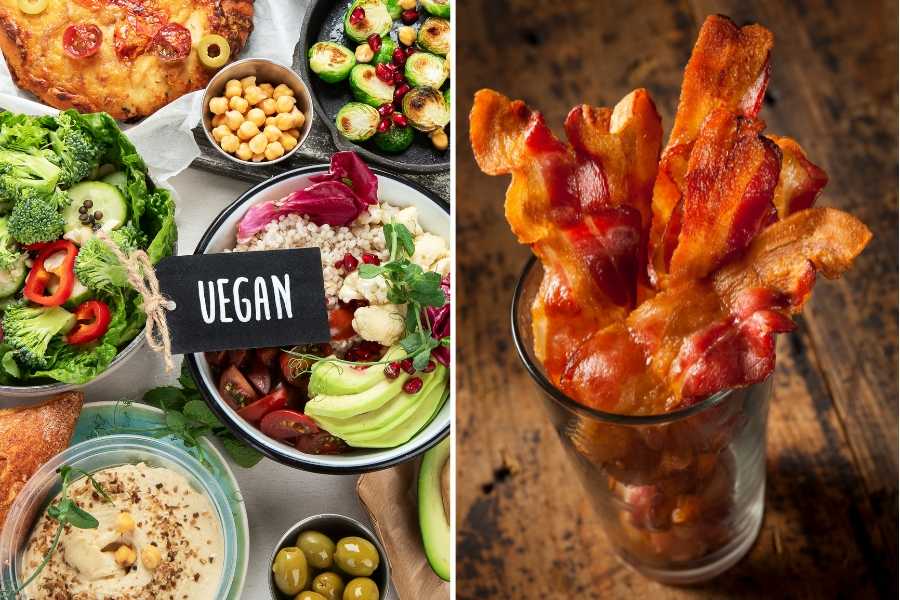
For instance, certain mindsets can keep us from making progress, from negative thinking to creating rules for ourselves that don’t actually exist. One example of the latter was brilliantly challenged by a vegan content creator named Liz, who had someone tell her that they’d go vegan if it weren’t for their love of bacon. Her response was powerfully simple: “So do it. Go vegan but bacon.”
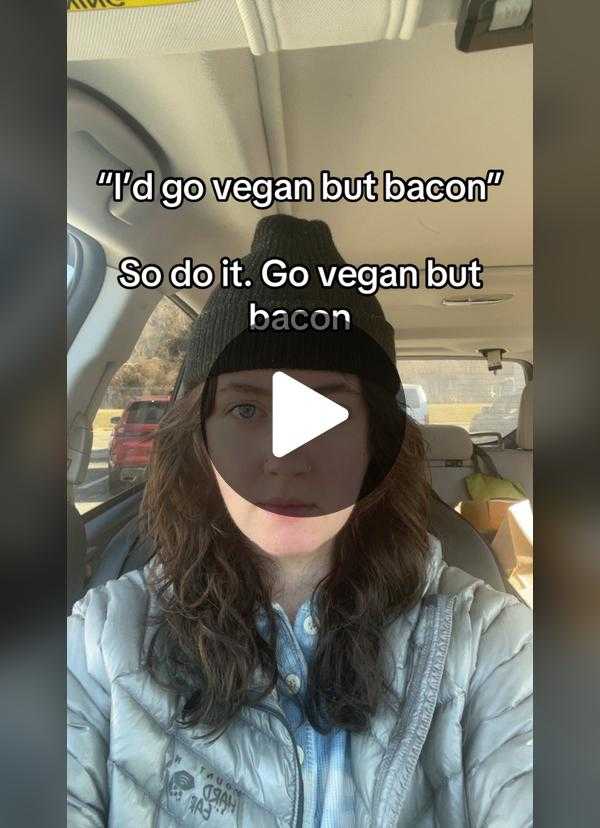
The video was viewed nearly 3 million times, topped only by her similar video that said the same thing, but with cheese instead of bacon. Lots of people in the comments of both videos shared that they eat vegan 95% of the time, or that they eat vegan only at home but not at other people’s houses, or that they have one specific non-vegan food they eat but plant-based foods otherwise. As Liz says, “Harm reduction is harm reduction,” and most people do things a step at a time, not all at once.
The idea that you don’t have to take an all-or-nothing approach to a certain diet or lifestyle was a revolutionary one for people who struggle with perfectionism. And as another creator pointed out, this theory can apply to lots of areas of our lives.
“Stop making arbitrary rules for yourself, wrote Addie the Optimist, “it prevents you from actually reaching your goals.” She said if you don’t have 100% of your energy to put in at the gym, go to the gym anyway and give 50%. It doesn’t have to be all or nothing.
The truth is, there are very few actual rules in life. Aside from laws of the land and whatever spiritual laws someone might feel are obligatory, the “rules” we tend to live by are generally optional and largely arbitrary. Three meals a day? Totally made up. Wearing workout clothes to exercise? Genuinely optional. You can just do things. You rarely have to do them any particular way, and you rarely have to do them all the way.
Giving yourself permission to do something imperfectly is incredibly freeing, and may actually lead to greater progress than perfectionism, as many people shared in the comments:
“I was like ‘I need to go the gym but I only like cardio’ then I realized I can do just the cardio and no one will come arrest me.”
“Sometimes washing most of the dishes is washing enough.”
“Half-assing is the stepping stone to whole-assing. ↕️”
“If you only have 10% to give and you give 10% you have just given 100%.”
“Sloppy success beats perfect failure!”
“Perfect is the enemy of done.”
“Once you get out of the all or nothing mindset the possibilities are endless.”

As Addie said in her video, “You don’t have to be imprisoned by your own rules.” Easier said than done for some of us, perhaps, but seeing a mindset shift demonstrated like this can sometimes help us snap out of our own self-limiting thoughts. Additionally, having a short slogan to remind ourselves to ditch all-or-nothing thinking can also be helpful. So next time you find yourself feeling like you have to do something all the way or not at all, just tell yourself “vegan but bacon,” and give yourself permission to follow your own rules.