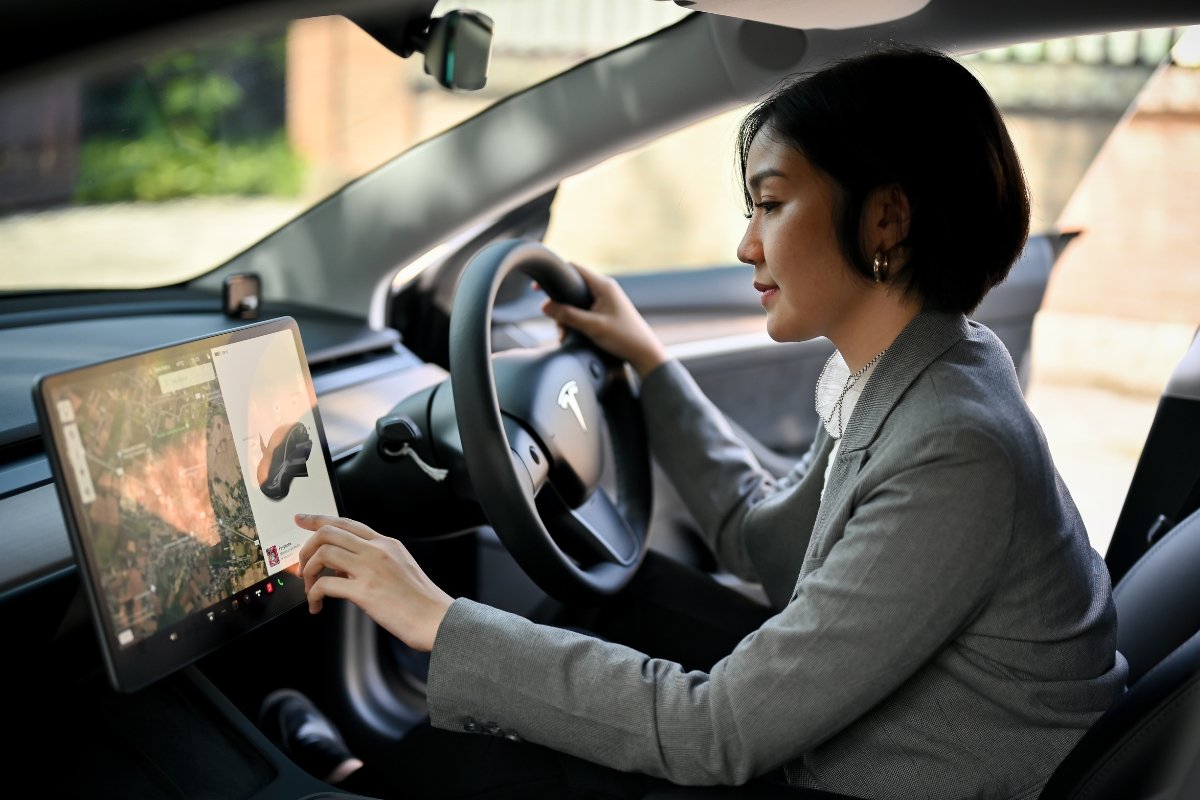
The United States and the United Kingdom go way back, and despite our rocky split nearly 250 years ago, our countries and cultures share a lot in common. We speak the same language, just with different accents. We have somewhat similar legal structures and constitutional governments and derive many of our shared cultural values from the same religious roots.
We also both use miles to measure distance (which may come as a surprise to Americans who may assume Brits use kilometers like most of the world), but there’s a significant difference in how we talk about measuring distance. In the U.K., people say something is x miles away. In the U.S., people say something is x minutes or hours away.
Americans using time to describe how far away something feels totally intuitive to us but totally bonkers to Brits, as explained by Joshua Cauldwell (better known as “Josh from England”).
Josh says measuring distance by time is “incomprehendible” to the British mind, partially because driving more than an hour is considered a very long drive. “It’s considered way too far,” says Josh. “Americans do that on their commute.”
He then quips that Americans can get in their car, drive 12 hours, and still be in the same state (not true for most states, but from southern to northern California or across Texas or Alaska, it is true). England is slightly smaller than Iowa in terms of total square miles of land, so there’s nowhere in the whole country that would even take an entire day to drive to.
People in the comments corroborated the fact that Americans use time to talk about distance and are willing to drive many hours to go places.
“You’re not wrong! I’ll do a day trip to the beach (2.5 hours away)… drive home that night. Not bad at all.”
“Driving 12 hrs and still being in the same state is call Texas. “
“Cause 1 mile in Dallas can literally take 30 minutes depending on traffic. “
“This is facts. When I was in highschool I worked a job that was about an hour away from my home and I didn’t even think twice about it. It’s just so normal. Also I frequently drive from Virginia to Michigan which is about a 10-12 hour drive and I genuinely enjoy it. As long as I have a good music playlist or some podcasts to listen to while I drive it’s not a big deal. “
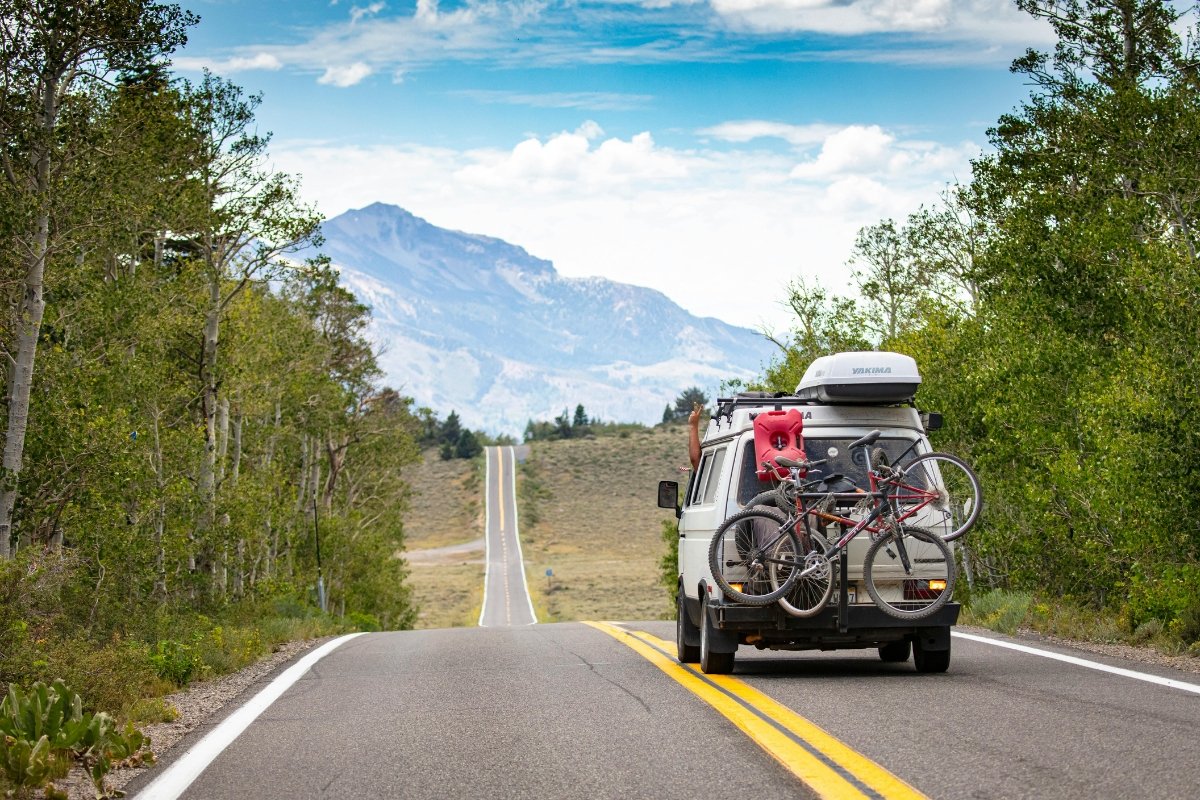
“Americans in the summer, will pack the SUV/mini van with blanks, clothes, snacks, kids and pets, then hit the road for a couple of DAYS, for a road trip and call it a family vacation. My theory is it’s what’s left of the pioneers’ spirit in us. I drive a couple hours just for guild meetings every month. “
“Distance is irrelevant when you have to factor in interstate, city traffic, country roads, time of day… 50 miles on the interstate is much faster than through town or on a country road. Here in Vermont we go from city to interstate to country all in one direction. Time is of more value than distances.”
“Traveling an hour is just going somewhere to do something fun that is relatively close.”

He’s completely right about Americans. We might occasionally say something like, “It’s about a mile down the road” but anything longer than that and we’re telling you how long it takes to get there—almost exclusively by car, which probably says more about us than we’d like. But it really is because our country is so big. Having moved from Illinois to Washington State, I can tell you it’s about a 30-hour drive, but couldn’t begin to guess how many miles it is. I know how long it takes to drive to every major city within an eight-hour radius of my hometown, but how many miles? No idea.
He’s also right on another thing: Americans will compete with themselves to beat whatever arrival time the GPS app indicates when traveling:
Oh, Google Maps says this drive should take 5 hours and 25 minutes? I’m going to make it in 5 hours flat, no question. It’s like we have some kind of sixth sense for how much and how often we need to exceed the posted speed limit in order to beat the time without getting into trouble.
We even have unwritten rules for this. In town, you basically obey the speed limit, maybe only going a few miles over when it feels okay. On the freeway? At least five miles over the speed limit, but often more like eight or nine (I have a police officer friend who once told me, “Eight you’re great, nine you’re mine,” meaning that’s the threshold over the speed limit where he would pull someone over). But I’ve lived in some big cities where the expressway speed limit is 55 mph but if you’re not doing at least 70 you’re getting passed by everyone else, including cops.
Nearly all of this boils down to how large the U.S. is and how accustomed we are to traveling far distances by car. As Josh pointed out previously, the size of the U.S. is also why Americans appear to be less traveled than Europeans. Our country is nearly the size of the entire European Union, so visiting many different states is the travel equivalent of visiting many different countries for someone living in Europe.