

Richard Dreyfuss shared intimate photos of the moment he realized his son had a congenital disorder
"The most traumatic and emotional moment of my life was on June 14 1986."
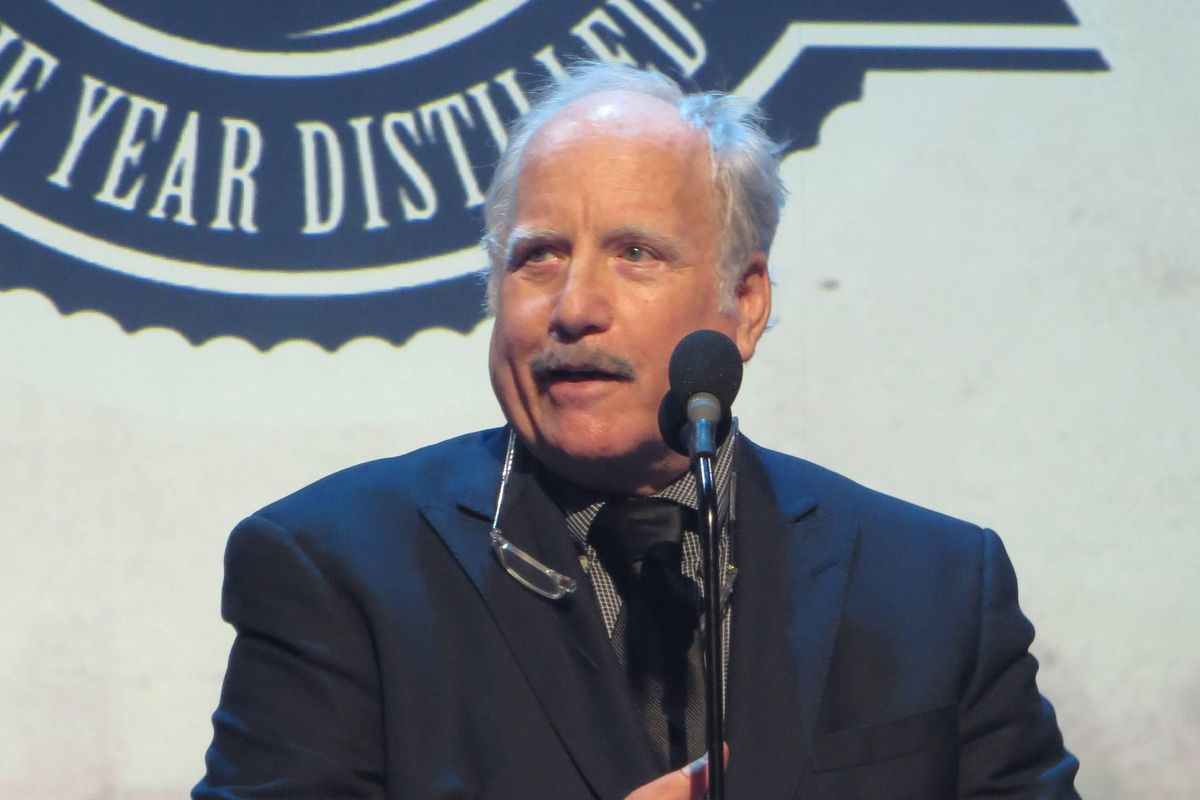
Richard Dreyfuss at the Webby Awards.
Actor Richard Dreyfuss (star of “Jaws” and “Close Encounters of the Third Kind”) shared intimate photos of the birth of his son Ben that showed the shock and confusion parents experience when realizing their newborn has a birth abnormality.
On June 14, 1986, Dreyfuss and his wife Jeramie Rain had their second child and they could tell something was wrong shortly after his delivery. “Your eyes are not the same,” Ben would later write about his birth. “One is blue, the other is grey. One is hiding under a partially opened eye-lid; the other is extending far beyond it, like a potato exploding out of an egg cup.”
It was the “most traumatic and emotional moment of my life,” Richard wrote on Twitter. “My wife Jeramie gave birth to our second amazing child. And, as these pictures show, we slowly realized there was a problem with our son.”
I am incredibly proud of all my children. https://t.co/Z2Vf1bafVw
— Richard Dreyfuss (@RichardDreyfuss) July 21, 2022
The actor’s photos are touching because they show the parents experiencing the incredible beauty of the birth while struggling to make sense of the unexpected.
“I held him and promised him that I would do everything I could [to] save him. That I would love him no matter what,” the “Mr. Holland’s Opus” star wrote.
Ben would later be diagnosed with Peters anomaly, a rare genetic condition that causes a clouding of the cornea and eye-structure abnormalities. Over the first year of Ben’s life, he would have multiple eye operations and would eventually lose all sight in his left eye.
He explained what life’s like with one eye in a blog post his father shared at the end of his tweet thread. It’s a raw open letter to himself that details how his struggles with being different evolved as he developed.
It’s a revealing glimpse into the interior monologue of someone who knows he’s being stared at but everyone is too polite to bring it up.
“Eventually you come around to the idea that much more noticeable than the eye itself is your reaction to it,” he writes. “You couldn’t make eye contact with anyone for decades. Upon this realization, you decided to make piercing eye contact with everyone.”
Ben is a journalist who was in charge of audience development at Mother Jones for eight years. He has a popular Substack blog called “Good Faith” where he discusses the intersection of politics and social media from the unique perspective of a liberal with no problem pointing out progressive excesses.
Richard Dreyfuss’ photos of his son’s birth show that all the fame and acclaim in the world can be quickly dispatched when we see that there is something wrong with a child. But on a deeper level, they are an intimate look at the faces of parents whose lives have been upended in a moment they expected would be wholly joyous.
It’s a moment that many parents have unfortunately had to weather and hopefully, the photos will give them comfort knowing that the despair will soon be overcome by love.
This article originally appeared two years ago.




 a man sitting at a desk with his head on his arms Photo by
  Can a warm cup of tea help you sleep better? If you believe it, then yes. Photo by
 A happy Gen X couple have patience for younger generations, like Gen Z.
 A group of friends chatting wearing masks.via
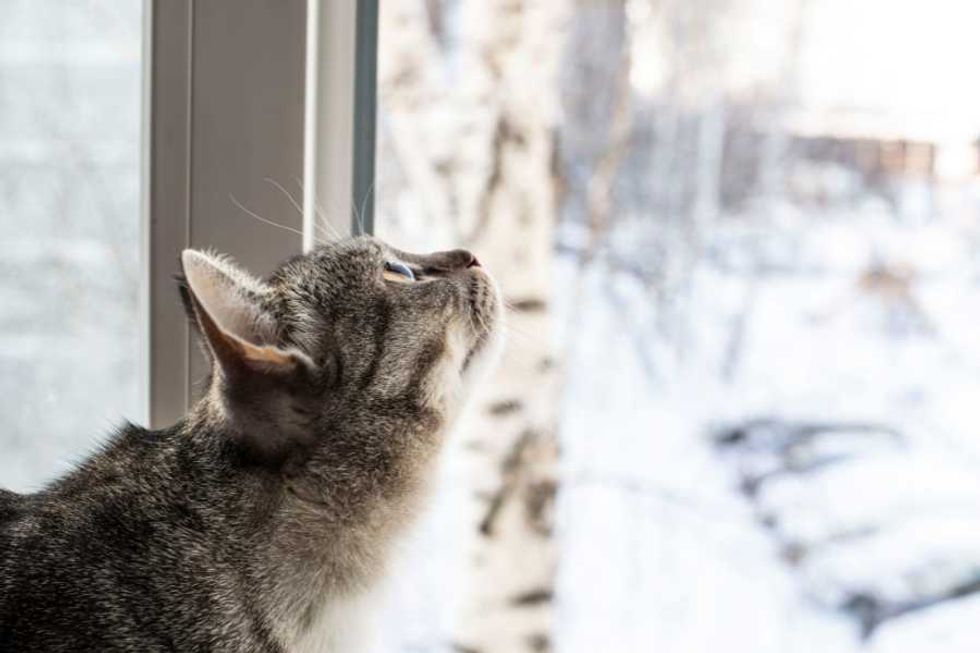 Some stray cats wander from home to home like a drifter.
  Stray cats should be spayed and neutered.
 A woman getting her nails painted.via
Curvy-and-proud newscaster takes the wildest viewer comments turns them into pure comedy gold