

Andie MacDowell shows what we can all learn about beauty and age from the gray hair movement
"Honestly, it's exhausting to have to be something that you no longer are."
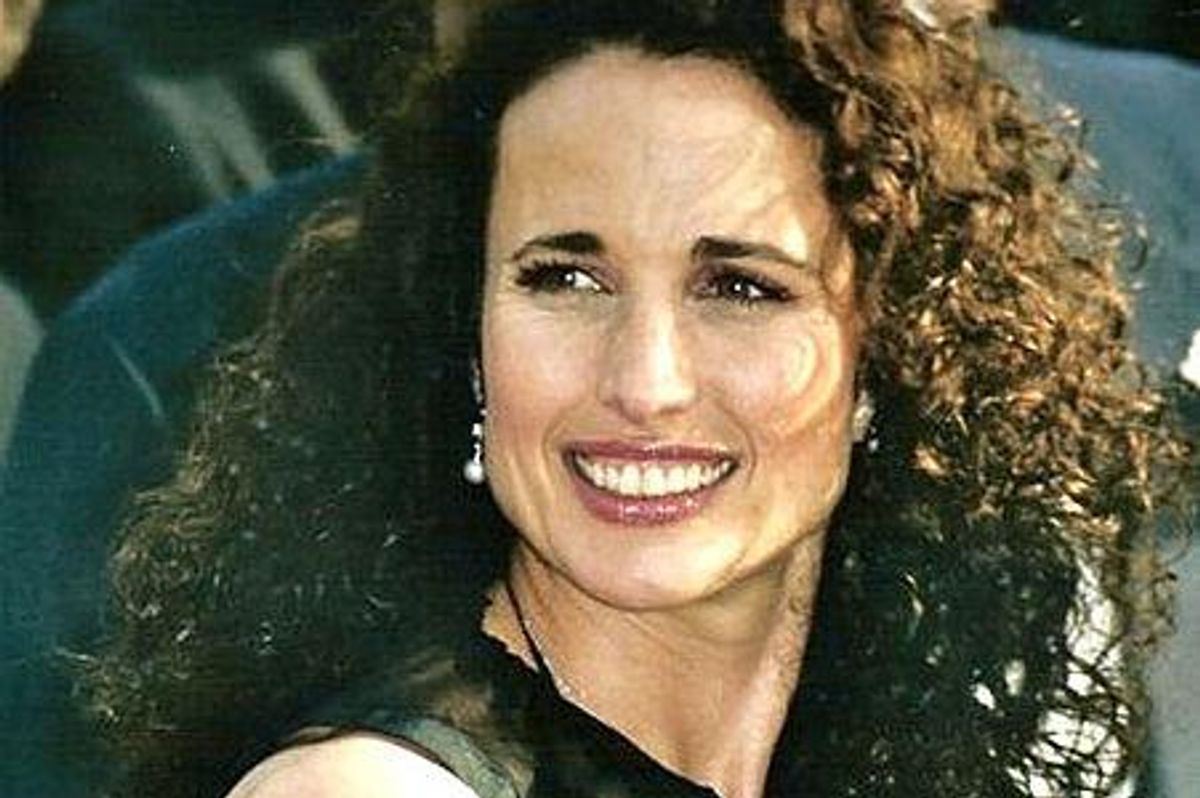
Andie MacDowell in Cannes, 2003.
For many, even those that proudly wave the flag of self-love, the sight of that first gray hair is anxiety inducing. That single strand is a harbinger of the doom of our youth. More than one, and you might as well weave them together to create yourself a noose. It’s time to kiss your beauty—and therefore, your value—goodbye.
But what if, instead of marking the end of our glory days, we could see this change as a new chapter with equally glorious reveals? Something worth presenting, rather than hiding?
Back in July 2021, actress Andie MacDowell made headlines for rocking the silver vixen look at the Cannes Film Festival. MacDowell’s hair has always been a defining feature, but previously she had been coloring her raven locks to maintain her signature look. This was at the behest of her managers, according to an interview with Vogue.
But after her kids officially declared the salt-and-pepper look was “badass,” MacDowell started to see going natural as a “power move.” So she followed the impulse, and you don’t need me to tell you it was a bit of a social media sensation.
MacDowell reflected on how freeing the experience was in a conversation with Interview Magazine. “I feel better like this. Honestly, it’s exhausting to have to be something that you no longer are…I was finally like, ‘You know what? I’m not young. And I’m OK with that..I feel so much more comfortable. It’s like I’ve taken a mask off or something.”’
Isn’t this a battle so many of us fight? Instead of basking in how far we’ve come, we spend so much effort trying to wind back the clock. And in all the rigamarole of trying to delay the inevitable, we forget that aging is a glorious gift. One that’s not guaranteed.
Even when we use terms like “embrace the gray,” there’s this connotation that aging is this frightening tidal wave that we simply need to bolster ourselves for. Where’s the grace in that? I mean, yes, as the end of life approaches, it is scary to think about the impending unknown. But the process of getting there? Perhaps not so much.
In the same article, MacDowell reflected that she, too, “hates the word 'embrace,' because it always sounds like you’re having to accept something, and I don’t feel like that.” I love this viewpoint. Accept it? Why not value it? Let’s come back to the original meaning of the word … and welcome it warmly.
MacDowell continued “We do have something unique to offer. You can’t be young forever, but you can always be considered beautiful, fashionable, and glamorous.”
The cynical voice in your head might say, “sure easy for someone who’s already glamorous to say that.” But MacDowell isn’t the only one who made this discovery. Tons of “real” women have had the same revelation.
Once the pandemic caused salons across the country to close down (coupled with major pay cuts and job losses), a surge of women chose to stop coloring their hair. But—as with many life aspects affected by COVID-19—what started as a forced restriction became an opportunity for reinvention. In ditching the hair dye, many women found that their silver strands were not only tolerable, they were empowering.
Now you could even say gray hair is “in” and making a comeback tour. And trust, these dames are definitely glamorous. This is not just an experience for A-listers.
Of course, this movement is not just about aesthetics. There is a bigger idea here. It’s no secret that our society has some deep-seated stigmas when it comes to aging, for women in particular. We place a high value on those "30 Under 30" lists, seek out the strongest retinol to erase all signs of life and stand mouth agape in horror at the first mention of the word “ma’am.” But it doesn’t have to be that way. All chapters of life are precious, and worth celebrating.
I’m a firm believer that glamor is only a result of confidence. And as we grow older, we only become more dynamic, more nuanced, more interesting. If that’s not a confidence booster, I don’t know what is.
Going gray won’t be the answer for everyone. I certainly don’t plan on trading in my signature red anytime soon. But the real call to adventure is: How can you feel good about yourself at every stage of life? How can you throw away the (false) notion that you somehow lose your shine with every passing year?
As the saying goes, “beauty is truth, truth beauty.” I think we can really see that in stories like these. To age gracefully is to age fearlessly. Radical self-acceptance is gorgeous.
This article originally appeared on 02.25.22
- 13 side-by-side portraits of people over 100 with their younger ... ›
- Justine Bateman boldly embraces her aging face, putting a new spin ... ›
- 62-year-old fashionista on TikTok says "style has no age" - Upworthy ›
- Charlize Theron has not had a facelift, thanks for asking - Upworthy ›
- People are sharing things from today that won't age well - Upworthy ›
- A comic about wearing makeup goes from truthful to weird. - Upworthy ›
- Department of Future Aging transforms German town for elders - Upworthy ›

 Thomas Jefferson's Monticello.via
  The Jefferson Memorial in Washington, D.C.via Joe Ravi/Wikimedia Commons
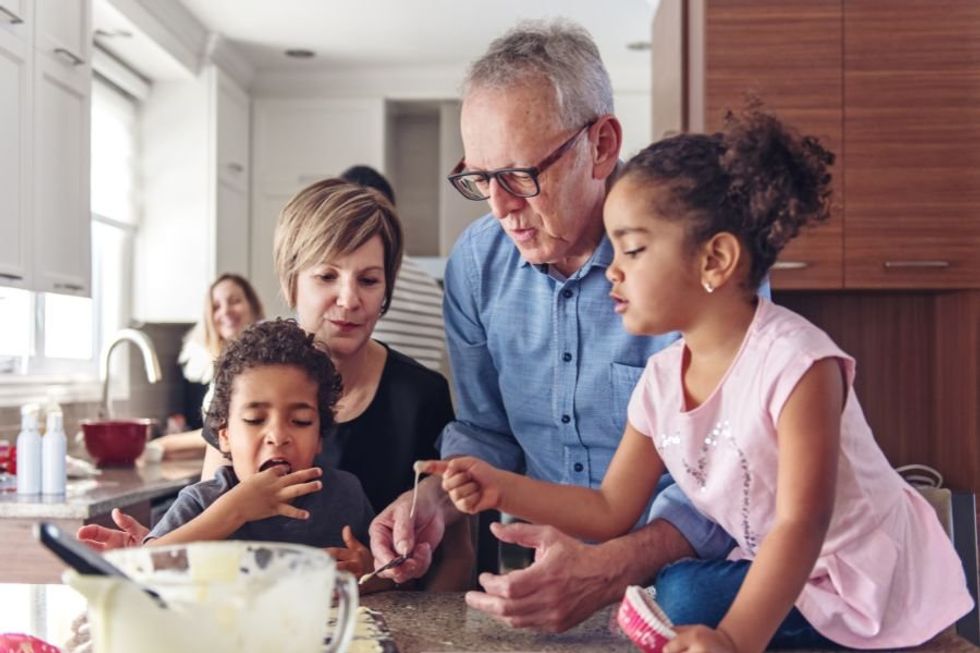 Family baking fun in the kitchen.
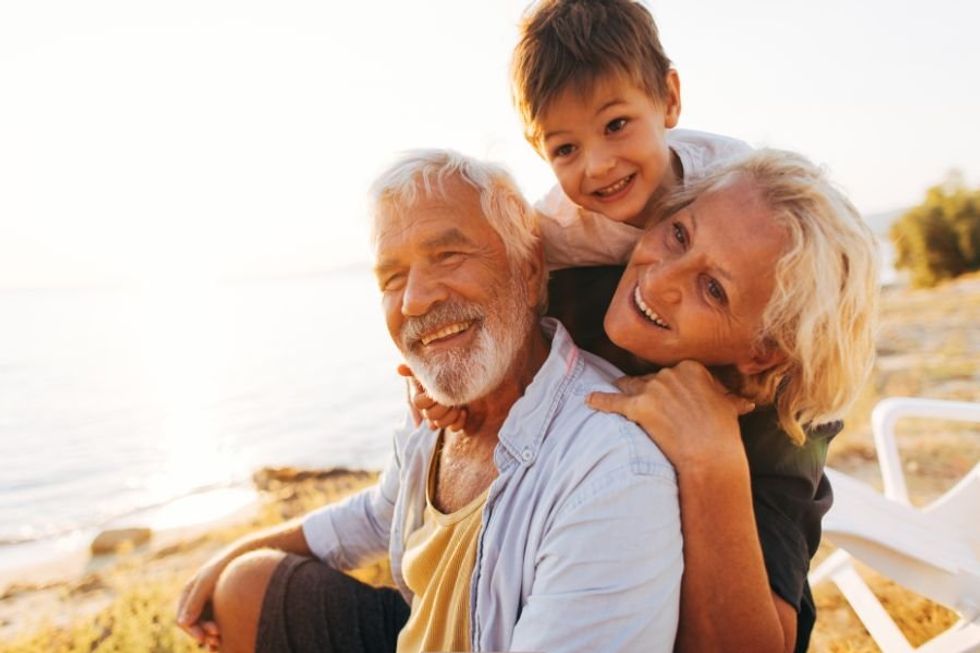 Three generations smiling by the sea.
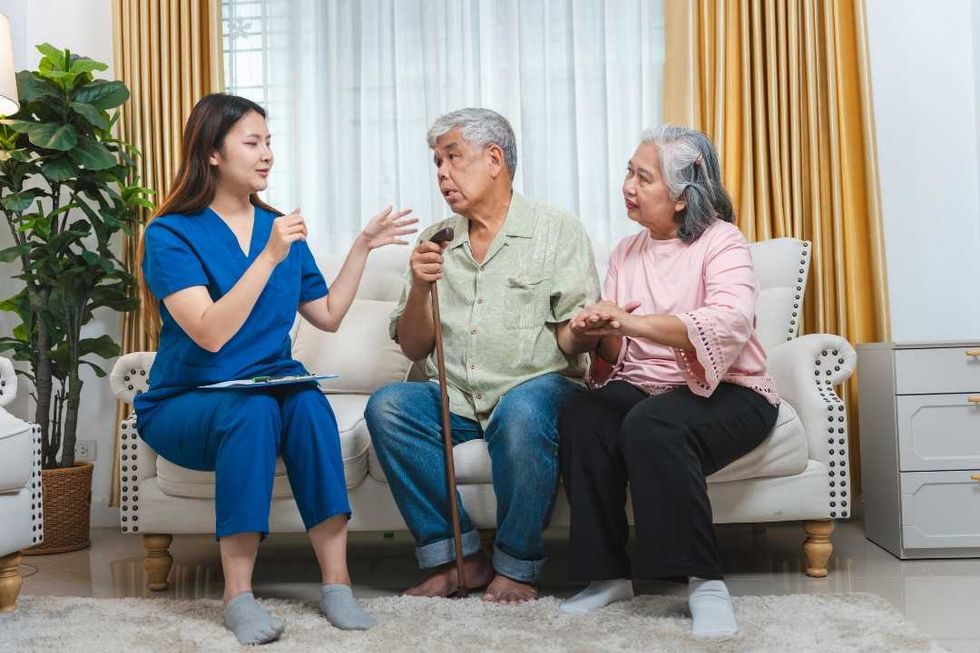 Caregiver discusses a patient with another family member.
 A caregiver takes a break. Photo by
 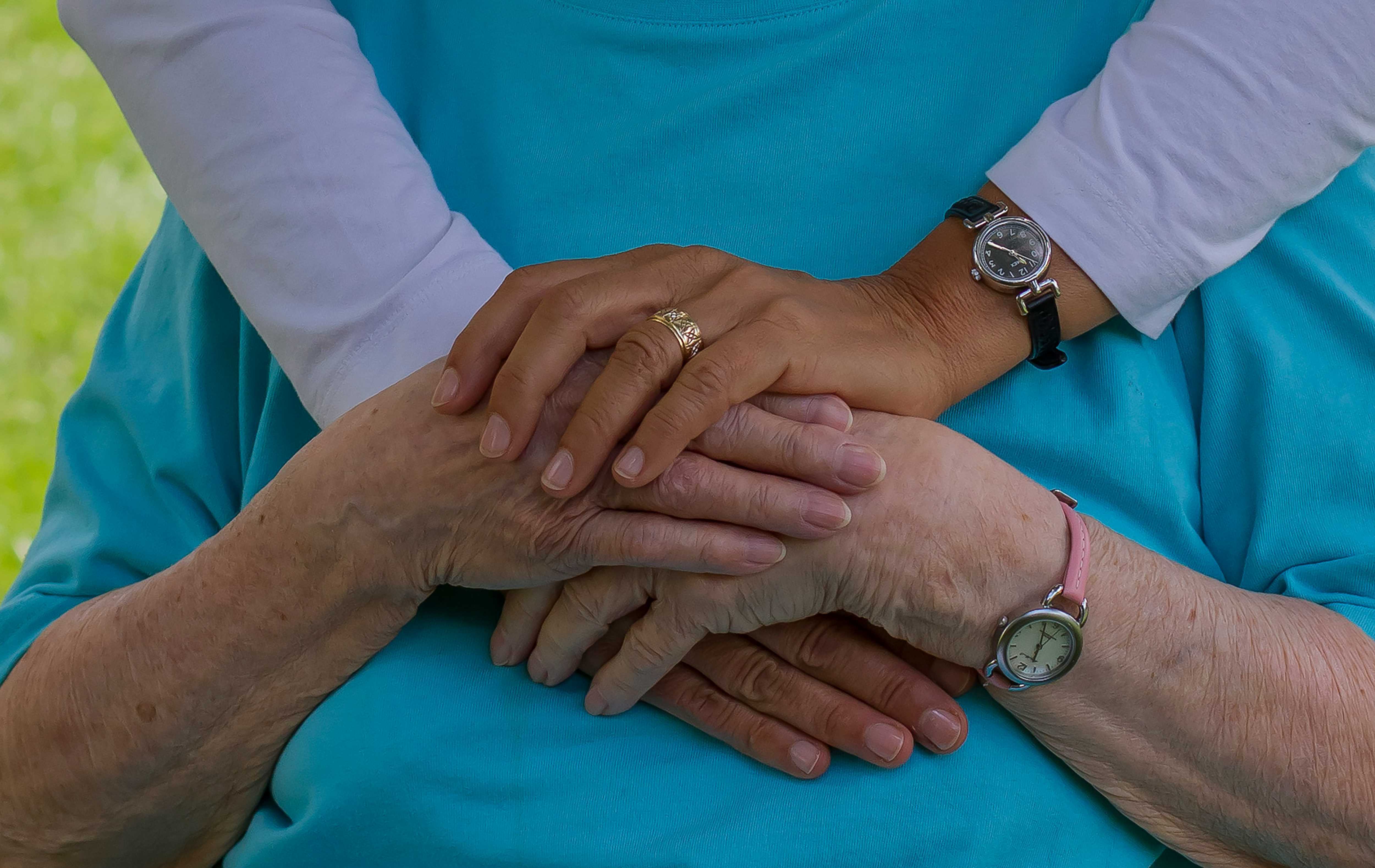 Elderly people holding hands. Photo by

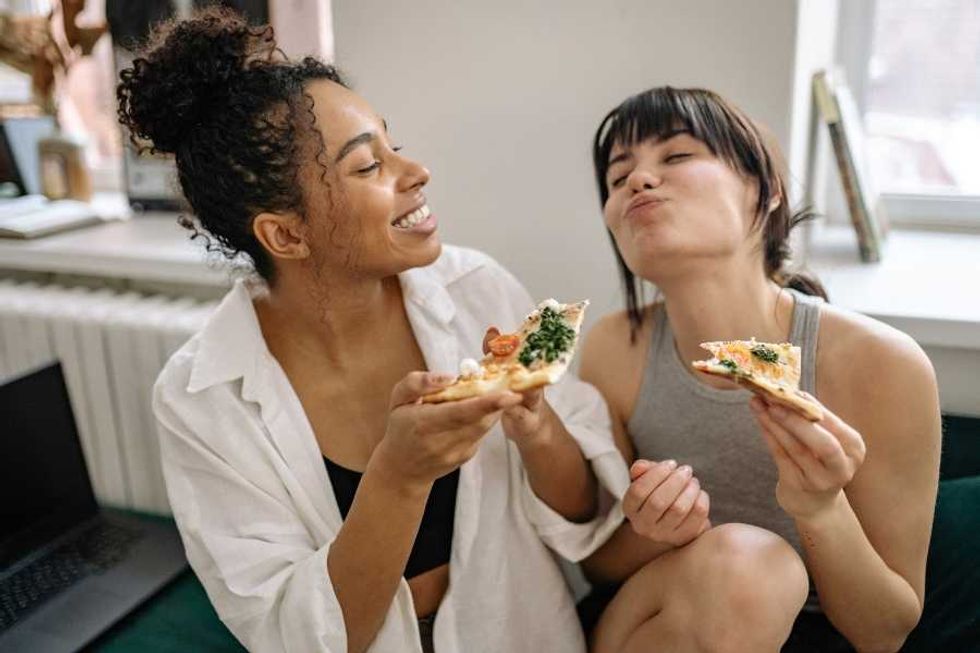 You don't have to take an all or nothing approach to change.