12 books that people say are life-changing reads

Some books have the power to change how we see ourselves, the world, and each other.

man reading. book on a bench
Photo credit: Photo by Ben White on UnsplashBooks are powerful.

As a participant in the Amazon Associates affiliate program, Upworthy may earn proceeds from items purchased that are linked to this article, at no additional cost to you.


Out of all human inventions, books might just be the greatest. That may be a bold statement in the face of computers, the internet and the international space station, but none of those things would be possible without books. The written recording of human knowledge has allowed our advancements in learning to be passed on through generations, not to mention the capturing of human creativity in the form of longform storytelling.

Books have the power to change our lives on a fundamental level, shift our thinking, influence our beliefs, put us in touch with our feelings and help us understand ourselves and one another better.

That’s why we asked Upworthy’s audience to share a book that changed their life. Thousands of responses later, we have a list of inspiring reads that rose to the top.

Unsurprisingly, the most common responses were religious scriptures—the Bible, the Quran, the Book of Mormon, etc. Beyond those, here are the most common books, both fiction and non-fiction, that people considered life-changing.

1. “The Alchemist” by Paulo Coelho
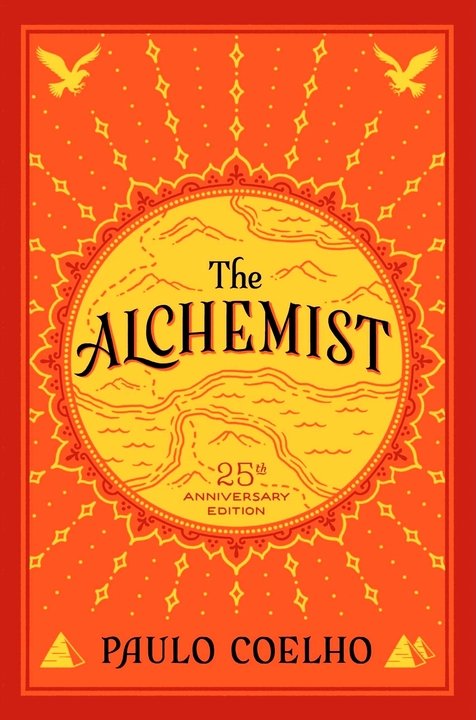
The Alchemist book cover
<a href="https://amzn.to/42IgGkJ">The Alchemist by Paulo Coelho</a> <a href="https://amzn.to/42IgGkJ">Amazon</a>

“From the very first page, Coelho’s storytelling prowess weaves a tapestry of adventure, wisdom, and self-discovery that is unparalleled. The protagonist’s quest for his personal legend resonated deeply with me, prompting introspection into my own aspirations and purpose. The narrative, while seemingly a simple tale, unravels layers of universal truths and timeless wisdom that are applicable to every reader’s journey.” – Matt Brown

“Such greatness. Coelho tells the story with simplicity and elegance, and it is beautiful. The Alchemist is rhetorical kind of book that stays with you, and demands some time to unfold in your mind. Loved it!” – J. Green

Find “The Alchemist” on Amazon.

2. “The Four Agreements” by Don Miguel Ruiz
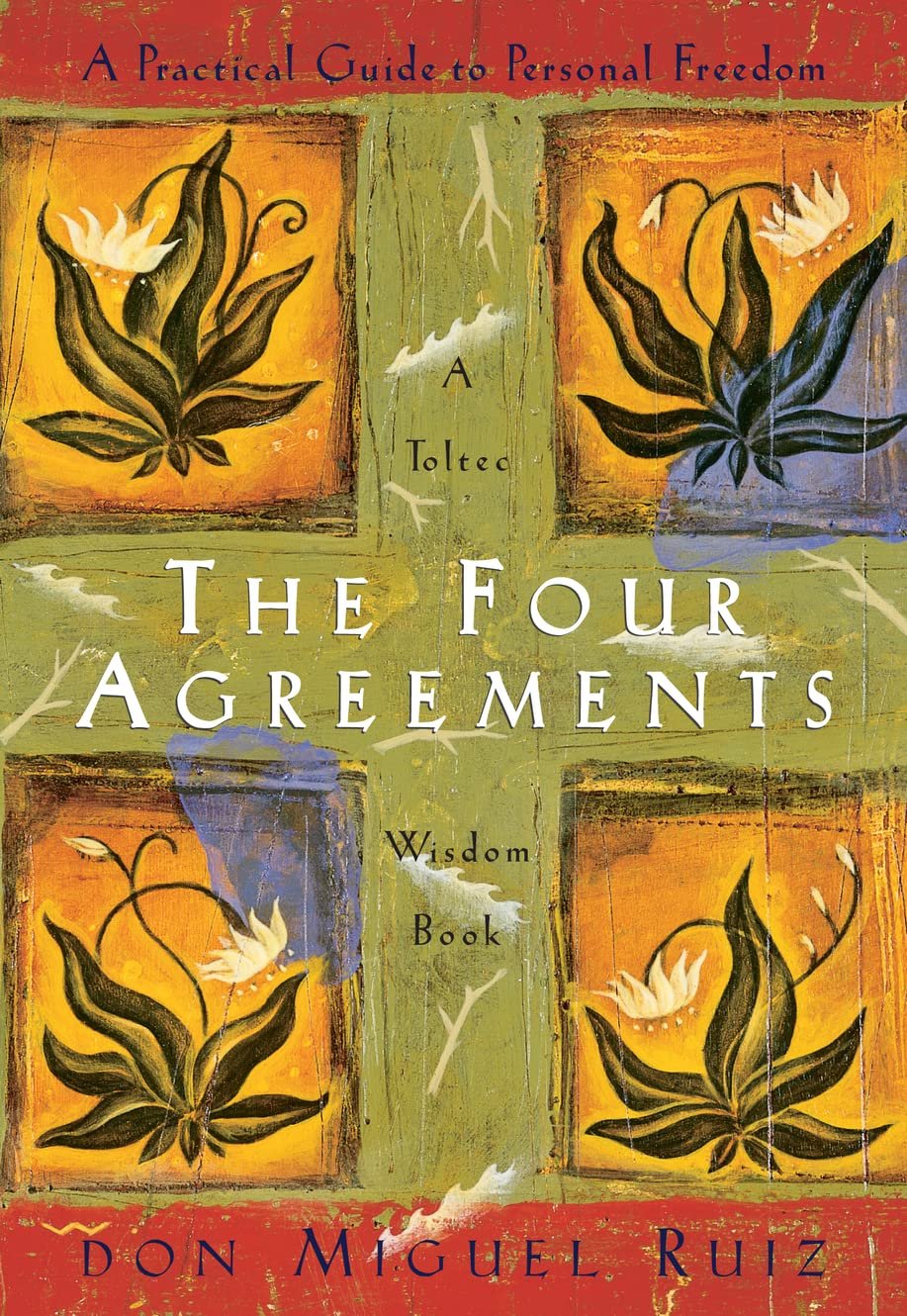
The Four Agreements book cover
<a href="https://amzn.to/3UIjU5K">The Four Agreements by Don Miguel Ruiz</a> <a href="https://amzn.to/3UIjU5K">Amazon</a>

“This book literally changed my outlook on so many things. I’ve read it at least three times completely through. It helps deal with anxiety and helps you reframe and analyze your thoughts which may be troubling you. The writing style is great and I’ve already read other books by the same author. Would highly recommend purchasing this if you want to rethink your assumptions about yourself or other people.” – Freddy

“By far the best book I’ve read. The simplicity in composition and detail is amazing. Would recommend everyone have a read. This book is truly a masterpiece.” – Joshua

Find “The Four Agreements” on Amazon.

3. “To Kill a Mockingbird” by Harper Lee
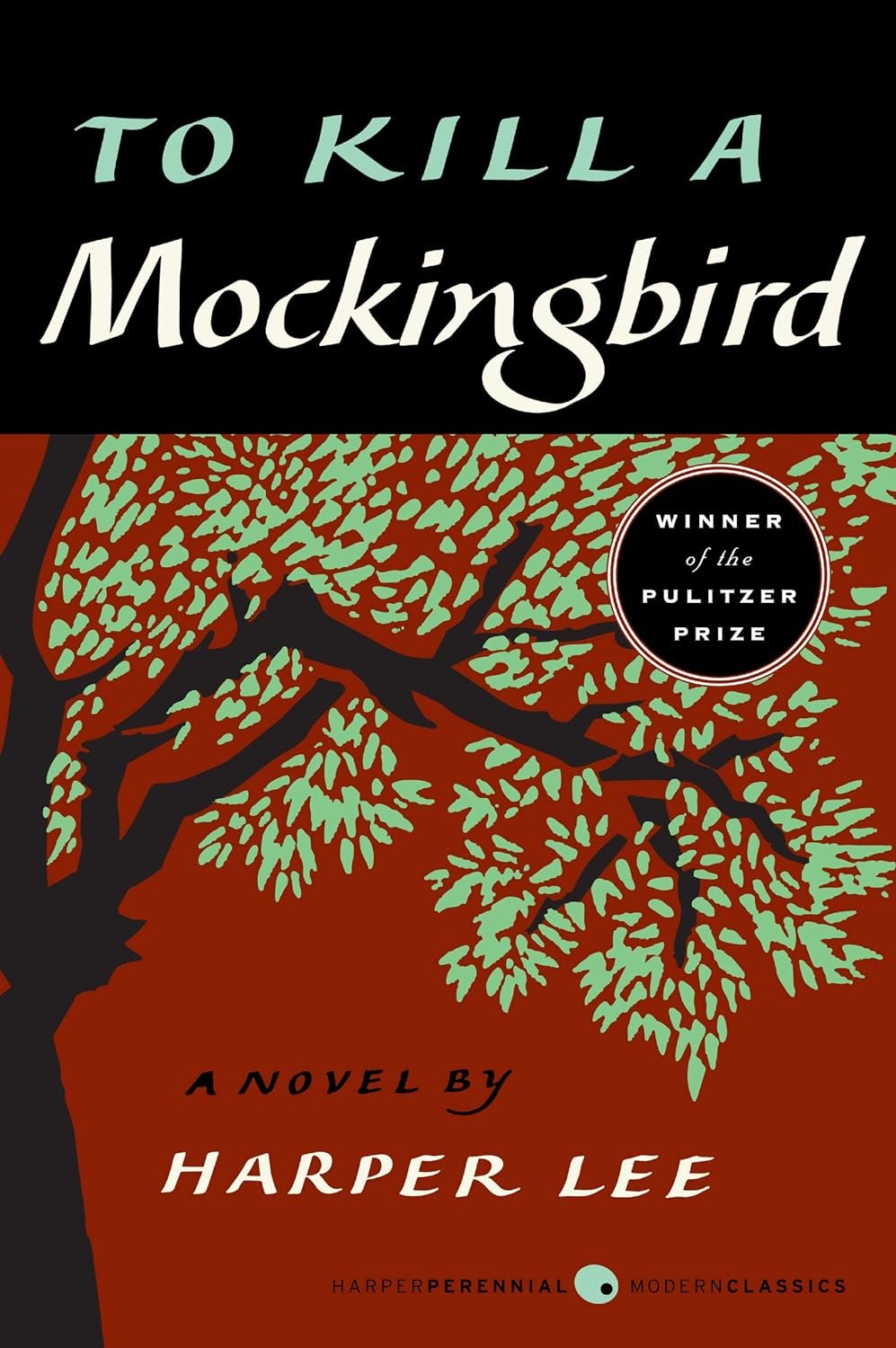
To Kill a Mockingbird book cover
<a href="https://amzn.to/48k0xmD">To Kill a Mockingbird by Harper Lee</a> <a href="https://amzn.to/48k0xmD">Amazon</a>

“I remember reading the book many years ago and being moved by it especially being from the North and not as familiar with racism. I wondered why some schools were banning it so decided to revisit. I had forgotten the details but it is still an important book and reminds us that the fight against all prejudice is never finished and its current resurgence is cause for concern. This book should be required reading at a pretty young age. We can’t change what we don’t understand. If you have children read it with them and teach them well.” – Maria

“I can’t imagine, for the life of me, why this book has been banned. It is the most moral and righteous book I’ve ever read. It represents a time in our history when racism was endemic to the white population except for one compassionate lawyer. Told from his children’s point of view with an unforgettable narrator, the story of a small southern town comes alive.” – Peggy

Find “To Kill a Mockingbird” on Amazon.

4. “The Power of Now” by Eckhart Tolle
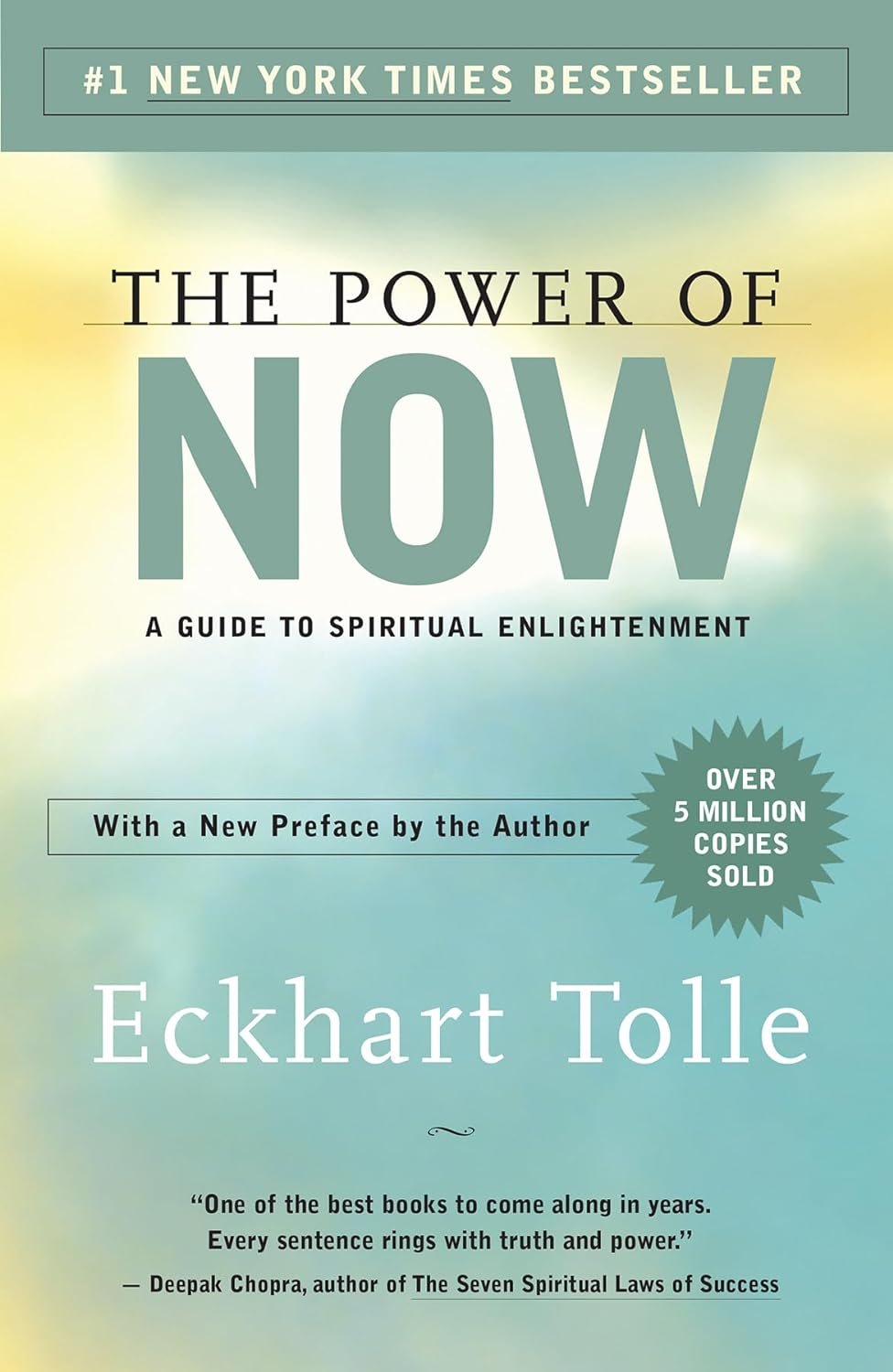
The Power of Now book cover
<a href="https://amzn.to/42LpHtm">The Power of Now by Eckhart Tolle</a> <a href="https://amzn.to/3OORWBA">Amazon</a>

“This has become a true icon in the book of books on understanding how the mind works and how we become trapped in it. A must read.” – Bill C.

“This book helped me through the toughest time in my life. It was an easy read, but ultimately, it helped me open my mind to many things and see things from multiple perspectives. My life coach recommended this book, and I’m happy that she did. It truly did save my life.” – Coach J.

Find “The Power of Now” on Amazon.

5. “The Midnight Library” by Matt Haig
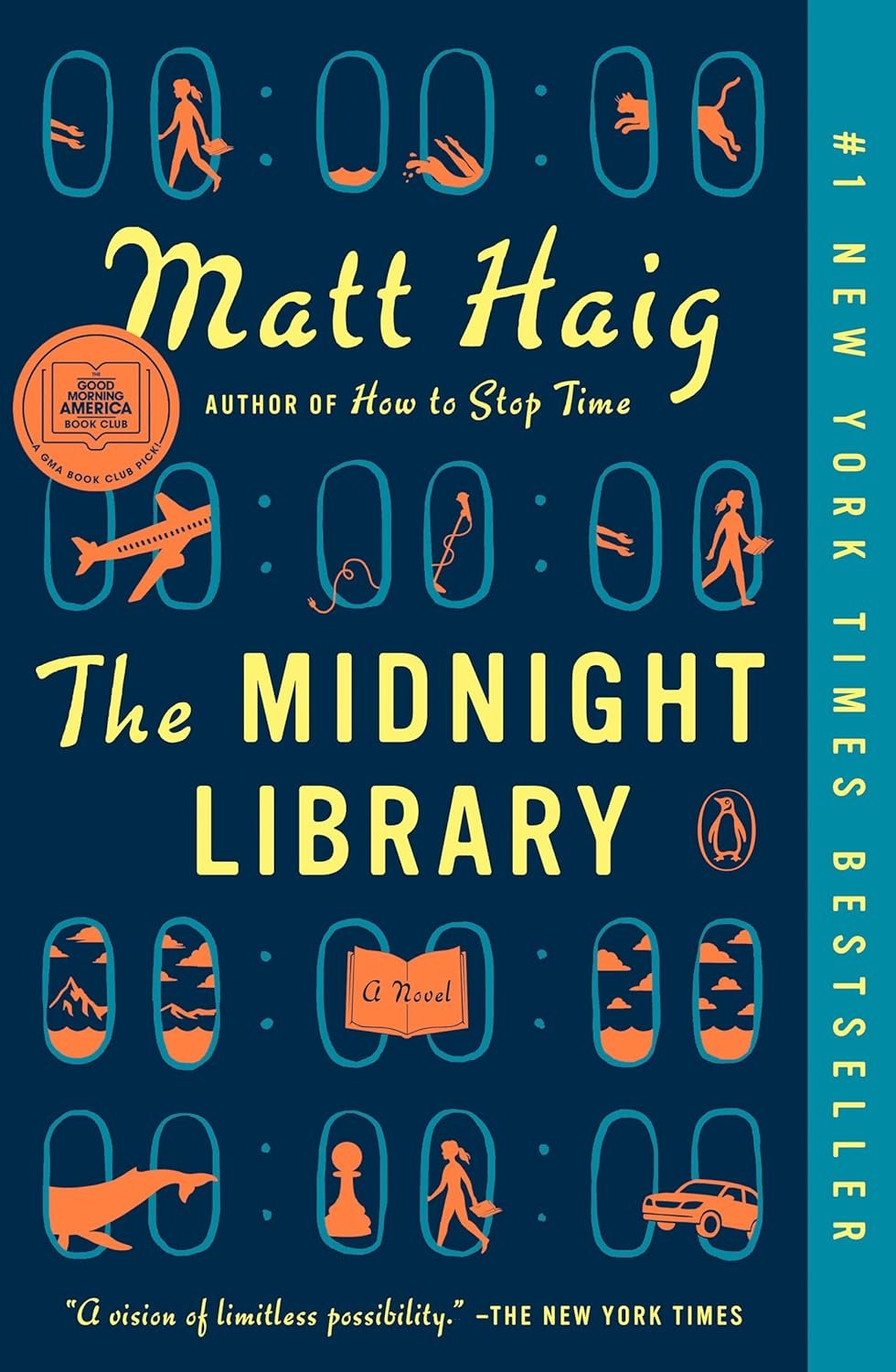
The Midnight Library book cover
<a href="https://amzn.to/3TbS5lf">The Midnight Library by Matt Haig</a> <a href="https://amzn.to/3TbS5lf">Amazon</a>

“I did not expect to enjoy this book so much. I very much admire the writer’s prowess in creating a beautiful and inspiring story out of a depressing premise and what I admire even more is the perspective he has given me about life.” – Ashish S.

“‘The Midnight Library’ by Matt Haig is nothing short of a literary masterpiece that effortlessly weaves together the threads of life, regret, and the boundless possibilities that lie in our choices. This No.1 Sunday Times bestseller and worldwide phenomenon is a soul-stirring exploration of the human experience that lingers in the reader’s mind long after the final page.” – George L.

Find “The Midnight Library” on Amazon.

6. “Atomic Habits” by James Clear
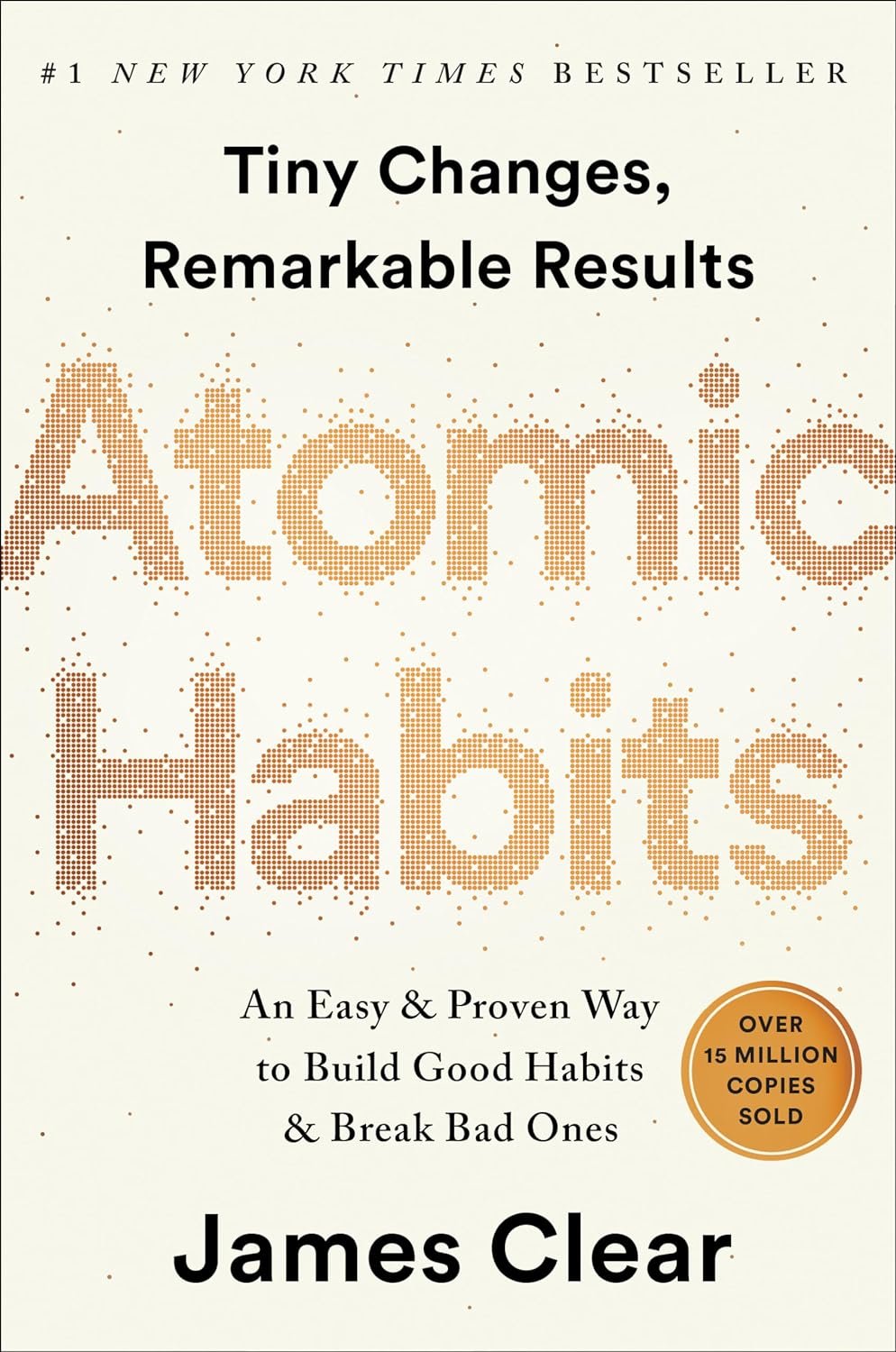
Atomic Habits book cover
<a href="https://amzn.to/3UK4pKG">Atomic Habits by James Clear</a> <a href="https://amzn.to/3UK4pKG">Amazon</a>

“Atomic Habits by James Clear isn’t just a book; it’s a roadmap to personal excellence. Deserving a resounding 5 out of 5 stars, this masterpiece has profoundly impacted my approach to habit formation and personal development.” – Ahamed

“Whether you’re looking to break free from destructive habits, achieve ambitious goals, or simply lead a more fulfilling life, this book is a must-read. Clear’s insights have the power to ignite change and propel you towards the best version of yourself.” – SC

Find “Atomic Habits” on Amazon.

7. “Tuesdays with Morrie” by Mitch Albom
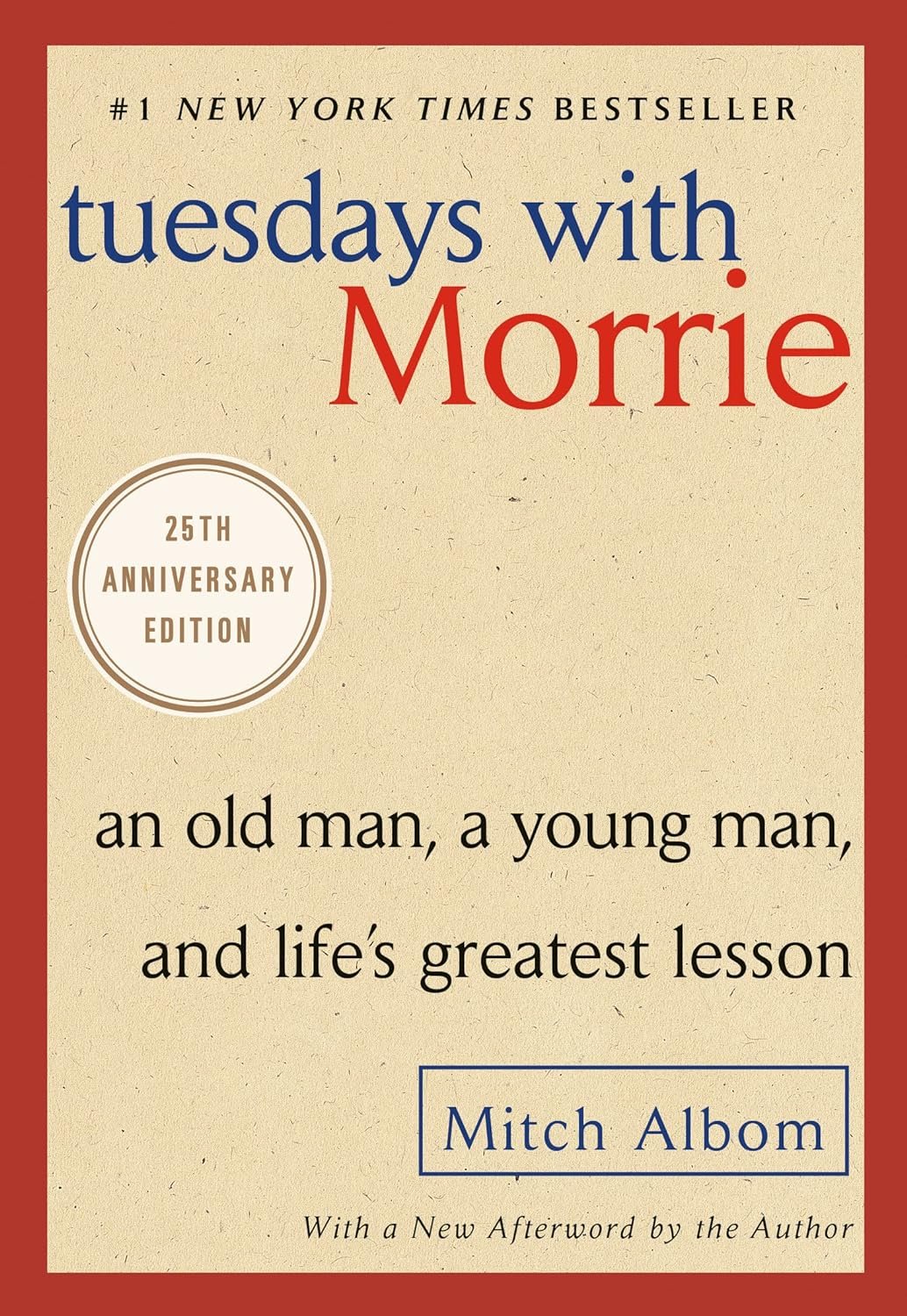
Tuesdays with Morrie book cover
<a href="https://amzn.to/49fAWMX">Tuesdays with Morrie by Mitch Albom</a> <a href="https://amzn.to/49fAWMX">Amazon</a>

“I wish I had read this book earlier. It teaches to love those in your life with everything you have. We never know when life will take them away. Our parents will continue to age. Our friends will drift away. We will end up driving away the ones we say ‘I love you’ to. It’s not too late to tell them how much you love them. It’s not too late to show them how much you love them. If you share your love before it’s too late, you won’t live your life with regret.” – P.M.

“Mitch Albom is my favorite author. Tuesdays with Morrie did not disappoint. Please please read this book. It is heartwarming, inspirational and will make you do an introspection that will change your priorities. I promise.” – A.C.

Find “Tuesdays with Morrie” on Amazon.

8. “Untamed” by Glennon Doyle
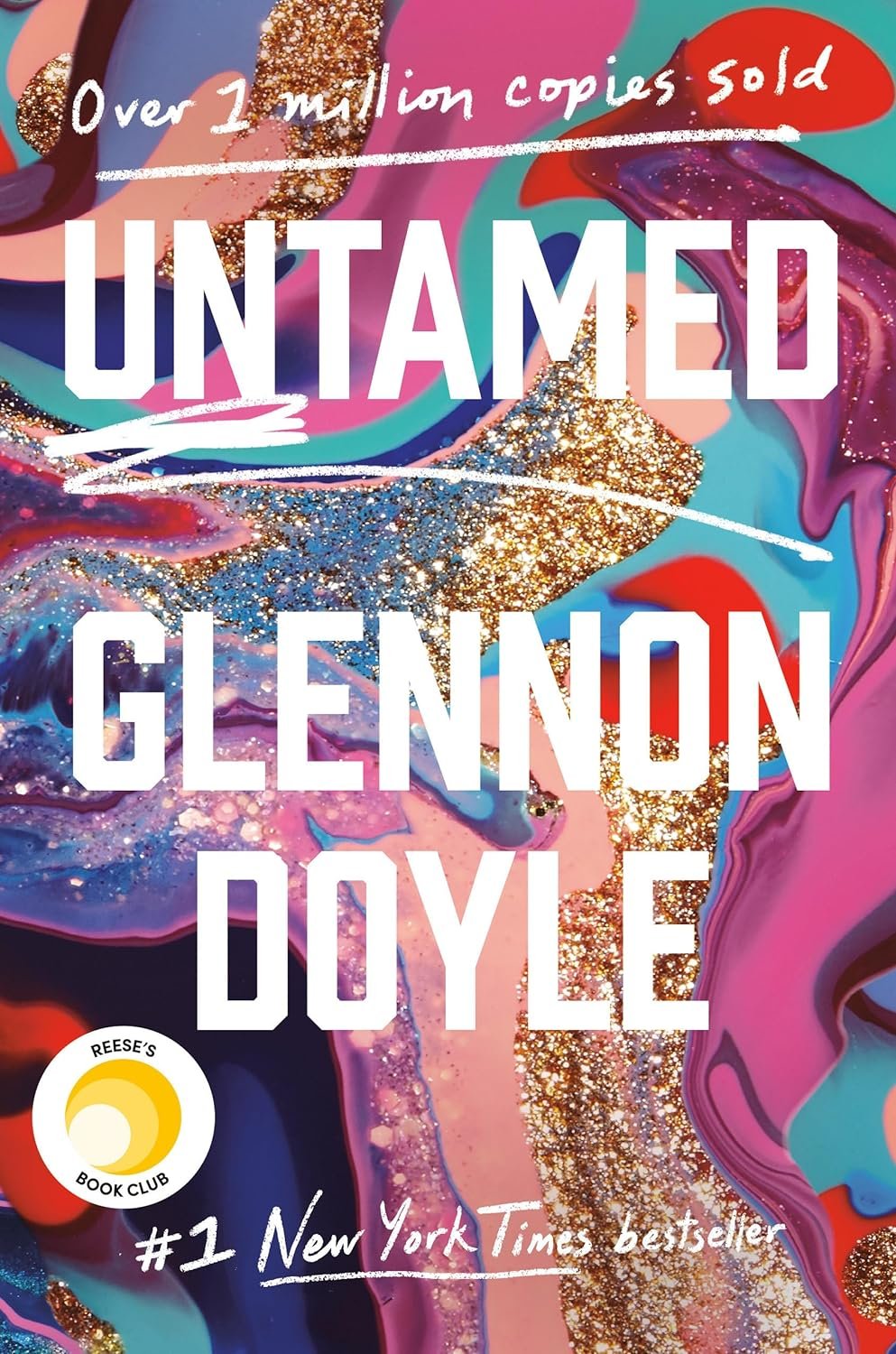
Untamed book cover
<a href="https://amzn.to/3SGD7lB">Untamed by Glennon Doyle</a> <a href="https://amzn.to/3SGD7lB">Amazon</a>

“By page 16, I’d already sobbed, laughed, sobbed, reconsidered who I am, how I live my life, and what I’m doing next, and cried again. So much fire lit. This is a masterpiece. Thank the universe (and Glennon) it published now. Lord knows we need this now. It is already one of my top favorite books ever, and I read a lot. Like, a LOT.” – Anna S.

“”Untamed” is a powerful and empowering memoir that delves deep into themes of self-discovery, authenticity, and breaking free from societal expectations. Doyle’s writing is raw, honest, and deeply relatable. From the moment I started reading, I felt a connection to her journey and the struggles she navigates. One of the standout qualities of this book is Doyle’s ability to articulate complex emotions and thoughts in a way that resonates with readers. Her insights into the expectations placed on women, the constraints of traditional roles, and the journey to reclaiming one’s true self are both enlightening and inspiring.” – Frank C.

Find “Untamed” on Amazon.

9. “Man’s Search for Meaning” by Viktor Frankl
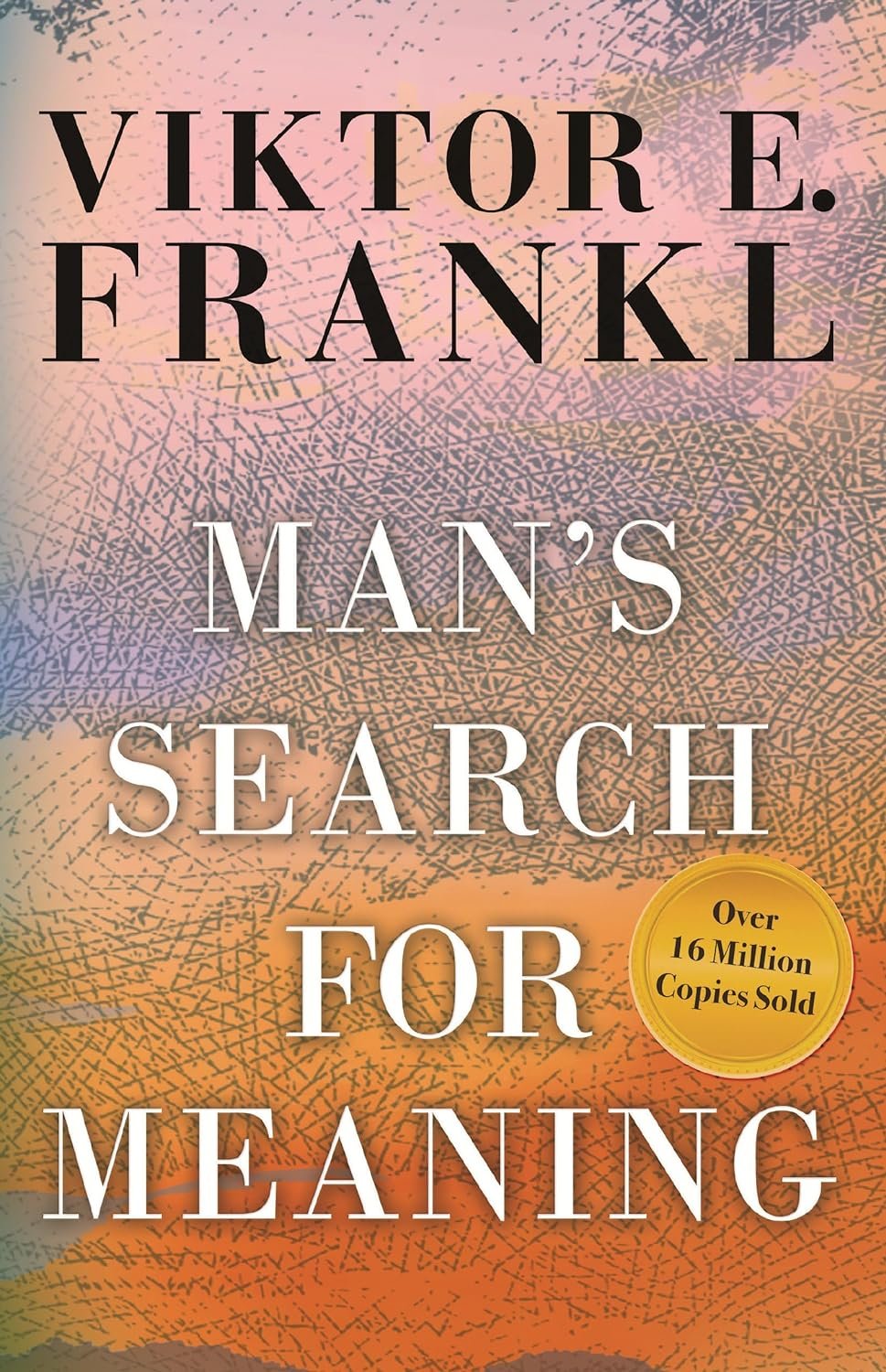
Man's Search for Meaning book cover
<a href="https://amzn.to/3UK54vE">Man's Search for Meaning by Victor Frankl</a> <a href="https://amzn.to/3UK54vE">Amazon</a>

“Man’s Search for Meaning” by Viktor E. Frankl is a poignant exploration of resilience under the most testing conditions. As a Holocaust survivor and psychiatrist, Frankl intertwines his concentration camp experiences with his psychological expertise. Central to the book is the idea of logotherapy, which posits that finding meaning in life is the primary human drive. Frankl’s narrative transcends its historical context, offering timeless insights into human endurance and the quest for purpose. The book is especially impactful for those facing personal adversities, as it highlights the power of choice and perspective in shaping one’s destiny.” – Neal W.

“This little one hundred page book is perhaps the most meaningful and profound that you can ever read. Disturbing, yet full of ‘tragic optimism,’ this book will change the way you think about life, happiness, and meaning.” – Paige T.

Find “Man’s Search for Meaning” on Amazon.

10. “The Untethered Soul” by Michael Singer
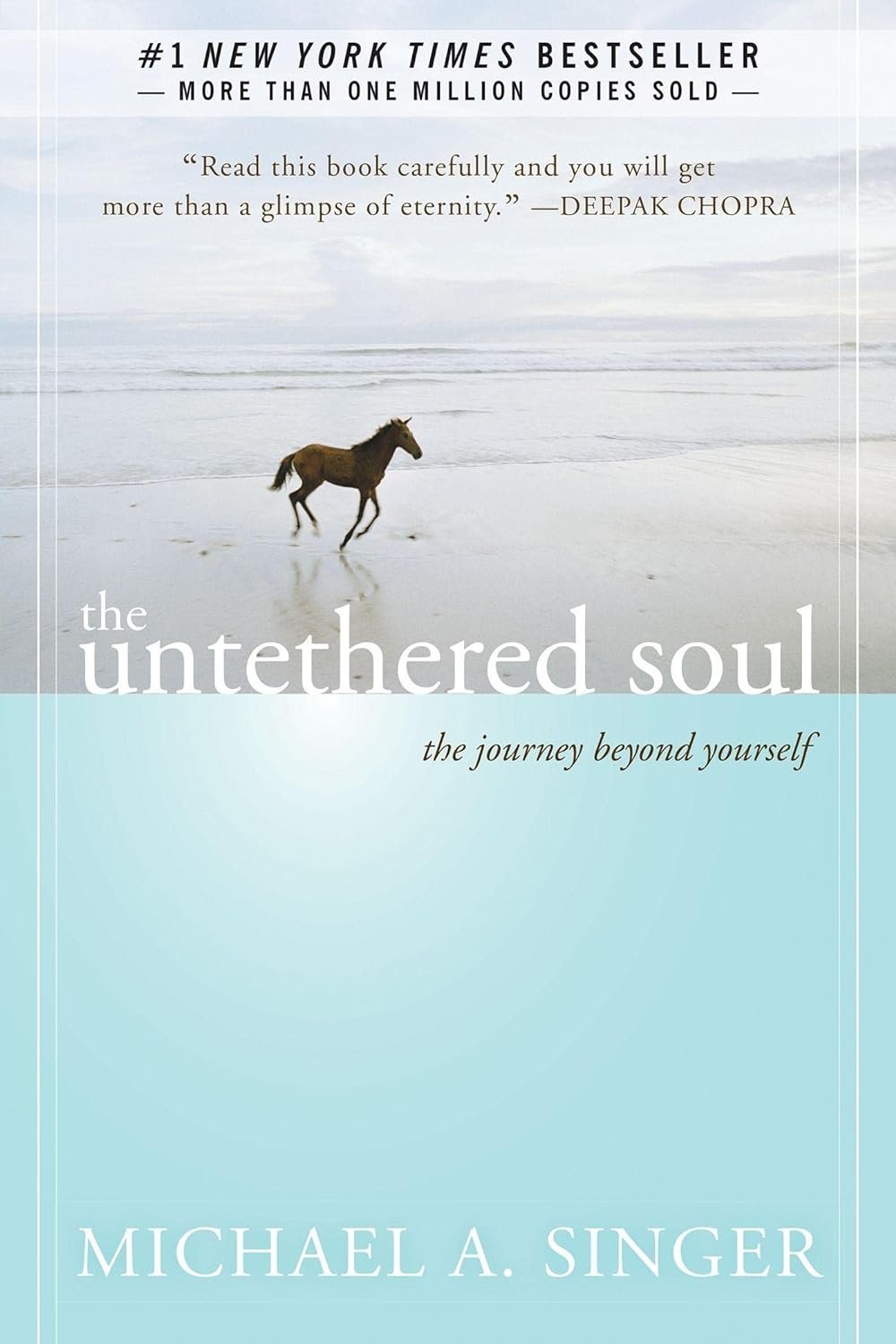
The Untethered Soul book cover
<a href="https://amzn.to/3UJD8aV">The Untethered Soul by Michael A. Singer</a> <a href="https://amzn.to/3UJD8aV">Amazon</a>

“Michael A. Singer’s “The Untethered Soul” is a literary masterpiece that has left an indelible mark on my journey of self-discovery. I stumbled upon this gem through a TikTok video recommendation, and I am profoundly grateful that I did.” – Matt B.

“This book encapsulates every spiritual book I’ve read into a concise oneness! Everyone would benefit in some way by reading this book. Period.” – Joe S.

Find “The Untethered Soul” on Amazon.

11. “The Giver” by Lois Lowry
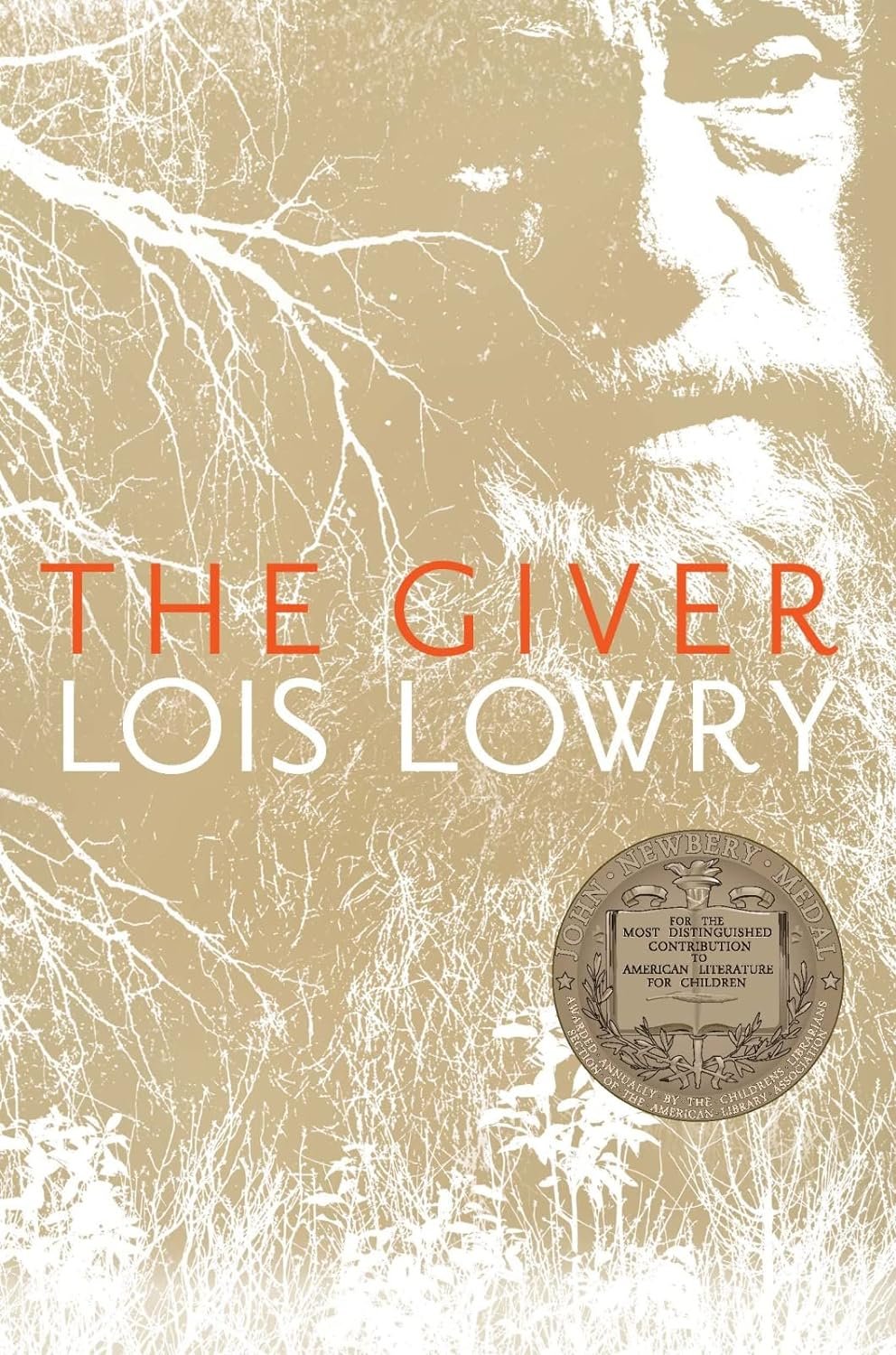
The Giver book cover
<a href="https://amzn.to/4bD4cyL">The Giver by Lois Lowry</a> <a href="https://amzn.to/4bD4cyL">Amazon</a>

“Brought this book since my daughter had to read it for school and I always like to know what are they are teaching her. I am going to be honest very surprise that they are giving this kind of story to a 8th grader since the story is very intense, surprising, sad but at the same time beautiful and teach the real meaning of love and sacrifice. That live in an idealistic world does not work and it’s never better than having love in your live.” – Marla

“The way Lois slowly introduces us into her idyllic and yet cruel world is simply amazing. The end of the book has left me completely moved and flabbergasted.” – Nathan S.

Find “The Giver” on Amazon.

12. “The Last Lecture” by Randy Pausch
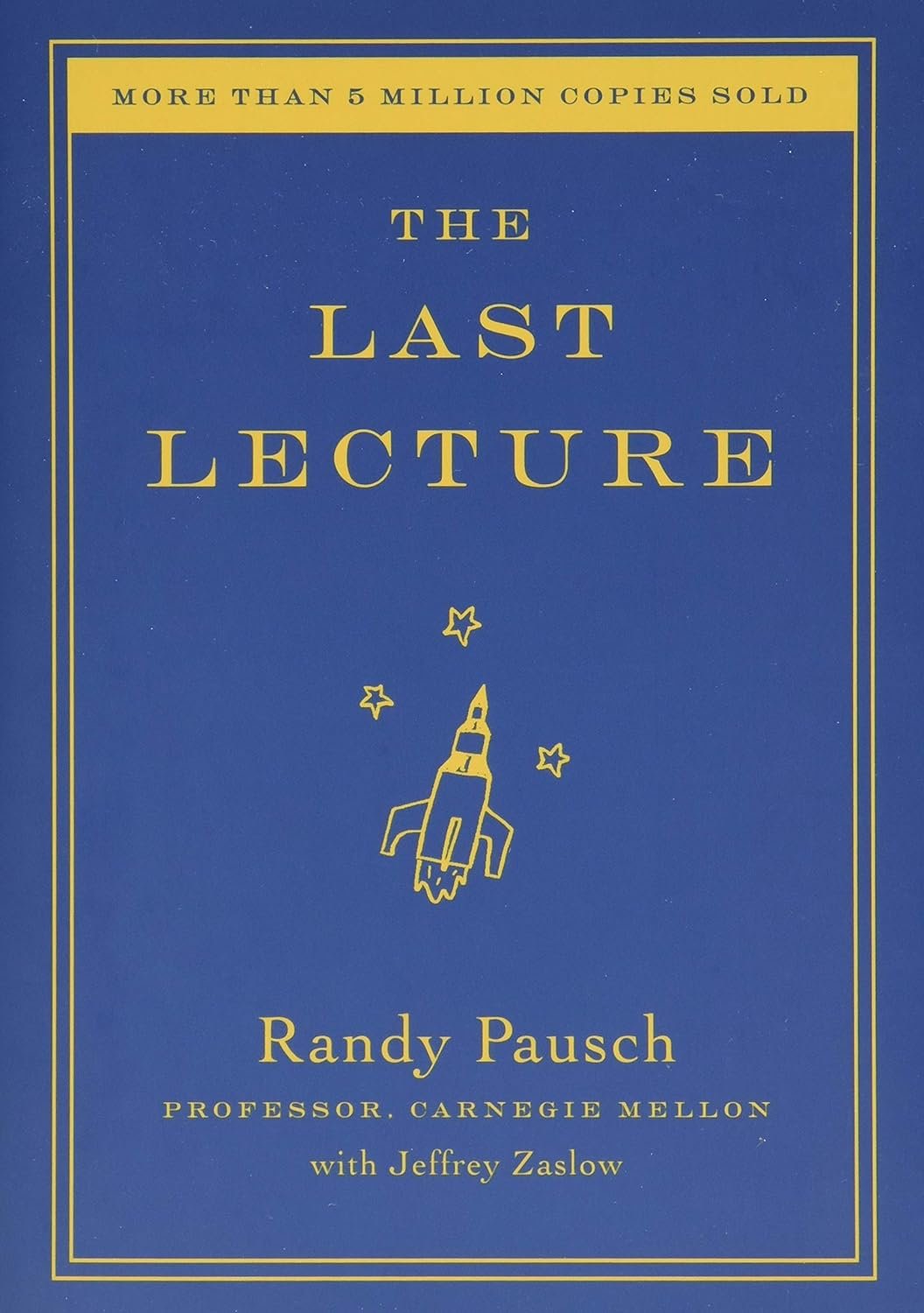
The Last Lecture book cover
<a href="https://amzn.to/3UP39G9">The Last Lecture by Randy Pausch</a> <a href="https://amzn.to/3UP39G9">Amazon</a>

“I’ve read this book twice now. Once at 18 and now again at 33! Both time it hits deep. Fantastic read!” – A.C.

“Professor Randy Pausch was diagnosed with terminal cancer. In response, Pausch wrote and delivered one last lecture–a self-help guide on living life with purpose and meaning. But his lecture wasn’t really for his students or for the world, although it’s been a massive bestseller. It was for his children.

One of my favorite books of all-time, with one of my favorite lines of all time. ‘If I could only give three words of advice, they’d be, ‘Tell the truth.’ If I got three more, they’d be, ‘All the time.’ –Randy Pausch” – Phil W.

Find “The Last Lecture” on Amazon.

This article originally appeared last year.

  • Letter from Hemingway to F. Scott Fitzgerald holds the tough love on imposter syndrome we all need

    Photo Credit: Lloyd Arnold/Wikimedia Commons and Studio Photographer/Wikimedia Commons

    A letter from Ernest Hemingway in 1934 is the perfect antidote to imposter syndrome.
    ,

    Letter from Hemingway to F. Scott Fitzgerald holds the tough love on imposter syndrome we all need

    “All you need to do is write truly and not care about what the fate of it is.”

    People have been struggling with imposter syndrome, or the deep fear that others will discover you’re a fraud, forever. The fear says that despite all the evidence to the contrary, you are a failure and are faking competence at all times.

    Though the term wasn’t coined until the 1970s, even one of the greatest American novelists of all time suffered from severe self-doubt: F. Scott Fitzgerald.

    It took Fitzgerald nine years after the release of The Great Gatsby to publish another book, and even still, he wasn’t confident in it. So, he wrote to a friend for advice: None other than Ernest Hemingway.

    If you’re looking for advice on how to defeat self-doubt and imposter syndrome, look no further than the words of wisdom written between two of the greatest literary minds of the 20th century.

    Hemingway gives Fitzgerald some much-needed tough love

    ernest hemingway, f scott fitzgerald, authors, famous writers, life advice, life tips, imposter syndrome, psychology, motivation, famous letters
    Ernest Hemingway in 1950. Photo Credit: Wikimedia Commons

    The Great Gatsby, today, is considered one of the great American novels. However, when it was published in 1925, the reception was lukewarm.

    “Fitzgerald’s Latest A Dud,” one newspaper headline read.

    Partially as a result, he fitzed and fussed over his next novel for years. He also struggled with mental health, his marriage, and alcoholism during that time. Finally, though, he followed up Gatsby with Tender Is the Night in 1934.

    By all accounts, Fitzgerald was not happy with the book, even though he had wanted it to become the best American novel of all time—an awful lot of pressure for anyone to put on themselves. He worried he’d never write anything as good as Gatsby again. He asked Hemingway for his opinion, which Hemingway gladly delivered in a way that only he could:

    “I liked it and I didn’t,” Hemingway writes, bluntly. He goes on for paragraphs about all the ways the book is lacking before softening. “It’s a lot better than I say. But it’s not as good as you can do.”

    Hemingway’s advice to F. Scott Fitzgerald on how to ignore the critics, including himself

    Though Hemingway chastised Fitzgerald for taking too many liberties with the story, “cheating,” and stuffing the novel with “good stuff… that it didn’t need,” he ultimately writes to console his friend.

    Or, as some would say, his “frenemy.”

    “For Christ sake write and don’t worry about what the boys will say nor whether it will be a masterpiece nor what. I write one page of masterpiece to ninety one pages of shit. I try to put the shit in the wastebasket. You feel you have to publish crap to make money to live and let live.”

    It’s brilliant advice. One way of conquering imposter syndrome is positive thinking and affirmations: “I do belong.”

    Another is to realize that everyone else around you is just making it up as they go, too. And that’s the point Hemingway is getting at. Even he, who had written The Sun Also Rises and A Farewell to Arms by this point, admits that most of what he writes is trash.

    A wonderful, if harsh, pep talk. But Hemingway isn’t finished:

    “Scott, good writers always come back. Always. You are twice as good now as you were at the time you think you were so marvellous. You know I never thought so much of Gatsby at the time. You can write twice as well now as you ever could. All you need to do is write truly and not care about what the fate of it is. … Go on and write.”

    ernest hemingway, f scott fitzgerald, authors, famous writers, life advice, life tips, imposter syndrome, psychology, motivation, famous letters
    A young F. Scott Fitzgerald. Photo Credit: Wikimedia Commons

    Modern psychologists’ advice has plenty of overlap with Hemingway

    In parts of his letter, Hemingway urged Fitzgerald to stop feeling bad for himself and to channel his pain into his best work.

    “Forget your personal tragedy. We are all bitched from the start and you especially have to hurt like hell before you can write seriously. But when you get the damned hurt use it.”

    One evidence-based strategy for overcoming imposter syndrome is coming up with what psychologists call a “post-mistake compassion plan.” It’s a strategy for moving forward with confidence after screwing up. That’s what Hemingway was trying to help Fitzgerald do; recognize that Tender Is the Night was perhaps not his best work, but that he was more than talented enough to get off the mat and come back stronger.

    No one is perfect, and falling down doesn’t mean you don’t belong.

    In the end, it’s hard to say if things did get better for Fitzgerald. LitHub writes, “he ended his too-short life doing Hollywood hack work to make ends meet before dying, largely forgotten, his final novel left unfinished. His life has long been viewed as a classic tragedy—glamorous rise, brutal fall.”

    But the result was not for a lack of his friends, like Hemingway, trying to help.

    “[I] was always trying to get him to work and tell the truth at least to himself,” Hemingway wrote. “Well, the hell with all of it.”

    We should all be so lucky as to have someone in our lives who will, harshly if need be, insist on reminding us of our own talent and worth.

  • Strangers have donated more than $125,000 to best friends who shared their heartfelt breast cancer story
    Photo credit: Images courtesy of Candace Eng and Diana PrinceDiana Prince and Candace Eng have been best friends for 50 years.
    ,

    Strangers have donated more than $125,000 to best friends who shared their heartfelt breast cancer story

    “I want to pass on to others in need just how much total strangers have buoyed my spirits,” Candace Eng tells Upworthy.

    When Candace Eng and Diana Prince met in college 50 years ago, they had no idea they would become besties. It’s a friendship that has been both life-changing and life-saving for them.

    The friends were recently walking in New York City when they were asked whether they were best friends by Seth Clayton of Besties NYC. Candace revealed her breast cancer diagnosis and the support Diana has given her throughout it in the now-viral video. The emotional clip reached millions of people, inspiring many to donate to Candace’s cancer treatment.

    “We have been overwhelmed with the outpouring of support and kind comments,” the friends tell Upworthy. “Total strangers come up to us saying how much they have been touched by our genuine friendship. It’s amazing how many people just hug [us].”

    The story of Candace and Diana’s friendship

    “We met in September 1976 at Manhattan Community College, in an English class,” they tell Upworthy.

    They sat next to each other and exchanged numbers to keep in touch. Food brought them together after Candace and her mom invited Diana to lunch, where she was introduced to Chinese food for the first time. From there, their friendship grew.

    Candace began modeling and introduced Diana to the process. With shared modeling experiences, the two decided to start a tradition of spending holidays together. They both eventually married, and Diana moved to Connecticut. Candace had her son in 1989, with Diana following with her first son in 1992. Although their lives were busy, they still saw each other for the holidays.

    Diana and Candace at Candace’s baby shower. Photo credit: Image courtesy of Candace Eng and Diana Prince

    “As the boys aged, we started to get together more often and were always on the phone,” they share.

    Candace’s breast cancer diagnosis

    When Candace learned she had breast cancer, she immediately called Diana. Diana’s mom had cancer and suggested Candace get a second opinion. She learned her cancer was worse than the original diagnosis, but it was still in an early stage.

    “We went to all appointments together,” they share. 

    After Candace’s mastectomy, she spent her time recovering at Diana’s apartment. Her treatments have included chemotherapy, radiation, and immunotherapy, and Diana has been by her side every step of the way.

    “I know that if the tables were turned, Candace would be there in a heartbeat. Her love and friendship are totally unconditional,” Diana says. “Candace is a very giving person, to a fault, never thinking of herself.”

    Diana supports Candace during a cancer treatment. Photo credit: GoFundMe

    Strangers raise money for Candace

    Many people were touched by Candace and Diana’s friendship, and a GoFundMe was started by Diana’s husband, Kevin, to help cover Candace’s care and treatments.

    “She is facing all of this from public housing, on government assistance, food stamps, and Medicare,” he wrote in the GoFundMe. “She has spent her life on the bottom rung, and now she’s fighting the hardest battle of that life with almost nothing in her pockets.”

    Thousands of generous people donated, raising more than $125,000 to help support her.

    “I want to pass on to others in need just how much total strangers have buoyed my spirits,” says Candace. “I am a changed person who has gained self-confidence and believes in herself now.  If we can change people’s lives, we will be happy.  The experience of strangers wanting to have or give us a hug is amazing. We both realize how important touch is and how healing a simple hug or touch on the arm is to all of us.”

  • C.S. Lewis perfectly articulated how losing a friend affects your other friendships
    Photo credit: CanvaEach of our friends brings out a different part of us.
    ,

    C.S. Lewis perfectly articulated how losing a friend affects your other friendships

    “In each of my friends, there is something that only some other friend can fully bring out…”

    When a friend dies, it can feel like a part of you died with them. And in some sense, it’s true. The parts of you that a friend brings out may not come out the same way with anyone else. Each of our relationships has its own unique dynamic, and every friendship taps into different parts of us.

    Author C.S. Lewis wrote about this truth in his book, The Four Loves. But he took it a step further to explain how losing one friend in a group changes our friendships with others who knew them, too.

    It may look like a math story problem at first, but stick with it: “If, of three friends (A, B, and C), A should die, then B loses not only A, but ‘A’s part in C,’ while C loses not only A but ‘A’s part in B.’”

    “In each of my friends, there is something that only some other friend can fully bring out,” he explains. “By myself I am not large enough to call the whole man into activity; I want other lights than my own to show all his facets.”

    Then he gives an example to illustrate. (The word Caroline might be confusing—it’s a formal adjective meaning “Charles-like.”):

    “Now that Charles is dead, I shall never again see Ronald’s reaction to a specifically Caroline joke. Far from having more of Ronald, having him ‘to myself’ now that Charles is away, I have less of Ronald.”

    Group friendships can sometimes suffer from perceptions of favoritism or jealousy, but Lewis tosses that idea on its head.

    “Hence true Friendship is the least jealous of loves,” Lewis wrote. “Two friends delight to be joined by a third, and three by a fourth, if only the newcomer is qualified to become a real friend. They can then say, as the blessed souls say in Dante, ‘Here comes one who will augment our loves.’ For in this love ‘to divide is not to take away.’”

    Is C.S. Lewis right about friendships and jealousy?

    The idea that different friends bring out different parts of us and the effect of friend loss on a friend group’s individual relationships feels pretty spot on. But what about friendship being the “least jealous of loves” part? Is that true?

    We’ve likely all seen or experienced the reality of group friendships, which can sometimes involve some feelings of jealousy. Maybe two friends hang out more with each other than they do with others in the group. Perhaps one friend makes a new connection with someone outside the friend group and starts pulling away. Jealousy can creep in when friendships shift.

    In an ideal world, Lewis is right that to divide love doesn’t take anything away, but that doesn’t mean jealousy never happens. And though it can pose problems, jealousy in friendship isn’t always a bad thing.

    In fact, a study from Arizona State University, Oklahoma State University, and Hamilton College found that feelings of jealousy can actually be a useful tool in maintaining friendships. 

    “Getting jealous can sometimes be a signal that a friendship is threatened, and this signal can help us jump into action to invest in a friendship that we might have been neglecting,” said Athena Aktipis, assistant professor of psychology at ASU and author on the paper. 

    Friendships are good for us, even if we don’t technically need them

    Lewis also wrote in The Four Loves, “Friendship is unnecessary, like philosophy, like art…. It has no survival value; rather it is one of those things which give value to survival.”

    C.S. Lewis, college, friendships
    C.S. Lewis (top right, standing) with his University College classmates in 1917. (Photo credit: unknown/public domain

    Modern science agrees. Greek researchers conducted a meta-study of adult friendships and well-being, analyzing 38 research articles published from 2000 to 2019, and found:

    “Although individuals could reap the benefits of friendship from other social sources as well, it became evident that friendship is a special type of relationship, with a unique contribution to wellbeing. As a result, friendships have survived through the years and, in our days, are considered as vital to psychological flourishing.”

    Here’s to the friends who bring out the parts of us we might otherwise never see and who contribute to our psychological flourishing.

  • Sally Field shares her favorite memory working with Robin Williams on ‘Mrs. Doubtfire’: Playing ‘Zelda’
    Photo credit: Rhododendrites/Nintendo/Dave or Atox/Eva Rinaldi via WikiMedia CommonsSally Field and Robin Williams played "The Legend of Zelda" together while filming "Mrs. Doubtfire."

    Mrs. Doubtfire has been a comedy favorite for Millennials and many other generations since 1993. The movie starred Robin Williams and Sally Field as divorced parents, with Williams dressing in drag as the older Mrs. Doubtfire to work as a nanny and spend time with his children.

    Given the wacky hijinks of the film, many fans have wondered what it must have been like for the stars when the cameras were off. It turns out they fired up a Nintendo to play The Legend of Zelda between takes.

    Field was interviewed to promote the film Remarkably Bright Creatures alongside her co-star Lewis Pullman. The interviewer, Jake Hamilton, asked Field about her favorite memory working on the set of Mrs. Doubtfire with Williams. Field answered that one of her favorite memories was Williams coming to her rented apartment to play The Legend of Zelda together.

    Playing games, making movie memories

    Williams was known to be a Zelda enthusiast. What wasn’t widely known is that Field became just as big a fan. In fact, she currently has a Nintendo Switch 2 to keep playing the games.

    “We’d play the early games of Zelda together. Zelda, the computer game, that I still play with my grandsons,” said Field. “Even when my grandsons aren’t there, I pretend they are there. I play them.”

    Field then asked her younger co-star Pullman whether he played the games. She playfully chastised him when he admitted he was missing out.

    “What the hell is the matter with you?! It’s so fun,” she said with a laugh.

    Williams’ connection to The Legend of Zelda

    The Legend of Zelda is a Nintendo video game franchise that has released 21 games in the main series. Most of the games focus on the young warrior Link as he battles monsters and solves puzzles to rescue Princess Zelda. The series has continued to produce new entries since its debut in 1986.

    Williams became a fan of the original game when it was released in North America in 1987. He enjoyed it so much that he named his daughter after the titular character. When the developers of The Legend of Zelda: Ocarina of Time released the game for the Nintendo 3DS, Nintendo had both Robin and Zelda Williams star in heartfelt commercials for the game together.

    After his death, fans of the games found a possible reference to Williams in the The Legend of Zelda: Breath of the Wild and The Legend of Zelda: Tears of the Kingdom games. While it hasn’t been confirmed by Nintendo, gaming fans believe that the non-playable character Dayto is a tribute to him because of the facial and vocal resemblance between the two.

    Video games are a medium for all ages

    Field’s connection to the The Legend of Zelda franchise reinforces how video game fandom is becoming increasingly cross-generational, with many older people picking up a controller to play with their families and on their own. In the end, you can never know what a person is into based on appearances. As many gamers just discovered with Field, you don’t know what you might have in common with someone unless you ask.

  • People born before 1990 are sharing their now-useless (but 100% nostalgic) skills
    From holding the phone on your shoulder to folding a map to knowing what "cornflower" and "goldenrod" are, here are pre-Y2K skills at their finest.
    ,

    People born before 1990 are sharing their now-useless (but 100% nostalgic) skills

    For instance, recording songs on tape from the radio while yelling at the DJ to shut up during the intro.

    Hey there, millennials! Welcome to the “Holy crapoly, I have real-life memories from 20 years ago!” club. It’s a strangely disorienting milestone to reach when you find yourself starting sentences with, “When I was young…” or, “Back in my day…” isn’t it? Your Gen X elders have been here for a while, but even we have moments of incredulously calculating how the heck we’ve arrived at this place. Time is a tricky little jokester, isn’t it?

    To highlight how much has changed for middle-aged folks since we were young, a user on Reddit asked people born before 1990 what useless skills they possess that nobody has a need for anymore. It’s both a hilarious trip down memory lane and a time capsule of life pre-Y2K. (Do kids these days even know what Y2K was? Gracious.)

    If you’re down for some good-old-days nostalgia, check out people’s responses:

    Making brown paper bag book covers

    “I can cover a textbook with a brown paper bag.”sourwaterbug

    Oh goodness yes. And there was always that one girl in class who had the art of the brown paper bag book cover perfected. (They’re probably Pinterest influencers now.)

    Maps on actual paper

    “I can re-fold a map correctly.” – JungleZac

    “Man remember actually using maps…I had an atlas with the road system in my car to navigate other states during road trips. Crazy.”jagua_haku

    How did we ever figure out how to get anywhere before GPS and Google Maps? (Two-inch thick road atlases in our car and stopping at gas stations to buy local maps while traveling, that’s how. Positively primitive.)

    Memorizing phone numbers and answering the house phone

    For real, though, kids these days don’t even know.

    “Remembering phone numbers.” greatmilliondog

    “Not only that, having to speak to your friend’s parents for a few minutes when you call their house.” Logical_Area_5552

    “How to take a message when the person they want to talk to isn’t there.” Amoori_A_Splooge

    How about dialing on a rotary phone, using a pay phone and making (or taking) a collect call?

    “Using your shoulder to hold a telephone up to your ear while doing multiple other things at once. Now, the phones are so damned small I drop them.” Regular_Sample_5197

    “100 ft phone cords ” mrch1ck3nn

    “I got in sooooo much trouble for stretching the phone cord into the bathroom for some privacy. Accidentally clotheslined Grandma She laughed about it but Mom was pissed!” AffectionateBite3827

    Recording songs off the radio was an art form

    I don’t think kids these days fully grasp how revolutionary Spotify and the like are for those of us who spent hours in front of the radio with our cassette tape recorder queued up at just the right spot waiting for the song we wanted to record to come on. And they will never, ever know the frustration of the DJ yapping right up until the lyrics start.

    Record to tape from the radio. Trying to make sure to not get the DJ/presenter talking sh-t or an ad”Gankstajam

    “‘Shut up, shut up, shut up!!! I’m trying to record my song!!!’” tearsonurcheek

    “Having the first side be tempting enough that they’d flip the other side to continue listening. That’s before continual playback machines existed. Had to flip the cassette.” CrunchyTeaTime

    “Haha yeah and trying to tell others so they don’t make random noise or knock on the door.” – anonymous

    “How about making cassette-based mix tapes, trying to figure out to the second, how many and which types of songs in which order, that would still fit perfectly on the length of tape per side.” – anonymous

    “People who make digital recordings do not have to worry about running out of tape.” – anonymous

    And there were many more, from rewinding a cassette tape with a pencil to writing in cursive to tearing the sides off of printer paper without tearing the paper itself. (Oh and, of course, the ability to count out change and understand what you’re supposed to do if something costs $9.91 and someone hands you $10.01.)

    Gotta love it when the things that used to be totally normal now sound like historic artifacts found in a museum. Kind of makes you wonder what normal things from today we’ll be laughing about in another 20 or 30 years.

    This article originally appeared three years ago. It has been updated.

  • 50 emotions that don’t exist in the English language, but we all have experienced
    Elderly man gently touches the forehead of another man outdoors.

    English may boast one of the lengthiest vocabularies in the world, but there are still entire emotional universes Merriam-Webster can’t quite encapsulate. Thankfully, other cultures can. Our ability to understand these layered, sometimes conflicting feelings proves that beneath our differences, we share the same emotional language.

    Here are some of the most beautifully specific emotions that have no English equivalent, grouped by the inner worlds they illuminate. Together, they show one thing: human feelings are far more connected than we might assume,

    1. The many faces of love, longing, and heartache

    words with no english equivalent, untranslatable words, emotions words, language, english, french, dutch, korean, chinese, german, words, unique words
    Woman in denim jacket covers face with sleeve, standing outdoors with blurred background. Photo credit: Canva

    Chappell Roan said it best: “love is a kaleidoscope.” One of tenderness, ache, inevitability, and memory. These words perfectly capture the emotional fine print of human connection.

    • Saudade (Portuguese) – A deep nostalgic longing for someone or something loved and lost. The love that lingers long after the moment is gone.
    • Tu’burni (Arabic) – “I hope I die before you,” said not morbidly but because life without the beloved would be unbearable.
    • Onsra (Boro, India) – Loving for what you know will be the last time.
    • Mágoa (Portuguese) – A heartbreak so profound that its traces remain visible in gestures and expressions.
    • Sielvartas (Lithuanian) – A seemingly endless grief or emotional turmoil, often tied to loss.
    • Toska (Russian) – Spiritual anguish with no clear cause—sometimes love-sickness, sometimes existential ache.
    • Koi No Yokan (Japanese) – The feeling that you’re destined to fall in love with someone. Not love at first sight, but the inevitability of it.
    • Forelsket (Norwegian) – The consuming, euphoric high of new love. Technically, we do have an English equivalent (puppy love).
    • Mamihlapinatapai (Yaghan) – A shared look between two people, both hoping the other will initiate something they both want.
    • Gigil (Tagalog) – The irresistible urge to squeeze someone because they’re impossibly cute or beloved.
    • Jeong (Korean) – A deep, multifaceted emotional bond encompassing love, affection, empathy, and attachment.

    These words prove that love cannot be reduced to a single emotion.

    2. Awe, inspiration, and emotional transcendence

    words with no english equivalent, untranslatable words, emotions words, language, english, french, dutch, korean, chinese, german, words, unique words

    Woman with outstretched arms in a sunlit field, enjoying the outdoors. Photo credit: Canva

    Some emotions lift us out of our everyday selves—through nature, art, music, or inner stillness. These words celebrate those moments when the world feels bigger, deeper, or more alive.

    • Tarab (Arabic) – A musical ecstasy that transports you.
    • Duende (Spanish) – The visceral, spine-tingling feeling you get from powerful art.
    • Shinrin-yoku (Japanese) – The restorative calm from “forest-bathing.”
    • Dadirri (Australian Aboriginal) – Deep, contemplative, respectful listening.
    • Querencia (Spanish) – A place where your soul rests and regathers strength.
    • Ailyak (Bulgarian) – Doing things calmly and slowly, resisting the rush of life.
    • Ataraxia (Ancient Greek) – A serene calm that comes from acceptance and clarity.
    • Sukha (Sanskrit) – True, lasting happiness not dependent on circumstances.
    • Eudaimonia (Greek) – A form of human flourishing that includes joy, purpose, and even the ability to hold suffering with grace.

    These are the emotions that open us up to natural beauty and to the deeper parts of ourselves.

    3. Yearning, wanderlust, and the emotional pull of place

    words with no english equivalent, untranslatable words, emotions words, language, english, french, dutch, korean, chinese, german, words, unique words

    Lush forest with vibrant green and orange foliage in soft, misty sunlight. Photo credit: Canva

    These words capture the feelings that tie us to geography—whether we’re longing to leave, ecstatic to go, or transformed when we arrive somewhere new.

    • Fernweh (German) – A longing for faraway places you haven’t visited yet.
    • Dépaysement (French) – The disorientation (good or bad) of being somewhere entirely unfamiliar. Think of it as reverse déjà vu.
    • Resfeber (Swedish) – The nervous excitement right before a journey begins.
    • Vårkänsla (Swedish) – The giddy, heart-lifting feeling when spring finally returns.
    • Iktsuarpok (Inuit) – The restless anticipation of waiting for someone to arrive.
    • Waldeinsamkeit (German) – Also belongs here for its nature-rooted serenity.

    These words remind us that our surroundings shape our inner world.

    4. Connection, community, and shared human vibes

    words with no english equivalent, untranslatable words, emotions words, language, english, french, dutch, korean, chinese, german, words, unique words

    Friends laughing and drinking coffee at a cozy cafe table. Photo credit: Canva

    Some feelings only exist between people in crowds, in friendships, in shared silences, or in the subtle emotional temperature of a room.

    • Gezelligheid (Dutch) – Cozy, heartwarming togetherness.
    • 분위기 / Boon-wee-gi (Korean) – The overall atmosphere or vibe of a situation.
    • Fika (Swedish) – A ritualized break to slow down and connect (usually over coffee).
    • Mokita (Kivila) – A painful truth everyone knows but agrees not to mention.
    • Commuovere (Italian) – Being moved to tears by someone’s story or kindness.

    Human life is held together by shared awareness, and these words embody some of those shared experiences.

    5. Strength, resilience, and grit

    words with no english equivalent, untranslatable words, emotions words, language, english, french, dutch, korean, chinese, german, words, unique words

    Woman with curly hair in sunlight, eyes closed, wearing a purple top. Photo credit: Canva

    These words show that courage and resourcefulness take many forms.

    • Sisu (Finnish) – Deep perseverance and courage in adversity.
    • Orenda (Huron) – The human will’s power to shape the world despite fate.
    • Jijivisha (Hindi) – A zest for life; desire to live fully and vibrantly.
    • 加油 / Jiā yóu (Chinese) – “Add oil!” A cheer of encouragement and solidarity.
    • Desenrascanço (Portuguese) – Cleverly untangling yourself from trouble using creativity.
    • Pihentagyú (Hungarian) – A relaxed-brain quick-wittedness; clever mental play.

    Some emotions are fuel to keep us going.

    6. Humor, embarrassment, and the awkwardness of existence

    words with no english equivalent, untranslatable words, emotions words, language, english, french, dutch, korean, chinese, german, words, unique words

    Man smiling with hand over face, standing outdoors against a blue sky background. Photo credit: Canva

    Humans are messy. These words capture the cringiness that makes us lovable.

    • Jayus (Indonesian) – A joke so bad it’s good.
    • Age-otori (Japanese) – When your haircut makes you look worse.
    • Litost (Czech) – The sting of suddenly realizing your own misery—often with a dash of revenge fantasy.
    • Lebensmüde (German) – “Life tiredness” that sometimes explains reckless behavior.

    They celebrate the ways we laugh our way through being human.

    7. Serenity, fulfillment, and slower ways of living

    words with no english equivalent, untranslatable words, emotions words, language, english, french, dutch, korean, chinese, german, words, unique words

    Hand painting a still life on canvas with blue and orange tones. Photo credit: Canva

    These words name feelings we desperately need more English words for—the grounded peace that comes from completing something meaningful or living at a human pace.

    • Yuan bei (Chinese) – Perfect, satisfying accomplishment.
    • Ailyak (Bulgarian) – Calm, unhurried living.
    • Meraki (Greek) – Pouring your soul, passion, and creativity into what you do.
    • Querencia (Spanish) – A place of inner refuge and strength.
    • Ataraxia (Greek) – Acceptance-based tranquility.

    These words are all about the intrinsic fullness that comes from finishing something well, doing things with heart, and letting yourself breathe.

    8. The hard-to-define emotional in-betweens

    words with no english equivalent, untranslatable words, emotions words, language, english, french, dutch, korean, chinese, german, words, unique words

    Woman sitting on a chair in the water, writing in a notebook at sunset. Photo credit: Canva

    Some feelings sit in liminal spaces, hard to define but unmistakably human.

    • Torschlusspanik (German) – The fear that the door of opportunity is closing as you age.
    • Desbundar (Portuguese) – Letting loose and shedding your inhibitions.
    • Dadirri (Aboriginal) – Quiet, contemplative inner listening.
    • Dépaysement (French) – Emotional disorientation abroad (also fits here).

    “Bittersweet” is an English word that comes to mind, but how nice to have even more words to choose from.

    Why these words matter more than ever

    Maybe the real beauty of these untranslatable emotions isn’t that other languages have them and English doesn’t. It’s that humans everywhere feel them, even if we don’t always know how to say them out loud.

    So the next time you experience something too complicated to explain, take heart: there’s probably a word for it somewhere in the world…and someone who’s felt it, too.

    Sources: Berlitz, BBC, Thought Catalog, Collective Hub

    This article originally appeared last year. It has been updated.

  • French toast isn’t actually French. How the ancient frugal meal got its contradictory name.
    Photo credit: CanvaFrench toast, left, and a man wearing a beret and striped shirt.

    We all know and love the fluffy, sweet, decadent taste of French toast. But what many of us don’t know is that it’s about as authentic to French cuisine as chicken parm is to Italian cuisine. In fact, the dish predates the country entirely. 

    From ancient Rome to your breakfast plate

    The earliest known recipe goes all the way back to ancient Rome. In a fourth-/fifth-century cookbook titled Apicius, you’ll find instructions for making Aliter Dulcia (“another sweet dish”), as it was called back then, which involved soaking white bread in a milk-and-egg mixture, frying it, then covering it with honey.

    According to some sources, this iteration of French toast was considered a luxury food intended for the wealthy. Only “fine white bread” with the “crusts removed” would be used. 

    However, fast-forward to Medieval Europe, and the dish served slightly more practical purposes. It not only revived otherwise stale and useless bread in a time when food really couldn’t go to waste, but the eggs used in the dish also provided necessary protein. 

    During this time period, the dish went by many names, but French toast wasn’t one of them. Germans called it “eggy bread,” the Irish called it “gypsy toast,” and the English called it “poor knights,” referring to its economical ingredients. Even the French called it pain perdu, or “lost bread.”

    Below, Max Miller of Tasting History recreated Suppa Dorata (often translated as “Golden Soup” or “Golden Sippets”), essentially the 15th-century Italian version of French toast, featuring a rich, crispy texture flavored with saffron and rose water rather than maple syrup or honey.

    The accidental birth of “French toast”

    Astoundingly, the term French toast actually refers to an American…an American who could have benefited from autocorrect. 

    As legend has it, in 1724, New York innkeeper Joseph French advertised it as “French toast” when he meant to call it “French’s toast.” A simple grammatical error became immortalized forever. 

    It seems, though, that French toast wouldn’t become America’s go-to name until World War I. Before then, it was called “German toast.” But when all things German became taboo, a name attributed to an Allied country seemed more befitting.

    Sidenote: Some might recall that in 2003, the United States was trying to rebrand French toast as “freedom toast,” similar to “freedom fries” instead of “French fries.” It did not catch on. 

    Breakfast, dessert, or something else entirely?

    Even after the name French toast stuck, people couldn’t agree on which meal it belonged to. As Miller explained, some felt it was best suited for lunch, while others thought it should be an after-dinner dessert. It wasn’t until 1866, when Godey’s Magazine (which brought us “Mary Had a Little Lamb” and that little holiday known as Thanksgiving) dubbed it an “excellent” breakfast choice, “equal to waffles.” Bold statement, indeed!

    Today, French toast still goes by countless other names and variations. In several countries, it’s a savory dish. In India, it’s served with spices, green chilis, onions, and even ketchup. Similarly, Italy places mozzarella between the bread slices before dipping them in eggs and frying them. Meanwhile, in places like Brazil and Spain, where it’s called “rabanadas” and “torrijas,” respectively, it’s served on special holidays like Christmas or Lent.

    @daenskitchen

    Torrijas (Spanish French toast). Full recipe over on my website!

    ♬ sonido original – Vibes by Ley

    No matter what you call it, this enduring dish is far more magical than it appears at first glance, carrying not only delicious comfort but also centuries of history in every bite.

  • An American in Paris explains European ‘bridge holidays’ and people are fascinated

    Photo credit: Canva Photos

    The Eiffel Tower, left, and a family at the beach.

    It’s no secret that work culture in Europe is a lot different from what it is in the United States. Europeans often get more time off and work fewer hours overall. Even so, you have to really live there to understand just how different things are.

    Justyn Lee is doing exactly that. He is an American living and working in Paris, and even he was surprised after moving there to discover a few new things about the work culture. One major takeaway? In France, the month of May barely exists.

    American living in Paris explains “le pont”

    In a LinkedIn post, Lee explains that France has four official holidays in the month of May. That’s kind of a lot, but not totally unusual compared to what Americans are used to. In November, we have Veterans Day and Thanksgiving, while in January there’s New Year’s Day and Martin Luther King Jr. Day. In France, there’s Labour Day, Victory in Europe Day, Ascension Thursday, and Whit Monday.

    However, he notes that “France does not operate on days. It operates on proximity.”

    Lee then explains something called “le pont,” which means “the bridge.” Whenever a holiday, or a day off from work, lands in the middle of the week, most companies just go ahead and make “the days in between disappear.”

    Americans are familiar with “the bridge” in a few scenarios. Most businesses are closed the Friday after Thanksgiving, for example. But in France, while it’s not legally mandated, it’s culturally accepted that most holidays turn into a four-day weekend.

    Lee says people take this opportunity to travel, go on vacation, or rest, only occasionally checking in on work. “Let’s circle back in June” is a common refrain.

    “May is not a month,” he writes. “C’est la vie.”

    It’s not just France that likes to stretch its holiday weekends

    The concept of “bridge holidays” is almost universal across European and Latin American work cultures. It exists under different names in France, Germany (Brückentage), Spain (hacer puente), Brazil (imprensar/emendar/enforcar), and more.

    There are tons of reasons for this extremely liberal vacation policy. European and Latin American countries have strong labor unions that protect workers’ rights, and most have universal healthcare, which lowers the economic pressures associated with working.

    Though bridge holidays and large amounts of paid time off are not completely universal, the U.S. does seem to be in the minority by not participating.

    How do countries like France keep the “trains running,” so to speak, in the month of May and other months full of holidays? Essential services are often still open, as are shops and small businesses in big cities like Paris. Tourism workers may not get such an extended break at the same time, since everyone is vacationing. But otherwise, typical office workers have a cultural agreement that non-urgent emails and meetings can simply…wait.

    Europeans chime in with a knowing nod

    Lee’s post struck a chord on LinkedIn, where dozens of commenters were eager to share their thoughts.

    “Love this post!” Marta Pastoriza Ares commented. “Haha Something veeery similar happens in Spain as well, and we also call it ‘hacer puente’ (bridging those bank holidays with the days ‘in between’). A culture trait I refuse to leave behind. Not ever!”

    “Very similar approach in Brazil when it comes to holidays,” Carolina O. Fraiel said. “We call it ‘imprensar’ (to squeeze), ’emendar’ (to connect) and ‘enforcar’ (to choke). And all it means is that people hope for holidays on Tuesdays and Thursdays to make the most of it.”

    “Very, very similar in Germany, we even also call those days between holidays and weekends ‘Brückentage’ (bridge days),” Alexander Lichanow said. “I would love to see US hustlebros froth and fume over this blatant disregard for grind culture.”

    Shahana Shaikh was fascinated by the unwritten rules in action: “Interesting how work culture isn’t just rules it’s the unwritten norms people quietly follow. Sometimes, without anything being formally announced, everyone just aligns around a shared rhythm. It shows that culture isn’t what’s written in policy, but what people actually practice every day.”

    And finally, Tim McNerney drew a humorous parallel to life in the U.S.: “European AE: Right guys, it’s July 31st. I’ll see you in September. Out of office is on. Leaving my work laptop at home. Don’t try and contact me. American AE: kidney surgery is tomorrow. Bring the docusigns by my bed, and I’ll make sure we get the red lines covered before they put me under. I should be good for the on-site the next morning too.”

    Americans in the comments were a bit flabbergasted to learn the meaning behind “le pont.” But would bridge holidays even work in America?

    Without federally mandated paid time off and some major changes to the cultural infrastructure, probably not. Americans also tend to get higher salaries than their European counterparts, and they like it that way.

    But that’s not to say that it’s all doom and gloom for overworked Americans.

    After COVID-19 and the work-from-home boom, many workers have found themselves with more flexibility than their office jobs previously allowed. In addition to formal “bridges” around Thanksgiving and Christmas, it’s become more normal for workplaces to be “quiet” around the holidays or during certain stretches of the summer.

    This understanding could become even more normalized in the coming years.

    The key thing that makes it work in France, though, is the social contract. There’s an unspoken agreement that life is more important than work, and things that aren’t urgent are sometimes going to have to wait. It’s an approach that we could, and probably should, adopt a little more of here at home.

Family

Millennials struggling to buy a home want ‘out of touch’ Boomer parents to get their reality

Animals

An old male bald eagle who adopted a rock as an egg finally got his own real foster baby

Culture

People born before 1990 are sharing their now-useless (but 100% nostalgic) skills

Culture

50 emotions that don’t exist in the English language, but we all have experienced