

The biggest circus lion rescue of its kind just happened, and it was epic.
An animal rights activist spent over a year fighting for the biggest transcontinental lion rescue ever.
The circus can be a really cruel place for animals.
You might think the lions and tigers (hopefully not bears — oh my!) performing in circus acts are tough, wild beasts doing just fine, but we’re starting to understand that these magnificent creatures are actually treated really poorly.
All photos courtesy of Animal Defenders International, used with permission.
Paws.org describes life as a circus animal as “a monotonous and brutal routine of boredom, stress, and pain.” The animals spend virtually 100% of their lives in chains or caged and are subjected to extreme forms of discipline, such as whipping, choking, and electrical shocks.
No living thing deserves to be treated like that.
But recently, an organization called Animal Defenders International launched the biggest rescue operation of its kind to save some of these animals.
Their small team, led by founder Jan Creamer, has been saving wild animals from cruel captivity all over the world since 1990.
All GIFs via Animal Defenders International/YouTube.
Creamer gets things done.
Over the past year, Creamer and ADI have rescued 33 lions from circuses in Peru and Colombia and slowly nursed them back to health.
Working with local governments, Creamer and her team investigated the biggest offenders of the countries’ wild animal trafficking laws.
They discovered 33 lions (and hundreds of other animals) being kept in conditions of extreme abuse and neglect. Nine of the lions were voluntarily surrendered by a circus in Colombia, but the rest had to be forcibly removed by armed government agents.
Many of the big cats were starving, with the tips of their toes cut off as a primitive de-clawing method, and some were even missing their teeth, so they couldn’t survive in the wild. The ADI immediately provided the lions with the medical care they needed.
But in addition to medical care, love and TLC were part of the lions' recovery plan too, and that included making sure the lions were all given proper names.
Meet some of these incredible animals:
Joseph
Rapunzel
Liso
You can meet all 33 of the beautiful cats here.
The lions needed a home, so ADI teamed up with Emoya Big Cat Sanctuary in South Africa to create one.
After they fully recuperated, in late-April 2016, all 33 rescued felines were flown across the Atlantic Ocean toward freedom.
With fundraising partner GreaterGood.org, ADI successfully raised the more than $330,000 needed for the flight to transport the 33 lions back to Africa on a gigantic MD11F cargo plane (the flight was appropriately named Spirit of Freedom).
On the morning of April 29, the nine cats in Colombia were treated to a nice preflight meal.
You can see their whole journey in this video. The lions were loaded onto the Spirit of Freedom aircraft in Bogota.
Later that morning, the MD11F landed in Lima, Peru, to pick up its 24 remaining passengers.
By the time the plane landed in Johannesberg on the afternoon of April 30, the lions were (understandably) eager to see their new home.
As they were unloaded from the plane, Creamer held a press conference reminding reporters what these lions have been through.
She also explained what this entire rescue operation is for:
After that, it was just a day’s journey by car from the airport to the Emoya Big Cat Sanctuary.
Once they reached their destination, the animals were unloaded from the truck one by one…
... and released joyously into their new habitat!
Our (big) feline friends are now feeling right at home in their sanctuary.
Photo by Emoya Big Cat Sanctuary, used with permission.
Jan says, “[At Emoya] these animals will live in safety, in their natural environment and freedom from fear, pain and distress caused by humans. They will be cared for in a loving environment where they are respected and protected.”
Compared to what they’ve been through, this sanctuary is like a five star resort for the lions. Even better, the lion habitats will be steadily expanded as the lions become familiar with all their new free-space, and with each other.
Fingers crossed this leads to a new reality show called "The Real World: Big Cat Sanctuary on Animal Planet" ... but hopefully without any drama. These cats have had enough of that.
Hakuna matata!
- A reminder that some cute animal videos are actually cruel - Upworthy ›
- Sirga the Lioness was abandoned as a cub. She grew up to be a huge TikTok star. ›
- Lions and tigers were freed from circuses and moved to wildlife sanctuaries - Upworthy ›
- Lawmakers have introduced a bill that makes animal cruelty a nationwide felony. - Upworthy ›

 Student smiling in a classroom, working on a laptop.
 Students focused and ready to learn in the classroom.
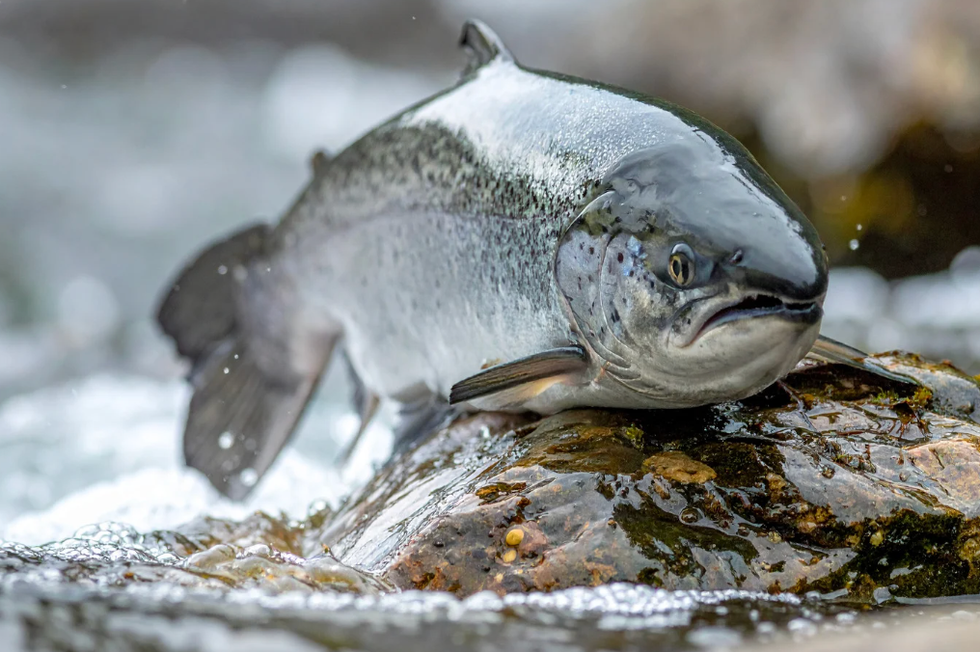 Fish find shelter for spawning in the nooks and crannies of wood.
 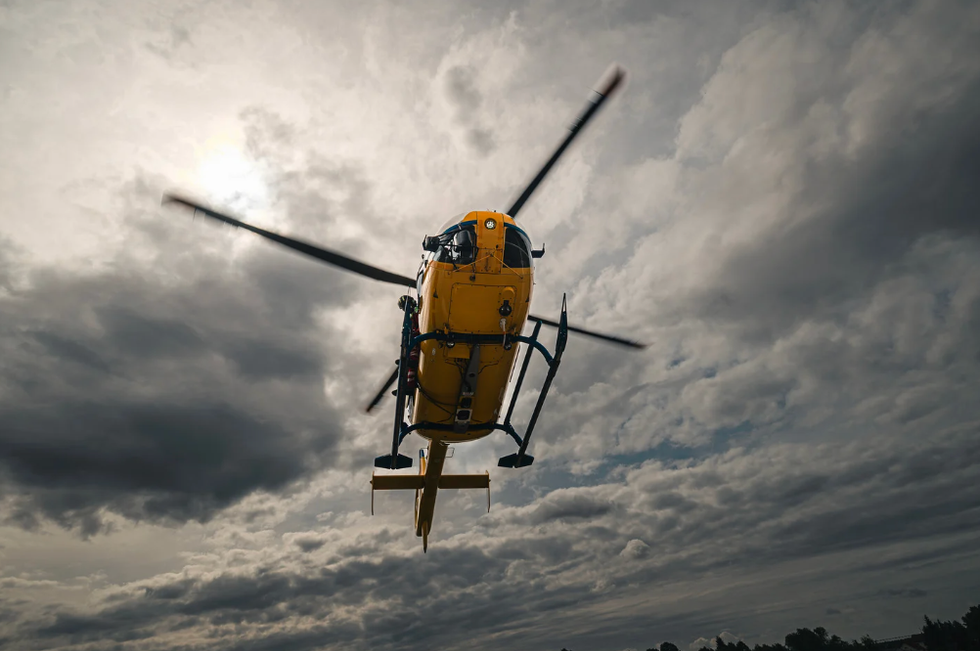 Many of these streams are now unreachable by road, which is why helicopters are used.
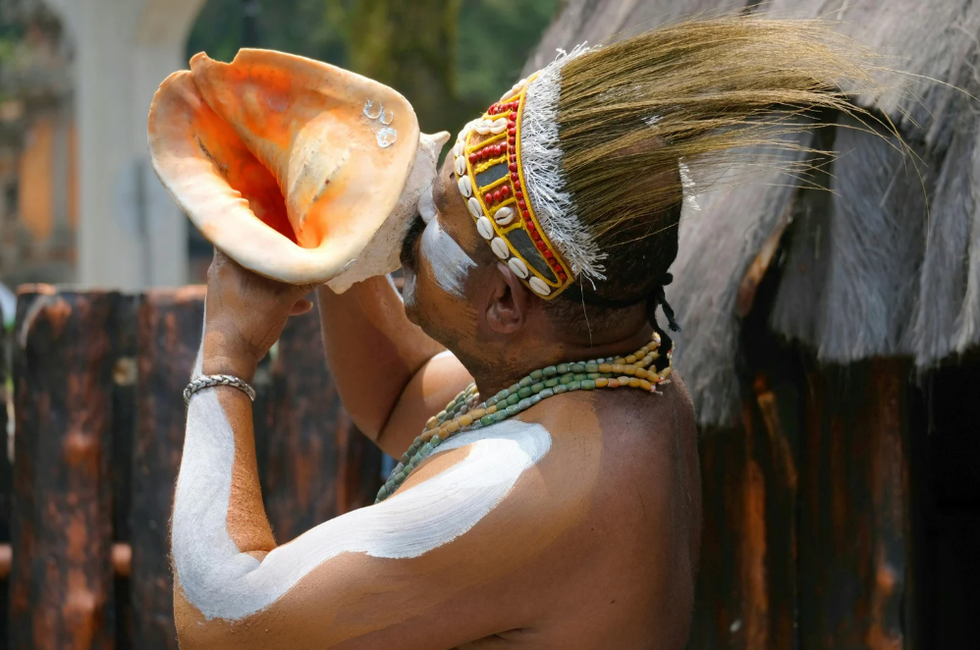 Tribal leaders gathered by the Little Naches River for a ceremony and prayer.

Communications expert shares the perfect way to gracefully shut down rude comments
Taking the high ground never felt so good.
A woman is insulted at her job.
It came out of nowhere. A coworker made a rude comment that caught you off guard. The hair on the back of your neck stands up, and you want to put them in their place, but you have to stay tactful because you're in a professional setting. Plus, you don't want to stoop to their level.
In situations like these, it helps to have a comeback ready so you can stand up for yourself while making making sure they don't disrespect you again.
Vince Xu, who goes by Lawyer Vince on TikTok, is a personal injury attorney based in Torrance, California, where he shares the communication tips he's learned with his followers. Xu says there are three questions you can ask someone who is being rude that will put them in their place and give you the high ground:
Question 1: "Sorry, can you say that again?"
"This will either make them have to awkwardly say the disrespectful remark one more time, or it'll actually help them clarify what they said and retract their statement," Xu shares.
Question 2: "Did you mean that to be hurtful?"
The next step is to determine if they will repeat the disrespectful comment. "This calls out their disrespect and allows you to learn whether they're trying to be disrespectful or if there's a misunderstanding," Xu continues.
Question 3: "Are you okay?"
"What this does, is actually put you on higher ground, and it's showing empathy for the other person," Xu adds. "It's showing that you care about them genuinely, and this is gonna diffuse any type of disrespect or negative energy coming from them."
The interesting thing about Xu's three-step strategy is that by gracefully handling the situation, it puts you in a better position than before the insult. The rude coworker is likely to feel diminished after owning up to what they said, and you get to show them confidence and strength, as well as empathy. This will go a lot further than insulting them back and making the situation even worse.
Xu's technique is similar to that of Amy Gallo, a Harvard University communications expert. She says that you should call out what they just said, but make sure it comes out of their mouth. "You might even ask the person to simply repeat what they said, which may prompt them to think through what they meant and how their words might sound to others," she writes in the Harvard Business Review.
More of Gallo's suggested comebacks:
“Did I hear you correctly? I think you said…”
“What was your intention when you said…?”
“What specifically did you mean by that? I'm not sure I understood.”
“Could you say more about what you mean by that?”
Ultimately, Xu and Gallo's advice is invaluable because it allows you to overcome a negative comment without stooping to the other person's level. Instead, it elevates you above them without having to resort to name-calling or admitting they got on your nerves. That's the mark of someone confident and composed, even when others are trying to take them down.