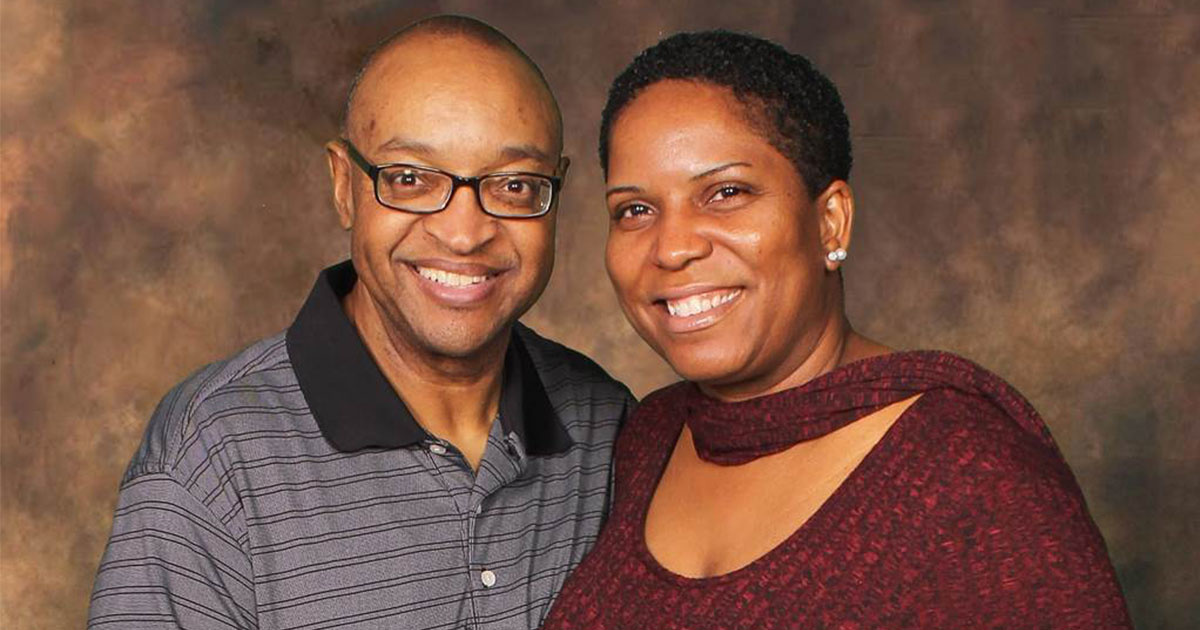
Darnell Henson doesn’t keep track of the date — it’s just something he’s never been good at — but he’ll never forget February 23rd, 2018. It was nearly three o’clock in the morning when he awoke with a horrible pain in his stomach. His first thought: food poisoning. Darnell’s wife, Leslie, had brought him a sandwich from work and he was certain it didn’t agree with him. So he downed some Pepto-Bismol and hoped for the best. But an hour later, the pain had engulfed him. “This is not food poisoning,” Darnell remembers thinking. “It’s got to be more.”
The pain grew every second. Soon, Darnell couldn’t get up off the floor. He’d suffered a broken leg when he was younger and that pain was torture, but the pain he was feeling now was like nothing he’d ever experienced. He woke his wife and she rushed him to the emergency room where doctors ran tests all through the night. Darnell and Leslie were terrified.
Darnell remembers a doctor coming in to speak with them. She delivered news that would turn the Hensons’ life upside down: Darnell had kidney cancer that had spread to his lungs. Soon after, doctors found six tumors on his brain, and then a mass on his hip. His cancer, he was told, had progressed to stage four.
“How much time do I have?” Darnell asked his doctor. He was told in March 2018 that he might have two, maybe three years left. Later that year, in August, the doctor told him he thought he was only going to live for four more months. These were some of the darkest days of his life, Darnell recalls. Then he lost his insurance and he and Leslie began to get really scared. They were being asked about wills, trusts, and advanced health directives. But the truth was, they had none of these things in place and hiring a lawyer was out of the question. The couple simply didn’t have the funds.
Darnell was so worried about what would happen to his family when he was gone that he couldn’t sleep at night. But then: hope. Darnell’s doctor told him about an experimental new treatment that might prolong his life. And the doctor’s assistant, upon hearing about the Hensons’ trouble with insurance, suggested CancerLINC, a nonprofit that connects those living with cancer and their families to legal assistance, financial guidance, and community resources.
“Up until that point, I hadn’t made a will,” Darnell says. “It was always in the back of my mind, but I kept procrastinating and procrastinating. Every time they put me under for surgery, I thought, ‘What if I don’t wake up?’ I couldn’t help but think about the heartache my wife and son were going to go through. I don’t worry about dying anymore. But I knew I needed to get stuff in order.”
At CancerLINC, the Hensons were connected with Robbie Bassett, a volunteer attorney who found his way to the nonprofit by way of his employer — Capital One. The company has always worked to give back to the community and Robbie had joined many other volunteers from Capital One’s legal department to staff CancerLINC’s monthly life-planning clinics. He also helps recruit volunteers and has visited clients in their homes to help with any legal questions they might have when they can’t make it to the clinic.
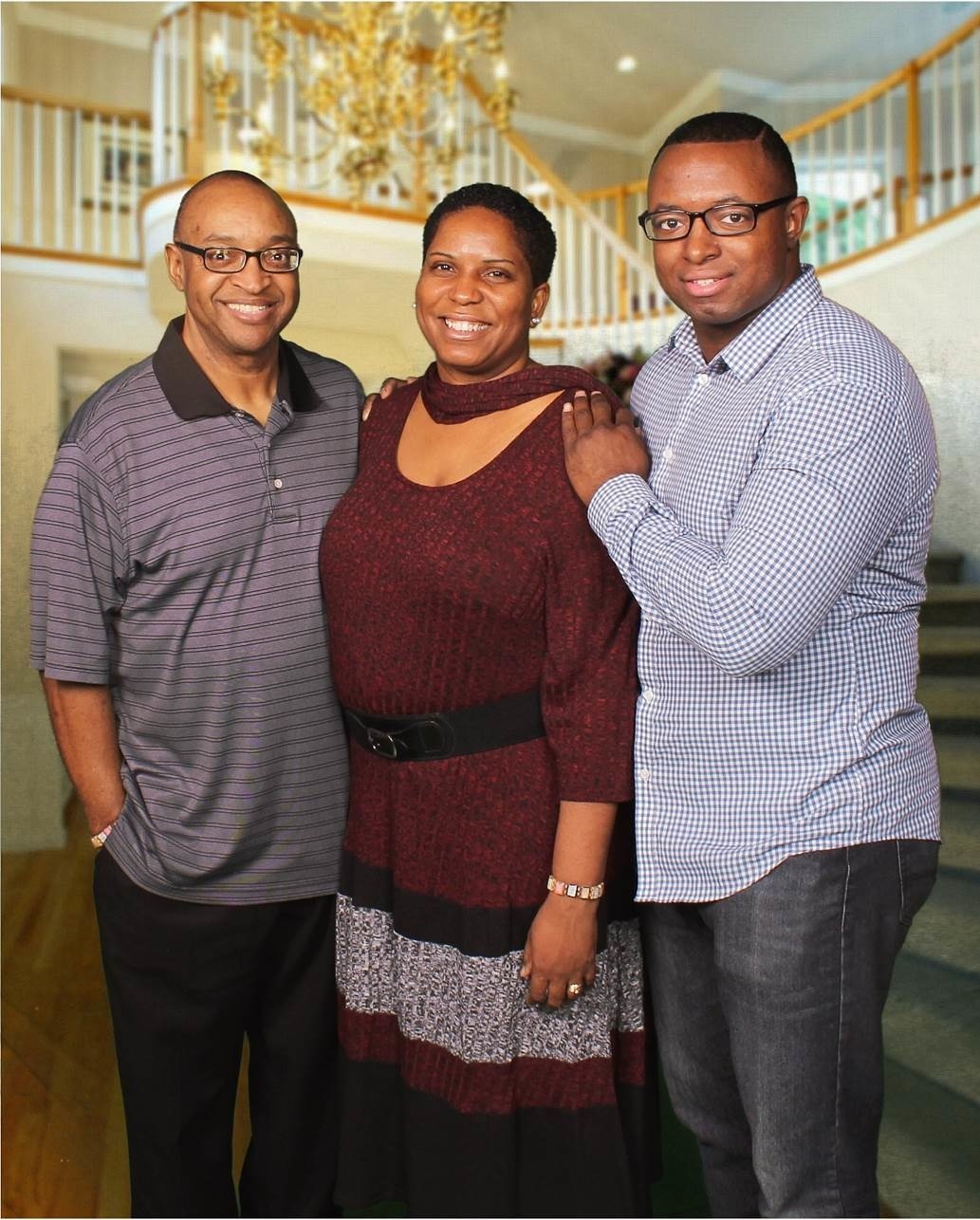
When Darnell and Leslie met Robbie, he took the time to hear their story. He listened to their needs, and within one meeting, he’d helped Darnell create a will, designate a power of attorney, and set up an advanced health directive. But the legal work was only part of the equation. No one can put a price on the peace of mind the help gave the Hensons. Darnell could finally sleep again.
“He made it so much easier,” Darnell says. “A lot of people do their job because they get a paycheck. But then you meet people that do what they do because they love doing it and you know they really want to help people.”
“When you find out that someone is doing a service for you and they’re not charging you for it, you’re kind of like, ‘Well, how are they going to treat me?’ But from day one, everyone at CancerLINC made me feel very comfortable because I believe they really love what they’re doing.”
Robbie’s commitment to helping those living with cancer comes from his own experiences. When he was in fourth grade, he lost a friend to the disease. As an adult, he’s lost friends, acquaintances, and mentors to the disease. He knew he had to do something to help in the fight against cancer. So when he was given the opportunity to help people like Darnell gain some peace of mind as they’re undergoing treatment, he knew he had to take it.
“As legal professionals, we want to give back,” Robbie says. “That’s Capital One’s goal as well: to work with our local communities to give back with our time and our expertise.” Though that can be hard as a banking attorney due to the specific nature of the work, Robbie says, Capital One’s attorneys always want to challenge themselves by stretching their skill sets to do good and provide competent legal services at the same time.
Capital One’s legal pro bono committees, which stretch across New York, Virginia, and Texas, work diligently to identify local nonprofits and partner with them to provide clients with legal help when they might not be able to afford it otherwise. Working with Darnell and other cancer warriors has been one of the most rewarding experiences of Robbie’s life.
Today, Darnell’s biggest priority is getting well again. He’s already blown past the expectations his doctor set for him and continues to respond well to his new treatment. His lungs have cleared; his brain tumors are gone; the cancer in his hip has stabilized. Now Darnell can focus on what’s important — spending time with his family. He and Leslie recently renewed their vows and they’re living each day as if it’s the greatest gift they’ve ever received.
If there’s one other thing that Darnell’s become passionate about, it’s letting people know that programs like CancerLINC exist. Because everyone, he says, deserves the relief he felt when he got the help he needed.
The doctors saved him in ways he never thought possible, he says. And he’s grateful to his higher power for all the blessings in his life. But he says he couldn’t have ever felt the hope he does now without the help he received from CancerLINC. Knowing everything’s in place financially has given him a new lease on life.
“Everyone could benefit from this,” he says.
To learn more about Capital One’s community efforts, go to https://www.capitalone.com/about.