We need to talk about that bag of spinach sitting in your crisper drawer. Don’t be coy, you know the one. Wilting and softer than it should be, you bought it from Whole Foods with good intentions and dreams of super-powered green smoothies dancing in your head. Now, though, it’s transforming. Go ahead, check. That bag of spinach is turning into a science experiment as you read this.
Too real? You’re not alone. Most of us have felt that pang of guilt when tossing out a carton of rotten berries or a container of questionable leftovers. But that forgotten food adds up, and it’s a problem. Recent data paints a harrowing picture of American eating habits: the average person wasted $762 worth of food in 2024.
That amount of money could buy you a brand-new 55-inch 4K TV. It could cover an inflatable hot tub with 140 air jets, and then some. Without all that waste, you could even afford a two-in-one game table that switches between air hockey and table tennis. It’s a decent chunk of change.
The truth is, we don’t throw food away simply because we’re careless. According to the Environmental Protection Agency (EPA), the real culprit is far more mundane: we literally forget what’s in our fridge. However, a few smart changes to how you arrange your refrigerator can save hundreds of dollars while reducing unnecessary waste sent to landfills.
The hidden cost of our kitchen habits
The numbers reveal the scale of the problem. Research from Penn State University shows that the average household throws away about 31.9% of the groceries it buys. That’s like walking out of the supermarket with three full bags, dropping one in the parking lot, and continuing on with your day. It sounds silly when you put it that way, but it’s the reality in many homes across the country.
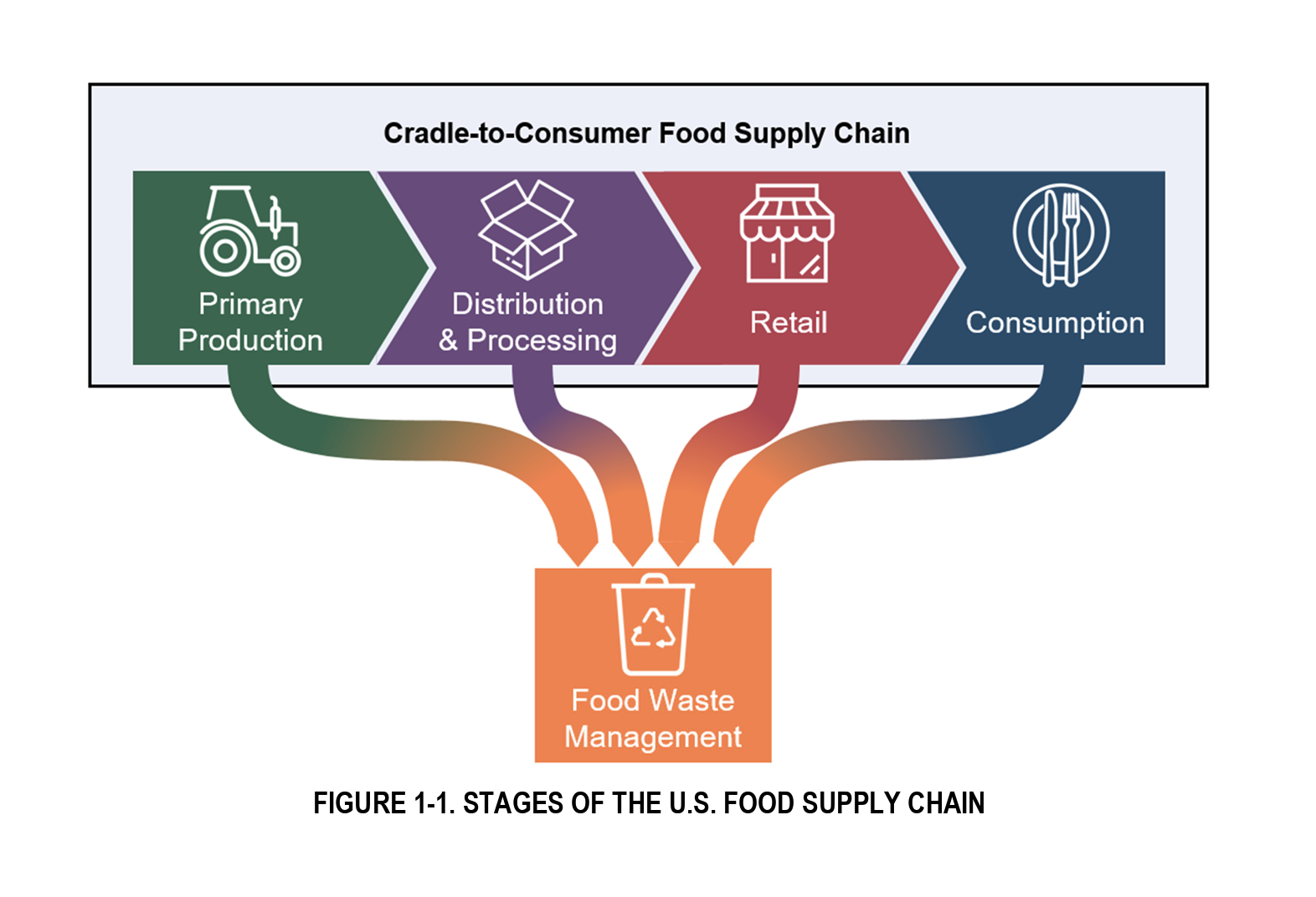
Financially, that’s bad. Environmentally, it’s even worse. In the United States, wasted food generates greenhouse gas emissions equivalent to those produced by about 50 million gas-powered cars, roughly 6% of the nation’s total emissions, according to the EPA. Those emissions come from the production, transportation, storage, and eventual disposal of food that never gets eaten. Once it ends up in landfills, that untouched food rots and releases large amounts of methane, the second most dangerous climate pollutant.
A 2021 report from the EPA titled “The Environmental Impacts of U.S. Food Waste” points out that uneaten food takes up a ton of space, roughly 140 million acres of agricultural land. That’s an area the size of California and New York combined.
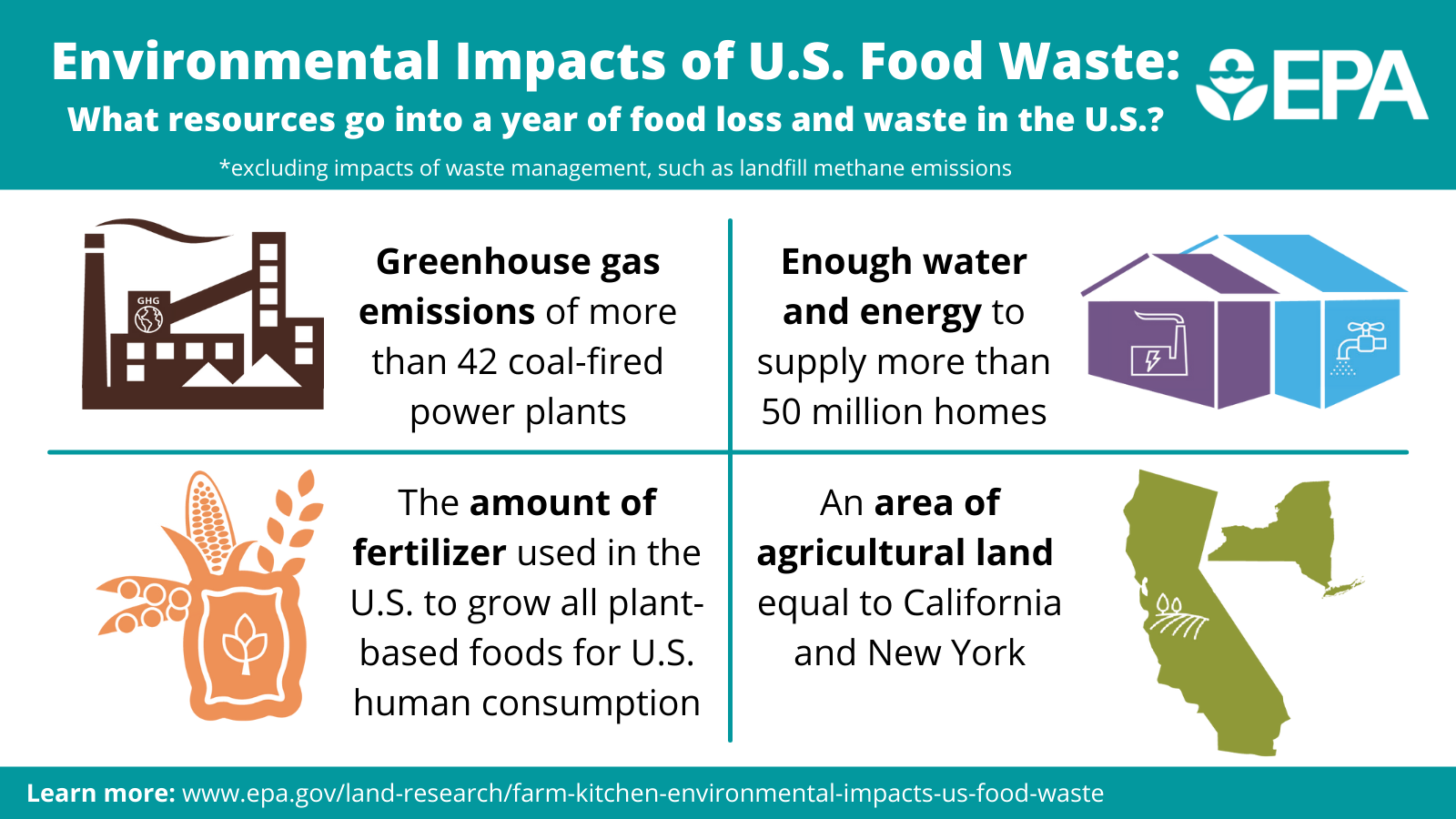
And that doesn’t even account for the immense water use, fertilizer, and energy required to produce food that ultimately rots in our refrigerators. And all this uneaten, spoiled food? It contains enough calories to feed more than 150 million people each year. Compare that to the roughly 18 million Americans who experience food insecurity, and your head begins to spin.
Why are we wasting so much food?
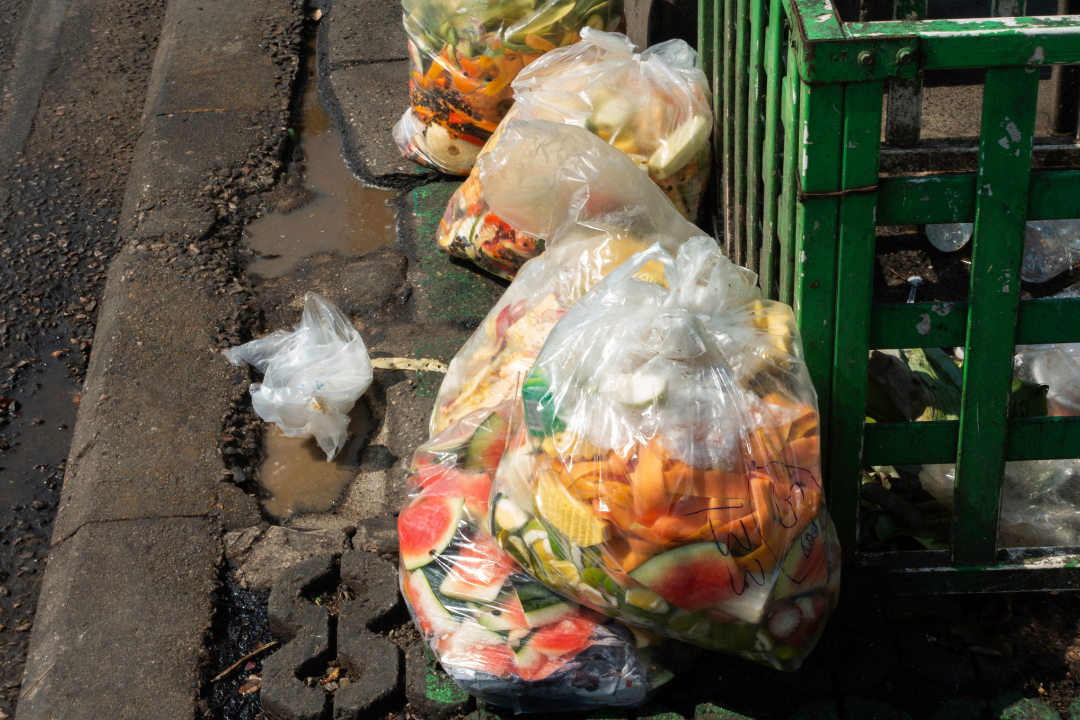
To fix the problem, we first need to understand why it happens. Food waste in America generally boils down to three main culprits:
- Unused ingredients: Ingredients are often purchased for specific recipes that require only a small portion, like a bunch of fresh dill or a large round of sourdough bread. The remaining bag or container is then forgotten, left to spoil before another use comes up.
- Storage struggles: Cluttered fridge shelves push ingredients and leftovers into the “graveyard” at the back. And you can’t eat what you can’t see.
- Label confusion: “Best by,” “sell by,” and “use by” dates aren’t interchangeable and can lead consumers to throw away perfectly good food out of confusion or caution.
Ready to reclaim your kitchen? Here are 10 simple, actionable ways to organize your fridge and minimize waste.
10 easy tips for minimizing food waste
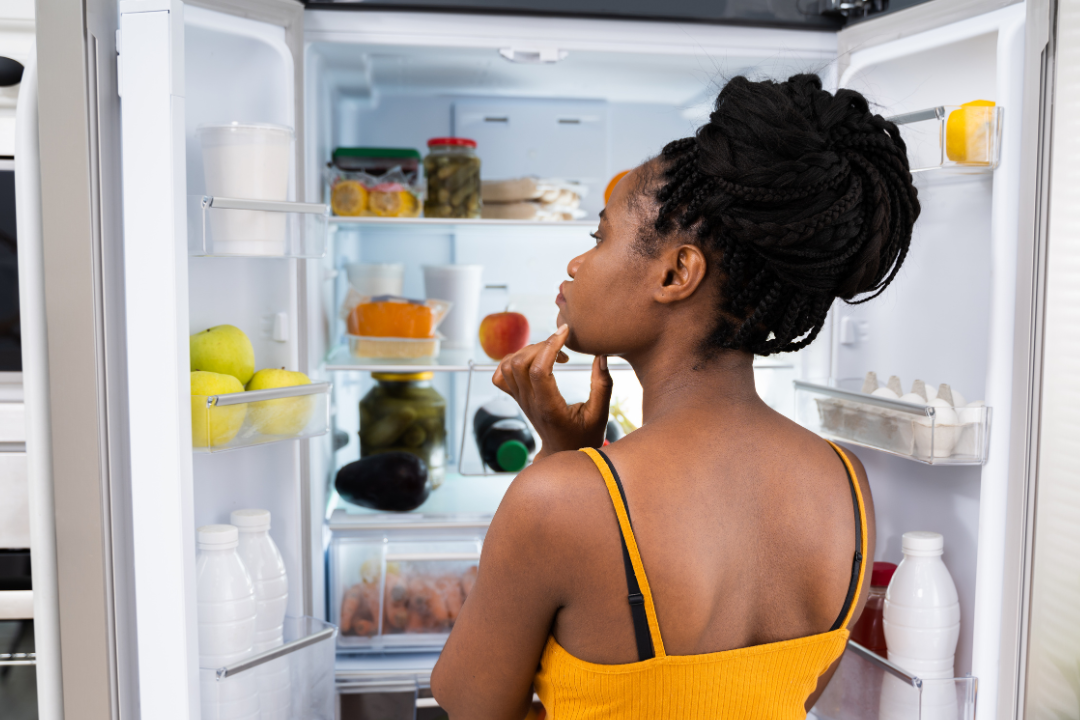
1. Plan meals and shop your fridge first
Before heading to the grocery store, take inventory of what you already have. Inspiration might just strike. Is there a half-used jar of marinara sauce or a few carrots that need to be eaten soon?
Build your meal and shopping plan around what you already have. From there, it looks like you might even have the beginnings of a great batch of chili. This simple habit prevents duplicate purchases and helps ensure you see, and eat, perishable foods before they go bad.
2. Store food in the right temperature zones
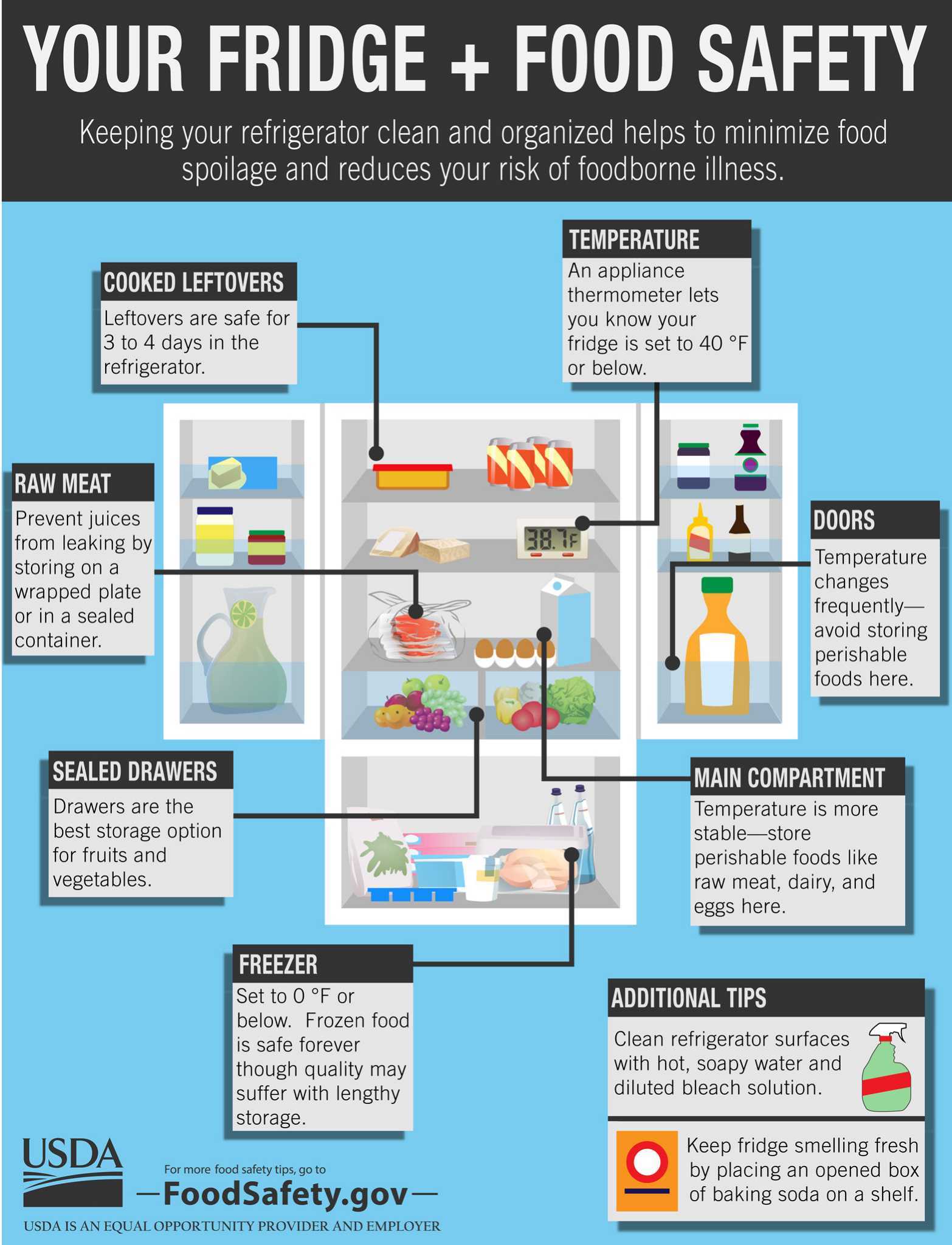
Your fridge is smarter than it looks. It has multiple temperature zones, and knowing how to use them can significantly extend the shelf life of your groceries.
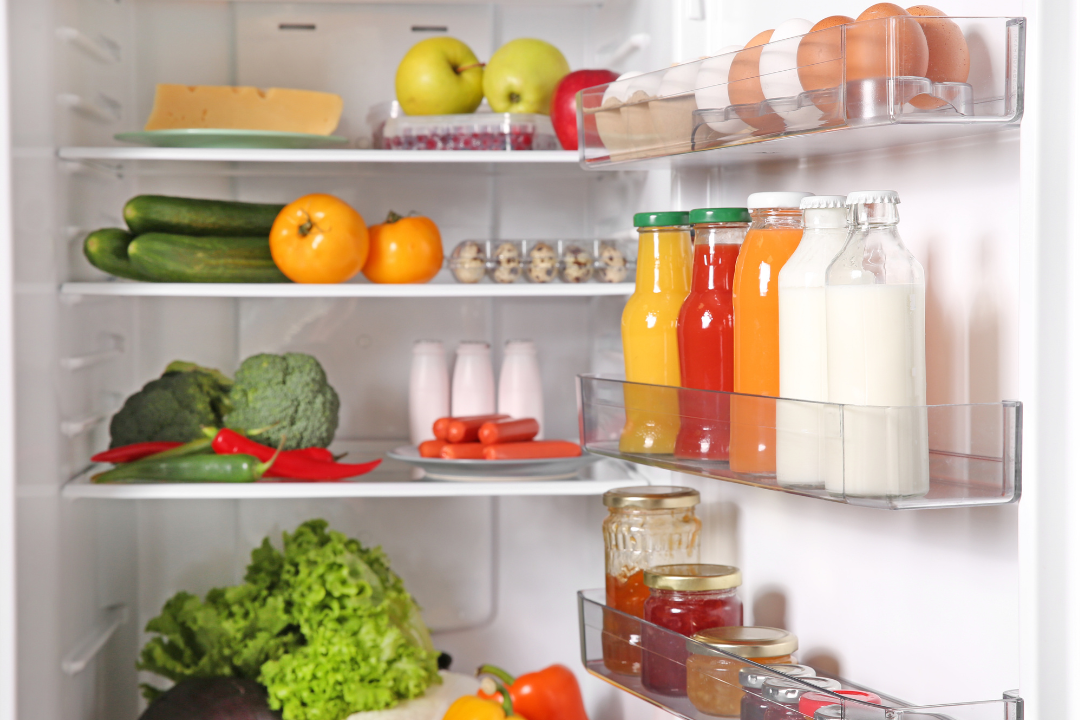
- The door: This is the warmest part of the fridge. Store condiments, jams, and juices here. Avoid keeping milk or eggs in this area, since the temperature changes every time the door swings open.
- Top shelf: This area maintains a consistent temperature, making it an ideal spot for leftovers, drinks, and ready-to-eat items like hummus or deli meats.
- Bottom shelf: This is the coldest spot in the fridge. Use it for raw meat and fish to ensure freshness and prevent cross-contamination with other foods.
3. Understand date labels
Confusion over date labels leads to a significant amount of unnecessary food waste. According to the U.S. Department of Agriculture (USDA), with the exception of infant formula, dates printed on food labels are meant to indicate best quality, not safety.
- “Best if used by/before”: Indicates when a product will be at its best flavor or quality. It is not a safety date.
- “Sell by”: A date intended for store inventory management. Food is usually safe to eat for several days after this date.
- “Use by”: The last date recommended for optimal quality.
When in doubt, trust your senses. If it looks fine and smells normal, it’s likely safe to eat.
4. Master the FIFO method
Restaurants and grocery stores use the “First In, First Out” (FIFO) method to manage inventory, and it’s a wonderful tool to use at home, too. When unpacking groceries, move older items to the front of the fridge or pantry and place newer ones behind them. This simple system encourages you to finish that open container of Greek yogurt before cracking into a new one.
5. Start an “Eat Me First” bin
Consider dedicating a shelf or crafting a bin for items that need to be used immediately. Printing or hand-drawing an “Eat Me First” label can also be a fun, creative exercise.
What goes in there? This is the perfect spot for a half-used block of cheese, last night’s leftovers, or fruit that looks lonely. That way, when you’re hunting for a quick snack or ingredients for dinner, you know exactly where to check first.
6. Make the most of your freezer
It’s time to embrace your freezer, the miraculous upper unit that acts like a frosty “pause” button for food. Nearly everything can be frozen in batches, including:
- Sliced bread
- Avocados (mashed and placed in a small bag; add a spritz of lemon if you’re fancy)
- Cheese
- Nuts
- Milk (pour into measured containers; use later in soups, baking, and smoothies)
- Fresh herbs, like sprigs of rosemary or thyme. (For tender herbs, such as parsley, cilantro, or dill, try placing them in an ice cube tray filled with water or broth to create pre-portioned seasoning cubes.)
Didn’t finish that delicious pot of chili earlier? Freeze individual portions for easy lunches later. It’s a simple way to reduce waste and save time on busy days.
7. Check the fridge temperature
A fridge that’s too warm can become a breeding ground for bacteria, causing food to spoil more quickly. The Food and Drug Administration (FDA) recommends setting your refrigerator to 40°F (4°C) or below and your freezer to 0°F (−18°C). This is a quick way to ensure food safety is set up for success.
8. Compost scraps
Scraps are inevitable. No one expects you to eat a banana peel or freeze used coffee grounds. But instead of sending those scraps to the landfill, try composting. Many cities offer curbside pickup or provide green bins for compostable waste. Indoor compost bins are also convenient and easy to store, and many come with charcoal filters to help eliminate odors.
Composting is a beautiful way to turn leftovers into nutrient-rich soil for your garden or houseplants.
9. Keep a food inventory
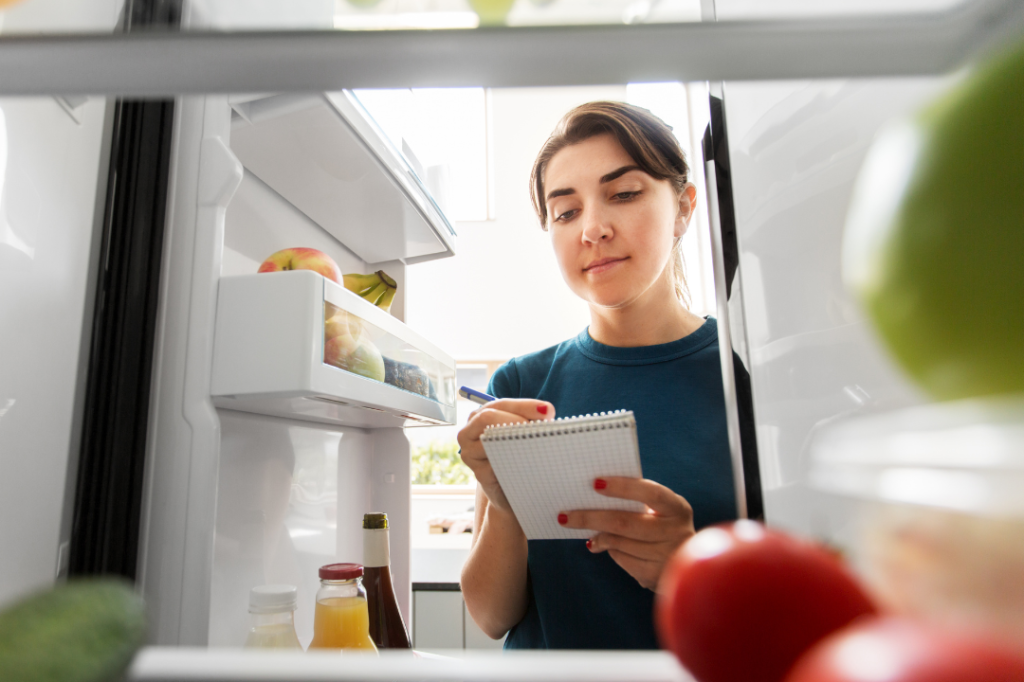
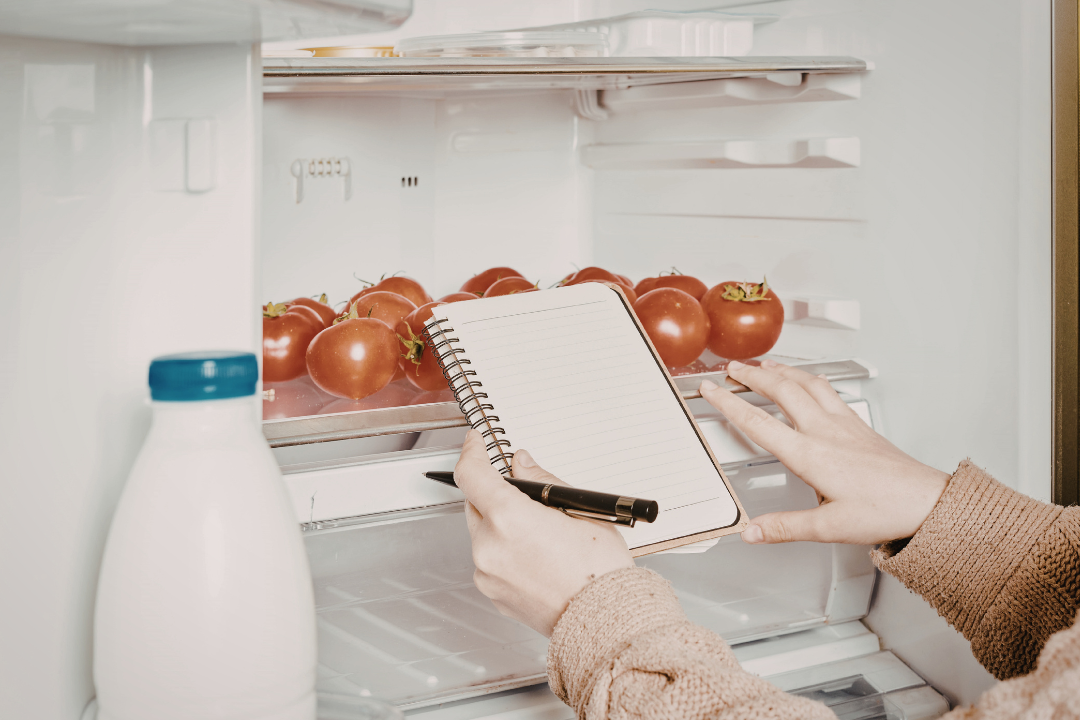
Experiment with keeping a small whiteboard or notepad on your fridge. Putting away leftovers? Adding new produce to the mix? Jot it down. A simple visual reminder helps you remember what needs to be eaten without digging through your fridge. Plus, your next shopping list will be a breeze.
10. Embrace imperfect produce
At the grocery store, we’re drawn to flawless produce, shiny red apples, unblemished lemons, beautiful leeks. But a common misconception is at play here. Slightly bruised fruit and oddly shaped vegetables taste just as good.
Companies like Misfits Market and Hungry Harvest rescue high-quality, perfectly delicious, and sometimes funny-looking foods that might otherwise go to waste and deliver them straight to your door. Think unconventionally sized tomatoes or zucchinis that are slightly off-color.
Or go straight to the source and buy produce and ingredients directly from local farms. LocalHarvest‘s national directory lists more than 40,000 family farms and markets in all 50 states, making it easy to find farm-fresh ingredients near you.
Every small change matters
Reducing food waste is a journey, not a quick fix. There is no one-time product to buy that can get rid of your impact on wasted food. But by building simple, sustainable habits that fit your lifestyle, your efforts can make a real difference, one weirdly shaped carrot and frozen loaf of bread at a time.
Being mindful of your consumption and waste is a win-win: you save money, protect the environment, and feel more organized and in control in the kitchen.