In 2024, it’s practically impossible to function as a nonprofit without the right digital resources. Nonprofits use computer systems and applications for things like education, fundraising, engaging clients, and communicating with donors. However, with limited funding and expertise, it’s often difficult to get the digital tools they need to fully support their missions.
The planet needs nonprofit organizations, and nonprofits need better digital tools. For decades, Adobe has provided nonprofits with the tools they need to fulfill their mission—helping them with everything from social media advocacy to educational videos to graphic design. Now, Adobe is offering the pro version of Adobe Acrobat for Nonprofits, the most requested and comprehensive set of document and e-signature tools, for just $15 per user per year, which represents a 94% annual savings off the regular price. This will make it easier than ever for nonprofits to streamline business processes and increase their impact with engaging educational and fundraising assets – from annual reports, contracts and grant submissions to brochures and white papers.
Keep reading to hear more about how Adobe helped one nonprofit improve efficiencies and giveback potential – and how you can start using Adobe tools today for your organization.
A nonprofit success story
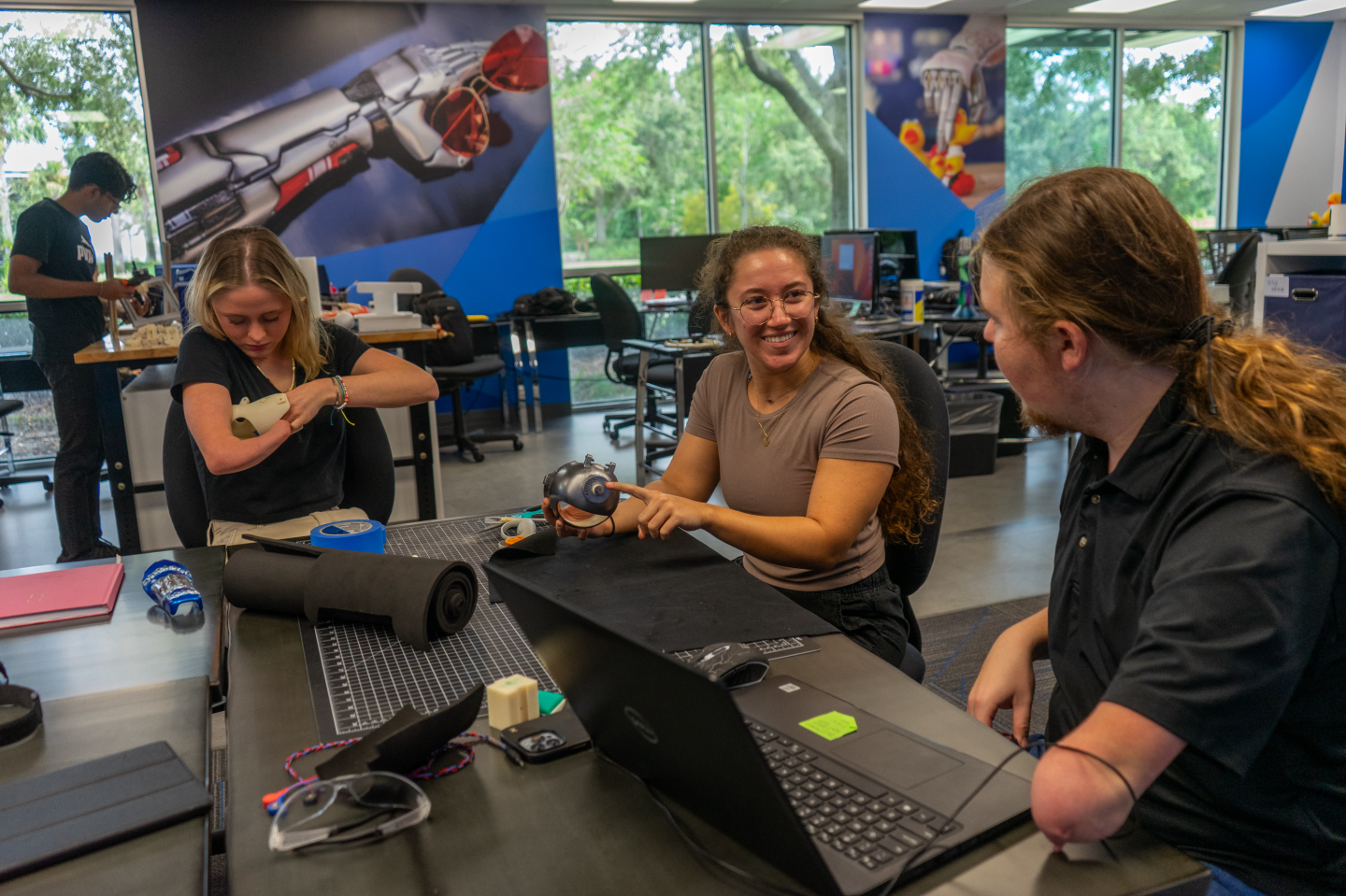
Albert Manero, a mechanical engineer and graduate of the University of Central Florida, founded Limbitless Solutions, Inc., as a passion project in a small lab. Today, Limbitless is celebrating its 10-year anniversary and has grown into an interdisciplinary team based at the University of Central Florida in Orlando that includes 50 interns with nine different fields of expertise. Their mission? To inspire and empower underserved communities through creative, accessible technology.
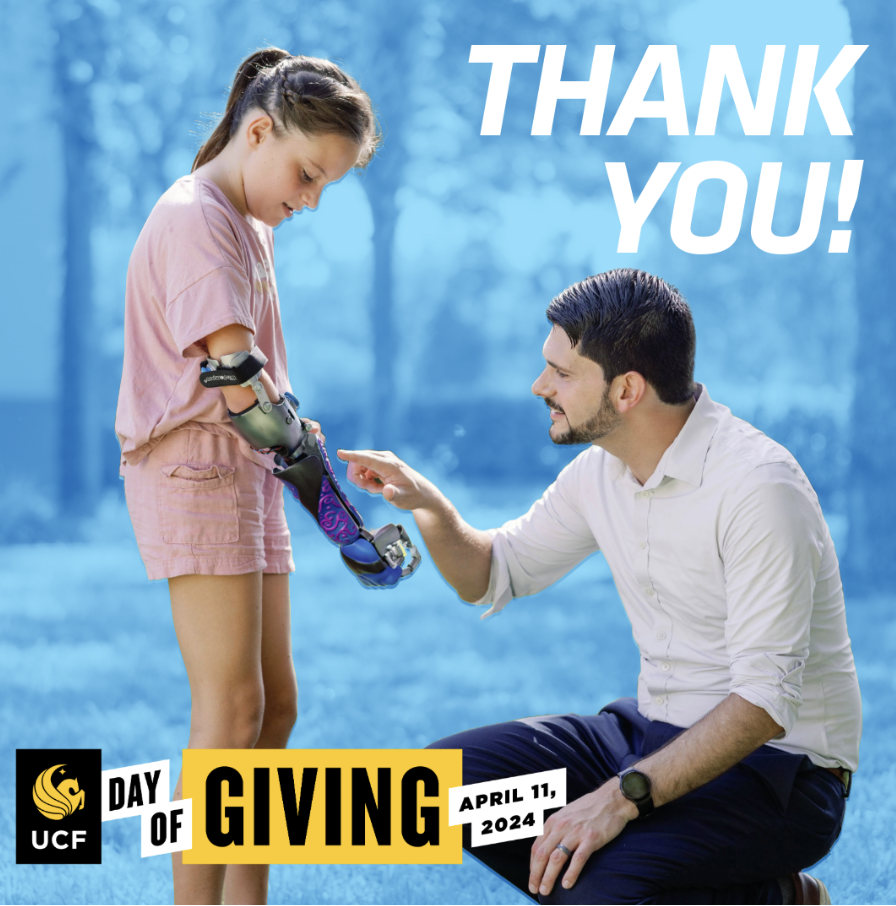
Manero and his team of experts create bionic, 3D-printed arms for children with limb differences. Combining visual storytelling with art and engineering, the Limbitless team wants children with limb differences to feel included and capable, while at the same time, able to express their personal identity more fully. Developing bionic arms covered in flowers or designed like Iron Man’s armor, kids with these bionic limbs can not only grip objects, hold hands and more, but can feel empowered to be themselves.
Using Adobe to make a difference
Limbitless, like many others, has utilized Adobe for Nonprofits offerings, which gives nonprofit organizations access to Adobe programs at a deeply discounted rate, including access programs like Adobe Illustrator, Adobe Express and Adobe Acrobat as well as Adobe’s 3D tools.
Adobe solutions are the oil that keeps organizations running smoothly behind the scenes. For the grant application and reporting processes, employees at Limbitless have credited Adobe Acrobat with helping the team secure funding and communicating clearly with donors and partners. With Acrobat, they’re able to create, edit, and manage PDF documents that look professional and polished. The company has also transitioned most of its internal documentation to digital formats using Acrobat. This includes everything from design blueprints, brand guidelines, intern contracts, and user manuals for bionic limbs.
Better tech for a better future
In addition to helping day-to-day operations run smoothly, Adobe has also helped bring Limbitless’ mission of inclusion and accessibility outside of office walls.
Using Adobe Express, the fast and easy create-anything app, Limbitless has been able to create quick how-to videos for young patients and their families that showcase how to use their bionic limbs, as well as a series of videos promoting STEAM (science, technology, engineering art and math) education. The company’s Operations, Advocacy, and Logistics team utilizes Express as well, developing content and visual assets for their social media accounts. Recently, Limbitless partnered with the Adobe Express’ Animate Characters team to create six unique, limb-different selectable avatar characters for their educational outreach and social media campaigns.
And Adobe is helping Limbitless empower kids with limb differences, too: Limbitless’ comic series, Bionic Kid, was created using Adobe Illustrator and features a superhero with limb differences who uses a Limbitless prosthetic arm. This inspired a fundraising concept initiated from the idea by a Limbitless prosthetic recipient Zachary Pamboukas, which has been used in fundraising efforts for more bionic arms and has already raised over $20,000.
Inside the organization and out, Adobe is enabling people to reach their full potential, contributing to better nonprofit organizations and, overall, a better world.
Learn more about the new Adobe Acrobat for Nonprofits offering and explore more ways Adobe can help your organization today.