
In a world where we are surrounded by endless distractions and digital dopamine hits, it can be hard to stay focused on what we need to do, or even what we want to do. There’s a reason we see countless productivity hacks being pushed and why the phrase “lock in” has gained popularity to describe getting into a state of deep focus.
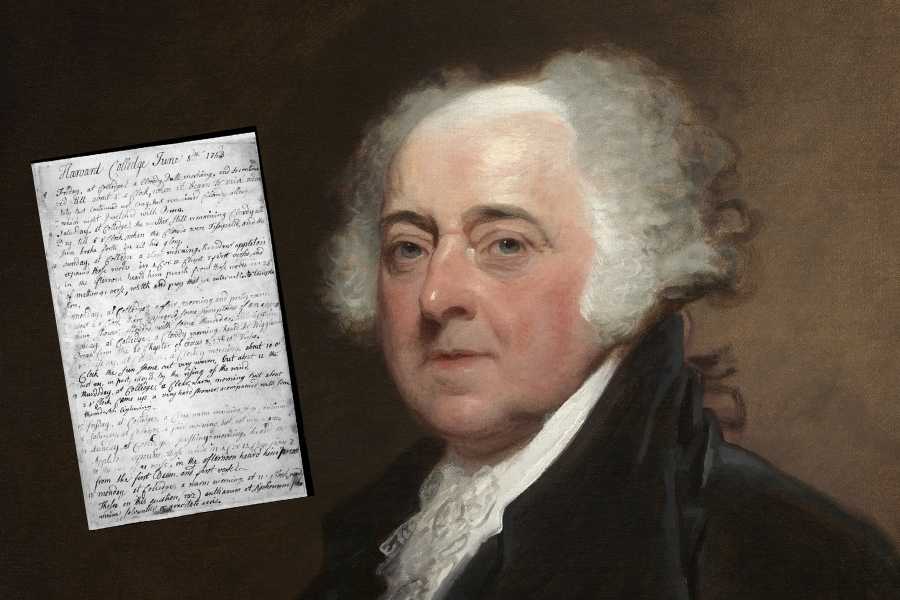
However, if you think lock-in struggles are a modern phenomenon due to the internet and smartphones, we have evidence to the contrary in former U.S. president John Adams’ diary entries. An image of an excerpt from David McCullough’s Pulitzer Prize-winning biography of John Adams offers a glimpse of a man determined to make a schedule and stick to it, even as he battles his tendency to while away his time.
According to the book excerpt, Adams was frustrated that he so often made resolutions he didn’t keep and instead daydreamed his days away. As an example, he wrote in his diary (edited in the book) on July 21, 1756:
“I am now entering on another Year, and I am resolved not to neglect my Time as I did last Year. I am resolved to rise with the Sun and to study the Scriptures, on Thurdsday, Fryday, Saturday, and Sunday mornings, and to study some Latin author the other 3 mornings. Noons and Nights I intend to read English Authors. This is my fixt Determination, and I will set down every neglect and every compliance with this Resolution. May I blush whenever I suffer one hour to pass unimproved. I will rouse up my mind, and fix my Attention. I will stand collected within my self and think upon what I read and what I see. I will strive with all my soul to be something more than Persons who have had less Advantages than myself.”
The next day, he wrote that he “Rose not till 7 o clock,” adding, “This is the usual Fate of my Resolutions!“
And just over a week later, on July 30, his entire entry read, “A very rainy Day. Dreamed away the Time.“
Sound familiar?
Why so many people relate to his resolution struggles
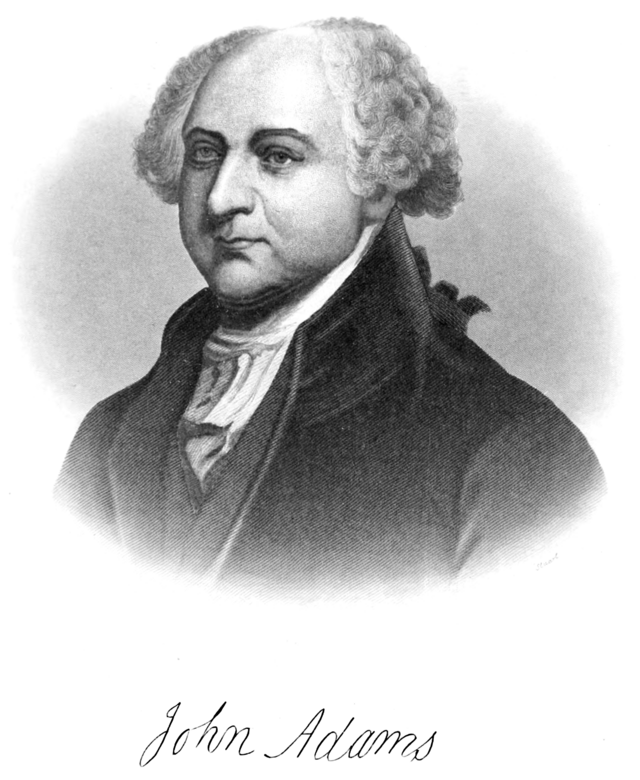
Adams was a man who not only didn’t have a smartphone or computer, but didn’t even have electricity. People on X shared their thoughts on his diary entries:
“Relatable! Actually reads like my own to-do lists.”
“I feel seen.”
“He’s literally me.”
“And the age-old reality: Dreamed away the Time.”
“Man he didn’t even have to worry about smart phones, social media, the internet, video games, tv, an attention-economy, etc. etc. etc. Honestly, makes me feel better lol.”
“Bro was founding a nation and still couldn’t focus. makes me feel better about not wanting to do laundry.”
“Oh the struggle is age old so I can’t blame tech?”
“Infinite scroll would’ve stopped the American Revolution.”
“Honestly this is some serious validation for the modern man. We’re not the only ones who know we can spend our time better.”
The truth is, a lot of us set goals for ourselves that we end up bailing on over and over, leaving us frustrated. According to a Forbes survey, the majority of New Year’s resolutions are abandoned within four months, and only 6 percent last the entire year.
Adams also struggled with anxiety, depression, and other mental health issues, with some psychologists suggesting he might have been diagnosed with Bipolar II disorder if he were alive today. Undiagnosed or untreated mental health challenges, including conditions like ADHD, can come between what we want for ourselves and what we’re actually able to do.
How to stick with your goals
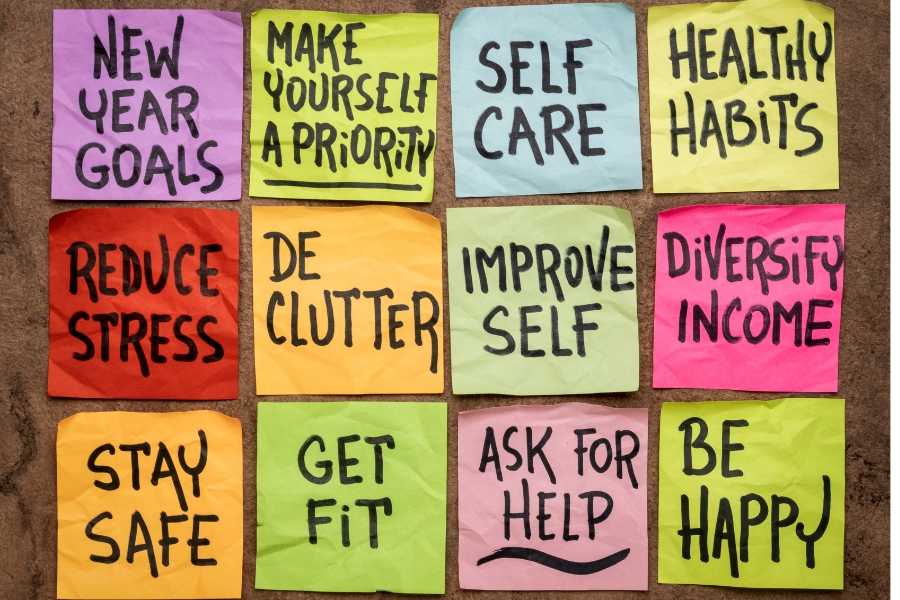
Once you’ve ruled out or addressed mental health reasons for your “lock in” woes, there are steps you can take to make sticking to personal resolutions more likely. Psychologists from the University of Delaware suggest the following:
Don’t discount timing
“New Year’s resolutions sometimes lack in commitment,” said Philip Gable, a professor in the Department of Psychological and Brain Sciences. “It’s just this time of year when people feel like they should make a resolution, as opposed to other times in the year when it’s less common but maybe more meaningful, like if you get a doctor’s report and realize you need to change that aspect of your life.”
Break goals down and start small
“I think a lot of times with goals, people will commit to a very big goal and not realize the smaller steps they need to take to achieve that goal,” Gable said. “If we have too big of a goal, we get emotionally distressed when we can’t do it, or we fail because we set too big of a goal. Or maybe we couldn’t think through all of the elements required to meet that really big goal. So starting small gives us something achievable, and then that gives you a platform to go to the next thing.”
Expect it to feel slow and repetitive
“In your natural setting, or even in controlled settings, habits are going to develop slowly,” said Rob West, a professor in the Department of Psychological and Brain Sciences. “You don’t roll out of bed and say, ‘I’m going to have a new habit today.’ That’s not the set of cognitive mechanisms by which we develop habits. They are acquired over time through repetition.”
Give yourself grace
“It happens every year — we all have good intentions and then life gets in the way,” said Naomi Sadeh, an associate professor in the Department of Psychological and Brain Sciences. “So it’s important to be kind to yourself when you make mistakes or have lapses in your plans. If you just go down the rabbit hole of feeling guilt and shame, that’s not going to help in terms of your long-term goals. Just expect that there will be lapses and accept that and be kind to yourself in those situations.”
When all else fails, remind yourself that even John Adams managed to not only be president of the United States, but also raise a U.S. president, lock-in struggles and all.

































.png)