upworthy
Add Upworthy to your Google News feed.
Google News Button
Shopping

Best collagen for women: 5 collagen supplements that are great for women

Top 5 collagen supplements for women: boost skin, joints, and overall health.

Best collagen for women: 5 collagen supplements that are great for women

You're probably familiar with collagen when it comes to skin health, but did you know that collagen is involved in many more parts of your body? From bones and joints to hair and nails —all benefit from collagen. However, collagen production decreases as we age, leading to all kinds of health issues. That's where collagen supplements come in—to help with skin elasticity, relieve joint pain, improve bone mineral density, and more.

Looking for the best collagen for women? Start with our favorite collagen powders, below.

Best Collagen Supplements for Women

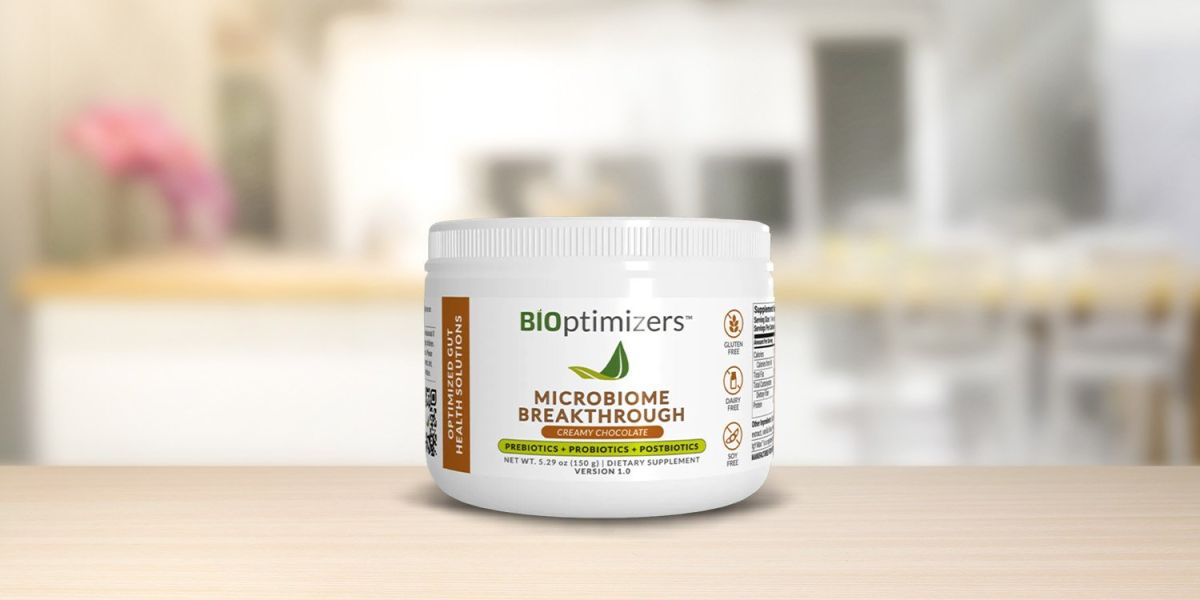
1. Best Overall Collagen Powder for GI Health: BIOptimizers Microbiome Breakthrough
2. Best Collagen Powder for Joint Support: Utzy Naturals Coll-U-Gen

3. Best Flavored Collagen Powder: SkinnyFit Super Youth Multi-Collagen Peptides + Organic Boabab + Probiotics

4. Best Unflavored Collagen Powder: Annie Mak Clean Multi Collagens

5. Best Collagen Powder for Skin, Hair, and Nails: Organifi Collagen

Are dietary supplements safe?

Dietary supplements, including collagen supplements (like collagen powders and collagen peptides), aren't approved by the FDA like medicines are, but that doesn't mean they're unsafe. Before taking any kind of supplement, research the company and the product and ensure it doesn't interact with any other medications you're taking. And when in doubt, ask your doctor.

Best Collagen Supplements for Women

1. Best Overall Collagen Powder for GI Health: BIOptimizers Microbiome Breakthrough


What we love

This collagen peptides supplement combines prebiotics and probiotics to improve gastrointestinal health. Benefits of taking this collagen powder include reduced gas and bloating, a strong gut barrier, and increased nutrient absorption.

What customers love

Users note daily iimorvement in gut health with this collagen powder, and love the chocolate flavor. One customer said that the collagen peptides supplement helps satisfy their hunger, so they don't overeat.

About BIOptimizers

BIOptimizers sells a variety of supplements for almost any health concern.

Pros:

  • Delicious chocolate flavor collagen peptides
  • Helps reduce bloating
  • Promotes a strong gut barrier
  • Improves gut health

Cons:

  • Not intended for people with gastritis

Specs:

  • Size: 5.29 ounces (150 grams)
  • Active Ingredients: IgY Max, Lactobacillus blend, bovine collagen, bovine bone broth

Learn more about BIOptimizers Microbiome Breakthrough today


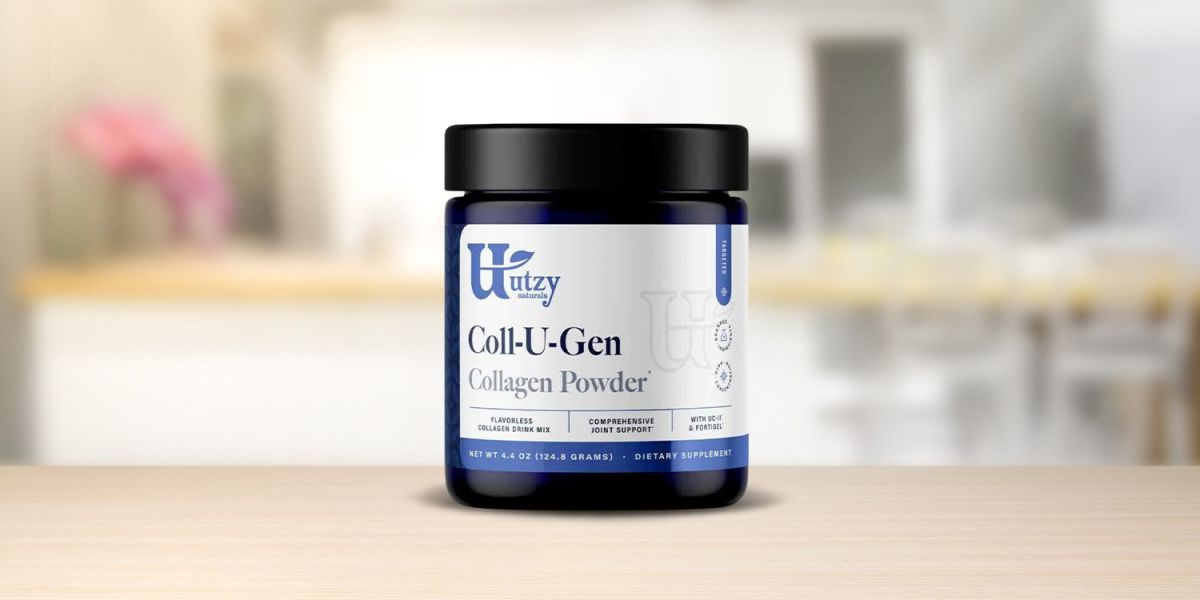
2. Best Collagen Powder for Joint Support: Utzy Naturals Coll-U-Gen

What we love

The Utzy Naturals Coll-U-Gen is made with two collagen peptides to increase collagen production and improve connective tissues. With just two natural ingredients, you know exactly what's in this collagen powder.

What customers love

One reviewer noted the collagen peptides helped improve their range of motion in just a few days. Another said the collagen powder reduced arthritis pain in their hands.

About Utzy Naturals

Utzy Naturals provides supplements to help with various health concerns, from joint pain to sleep problems.

Pros:

  • Made with natural ingredients
  • High concentration of collagen peptides
  • Third-party tested

Cons:

  • Not vegetarian or vegan

Specs:

  • Size: 4.4 ounces (124.8 grams)
  • Active Ingredients: Gelatin hydrolysate, UC-II® Collagen

Learn more about Utzy Naturals Coll-U-Gen today

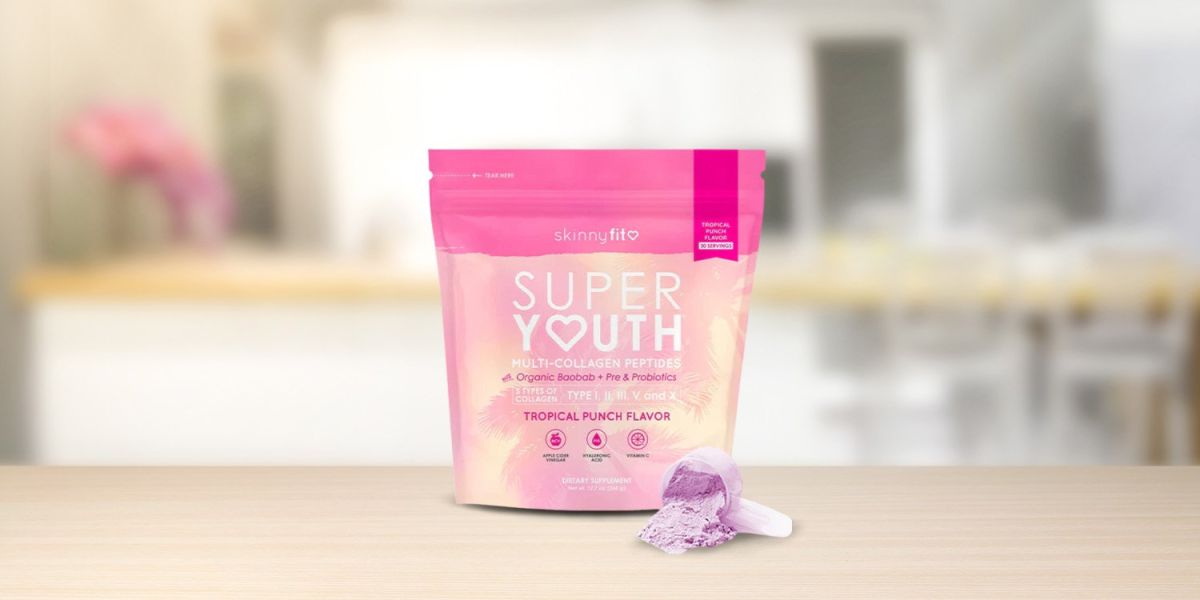
3. Best Flavored Collagen Powder: SkinnyFit Super Youth Multi-Collagen Peptides + Organic Boabab + Probiotics

What we love

This collagen powder is packed with healthy ingredients, including five types of collagen, to benefit almost every part of your body. And these collagen supplements are fun to take, thanks to the tropical fruit punch flavor.

What customers love

Reviewers gave the SkinnyFit Super Youth collagen peptides nearly 2,200 five-star ratings, saying they love the "refreshing" taste of the collagen powders’ Tropical Punch flavor. One shopper said they feel younger since taking the collagen powder, while others have praised how the collagen peptides have improved their skin and hair.

About SkinnyFit

SkinnyFit offers collagen peptides in five different flavors, gummy supplements, detox teas, and more.

Pros:

  • Collagen peptides in a variety of flavors
  • Five types of collagen
  • Hyaluronic acid for skin hydration

Cons:

  • Not vegetarian or vegan

Specs:

  • Size: 12.7 ounces (360 grams)
  • Active Ingredients: Collagen blend, Probiotic blend, Organic Baobab, Apple cider vinegar, hyaluronic acid, vitamin C

Learn more about SkinnyFit Super Youth Multi-Collagen Peptides + Organic Boabab + Probiotics today


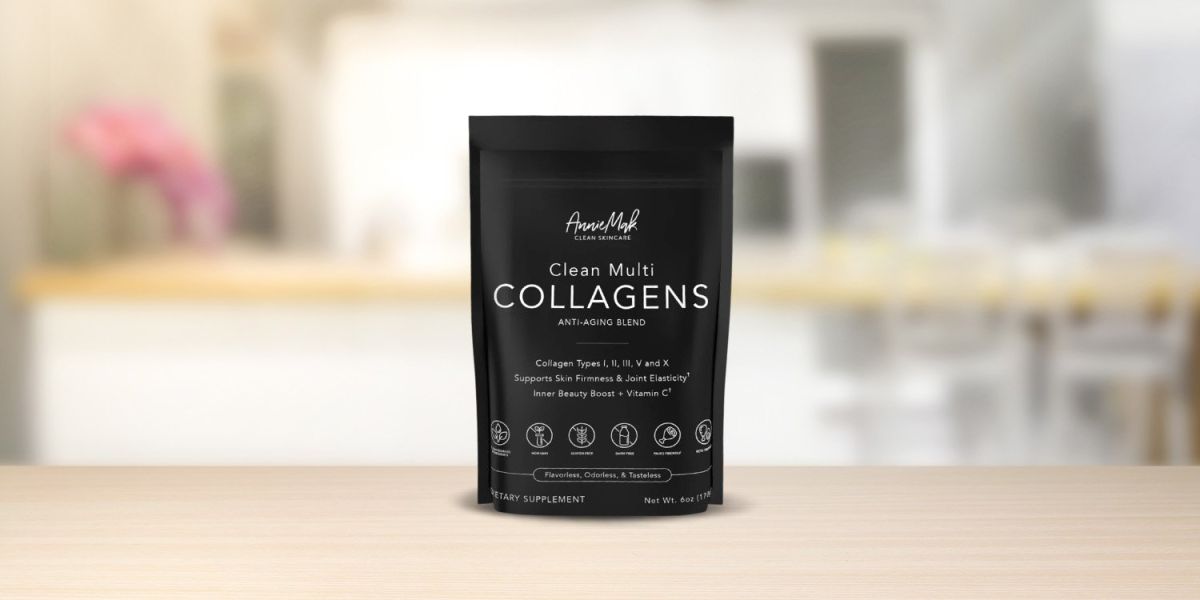
4. Best Unflavored Collagen Powder: Annie Mak Clean Multi Collagens

What we love

If you want collagen peptides that are completely flavorless, try this option. The collagen powder is made with real food sources (beef, chicken, fish, and eggshell) and third-party tested for safety. With the addition of vital proteins, collagen peptides may deliver enhanced benefits.

What customers love

Users love the taste-free collagen supplement and how it mixes with any drink more effectively than other collagen powders they've tried.

About Annie Mak

Annie Mak sells all kinds of serums, creams, and supplements to support skin health, improve skin hydration, and minimize signs of aging.

Pros:

  • Five types of collagen peptides
  • Cruelty-free collagen powders
  • Sulfate-, paraben-, gluten-, and GMO-free
  • Flavorless

Cons:

  • Not vegetarian or vegan

Specs:

  • Size: 6 ounces (170 grams)
  • Ingredients: Hydrolyzed collagen peptides, bovine and chicken bone broth, eggshell membrane collagen, acerola cherry, camu camu silica, zinc gluconate, pyroxidine hydrochloride

Learn more about Annie Mak Clean Multi Collagens today


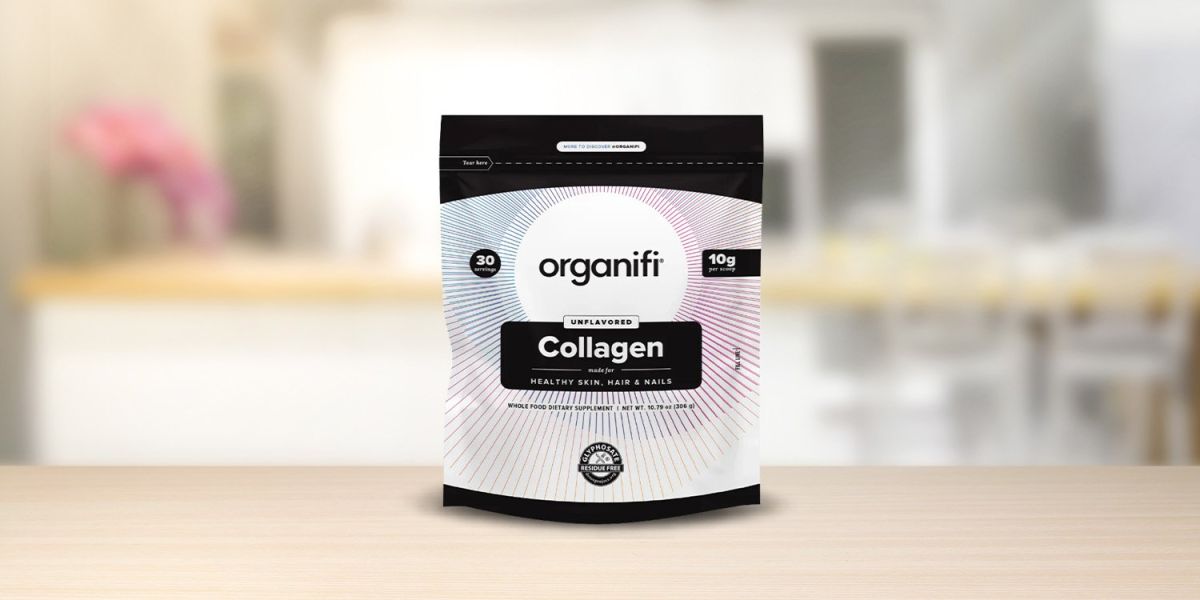
5. Best Collagen Powder for Skin, Hair, and Nails: Organifi Collagen

What we love

The Organifi collagen peptides increase collagen production to support skin health, minimize the appearance of fine lines, strengthen nails, and improve hair growth. These unflavored collagen peptides easily mix into coffee, water, yogurt, and more.

What customers love

After taking this Organifi collagen supplement, customers noticed their hair grows faster and their nails break less often.

About Organifi

Along with collagen supplements, Organifi also provides supplements for other health concerns.

Pros:

  • Dairy-, gluten-, and soy-free collagen peptides
  • Flavorless collagen peptides
  • Only four real food ingredients

Cons:

  • Not vegetarian or vegan

Specs:

  • Size: 10.79 ounces (306 grams)
  • Ingredients: Hydrolyzed collagen peptides, eggshell membrane collagen, chicken bone broth protein

Learn more about Organifi Collagen today


How To Find The Best Collagen Supplements for You

Form

Collagen supplements come in various forms, including collagen powders and capsules; consider what’s best for you.

Intended benefit

Before you try it, look at the supplement's intended benefit. Many collagen supplements are formulated with specific collagen peptides to target different concerns.

Ingredients

Check the ingredients of collagen supplements to ensure the collagen powders don’t contain anything you're allergic to, could interact with other medications, or contain aritfical ingredients. Examine the types of collagen peptides are used (bovine hydrolyzed collagen vs. marine hydrolyzed collagen, for example).

Collagen Powders & Collagen Peptides For You

Collagen production slows down as we get older, you'll probably start noticing joint pain, reduced skin elasticity, brittle nails, and other signs as you age. Collagen supplements can help improve many of those issues and help you feel younger and healthier.


Related Content

guitar, learning a skill, neuroscience, music, exposure, passive exposure, gardening

A woman learning how to play guitar.

Learning a new skill, such as playing an instrument, gardening, or picking up a new language, takes a lot of time and practice, whether that means scale training, learning about native plants, or using flashcards to memorize new words. To improve through practice, you have to perform the task repeatedly and receive feedback so you know whether you’re doing it correctly. Is my pitch correct? Did my geraniums bloom? Is my pronunciation understandable?

However, a new study by researchers at the Institute of Neuroscience at the University of Oregon shows that you can speed up these processes by adding a third element to practice and feedback: passive exposure. The good news is that passive exposure requires minimal effort and is enjoyable.


"Active learning of a... task requires both expending effort to perform the task and having access to feedback about task performance," the study authors explained. "Passive exposure to sensory stimuli, on the other hand, is relatively effortless and does not require feedback about performance."


woman reading, woman book, young woman, studying, new skills A woman reading a book.via Canva/Photos

How to pick up new skills faster?

So, if you’re learning to play the blues on guitar, listen to plenty of Howlin’ Wolf or Robert Johnson throughout the day. If you’re learning to cook, keep the Food Network on TV in the background to absorb some great culinary advice. Learning to garden? Take the time to notice the flora and fauna in your neighborhood or make frequent trips to your local botanical garden.

If you’re learning a new language, watch plenty of TV and films in the language you are learning. The scientists add that auditory learning is especially helpful, so listen to plenty of audiobooks or podcasts on the subject you’re learning about.

But, of course, you also have to be actively learning the skill as well by practicing your guitar for the recommended hours each day or by taking a class in languages. Passive exposure won't do the work for you, but it's a fantastic way to pick up things more quickly. Further, passive exposure keeps the new skill you're learning top-of-mind, so you're probably more likely to actively practice it.

What is passive exposure?

Researchers discovered the tremendous benefits of passive exposure after studying a group of mice. They trained them to find water by using various sounds to give positive or negative feedback, like playing a game of “hot or cold.” Some mice were passively exposed to these sounds when they weren't looking for water. Those who received this additional passive exposure and those who received active training learned to find the water reward more quickly.

gardening, woman gardening, gardening shears, leaning gardening, weeds A woman tending to her garden.via Canva/Photos


“Our results suggest that, in mice and in humans, a given performance threshold can be achieved with relatively less effort by combining low-effort passive exposure with active training,” James Murray, a neuroscientist who led the study, told University of Oregon News. “This insight could be helpful for humans learning an instrument or a second language, though more work will be needed to better understand how this applies to more complex tasks and how to optimize training schedules that combine passive exposure with active training.”

The one drawback to this study was that it was conducted on mice, not humans. However, recent studies on humans have found similar results, such as in sports. If you visualize yourself excelling at the sport or mentally rehearse a practice routine, it can positively affect your actual performance. Showing, once again, that when it comes to picking up a new skill, exposure is key.

The great news about the story is that, in addition to giving people a new way to approach learning, it’s an excuse for us to enjoy the things we love even more. If you enjoy listening to blues music so much that you decided to learn for yourself, it’s another reason to make it an even more significant part of your life.

- YouTube www.youtube.com

This article originally appeared last year.

Immigration

2,000 people sing directly to ICE agents in Minneapolis, beautifully imploring them to come together

The "singing resistance" choir shows the power of incorporating art into peaceful protests.

singing resistance, singing protest, ice protest, minneapolis, non-violent resistance

The "singing resistance" is growing in Minneapolis and beyond.

From the night the Sons of Liberty dumped hundreds of chests of tea into Boston Harbor in 1773, Americans have protested government policies and actions they disagree with in various ways. Some have staged peaceful sit-ins, while others have rioted in rage. Millions have marched to make their voices heard, carrying signs and chanting slogans that express their displeasure with what's happening in their country.

But occasionally, a unique form of protest stands out. Several weeks into the ICE operation in Minneapolis, in which the federal government sent 2,000+ agents and officers to carry out "the largest immigration operation ever," and which has led to disruptions at schools, conflict between federal agents and the community, and the killing of U.S. citizens, thousands of Minnesota residents have taken to the streets in protest. Among them is a growing band of singers who, instead of calling out the government with shouting and chants, are calling in the federal agents with songs and signs, inviting them to join the resistance.


It's a different approach to take, tapping into the humanity of individual agents instead of confronting the government as a whole. But 2,000 people have added their voices to the "singing resistance," forming a massive choir. They gather at a church to practice their songs, then take their message to the places where ICE agents are staying, singing:

We walk the same ground

We've been torn apart

Put down your weapons

And sing your part


The effect of combining the arts with our constitutional right to peacefully assemble is powerful, and the signs the singing resisters are holding are, too: "Please ICE agents. Join Us." "Love > Fear," "Choose Humanity. Quit ICE." "Stop the Violence." "We Are Family." "Be the hero that walks away." "The time is always right to do what is right." "You, too, are here to love and be loved."

The Singing Resistance Instagram account shared the heart of the message the singers hope to send to ICE agents, imploring them to quit their jobs and join "the side of love and humanity":

"Under federal occupation, Minneapolis has been going through immense pain, rage, and grief. But when they come at us with violence, we fight back with love. We still have space in our hearts for ICE agents who are willing to walk away from the path of violence and take accountability for harm they’ve caused. We paid ICE agents a visit today to call them home."

Another song they sang says:

It’s okay to change your mind
Show us your courage
Leave this behind
It’s okay to change your mind
And you can join us
Join us here anytime

The idea of inviting agents and officers to join a resistance movement isn't without precedent. Singing resistance organizers shared that they were inspired by the Otpor! civil resistance that helped overthrow Serbian dictator Slobodan Milosevic in 2000. Otpor! members would chant, "You may not join us today, but you can join us tomorrow," when they were arrested by the police. Ultimately, when hundreds of thousands marched on Belgrade, most of the police and military joined the opposition and refused to follow Milosevic's orders to fire on the protesters.

According to an Ipsos poll conducted on January 30 and 31, 2026, a full 62 percent of U.S. adults feel ICE’s actions go too far, compared to 13 percent who think they don't go far enough and 23 percent who said it was about right. That disapproval is four points higher than the week before, indicating that the ICE operations are unpopular with Americans, even those who normally support the Trump administration's policies.

People from all over the United States shared words of encouragement for the choir, expressing how moved they are by the singing resistance:

"I love how the singing is both dissent/resistance and it feeds hope and replenishes energy. It is so soul-nourishing. I’d love to be a part of this! Sending my love and care to you all from Maryland as a MN born and raised woman. Sing on!!!"

"I think the music resistance is very effective and moving. Thank you for all your fine efforts from way over here in upstate New York. Thank you for standing up for all of us in the country."

"We are one chord, beautiful beautiful voices thank you so much for sharing Minnesota. I’m a musician and singer here in Eugene, Or, and when I hear hundreds of you singing like that, I cannot tell you how healing it is for me how powerful and indeed how brave."

"I have a song in my heart again! After weeks of crying crying in despair, thank you for singing us into a hopeful future of healing, reconciliation, and RESISTANCE❤️

"This is more revolutionary than so many know."

"Prince left his legacy forever. Minneapolis strong."

"This reminds me of Estonia's singing revolution and I'm here for it. ❤️❤️"

The Singing Resistance account has shared a toolkit and songbook and organized a virtual training on how to organize a local singing resistance choir for those interested in doing something similar.

The right to peacefully assemble and voice our disagreement with our government is guaranteed in the Constitution, and there are many creative ways to do it. When people are singing in harmony in the street, it not only gets attention, but it's hard to criticize or confront that kind of peaceful protest. (Imagine the optics of trying to break up a peacefully singing crowd.) Will the choir's earworms calling to their humanity really make a difference with any ICE agents in Minneapolis? Time will tell. In the meantime, people around the world are hearing them loud and clear and joining the harmonious chorus of non-violent resistance.

Popular

I showed my Gen Z kids 'Dead Poets Society' and their angry reactions to it floored me

"Inspiring" apparently means different things to Gen X and Gen Z.

Robin Williams in Dead Poets Society, gen x and gen z differences

Robin Williams played inspiring English teacher John Keating in "Dead Poets Society."

As a Gen X parent of Gen Z teens and young adults, I'm used to cringing at things from 80s and 90s movies that haven't aged well. However, a beloved film from my youth that I thought they'd love, "Dead Poets Society," sparked some unexpectedly negative responses in my kids, shining a spotlight on generational differences I didn't even know existed.

I probably watched "Dead Poets Society" a dozen or more times as a teen and young adult, always finding it aesthetically beautiful, tragically sad, and profoundly inspiring. That film was one of the reasons I decided to become an English teacher, inspired as I was by Robin Williams' portrayal of the passionately unconventional English teacher, John Keating.


The way Mr. Keating shared his love of beauty and poetry with a class of high school boys at a stuffy prep school, encouraging them to "seize the day" and "suck all the marrow out of life," hit me right in my idealistic youthful heart. And when those boys stood up on their desks for him at the end of the film, defying the headmaster who held their futures in his hands? What a moving moment of triumph and support.

My Gen Z kids, however, saw the ending differently. They did love the feel of the film, which I expected with its warm, cozy, comforting vibe (at least up until the last 20 minutes or so). They loved Mr. Keating, because how can you not? But when the movie ended, I was taken aback hearing "That was terrible!" and "Why would you traumatize me like that?" before they also admitted, "But it was so gooood!"

- YouTube youtu.be

The traumatize part I actually get—I'd forgotten just how incredibly heavy the film gets all of a sudden. (A caveat I feel the need to add here: Gen Z uses the word "traumatize" not in a clinical sense but as an exaggerative term for being hit unexpectedly by something sad or disturbing. They know they weren't literally traumatized by the movie.)

But in discussing it further, I discovered three main generational differences that impacted my kids' "Dead Poets Society" viewing experience and what they took away from it.

1) Gen Z sees inspiring change through a systemic lens, not an individual one

The first thing my 20-year-old said when the credits rolled was, "What? That's terrible! Nothing changed! He got fired and the school is still run by a bunch of stodgy old white men forcing everyone to conform!" My immediate response was, "Yeah, but he changed those boys' individual lives, didn't he? He helped broaden their minds and see the world differently."

 o captain my captain, dead poets society Individual impact isn't as inspiring to Gen Z as it was to Gen X. Giphy

I realized that Gen X youth valued individuals going against the old, outdated system and doing their own thing, whereas Gen Z values the dismantling of the system itself. For Gen X, Mr. Keating and the boys taking a stand was inspiring, but the fact that it didn't actually change anything outside of their own individual experiences stuck like a needle in my Gen Z kids' craw.

2) Gen Z isn't accustomed to being blindsided by tragic storylines with no warning

To be fair, I did tell them there was "a sad part" before the movie started. But I'd forgotten how deeply devastating the last part of the movie was, so my daughter's "Why would you do that to me?!" was somewhat warranted. "I thought maybe a dog would die or something!" she said. No one really expected one of the main characters to die by suicide and the beloved teacher protagonist to be blamed for his death, but I'd somehow minimized the tragedy of it all in my memory so my "sad part" warning was a little insufficient.

But also to be fair, Gen X youth never got any such warnings—we were just blindsided by tragic plot twists all the time. As kids, we cheered on Atreyu trying to save his horse from the swamp in "The Neverending Story" only to watch him drown. Adults showed us "Watership Down" thinking it would be a cute little animated film about bunnies. We were slapped in the face by the tragic child death in "My Girl," which was marketed as a sweet coming of age movie.

Gen Z was raised in the era of trigger warnings and trauma-informed practices, while Gen X kids watched a teacher die on live TV in our classrooms with zero follow-up on how we were processing it. Those differences became apparent real quick at the end of this movie.


3) Gen Z fixates on boundary-crossing behavior that Gen X either overlooked or saw as more nuanced

The other reaction I wasn't expecting was the utter disdain my girls showed for Knox Overstreet, the sweet-but-over-eager character who fell for the football player's cheerleader girlfriend. His boundary-crossing attempts to woo her were always cringe, but for Gen X, cringe behavior in the name of love was generally either overlooked, tolerated, or sometimes even celebrated. (Standing on a girl's lawn in the middle of the night holding a full-volume stereo over your head was peak romance for Gen X, remember.) For Gen Z, the only thing worse than cringe is predatory behavior, which Knox's obsessiveness and pushiness could arguably be seen as. My own young Gen X lens saw Knox and said, "That's a bit much, dude. Take it down a notch or three." My Gen Z daughters' lens said, "That guy's a total creepo. She needs to run far the other way."

run, red flag behavior Gen Z is much more black and white about behaviors than previous generations. Giphy Red Flag Run GIF by BuzzFeed

On one hand, I was proud of them for recognizing red flag behaviors and calling them out. On the other hand, I saw how little room there is for nuance in their perceptions, which was…interesting.

To be clear, I don't think my Gen Z kids' reactions to "Dead Poets Society" are wrong; they're just different than mine were at their age. We're usually on the same page when it comes to these kinds of analyses, so seeing them have a drastically different reaction to something I loved at their age was really something. Now I'm wondering what other favorite movies from my youth I should show them to see if they view those differently as well—hopefully without "traumatizing" them too much with the experience.

This article originally appeared in January.

social skills, michael baker, conversation tips, small talk, small talk tips, social science, how to be social, making friends

Two men having a conversation

You probably heard plenty of people say they hate small talk. You might even consider yourself someone who loathes it. One of the most common arguments against small talk is that it’s “superficial,” energy draining, and doesn’t foster a real human connection.

Well, according to British etiquette enthusiast and content creator on all things conversation-related (not to mention author) Michael Baker, “You don’t hate small talk. You’re just terrible at it.”


In an Instagram post, Baker argued that those who see small talk as “beneath them” are failing to see it as a “test” (for compatibility, connection, shared values, etc.), which will inevitably lead to getting “left out.”

He then gave five tips to help folks shift that mindset and make small talk work for them. Honestly, even those who aren’t adamantly against small talk might find themselves guilty of some of these mistakes and could benefit from making these tweaks.

five, five fingers, five tips, man, advice, help Young man holds up his hand to show five.Photo credit: Canva

#1 Avoid answering questions too literally

Perhaps in an attempt to be authentic, or to avoid taking up all the oxygen in the room, people might use responses that are accurate and succinct, but not exactly conversational. This doesn’t give the other person anything to “bounce off of,” which is what’s really being asked for.

To remedy this, Baker suggests to always give a real response plus a “hook.” He gave the example of saying “Mostly work, but I’m trying to teach myself how to play guitar. Chaos!” when asked, “What have you been up to?” rather than saying “Not much, just working.”

#2 Don’t ask questions like it’s a job interview

Baker says ask “open-ended, low-stakes” questions like “what’s keeping you busy outside of work?” to invite a sense of “play.” Conversely, asking things like “where are you from?” invites a sense of formality, pressuring people to “perform.”

social skills, michael baker, conversation tips, small talk, small talk tips, social science, how to be social, making friends Two women having a conversation at a coffee shop. Photo credit: Canva

#3 Allow depth to come in naturally

Since the thought of shallow conversation might seem uncomfortable, those who are small talk-averse might find themselves immediately asking overarching existential questions like, “What drives you?” Baker argues that one must trust that “shallow comes before depth,” and must be used as a “warm-up act.” Otherwise, people are put on the spot unnecessarily, which obviously doesn't foster connection.

#4 Initiate conversation instead of only speaking when spoken to

What may seem like “politeness” can come across as unapproachable. The good thing is: this is an opportunity for some “low-pressure,” even “lightly self-deprecating” observations. Baker used the example of saying, “That snack table’s dangerously close to me.”

#5 Treat small talk as the “main event”

social skills, michael baker, conversation tips, small talk, small talk tips, social science, how to be social, making friends Two women talking as the leave a yoga classPhoto credit: Canva

This might be the biggest tip of all. Here, Baker reminds us that for the majority of human interaction, small talk is the way in, and therefore should be “respected.” Virtually no one is going to say, “Let’s network,” but odds are they’ll easily comment on the weather. It’s our job to learn what they’re really saying with this mundane phrase.

Because, at the end of the day, “if you keep waiting for ‘real’ conversation, you’ll miss all the real opportunities,” Baker writes.

After reading these tips, you very well might still loathe the idea of small talk, which is totally fine. It doesn’t have to be for everyone, nor should it. But what Baker really presents here is a way to reflect on whether or not our attitudes are preventing us from making valuable connections. If we suspect that might be the case, then it could be worth experimenting with some of these tools.

If you’d like even more tips, Baker has a guide aptly titled Let’s Not Make It Weird, which you can check out here.

slowmaxxing, slow living, slowing down, calm, comfort, mental health, wellness, mental wellbeing, psychology

"Slowmaxxing" is all about doing one thing at a time, as slowly as possible, to re-train your nervous system.

Many of us live in a constant state of urgency. Technology and societal advancements have made progress and communication nearly instant, so the pressure to be "always on" and always productive has skyrocketed. We multi-task constantly, so much so that many of our lives can be perfectly summed up by our overloaded web browsers. The average person has five to ten browser tabs open at any given time, with many juggling dozens or even hundreds at a time. We've got a work spreadsheet, a potential dinner recipe, a PDF form for the doctor, and a bill-to-be-paid all sitting there staring at us while our phones and chat apps buzz and ping.

Not surprisingly, this level of chaos is not good for our brains, and it's only made worse by the rise of algorithmic, short-form social media content that has wreaked havoc on our body's dopamine reward system.


But some people are claiming they've found a solution, and the experts seem to agree that it can help. It's called "slowmaxxing" and it's beautiful in its simplicity.

If you're not fluent in Gen Z brainrot vernacular, the suffix "maxxing" just means to optimize that aspect of your life. "Looksmaxxing," for example, is an intense form of grooming, diet, exercise, skincare, and fashion to get the most of our your appearance. "Slowmaxxing," then, is living life as slowly as possible.

The idea of slow living is nothing novel, but "slowmaxxing" really began to take hold in the last few years after a since deleted Tweet went hugely viral:

"You need to be reading long, fat books. You need to be making 48-hour chocolate chip cookies. You need to spend hours watching wildlife, you need to spend 15+ min making your coffee. You need to breathe in and out. You need to be slow."

Millions viewed and shared the post, and it has since been iterated and re-posted on Instagram and TikTok countless times. The sentiment, it seems, has really struck a nerve with people who feel burnt-out and overloaded.

@monroviaboycore

You need to 🤗 this song is “rust.” I hope you add it to all your summertime playlists :) #folkmusic #gregoryalanisakov #taylorswift

Doing things slowly sounds great. It sounds cozy, comforting, and calming. But what it does to your brain may actually be critically important.

First, we have to understand what our "fast-paced" lifestyle is really doing to our psychologies, and why it feels wrong and uncomfortable for so many of us when we try to rest.

"When someone spends years in a high stimulus environment, with all the constant pings, rushing to get here and there, attempts at multitasking, their nervous system becomes so adapted to urgency that resting actually feels unsafe," Stephanie Steele-Wren, a licensed psychologist and owner of PsychologyWorks tells Upworthy. "The brain essentially learns that stillness is an unfamiliar concept and becomes suspicious if you aren’t always doing something."

That's why slowing down and resting isn't merely as simple as sitting down to read a book, or laying on the beach once or twice a year. When you're not well-practiced in the art of stillness, those moments of rest feel uncomfortable or even scary. Sometimes, even incredibly simple mundane inconveniences like waiting for a glass of water to fill up or standing in a short line for coffee can be excruciatingly frustrating.

"Intentionally slowing down is less about relaxing and more about recalibrating how our nervous systems respond to the environment," Steele-Wren says.

The good news is that it's easy to try slowmaxxing. Any screen-free task that you focus on without multi-tasking for an extended amount of time is great training for your brain and nervous system:

  • Making and drinking your morning coffee as its own activity (perhaps while staring out the window)
  • Soft hiking, or leisurely strolling through nature and taking in the sights, smells, and sounds with no emphasis on distance, exercise, or destination
  • A walk around the block with no music or podcast
  • Cooking at your own pace and savoring the colors and flavors of the ingredients
  • Enjoying slow, screen-free meals—maybe on a patio where you can people watch or listen to the birds
  • Reading a book for long stretches, appreciating and re-reading the prose and not rushing to check it off your To Be Read list
  • Listening to music as a primary activity and not background noise
  • Walking next to or behind "slow walkers" instead of zooming around them
  • Not racing through yellow lights, and being content to catch the next cycle

The concept is simple, but slowmaxxing may feel uncomfortable or difficult at first. That's a strong sign that it could do you some good.

"If slowing down feels uncomfortable, that discomfort is okay. The brain is simply reacting the way it has been trained," says Steele-Wren. She says grounding tasks like using a fidget spinner can be useful if your body is feeling overwhelmed by the need to do something during moments of stillness.

"A helpful approach that helps over time is to start with very very small doses of slowing down. Maybe that is sixty seconds or so of intentional slowness, such as brushing your teeth mindfully, folding laundry without a podcast and no streaming services on in the background, or drinking one cup of coffee without picking up your phone."

She adds that it takes practice and consistence to re-train the way your body and brain react to slowness and come out of "24/7 survival mode."

- YouTube www.youtube.com

The benefits, once you've begun to re-regulate, are enormous. One of the biggest laments of many adults is how quickly time goes by, and that it seems to go by faster and faster as we age. Ironically, slowing down and doing less may be one solution.

"Make a conscious effort to slow down. Take a few moments to release your attention from activity and take in the reality of where you are and what you’re doing. You might find that your day becomes longer as a result," writes author Steve Taylor for Psychology Today. "By living slowly, we experience much more reality, since we become present. We also find life much less stressful, and more fulfilling."