upworthy

buy nothing

Community

The 'Buy Nothing Rebellion' is growing as more people opt out of modern consumerism

"The product is never the point. It's the craving, the desire that they're actually selling us."

buy nothing; consumerism; consumer targeting; marketing; economy

The 'Buy Nothing Rebellion' is growing as people opt out of consumerism.

Buying nothing may sound like a quirky gimmick, something an influencer would tease before asking you to pay for a very expensive course. While that would be ironic, the buy nothing trend is now turning into a full rebellion as people struggle with making ends meet in the new economy. There is no class to buy, and no real secret to making it work beyond what people have been doing for centuries.

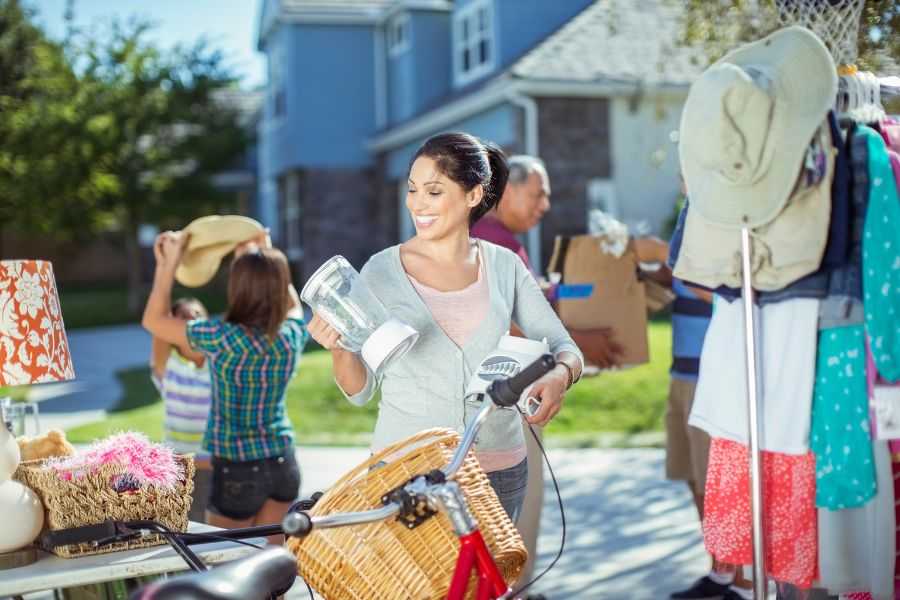
More people are turning to bartering services in exchange for things that they need, while others are turning to "Buy Nothing" groups on social media. The purpose of these groups is to give people a centralized place to list items they no longer want and request items they need. No money or services are exchanged.

The practice of giving away items one person no longer needs is not new, but it is on the rise. Some people have declared they're not purchasing anything outside of necessities for the entire new year. For some buy nothing rebels, the move is strictly financial. They are looking for ways to save as much money as possible to offset rising costs in other areas, such as groceries and utilities. For others, refusing to buy unneeded items is a way to dial back consumerism.

buy nothing; consumerism; consumer targeting; marketing; economy A cozy outdoor setup with a piggy bank and essentials.Photo credit: Canva

As people spend more time online, interacting with targeted ads has become the norm. Someone searches for comfy socks once, only to spend the next three months scrolling past sock ads. It does not take long to start thinking you might actually need those memory foam, microfiber, astronaut-tested space socks that promise to make every step feel like walking on a cloud. Adding to the sudden sense of need, at least two celebrities, a personal friend, and several influencers are now telling you how great they are.

Buy nothing rebels are not only feeling the strain on their wallets, but also the pressure to buy things they do not need, and they are tired of it. Amare, who hosts the YouTube channel Amare's Approach, shares how companies design ads to create a sense of missing out and push people to buy their products.

"You see, companies have been training us to chase this sense of not enough, and we fall for it again and again," Amare says. "We buy what we don't need, hoping to feel complete. Hoping to feel just anything, and that's exactly where the buy nothing rebellion starts. Noticing that trap, seeing the patterns, and then realizing that the desire itself is what they've been selling. We keep chasing thinking, maybe the next thing will make me happy, but it never does. The product is never the point. It's the craving, the desire that they're actually selling us."

Throughout the video, Amare points out that people are tired of being perpetual consumers, a mindset that leads to excessive spending. Buy Nothing groups let people get items both large and small for free. Sometimes the items are as small as plants, like when Lauren Click found dying aloe plants in her local Buy Nothing group. Instead of seeing trash, she saw multiple gifts, she told Scripps News. She salvaged each living aloe pup, repotted them into smaller containers, wrapped each pot with a bow, and gave them away as gifts.

"This is mutual aid. We are taking care of each other by sharing the things that we might no longer need but it will make a world of difference to a nearby family," Liesl Clark, founder of the Buy Nothing Project, told TODAY.

Clark started the original project as a social experiment to see if people would help their neighbors. It quickly grew into a global movement, with more than 8,000 groups worldwide on social media. There is now an app for people who do not use Facebook but still want to participate. People can turn to the group when they are in need, such as when a single mother ran out of special formula for her infant.

No matter why someone joins the Buy Nothing Rebellion, it can help people in need, save money, and reduce textile waste entering the environment. According to Clark, it also helps people build community and get to know their neighbors.

Buying nothing doesn't mean you won't spend money. Unfortunately, electric companies and doctors' offices do not trade old coffee pots for services, so spending on necessities is unavoidable. But if you're looking to reduce your overall spending, it can't hurt to join your local Buy Nothing group to see if someone is getting rid of the thing you need or want. Why spend the money if you don't have to?