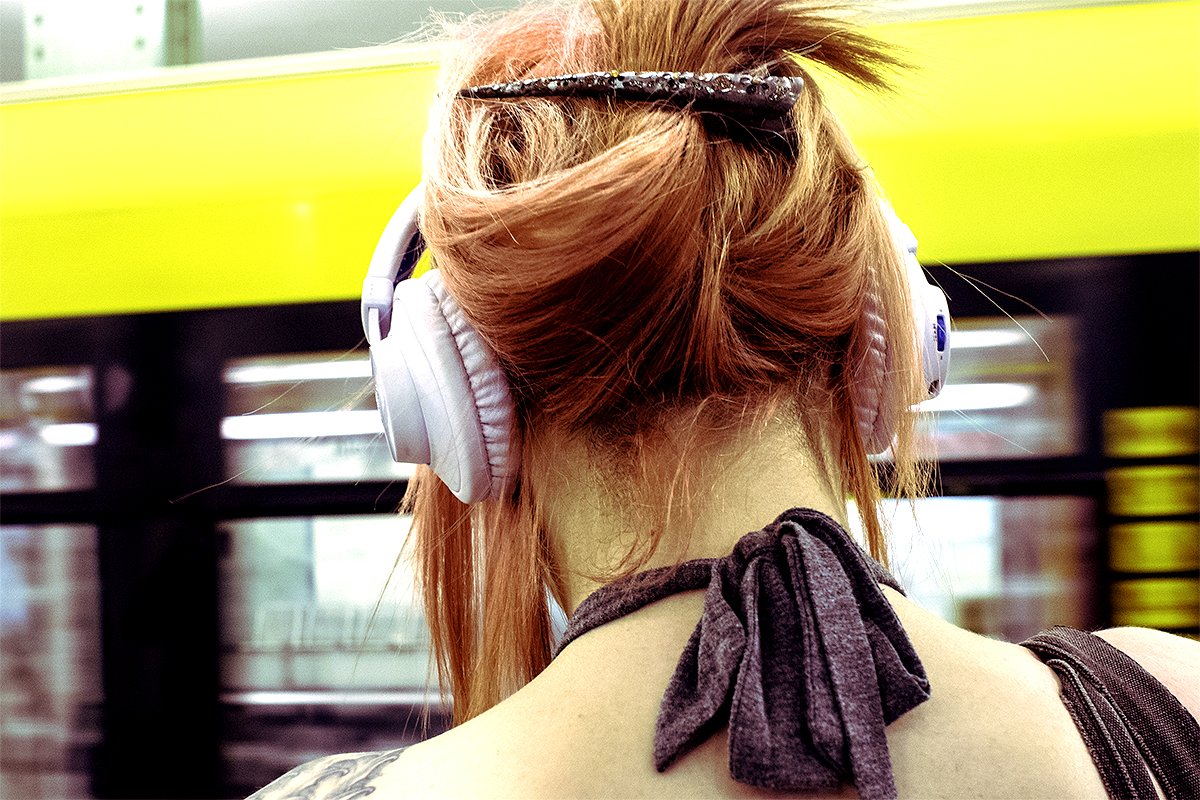
There was a time not too long ago when teens blasting music too loudly was everyone’s problem. Parental cries of “Turn down that damned music!” seemed to punctuate every day. But with the advent of tiny, high-performance headphones, the volume battles have become personal and much more challenging to monitor. Now, as more people are plugging into music anywhere and everywhere with what experts call personal listening devices (PLDs), alarms are being raised about a new trend: unsafe listening practices that could lead to widespread hearing loss in young people.

A recent global study conducted by researchers from the Medical University of South Carolina and colleagues worldwide examined the listening habits of people aged 12 to 34, focusing on exposure to loud sounds from earbuds and headphones as well as at entertainment venues like econcerts, clubs, and festivals. The findings reveal that unsafe listening habits aren’t isolated; they’re a global issue affecting millions of young ears worldwide.
Loud music, quiet consequences
The study collected data from over 19,000 individuals across 33 studies and found that roughly
24% of young people are likely using their PLDs at unsafe volumes. When it comes to loud entertainment venues, that number rises significantly, with around 48% of attendees exposed to potentially harmful sound levels.
Key Findings:
- Personal Listening Devices: 23.81% of young listeners engage in unsafe listening practices via headphones and earbuds.
- Entertainment Venues: 48.20% of young people attending concerts or clubs are exposed to volumes that can damage hearing over time.
The World Health Organization’s guidelines indicate that listening above 85 decibels for long periods can cause irreversible hearing damage, and many concerts and clubs easily exceed this threshold. With more young people tuning in to louder sounds, often for extended periods, the cumulative impact could be life-altering.
“Unsafe listening practices are highly prevalent worldwide and may place over 1 billion young people at risk of hearing loss.”
— Lauren K. Dillard, lead researcher
A hidden health crisis affecting over a billion people
The most striking takeaway from this study is the sheer number of young people at risk. The researchers estimate that between
670 million and 1.35 billion adolescents and young adults worldwide could be on a path toward hearing loss due to unsafe listening practices. This staggering number makes hearing damage a serious, though often overlooked, global health issue.
Hearing loss often progresses gradually, with early symptoms easy to miss. Many don’t realize they have hearing issues until the damage has already affected their quality of life, including their ability to understand speech in noisy settings or fully enjoy music at safer volumes. Dr. Lauren Dillard, the lead researcher, highlighted the urgent need for action, emphasizing that unchecked, this issue could affect a generation.
Tech steps in: New solutions to address unsafe listening
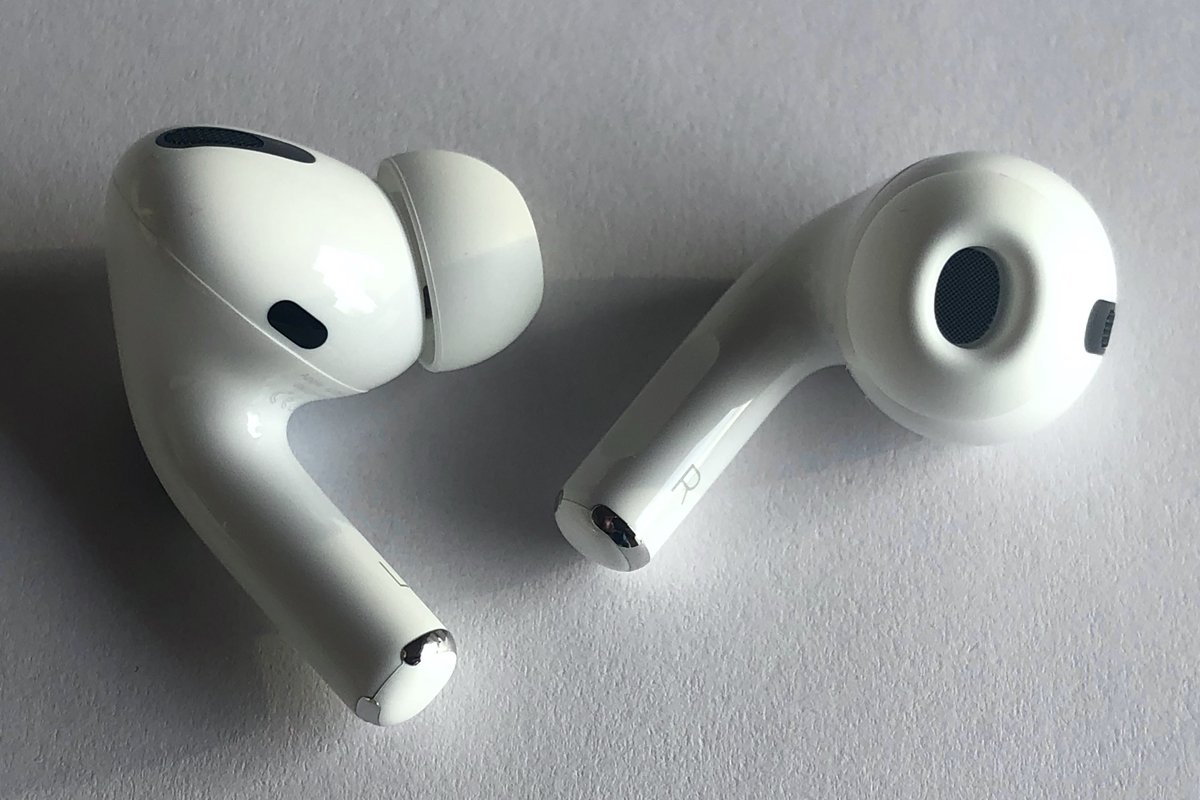
Recognizing the growing concern around hearing damage, some tech companies are stepping up with innovative solutions to help protect users. Apple, for instance, has recently introduced new hearing health features in its AirPods and iPhones that focus on reducing noise exposure and enabling easy hearing checkups.
- Hearing Test in iOS Health App: Apple now offers an in-app hearing test available on the iPhone, allowing users to assess their hearing from their device, with results saved in the Health app. Users can even upload professional hearing test results for comparison. Designed to prevent gaming, the test uses randomized tones for accuracy, helping users better understand their hearing health over time.
- Hearing Protection with AirPods Pro 2: With the recent iOS 18.1 update, AirPods Pro 2 offers hearing protection across all listening modes, including Noise Cancellation, Transparency, and Adaptive Audio. These settings help reduce exposure to overly loud sounds, adding a layer of defense for users in noisy environments. However, extreme sounds like fireworks or gunfire are still beyond its intended scope.
As Apple introduces these features, other manufacturers are likely to follow suit, with industry experts suggesting that hearing protection technology will soon become a common offering across high-end audio devices. These developments are a promising step, as technology starts to play a more active role in helping individuals protect their hearing.
Protecting your ears in a loud world
With sound technology getting smaller, sleeker, and more powerful, it’s easy to slip into unsafe listening habits. But a few small changes can go a long way toward protecting your hearing. Taking regular breaks, lowering the volume slightly, and considering noise-canceling headphones are all small steps with significant benefits.
This study’s findings are a wake-up call. Hearing loss is often preventable, but once it sets in, it’s challenging to reverse. By spreading awareness, encouraging policy changes, and practicing safe listening, we can help protect our ears and preserve the music we love—at safer volumes—for years to come.