

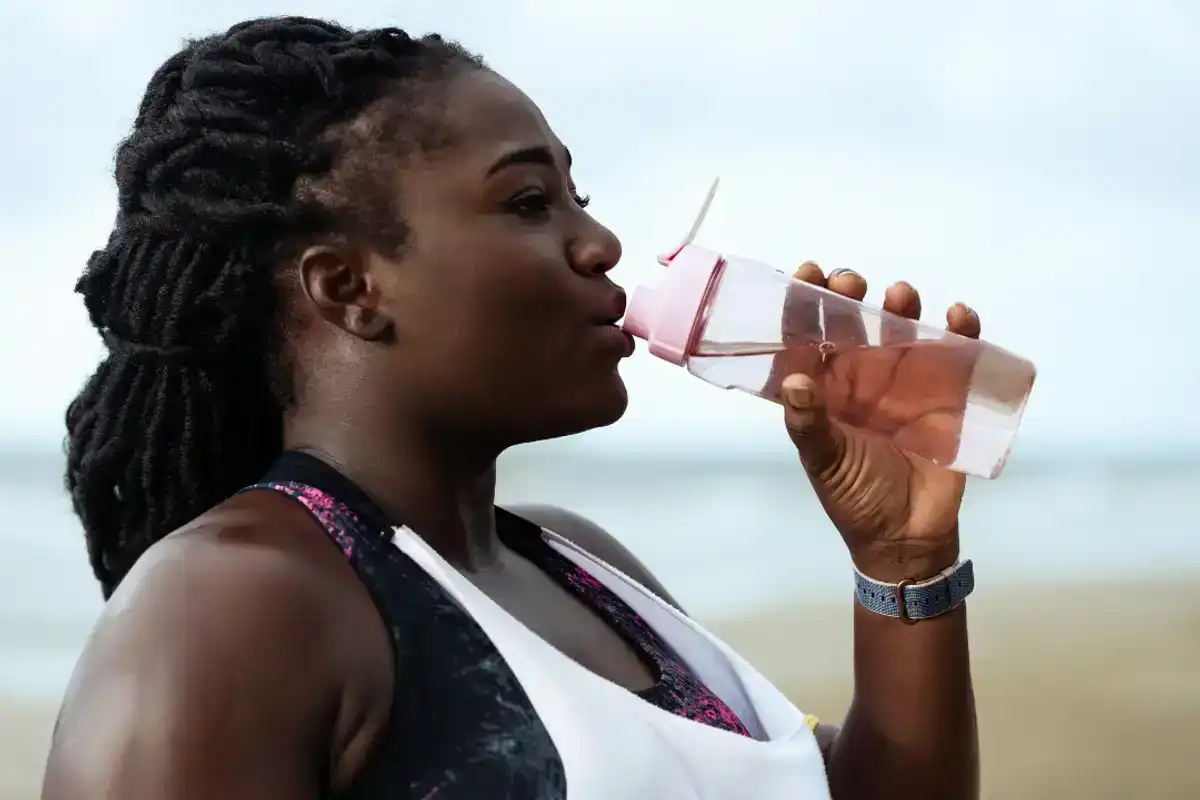
Could you be more effective with your water intake?
Here’s something we all know but rarely think about: 75% of the human body is made up of water. Essentially, we’re water balloons with legs, or whatever the heck Flubber was.
To maintain that internal reservoir, humans need to drink 15 cups of water (for men) and 11 cups of water (for women) daily. It doesn’t take a math whiz to realize that’s a lot of water. To put that into perspective, according to the Omni Calculator (a great online tool that determines a person’s total body water volume using a formula developed by Dr. P.E. Watson), beloved character actor Steve Buscemi is currently carrying around 83.74 pounds of water in his body, or approximately 10 gallons.
But what if you’ve been drinking water, that sweet elixir of life, all wrong? Or, at the very least, ineffectively? Just as every plant has its ideal growing conditions, according to doctors and medical professionals, the temperature of the water we drink matters a lot more than you might think.
Room-temperature, ice-cold and straight from the fridge, slightly warm for no reason at all: when it comes to drinking water, everyone has their own unique methods of getting the job done. But while we continue to chug our preferred water temperatures without question, we might be missing out on some serious health benefits—or even causing ourselves unnecessary discomfort.
Medical experts have discovered that water temperature, when used at the right time, can significantly improve your wellbeing, affecting everything from how we digest our food to how well we perform during workouts. All water hydrates, but the temperature at which you drink it can make all the difference.
Room-temperature water is your digestive system's best friend
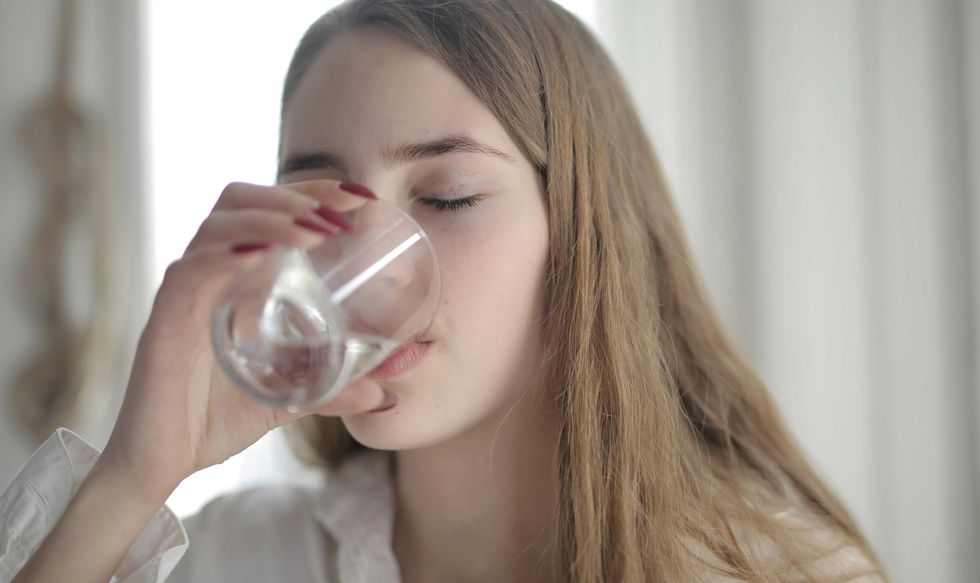 A woman drinking room-temperature water. Photo Credit: Andrea Piacquadio/Pexels
When to drink
Good morning! Many dieticians and wellness experts recommend drinking room-temperature water (about 68°F) first thing in the morning to gently activate your gastrointestinal tract (It also promotes regular bowel movements, FYI). This gentle approach is often referred to as “Japanese water therapy,” and encourages sipping 4-5 glasses (about ¾-cup each) upon waking then waiting 45 minutes before breakfast. It’s also great for everyday hydration, since room-temperature water is often easier to gulp.
Why it works
"In Chinese medicine we advocate drinking warm water because of its effect on the digestive system," Dr. Jill Blakeway, a licensed doctor of acupuncture and Chinese medicine, explains. “Drinking cold water can congeal the fats in food and because of that can make the digestive system sluggish."
Your body absorbs room-temperature water more easily, causing minimal disruption to the digestive system, making it the go-to option for sensitive stomachs.
Ice-cold water is perfect for workouts and hot days
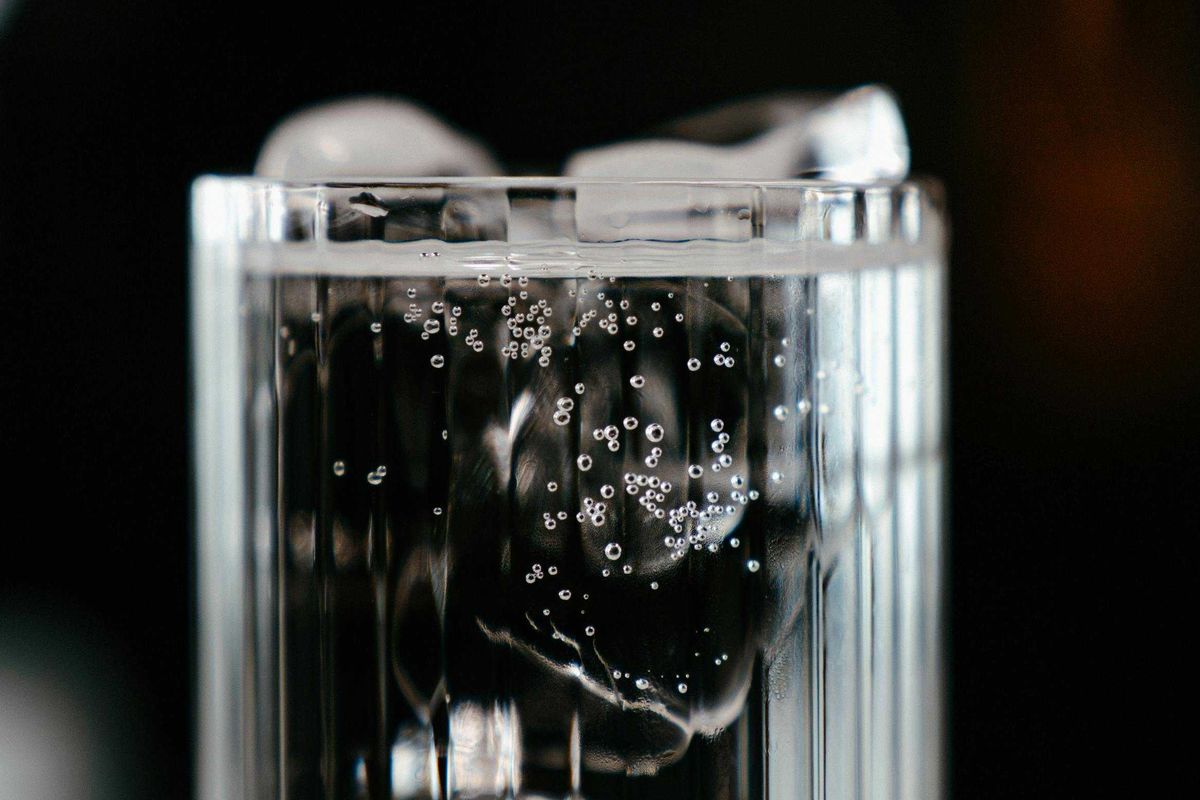 A glass of water with ice. Photo Credit: Cottonbro Studio/Pexels
When to drink
This one is for the athletes and fitness gurus: Cold water (around 41°F from the fridge or 60°F from the tap) is your new best friend. Like a refreshing summer breeze, cold water has a natural way of cooling the body down during or after an exercise. It also gives your metabolism a tiny boost: according to research, your body expends about five calories per ounce of ice while warming the water to body temperature.
Why it works
Studies show that drinking cold water triggers a special reflex that helps you to stop sweating sooner, effectively lowering your core temperature and enhancing overall performance.
“It turns out that sweating stops before fluid can completely be incorporated into the body,” says gastroenterologist Dr. Brian Weiner. “There’s some kind of reflex that acknowledges liquid intake, and studies have shown that it kicks in more at the cold tap water level.”
Hot water soothes what ails you
 A woman drinks hot water. Photo Credit: Andrea Piacquadio/Pexels
When to drink
Hot water (130-160°F) can be incredibly soothing when you’re under the weather. So, if you’re feeling congested or battling a sore throat, a nice mug of hot water might be just what the doctor ordered. A 2008 study found that hot drinks work like a natural remedy, providing quick, lasting relief from runny noses, coughing, sore throats, and fatigue.
Why it works
Like a warm summer rain, hot water creates steam that helps clear sinus congestion, while its pacifying warmth relaxes the gastrointestinal and digestive muscles. In fact, a small study showed that warm water worked wonders for patients recovering from surgery, improving their comfort and digestive health.
Warm or hot water can also literally melt away stress, as long as temperatures are kept comfortably warm: water above 160°F can scald your esophagus or damage your taste buds.
When to avoid certain water temperatures
 This goes beyond personal preference.Photo Credit: Maurício Mascaro/Pexels
- Migraines. Do not drink cold water! Research from 2001 found that the refreshing drink can trigger—or even exacerbate—headaches in those who are already prone to them.
- Achalasia. If your esophagus is compromised, cold water can worsen symptoms. Try swapping in warm water instead, which can help soothe and relax the lower esophageal sphincter.
- Hot, sweaty days. Surprisingly, despite what old wives’ tales might say, warm water can actually make you feel less thirsty, which registered dietician Vanessa Rissetto warns "can be dangerous on days when your body is losing water through sweating to try to keep cool."
We all know drinking water is important, but just as a garden thrives with the right care at the right time, you can optimize and customize that all-essential water you drink throughout the day. Whether that’s out of a Stanley tumbler, Owala water bottle, or Yeti flask, is up to you.
This article originally appeared in May. It has been updated.

 A Generation Jones teenager poses in her room.Image via Wikmedia Commons
 An office kitchen.via
  An angry man eating spaghetti.via



An Irish woman went to the doctor for a routine eye exam. She left with bright neon green eyes.
It's not easy seeing green.
Did she get superpowers?
Going to the eye doctor can be a hassle and a pain. It's not just the routine issues and inconveniences that come along when making a doctor appointment, but sometimes the various devices being used to check your eyes' health feel invasive and uncomfortable. But at least at the end of the appointment, most of us don't look like we're turning into The Incredible Hulk. That wasn't the case for one Irish woman.
Photographer Margerita B. Wargola was just going in for a routine eye exam at the hospital but ended up leaving with her eyes a shocking, bright neon green.
At the doctor's office, the nurse practitioner was prepping Wargola for a test with a machine that Wargola had experienced before. Before the test started, Wargola presumed the nurse had dropped some saline into her eyes, as they were feeling dry. After she blinked, everything went yellow.
Wargola and the nurse initially panicked. Neither knew what was going on as Wargola suddenly had yellow vision and radioactive-looking green eyes. After the initial shock, both realized the issue: the nurse forgot to ask Wargola to remove her contact lenses before putting contrast drops in her eyes for the exam. Wargola and the nurse quickly removed the lenses from her eyes and washed them thoroughly with saline. Fortunately, Wargola's eyes were unharmed. Unfortunately, her contacts were permanently stained and she didn't bring a spare pair.
- YouTube youtube.com
Since she has poor vision, Wargola was forced to drive herself home after the eye exam wearing the neon-green contact lenses that make her look like a member of the Green Lantern Corps. She couldn't help but laugh at her predicament and recorded a video explaining it all on social media. Since then, her video has sparked a couple Reddit threads and collected a bunch of comments on Instagram:
“But the REAL question is: do you now have X-Ray vision?”
“You can just say you're a superhero.”
“I would make a few stops on the way home just to freak some people out!”
“I would have lived it up! Grab a coffee, do grocery shopping, walk around a shopping center.”
“This one would pair well with that girl who ate something with turmeric with her invisalign on and walked around Paris smiling at people with seemingly BRIGHT YELLOW TEETH.”
“I would save those for fancy special occasions! WOW!”
“Every time I'd stop I'd turn slowly and stare at the person in the car next to me.”
“Keep them. Tell people what to do. They’ll do your bidding.”
In a follow-up Instagram video, Wargola showed her followers that she was safe at home with normal eyes, showing that the damaged contact lenses were so stained that they turned the saline solution in her contacts case into a bright Gatorade yellow. She wasn't mad at the nurse and, in fact, plans on keeping the lenses to wear on St. Patrick's Day or some other special occasion.
While no harm was done and a good laugh was had, it's still best for doctors, nurses, and patients alike to double-check and ask or tell if contact lenses are being worn before each eye test. If not, there might be more than ultra-green eyes to worry about.