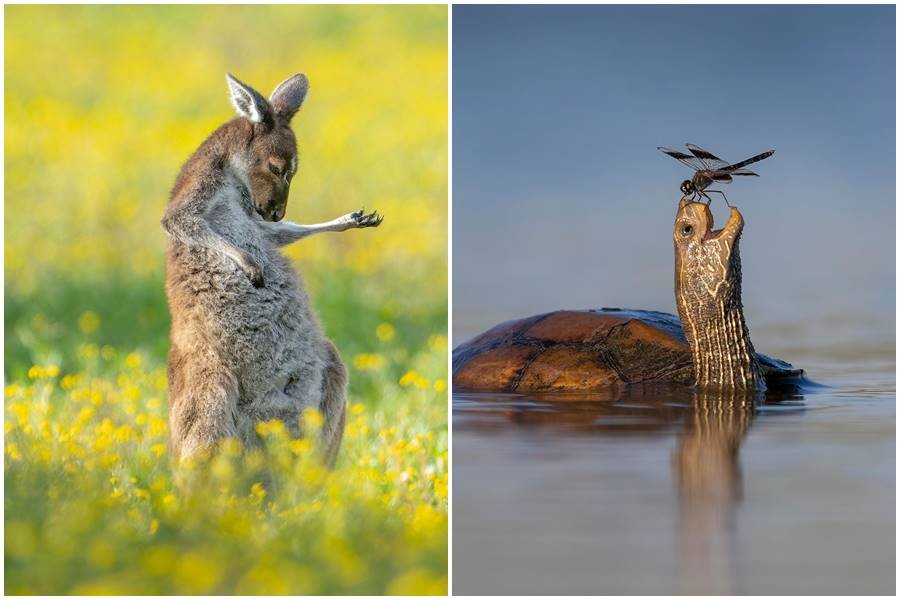
14 of the funniest photos from the 2023 Comedy Wildlife Photography Awards

Funny kangaroos, monkeys and more!

comedy wildlife photography awards, funny pet photos, nature photography
Photo credit: © Jason Moore/Comedy Wildlife Photography Awards 2023 and © Tzahi Finkelstein /Comedy Wildlife Photography Awards 2023The 2023 Comedy Wildlife Photography Awards.

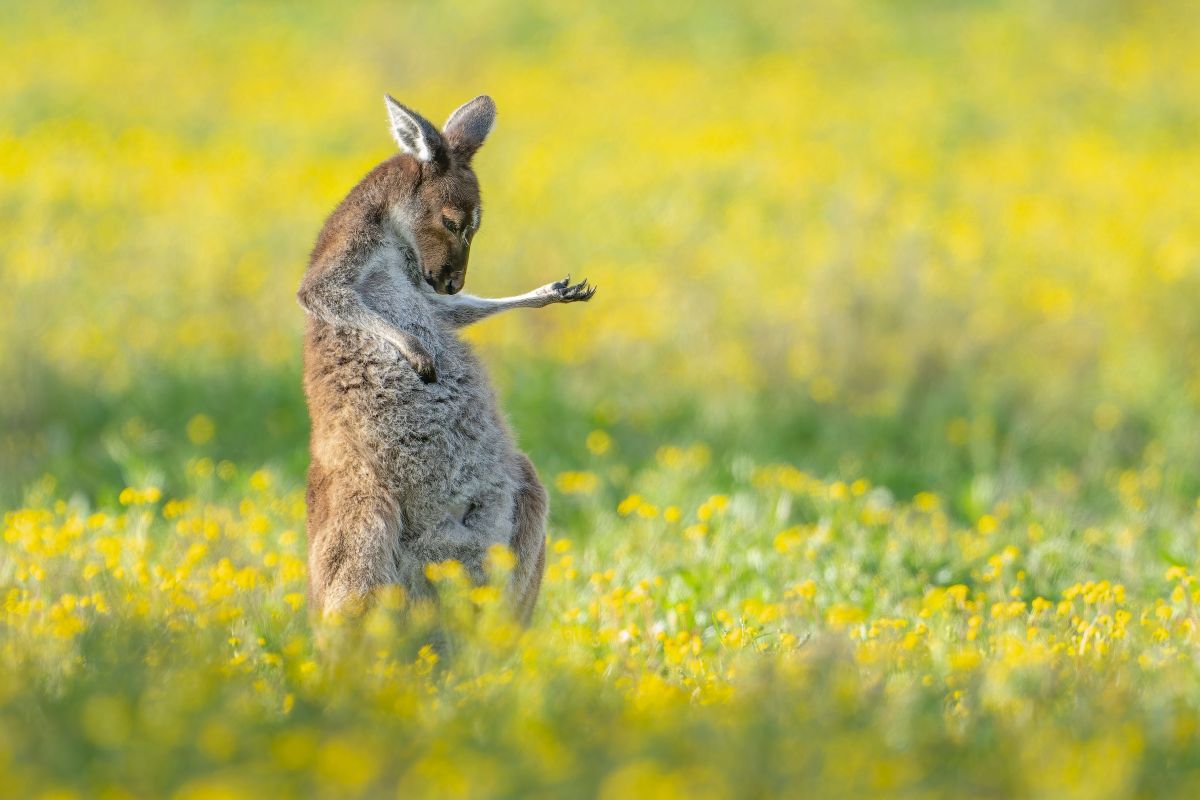
The Comedy Wildlife Photography Awards, known for being one of the most entertaining photography contests, has just wrapped up, and this year’s top prize goes to Jason Moore for his hilarious and brilliantly captured photo of a kangaroo, cheekily named “Air Guitar Roo.” Not only did this fantastic shot win the overall competition, but it also rocked the Creatures of the Land category, too.

Jason’s photo stood out among a whopping 5,300 entries submitted by 1,842 photographers from 85 countries. Moore’s photo of the female western grey kangaroo was taken in the outer suburbs of Perth, Australia when Jason visited a field of wildflowers to snap some pics of the many adult kangaroos and joeys playing there.

“The shoot turned out to be a great session, and I am quite fond of several images that I captured,” Moore said in a statement. “Not many people know that kangaroos are normally fairly docile and even a bit boring most of the time if I’m honest. However, when I saw this roo striking the air guitar pose, it immediately brought a smile to my face, and I knew that I had captured something really special.”

The Comedy Wildlife Photography Awards was started in 2015 by Paul Joynson-Hicks MBE and Tom Sullam to create a competition focused on the lighter, humorous side of wildlife photography while assuming an essential role in promoting wildlife conservation.

Here are 14 of the big winners.

1. Overall Winner: “Air-Guitar Roo” (grey kangaroo) by Jason Moore, Australia
comedy wildlife photography awards, funny pet photos, nature photography
A kangaroo rocking out. © Jason Moore/Comedy Wildlife Photography Awards 2023

“On this day, I had been out with my camera photographing some waterfowl at a nearby lake. I had been up at sunrise to take advantage of the ‘golden hour’ light, but it turned out to be a disappointing morning on the water. After leaving the lake, somewhat dejected, I decided to swing past an area of open bushland, because there are often a ‘mob’ of Kangaroos feeding and sunning themselves in a field close to the road. … The morning light was still favorable so I grabbed my camera and headed off to a spot where I could get down to eye level with my subjects. I ended up shooting about 40 or 50 frames of the kangaroos with various content including mum’s, joeys and also some action shots of them bouncing along through the yellow field. The shoot turned out to be a great session, and I am quite fond of several images that I captured. However, when I saw this animal strike this pose it immediately brought a smile to my face and I knew that I had captured something special.” — Jason Moore

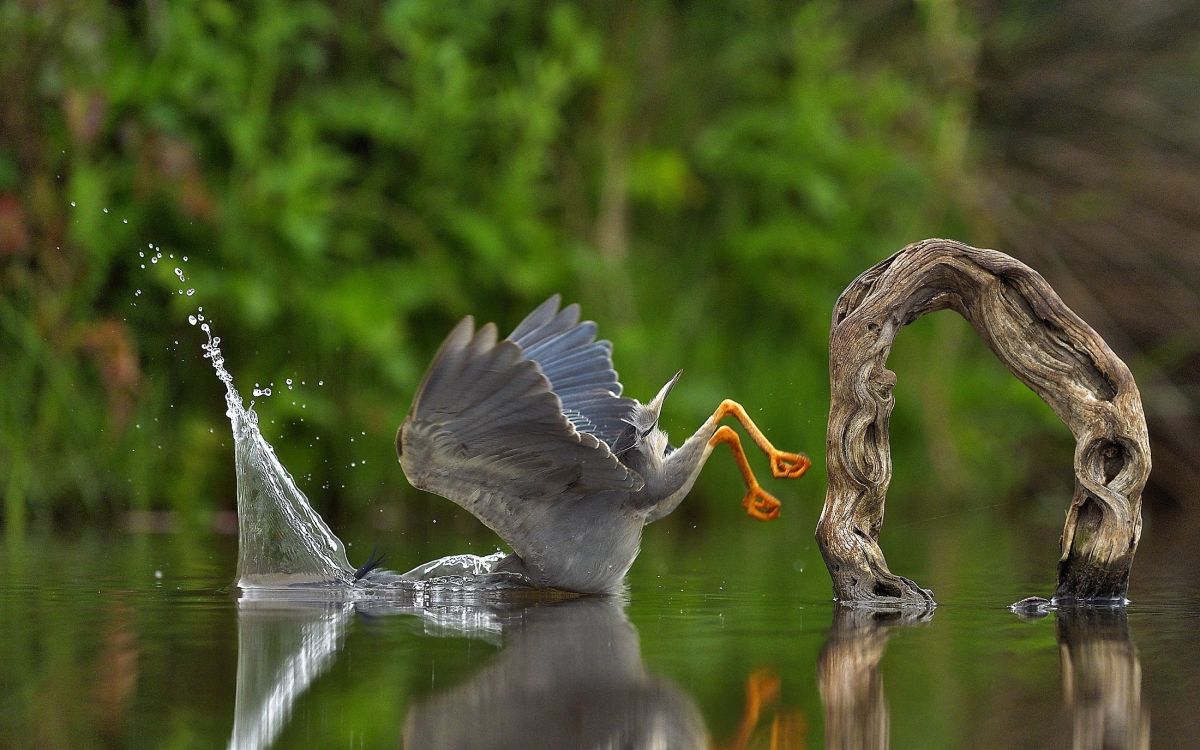
2. Creatures of the Air Award: “Unexpected Plunge” (heron) Vittorio Ricci, South Africa
comedy wildlife photography awards, funny pet photos, nature photography
A heron takes a dive. © Vittorio Ricci/Comedy Wildlife Photography Awards 2023

“An unusual end of a perfect moment.” — Vittorio Ricci

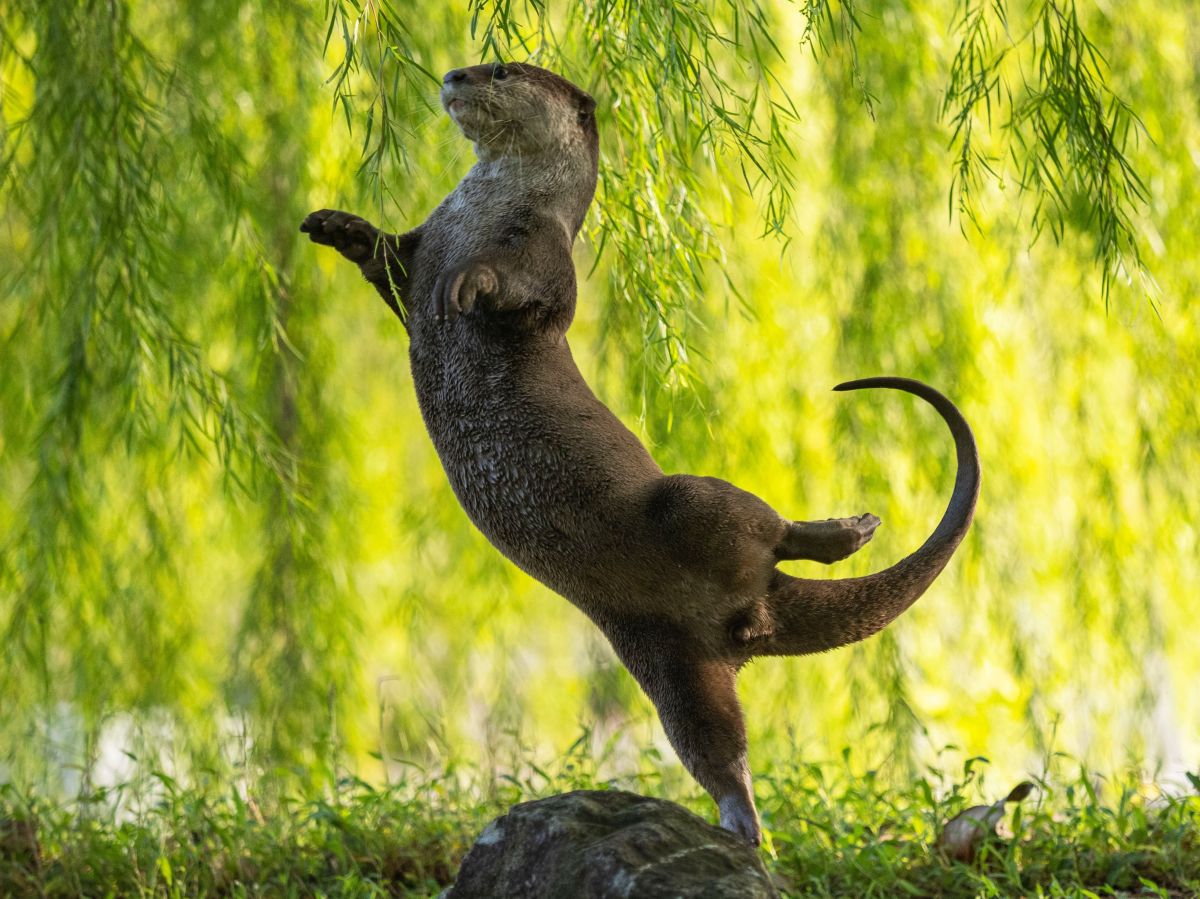
3. Creatures Under the Water Award: “Otter Ballerina” (smooth-coated otter), Otter Kwek, Singapore
comedy wildlife photography awards, funny pet photos, nature photography
An otter with perfect form. © Otter Kwek/Comedy Wildlife Photography Awards 2023

“The otter was leaping while attempting to grasp the overhanging leaves, and during an unusual landing, it ended up in the Arabesque pose. I showed this photo to a ballet teacher, and she commented that the otter is a natural but just needs to tuck in its tummy a bit — precisely what a ballet teacher would advise.” — Otter Kwek

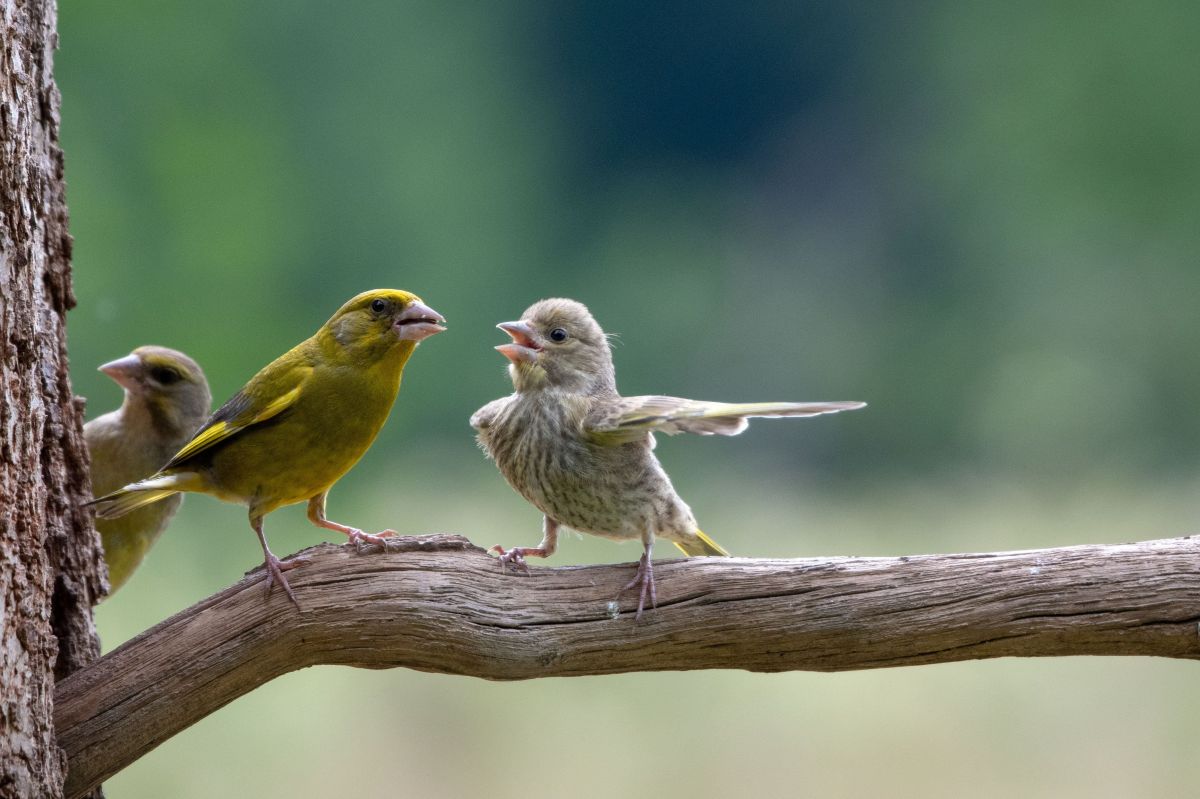
4. People’s Choice Award: “Dispute” (greenfinch), Jacek Stankiewicz, Poland
comedy wildlife photography awards, funny pet photos, nature photography
This greenfinch is very adamant about something. © Jacek Stankiewicz/Comedy Wildlife Photography Awards 2023

“I caught this scene while watching birds in the Bialowieza Forest. My friends interpret this scene in two ways. One, a young naughty kid is arguing with a parent. Two, a kid is reporting to the parent that their brother did something wrong: ‘Look he broke a window!’” — Jacek Stankiewicz

Highly Commended Winners

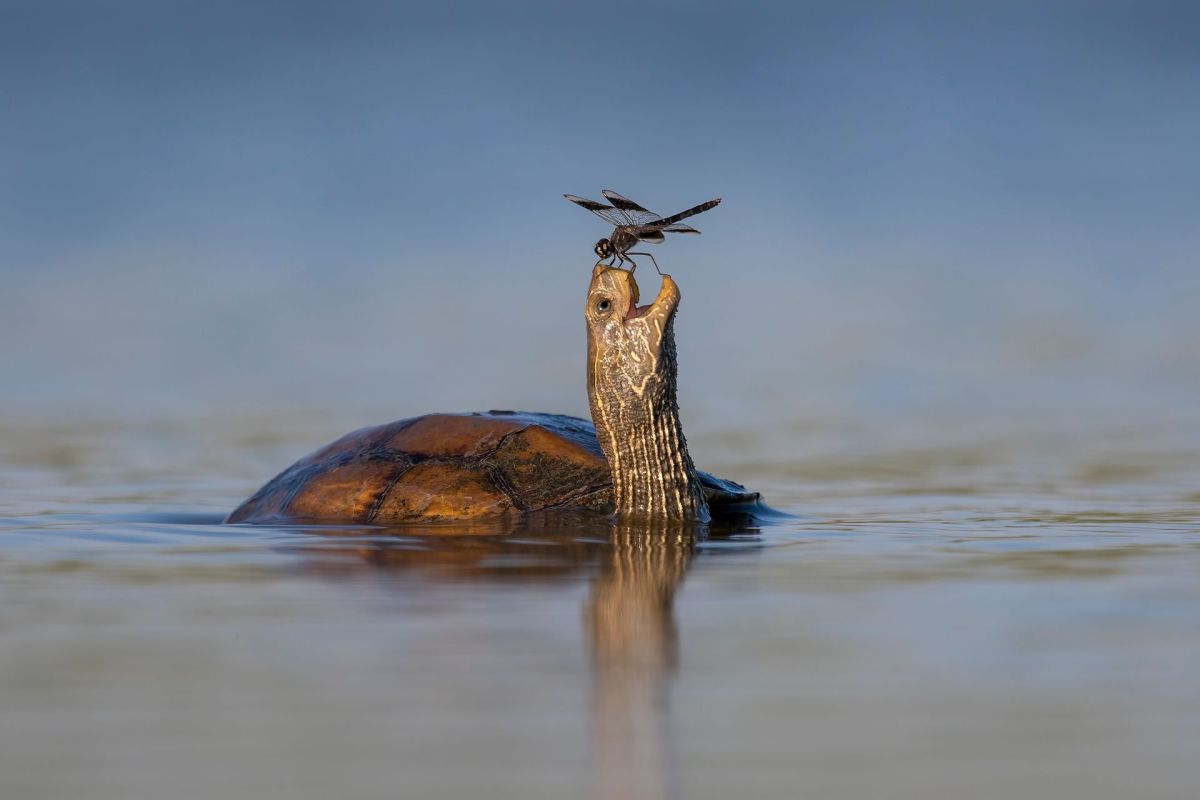
5. “The Happy Turtle” (swamp turtle), Tzahi Finkelstein, Antarctica
comedy wildlife photography awards, funny pet photos, nature photography
A turtle is about to have a meal. © Tzahi Finkelstein /Comedy Wildlife Photography Awards 2023

“The swamp turtle is surprised and smiles at the dragonfly resting on its nose.” — Tzahi Finkelstein

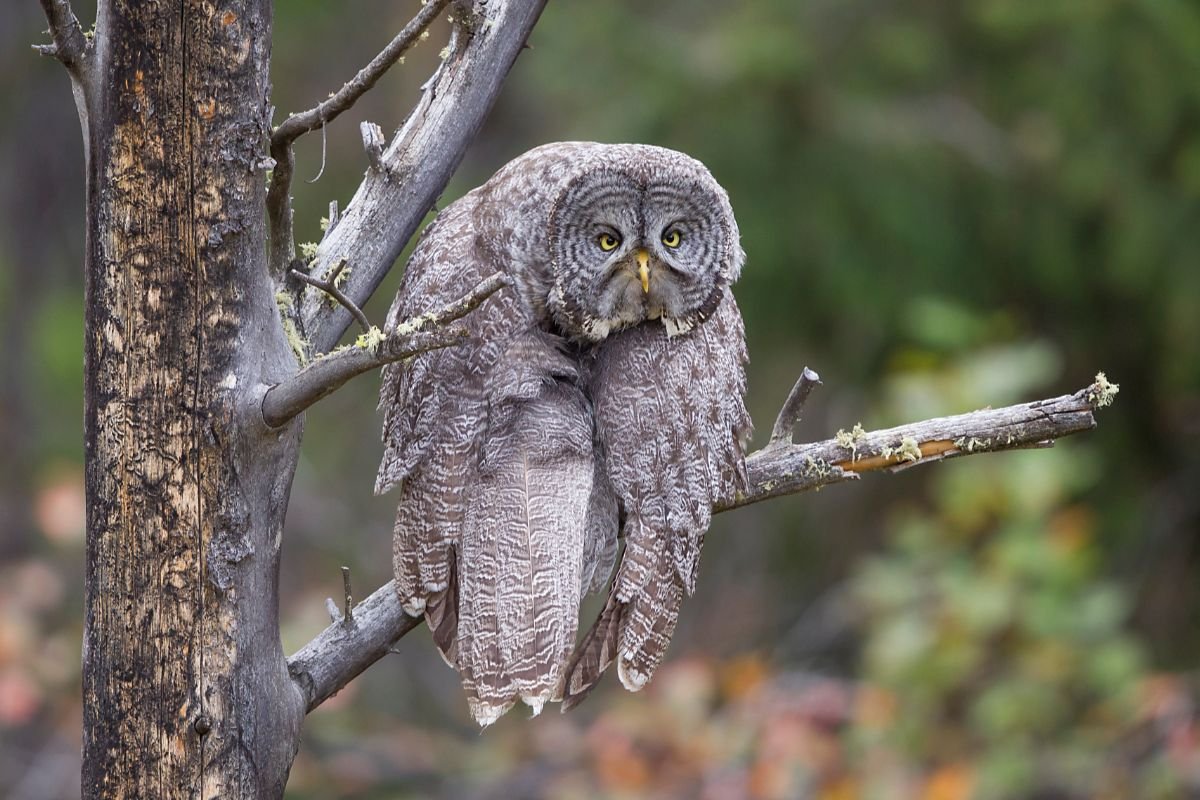
6. “The Monday Blahs” (great grey owl) John Blumenkamp, USA
comedy wildlife photography awards, funny pet photos, nature photography
This owl is so over it. © John Blumenkamp /Comedy Wildlife Photography Awards 2023

“While photographing the great gray owl shown in my image, I had been busy working to capture that majestic-looking pose. As the owl preened and then sat still for a short while, it stretched once more and for a quick moment gave the pose shown. As it did, I grinned and thought… now that’s funny!” — John Blumenkamp

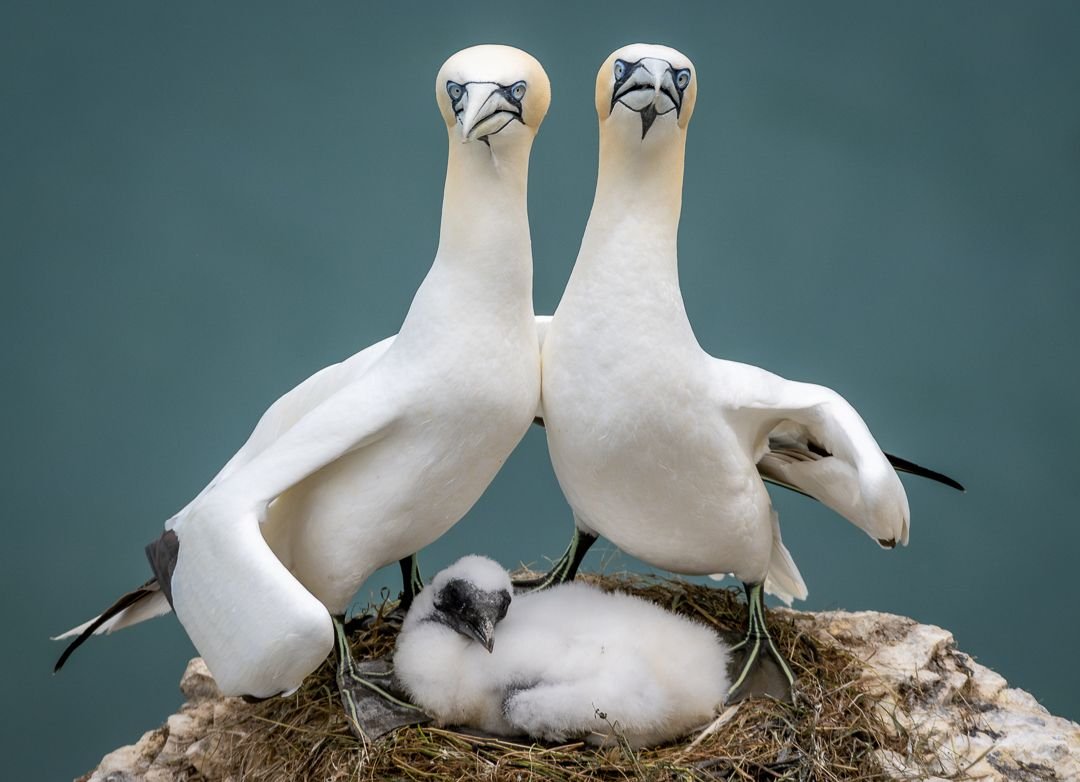
7. “One for the Family Album” (gannets) Zoe Ashdown, UK
comedy wildlife photography awards, funny pet photos, nature photography
A proud family of gannets. © Zoe Ashdown /Comedy Wildlife Photography Awards 2023

“At RSPB Bempton Cliffs, each year between March and October, around half a million seabirds use the chalk cliffs towering above the North Sea to nest and raise a family. Gannets mate for life and they return to the same nest year after year to raise their young. Lying safely at the top of the cliff face, I was able to observe the affection shown between the gannets each time one returned to the nest. They have a greeting ritual, they rub beaks and entwine their necks; it’s how they strengthen their bond. But it’s also a brilliant opportunity to catch them in various poses. I didn’t realize I’d taken this image until I got home, but as soon as I saw it I laughed out loud! They look like proud parents, posing with their baby.” — Zoe Ashdown

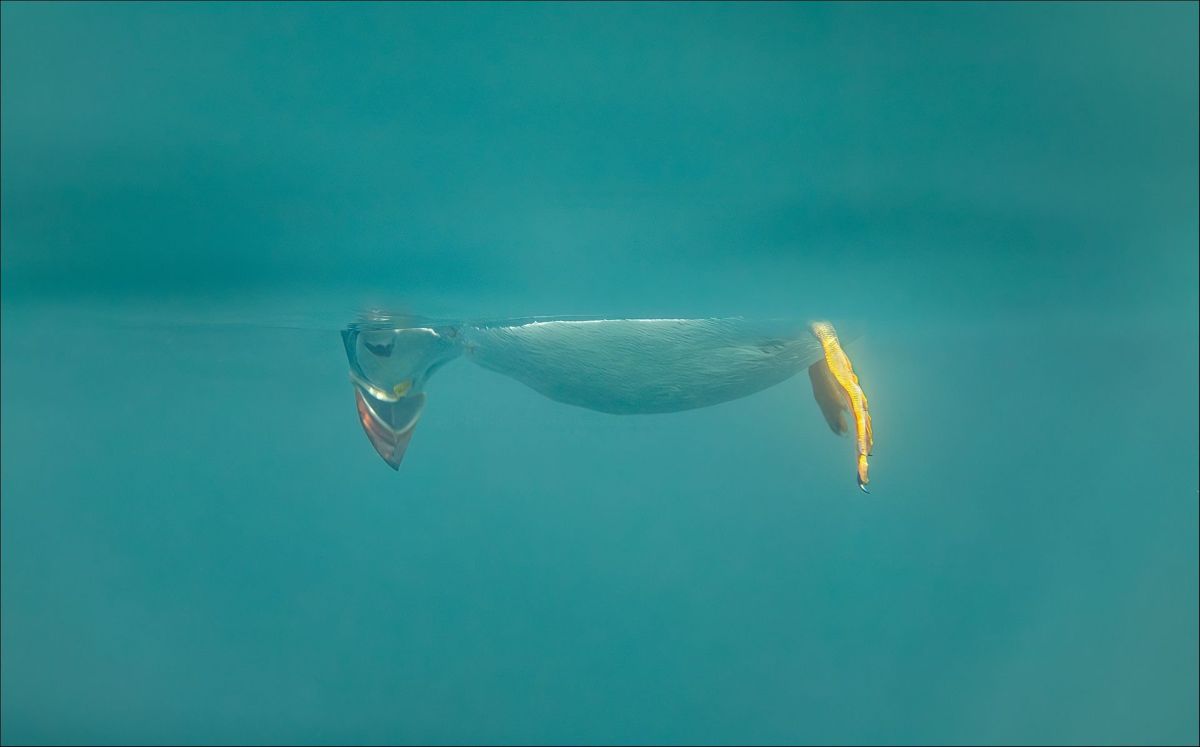
8. “Don’t Look Down” (Atlantic puffin), Brian Matthews, UK
comedy wildlife photography awards, funny pet photos, nature photography
A puffin doing the upside-down Snoopy routine. © Brain Mattews /Comedy Wildlife Photography Awards 2023

“A puffin does an inverted snoopy impression while watching jelly fish.” — Brian Matthews.

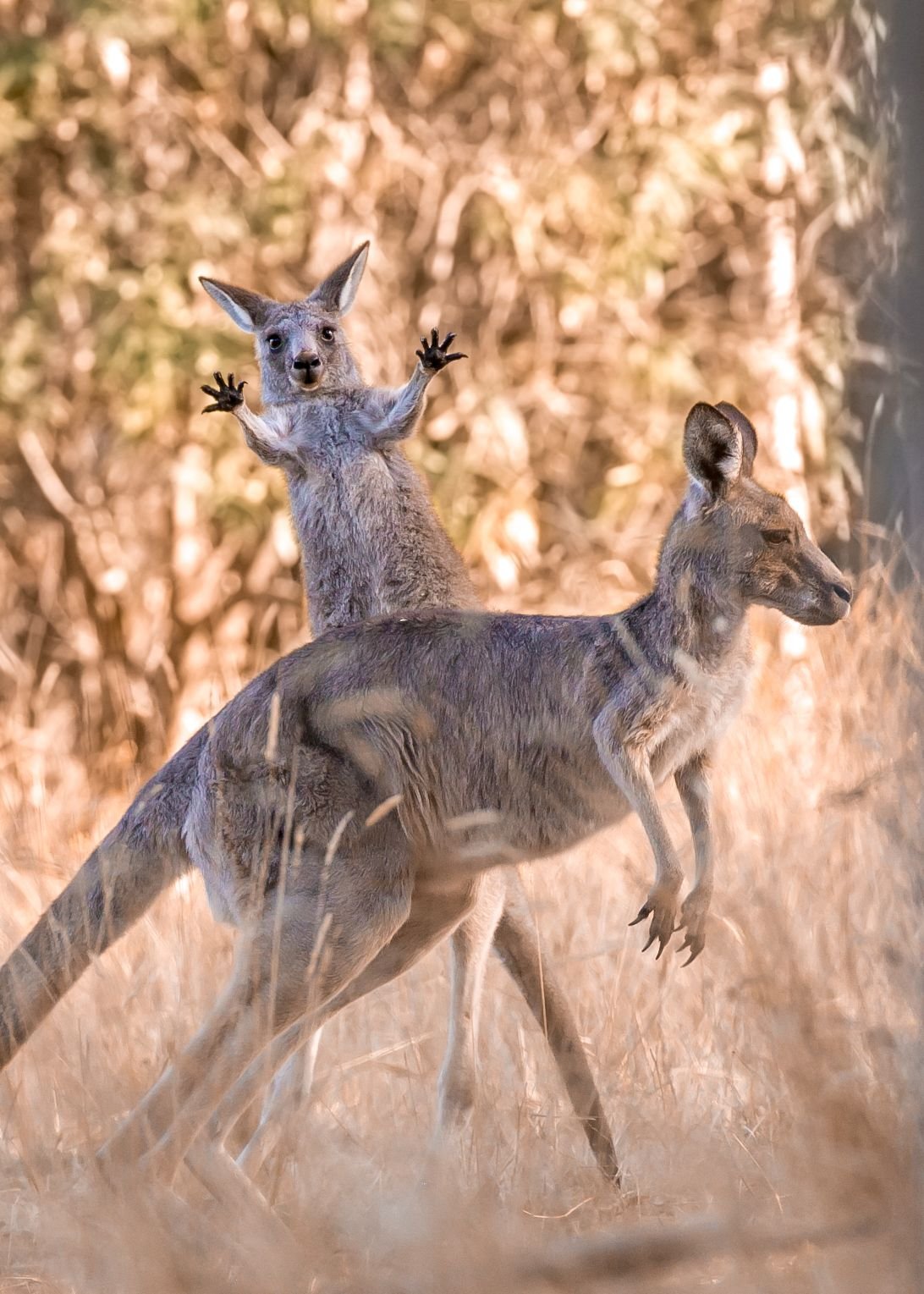
9. “Boing” (grey kangaroo) Lara Mathews, Australia
comedy wildlife photography awards, funny pet photos, nature photography
Silly little joey! © Lara Matews/Comedy Wildlife Photography Awards 2023

“Taken at Westerfolds Park, a beautiful and surprisingly wild pocket of land in the eastern suburbs of Melbourne, famous for its kangaroo population. The mob was enjoying some morning sunshine when this joey decided to get silly and try his hand at boxing.” — Lara Mathews

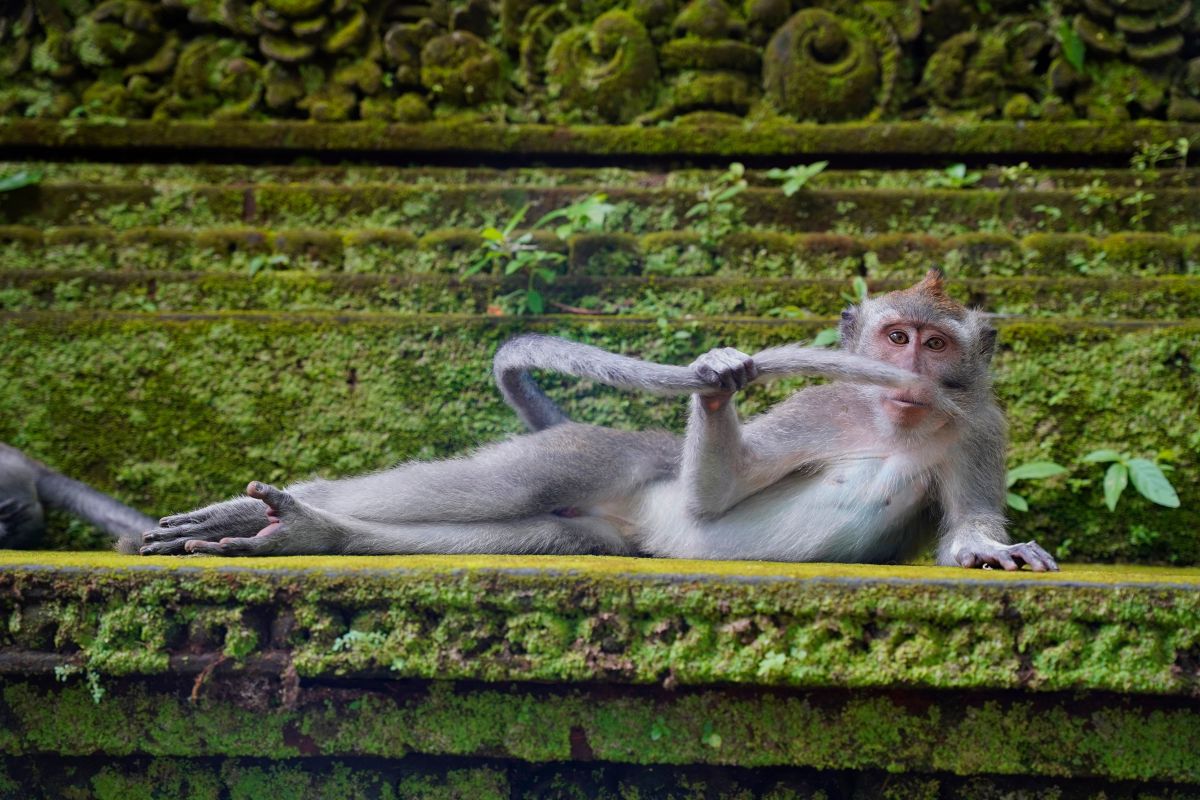
10. “The Rainforest Dandy” (monkey) Delphine Casimir, Bali
comedy wildlife photography awards, funny pet photos, nature photography
A sophisticated monkey. © Delphine Casimir/Comedy Wildlife Photography Awards 2023

“This picture was taken in the monkey forest in Ubud, Bali, a crazy place where monkeys are king! This forest is special even magical and sacred to the Balinese people. Maybe our dandy is the reincarnation of a divinity?” — Delphine Casimir

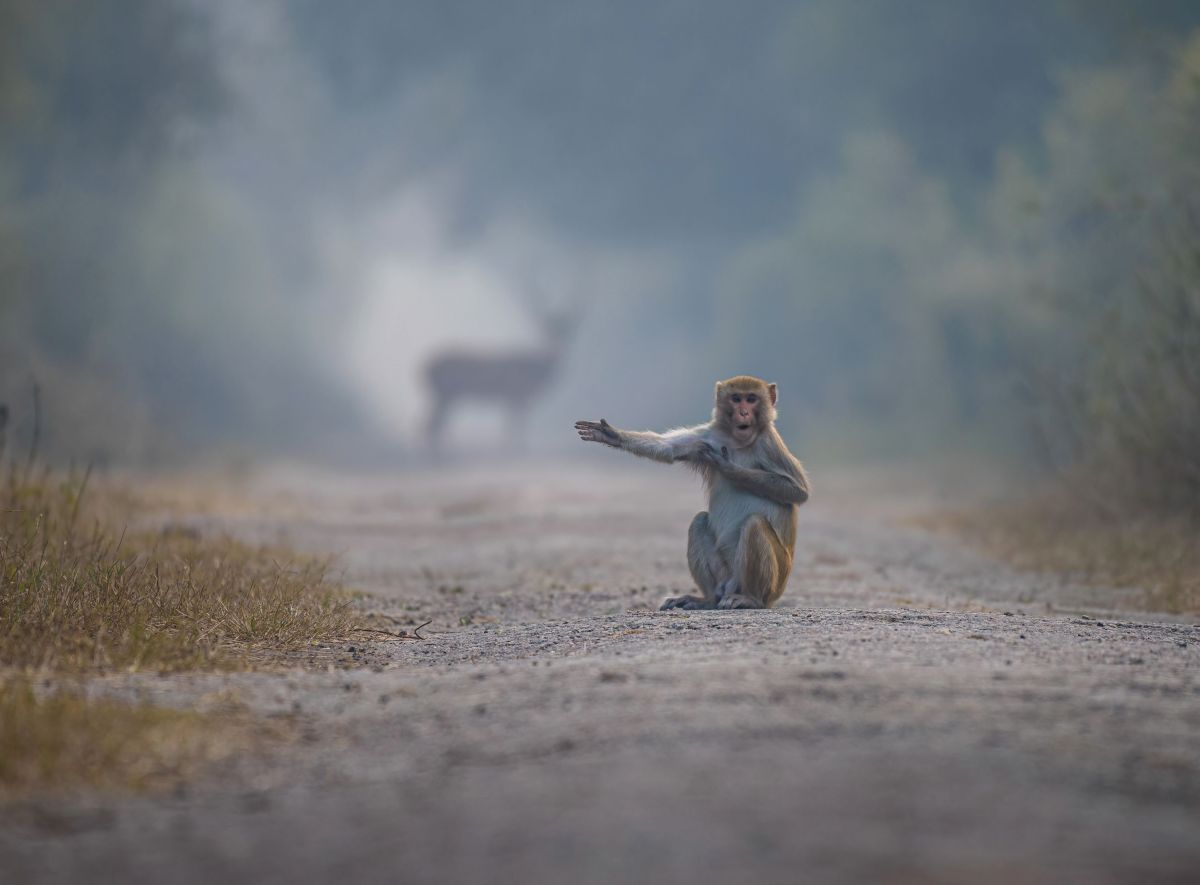
11. “Look Right, Bro” (macaque, deer) Pratick Mondal, India
comedy wildlife photography awards, funny pet photos, nature photography
"And on my right, is a deer." © Pratik Mondal/Comedy Wildlife Photography Awards 2023

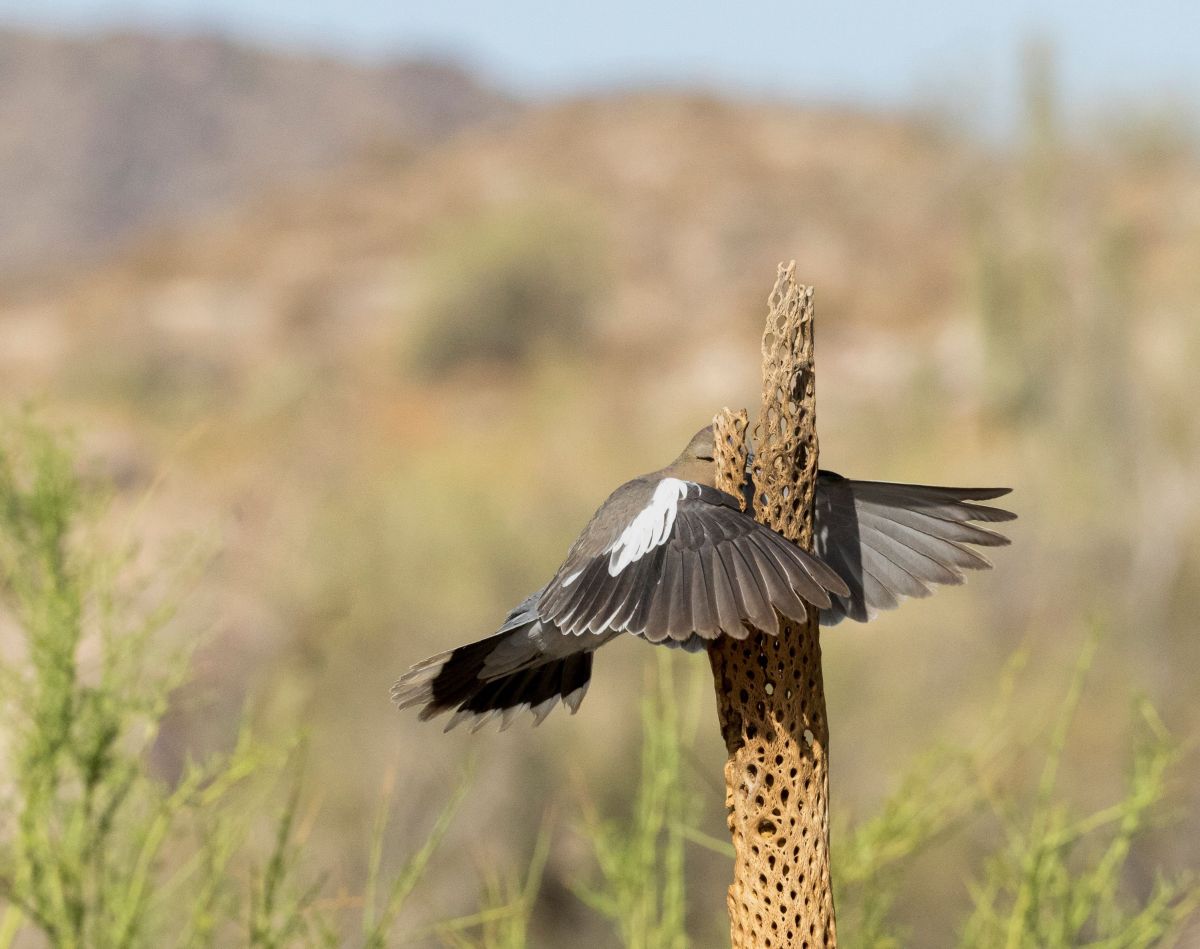
12. “That Wasn’t Here Yesterday” (white-winged dove) Wendy Kaveney, USA
comedy wildlife photography awards, funny pet photos, nature photography
A white-winged dove disrupted mid-flight. © Wendy Kaveney/Comedy Wildlife Photography Awards 2023

“A white-winged dove appearing to fly head-on into a cholla cactus skeleton.” — Whitney Kaveney

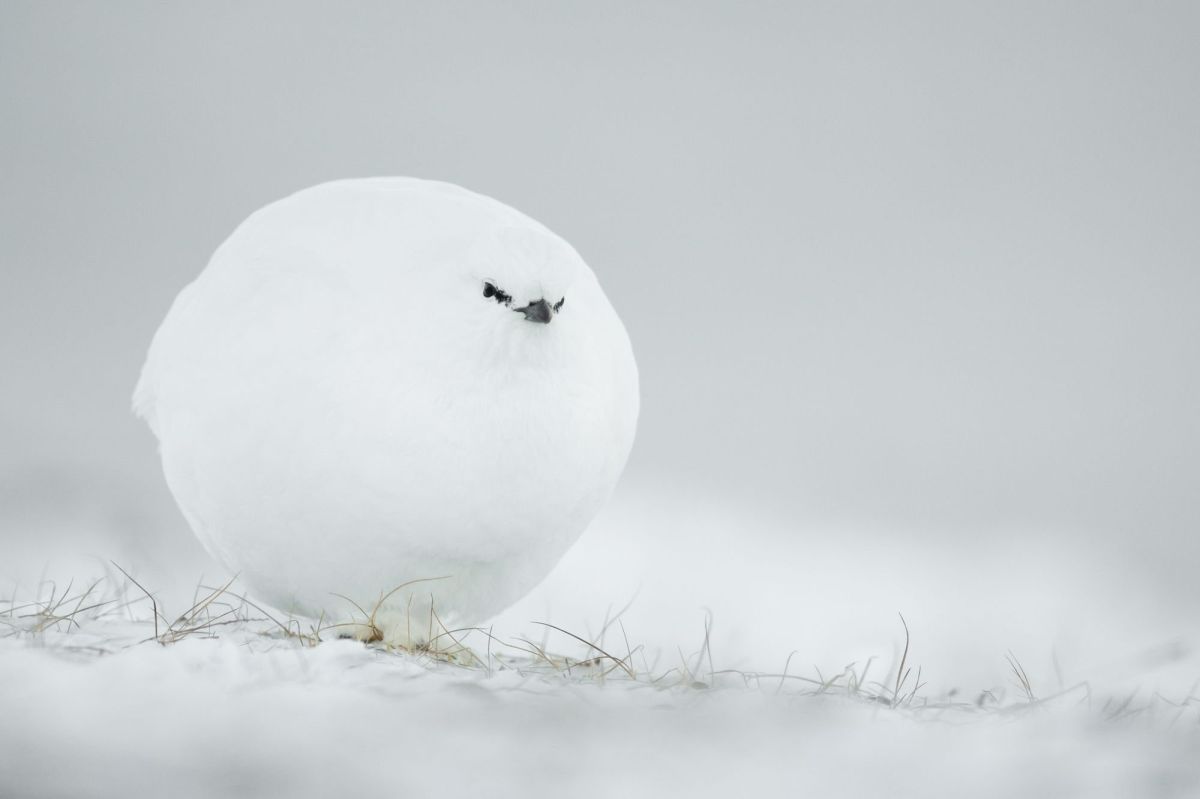
13. “Snowball” (white grouse) Jaques Poulard, Norway
comedy wildlife photography awards, funny pet photos, nature photography
Why is that snowball alive? © Jaques Poulard/Comedy Wildlife Photography Awards 2023

“The white grouse is coming towards me and looks like a snowball with eyes.” — Jaques Poulard

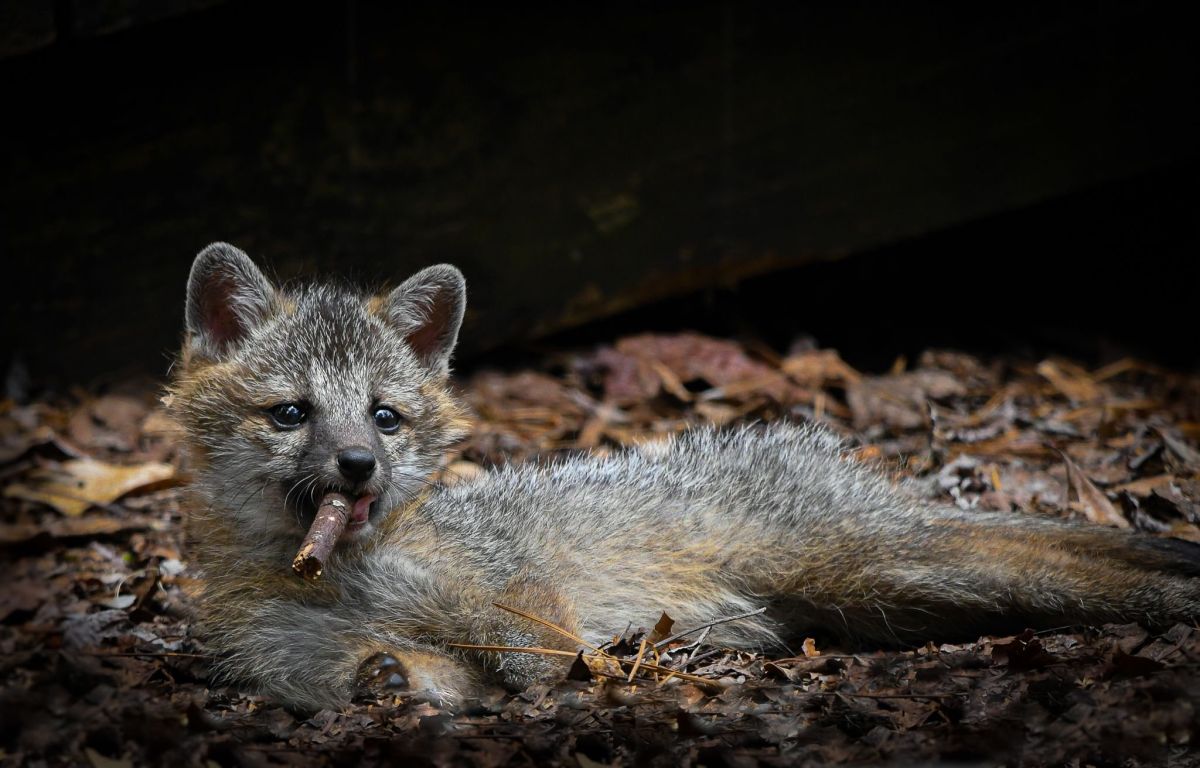
14. “Excuse Me Sir But I Think You’re a Bit Too Young to Be Smoking” (grey fox) Dakota Vaccaro, USA
comedy wildlife photography awards, funny pet photos, nature photography
A grey fox that looks like it's enjoying a fine cigar. © Dakota Vaccaro/Comedy Wildlife Photography Awards 2023

“While I was working deep in the Virginian woods, a family of grey foxes took up residence under the deck of the abandoned cottage next to my work housing. One day, while practicing their hunting skills on bits of moss and branches, one of the kits lunged at a small chunk of wood and started rolling around with his prize. Tired after his hunt, the kit lounged on his belly still holding the wood in his mouth which gave the strong resemblance of a cigar.” — Dakota Vaccaro

This article originally appeared two years ago.

  • A pregnant diver jumped in to help a bleeding dolphin. The dolphin rolled over and held still.
    Photo credit: CanvaAn underwater diver takes photos of dolphins.

    Nicole Isaacs was out on the ocean off Los Angeles when a dolphin surfaced next to the boat and didn’t leave.

    Something was clearly wrong. Isaacs, an avid diver, looked closer and saw deep red gashes in the dolphin’s skin. Then she and her companion spotted the cause: two remoras, also called suckerfish, had latched directly into the dolphin’s flesh and were feeding on it. Remoras typically hitchhike harmlessly on larger marine animals, but in this case they had attached to wounds and the dolphin was convulsing from the pain.

    Isaacs was pregnant at the time. She looked at the other woman. “Should I get in with him?”

    She got in.

    @nicoleisaacsofficial

    the most insane day of my life on the ocean. I trusted my instincts and did what I thought was right, and I’m glad I did. I don’t advocate to touch wild animals but I do think some circumstances are necessary and ok. It was very clear this dolphin was struggling and in a lot of pain, and based on her reaction afterwards as well as the entire pod, I know I made the right decision. Dolphins are incredible animals and so intelligent—the fact that this also happened while pregnant was once in a lifetime 🩵🙏🏽✨🥹🐬 #dolphins #wilddolphins #wildliferescue #dolphin #fyp

    ♬ You Make Me Feel Good – Original Mix – Satin Jackets

    What followed over the next several minutes was equal parts chaotic, heartbreaking, and extraordinary, all of it captured on video and posted to her TikTok account @nicoleisaacsofficial on January 28, 2026, where it has since been viewed 13 million times.

    The dolphin, to Isaacs’s astonishment, seemed to understand what was happening. When the women entered the water and approached, she rolled over and held still. “She began to fully cooperate and turn over for us to make it easy to grab the remoras,” Isaacs wrote in the video overlay. The rest of the pod circled at a distance while they worked.

    A woman swims with two dolphins. Photo credit: Canva

    Getting the remoras off was harder than expected. They moved quickly and reattached easily. At one point Isaacs caught one and swam it back toward the boat to hand off to the captain — and it slipped out of his hands and latched onto her instead. “I was pregnant and freaking out,” she says in the video. It eventually released her, swam back, and reattached to the same dolphin. It took multiple attempts before both were finally removed for good.

    The dolphin’s response was immediate. She leapt out of the water. Then the rest of the pod, which had been circling at a distance throughout, suddenly reappeared all at once and began swimming in loops around the boat.

    “All of the dolphins reappeared out of nowhere and swam around us to celebrate,” Isaacs wrote.

    In her caption she was careful to note that she doesn’t generally advocate touching wild animals, but that the circumstances made intervention feel necessary and that the pod’s response confirmed for her that it was the right call. “The most insane day of my life on the ocean,” she wrote. “I trusted my instincts and did what I thought was right.”

    One viewer put it simply: “A totally untrained dolphin cooperating and letting you tend to her just out of sheer trust and desperation — I’m just shook.”

    You can follow @nicoleisaacsofficial on TikTok for more entertaining content. 

  • Spanish nuns are fighting to preserve a giant rabbit breed in danger of extinction
    Photo credit: CanvaNuns in Spain are trying to save a rare breed of giant rabbit from extinction.

    Nuns at the Convent of St. Anthony of Padua in Central Spain are on a mission beyond their spiritual calling: to save a rare breed of giant rabbit from extinction. The eleven Franciscan sisters are currently caring for 35 giant rabbits at the convent, which weigh up to 20 pounds each.

    Sister Consuelo Peset Laudeña told Global Sisters Report that the rabbits hold historical significance in Spain. During the Spanish War, the rabbits were a crucial source of food for families and orphanages during food shortages.

    “Many families have managed to get by thanks to this animal, and now it seems we are forgetting that part of our history,” she told the publication.

    The journey to save giant rabbits

    The sisters at the Convent of St. Anthony of Padua have worked to preserve the rabbits for over 30 years. But ten years ago, they learned the rabbits were going extinct.

    “We contacted an association, I sent some photos, and they told me, ‘You have a spectacular animal, and it’s endangered,’” Peset explained.

    Their focus shifted into helping the rabbits breed, so the sisters worked with local Spanish authorities to establish a farm. They raised $5,700 to initially invest in the farm.

    Caring for the rabbits

    The sisters are tasked with feeding, cleaning, and maintaining the rabbits and their quarters. The rabbits are fed a combination of barley, hay, and corn. At the end of March 2026, a total of 90 births were recorded.

    “I do a visual check. I take a walk around and see which animals are listless or lethargic, and if any have died in the nests, they must be removed immediately,” Peset said.

    The rabbits live in temperature-controlled cages with proper ventilation.

    “Rabbits start to suffer at 26 degrees [Celsius; which is about 79 degrees Fahrenheit]; they tolerate the cold well, but not the heat,” Peset also added.

    The nuns feel called to protect the rabbits thanks to a encyclical given by Pope Francis titled Laudato Si’ in 2015. In that message, he called Catholics to care for nature and the environment.

    “We have to protect creation,” she said. “We are Franciscans. St. Francis is the patron saint of veterinarians, and that is the source of the love and admiration we feel for the Spanish giant rabbit.”

    What are Spanish giant rabbits?

    Spanish Giant Rabbits are a cross between the Flemish Giant and Spanish brown-type female rabbits. The rabbits weight up to 20 pounds, and each female rabbit can give birth to 22 pups each month.

    According to Farm Show Magazine in 2014, the rabbits are comparable in size to a small lamb. They were first bred in the early 1900s.

    The giant rabbits are not for sale. To further conservation efforts, the sisters have chosen to donate the rabbits to local schools, a nearby theme park, and to registered private rabbit breeders.

  • Cheddar Big Booty Cheeseburger wins Wackiest Cat Name contest, but these 9 runner-ups are clever, too
    Photo credit: NationwideCheddar Big Booty Cheeseburger and Brave Little Toaster.
    ,

    Cheddar Big Booty Cheeseburger wins Wackiest Cat Name contest, but these 9 runner-ups are clever, too

    One could argue that Munchie McPurryToes is a better name, but to each their own.

    There are many reasons people love giving their pets goofy names. A big one is that, unlike humans, they’ll never have to put it on top of a résumé, so we’re free to call them whatever we desire. Humans also give their pets adorable names because of anthropomorphism. When we give our pets human traits, they become more relatable.

    Giving our pets a truly unique name also makes us feel more attached to them. Research shows that when we give them a name we won’t hear anywhere else, they feel more personal to us, strengthening the bond. It’s the same reason why we give our loved ones nicknames. 

    Every year, the Nationwide pet insurance team recognizes the boldest and most unforgettable names among its roster of newly enrolled pets. This year, after over 200,000 votes were counted, the team recognized 10 cats with the wackiest names, and the winner was Cheddar Big Booty Cheeseburger from Benton, Arkansas. Cheddar Big Booty Cheeseburger is hard to beat, but the nine runner-ups have pretty amazing names, too. 

    2026 winner: Cheddar Big Booty Cheeseburger

    “He was one of two orange kittens in a litter of a stray I took in,” said cat mom Chantalece C. “This tiny little kitten grew into a sturdy unit of a cat, so when I would grab him, it was like picking up a triple-stacked cheeseburger.”

    Cheddar Cheeseburger is a wacky name in its own right, but she decided to add another quirky twist. “He really loves booty spankings too, so he deserved a big booty title,” she added. Thus, Cheddar Big Booty Cheeseburger.

    cats, funny cat names, funny cats, kittens, cat jokes
    Cheddar Big Booty Cheeseburger. Photo credit: Nationwide (used with permission)

    Runner-ups (who are also pretty amazing!)

    Bad Kitty 5000

    Small kitties often have the biggest purr-sonalities. Sometimes, that means snuggling, funny sounds, or smiley faces. Sometimes, that means, well, destruction. “If you met this lil’ monster, you would understand,” said cat dad D. D., on naming his frisky feline Bad Kitty 5000.

    cats, funny cat names, funny cats, kittens, cat jokes
    Bad Kitty 5000. Photo credit: Nationwide (used with permission)

    Brave Little Toaster

    “We rescued him from inside a car engine,” said cat mom Carly M. “He was small and so scared, we just kept trying to encourage him to be brave and kept telling him he was ‘such a brave little toaster.’ And it stuck. We call him B.L.T. for short!”

    cats, funny cat names, funny cats, kittens, cat jokes
    Brave Little Toaster. Photo credit: Nationwide (used with permission)

    Catatouille

    Looking for the right recipe for their new wacky pet, cat mom Yan L. and her boyfriend took inspiration from a rat—specifically the furry little chef from an animated classic. The result? A Michelin-star-quality pet name that’s also a little wacky. “I love the movie ‘Ratatouille,’” she said. “My cat is a grey tabby, which is a little like the rat in the movie. And he is a cat, so voila, Catatouille.”

    cats, funny cat names, funny cats, kittens, cat jokes
    Catatouille. Photo credit: Nationwide (used with permission)

    Goofus McDoof Business Horse

    “My girlfriend is a fan of American Dad,” said cat dad Nick R. “There’s a very niche character present in season 13—he’s only mentioned by name and never appears on screen.” Later, when a small orange kitten was discovered falling out of an engine bay, the couple knew they’d found the “embodiment of Goofus McDoof Business Horse.”

    cats, funny cat names, funny cats, kittens, cat jokes
    Goofus McDoof Business Horse. Photo credit: Nationwide (used with permission)

    Lucipurr Meowzebub, Lord of Cats

    “Cats are kind of demonic, but in a fun, charming way,” said cat mom Margot. “We love a good pun and were originally planning to name one cat ‘Lucipurr’ and the other ‘Meowzebub.’ Once we brought our kittens home, it became immediately clear that this orange menace needed both names. Thus, Lucipurr Meowzebub, Lord of Cats.”

    cats, funny cat names, funny cats, kittens, cat jokes
    Lucipurr Meowzebub, Lord of Cats. Photo credit: Nationwide (used with permission)

    Miso Tunacanopolis The First

    “Miso is his original name,” said cat mom Phuong N. “The ‘Tunacanopolis’ part is just a funny name I’ve always wanted to use. ‘The First’ alludes to the fact that Miso is my first cat, but also because Miso is the best cat in my admittedly very biased eyes.”

    cats, funny cat names, funny cats, kittens, cat jokes
    Miso Tunacanopolis The First. Photo credit: Nationwide (used with permission)

    Munchie McPurryToes

    “She was such a cute little munchkin when I got her at 3 months old, but ‘Munchkin’ was too much of a mouthful, so it quickly got reduced to Munchie,” said cat mom Morgan S. “From the moment I got her, she purred like an engine every time she snuggles up—and she does love snuggling very, very much—so, to capture her loud, reliable purr, I added McPurryToes as her last name.”

    cats, funny cat names, funny cats, kittens, cat jokes
    Munchie McPurryToes. Photo credit: Nationwide (used with permission)

    Orange Julius Ceasar Salad

    “We have always liked weird pet names,” said cat dad Steven S. “When we first got Jules, I would call him ‘Orange.’ I thought of names I could keep Orange in—it started off as Orange Julius, then evolved to Orange Julius Ceasar Salad.”

    cats, funny cat names, funny cats, kittens, cat jokes
    Orange Julius Ceasar Salad. Photo credit: Nationwide (used with permission)

    Statistically Significant

    “I’m a biologist, so the term ‘significantly significant’ is used a lot, and I always thought it would be cute for a cat name,” cat mom Renee G. said. “So, when I adopted her, it was the first option on my list.”

    cats, funny cat names, funny cats, kittens, cat jokes
    Statistically Significant. Photo credit: Nationwide (used with permission)

  • Cape May County Zoo welcomes two new capybara pups, and Buttercup is already an amazing mom
    Photo credit: Cape May County Park & ZooButtercup and her two new capybara pups.

    Somewhere in southern New Jersey, in a water-filled zoo habitat, two small animals you’ve probably never thought much about are about to take their first wobbly steps into the world.

    The zoo has not announced their names yet. For now, they’re simply Buttercup and Goomba’s babies—two capybara pups at Cape May County Park & Zoo, whose arrival has turned into a local love story.

    Born in mid-April 2026, they came into the world with their eyes open and alert; they were standing within hours. By their first week, they were nibbling grass alongside the adults, their tiny muzzles buried in clover as if they’d been doing it forever.

    Cape May County Commissioner Vice-Director Andrew Bulakowski put it simply:

    “What a wonderful joy to be blessed with additional capybara pups. Families love this exhibit, and their love will only grow with the sights of these new additions.”

    They will not grow up alone. Their extended family—Budette, Marigold, and a group of older siblings from Buttercup’s October litter and Marigold’s November litter—hovers around them like a serene, fuzzy welcoming committee. They are serious about the job, too: someone always stands watch. Someone always seems ready with a nudge or a nuzzle.

    Zookeepers and veterinary staff are monitoring Buttercup and her newborns closely, offering the young family regular breaks from the attention of visitors. Visitors who want a glimpse can watch from afar, on a bridge that overlooks the habitat. Patience is the price of admission to one of the sweetest scenes in the zoo.

    The new capybara pups are incredibly cute. It’s difficult to look at them and not feel something inside you scream with delight. That feeling is important. In a way, it’s the entire point.

    The world’s chillest giant rodent is stranger (and more important) than it looks

    If you recognize capybaras at all, you probably know them from the Internet.

    The barrel-shaped creatures have captured the hearts of millions online with their unbothered nature: capybaras soak in hot springs, capybaras let birds perch on their backs, capybaras quietly chew while chaos swirls around them. Capybaras are chill, patient creatures that look like they’ve unlocked a level of calm the rest of us can only dream of.

    But how well do you really know the humble capybara?

    Capybaras (Hydrochoerus hydrochaeris) are the largest rodents on Earth. An adult can weigh up to about 146 pounds and stretch more than four feet long. That can seem intimidating on paper, but in person, capybaras carry their size with a slow, steady ease.

    Their bodies are built for life between land and water, and every anatomical detail tells that story: their eyes, ears, and nostrils are positioned near the tops of their heads, so capybaras can survey their surroundings while almost entirely submerged. Their feet are partially webbed, making them powerful swimmers who can hold their breath for up to five minutes—a crucial feature when a jaguar is watching from the riverbank and the safest move is to slide under the surface and wait it out.

    Capybaras eat plants. They graze on grasses and aquatic vegetation with an almost comical level of focus. It’s a pretty strict diet, though they will add fruits and tree bark when the mood strikes or the season dictates. And they don’t just look calm; they talk. Capybaras communicate with an arsenal of barks, whistles, clicks, and soft purrs that help keep their tight-knit groups coordinated and close.

    How a capybara family does childcare

    In the capybara world, Buttercup’s new pups don’t “belong” to her and Goomba, the father. Rather, the entire group claims them.

    In the wild, capybaras don’t raise their young alone. The babies don’t rely on a single caregiver; they inherit a whole network of protection. Capybaras are profoundly social animals and live in stable groups where group bonds are maintained through constant tactile contact, mutual grooming, and scent marking. Females nurse each other’s pups. Older animals act as lookouts and babysitters, regardless of whether they share direct DNA. Scientists call this alloparenting: shared childcare built into the species’ survival.

    That shared responsibility is crucial. It gives capybara pups stronger odds of survival in those first fragile months. In some field studies, more than 70% of pups raised in stable groups survive their first year, a high rate for animals so low in the food chain.

    In New Jersey, Buttercup’s family follows the ancient capybara way, too. While the zoo’s visitors see a cute capybara cuddle pile, this mammalian cluster represents a finely tuned system designed to keep vulnerable animals alive.

    Why wetlands depend on capybaras

    In the wild, capybaras roam across much of South America and function as quiet ecosystem architects. You’ll find them in the vast Pantanal wetlands of Brazil and Bolivia; they graze in the seasonally flooded savannas of Venezuela and Colombia. Capybaras even venture into the rewilding landscapes of Argentina’s Iberá region. Basically, wherever freshwater meets grassland, capybaras tend to appear sooner or later.

    As professional grazers, capybaras help maintain diverse, open wetland vegetation. When they disappear, tall grasses quickly crowd out shorter plants, and overall plant richness drops by 25% or more. Simply put, when capybaras aren’t around, plants suffer. That change is drastic and can be felt through the insects, birds, and every other creature reliant on those important plants.

    Within the circle of life, as prey, capybaras also anchor South America’s food chains: they’re hunted by jaguars, anacondas, caimans, and large raptors (such as harpy eagles). They’re a major food source; a jaguar can devour dozens of capybaras in a single year. That stat sounds brutal, but if you remove capybaras from that system, the entire food chain begins to wobble.

    They’re also essential, given the way capybaras move seeds as they travel and graze. Constantly nibbling and wandering, capybaras have shaped how nutrients move through the wetlands. In conservation science, animals that hold this many threads together often receive a specific label: keystone species. Pull out a keystone, and the entire system starts to crack.

    Not endangered, but not untouchable

    Right now, the International Union for Conservation of Nature lists capybaras as a species of “Least Concern.” But that broad label can hide a lot of trouble.

    For example, the capybara’s habitat is disappearing rapidly as people drain or convert wetlands into farmland at alarming rates. Hunters target capybaras for their meat and skins, which are used to make leather. Climate change creates more intense droughts and wildfires in places like the Pantanal, the world’s largest tropical wetland. In 2020, fires burned an estimated 30% of the Pantanal biome in a single season, scorching millions of acres, as jaguars and charred caimans fled their home.

    So yes, there’s real danger here, despite the capybara’s “Least Concern” conservation label. But there’s also hope.

    capybara, pups, zoo, buttercup, conservation
    Capybara relaxing in water. Photo credit: Canva

    In early 2026, Brazil expanded its Pantanal national park, adding more than 116,000 protected acres to a landscape that badly needs institutional buffers. In Argentina, a long-term rewilding effort brought jaguars back to Iberá after roughly 70 years. Those jaguars now hunt capybaras again—for the first time in living memory—restoring a predator‑prey relationship that’s essential for local ecosystems.

    The picture is complicated and is always evolving, but crucially, there’s still a window for change.

    What a small New Jersey zoo has to do with all of this

    On a map, Cape May County Park & Zoo looks like a sweet coastal stop between beach towns. In practice, it’s part of a much larger conservation network.

    The zoo is free to visit and cares for more than 550 animals across over 200 species. Cape May County Park & Zoo holds accreditation from the Association of Zoos and Aquariums (AZA), which isn’t an easy feat: it signals that a zoo meets strict standards for animal care, conservation work, and education. Fewer than 10% of licensed animal facilities in the United States achieve accreditation, for context.

    Together, AZA-accredited zoos and aquariums spend well over $200 million a year on field conservation. They fund habitat protection, support research teams, and help maintain genetically healthy populations of animals that might otherwise go extinct.

    Buttercup and Goomba’s family exists, in part, because those in charge decided that capybaras deserve space, resources, and long‑term planning.

    Picture an excited four-year-old, hands sticky from Dippin’ Dots. She presses her face against the enclosure as Buttercup nudges her new pups towards the water’s edge. This child doesn’t know what the Pantanal is. She’s never heard of the term “keystone species.” There is no word for “alloparenting” in kindergarten. But she does know this: there’s a mother, and those little animals matter to her. They also seem to matter to the zookeepers who clean, feed, and check in on them every day.

    That simple realization—that another creature’s life is important, has value—is often where the seeds of conservation are planted.

    Two pups, one bigger story

    Right now, Buttercup’s newest pups are exploring their habitat one cautious step at a time. They nose at the water and trail behind older siblings as they wander through the grass. When something inevitably startles them, they retreat back into their capybara family—a pile of warm bodies and damp fur—where they’ll find safety, tucked beneath the chins of adults and between their sturdy shoulders.

    These tiny capybara pups are unaware of the fact that, very far away, others just like them graze the floodplains of the Pantanal and Iberá. They have no idea of their importance, no way to know that their species is the key to holding the entire wetland ecosystem together, one blade of grass at a time.

    But they don’t need to know that. Humans can own that knowledge—and do something about it. That’s the power of a story like this. Two baby capybaras in a New Jersey zoo aren’t a trivial subject; it’s a doorway. You start with Buttercup and Goomba’s adorable little family, and suddenly, context floods in. “Wetlands” are no longer a concept or a word in a textbook. They’re real, faraway places where animals like the capybara live, graze, and contribute to the ecosystem.

  • Diver convinces a tiny octopus to trade a plastic cup for a shell in Pixar-worthy video
    Photo credit: Pall Sigurdsson/YouTubePlastic is a problem for ocean wildlife.
    ,

    Diver convinces a tiny octopus to trade a plastic cup for a shell in Pixar-worthy video

    The cup wasn’t a safe choice, but the little cephalopod was stubborn.

    Sometimes taking care of our beautiful home planet looks like big, broad policies tackling issues like plastic pollution and habitat destruction. And sometimes it looks like taking the time to help one tiny creature stuck in an environmental bind.

    In a YouTube video that’s been viewed a whopping 20 million times, we see an example of the latter in action as some kind and compassionate divers attempt to convince an octopus to abandon the plastic cup it’s using for protection and trade it for a sturdy shell. Pall Sigurdsson has shared dozens of underwater videos on YouTube, but watching this particular video from his dive off the coast of Lembeh, Indonesia, in 2018 almost feels like watching a Pixar short film.

    “We spent a whole dive and most of our air saving this octopus from what was bound to be a cruel fate,” Sigurdsson wrote in the description of the video.

    “The coconut octopus, also known as veined octopus, is born with the instinct to protect itself by creating a mobile home out of coconut or clam shells. This particular individual however has been trapped by their instincts and have made a home out of a plastic cup they found underwater.”

    Why a plastic cup is so dangerous for an octopus

    It’s not just that the flimsy plastic cup didn’t provide the octopus adequate protection. Sigurdsson explained that a predator like an eel or a flounder would probably end up swallowing the cup with the octopus in it, likely killing both of them. Plus, even if the octopus abandoned the cup on its own, plastic simply doesn’t belong in the ocean.

    plastic in the ocean, plastic pollution, ocean wildlife

    Plastic doesn’t belong in the ocean. Photo credit: Canva

    “We tried for a long time to give it shells hoping that it would trade the shell,” he wrote. “Coconut octopus are famous for being very picky about which shells they keep so we had to try with many different shells before it found one to be acceptable.”

    The tentacles reaching out to test the weight of each shell, the divers searching for more options to offer it, the suspense of wondering whether the octopus really would abandon its pathetic plastic pollution protection… it’s just too much.

    Sigurdsson’s other underwater videos are also fun to watch. He shared one of another veined octopus who seemed to have no interest in him but became intrigued with his diver friend, Gary. The way it reaches out to touch just the tip of his finger and then shyly retreats feels like such a clear communication with no words being said.

    Just how smart are octopuses?

    Perhaps it is the fact that an octopus has nine brains that make them far more intelligent than anyone would have guessed before we started studying their behavior in earnest. They are known to solve puzzles, escape complicated mazes and traps, and take apart just about anything. It does make you wonder what these little guys were thinking when these divers were interacting with them. Was it curiosity? Judgment? An attempt at connection between species?

    It’s funny how one small interaction in one tiny portion of the vast ocean can say so much about us, for better and for worse. Human pollution is an enormous problem and saving one little octopus won’t save the world, but it sure gives us hope and motivation to keep trying for the sake of the vast number of creatures that live in the ocean as well as our own.

    You can find more underwater videos of ocean wildlife from Pall Sigurdsson on YouTube.

    This article originally appeared five years ago. It has been updated.


  • Florida zoo captures adorable moment when a newborn baby sloth meets his dad
    Photo credit: Photo from Upworthy LibraryA proud sloth dad was caught on camera.
    ,

    Florida zoo captures adorable moment when a newborn baby sloth meets his dad

    If you thought adults sloths were cute, wait ’til you see this baby.

    Teddy, the two-toed sloth, has become a proud papa, and thanks to a video posted by the St. Augustine Alligator Farm Zoological Park, we all get to witness his adorable reunion with his newborn son. Mama sloth, aka Grizzly, gave birth to their healthy little one in February 2022, delighting more than 3,000 people on Facebook. Mama sloth was probably happy to give birth because a sloth’s gestational period is an entire year.

    The video, posted to the Florida zoo’s YouTube page, shows Grizzly slowly climbing toward her mate, who is at first blissfully unaware as he continues munching on leaves. Typical dad. Teddy quickly kicks into love mode once he sees his precious cub, however. Pretty soon it’s nothing but a sweet nose nuzzle fest. Be still, my sloth-loving heart!

    “Special Delivery! We have some big news to tell you: Grizzly had a baby! Grizzly and Teddy (the father) are Hoffman’s two-toed Sloths, and the family is doing well,” the St. Augustine Alligator Farm Zoological Park announced on Facebook.

    How do sloths raise their young?

    As with most mammals, male sloths don’t typically care for their young. Usually, a sloth mama will go it alone, spending up to six months with the little one clinging to her chest as she traverses the trees. Eventually she’ll spend time teaching the cub to climb, forage and even do the “poop dance” (yes, it’s a real thing with sloths). However, the zoo is allowing the father to be involved in the baby’s upbringing if he so chooses.

    “But since that is how they’ve elected to, we felt it was really important to keep them here that way,” a zoo curator said. “Mom and baby need time to bond together, and Teddy, very smartly, decided to give them some space.” In a follow-up video, Sarah, one of the zoo’s bird and mammal curators, praised Teddy for “very smartly” knowing when to give Grizzly and baby their “much needed space.” Healthy boundaries at their finest.

    Why this birth was especially remarkable

    The birth of the baby sloth is also notable because of the parents’ advanced ages. At the time of the birth, 37-year-old Grizzly was one of the oldest sloths ever to give birth, and 47-year-old Teddy was one of the oldest sloths ever recorded. The birth was the couple’s fourth child. They came to St. Augustine Alligator Farm Zoological Park in 2019 from Busch Gardens Tampa Bay. The Hoffmann’s two-toed sloths can be found in tropical rainforests across Central America, Northern South America, Peru, and Brazil.

    The family currently lives at an exhibit in the park known as Sloth Landing, where visitors can get up close with the animals while learning about the conservation of rainforest animals. “The Rainforest Encounter places you up close and personal with the sloths, even providing opportunities to touch these shy animals. A brief introduction will provide an overview of the species’ habitats, behaviors, and diet, and you’ll also learn about the conservation work being done at the Alligator Farm to protect sloths throughout the world,” it says on the zoo’s website.

    It looks like this sloth family of three will continue cuddling away at their sanctuary, and the internet is here for it.

    This article originally appeared four years ago. It has been updated.


  • Long’uro the baby elephant lost his trunk in a vicious attack. He’s now thriving in the best way.
    Photo credit: Reteti.orgMary Lengees with baby Long'uro

    An elephant’s trunk is more than just its defining physical trait. They use it to take in nutrition, to snorkel while swimming, to spray water or dust on their bodies for hygiene and protection, and to communicate, lifting it high to show a perceived threat, or intertwining it with another to display affection. 

    So you can imagine the profound loss that might have been experienced by Long’uro, the elephant calf left with only a third of his trunk after a hyena attack. And yet, his story is one of hope, not just tragedy. 

    A devastating start: a calf loses most of his trunk

    About six years ago, the Reteti Elephant Sanctuary received a call that a gravely injured baby elephant was stuck in a nearby well, traumatized not only by the harrowing attack, but also by the abandonment of his mother. 

    A fight for survival that almost didn’t happen

    As vets rushed to the scene, poor Long’uro’s situation looked dire. He could barely breathe and had lost a lot of blood. For a moment, euthanasia seemed to be the only option. 

    Yet, the team saw the calf fighting for his life and decided they wouldn’t give up hope either. So, they airlifted him to a place where they could properly care for him. He was named Long’uro, which loosely translates to “he who has been cut” in Samburu.

    The caregiver who changed everything

    After Long’uro underwent surgery, Mary Lengees, one of Reteti’s elephant keepers, was charged with keeping his wounds clean and managing his follow-up vet visits. But she ended up providing so much more than that. As Long’uro struggled to navigate the world without his trunk, Lengees provided constant comfort, patience, and care. Because of this, Long’uro’s spirits never dwindled, and the two developed a powerful bond. 

    Long’uro, elephant without trunk, elephant
    Mary Lengees and baby Long’uro Reteti.org

    Then, a few more baby elephants joined the nursery, providing Long’uro with his own set of friends. Pretty soon, his “joyful, boisterous” personality began to come alive, the Reteti website recalled. 

    Thriving against the odds

    Six years later, and sweet Long’uro has figured out life on his own terms. He’s able to feed and clean himself, has grown big and strong, and is well-received in his herd. And Reteti credits him for all of it. 

    “His unrivalled resilience in his fight for survival pulled him through…His life represents so much…but ultimately, Long’uro’s story is one of courage.”

    A story that’s still moving people today

    Recently, Nature on PBS posted a video where Lengees recalled Long’uro’s story, visibly getting teary as she did. This, in turn, left thousands completely moved. 

    “I’m so glad that the baby was saved and there are caring people looking out for him.  You can tell the woman is very emotional about it.  She’s an angel!  I might be on the other side of the world, but my heart breaks, and my tears fall just the same.”

    “He saw she was crying and sad, remembering his story, and came over to give her snuggles. What a sweet pair.”

    “What a compassionate young woman. It’s evident that she cares deeply for the elephant and his plight.”

    How you can help Long’uro’s next chapter

    In celebration of Long’uro’s “6-year rescueversary,” Reteti is currently trying to raise $60,000 to support his care, which will ultimately help him return to the wild along with his herd. If you’d like to contribute to this next chapter, you can do so here

  • Video of a chicken laying an egg has people rethinking their breakfast
    Photo credit: CanvaHens lay about one egg per day, on average.
    ,

    Video of a chicken laying an egg has people rethinking their breakfast

    “We should have a moment of silence every time we crack an egg as respect. That was some work!”

    Have you ever watched a chicken lay an egg? Think hard before you answer. Many of us may instinctively say, “Of course I have!” but then realize we’ve only seen movie scenes or cartoons depicting hens laying eggs. Few of us have actually witnessed a real egg come out of a real hen in real life.

    Even fewer of us have seen it the way the folks at @chickenwifehappylife captured it. One of their chickens hopped onto a workbench and laid her egg right on the table in front of them. No nesting-box privacy for this lady. She wanted to show the world what she goes through to lay a single egg, and frankly, she has every right.

    Watch a hen lay an egg:

    @chickenwifehappylife

    This was a first for us..when she made her nest on my husbands tool bench I pulled out the camera. The whole process was about 10 mins from start to finish…#chickenlayinganegg #egglaying #hen #chicken #chickeneggs

    ♬ Suasana Pedesaan Dan Kicauan Burung – NYong Niode

    Now see if the comments match what you were thinking:

    “Was I the only one that wasn’t sure exactly where the egg was going to pop out of?”

    “Great. Now I feel awful eating eggs. She went through all that and I just come along and see breakfast. Damn.”

    “Totally makes sense why chickens are so mean. If I had to go through childbirth every day of my life, I’d be a raging lunatic too!”

    “I never stopped to appreciate the eggs I consumed. After watching this, I have more respect for eggs and the chickens that lay them.”

    A hen sits in a nest with an egg
    A hen sits in a nesting box with an egg. Photo credit: Canva

    “Girl… I promise not to complain about the price of eggs. Please take a day off, you deserve it.”

    “I’d be pissed if I had to lay an egg every day.”

    “We should have a moment of silence every time we crack an egg as respect. That was some work!”

    The overwhelming sentiments people shared were: (1) “Wow, I have truly never watched a hen lay an egg before,” and (2) “Wow, I will never take eggs for granted again.” Some also said, “I don’t know if I want to eat eggs anymore,” rethinking their breakfast choices.

    Does it hurt a chicken to lay an egg?

    Watching this hen lay her egg on the workbench had people feeling for her. It’s a bit reminiscent of giving birth, especially with her bearing down and “singing the egg song” just before it popped out.

    A hen bearing down to lay an egg
    A hen prepares to lay an egg. Photo credit: Canva

    According to The Humane League, most experts agree that laying eggs is not generally painful for hens. How do they know? Here are the specifics:

    “The reason it is hard to answer this question with complete clarity is because, of course, chickens cannot tell us for sure whether they’re experiencing pain when laying eggs. There are some signs, but we have to be careful not to misread them. For example, for a long time humans (including that first century Roman writer, Columella) believed that the sound many chickens make before laying indicated pain. However, studies found that the sound was instead an “egg song,” which could have a number of explanations, including happiness and scaring off predators. Another study found that when a hen “sings” it is more likely to be associated with contentment, while cackling aligns with danger.”

    Naturally, there are things that can go wrong during the egg-laying process that can make it painful. Signs that a hen is in distress while laying include wheezing, distressed squawking, not eating or drinking, isolating, hunching over, drooping, avoiding movement or activity, and slow or awkward movements. Most of the time, however, a hen will recover immediately after laying an egg and go on with life as if nothing happened.

    How often do chickens lay eggs?

    Hens basically lay eggs daily, but that’s a bit oversimplified.

    The University of Wisconsin–Madison notes that hens ovulate, releasing an egg yolk, every 24 to 26 hours. It then takes about 26 hours for the egg white and shell to form around the yolk. As a result, hens typically lay one egg per day, but the timing shifts later each day. Once in a while, a hen will also “skip” a day or two.

    Hens did not originally lay more than 300 eggs a year, however. Through centuries of selective breeding, humans have “engineered” chickens to become more prolific egg layers.

    Many people have concerns about the well-being of hens used in the industrial production of eggs. Even when we try to make ethical choices about the food we consume, the details are not always clear. Labels on egg cartons, such as “organic,” “cage-free,” and “pasture-raised,” can be confusing, but Certified Humane offers an explainer that helps demystify these terms.

    Whatever egg choices we make, seeing the laying process may at least give us a newfound respect and gratitude for the hens who lay them.

Wholesome

Buffalo fans come together to sing Canadian national anthem after singer’s mic cuts out

Health

Love spicy food? Research shows it could reduce your risk of death by 25%.

Family

This mom’s controversial parenting take that her kids don’t have to ‘share’ has the Internet divided

Culture

The strange, forgotten reason so many movies have that ‘all characters are fictitious’ disclaimer