
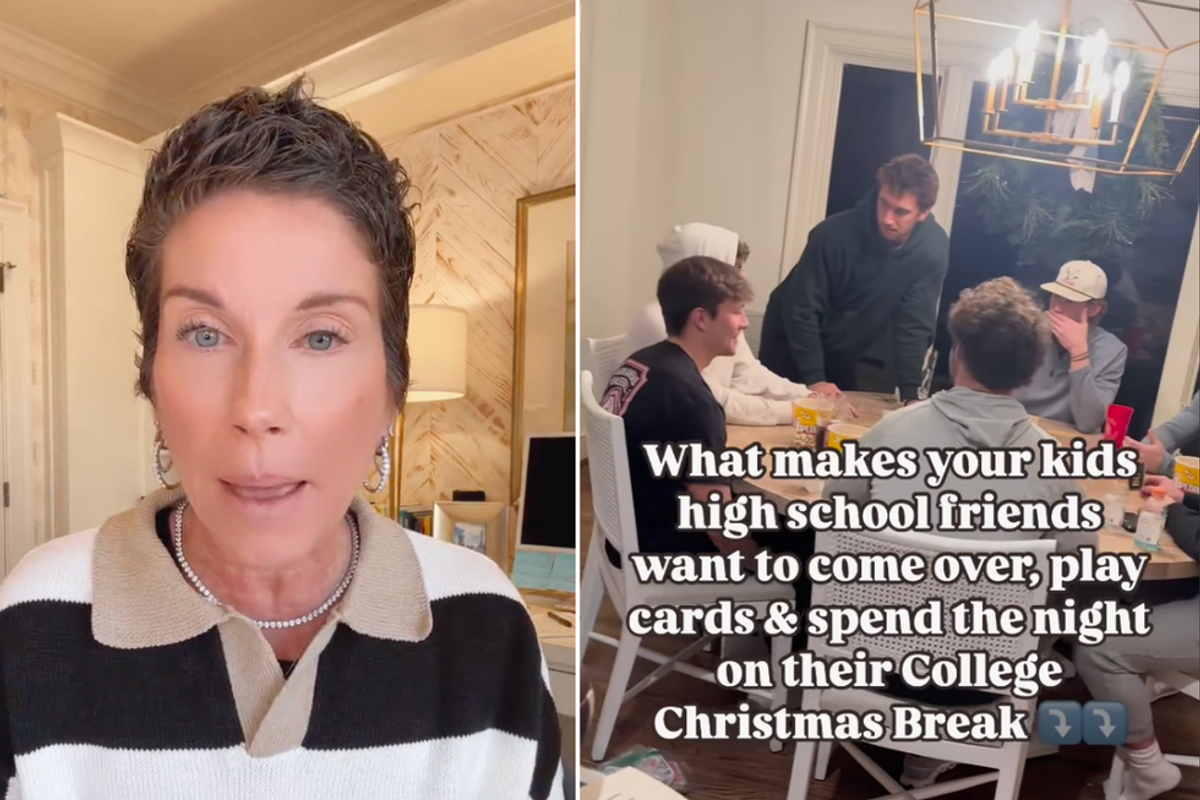
Amy White explains how her house became "the house" for her teens.
I grew up in "the house." In high school, my home was the designated place where my friends gathered, sometimes in big groups, sometimes just my small core squad. My three best friends spent the night there almost every Friday and/or Saturday night for four years straight. We devoured Totino's frozen pizzas by the dozen, inhaled soda, and laid waste to any snacks or leftovers that were brave enough to survive in the kitchen. Not only that, but my house was pretty small — four teenage boys took up a lot of space in the living room (the whole thing) and made a lot of noise playing video games deep into the night. It must have driven my parents and older brothers crazy. It's a wonder anyone put up with it.
Or so I thought when I was younger. When I became a parent myself, I started to understand a little more why my mom and dad were so willing to host and feed all my friends and me every single weekend. Why the outrageous grocery bill and constant chaos in the house were probably a small price to pay.
Mom explains how to make your house 'the house' where teenagers hang
One mom has perfectly encapsulated the value of turning your home into "the house" for your kids and their friends, and exactly how she did it for her family.
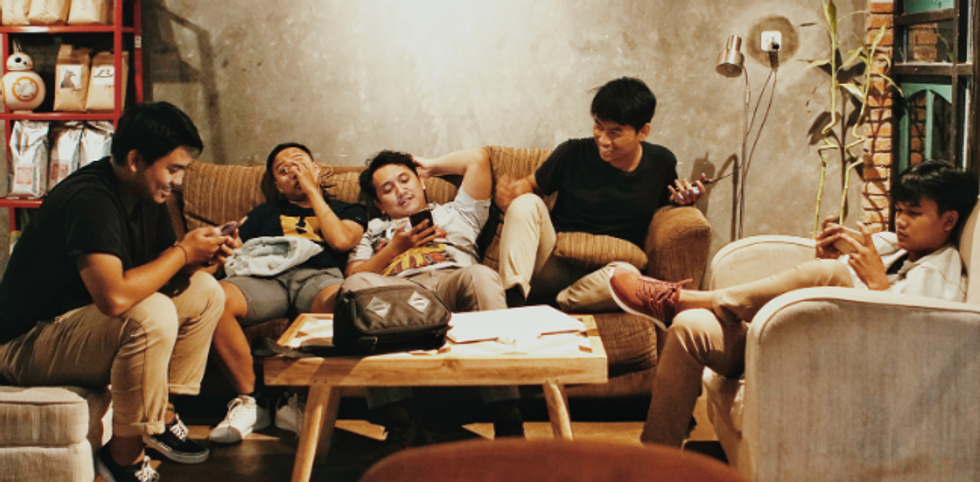 Teens hanging out in a living room.via Canva/Photos
Amy White shared a reel on Instagram showing her college-aged son hanging in her dining room with a group of friends playing cards. The text overlay reads "What makes your kids' high school friends want to come over, play cards & spend the night on their College Christmas Break." I think most parents can agree that we want our kids to keep coming home as long as possible! So how exactly did White pull this off?
Her explanation in the caption was spot-on.
First, White says that you have to start early. Become "the hang out house" in high school or even earlier. Then you have a better chance of holding onto the mantle into your kid's college years.
Next, be ready to stock the house with snacks and drinks, and don't make a fuss when your kid's friends have at it. "The kids knew we had food," she writes, "BUT they also knew I didn't care what they had. They knew they could eat anything in my pantry and fridge."
Third, and this is a big one, don't mistake being the "cool house" for being "the house." Some parents choose to allow their underage kids and friends to drink alcohol under their supervision, but you don't have to bend your morals and the law to lure the squad over to your place. Pizza and Coke is plenty to keep most teens happy. "We were not the house that served alcohol or even allowed the kids to bring alcohol to our house. And Guess What?? The kids still came and wanted to hang at our house!"
 Teenagers eating pizza.via Canva/Photos
Fourth, always say Yes (as often as possible, anyway) when your kids want to have friends over. "They know my answer is 99% of the time YES," White writes. "You have to have your kids take the leadership of offering your home and if your home was 'open' to their friends in high school, they know it will be 'open' to their friends in college."
As a bonus tip, White pleas with parents not to worry about the mess having friends over makes. "I love a clean house and organization, BUT I would much rather have a crazy messy house for the kids where memories are made than a quiet house with nothing going on just to keep my house 'clean.'"
Should parents allow teens to drink at home?
There's an age-old debate over whether parents should allow teens to drink at home because it's better than if they do is unsupervised or keep their home dry as a bone. A recent study out of the University of Buffalo found that kids who grew up drinking at home had a greater chance of having addiction problems when they got older. "A robust relationship was found between parental permission to use alcohol during adolescence and increased alcohol use frequency and quantity, alcohol use disorder symptoms, and alcohol-related harms in young adulthood," the study says.
White writes, "It's worth being 'the house', so let go of control & get to know your kids friends." Commenters agreed.
White's video went viral to the tune of 8.5 million views and hundreds of comments. Parents shared their own experiences of what it's like being the default hang out house.
"Our house was the high school hangout for my son and friends... every weekend... I loved it!! Miss it now that they are all college graduates and have moved away. I love seeing them when they do come home for the holidays"
"A wise man once said don't be the house with the alcohol. Be the house with the food."
"Amy 1000% agree!!! My house is full of teenagers on the weekends and I love every bit of it. Even though I wake up to a kitchen that looked much different from when I left it"
 Teenagers eating pizza.via Canva/Photos
"We never allowed alcohol, drugs, bad language, always respectful, and guess what, our house was always the house where the kids hung out. First my daughter, then my son. Through grade school, high school, then when my kids went out of state for college their college friends would come spend a couple weeks during the summer. I always thought of it this way, I loved knowing my kids friends and, who knows, maybe some of those kids, especially during the younger years, just maybe those kids just needed an adult to care. Anyway, it was always fun to have them here!"
"It used to crack me up when my daughter would bring over a bunch of her friends (girls and boys) in high school and instead of hanging out in the family room they all wanted to crowd into either the kitchen with me or our tiny office and happily share all the gossip with me."
Experts say that knowing your kids' friends, and their parents, can have huge benefits. Not only will it bring you the peace of mind of knowing where your kid is and who they're with when they get to those crucial high school years, it has been shown to tangibly improve kids ability to create positive relationships and problem-solve collaboratively. Plus, it can actually be really fun! Kids and teens are the funniest, silliest, most interesting people on the planet. Having a house full of them is messy and loud, but it's always a good time.
One caveat: "don’t feel bad if your house isn’t the chosen house," one commenter reminds us. "Just be happy your kid has a good group of friends and be thankful they have somewhere safe to hang out."
This article originally appeared last year.

 Older people can become frustrated over seemingly small things.
 Having compassion for older generations can go a long way.
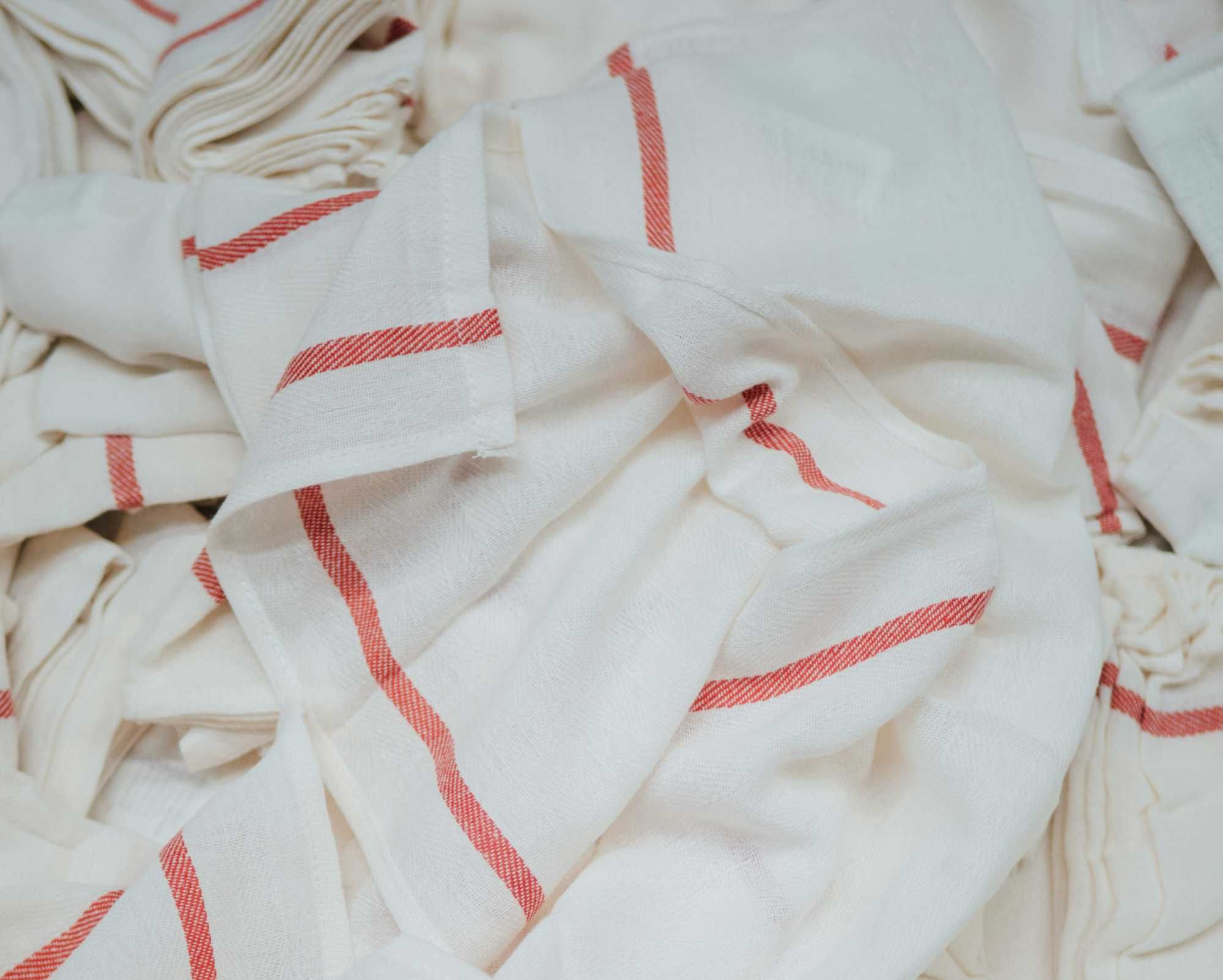 One Redditor saved big by switching from paper towels to cloths. Photo by
 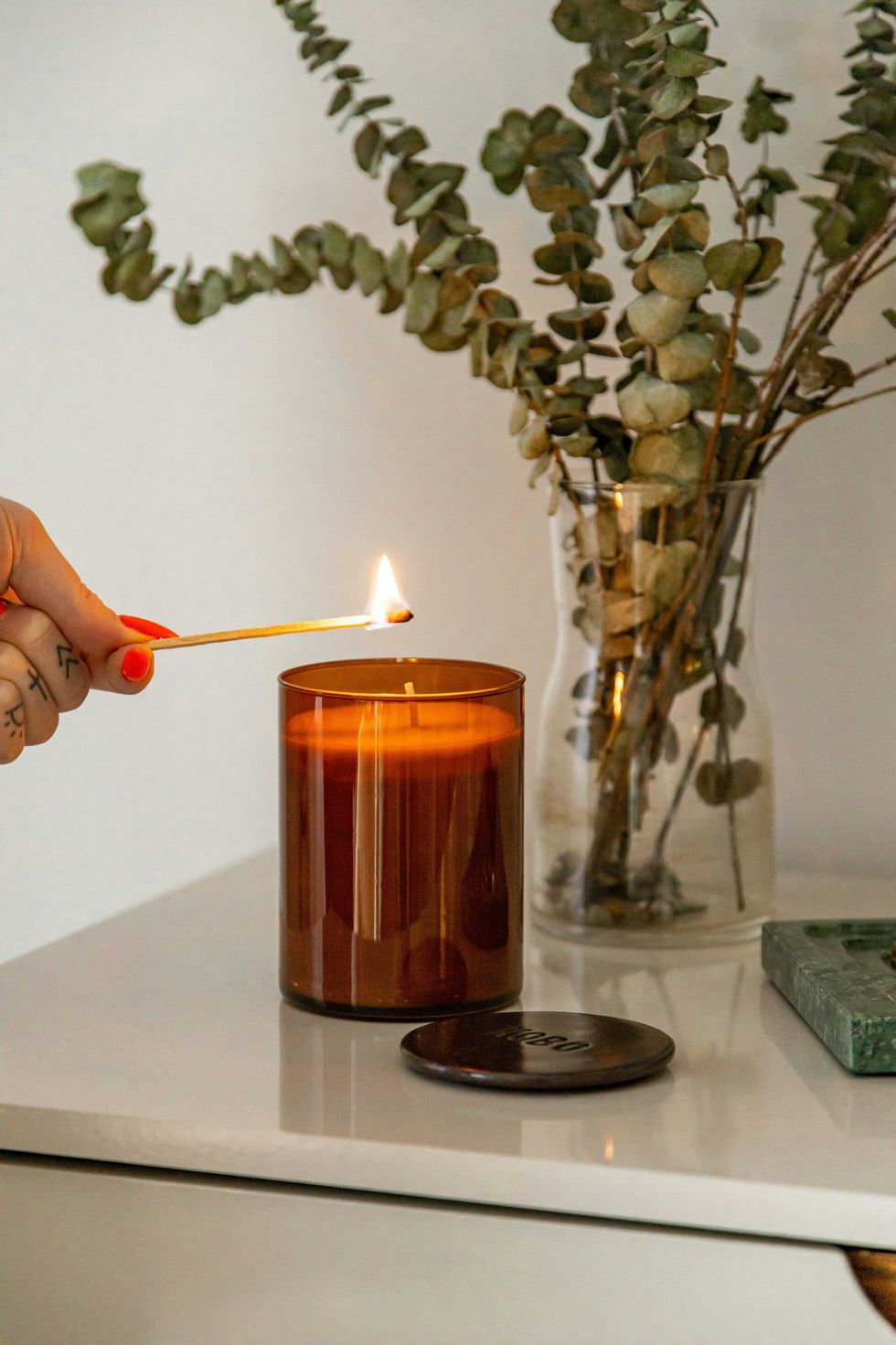 Candles smell great, but are a totally unnecessary purchase for most people. Photo by
 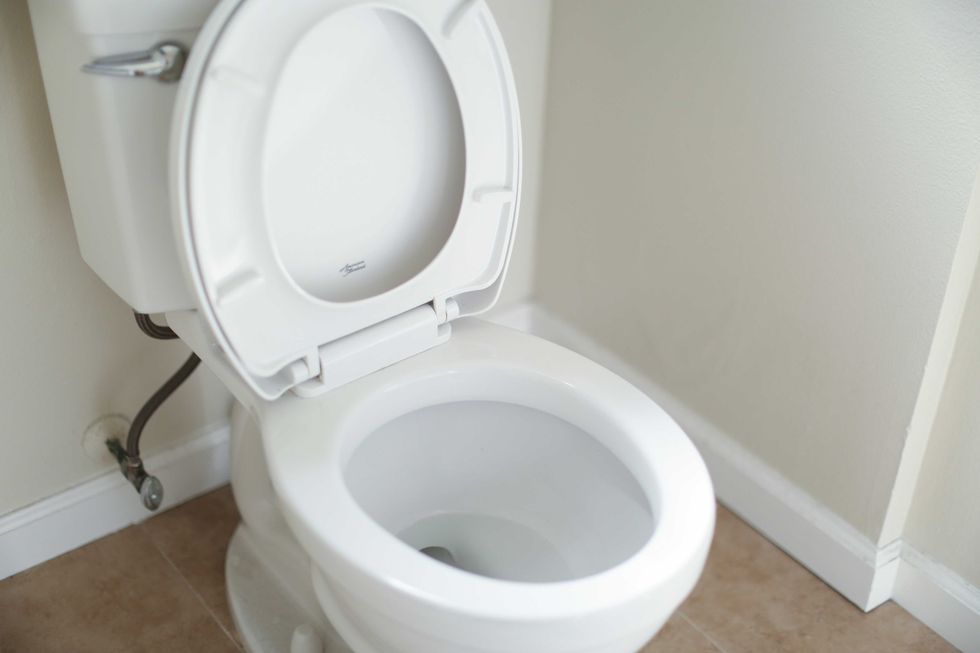 A bidet toilet seat might be an investment, but it'll save you tons on toilet paper. Photo by
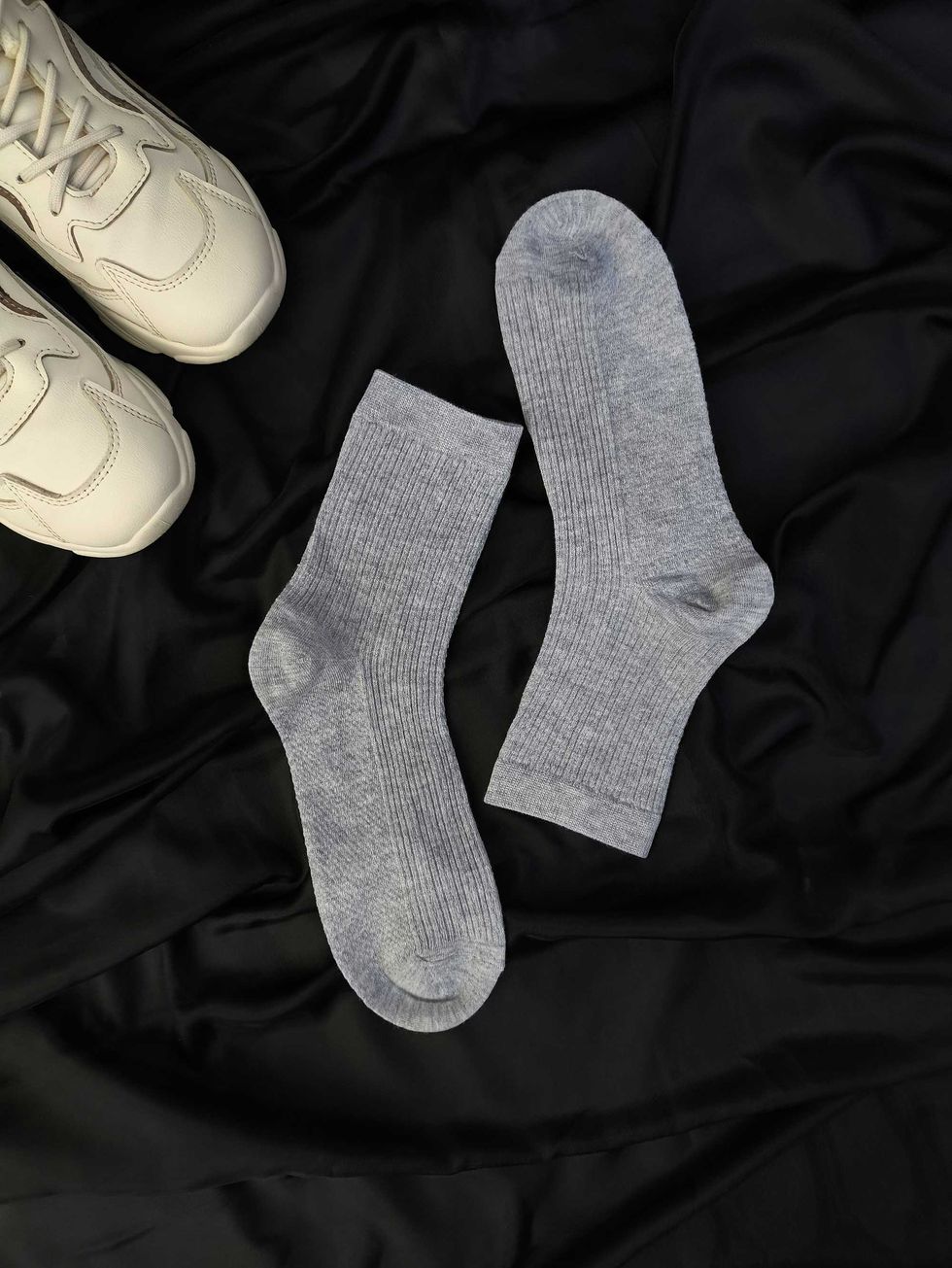 Buy dozens of pairs of the same socks. Photo by
  The most stable, reliable investment you could make. Photo by
An easy, actionable way to let President Trump know you're paying attention.
Put on your active citizen hat because the Department of Housing and Urban Development is seeking public comments on a proposed rule.
First, a little background.
In October 2016, HUD published a final rule, "Equal Access in Accordance with an Individual's Gender Identity in Community Planning and Development Programs."
It ensures people have equal access to HUD programs and shelters funded by HUD's Office of Community Planning and Development (CPD) regardless of their gender identity. It's actually an expansion of a 2012 rule that provided equal access to shelters and programs regardless of sexual orientation.
Sounds good so far, right?
A person walking by an East Harlem public housing complex. Photo by Spencer Platt/Getty Images.
The rule is great but only if people — especially those seeking emergency shelter or resources — know it exists.
As part of the rule, HUD is proposing owners and operators of CPD-funded buildings, housing units, and shelters post this rule in public places in their facilities (like bulletin boards and in the lobby) where people can see it. HUD would provide the content of the notice and the owners would just have to print it out and post it. HUD estimates the task will take six minutes.
Just print and post. That's what HUD is suggesting. Photo by Newburyport Public Library/Flickr.
Here's where all of us come in. HUD is seeking public comment on four things:
1. Whether the printout is necessary and useful.
2. Whether the six-minute estimate is accurate.
3. How to improve the quality, usefulness, or clarity of the document.
4. How to minimize the burden on people required to print out the document.
If you believe it's a good idea for HUD shelters and housing units to post this information, you can submit your comments electronically or by mail until Feb. 23, 2017.
Think giving feedback on something like this is trivial and unnecessary? Ask the genderqueer teen living on the streets who needs a place to crash and doesn't know if they're welcome at a local emergency shelter. Ask the transgender woman who was worried she'd be denied access to a home-buying program.
It may seem small, but to the individuals and families looking for resources and reassurance, it's significant.
Homeless grandmother Valencia Terrell arrives with her grandchild to stay temporarily at a friend's home in Atlantic City in 2015. Photo by John Moore/Getty Images.
More comments and feedback on the issues and proposed policies let the administration know we are paying attention.
This is only the first week of the new administration, and President Trump and his team have set several potentially devastating plans into motion. There's the unsanctioned gag order at the USDA, the devastating executive action prohibiting U.S. aid groups from funding NGOs that advise on or provide abortions, revival of the Keystone XL and Dakota Access oil pipelines, not the mention the promise to begin moving on his border wall.
President Donald Trump signs one of five executive orders related to the oil pipeline industry. Photo by Shawn Thew-Pool/Getty Images.
You may not have the time or emotional energy to respond to every issue or proposal and that's OK.
With so much going on, it's easy to get discouraged and zone out. We have to persist. When we stop speaking up, reading, or getting involved, the administration's decisions go ignored and unchecked. There's just too much at stake to risk that.
Pick your issue: write a comment, make a call, attend a town hall, send a letter. Let Congress and Trump know you won't be silenced, bullied, or ignored. They work for us, and it's time they get a reminder.
People listen at a town hall meeting on Latin American and immigration policy in Los Angeles. Photo by David McNew/Getty Images.
Get ready. Your active citizen hat is going to be on for a while.