In his book Atomic Habits, James Clear notes that “your outcomes are a lagging measure of your habits … you get what you repeat.” Basically, if you want to predict where your life is leading, take a look at your daily choices. And Clear is certainly not the first or last motivational speaker to promote this wisdom. Pick up any self-help book, and it will most likely tout the message of how small, incremental changes can have an enormous impact on our lives.
A recent thread on AskReddit posed the question: What improved your quality of life so much you wished you did it sooner? For those of us who still can’t seem to tick off things like “drink more water” from the to-do list (despite knowing full well all the benefits) it might help hearing success stories from real, everyday people.
Here are some of the highlights:
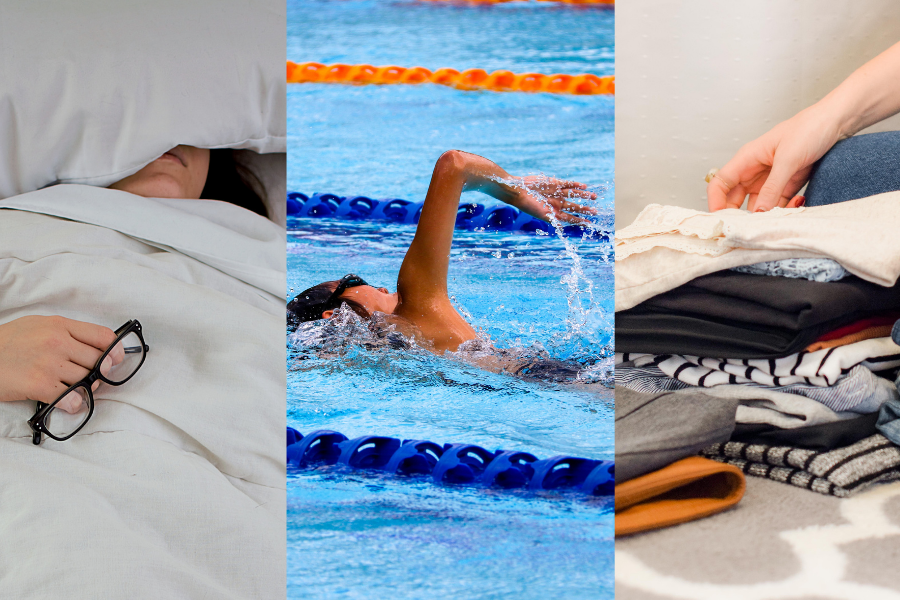
Swimming for back pain

“Drugs, bed rest for weeks, chiro, deep massage, electroshock. Then I swam some laps and over a three day period months of decrepitude vanished. I couldn’t believe and am now obsessed with swimming.” – DontShootTheFood
“Most people who have back pain (especially lower back pain) have it as a result of sedentary lifestyle (exacerbated by sitting in office chairs for a long period of time). Swimming is a fantastic total body and core workout which just builds and balances strength to reduce back pain. If you have pain due to an injury, it may not be as effective.” – hanksredditname
Managing road rage
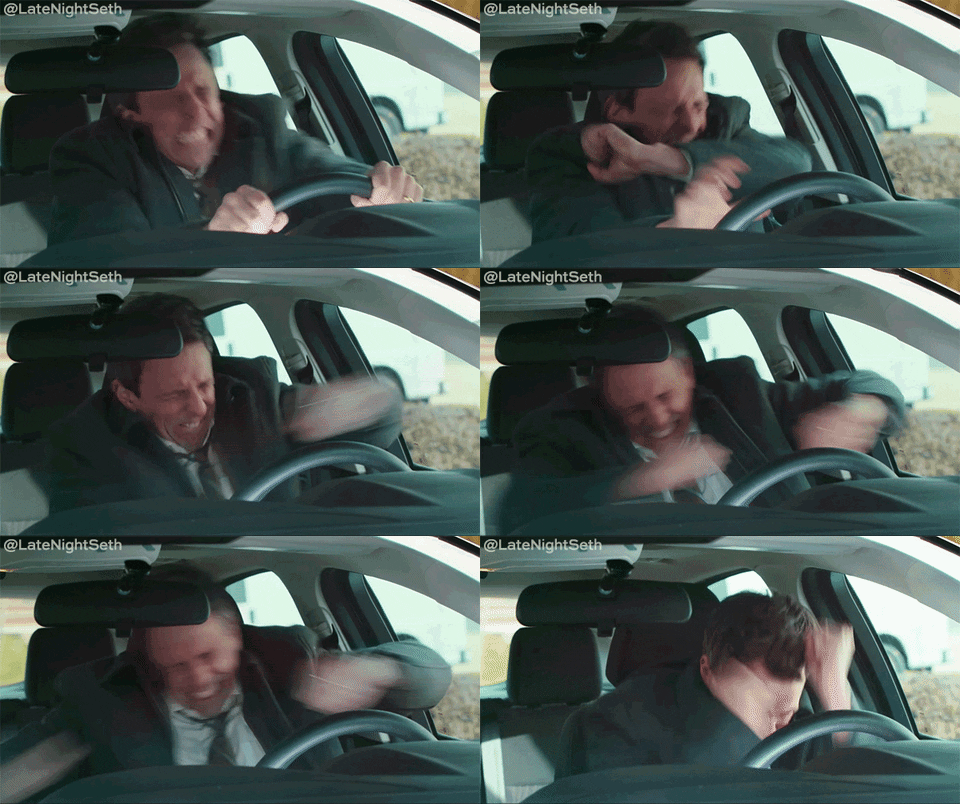
“Someone wants to pass me when I’m in the left lane? Move over and let them pass. Someone wants in my lane? That’s ok, I don’t consider the gap ahead of me to be my real estate. Semi puts on their blinkers when I’m intending to pass? Let off the speed and flick my high beams to let them know there’s enough room to enter my lane. All of this helps traffic flow better, makes things safer, and actually feels good to do. And all it required was to stop feeling like all of those things were a personal attack on me and my desire to get to my destination.” – Buddahrific
Setting boundaries … even with family
“I used to feel like I had to hang out with people when they asked, and as an introvert would resent losing my ‘me’ time. Now I’m just honest with people and say I’m tired, or that I had a long weekend of Great British Bakeoff and dog snuggles that I was really looking forward to. Might sound lame but I’m 150% happier.” – Acceptable-Place0872“…I’m in my late twenties and talk to neither of my parents. I forgive them for what they did, but I don’t want a relationship of any kind with them and have made that very clear. I just stopped picking up the phone, texting back, messaging back at all. My brother still talks to one, but he suffers for it. I know I made the right decision.” – thekindwillinherit
Exercising for more than just your body
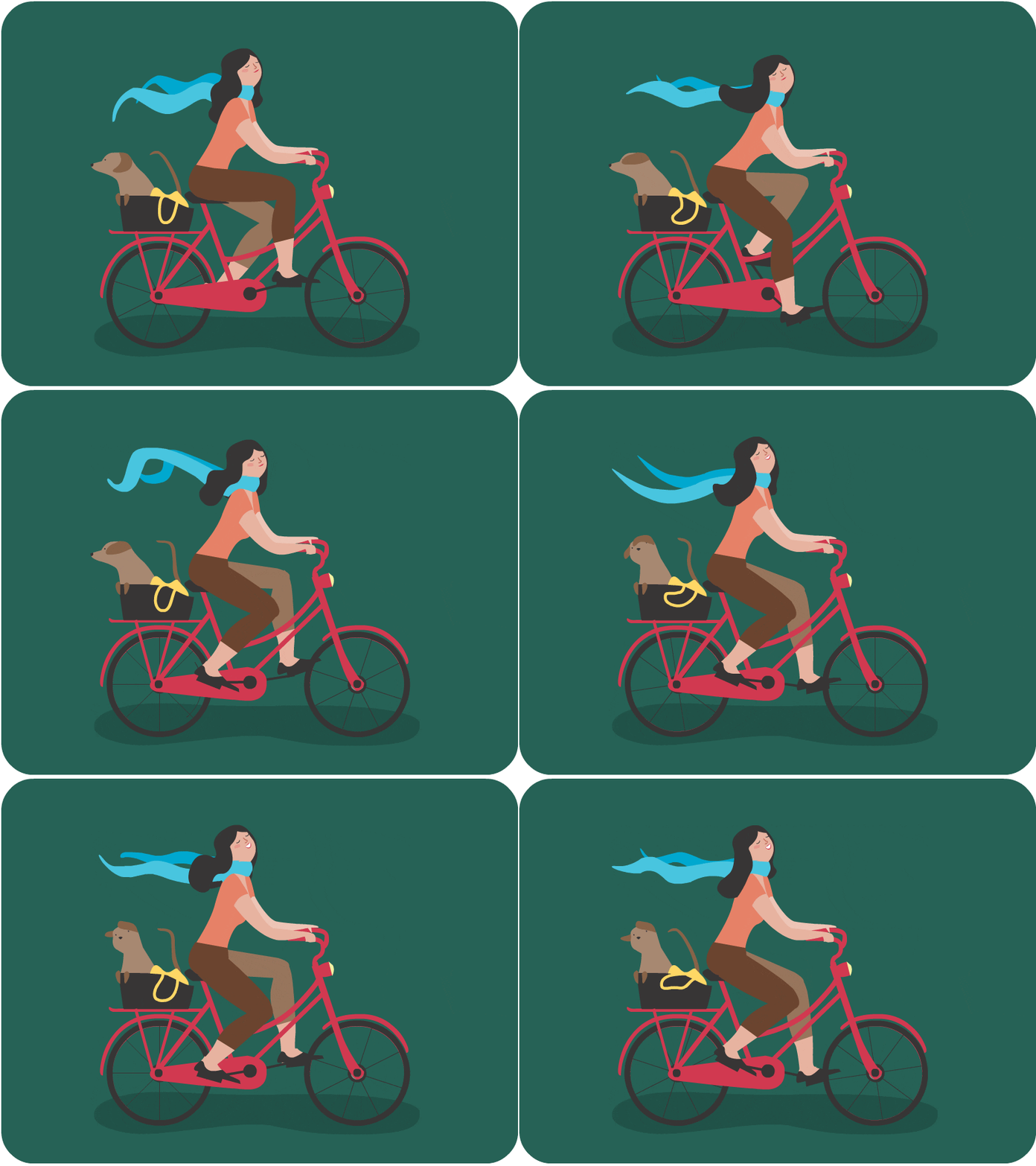
“I wish more people knew exactly how helpful exercise really is for both mental and physical health! Throughout high school I was seeing psychologists for anxiety and other issues and they repeatedly told me to eat healthy and exercise to improve my mental state. It’s pretty easy when you are in a bad place to dismiss that and say ‘a chemical imbalance in my brain isn’t going to fix itself if I go for a run’ so I never followed their advice. When I was around 20 I got a gym membership and actually started exercising for unrelated reasons and WOW does it help a lot! If you have mental health issues, a healthy lifestyle might not totally fix you but it will DEFINITELY help.” – vindaflyfox
Breaking free from phone addiction
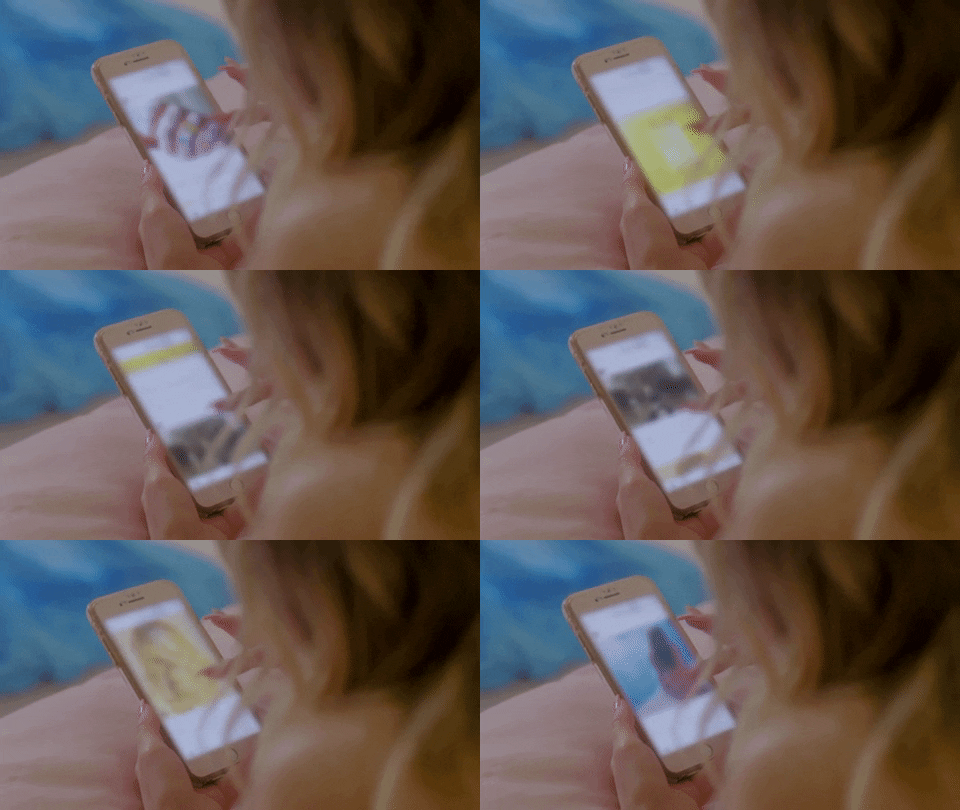
“Disable your push notifications in tandem with uninstalling all social media apps. It’s quite fascinating how much better you feel when social media isn’t installed. Bye bye FB/Meta, Insta, Twitter, all of it gone. Talk about liberating. Took me about a month of “training”, but now I hardly ever look at my phone, and I no longer feel phantom vibrations while it’s in my pocket. It’s disgusting how we’ve become slaves to our devices.” – dj92wa
Improving sleep

“I’ve been using my CPAP for a few weeks now and I actually know what it’s like to have energy and motivation and not be a zombie by 2 pm. If anyone else feels like that, I heavily recommend talking to your doctor about having a sleep study done.” – whomikehidden
“Sunrise Alarm Clock. I wake up so much better during the dark winter months.” – herbstavore
Decluttering
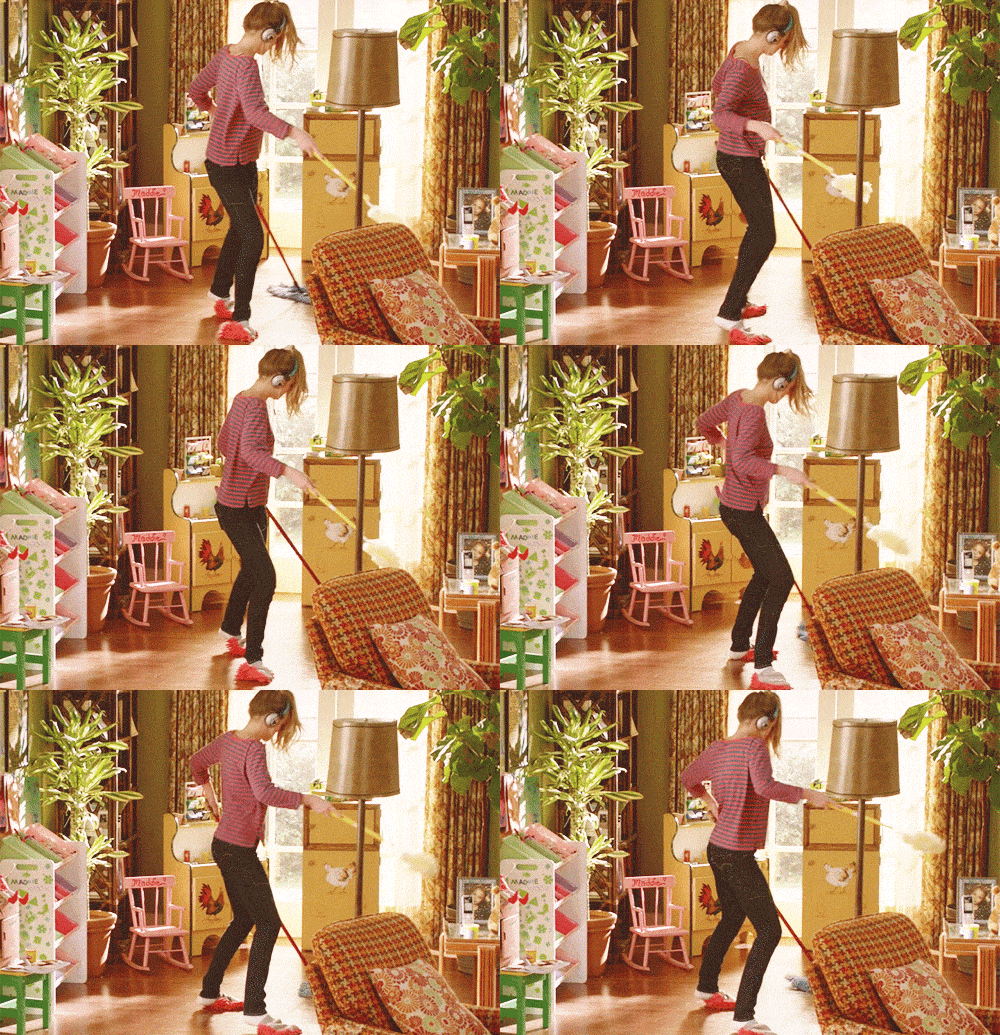
“…A consistently clean home is amazing and doesn’t take a ton of time. 10-15 minutes a day I can keep things fairly tidy.” – unwinagainstable“Nothing feels so relaxing when everything is in its place, organized and uncluttered. This obviously goes for at home, but also a clean car, clean desk, clean and organized computer and filing. Taking notes and reminders and deleting them when the task is done really relieves the mind. You can relax and focus better when your brain isn’t cluttered and overwhelmed.” – KanataCitizen
Walking for an hour
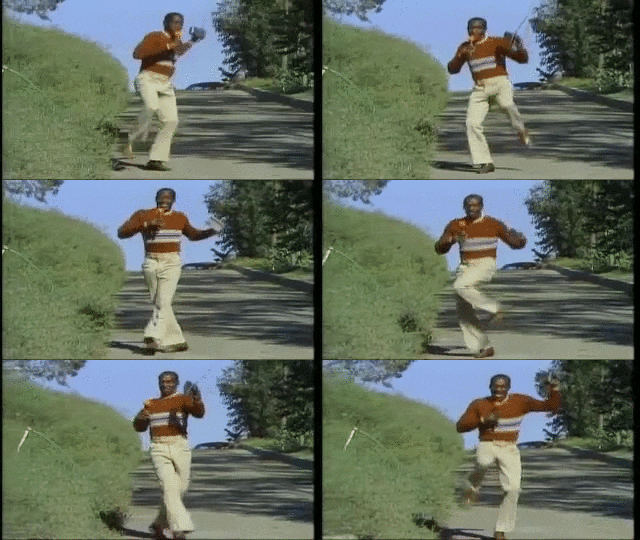
“This literally saved my life. A lot of people think just going out for a walk has minimal benefits, but it has both great physical and mental ones. Highly underrated (and free).” – grittypitty
Journaling affirmations
“…it helps remind me of my values, which helps me make better decisions each day, and having done it for three years now, I can see the progress I’ve made in learning not to sweat the small stuff. It’s encouraging. I’m figuring myself out.” – babblewocky
Dropping sarcasm

“I thought this gave me sharp, dry wit but really it was one step up from a teenager’s whiney voice making fun of people. It really was a low form of humor and, indeed, the perfect analog to the pseudo-intellectualism of the cynical act. It’s so easy to be sarcastic and nasty and it gets old REALLY fast.” – zazzlekdazzle
Opting for positive content
“I stopped consuming true crime content this past summer. It overall made me a more fearful, less empathetic, and more judgemental person by nature. The content encouraged my negative thought spirals and called it awareness. Never going back.” – notwest94
Practicing gratitude
“It is small but it genuinely makes a big impact. I had an assignment for a university course last year where we had to spend one week noting down something positive/good each day and then the next week negative things and I hadn’t realized just how much my life has improved until the week where I focused on negative things, it really solidified how much of a difference it made on my mood, how I felt about myself, and even how much I accomplished.” – supersaurus65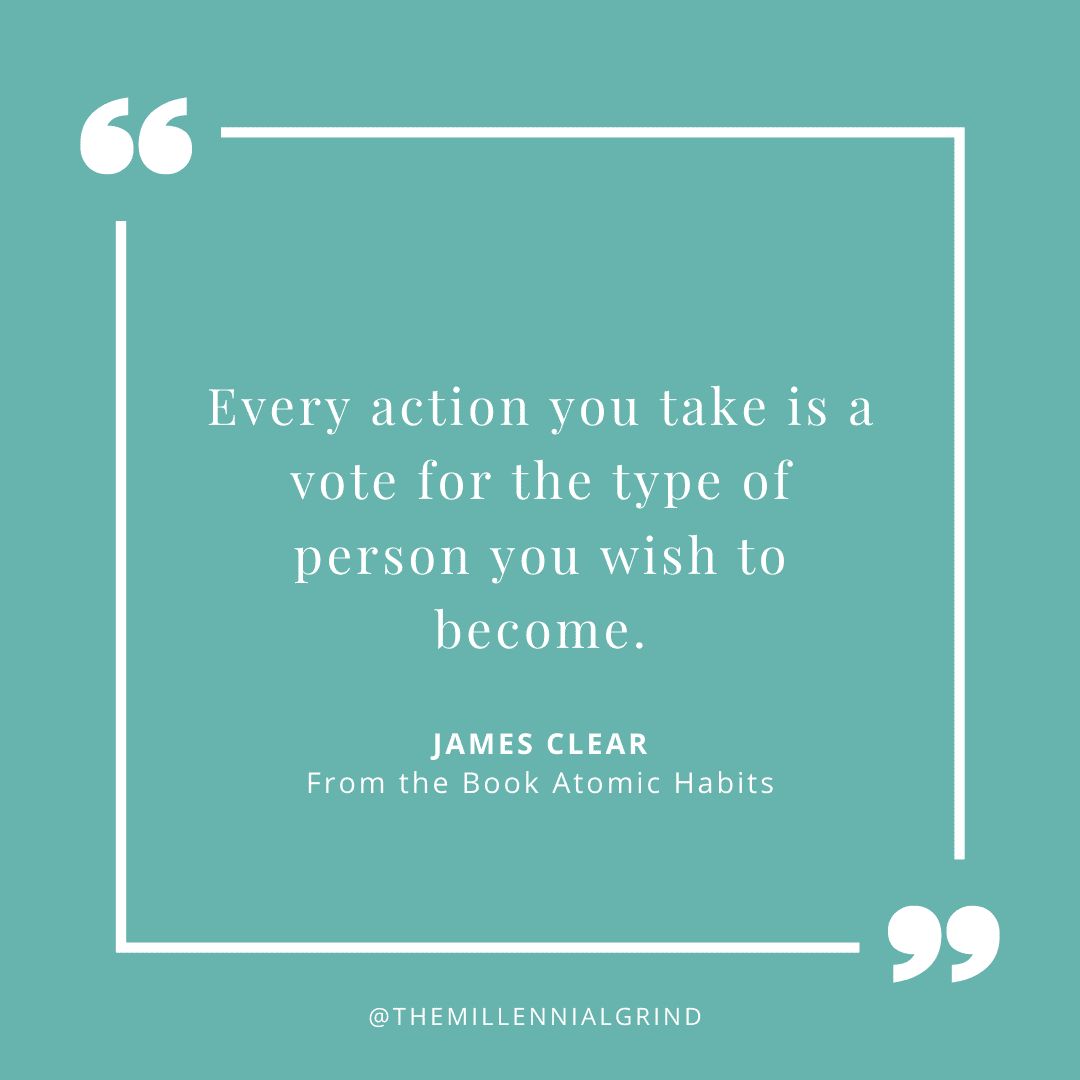
There were some other great contenders: daily dancing, seeing a therapist, stretching before bed and at waking … just to name a few. But no matter the habit, they planted seeds for not only a new life, but for a new identity. As Clear would put it, “every action you take is a vote for the type of person you wish to become.”
Let authors like Clear help guide you—and stories like the ones above help inspire you—as you forge a better path for yourself, one small step at a time.
This article originally appeared on 12.8.21