In many ways, we are the center of our own worlds.
We see things through the lens of our own experiences, our own communities, the things we read, and the people we interact with. But the world is so much bigger than what we’ve seen. It’s so much more diverse than our own experiences.
It’s impossible to know and understand everything, but we can do our best to empathize. Even the tiniest effort on our parts can make someone else feel heard and appreciated, brightening their day.
Image via iStock.
With this in mind, we challenge you to 31 days of empathy.
And don’t worry, we’ve put together a list to get you started. Here are 31 small actions you can take over the course of December to make this chaotic world a slightly better place.
Dec. 1: Compliment a stranger.
Dec. 2: When you disagree with someone, ask them to explain what they mean. Peek into their thought process.
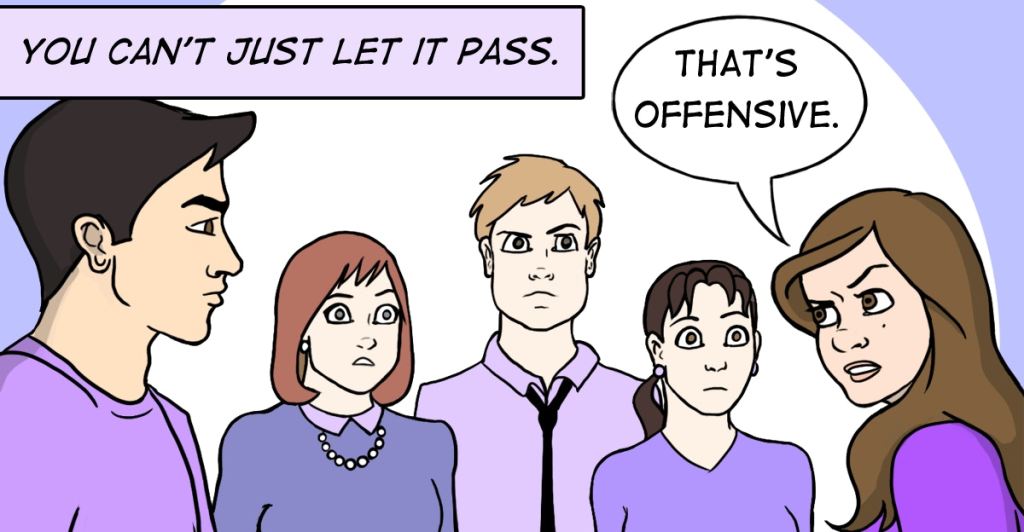
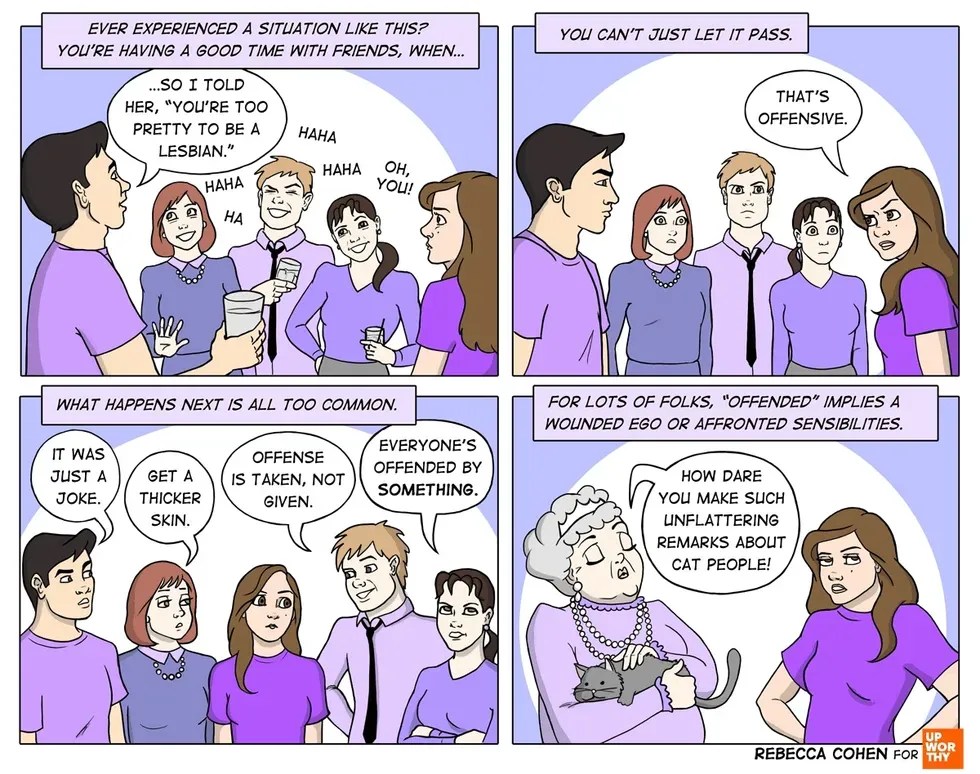
Dec. 3: Don’t shy away from tough conversations. Have a relative or friend who is saying something offensive? Gently let them know. Discuss it.
Dec. 4: Make an effort to carry a few dollars on you to give to someone who is homeless this week.
Image via iStock.
Dec. 5: Never carry cash? Grab an extra sandwich in the store and offer it to a homeless person when they ask for help.
Dec. 6: Make an effort to consume news that isn’t tailored to your leanings. Facebook is great, but it can keep us in our bubbles. Go to a news site. Read a few articles there. Chances are, you’ll learn a new perspective.
Dec. 7: Go holiday shopping with a friend. See how much thought they’re putting into gift selection, and remember that it’s not about the things we get, it’s about the people in our lives.
Dec. 8: Someone make you angry? Pause. Walk away from the situation. Then ask yourself how they might be feeling. Assume good intentions, even if the execution was upsetting.
Dec. 9: There are lots of kids who aren’t able to celebrate the holiday season with their families. Stop by a local orphanage or foster care center and drop off little holiday treats like cookies or toys. Let them know you care.
Dec. 10: Watch a documentary on another culture to understand a lifestyle that is completely different from yours.
Image via iStock.
Dec. 11: Put the emphasis on traditions and being together — and less on gifts. You never know what someone’s financial situation is. Removing the obligation will make the holidays that much more enjoyable.
Dec. 12: Did someone’s smile or kind words brighten your day? Tell them that.
Dec. 13: Ask someone how their day is going, and prod them to actually answer. And then listen.
Dec. 14: Read through “Aesop’s Fables” again for small reminders about the ways our interactions affect other people.
Dec. 15: Send someone you’ve lost touch with a note saying, “Happy holidays.” It’s a small gesture, but it lets them know you’re thinking of them, and it may rekindle that friendship.
Dec. 16: Volunteer at a food bank and talk to the families it serves.
Image via iStock.
Dec. 17: Leave a thank-you note at your favorite cafe or restaurant to spread a little holiday cheer.
Dec. 18: Ask an elderly person if they’d like help carrying their groceries.
Dec. 19: Go to a cafe, put your phone away, and people-watch. You’ll be surprised to notice the assumptions you make and how wrong those assumptions can be.
Dec. 20: Call your parents. Ask them how their day went. Tell them that you love them. Show them that you care.
Dec. 21: Lucky enough to still have your grandparents in your life? Give them a call too. Or better yet, if you’re able, stop by unexpectedly and just hang out.
Image via iStock.
Dec. 22: Borrowing a friend’s car to run some holiday errands? Don’t forget to top off the gas. Giving gas money is helpful, but filling the tank is even more appreciated.
Dec. 23: You work with your coworkers every day and face a number of challenges together. Tell them you appreciate them.
Dec. 24: Live in an area where parking is tough? Ask your neighbor if they need your parking spot if they’re unloading gifts or groceries.
Dec. 25: Does one person in your family usually do all the cooking? Help them out. Stay in the kitchen, tell them stories, and dive in to help make a dish or clean up.
Dec. 26: Treat a loved one to a day of their “favorites”: favorite breakfast, favorite movie, favorite restaurant. Make it their day.
Image via Nikos Koutoulas/Flickr.
Dec. 27: Write New Year’s cards for the people in your life. Some you may be in touch with every day, others you may have lost contact with. Tell them you appreciate them and wish them the best in the new year.
Dec. 28: Talk to someone from a different culture. Ask them about their holiday traditions. Learn about their experiences.
Dec. 29: See a kid throwing a tantrum in the middle of a store? Don’t stare. The parents are having a hard enough time as it is.
Dec. 30: Take a deep breath when you’re driving. Traffic is going to suck. But everyone has somewhere to go. You’re all in it together.
Dec. 31: Talk to a stranger. Ask them about their day and where they’re from. You’d be surprised what a simple “hello” can lead to.
Image via Cliff/Flickr.
The holidays are about more than gifts and days off work.
So take a moment to celebrate your family and the people you love. And then step outside of your world and try to be a bright spot in someone else’s day. It doesn’t take a lot of effort, we just have to try our hardest to be mindful of spreading goodwill. These gestures might be small, but they are important now more than ever.