upworthy
Add Upworthy to your Google News feed.
Google News Button
Most Shared

Chess can have a huge impact on students' lives. Just ask the first black grandmaster.

Brownsville is one of New York City's worst neighborhoods for poverty and crime.

But on one spring morning, the gymnatorium at PS 446 was overflowing with energy, packed with eager elementary students in their matching uniforms, all buzzing with excitement. Their howls and cheers filled the cavernous space, bouncing off the basketball backboards and shaking the school's crumbling foundation as the sound swelled to a cacophonous crescendo, and the chess team came charging down the stairs and —

\n\n

Yes, "chess team." You read that right.


Photo by Pedro Armestre/Stringer/Getty Images.

The guests of honor at this school-wide pep rally were heading to the National Elementary Chess Championships in Nashville. For some of them, their parents had never even left Brooklyn.

"A large piece of the achievement gap between lower and middle income students has to do with these kind of experiences," Meghan Dunn, the school's principal, told Upworthy. 

\n\n\n\n\n\n

Full disclosure: She's also my big sister. But it doesn't take familial bias to see the incredible advantages of rooks, pawns, and queens.

\n\n\n\n\n\n\n\n\n\n\n\n\n\n\n\n\n\n\n\n

“The only time that some of these kids are calm is when they're sitting at the chessboard," said Michael O'Gara, a teacher at PS 446 who oversees the Chess Club. "Their confidence is higher too. They're always being told they suck, someone on the playground or on the street saying 'I'm better than you.' But this is something where they can take pride."

\n\n\n\n\n\n\n\n\n\n\n\n\n\n\n\n\n\n\n\n\n\n\n\n\n\n\n\n\n\n\n\n

And they should be proud — in one category, their team ranked 22nd out of 50, which meant that each student got to bring a trophy home. (There were hundreds of teams overall.) That's a pretty big deal in a neighborhood with a median annual income of less than $16,000, and where less than one-third of the predominantly black population has a high school diploma.

Photo by Tim Boyle/Getty Images.

What's more, they've managed to make the Chess Club cool.

Even without the pep rallies, the Chess Club at PS 446 is treated more like a varsity sports team, according to Mr. O'Gara. That could be why the team has doubled in size since it started in fall 2012.

\n\n

Students even sacrifice their time on weekends to travel all across New York City to compete in competitions organized by Chess-in-the-Schools, a nonprofit organization that promotes chess for academic achievement in inner city schools. It's hard enough to get low-income students to school during the week; getting anyone to go from Brooklyn to Staten Island on a weekend is practically unheard of.

Photo by Pedro Armestre/Stringer/Getty Images.

Chess might sound like an unlikely escape for these students. But it worked for another Brownsville resident: Maurice Ashley.

You might recognize his name from a recent viral video where he totally owns a trash-talkin' hustler in a chess match in Washington Square Park.

\n\n

Ashley was born in Jamaica and emigrated to Brooklyn with his family when he was 12 years old. Growing up, he would watch his older brother play chess with friends, and while he understood the basic gist of it, it was never something he considered seriously.

\n\n\n\n

But that all changed in high school, after a friendly game with a classmate at Brooklyn Tech. As he said in an interview with Mashable, "A friend of mine was playing chess. I remembered the rules from Jamaica. I played him; I was a pretty smart kid and thought I'd beat him, and he crushed me."

\n\n\n\n\n\n\n\n\n\n\n\n\n\n

Intent on a rematch, he picked up a book on the game in hopes of learning a few tricks ... and he was hooked for life.

Maurice Ashley, right, playing chess in Union Square. Screenshot from Mashable/YouTube.

In 1999, Maurice Ashley was awarded the rare distinction of International Chess Grandmaster — making him the first black man to earn the title.

At the time, there were fewer than 500 grandmasters in the world, although there have been at least two other black grandmasters recognized since then. "African continent GMs do exist; but, according to the system of racial classification, I am the first black GM in history," he clarified in an interview with the U.S. Chess Federation. "It matters, and doesn't matter, all at the same time."

\n\n

But it wasn't just the color of his skin that set him apart from his peers. Where most chess masters are characterized as self-serious intellectual introverts, Ashley was always been outgoing and loves to share his passion for the game. ''There are not many Maurice Ashleys," said Allen Kaufman, the former executive director for Chess-in-the-Schools. "The typical grandmaster is an introvert and spends his time studying and playing rather than teaching kids.''

That's why Ashley opened the Harlem Chess Center — just six months after becoming a grandmaster.

While he was still on the path to grandmasterdom, Ashley had spent nearly a decade teaching chess as a part of the Harlem Educational Activities Fund, and he decided it was time to give back, knowing firsthand the value of the game's rewards.

\n\n

Also, he just loved the kids. As he told Mashable:

"Chess changes lives. I've coached kids in Harlem, in Brooklyn, in circumstances that are not easy. ... I've watched those exact same kids take the benefits of chess, whether it be critical thinking, better problem-solving, better concentration, better focus, and gone on to top universities around the country, to great jobs and careers."

Photo by Chris Hondros/Getty Images.

Ashley's right. Chess might be a game, but it also helps people overcome when life feels like a stalemate.

If you’ve never played, give it a try. If you know how, teach someone else.

\n\n

It doesn't matter if you live in Brooklyn or Boise — the simple elegance of the game can teach us  all about important skills like perseverance, strategy, focus, and even teamwork (which is particularly remarkable, considering it's a one-on-one game).

\n\n\n\n

And for those people who aren't even sure where their next meal is coming from, it shows them that a few lost pieces aren't the end of the game.

\n\n\n\n\n\n\n\n\n\n\n\n\n\n\n\n\n\n

Here's a video of Maurice Ashley offering some awesome advice for life, and for chess:
1970s, '70s, generations, food, meals

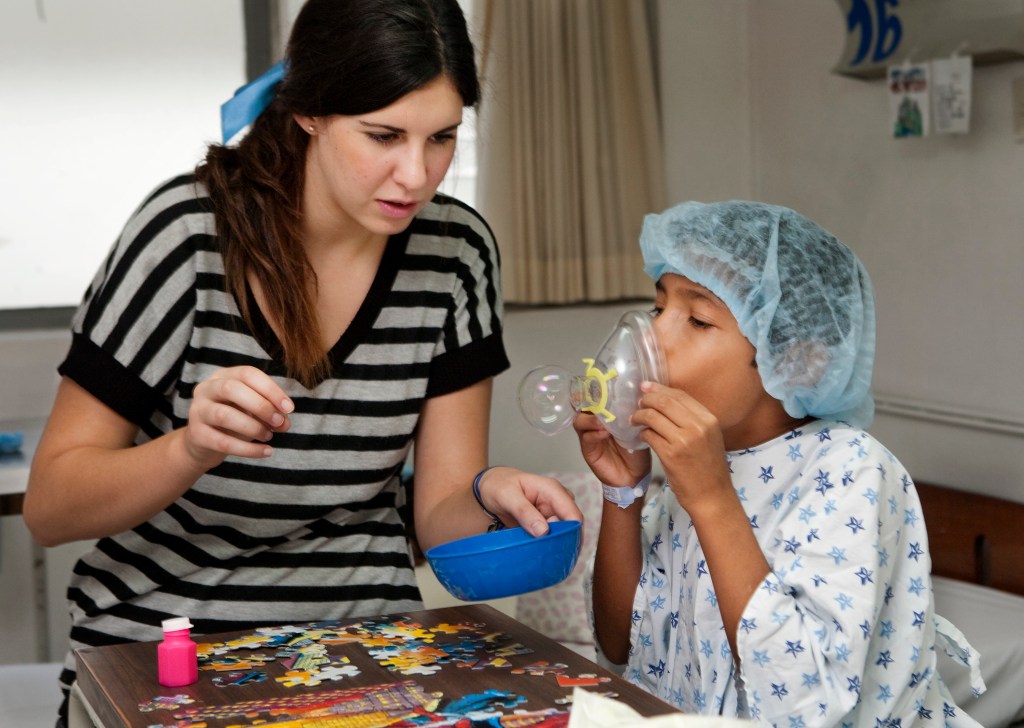
Kids in the 1970s pretending to cook

"What's for dinner?" has been asked by kids for millennia, probably, and the most common answers depend on both where and at what time in history it was asked. In ancient times, people were limited to what they could hunt or gather. Medieval recipes look different than what people ate in the 19th century. And what our grandparents ate when they were children was different from what our kids eat today.

Obviously, people couldn't DoorDash Chipotle in the '70s, but when someone on Reddit asked people born before 1970 what they ate for dinner most weeks, there were some standard meals a lot of Americans clearly ate regularly growing up. Lots of meatloaf and beef stroganoff. Pork chops and chop suey. Convenient assistance from Shake n' Bake, Hamburger Helper and TV dinners. Canned fruits and veggies. So much Jell-O.


Here are some of the most popular responses:
"Overcooked pork chop, minute rice, canned green beans, canned fruit cocktail

Spaghetti with ground beef and sauce made from a packet (Durkee?)

Pot roast (whatever cut of meat was on sale) cooked with Lipton onion soup mix. Frozen peas. Canned peaches.

Meatloaf with mashed potatoes and canned green beans. Canned pears

Shake n bake chicken and scalloped potatoes from a box. Canned fruit of some kind.

On awesome days Chef Boyardee pizza mix from a box.

I liked LaChoy chop suey.

Always with a jug of milk on the table."

1970s, '70s, generations, meals, meatloaf Meatloaf was a staple dinner.Photo credit: Canva
"So I think many of our moms went to the same home ec classes. Our house also had on rotation:

Goulash: It wasn’t what I have come to understand is Hungarian Goulash, but ground beef/spices/tomatoes.

Chicken Diane: Way overcooked chicken with rosemary, thyme and other seasonings.

Meatloaf: Yes, ketchup on top.

And the ever-present rice. Dad bought an aluminum rice cooker from his time in Japan and we had rice (he added soy sauce on top) 3x per week. The other side was baked potatoes.

The big treat!!!??? Chef Boy Ar Dee pizza from a tube on Friday once per month. Mom had a round aluminum baking pan and make dough, spread the included sauce on the dough, add the Parmesan Cheese (in the included packet). That was the biggest treat - and in all honesty I would go back to that day cause I miss my mom. Best pizza ever."

- YouTube www.youtube.com

"Hamburger patty or braised round steak, green salad, canned vegetable (peas, beans, corn, beets). Occasionally a baked potato. Sometimes my mom would toss chicken in a flour/seasoning mix and bake it and we'd have oven fried chicken--maybe once every couple of weeks. We got beef from a cousin so it was cheap, and chicken was expensive.

Mom also made spaghetti with ground beef, and beef stew with the tougher cuts of the cow. Oh--and liver--God how I hated liver night.

We always had cheap grocery store 'ice milk' in the freezer for dessert."

1970s, '70s, generations, food, meals, spaghetti Spaghetti is still a classic.Photo credit: Canva

"Sunday - Spaghetti/macaroni and homemade spaghetti sauce and a salad.

Monday - Roast chicken, a side (potatoes, Rice-a-Roni), and a veg.

Tuesday - Pork chops, a side (potatoes, Rice-a-Roni), and a veg.

Wednesday - Spaghetti/macaroni and homemade spaghetti sauce and a salad.

Thursday - Rump or sirloin steak, a side (potatoes, Rice-a-Roni), and a veg.

Friday - breaded and fried fish (ugh--haddock, halibut, or cod if the latter was on sale), a side (potatoes, Rice-a-Roni), and a veg.

Saturday - Rump or sirloin steak, a side (potatoes, Rice-a-Roni), and a veg.

Dessert would be supermarket ice cream (carton, usually Neopolitan), Jello chocolate pudding, Table Talk pie (usually apple)."

1970s, '70s, generations, food, meals, pork chops Why were pork chops so popular?Photo credit: Canva

"Typical meals: stroganoff made with ground beef and egg noodles. Pot roast. Swiss steak. Chicken cacciatore. Fried chicken. This was in California, but my parents were from the Midwest so pretty meat-and-potatoes. There was always a side vegetable and a starch. Rarely bread or rolls. Occasionally salad but not always until the 1980s. No formal/planned dessert except for special occasions like birthdays and holidays, but sometimes there was ice cream in the freezer or there were cookies (store bought; my mom wasn't a baker). In the late 70s my mom loved Julia Child and started to be more adventurous with cooking; later she took Asian cooking classes too."

"Beef stroganoff, fried bologna, weiners wrapped in bacon and then broiled, baked beans, (from scratch) liver.

Jello 1-2-3 (so space age!) Bundt cake, canned fruit salad, canned pears, canned peaches."

- YouTube www.youtube.com

"When we had some money (early in the pay period):

Spaghetti with sausages and homemade sauce

Liver and onions

Chop suey

Spare ribs and sauerkraut

Pork chops with mashed potatoes and gravy

Beef stew

Boeuf bourguignon

Beef stroganoff

When we were short on money:

Spam & scrambled eggs

Homemade macaroni & cheese

Cold cereal

That’s all I can think of right now.

We very rarely ever had dessert and almost never ate out. We never had fast food, the only fast food chain in town was Burger King, and McDonald’s was a town away and only open about six months of the year."

Here's to all the meals that nourished us in every era of our lives.

service dog, golden retriever, disney cruise, disney characters, good dog, dogs, pets, funny animals
Photo credit: Canva

A service dog named Forest lost his mind when he got to meet his hero: Pluto the Dog.

Service dogs are professionals who are trained to be attentive, helpful and extremely well-behaved for their owners who rely on them for everyday living. They aren't easily distracted and have solid control over their impulses because their job performance is vital to humans who need them. No one wants a service dog going rogue.

But underneath all of that self-control and professionalism, service dogs are still dogs, and they deserve to have a little fun every once in a while. An adorable recent encounter onboard a Disney Cruise Ship makes that abundantly clear.


service dog, golden retriever, disney cruise, disney characters, good dog, dogs, pets, funny animals Pluto and Goofy along with Chip and Dale. Photo by Taha on Unsplash

Ashton McGrady is a content creator who shares her adventures with her Golden Retriever service dog, Forest, who has an affinity for Disney characters. In one video, she shows Forest choosing his own stuffy at a Disney gift shop, even putting the money on the counter to pay for it himself.

In another video, McGrady takes Forest onto the high seas via a Disney cruise ship: The Wish. Onboard, Forest was lucky enough to be reunited with his favorite character, Pluto. People the world over are feeling his joy vicariously.

Watch:

@radiantlygolden

proof that distance won’t keep the very best of friends apart ❤️🚢✨ we love you pluto!!! #servicedog #servicedogteam #disneytiktok #disneycruiseline #disneycruise #hostedbydisney

Ashton calls Forest her "best pal and lifesaver," and it's clear from her videos that they make a great team. People loved seeing the good doggo get to let loose and enjoy a romp with Pluto and how the cast member interacted with him as well. Over two million people viewed the video on TikTok and hundreds chimed in to share how happy it made them.

"Those dogs are such good pups and work so hard to keep their owners safe, it’s nice to see them play for a bit ❤️"

"This is the most golden retriever golden I’ve ever seen 🥰🥰🥰"

"i just know the actor under the costume was having the best day ever."

"DID PLUTO WAG HIS OWN TAIL??? This is the best thing I’ve seen all day"

"It's like the Disney hug rule applies to dogs...but it's play with them until they are done."

"This truly made me smile"


service dog, golden retriever, disney cruise, disney characters, good dog, dogs, pets, funny animals Dogs aren't normally allowed onboard cruise ships unless they're service dogs, like Forest. Photo by Stephen Mease on Unsplash

The "Disney hug rule" referenced here is an apparently unofficial "rule" that Disney cast members when dressed in character don't end a child's hug until the child lets go—basically letting the child hug the character as long as they want to. It's not an actual rule, but it's a thoughtful practice some cast members use to make sure their young guests don't leave a character meet disappointed.

For Forest, the equivalent is playing until he (or his owner—he's on the job, after all) decides he's done.

This isn't the first time Forest has had a touching reunion with Pluto. Ashton shared another video with a similar interaction—it's clear that Pluto truly is Forest's bestie.

@radiantlygolden

I just want to go back to this moment 🥹 if you’re friends with pluto and you see this, you made our entire day ♥️ #waltdisneyworld #wdw50 #epcotfestivalofthearts #festivalofthearts #epcot #charactermeetandgreet #disneytiktok #distok #servicedog #servicedogteam #servicedogsatdisney

Ashton also uses social media to educate people about service dogs, as there are a lot of misunderstandings out there about what service animals are, how they work, and where they are allowed to be.

Though service dogs and their owners will often naturally form a bond, a service dog is not a pet; it's a working animal that assists a person with disabilities or health conditions. In fact, service animals are considered medical equipment, in the same category as a wheelchair or an oxygen tank, and they are allowed to go anywhere the person they are serving would normally be allowed to go—even if other animals are not allowed. As the Americans with Disabilities Act website states: "Under the ADA, State and local governments, businesses, and nonprofit organizations that serve the public generally must allow service animals to accompany people with disabilities in all areas of the facility where the public is allowed to go."

Service dogs are sometimes confused with emotional support animals, but they are not the same thing. Service animals are trained to do specific tasks related to mitigating a person's disability, which could range from recognizing when their owner is needing medical attention to reminding them to take a medication to guiding them around an obstacle or across a street.

@radiantlygolden

If a business is not pet-friendly, they may only ask these TWO questions! note: “emotional support” is NOT considered a valid answer to question 2. thank you @Disney Parks for this great example of how it should be done. #servicedog #servicedoglife #servicedogteam #disabilitytiktok #disneyparks

There are some guidelines and laws that govern how the general public as well as private businesses should interact with service animals. First, no one should pet a service animal unless their handler specifically invites them to. Second, there are only two questions a business owner or their staff members are allowed to ask a person with a service dog: 1) Is the dog a service animal who is required because of a disability? And 2) What work or task has the dog been trained to perform? They are not allowed to ask for documentation, ask what disability the person has or ask that the dog demonstrate what they can do.

For people who need them, service animals like Forest are a vital part of living a full life. They are also working professionals who deserve a break now and then, so it's fun to see this good doggo having the time of his life: like the time he met a pair of dolphins who were endlessly fascinated with him, or when he scored a great seat at the Taylor Swift Eras Tour. Rolling around with his best bud, Pluto, though, definitely takes the cake.

You can follow Ashton and Forest on TikTok and YouTube.

This article originally appeared in January. It has been updated.

Germany; German; smiling; culture; cultural norms; smiling at strangers; customer service

A German man explains why smiling at strangers in public is weird in Germany

Americans have such an interesting reputation internationally, but one that seems to give our nationality away in Germany is our habit of smiling. That's not to say that Germans don't smile because of course they do! But they don't smile while passing strangers on the street or use it as a social nicety.

Some may consider the constant smiling that many Americans do as fake or disingenuous because it's not part of their cultural norms. Dominik, a German man who runs the YouTube channel Get Germanized, explains that Americans may be taken aback by the lack of smiling by German citizens in public settings.


In America, it's considered polite to smile when greeting people or even when entering a place of business while passing another customer. It's a social norm that signals to the other person that you're acknowledging them. Sometimes this can be followed by a good morning or a thank you if the person in question held the door. There are places in the country where this is not as prevalent, but even in large cities where everyone seems to be in a rush, smiling still seems to be an understood custom.

Germany; German; smiling; culture; cultural norms; smiling at strangers; customer service Smiling girl chatting outdoors with a friend.Photo credit: Canva

Cultures vary from state to state, so it's no surprise that German social niceties are different than those in the U.S., Dominik explains, "Smiling is social lubricant everywhere else. [In] Many cultures, especially English-speaking ones, smiling is a social default. You smile at strangers. You smile to soften social interactions. You smile even when you don't mean it. It's a universal, friendly, 'I'm harmless' gesture. In Germany, that's suspicious. People will think, 'Why is this person smiling at me?'"

He goes on to share that the German smile is rare because it is only used when they're familiar with the person and are genuinely happy or amused. According to Dominik, a German offering up smiles to random people could "feel fake, intrusive, or overly familiar." It can also be seen as nervousness, insecurity, or manipulation. Germans don't smile to soothe the discomfort of themselves or others. Instead, their faces remain neutral until they experience an emotion that would elicit change.

"German communication is built on honesty. Not just in words, their body language too. If they're tired, you'll see it. If they're annoyed, you'll feel it. If they're happy, they'll show it, but only when they actually are. No forced cheerfulness. No plastic service smile. No, 'How are you? Fine,' dance. It's refreshing once you get used to it. Like taking off a mask you didn't know was there," Dominik says.

The no-smiling cultural norm extends to the service industry in Germany. Customer service employees are there to solve the customer's problems, not to be entertaining. Dominik explains that Germans trust professionals who look focused while working. Even on public transportation, no smiling is going on between commuters; people mind their own business. They're not unfriendly, they're respecting your space." Dominik shares.

Germany; German; smiling; culture; cultural norms; smiling at strangers; customer service Smiling warmly in a cozy sweater, feeling relaxed and happy.Photo credit: Canva

The German culture enthusiast assures viewers that Germans smile a lot, but it's reserved for friends, families, and cute puppies. They also smile at people they like, so it's not that Germans think Americans are strange for smiling; their cultural norms are just different.

duck egg on the ground, duck egg in incubator, duckling just hatched, humanity, kindness, ducks, animals, wildlife, conservation
Courtesy of Riyadh Khalaf/Instagram (used with permission)

When Riyadh found an egg, he had no idea how much it would change his life.

Some love stories are so out of the ordinary that they are worth sharing with the world. And few love stories are as extraordinary as the one between a man and the sweet creature that hatched from a mysterious egg he found and incubated.

The true tale of Riyadh and Spike's starts like the opening to a children's book: "One day, a man was walking along and spotted a lone egg where an egg should not have been…" And between that beginning and the story's mostly sweet ending is a beautiful journey of curiosity, care, and connection that captivated people all over the world.


Irish author, broadcaster, and activist Riyadh Khalaf was out walking in Devon, England, when he came upon an egg.

"We just found what we think is a duck egg," Riyadh says in a video showing the milky white egg sitting in a pile of dirt. "Just sitting here on its own. No nest. No other eggs."


duck egg on the ground, duck egg in incubator, duckling just hatched, humanity, kindness, ducks, animals, wildlife, conservation What do you do when you find an egg where it doesn't belong? Photo credit: Canva

Thinking there was no way it was going to survive on its own, Riyadh put the egg in a paper cup cushioned with a napkin and took it home to London, which entailed two car rides, a hotel stay, a train ride, a tube ride, and a bus ride. He said he used to breed chickens and pigeons, so he had some experience with birds. Knowing the egg could survive for a while in a dormant state, he ordered an incubator on Amazon. An incubator keeps eggs at a particular temperature and humidity range in order to allow them to continue growing. They mimic the warmth the egg receives from the mother bird sitting on it in the nest. Without that warmth, the fetus inside the egg will die.

With the egg tucked safely inside the warm incubator, the journey to see if the egg was viable began.


Even though it was "just an egg," Riyadh quickly became attached, and once it showed signs of life he took on the role of "duck dad."

Every day, the egg showed a drastic change in development. The incubator was working, and Riyadh's giddy joy at each new discovery—movement, a discernible eye, a beak outline—was palpable. He devoured information on ducks to learn as much as he could about the baby he was (hopefully) about to hatch and care for.

Finally, 28 days later, the shell of the egg began to crack. The baby was coming!


"I could see this very clear outline of the most gorgeous little round bill," Riyadh said—confirmation that it was, indeed, a duck as he had suspected. But duckling hatching is a process, and one they have to do it on their own. Ducklings instinctively know to turn the egg as it hatches so that the umbilical cord detaches, and the whole process can take up to 48 hours. Riyadh watched and monitored until he finally fell asleep, but at 4:51am, 29 hours after the egg had started to hatch, he awakened to the sound of tweets.

"There was just this little wet alien staring back at me," he said. "It was love at first sight."

Riyadh named his rescue duckling Spike. Once Spike was ready to leave the incubator, he moved into "Duckingham Palace," a setup with all of the things he would need to grow into a healthy, self-sufficient duck—including things that contribute to his mental health. (Apparently, ducklings can die from poor mental health, which can happen when they don't have other ducks to interact with—who knew?)

"My son shall not only survive, but he shall thrive!" declared the proud papa.


Riyadh knew it would be impossible for Spike not to imprint on him somewhat, but he didn't want him to see him as his mother. Riyadh set up mirrors so that Spike could see another duckling (even though it was just himself) and used a surrogate stuffed duck to teach him how to do things like eat food with his beak.

He used a duck whistle and hid his face from Spike while feeding him, and he played duck sounds on his computer to accustom Spike to the sounds of his species. He knew that Spike could not stay and live with him forever, so he'd need to learn how to become a normal, everyday duck.

"It's just such a fulfilling process to watch a small being learn," said Riyadh.

As Spike grew, Riyadh took him to the park to get him accustomed to the outdoors and gave him opportunities to swim in a small bath. He learned to forage and do all the things a duck needs to do. Throughout, Riyadh made sure that Spike was getting the proper balanced nutrition he needed as well.

In the wild, most ducks eat plants, small insects, seeds, grains, and fruits. Some species of ducks will even eat small fish. Contrary to popular belief, bread is not good for ducks. It's not inherently harmful, but it's basically candy to them — it has little to none of the nutrients their bodies need. So if they fill up on bread, they may eat less of the foods they really need. Riyadh had a lot to learn!

Check this out:


After 89 days, the day finally came for Spike to leave Riyadh's care and be integrated into a community of his kind "to learn how to properly be a duck."

A rehabilitation center welcomed him in and he joined a flock in an open-air facility where he would be able to choose whether to stay or to leave once he became accustomed to flying. Within a few weeks of being at the rehabilitation center, his signature mallard colors developed, marking his transition from adolescence. Spike has been thriving with his flock, and Riyadh was even able to share video of his first flight.

This is where "And they all lived happily ever after" would be a fitting end to the story, but unfortunately, Spike and his fowl friends are living in trying times. The rehabilitation center was notified by the U.K. government in December of 2024 that the duck flock needed to be kept indoors for the time being to protect them from a bird flu outbreak and keep it from spreading.

Building an entire building for a flock of ducks is not a simple or cheap task, so Riyadh called on his community of "daunties" and "duncles" who had been following Spike's story to help with a fundraiser to build a "Duckingham Palace" for the whole flock. Riyadh's followers quickly raised over £11,000, which made a huge difference for the center's owners to be able to protect Spike and his friends.

All in all, Riyadh and Spike's story is a testament to what can happen when people genuinely care. If Riyadh had left that egg where it was, it may not have made it. If Spike hadn't survived and been moved to the rehab center, the ducks there would be in greater danger of the bird flu due to the costs of building an indoor shelter for them. Despite the ongoing bird flu threat, the story really does have a happy ending.

In an update from June 2025, Riyadh shares that Spike is currently living with Leanne Clarke, who built a rescue shelter called "The Quack Shack" in her home. Riyadh's story and fundraising made much of the construction possible. Spike is starting to remember Riyadh less and less, which is bittersweet, but means that Spike is thriving in his new, safe, domesticated life.

Thanks to Riyadh for sharing Spike's journey with us. (You can follow Riyadh on Instagram here.)

This article originally appeared in January. It has been updated.

mil, mother in law, awesome mother in law, toxic mother in law, care package, motherhood, family

Smiling woman receives lovely care package

As many modern-day parents can attest, grandpdarents like to give a lot of...stuff. It can be overwhelming and frustrating, bringing all these things into your home that you have to find a place for, all of it adding to the clutter and mental load. Some informal surveys say 75% of parents are frustrated that grandparents give the kids too many gifts. And it's not just gifts, but food, baked goods, and groceries that noboday asked for—it's all too much!

It's a double-edged sword, though, because sometimes the stuff is great and really helpful. It's important to remember that there is a lot of generosity and love behind grandparents' (sometimes outlandish) gifting. It's a way for them to stay connected to the family when they can't always be there during the day-to-day. A little gift here and there is a way to show the grandkids they love them, and sending a batch of brownies you definitely don't want to be eating is just their little way of helping out.


To that end, a mom on TikTok recently showed off her outrageous haul from her mother-in-law, who sent a laughably generous care package when the family was sick with the flu.

mil, mother in law, awesome mother in law, toxic mother in law, care package, motherhood, family Sick woman in bed with thermometer, scarf, and hot water bottle on neck.Photo credit: Canva

Makenzie Hubbell can barely contain her laughter as she begins telling the story on camera.

"My entire family is sick and we asked our mother-in-law to shop for us, so this is everything she got."

Hubbell then holds up two eight-packs of Gatorade, or enough to hydrate a professional sports team.

"We asked for some goldfish for my son, for when he starts eating." Cue enormous, bulk-sized tub of Goldfish crackers. Then two giant bags of Tyson's chicken nuggets. "We asked for ground turkey. She got us two," Hubbell says, showing off the packs.

"Did not ask for these, but very thankful," she says, holding up a container of strawberries. "Strawberries are very expensive."

It went on and on. A huge package of chicken breast that could feed their family for a week. But the package wasn't just food and rations. There was a book for the little one, cupcakes for mom's birthday, and a gift in an adorable bag (spoiler: It was a candle and a t-shirt).

The care package was a veritable clown car of supplies and gifts. It's safe to say that mom-in-law went way overboard, in the way that grandparents do. Watch Hubbell show it all off here:

@chunkymak i fear the gatorade wont last more than 3 days😂😭 #plussize #plussizeedition #groceries #groceryhaul ♬ original sound - chunkymak

Commenters related heavily to the video, and it's got us wondering if mother-in-laws have been getting a bad rap all this time.

Turns out that mothers-in-law, despite their reputation, are coming in clutch all over the place! We might not always see eye to eye, but they're some of the most reliable and generous family members out there.

"You won the mother-in-law lottery."

"This is my MIL but she gives so much and won’t allow us to pay any portion back."

"My ex's mother, my oldest son’s grandma, drops off a care package of groceries every time she goes to Costco. Always a rotisserie chicken. Muffins, fruit, snacks for school and fresh veggies."

"Welcome to the best mother in law club. My husband had a lot of health issues before he passed and my MIL would schedule her cleaning lady to come over the day before he came home from the hospital."

"My MIL is the same way…but times 4. If I asked her to pick some things up, it would be a haul. Those of us that are blessed, APPRECIATE!"

"So happy when I hear positive MIL stories on this app. While I am not one nor do I have one it always seems like they’re getting such a bad rap."

To add to the comedy of it all, Hubbell's mother-in-law was back with more rations and an entire pharmacy's-worth of medical supplies the very next day:

@chunkymak Replying to @weetchofthewoods she also got us the sams club big pack of pampers cruisers in the wrong size so she's going to exchange them but she's got such a huge heart🩷 #plussize #plussizeedition #groceries #groceryhaul ♬ original sound - chunkymak

Conflict between women and their mothers-in-law might be a little exaggerated by sitcoms and stand-up comics, but it is a tricky relationship to manage.

- YouTube www.youtube.com

Mothers-in-law are naturally protective of their own children and have strong feelings and opinions about how their grandchildren are being raised. Communication and boundaries are key, but can be a challenge for any family to navigate with grandparents.

Case in point: Just as many commenters on Hubbell's video expressed regret that they didn't have nearly as good of a relationship with their own MIL.

It's a good exercise for any married person to look past the conflicts and disagreements and recognize how generous grandparents, and especially those pesky mothers-in-law, can be with their time and money. They just love to go overboard like in Hubbell's viral video, and seem to take pride in being more helpful than you could possibly ever ask them to be. Sure, that generosity also comes with a lot of junk and a little more spoiling of the kids than you'd like, but Hubbell's video is a good reminder to stop and be appreciative for just a moment if you're lucky enough to have an overly generous mother-in-law in your life.

This article originally appeared last year.