This article was originally published by The Conversation. You can read it here.
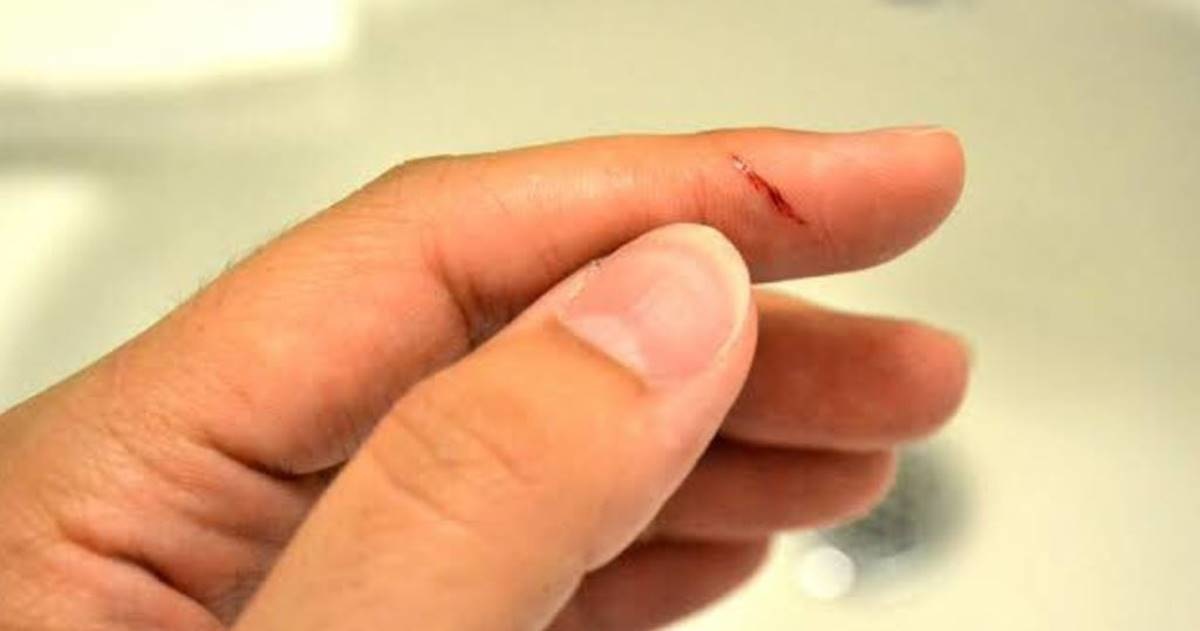
Consider, for a moment, the paper cut. It happens suddenly and entirely unexpectedly, usually just as you are finally getting somewhere on that task you had been putting off.
Recall your sense of relief to finish that thank-you note to your aunt for the lovely sweater she sent you three months prior when, at the crucial moment, your hands failed you in their familiar task and the paper’s edge slid past its restraints into the flesh.
Then pain – sharp, pure pain that bends your consciousness to the Only. Thing. That. Matters. Right. Now. There is sometimes a moment, between awareness and pain, when you bargain with fate, hoping that what just happened didn’t. But the hand is gone and the blood needs tending.
Physically, paper cuts hurt as much as they do for a variety of reasons. They typically occur on parts of our bodies that are the most sensitive, such as the fingers, lips or tongue. The nerve networks of these body parts can discriminate with exceptional clarity and specificity, sensations of pressure, heat, cold and injury.
Our brains even have specialized areas to receive signals coming from these parts in high definition. The exquisite sensing abilities that makes our fingers, lips and tongue so good at what they normally do, also makes injuries all the more painful.
These same highly sensitive areas are also parts we use all the time. Cuts on fingers, lips and the tongue tend to reopen throughout day dooming us to relive the pain again and again.
Finally, the depth of the wound is perfect for exposing and exciting the nerve fibers of the skin without damaging them the way a deeper, more destructive injury can severely damage the nerve fibers impairing their ability to communicate pain. With a paper cut, the nerve fibers are lit, and they are fully operational.
How to stop the ouch
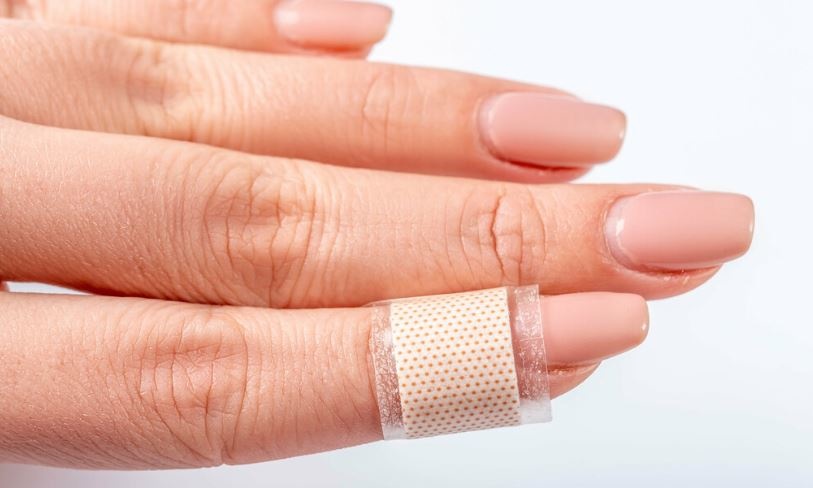
As a family physician, I can recommend a few practical ways to minimize the discomfort of a paper cut. First, wash the cut as soon as you can with soap and water. This will reduce the chance of infection and help the wound heal quickly. Keep the wound clean, and if possible, for a few days cover it with a small bandage to cushion the wound and limit reopening.
While the physical effects of a paper cut are a real drag, I am fascinated by the mental and emotional response to the paper cut.
While both intentional self-injury (example: cutting) and major accidental injury (example: car accident with loss of limb or paralysis) have inspired important, ongoing research into their psychological effects, minor accidental injuries do not – and that is OK. There are more pressing issues in need of research than paper cuts.
But for a moment think back to the feelings you may have had about your paper cuts: surprise that the mundane act of licking an envelope could result in an injury (and so much blood!); shame that your body didn’t coordinate such a simple task (why does this always happen to me?); anger for hurting yourself (arrrgh!); anxiety that it will happen again (I still have 200 more envelopes to go!). Paper cuts are trivial, but they may invoke a complex emotional response.
Paper cuts remind us that no matter how many times we have performed even a simple task we are capable of accidentally hurting ourselves. If that makes us a little more sympathetic to our neighbor’s pains, and a little more humble, then maybe paper cuts do us some good too. Maybe.
This article originally appeared on 4.28.20