Editor’s Note: This story discusses suicide. If you are having thoughts about taking your own life, or know of anyone who is in need of help, the 988 Suicide & Crisis Lifeline is a United States-based suicide prevention network of over 200+ crisis centers that provides 24/7 service via a toll-free hotline with the number 9-8-8. It is available to anyone in suicidal crisis or emotional distress.
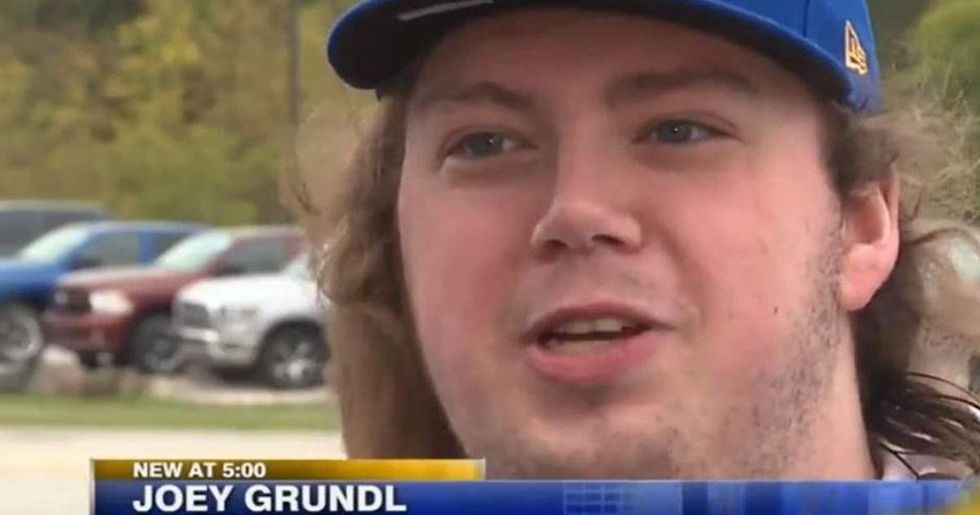
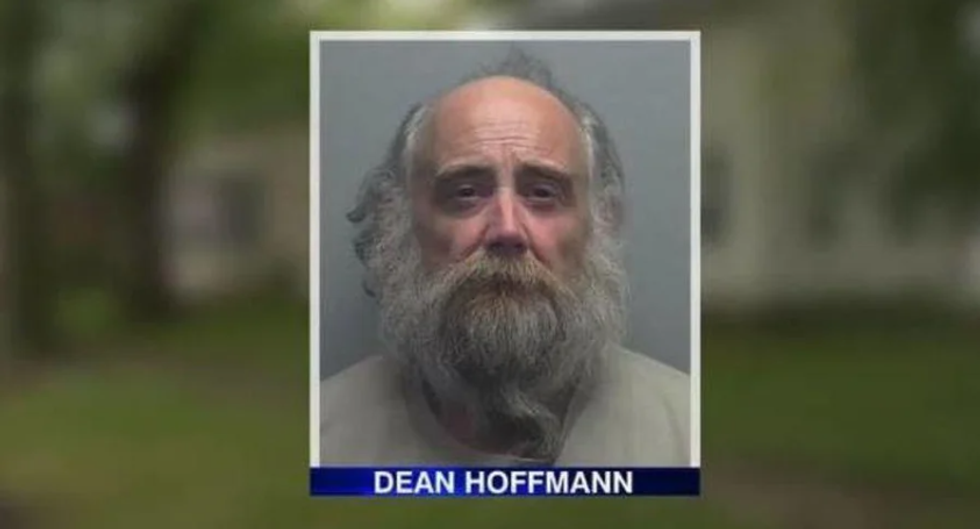
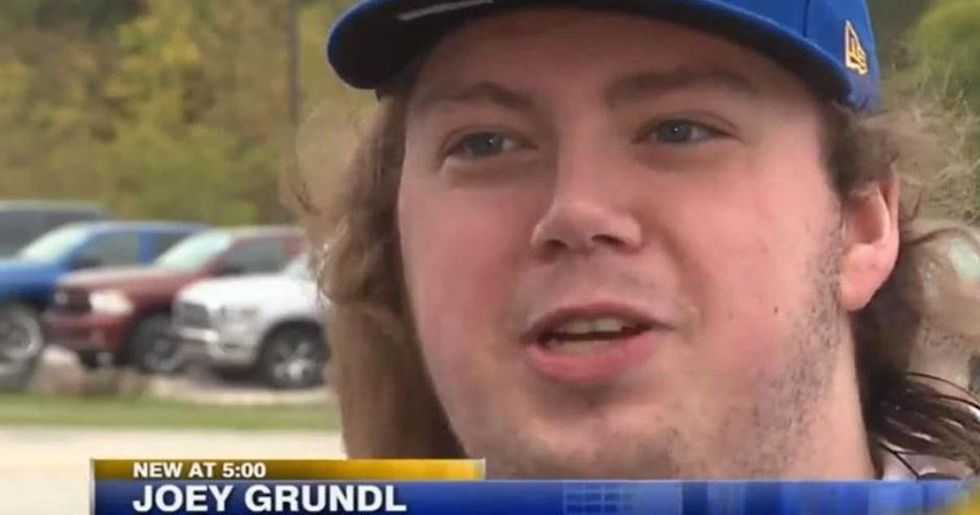
Joey Grundl, who was working as a pizza delivery driver for a Domino’s Pizza in Waldo, Wisconsin, was hailed as a hero for noticing a kidnapped woman’s subtle cry for help. It’s a timeless story that continues to resonate with people today. In 2018, the deliveryman was sent to a woman’s house to deliver a pie when her ex-boyfriend, Dean Hoffmann, opened the door. Grundl looked over his shoulder and saw a middle-aged woman with a black eye standing behind Hoffmann. She appeared to be mouthing the words: “Call the police.”
“I showed up, it was a normal delivery, and saw this middle-aged couple,” Grundl, 24, told NBC News. “I gave him his pizza, and then I noticed behind him was his girlfriend,” Grundl told WITI Milwaukee. “She pointed to a black eye that was quite visible. She mouthed the words, ‘Call the police.’” When Grundl got back to his delivery car, he called the police. When the police arrived at the home, Hoffmann tried to block the door, but eventually let the police into the woman’s home.
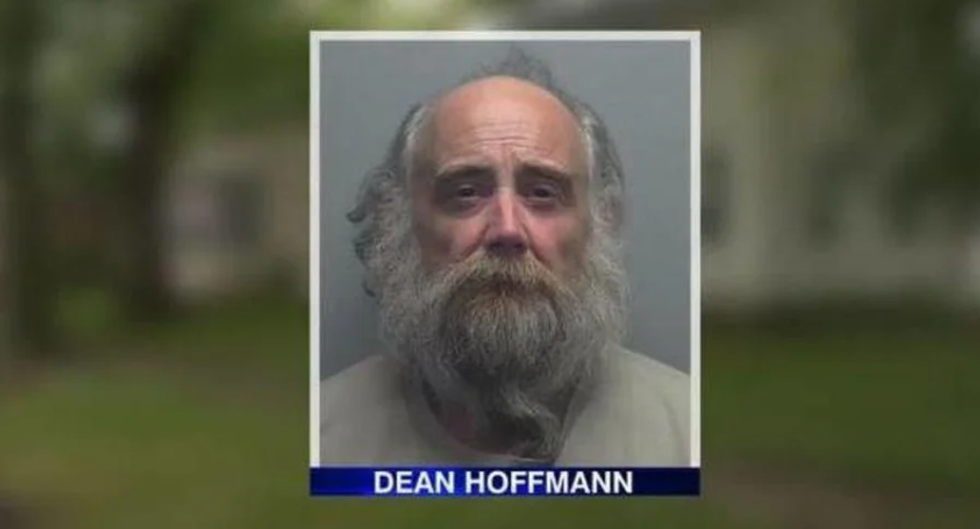
After seeing the battered woman, Hoffmann was arrested, and she was taken to the hospital for her wounds. Earlier in the day, Hoffmann arrived at the house without her permission and tried to convince her to get back into a relationship with him. He then punched her in the face and hog-tied her with a vacuum power cord.
“If you love me, you will let me go,” she pleaded, but he reportedly replied, “You know I can’t do that.” He also threatened to shoot both of them with a .22 caliber firearm he kept in his car. The woman later told authorities that she feared for her life.
According to the National Coalition Against Domestic Violence, one in three women and one in four men will experience physical violence by an intimate partner in their lifetime. Stories like this highlight not only the dangers victims face behind closed doors but also the crucial role everyday people can play in recognizing when something is wrong.
A day later, Grundl was seen on TV telling his heroic story, wearing a hoodie from Taylor Swift’s “Reputation Tour” and her fans quickly jumped into action, tagging Swift in photos of the hero. Grundl already had tickets to go to an upcoming Swift concert in Arlington, Wisconsin, but when Swift learned of the story, she arranged to meet Grundl backstage and they took a photo together.
“She … she knew who I was,” Grundl jokingly tweeted after the concert. “I’m thoroughly convinced Taylor gave me a cold.”
“This has been one of the most exciting weeks of my life,” Grundl said. “I’m legitimately getting emotional and I almost never get like this. But as the likely most memorable week of my entire life comes to an end … I guess I can really say … I’m doing better than I ever was.”
Hoffmann was found guilty of kidnapping, suffocating, harming, and intimidating his girlfriend and was sentenced to 28 years in prison. It was his first criminal charge. During the trial, his victim told the jury that she was “deathly afraid” of Hoffmann. In 2023, after being transferred to Waupun Correctional Institute in Wisconsin, Hoffmann died by suicide after 9 days in solitary confinement. Hoffman has a history of bipolar disorder and suicidal ideation, and his death has raised questions over whether the facility was equipped to deal with severe mental health issues.
How anyone can help someone in danger: a quick bystander guide
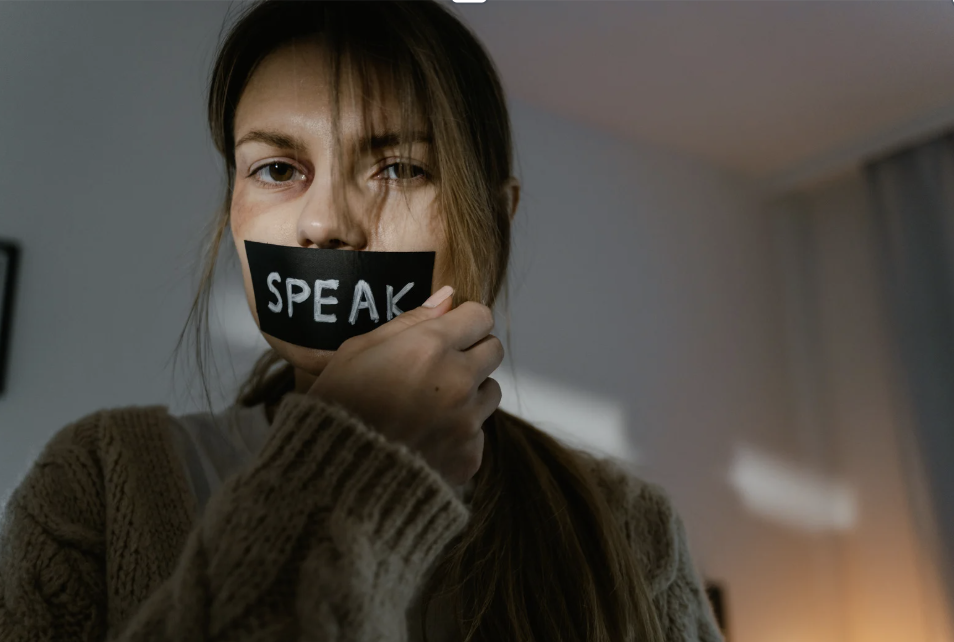
1. Notice the quiet signals.
A bruise. A fearful glance. Someone trying to mouth “help.” Domestic-violence experts say these nonverbal cues are often the only safe way a victim can communicate that something’s wrong.This story originally appeared six years ago.
2. Put your safety (and theirs) first.
Advocates stress that directly confronting an abuser can escalate danger for everyone involved—especially the victim.
3. Call for help from a safe distance.
Get authorities involved while keeping yourself out of harm’s way. Bystander-intervention programs consistently rank this as the safest choice.
4. Remember the “Distract, Delegate, Direct” method.
This widely taught approach helps people intervene without putting themselves in danger:
- Distract if it’s safe.
- Delegate to police, security, or others.
- Direct only in clearly safe, public, low-risk moments.
5. Know the modern silent distress signal.
The now-famous “Signal for Help” (palm up, thumb tucked, fingers folded) has already saved lives when victims used it to alert bystanders discreetly.
6. Trust the person, and trust your gut.
If someone gives even a tiny sign that they’re in trouble, believe them. Victims often minimize their danger out of fear, trauma, or control by the abuser. A single person taking them seriously can be life-saving.
7. Know that leaving is the most dangerous moment.
Experts say up to 75% of domestic-violence homicides occur when the victim is attempting to leave.This is why safe, indirect intervention is so important. Sudden confrontation can put them at even higher risk.
8. Share resources. They matter more than you think.
A hotline number. A shelter website. A text line. These small acts create opportunities for survivors to reach out when the moment is right.
Stories like Joey’s show that you don’t need a uniform or a badge to change the course of someone’s life. Sometimes heroism looks like being observant, trusting your instincts, and making a phone call.
This story originally appeared six years ago. It has been updated.