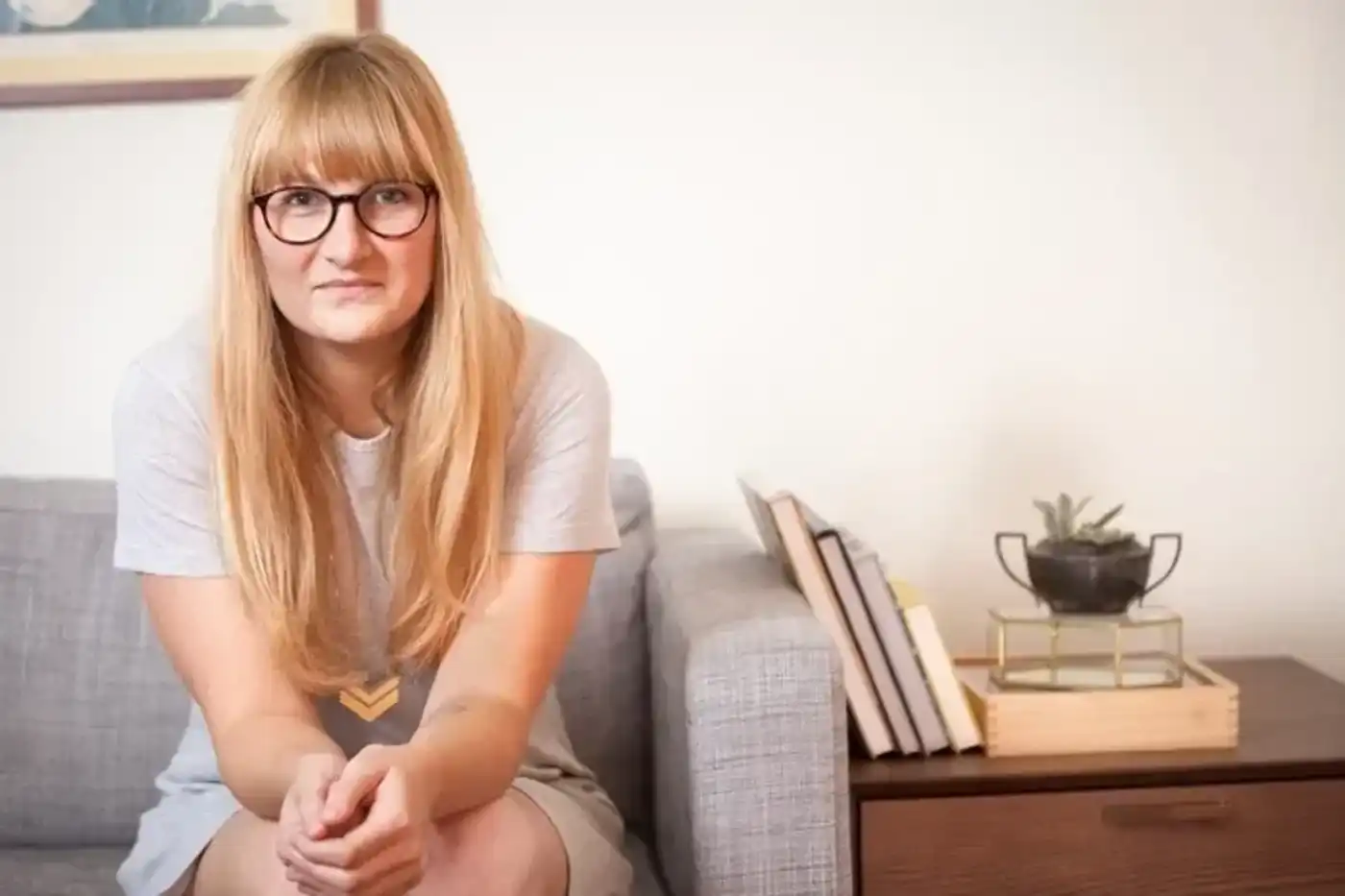
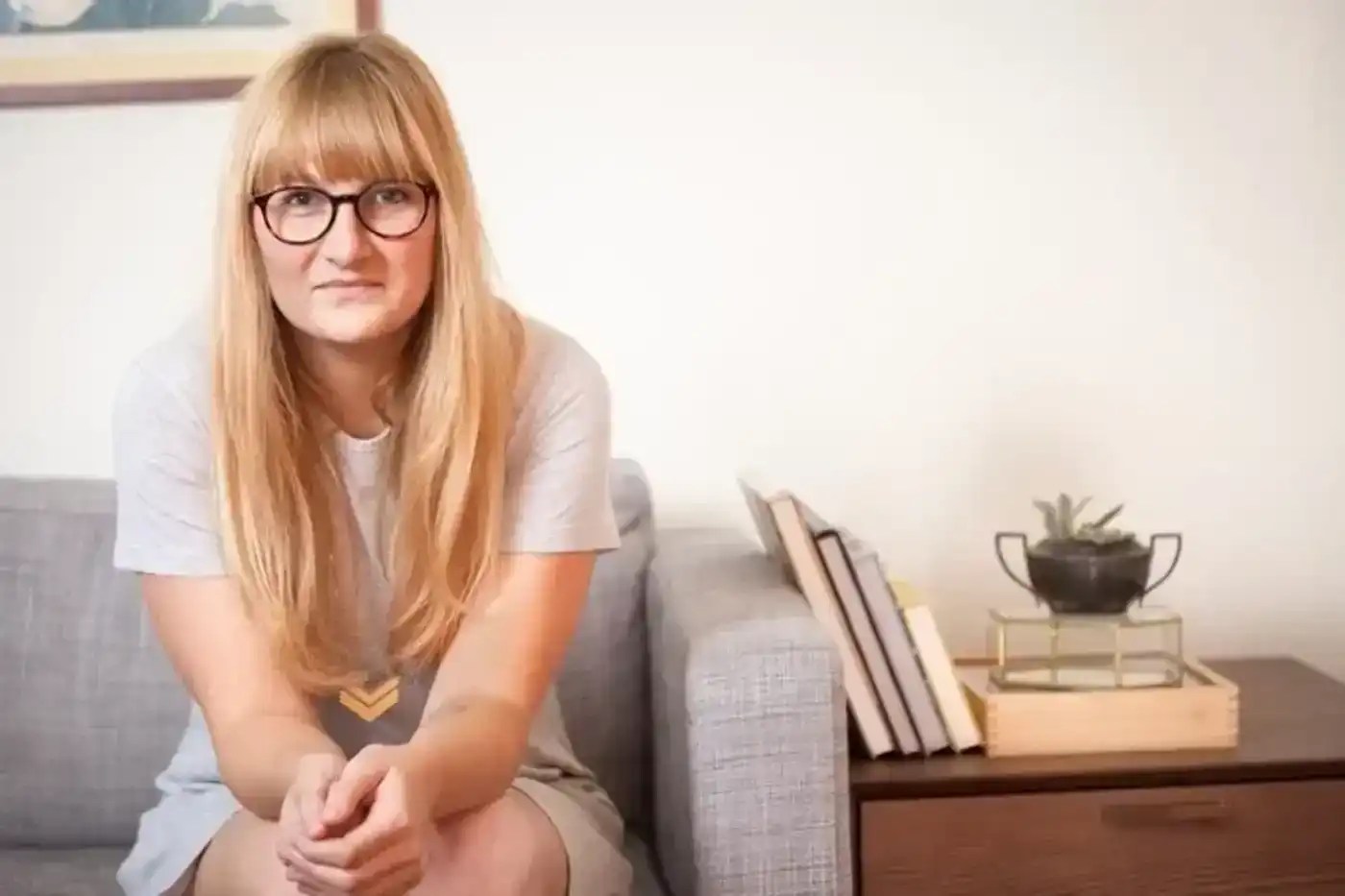
When Emily E. Smith became an educator, she went all in. As a fifth-grade teacher, she founded The Hive Society, a classroom all about inspiring children to learn more about their world and themselves by interacting with literature and current events. She had her students watch TED talks, read Rolling Stone, analyze infographics, and even make podcasts.
Beyond the classroom, she created a running club to encourage students to take care of their minds and bodies, and her extraordinary work earned her the 2015 Donald H. Graves Award for Excellence in the Teaching of Writing. And in her acceptance speech for the award, she shared the key turning point in her career that made her rethink her approach to teaching students in an urban area with wide racial and ethnic diversity.

“Things changed for me the day when, during a classroom discussion, one of my kids bluntly told me I ‘couldn’t understand because I was a white lady.’ I had to agree with him. I sat there and tried to speak openly about how I could never fully understand and went home and cried, because my children knew about white privilege before I did. The closest I could ever come was empathy.”
Smith knew that just acknowledging white privilege wasn’t enough. She wanted to move beyond just empathy and find a way to take some real action that would make a difference for her students.
She kept the same innovative and engaging teaching methods, but she totally revamped her curriculum to include works by people who share a cultural background with her students. She also carved out more time to discuss issues that her students were facing, such as xenophobia and racism.
And that effort? Absolutely worth it.
As she said in her acceptance speech: “We studied the works of Sandra Cisneros, Pam Muñoz Ryan, and Gary Soto, with the intertwined Spanish language and Latino culture—so fluent and deep in the memories of my kids that I saw light in their eyes I had never seen before.”
The changes Smith made in her classroom make a whole lot of sense. And they’re easy enough for teachers everywhere to make:
— They studied the work of historical Latino figures, with some of the original Spanish language included. Many children of color are growing up in bilingual households. According to the U.S. Census approximately 1 in 5 households speak a language other than English at home.
— They analyzed the vision of America that great writers of color sought to create. And her students realized that our country still isn’t quite living up to its ideals. Despite progress toward racial equality with the end of laws that enforced slavery or segregation, we still have a ways to go in terms of evening out racial disparities.

— They read excerpts from contemporary writers of color, like Ta-Nehisi Coates, who writes about race. Her students are reading and learning from a diverse group of writers. No small thing when they live in a society that has overwhelmingly given more attention to white male writers (and where the media industry is still overwhelmingly white).
— They read about the Syrian crisis, and many students wrote about journeys across the border in their family history for class. The opportunity particularly struck one student; the assignment touched him so much that he cried. He never had a teacher honor the journey his family made. And he was proud of his heritage for the first time ever. “One child cried,” Smith shared, “and told me he never had a teacher who honored the journey his family took to the United States. He told me he was not ashamed anymore, but instead proud of the sacrifice his parents made for him.”
Opportunities like this will only increase as the number of children from immigrant families increases. According to the Urban Institute, 1 in 4 children in the U.S. has at least one immigrant parent (though most of those kids were born in the U.S.).
Smith’s successful shift in her teaching is an example for teachers everywhere, especially as our schools become increasingly ethnically and racially diverse. When Smith was teaching in the classroom, about 80% of American teachers were white, while the majority of K-12 students in public schools were children of color.
As America’s demographics change, we need to work on creating curricula that reflect the experiences that our students relate to. And a more diverse curriculum isn’t just important for students of color. It’s vital for everyone. As Smith put it, “We, the teachers, are responsible for instilling empathy and understanding in the hearts of all kids. We are responsible for the future of this country.” That future includes all Americans from every racial, ethnic, and cultural background.
Smith, who is now Emily Smith-Buster, now works as a Blended & Personalized Learning Program Manager for Education Service Center Region 13, assisting other teachers in meeting the needs of each student.
This article originally appeared nine years ago and has been updated.