As human beings, we grow and change throughout our lifetimes to varying degrees, but the changes from childhood through adolescence are often the most dramatic. But does that mean that who we are as young kids is irrelevant to who we are as adults? A 20-year study sought to explore that question with some fascinating results.
The study, published in the American Journal of Public Health, showed that when children learn to interact effectively with their peers and control their emotions, it can have an enormous impact on how their adult lives take shape. And according to the research, kids should be spending more time on these skills in school.
Kindergarten teachers evaluated the kids with a portion of something called the Social Competence Scale by rating statements like “The child is good at understanding others’ feelings” on a handy “Not at all/A little/Moderately well/Well/Very well” scale.
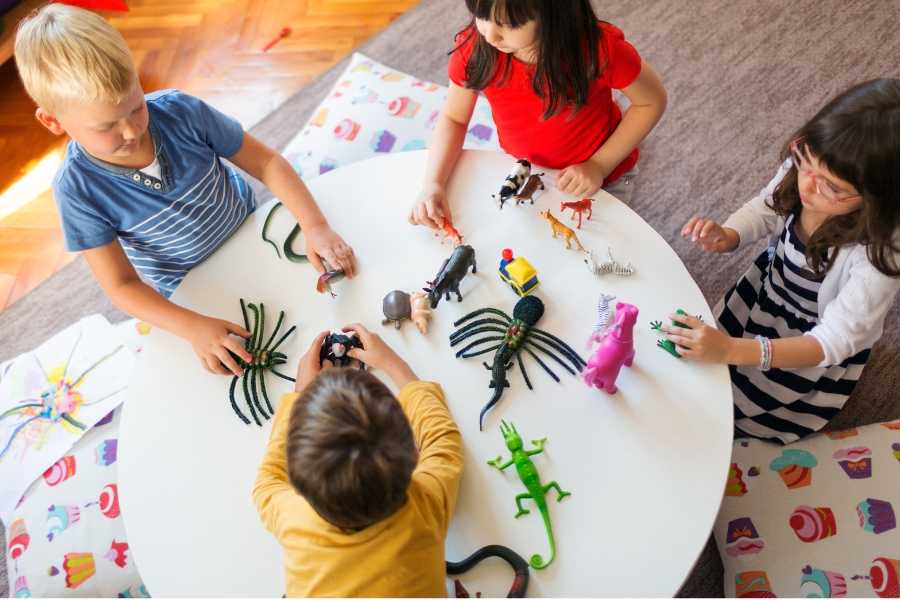
The research team used these responses to give each kid a “social competency score,” which they kept stored away in a file somewhere for 19 years, or until each kid was 25. At that point, they gathered some basic information about the now-grown-ups and did some fancy statistical work to see whether their early social skills held any predictive value.
Here are 3 crucial findings they uncovered.
1. Grades and test scores matter, but maybe not for the reasons we thought.
Traditional thinking says that if a kid gets good grades and test scores, he or she must be really smart, right? After all, there is a proven correlation between having a better GPA in high school and making more money later in life.
But what that test score doesn’t tell you is how many times a kid worked with a study partner to crack a tough problem, or went to the teacher for extra help, or resisted the urge to watch TV instead of preparing for a test. In other words, the raw grade can’t measure a kid’s determination, motivation, clever problem-solving skills, and ability to cooperate.
The researchers behind this project wrote, “Success in school involves both social-emotional and cognitive skills, because social interactions, attention, and self-control affect readiness for learning.”
That’s a fancy way of saying that while some kids may just be flat-out brilliant, most of them need more than just smarts to succeed. Maybe it wouldn’t hurt to spend a little more time in school teaching kids about the social half of the equation.
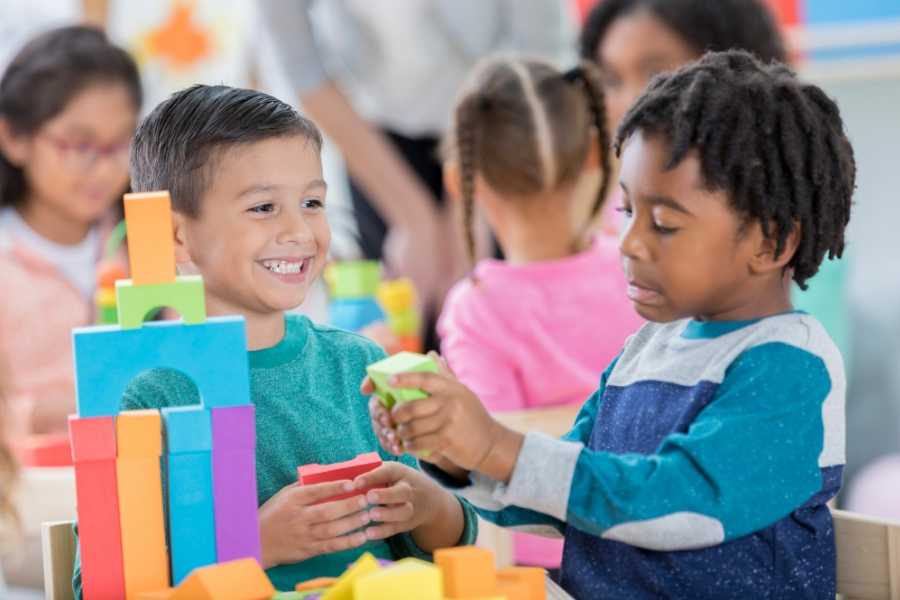
2. Skills such as sharing and cooperating pay off later in life.
We know we need to look beyond GPA and state-mandated testing to figure out which kids are on the right path. That’s why the researchers zeroed in so heavily on that social competency score.
What they found probably isn’t too surprising: Kids who related well to their peers, handled their emotions better, and were good at resolving problems went on to have more successful lives. What’s surprising is just how strong the correlation was.
An increase of a single point in social competency score showed a child would be 54% more likely to earn a high school diploma, twice as likely to graduate with a college degree, and 46% more likely to have a stable, full-time job at age 25. The kids who were always stealing toys, breaking things, and having meltdowns? More likely to have run-ins with the law and substance abuse problems.
The study couldn’t say for sure that strong or poor social skills directly cause any of these things. But we can say for sure that eating too much glue during arts and crafts definitely doesn’t help.
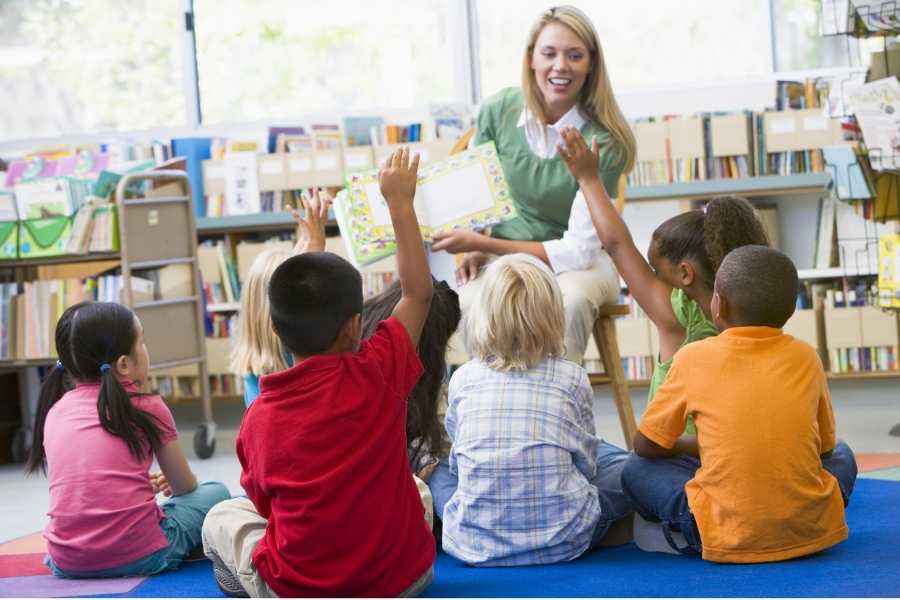
3. Social behaviors can be learned and unlearned — meaning it’s never too late to change.
The researchers called some of these pro-social behaviors, like sharing and cooperating, “malleable” or changeable.
Let’s face it: Some kids are just never going to be rocket scientists. Turns out there are physical differences in our brains that make learning easier for some people than others. But settling disputes with peers? That’s something kids (and adults) can always continue to improve on.
And guess what? For a lot of kids, these behaviors come from their parents. The more you’re able to demonstrate positive social traits like warmth and empathy, the better off your kids will be.
So can we all agree to stop yelling at people when they take the parking spot we wanted?
This study has some limitations, which its researchers readily admit. While they did their best to control for as many environmental factors as possible, it ultimately leans pretty heavily on subjective measures like whether a teacher thought a kid was just “good” or “very good” at a given trait.
For example, another study released in 2022 showed that kids with poor sleep quality and “excessive daytime sleepiness” (Hey, I think I might have that!) demonstrated worse prosocial behavior. So what goes on at home clearly has a big impact that’s tough for teachers and researchers to measure in the classroom. Another study published in 2025 found “modest associations” between school readiness skills, which included language, academic, executive functioning, and social-emotional skills, to adult attainment and occupational status.
Still, the 19-year study paints a pretty clear picture: Pro-social behavior matters, even at a young age. And because it can be learned, it’s a great “target for prevention or intervention efforts.”
The bottom line? We need to do more than just teach kids information. We need to invest in teaching them how to relate to others and how to handle the things they’re feeling inside. That could look like taking time to help children label their emotions, encouraging cooperative work (the dreaded group project may be beneficial after all), or prioritizing teaching study skills and problem-solving and not just the material at hand.
Of course, teachers are already up to their eyeballs in rigid curriculum standards and often don’t have the time or independence to go off script, which is a problem in and of itself. But ignoring social skills in our curricula could have significant ramifications for our kids down the road.
This article originally appeared nine years ago.