declutter your home

boomer, boomers, boomer clutter, clutter, hoarding, too much stuff

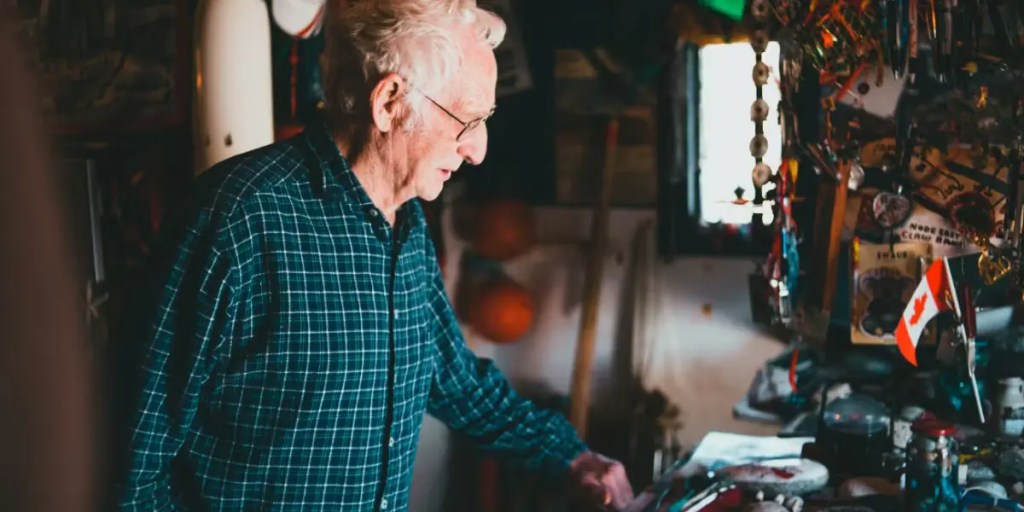
A Baby Boomer stands in his cluttered garage.

Millennials with Baby Boomer parents have not been shy about airing their complaints about the older generation. Millennials have previously noted that their parents tend to hoard food—and now they're are airing their grievances about Boomer "stuff avalanche."

On Reddit, Millennials discussed their frustrations about their Boomer parents and the insane amount of junk they have in their homes that (allegedly) will one day be passed down to them to deal with. Many Millennials shared that it is a source of contention for them, and that they wish their parents would just throw things out.

"3 car garage...cannot fit a single car in there," one commented. And another stated, "I am very concerned with the amount of junk my parents are holding onto."

- YouTube www.youtube.com

A fellow peeved Millennial added, "The worst part is that our parents think this is all worth lots and lots of money. Don’t worry kids, these three sets of china I’m saving for you will be worth millions!"

Another had laid down the law: "My mom kept joking about all the 'stuff' being my inheritance. After a few times I was tired of it, I looked her dead in the face and said in the most monotone I could get. 'I will get the biggest dumpster I can, and it will all go in the trash.' She stopped making that joke, and my parents have been slowly throwing out their junk ever since."

clutter, baby boomer stuff avalance, stuff, too much stuff, decluttering A Baby Boomer garage filled with stuff.Photo credit: Canva

Why Boomers struggle to throw things away

"The Boomer generation grew up in the post-war era shaped by rationing and economic rebuilding," Daniel Glazer, clinical psychologist and co-founder of US Therapy Rooms, tells Upworthy.

He adds that the Boomer inability to let stuff go is often criticized, but when you look at the psychology of their attachment to objects, their behavior makes much more sense.

"Not so long ago, saving things was an adaptive habit. 'That might come in handy' was a common refrain in households in which replacing something was not so easy, or affordable," says Glazer. "There is also an element of emotional security that comes from the things that have surrounded us through decades of life events, or even across a lifetime."

And for many Boomers, getting rid of stuff can signify an even bigger mental battle.

"As people age, there can also be an increased awareness of mortality," says Esin Pinarli, founder and holistic psychotherapist at Eternal Wellness Counseling. "Letting go of objects can feel symbolic, almost like letting go of chapters of their life. If no one is asking about those chapters anymore, those objects become the tangible proof that those experiences mattered. So it’s not stubbornness. It’s often about attachment, meaning-making, and a fear of losing relevance or erasing parts of their story."

How to help Boomers declutter

- YouTube www.youtube.com

Starting the conversation with Boomer parents in an empathetic and understanding way may help the process go more smoothly and deepen the relationship between them and their children. Here are a few examples of conversation starters Millennials can use when talking to their Boomer parents about decluttering:

Conversation Starter #1: "I know these things mean something to you. I’d love to hear the story behind a few of them."

"This shifts the focus from getting rid of objects to honoring the meaning behind them," says Pinarli. "When a parent feels seen and understood, they’re often more open to eventually letting go. It validates that the attachment is about memory and identity, not just stuff."

Conversation Starter #2: "What would feel good for you to keep, and what feels like it’s just taking up space now?"

"This gives them agency," Pinarli explains. "Instead of telling them what to throw away, it invites them to reflect on what still feels meaningful versus what might no longer serve them. That sense of control reduces defensiveness."

Conversation Starter #3: "Would it help to go through this together so we can make sure the important things are preserved?"

"This frames decluttering as a collaborative and supportive process, not a demand," Pinarli shares. "It reassures them that their memories and legacy won’t be dismissed or erased, which can lower the emotional intensity around letting go."