Scientists discover method for sleeping on tough problems to solve them creatively
We spend a third of our lives asleep, and during that time our bodies and minds are restored. But wouldn’t it be great if we could also use that time to think brilliant thoughts that help us when we wake? Imagine if, while you sleep, your mind could solve problems, come up with creative ideas,…
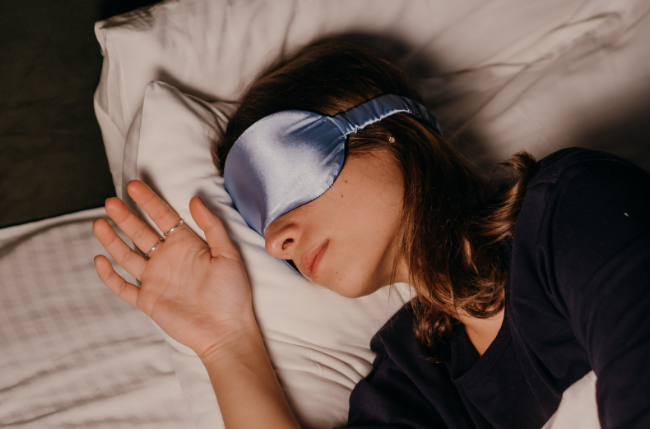
We spend a third of our lives asleep, and during that time our bodies and minds are restored. But wouldn’t it be great if we could also use that time to think brilliant thoughts that help us when we wake? Imagine if, while you sleep, your mind could solve problems, come up with creative ideas, and recall long-forgotten memories.
A new study by neuroscientists at Northwestern University has taken the first step toward making this possible by training people to solve difficult puzzles in their sleep.
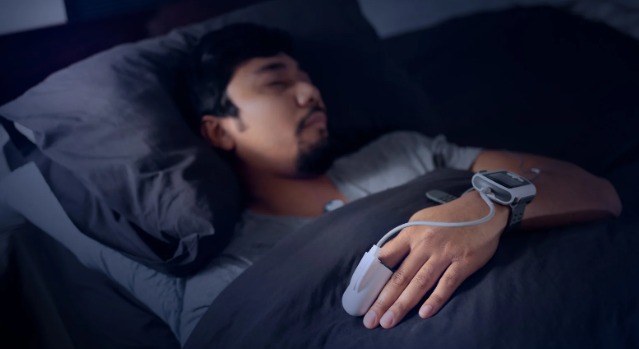
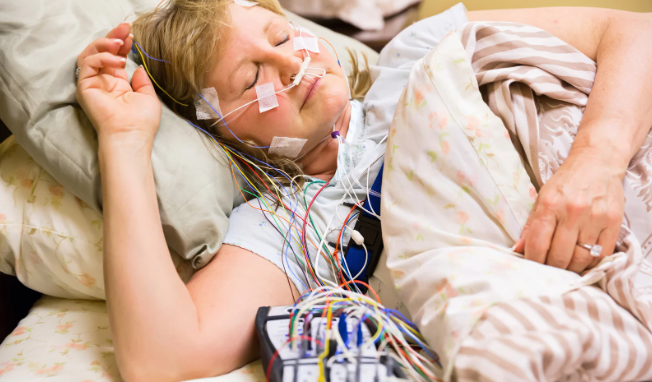
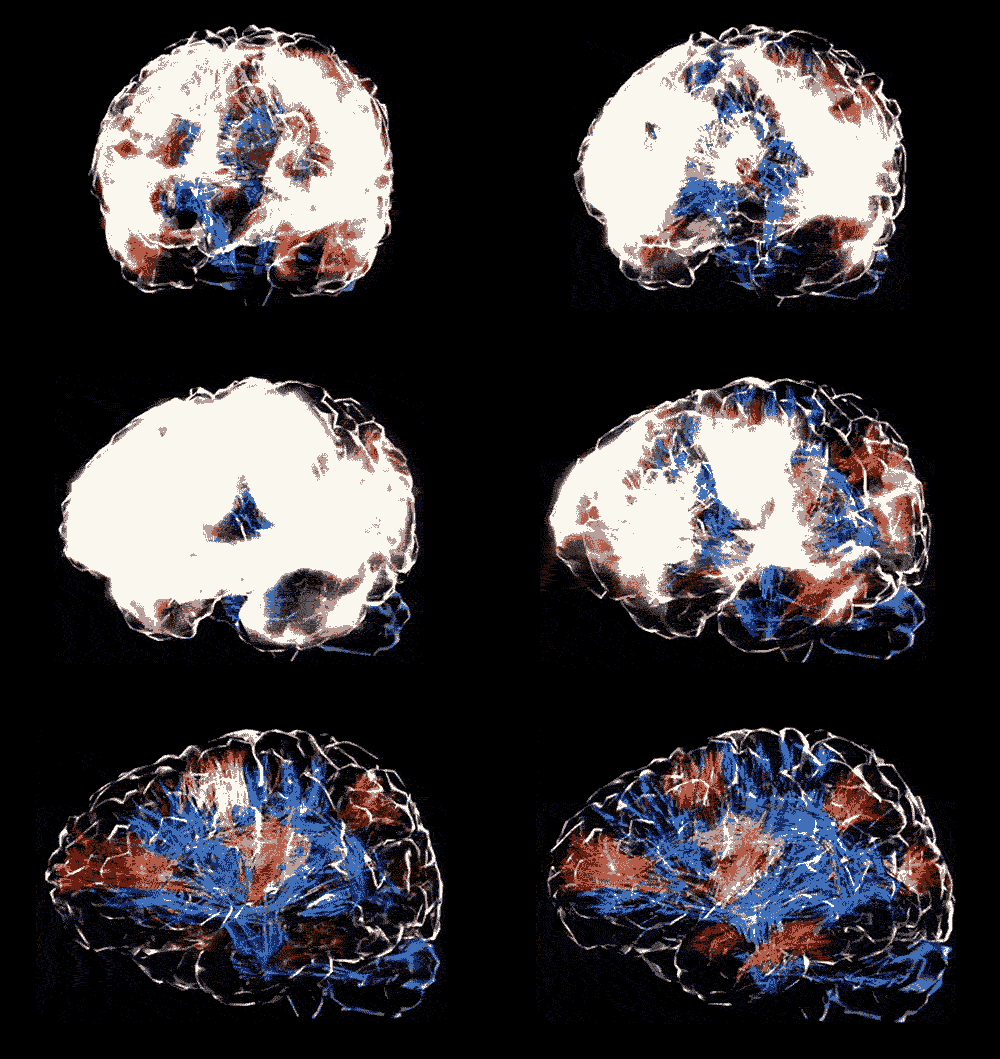
The researchers conducted a sleep study with 20 people who had prior experience with lucid dreaming. Participants were given a series of tough brainteasers to work on for three minutes, with each one paired with its own musical soundtrack.
The brainteasers were difficult enough that most went unsolved. As participants went to bed in the lab that night and entered REM sleep, researchers played the soundtracks from the unsolved puzzles to encourage them to dream about them. When participants woke up the next morning, the findings were remarkable.
Sixty percent of the participants had dreams that referenced the specific puzzles they couldn’t solve while awake. Those who dreamed about the unsolved puzzles increased their problem-solving ability from 20% to 40%.
Karen Konkoly, a post-doctoral researcher in Paller’s Cognitive Neuroscience Laboratory, explained the findings in a press release:
“Even without lucidity, one dreamer asked a dream character for help solving the puzzle we were cueing. Another was cued with the ‘trees’ puzzle and woke up dreaming of walking through a forest. Another dreamer was cued with a puzzle about jungles and woke up from a dream in which she was fishing in the jungle, thinking about that puzzle. These were fascinating examples to witness because they showed how dreamers can follow instructions, and dreams can be influenced by sounds during sleep, even without lucidity.”
The study shows incredible potential for using our dreams to solve complex problems and increase creativity.
“My hope is that these findings will help move us towards stronger conclusions about the functions of dreaming,” Konkoly said. “If scientists can definitively say that dreams are important for problem solving, creativity, and emotion regulation, hopefully people will start to take dreams seriously as a priority for mental health and wellbeing.”
Wouldn’t it be incredible if you could tap into the power of your dreams to solve problems or come up with new ideas like the participants did in the laboratory? Even though it may sound too good to be true, there are research-backed ways to learn how to control your dreams. One of the most popular is the MILD (Mnemonic Induction of Lucid Dreams) technique.
In a small village in Pwani, a district on Tanzania’s coast, a massive dance party is coming to a close. For the past two hours, locals have paraded through the village streets, singing and beating ngombe drums; now, in a large clearing, a woman named Sheilla motions for everyone to sit facing a large projector screen. A film premiere is about to begin.
It’s an unusual way to kick off a film about gender bias, inequality, early marriage, and other barriers that prevent girls from accessing education in Tanzania. But in Pwani and beyond, local organizations supported by Malala Fund and funded by Pura are finding creative, culturally relevant ways like this one to capture people’s interest.
The film ends and Sheilla, the Communications and Partnership Lead for Media for Development and Advocacy (MEDEA), stands in front of the crowd once again, asking the audience to reflect: What did you think about the film? How did it relate to your own experience? What can we learn?
Sheilla explains that, once the community sees the film, “It brings out conversations within themselves, reflective conversations.” The resonance and immediate action create a ripple effect of change.
MEDEA Screening Audience in Tanzania. Captured by James Roh for Pura
Across Tanzania, gender-based violence often forces adolescent girls out of the classroom. This and other barriers — including child marriage, poverty, conflict, and discrimination — prevent girls from completing their education around the world.
Sheilla and her team are using film and radio programs to address the challenges girls face in their communities. MEDEA’s ultimate goal is to affirm education as a fundamental right for everyone, and to ensure that every member of a community understands how girls’ education contributes to a stronger whole and how to be an ally for their sisters, daughters, granddaughters, friends, nieces, and girlfriends.
Sheilla’s story is one of many that inspired Heart on Fire, a new fragrance from the Pura x Malala Fund Collection that blends the warm, earthy spices of Tanzania with a playful, joyful twist. Here’s how Pura is using scent as a tool to connect the world and inspire action.
A partnership focused on local impact, on a global mission
Pura, a fragrance company that recognizes education as both freedom and a human right, has partnered with Malala Fund since 2022. In order to defend every girl’s right to access and complete 12 years of education, Malala Fund partners with local organizations in countries where the educational barriers are the greatest. They invest in locally-led solutions because they know that those who are closest to the problems are best equipped to solve and build durable solutions, like MEDEA, which works with communities to challenge discrimination against girls and change beliefs about their education.
But local initiatives can thrive and scale more powerfully with global support, which is why Pura is using their own superpower, the power of scent, to connect people around the world with the women and girls in these local communities.
The Pura x Malala Fund Collection incorporates ingredients naturally found in Tanzania, Nigeria, Pakistan, and Brazil: countries where Malala Fund operates to address systemic education barriers. Eight percent of net revenue from the Pura x Malala Fund Collection will be donated to Malala Fund directly, but beyond financial support, the Collection is also a love letter to each unique community, blending notes like lemon, jasmine, cedarwood, and clove to transport people, ignite their senses, and help them draw inspiration and hope from the global movement for girls’ education. Through scent, people can connect to the courage, joy, and tenacity of girls and local leaders, all while uniting in a shared commitment to education: the belief that supporting girls’ rights in one community benefits all of us, everywhere.
You’ve already met Sheilla. Now see how Naiara and Mama Habiba are building unique solutions to ensure every girl can learn freely and dare to dream.
Naiara Leite is reimagining what’s possible in Brazil
Julia with Odara in Brazil. Captured by Luisa Dorr for Pura
In Brazil, where pear trees and coconut plantations cover the Northeastern Coast, girls like ten-year-old Julia experience a different kind of educational barrier than girls in Tanzania. Too often, racial discrimination contributes to high dropout rates among Black, quilombola and Indigenous girls in the country.
“In the logic of Brazilian society, Black people don’t need to study,” says Naiara Leite, Executive Coordinator of Odara, a women-led organization and Malala Fund partner. Bahia, the state where Odara is based, was once one of the largest slave-receiving territories in the Americas, and because of that history, deeply-ingrained, anti-Black prejudice is still widespread. “Our role and the image constructed around us is one of manual labor,” Naiara says.
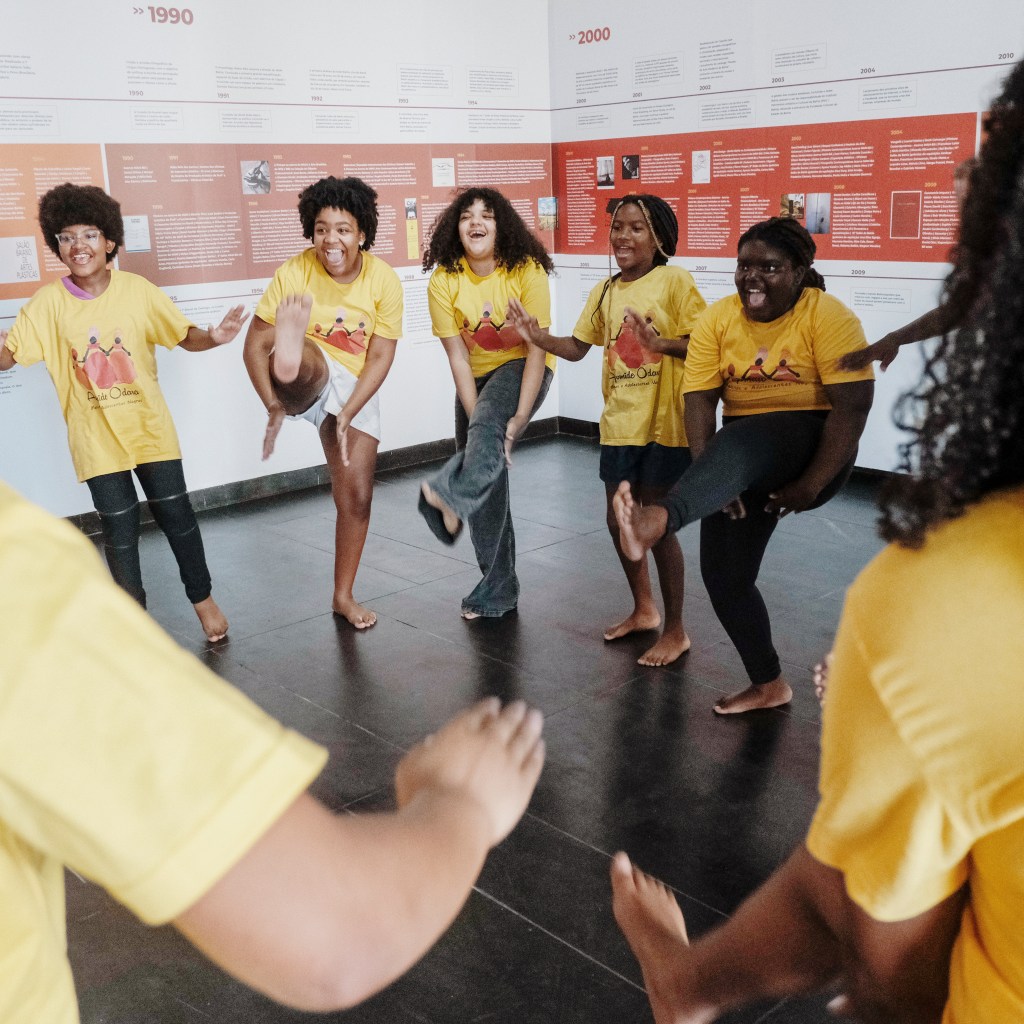
But education can change that. In 2020, with assistance from a Malala Fund grant, Odara launched its first initiative for improving school completion rates among Black, quilombola, and Indigenous girls: “Ayomidê Odara”. The young girls mentored under the program, including Julia, are known as the Ayomidês. And like the Pura x Malala Fund Collection’s Brazil: Breath of Courage scent, the Ayomidês are fierce, determined, and bursting with energy.
Ayomidês with Odara in Brazil. Captured by Luisa Dorr for Pura
Ayomidês take part in weekly educational sessions where they explore subjects like education and ethnic-racial relations. The girls are encouraged to find their own voices by producing Instagram lives, social media videos, and by participating in public panels. Already, the Ayomidês are rewriting the narrative on what’s possible for Afro-Brazilian girls to achieve. One of the earliest Ayomidês, a young woman named Debora, is now a communications intern. Another former Ayomidê, Francine, works at UNICEF, helping train the next generation of adolescent leaders. And Julia has already set her sights on becoming a math teacher or a model.
“These are generations of Black women who did not have access to a school,” Naiara says. “These are generations of Black women robbed daily of their dreams. And we’re telling them that they could be the generation in their family to write a new story.”
Mama Habiba is reframing the conversation in Nigeria
Centre for Girls' Education, Nigeria. Captured by James Roh for Pura
In Mama Habiba’s home country of Nigeria, the scents of starfruit, ylang ylang and pineapple, all incorporated into the Pura x Malala Collection’s “Nigeria: Hope for Tomorrow,” can be found throughout the vibrant markets. Like these native scents, Mama Habiba says that the Nigerian girls are also bright and passionate, but too often they are forced to leave school long before their potential fully blooms.
“Some of these schools are very far, and there is an issue of quality, too,” Mama Habiba says. “Most parents find out when their children are in school, the girls are not learning. So why allow them to continue?”
When girls drop out of secondary school, marriage is often the alternative. In Nigeria, one in three girls is married before the age of 18. When this happens, girls are unable to fulfill their potential, and their families and communities lose out on the social, health and economic benefits.
Completing secondary school delays marriage, and according to UNESCO, educated girls become women who raise healthier children, lift their families out of poverty and contribute to more peaceful, resilient communities.
Centre for Girls’ Education, Nigeria. Captured by James Roh for Pura
To encourage young girls to stay in school, the Centre for Girls’ Education, a nonprofit in Nigeria founded by Mama Habiba and supported by Malala Fund and Pura, has pioneered an initiative that’s similar to the Ayomidê workshops in Brazil: safe spaces. Here, girls meet regularly to learn literacy, numeracy, and other issues like reproductive health. These safe spaces also provide an opportunity for the girls to role-play and learn to advocate for themselves, develop their self-image, and practice conversations with others about their values, education being one of them. In safe spaces, Mama Habiba says, girls start to understand “who she is, and that she is a girl who has value. She has the right to negotiate with her parents on what she really feels or wants.”
“When girls are educated, they can unlock so many opportunities,” Mama Habiba says. “It will help the economy of the country. It will boost so many opportunities for the country. If they are given the opportunity, I think the sky is not the limit. It is the starting point for every girl.”
From parades, film screenings to safe spaces and educational programs, girls and local leaders are working hard to strengthen the quality, safety and accessibility of education and overcome systemic challenges. They are encouraging courageous behavior and reminding us all that education is freedom.
Experience the Pura x Malala Fund Collection here, and connect with the stories of real girls leading change across the globe.
Millions of Americans seek the help of therapists for mental health struggles, and many more could use some psychological care but aren’t getting it due to affordability, lack of access, or other barriers. One of the positives to come out of the social media era is professionals sharing thoughts, opinions, approaches, and tools that the public might find helpful. While “TikTok therapy” is certainly not a replacement for actual therapy, you can sometimes find some useful nuggets.
For instance, clinical therapist Hattie Awe, LPC, shared a video laying out three things she tells her patients all the time, and judging by the four million views and 124,000+ saves of the video, people are finding it helpful.
“I am a therapist in higher level of care, and these are the three quotes that I use almost daily with the patients that I work with,” Awe begins. “It’s more of a fact, the first one, but your brain has never existed and will never exist to be happy. Your brain has no rationale of what that means, and your brain strictly operates off of safety and knowing. which doesn’t always align with what we want out of life.”
Neuroscience backs this up. Evolutionary psychologists say our brain’s primary goal is survival, not happiness. That doesn’t mean we don’t want to be happy—of course we do. It means our brain isn’t hardwired for that. It’s wired to keep us safe and secure, which means it’s naturally prone to focus more on the negative than the positive.
Awe says that idea connects to the second quote that she probably uses more than any other: “Your nervous system will choose a familiar hell over an unfamiliar heaven every day of the week,” she says. “Your nervous system will gravitate towards the things that we know, the things that we see, the things that we’ve done over and over and over again because to the brain that’s safety. It doesn’t matter if the outcome is something that we don’t want, as long as our brain knows what’s coming, as long as we know what this is, as long as this is familiar, there’s a safety in that, which is why we might find ourselves doing the same shit, engaging in the same toxic relationships, engaging in the same behaviors over and over and over again, not knowing why we keep doing it, because it’s safe to the brain.”
Somatic therapist Sarah Alpern used a similar phrase, “Your nervous system will always choose a familiar hell over an unfamiliar heaven” to explain why we might resist change even when it’s good for us and why we tend to gravitate toward the same patterns, behaviors, and situations even though they may be harming us. Predictability feels safer than change.
“Change for the better represents uncertainty, and our brains perceive uncertainty as a potential threat,” Alpern writes. “It disrupts the familiar patterns and forces our nervous system to adapt to new circumstances, which can be scary and uncomfortable.”
Understanding this can help us recognize when our instinctual brain functions are fighting us and why.
“That leaves me to my third favorite little tidbit, little quote, which is you literally cannot hate yourself in the loving yourself,” says Awe. “There is no criticizing your way to confidence. There’s no shitting on yourself into a version of yourself that you enjoy. It doesn’t exist. and you’ve probably learned all of the lessons of life that you need by hating yourself. You might as well get to the fun part of life where you learn all the lessons of life by loving yourself.”
“So validate the past versions of yourself,” she continues. “Validate the functions of the brain and the fact that it’s never really cared if you were happy. Validate how easy it is to fall in the habits of cyclical behavior, given the fact that our nervous system and brain is drawn to it. Have acceptance for that and be able to move forward. But we can’t act like the person before us doesn’t exist. And we can’t hate her for existing.”
Therapy can help people better understand how their brain works. Photo credit: Canva
People in the comments of her video shared how helpful they found Awe’s concise breakdown of these concepts.
“There is no criticizing yourself into confidence HITS.”
“u just linked up like 12 different concepts in my brain thank u.”
“This was gold! How much do I owe you?”
“I just listened to this three times through to let it sink in. I’m in a transition phase and finding it hard and I needed to hear this. Thanks!”
“I love that by being happy, you’re basically being a rebel against your own brain and nervous system.”
Other therapists weighed in on her video as well, some with quotes they frequently share with their clients:
“As a fellow staff with youth in higher level of care, I can confirm that this way of thinking is their only way to get through everyday . It’s so black and white and everyday is such a struggle trying to get them back to baseline.”
“Along with your third quote, something I’ve said to clients is something to the effect of ‘if talking to yourself that way/thinking that way worked, it would’ve worked by now.’”
“I’m a therapist, and a quote I use frequently is ‘you can be comfortable or you can grow, but you can’t do both.’”
“Psychiatrist here…. ‘Acceptance does not require approval’ is one of my favorites. I feel like acceptance is such a huge part of life but it’s such a struggle for so many people.”
A two-minute video definitely won’t cure anyone’s mental health issues, but even short tidbits like this can sometimes help shift our perspective and allow us to see the workings of our brains in a new and helpful light.
Most of us have a self-improvement checklist. Exercise more. Stress less. Sleep better. Be more present. It’s a lovely list. But it can also be quite mean and vague. And it tends to sit there, quietly judging us, while we scroll our phones in bed at 11 p.m.
However, you don’t need an elaborate morning routine or a 45-minute meditation practice to shift how you feel. Science keeps arriving at the same surprising conclusion: tiny actions, repeated consistently, change lives. Not because of magic. Because of biology.
Instead of a grand, sweeping declaration like, “Stress less” (what does that even mean?), start small. These 15 micro-habits take two minutes or less. Some take ten seconds. All of them have real research behind them. Begin with one. See what happens.
Morning habits for a strong start
Photo credit: Canva – Jot down the messy, unfiltered stuff.
1. Write it out
Before you pick up your phone—before the news, the texts, the notifications—grab a notebook and spend two minutes writing down whatever is on your mind. Not a diary entry. Not a to-do list. Just the messy, unfiltered stuff, like the dream you just woke up from or an event later you’re nervous about. Psychologist James Pennebaker spent decades studying what happens when people do this, and the results are striking: expressive writing reduces anxiety, improves emotional processing, and even strengthens immune function. Think of it as taking out the mental trash before the day fills back up.
2. Get moving, even a little
To change your day (on a micro level, at least), you don’t need a gym. You need two minutes and an open space. Go nuts! Jump. Sprint up your stairs. Do jumping jacks in the kitchen. Anything to warm up those muscles. Researchers at Victoria University found that just two minutes of all-out effort triggers the same cellular adaptations in your muscles as a 30-minute workout. Surprisingly, your body genuinely cannot tell the difference.
3. Anchor your identity
Spend 60 seconds stating—out loud or on paper—one true thing about who you are. Not a wish. A fact. Think along the lines of, “I am someone who shows up.” Or, “I take care of the people I love.” Neuroscientists have confirmed that self-affirmation activates brain reward pathways and buffers against stress. So, this is more than a pep-talk: it’s a reminder of who you are.
4. Savor that first sip
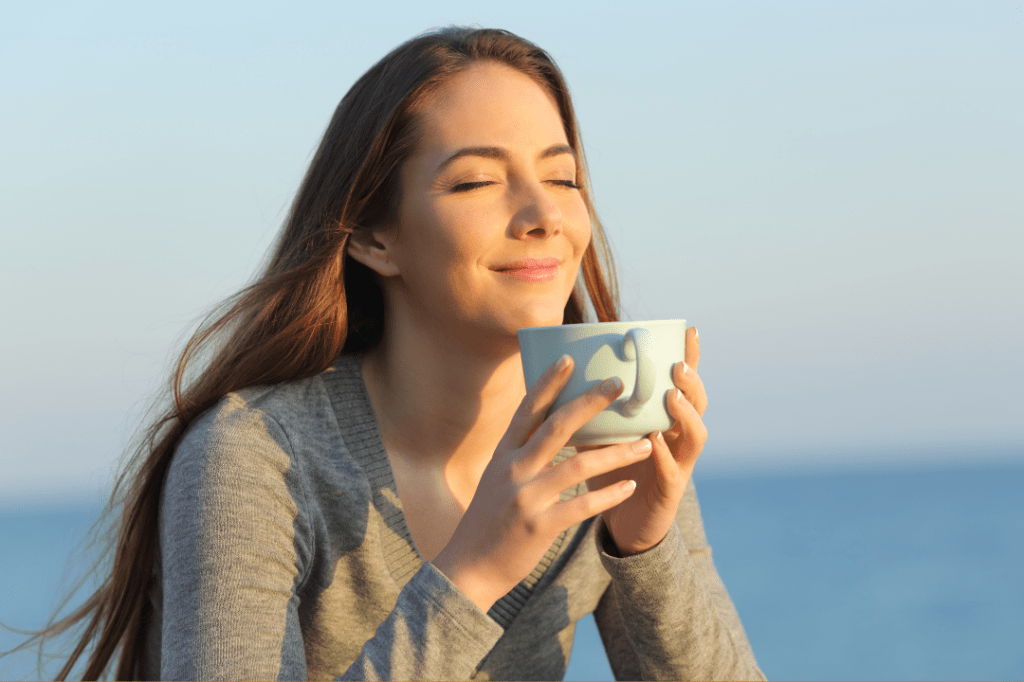
Before you gulp your coffee or tea, pause. Wrap both hands around the mug. Notice the warmth radiating from its contents. Breathe in the smell. Then, take one slow sip and actually taste it. Woohoo, that’s it! Research shows that even brief moments of sensory awareness lower cortisol and reduce anxiety. Who knew? Your morning drink has been waiting to do this for you the whole time.
5. Catch ten seconds of sunlight
Step outside, or at least to a window, within the first hour of waking, and let natural light reach your eyes for ten seconds. Andrew Huberman has spent years explaining why this matters: morning sunlight triggers a healthy cortisol spike that wakes up your immune system, sets your circadian clock, and produces serotonin. Skip it regularly, and your body’s internal timing slowly drifts. Ten seconds. That’s all it takes.
6. Visualize a good day
Close your eyes for one minute and picture one thing going well today. Not perfectly and not the entire day. Just one thing, well. The research here comes from the sports world, where mental rehearsal has been studied extensively. Studies show that imagining yourself performing an action fires the same neural pathways as actually doing it.
Mid-day habits to ease stress
Photo credit: Canva – The antidote is choosing, for once, not to hurry.
7. Slow down on purpose
Once a day, pick one task that doesn’t actually need to be rushed, and deliberately don’t rush it. Walk a little slower. Eat a few bites without looking at a screen. Wash those dishes at a snail’s pace. Researchers who study “hurry sickness” (yes, it’s a real clinical term) have found that chronic time urgency keeps your amygdala on high alert, flooding your system with cortisol for hours. The antidote is choosing, for once, not to hurry. Your nervous system will slowly get the message that not everything is an emergency.
8. Leave your phone out of the bathroom
This one isn’t glamorous, but it matters. Studies have found that phones carry roughly ten times more bacteria than toilet seats. Besides, neurologists note that bathroom scrolling creates dependency, fragments attention, and eliminates one of the last quiet spaces in the day. The bathroom used to be a sanctuary. Reclaim it.
9. Sigh or hum out loud
A Stanford study published in 2023 found that the “physiological sigh”—a double inhale through the nose followed by a long exhale through the mouth—reduced stress hormones more effectively than mindfulness meditation in head-to-head trials. Alternatively, try humming. Humming for 60 seconds stimulates the vagus nerve through vibration, effectively shifting your body from fight-or-flight to rest-and-digest.
10. Run cold water over your hands
When anxiety peaks, hold your hands under cold running water for 30 seconds. Cold water on the skin activates what physiologists call the “diving reflex,” triggering the vagus nerve to slow your heart rate and engage the parasympathetic nervous system. It’s an ancient mammalian stress response that still works remarkably well.
11. Unclench that jaw
Right now, check: are your teeth touching? Is your tongue pressed against the roof of your mouth? Most of us spend hours a day with our jaws subtly clenched, and researchers now recognize this as a nervous system pattern, not just a dental one. The simple act of letting the jaw go slack, teeth apart, sends a signal to your brain that the perceived threat has passed.
Around sunset, switch off your overhead lights and use softer lamps instead. The reverse can be catastrophic: a 2021 study in PNAS found that just a few weeks of bright evening lighting can delay your circadian rhythm by two to three hours, disrupting sleep, memory, and mood.
13. Hold a smile for five seconds
Yes, even a fake one. A landmark 2022 study involving nearly 4,000 people across 19 countries found that deliberately holding a smile—even without genuine emotion—makes people feel measurably happier. The science behind that? Facial muscles feed information back to the brain, meaning your mind will get the message. So, hold that grin for five seconds.
14. Give one genuine compliment
Before the day ends, tell someone something specific you admire about them. Not a generic compliment, like “great job.” Dig for something real. Maybe they handled a tricky moment with poise, or put in some extra effort while crafting that company-wide email. It could be as simple as, “Hey, your sandwich looked incredible during lunch.” Cornell researchers discovered that we consistently underestimate how much our words mean to others, and that compliment recipients feel far better than givers ever predict. The kicker? The givers feel better, too.
15. Finish your shower with 30 seconds of cold
A Dutch randomized controlled trial of over 3,000 people found that ending a shower with just 30 seconds of cold water reduced sick days by 29%. Going even further, there was no difference between 30, 60, or 90 seconds: the benefit kicks in almost immediately. This little dose of freezing also produces a lasting surge of dopamine and norepinephrine. So, while it’s unpleasant for about five seconds. Then it isn’t, and you feel great.
Don’t go overboard, okay?
Despite the headline of this article, you don’t have to do all 15. How about you just pick two? Try them for a week and notice what shifts. The point here isn’t perfection; it’s incorporating the smallest acts into your daily routine and watching them compound into tangible benefits. Remember, your nervous system is paying attention, even when you think nothing is happening. Feed it something good to work with.
Aging is weird. You’re trucking along, enjoying your middle-aged life, finally feeling like a real adult, when you look in the mirror one day and gasp. “Where did those wrinkles come from?” “Is that skin on my arm…crepey?!?” “Why am I aching like that?”
Somewhere in your mid-40s, you start noticing obvious signs of aging that seem to arrive overnight. You assumed it was a gradual process that you just hadn’t noticed, but it sure as heck felt like it happened really fast.
The science behind the ‘overnight’ changes
New research indicates that may very well be the case. A 2024 study from researchers at Stanford tracked thousands of different molecules in people age 25 to 75 and found that people tend to make two big leaps in aging—one around age 44 and another around age 60. These findings indicate that aging can actually happen in bursts.
“We’re not just changing gradually over time. There are some really dramatic changes,” said senior study author Michael Snyder, Ph.D., a geneticist and director of the Center for Genomics and Personalized Medicine at Stanford University. “It turns out the mid-40s is a time of dramatic change, as is the early 60s. And that’s true no matter what class of molecules you look at.” The researchers assumed the mid-40s changes would be attributed to menopausal or perimenopausal changes in women influencing the overall numbers, but when they separated the results by sex they saw similar changes in men in their 40s.
“This suggests that while menopause or perimenopause may contribute to the changes observed in women in their mid-40s, there are likely other, more significant factors influencing these changes in both men and women. Identifying and studying these factors should be a priority for future research,” said study author Xiaotao Shen, PhD, a former Stanford Medicine postdoctoral scholar who now teaches at Nanyang Technological University in Singapore.
Aging happens in bursts, scientists find. Canva Photos
What’s behind these ‘bursts?’
The study included 108 participants who submitted blood and other samples every few months for several years. The scientists tracked age-related changes in 135,000 different molecules—nearly 250 billion distinct data points—to see how aging occurs.
The study may shed light on the reasons for jumps in certain diseases and maladies at certain ages. For the 40-somethings, scientists found significant changes in molecules related to alcohol, caffeine, and lipid metabolism, cardiovascular disease, and skin and muscle. For those in their 60s, changes related to carbohydrate and caffeine metabolism, immune regulation, kidney function, cardiovascular disease, and skin and muscle were found.
Lifestyle is a factor
The study authors did note that lifestyle might play a role in some of these changes. For instance, alcohol metabolism may be influenced by people drinking more heavily in their 40s, which tends to be a period of higher stress for many people. However, the researchers added that these bursts of aging in the mid-40s and early 60s indicate that people may want to pay closer attention to their health around those ages and make lifestyle changes that support greater overall health, such as increasing exercise or limiting alcohol.
The research team plans to study the drivers of these aging bursts to find out why they happen at these ages, but whatever the reasons, it’s nice to know that the seemingly sudden onset of age-related woes isn’t just in our imaginations.
It’s understandable that we worry about aging, as physical signs of aging remind us of our own mortality. We also have all kinds of social messaging that tells us youth is ideal and beautiful and old is bad and ugly, so of course we give aging the side-eye. But none of us can avoid aging altogether, so the more positive and healthy we are in our approach to aging, the better off we’ll be, no matter when and to what degree aging hits us.
This story originally appeared two years ago. It has been updated.
It may sound like a scene from a sci-fi film, but it’s not. In 1979, eight men arrived at a week-long retreat in a converted monastery in New Hampshire. As soon as they stepped foot in the door, they traveled 20 years into the past. The newspapers and magazines lying around were from 1959. Fifties music played on the radio. Old episodes of The Ed Sullivan Showaired on the black-and-white television. The entire environment was set up to feel like a 20-year time jump.
The men, who were in their late 70s and early 80s, were instructed to live for the week as if it really were 1959. They were to speak in the present tense, as if what they were seeing, reading, and living was the present day. Events in the newspapers were to be regarded as happening in real time, not as part of the past.
Living as if it were 20 years earlier seemed to make the men age backwards
What was the point of all of this? Dr. Ellen Langer, a Harvard University psychologist, wanted to see how the mind affected the body when it came to aging. To study this question, she created an environment that took participants back to a time when they were younger.
“We were going to take old men, put their minds back in time, and see the effects on the body,” Langer said in a 2024 interview. “What we found in a week: Their vision improved, their hearing improved, their memory improved, their strength, and they looked noticeably younger. Now, I don’t know about you, but I don’t think I had ever heard of an elderly person’s hearing improved without any medical intervention.”
Another study group, with a tweak to the instructions, also showed improvements
After that week-long experiment, another group of old men stayed a week in the same environment. This time, however, they didn’t live as if it were 1959, but rather reminisced about that time in their lives. They used past tense language instead of present tense. That group also showed improvement in aging symptoms at the end of the week, but to a lesser degree than the group that had fully immersed themselves in the past.
“The study had a problem in that I didn’t have the funding to do several relevant control groups — a vacationing group and so on — but the results were startling,” Langer said in 2018. “Most people did not think that older people were going to have improved vision, improved hearing, and look younger.”
It may have been a small study, but Langer’s research has continued in the decades since. She has become known to many as the “mother of mindfulness” for her ongoing work on the mind-body connection. She has published several books focused on mindful health, mindful learning, mindful creativity, and more.
“We have no idea what our limits are”
Much of Langer’s research focus comes down to how we think about what is and isn’t possible. She shared on the Mighty Pursuit podcast that the attitude of “It’s all downhill from here” as we get older “can easily become a self-fulfilling prophecy.”
“We have no idea what our limits are, and we’re severely limiting ourselves across the board,” she shared. “Fifty years of data show that many of the things we think we can’t do any longer actually can be reversed…Most of our abilities, we don’t know how far we can actually push things.”
“Most of what people believe, what they’ve been taught and read about, they’ve learned mindlessly, they’ve learned as absolute fact,” she said in another interview. “And, as I said before, because everything is always changing and the context is changing, absolutes need to be questioned. And I question them. You say something ‘has to be’ and my first — almost mindless — knee-jerk reaction is, well, ‘Why?’ And, ‘How might it be other?’”
What if we all asked ourselves those questions when we start having limiting thoughts? How much could we improve our lives by being mindful of the stories we tell ourselves and adopting a mindset of possibility?
You can learn more about Langer’s research on her website.
No one wants to be unhappy or unhealthy at any age. But as we get older, health and happiness arguably play an outsized role in our quality of life. Sketchy health habits we may have gotten away with when we were younger catch up to us later in life. And what once made us feel happy may no longer be an option as we age.
So how do we stay both happy and healthy throughout our lives?
Dr. Arthur C. Brooks, a social scientist at Harvard University and a leading researcher on happiness, has studied this question. Thanks largely to the 85-year-long Harvard Study of Adult Development, the longest-running study on happiness, we can better understand which qualities and habits are associated with being both happy and healthy as people age.
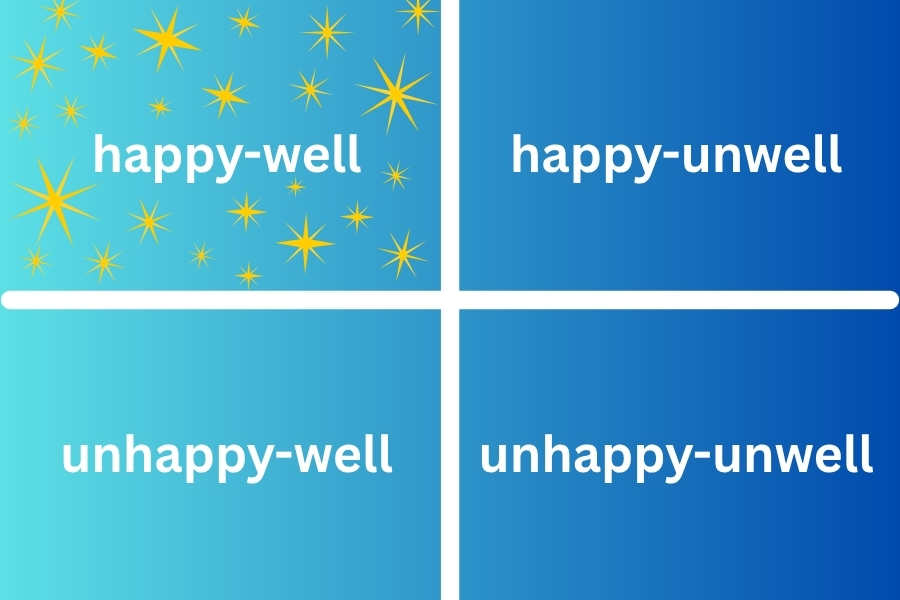
Four quadrants. Photo credit: Canva
Measuring health and happiness basically separates people into four quadrants. In an interview with Dr. Rhonda Patrick, Brooks shared that people who fall into the happy-healthy (or happy-well) quadrant tend to share seven habits in common.
The four physical habits associated with happiness and health
The first four have to do with our physical health and are ones that most of us might guess.
“Diet, exercise, smoking, and drinking,” Brooks said, adding that happy-well people are “very moderate” when it comes to substance use. “None of them were addicts, or if they had trouble with it, they quit,” he said.
Brooks shared that he smoked into his 20s and, even then, knew it was stupid. “But I still think about it every day,” he said. “I do. I love nicotine. I got addicted to it when I was 13 and quit when I was 26. And it was a relationship for me, right? But the whole point is no, because lifelong smokers have a 7 in 10 chance of dying from a smoking-related illness, and that is an unhappy way to go. You’re not going to be healthy and you’re not going to be happy dying of emphysema.”
People who age happier and healthier tend to do 7 things:
They don’t smoke, exercise regularly (but not excessively), maintain a healthy weight, and are mindful with alcohol or other substances.
As far as diet goes, Brooks said the happy-healthy people eat a “normal, healthy” diet. And for exercise, it’s really about moderation and the obvious things like walking and staying active.
“If you don’t exercise at all, you’re not happy and well,” he said. “And if you’re an exercise maniac, you actually will do some mechanical ill to your body, but actually you’re probably not happy and some compensation is going on.”
Three psychological and emotional habits associated with health and happiness
The other three habits aren’t quite as obvious.
“No. 1 is continuing to learn,” Brooks said. “And people who are life-long learners, they are healthier and they are happier. That’s usually a lot of reading, but curiosity is how that comes about. It’s just really really important.”
The next is having a technique for dealing with setbacks.
“You’ve got to get good at it,” he said. “You need skill at dealing with life’s problems. And if you don’t get good at it, you’re going to be bad when things actually crop up. And so maybe you’re good at therapy. Maybe you’re good at prayer, maybe you’re good at meditation. Maybe you’re really good at journaling. But all the happy and well people have their way to deal with it and they’re highly skilled in doing it.”
And the seventh habit, which Brooks calls “the biggie,” is simply love. “People who have the best lives, who are happy and well when they’re older, they have a strong marriage and/or close friendships,” he said. “That’s it. There’s no substitute for love. Happiness is love, full stop.”
Brooks shared other thoughts about the value in boredom and the pitfalls of social comparison in this segment, but the whole interview is filled with fascinating insights into what makes people happy and healthy.
Long-acting, reversible contraception methods like IUDs have become extremely popular in the United States and beyond. Just a few decades ago, only about 2% of women relied on them. In recent years, that figure has risen to around 17%, accounting for millions of women.
The rising popularity makes sense. IUDs can be convenient, highly effective, and can even make a woman’s period far less painful or stop it altogether. There’s just one problem: getting an IUD inserted hurts. For some people, it hurts a lot.
The pain from getting an IUD can range from mild discomfort for some people to excruciating pain for others. What’s frustrating is that medical providers haven’t historically listened to patients who say the procedure is severely painful. A 2013 study found that the average patient rated the pain of insertion at 64.8 out of 100, while providers estimated it at just 35.3—a big disconnect.
For years, women struggling in the aftermath of the procedure have been told the same infuriating refrain: “Just take ibuprofen.”
Artist brings women’s frustration to life
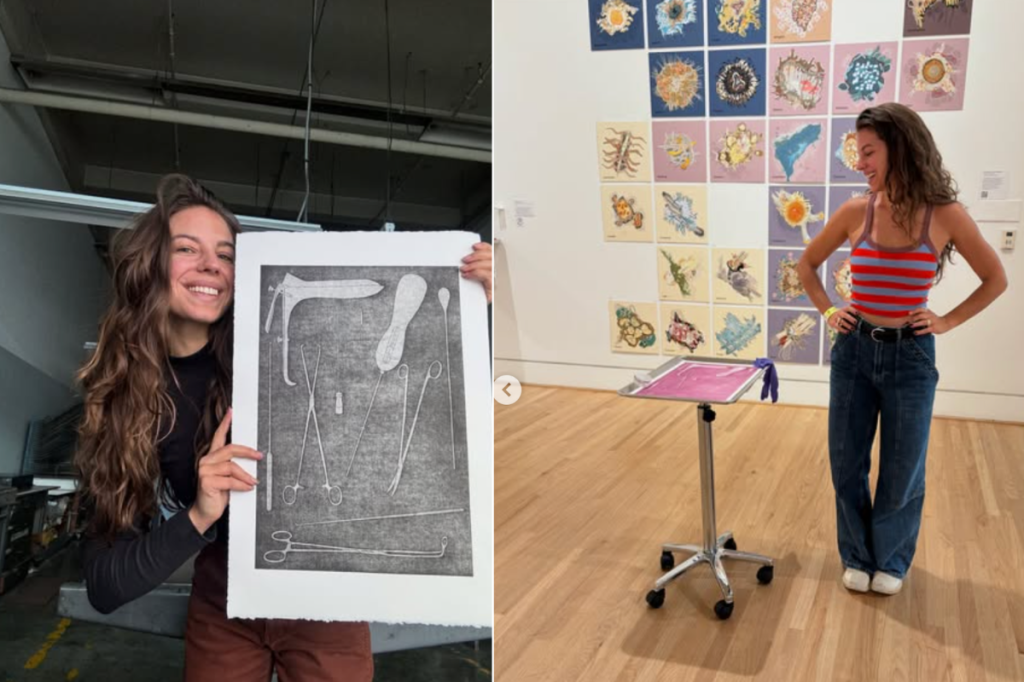
Emily Kampa recently debuted a striking piece of artwork built around this common source of dismissed pain among women.
The display, aptly titled “Just Take Ibuprofen,” boldly shows the actual medical instruments used in an IUD insertion in all of their horrific glory. Kampa listed them on her Instagram:
Speculum: 6.95” nose length
Single toothed tenaculum: 10”
Paracervical block (& needle): 6”
IUD insertion tube: 11”
MT cervix-holding clamp: 11”
OS finder: 8”
Cotton swab: 8”
IUD string scissors: 9.8”
Hook for IUD removal: 10”
IUD: 1.25”
After hours of research and planning, Kampa etched the instruments onto a copper plate, each one rendered life-size.
For the in-person installation at the Triton Museum of Art, Kampa placed the display on a real medical cart, with a surgical glove loosely dangling off the corner.
She wrote that she wanted viewers to experience the tools the same way she did when she first saw them at her OB-GYN’s office.
“‘Wait why are there scissors? Why is that q-tip SO large?!’” she recalled thinking. “That image stuck with me long after my own IUD experience and was the spark for this project.”
The art evokes a visceral reaction in viewers. It’s hard not to feel that taking a few Advil is a woefully inadequate response to the pain caused by these long, sharp instruments.
Photos of the display have been posted and reposted across social media, racking up thousands of likes and comments wherever they appear. Many women flocked directly to Kampa’s Instagram account to thank her for speaking out through her art:
“Thank you for this because I thought I was over reacting when I got physically sick. I [was] literally on the verge of vomiting and passing out. Cramps for days.”
“I never connected to an image so much in my life. … For the first two years (and still for a few days every month), felt like I had barbed wire inside me. I went to the doc after the first two weeks of pain and the nurses there said … the pain was normal for the first year.”
“Ibuprofen my a**! Too many of us have been gaslit, dismissed, ignored, traumatized, and even killed by medical professionals. Thank you for capturing this all-too-true experience and sharing your process”
“My cervix is shuddering. This is ART from experience”
Art has the power to elevate messages in unique and memorable ways. Thanks to women and artists like Kampa who have spoken out over the years, the culture of IUD pain management is steadily changing for the better.
“Systemic racism and bias as to how pain is experienced and who experiences it also has, unfortunately, influenced pain management considerations,” said Dr. Christopher M. Zahn, chief of clinical practice and health equity and quality at ACOG.
The new guidance recommends local anesthetics for the procedure, as well as “comprehensive pain management counseling” for patients, including offering the option of sedation or general anesthesia when possible.
These are big and necessary steps forward. Perhaps the most powerful part of this shifting conversation and culture, however, is that more women are being heard and their pain is finally being taken seriously.
Many women have a hard time doing traditional push-ups. Instead, they opt for “girl push-ups,” where the knees are placed on the ground to accommodate less upper body strength.
But what if this exercise actually took female anatomy into consideration?
That’s the question behind a viral fitness trend on TikTok where women are making one small shift to their arm placement and suddenly realizing they could do full push-ups all along.
What is a “women’s anatomy” push-up?
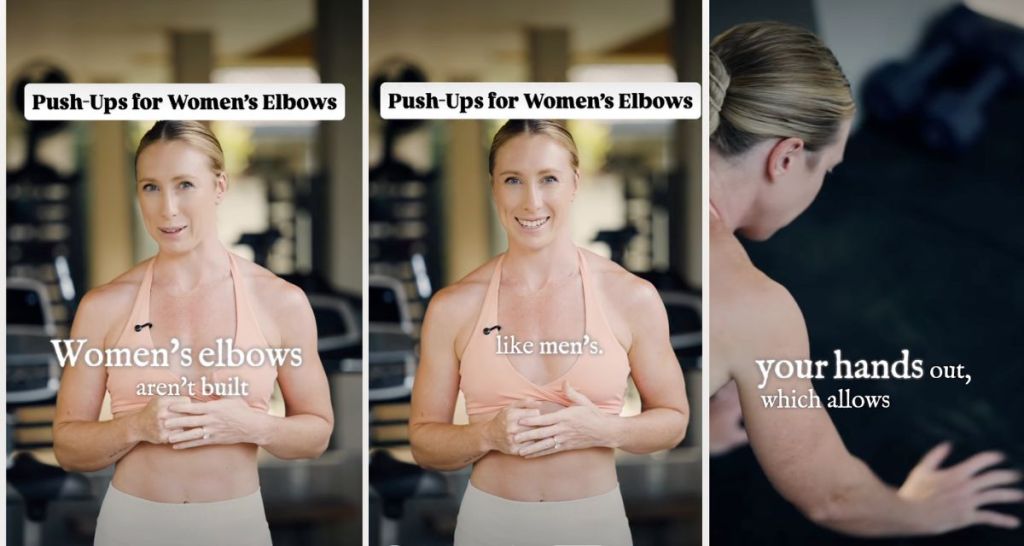
As explained by Kayla Lee, a women’s anatomy and biomechanics educator, women tend to have a naturally greater “carrying angle” than men, meaning their elbows angle more outward when the arm is straightened. Traditional push-ups, where the elbows are tucked in and the wrists are stacked under the shoulders, don’t always accommodate this, which can lead to difficulty with the exercise, or even joint pain.
However, turning the hands outward at about 45 degrees and placing them slightly wider than shoulder-width accommodates this anatomical difference, making the exercise more doable while also reducing wrist and elbow strain and improving stability.
The reaction
So far, the reaction has been overwhelmingly positive, with many women hailing it as a game changer.
But, regardless, the real takeaway is that there’s no one-size-fits-all approach. We should aim for good form, but it has to be a form that works with your body.
Historically speaking
It’s also worth noting that, historically, women haven’t always been taken into account in the fitness industry, or the health industry overall.
Fitness programs either drew a stark divide between men’s and women’s fitness—remember when it was unheard of for women to lift weights at all?—or neglected women’s structural differences, hormonal fluctuations, and need for pelvic floor health.
So it wouldn’t be surprising if push-ups, an exercise believed to have originated with ancient Indian warriors and later popularized by the military, were also shaped through a male-centric lens.
Thankfully, this is changing. For example, equipment manufacturers are redesigning machines with narrower grip spacing and more comfortable chest pad designs. Women are increasingly prioritizing muscle gain to help stave off osteoporosis and age-related muscle loss. There’s also greater awareness of hormonal health and pelvic floor strength, especially postpartum.
And trainers like Kayla Lee offer more female anatomy-friendly exercise alternatives—from bicep curls to dumbbell rows to lateral raises, just to name a few.
In other words, sometimes it’s not about “getting stronger” in the way we’ve been told, but about finally having the tools that work with our bodies instead of against them. If a small shift in hand placement can unlock that kind of confidence, imagine what else becomes possible when fitness truly starts including everyone.
Our understanding of ADHD has come a long way in just a few short years. Though it wasn’t even formally recognized as a medical condition until the 1960s, by the time the 90s rolled around, diagnoses and stimulant prescriptions were extremely prevalent. (Raise your hand if you grew up in the era of “Anyone who struggles in school gets Ritalin!”) Today, diagnoses and treatment are a lot more thoughtful and individualized, and there are more options for treatment and therapy including but not limited to stimulants like the well-known Ritalin. Even with all these advancements, though, we still have more to learn.
A new long-term study published in the Journal of Clinical Psychiatry has proven to be an excellent next step in getting a better understanding of the disorder, showing that a lot of what’s commonly believed or assumed about ADHD is incomplete or just flat-out wrong.
Researchers studied 483 participants who were diagnosed with ADHD in childhood and continued to assess them for a period of 16 years. The study’s authors wanted to get a sense of how ADHD symptoms might change over time.
What the researchers found surprised them. In most participants, symptoms of ADHD fluctuated greatly over the years rather than staying consistent. What surprised them even more were the environmental factors that seemed to play a role in those fluctuations.
Researchers expected that greater life demands—like more responsibility at work, a heavier workload at school, major life changes, etc.—would exacerbate ADHD symptoms. What they found was the opposite.
It makes sense that a person that struggles with inattention or hyperactivity might have more trouble focusing when they have more “going on” and more distractions to pull them in different directions. It was a huge surprise to the researchers that, actually, people’s ADHD symptoms seemed to ease up when life got hectic.
“We expected the relationship between environmental demands and ADHD symptoms to be the opposite of what we found,” study author, professor, and clinical psychologist Margaret H. Sibley explained. “We hypothesized that when life demands and responsibilities increased, this might exacerbate people’s ADHD, making it more severe. In fact, it was the opposite. The higher the demands and responsibilities one was experiencing, the milder their ADHD.”
I have a 4-year-old with ADHD and the findings totally track for me based on what I’ve witnessed in our own life.
We find it’s actually easier to be in perpetual motion sometimes (out running errands, doing activities, visiting friends and family) versus staying put too long. When we’re just relaxing at home, that’s when she tends to start bouncing off the walls! Her ADHD tendencies come out strong in these quiet periods, including what we sometimes playfully refer to as her “hoarding” dozens of coloring sheets or surrounding herself in giant piles of toys, blankets, and stuffed animals; thereby making a huge mess in the house.
Doing nothing or doing very little is not often a restful state for people with ADHD. Typically, people with ADHD experience more background noise than neurotypical brains, so a quiet, seemingly restful environment can sometimes amplify racing thoughts, negative self-talk, and impulsive behavior versus dampening it. You know how kids sometimes act out in school not because they’re not smart, but because the material is actually too easy for them and they’re bored? Something similar is at play in both of these scenarios.
Of course, as always in science, you have to be careful assuming causation from the findings.
It’s important to note that the results of the study don’t definitively prove that being busy causes a decrease in ADHD symptoms.
“This might mean that people with ADHD perform their best in more demanding environments (perhaps environments that have stronger immediate consequences, like needing to put food on the table for a family or pay rent monthly). It also might mean that people with ADHD take more on their plate when their symptoms are relatively at bay,” Sibley says. Either way, the correlation is certainly strong and worthy of more study.
In the meantime, the study’s authors think the results could be viewed in a hopeful light for people just learning to manage their ADHD. “If you’re a doctor talking with a patient who is first getting diagnosed with ADHD, it’s a huge help for that person to hear the message that, ‘You’re going to have good years and not-so-good years, but things can go really well for you if you can get the right factors in place,’” Sibley said. As a parent, I can imagine how reassuring that would have been to hear early on in our own process.
With ADHD diagnoses on the rise, more and more research is being conducted. For example, a recent long-term study out of Sweden was just published linking use of ADHD medication with a reduction in traffic crashes, general injuries, and criminal behavior. That’s a strong argument for continuing to hone in on accurate diagnoses and treatment for people who need it, as it clearly benefits society as a whole when done properly!
We’re learning more and more about what the factors that affect positive ADHD outcomes are, like what might exacerbate symptoms and what types of things can help, and we’re starting to get a clearer picture of how people can manage this challenging disorder.