
Soda is entwined in the American experience. From our sports games to the movie theater, every child’s birthday, and simply in most American refrigerators, soda is ubiquitously tied to our every day. It has become one of the biggest businesses in the world with fierce competition among brands, fighting not only for the American dollar but for a space in our collective consciousness.
But we all now know it’s bad for you, plain and simple.
Enter OLIPOP, the first soda to break the sugary mold and enter Americans’ refrigerators en masse.
OLIPOP‘s humble beginnings start by rewinding the clock almost two decades ago. Co-founder, CEO, and Formulator Ben Goodwin was searching for the most scientifically credible and accessible way to promote microbiome and digestive health to everyone.
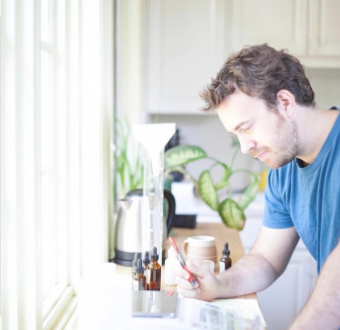
Like a mad soda scientist, Ben was on a mission to make a soda that’s both delicious
and supports digestive health. To truly grasp Ben’s passion for health, let’s journey even further back in time to his teenage years. Anxious, overweight, and disenchanted with the low-fiber, high-sugar Standard American Diet (SAD), Ben recognized the need for a transformation. He overhauled his lifestyle and diet and lost 50lbs. As he continued down the path of rigorous nutritional experimentation, Ben discovered that his lifestyle changes not only enhanced his energy levels and physical well-being but also positively impacted his mental health and cognitive functioning.
This health journey eventually led to his discovery of the microbiome—a vast community of trillions of bacteria influencing everything from the immune system to digestive functioning to emotional health. As health experts like to point out, our modern-day microbiomes lack the flourishing diversity of healthy bacteria. This is largely due to our diets, characterized by a scarcity of fiber and an excess of added sugars. The challenge lies in the fact that, in our busy lives, most of us don’t have the luxury to wander through forests and woods, picking berries, and searching for fibrous roots. But yet, we desperately need a diet that’s nutritious, diverse, fruit-full, vegetable-stuffed, and fiber-filled.
This understanding deeply resonated with Ben as he pieced together the puzzle of his own profound experience with nutrition. Intrigued and committed, he embarked on a journey to source scientifically credible and accessible methods to bring the ingredients and benefits of an age-old diet into the palm of your hand. And what better way to achieve this than by reinventing one of the largest sugar contributors in our diet: soda.
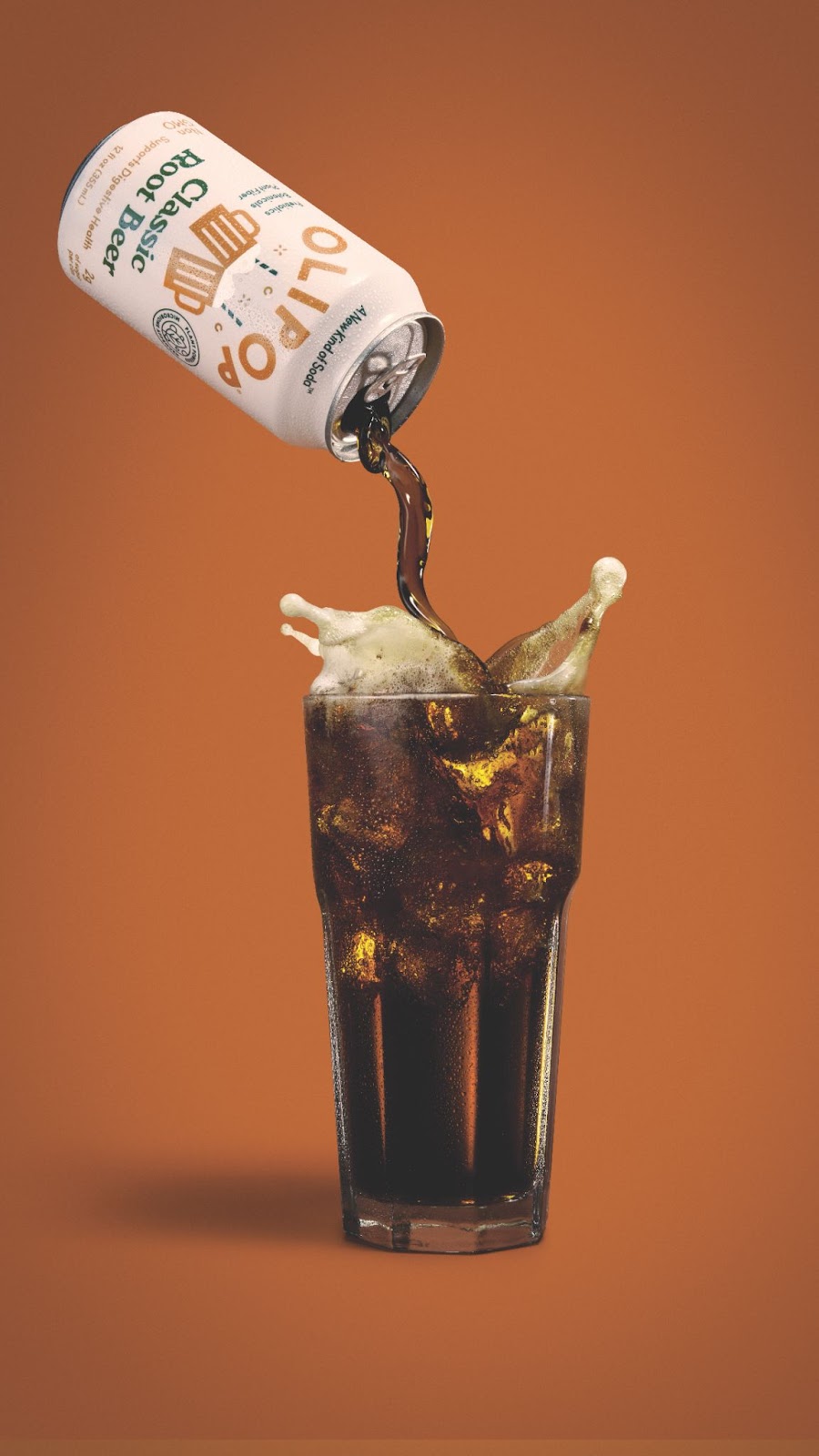
However, don’t mistake this for a personal vendetta against bubbly beverages. Ben, having grown up enjoying soda, has a genuine love for it. He also understood soda’s extensive and rich history woven into our American identity. For many of us, the satisfying pop of a soda tab can evoke memories of campfire stories, family movie nights, road trips, and good times spent with friends. Ben had no intention of taking away a nostalgic beverage ingrained in the backdrop of countless cherished moments. Instead, his goal was to discover a way to preserve the soda you know and love while enhancing it with ingredients that nurture your microbiome rather than harm it.
It is safe to say that Ben succeeded in that mission. However, it wasn’t always easy, and it certainly wouldn’t have been possible without his Co-founder and business partner, David Lester. In 2013 — armed with a bag full of homemade soda and a passion for the microbiome — Ben articulated his vision of launching a healthy soda brand during a coffee shop meeting in Palo Alto. Right from that initial conversation, it became clear to David that they had an idea worth pursuing.
Thanks to their relentless pursuit of a healthier soda, combined with Ben’s extensive and unique formulation of traditional and innovative soda flavors, has brought us to this moment. Today, OLIPOP isn’t just competing alongside traditional soda giants in retailers; it’s redefining the category entirely. In 2023, OLIPOP sales surpassed major soda brands including Pepsi, Mountain Dew, A&W, and Canada Dry at a national retailer—signaling that consumers are craving a beverage with a delicious taste without the harmful side effects.