
upworthy
Add Upworthy to your Google News feed.
Google News Button
Family

17 photos of adorable kids who were born prematurely, now holding their own baby pictures

Love this so much!

young blond girl smiles
OriginalAll photos belong to Red Méthot, who gave me permission to share them here.

Chloé was born at 32 weeks.

Every single day, babies across the world are born prematurely, which means that they're born before 37 weeks of gestation.

In Canada, about 29,000 infants are born prematurely each year, roughly 1 in every 13. But in the United States, around 400,000 to 500,000 are born early. That's about 1 in every 8 to 10 babies born in the U.S.!

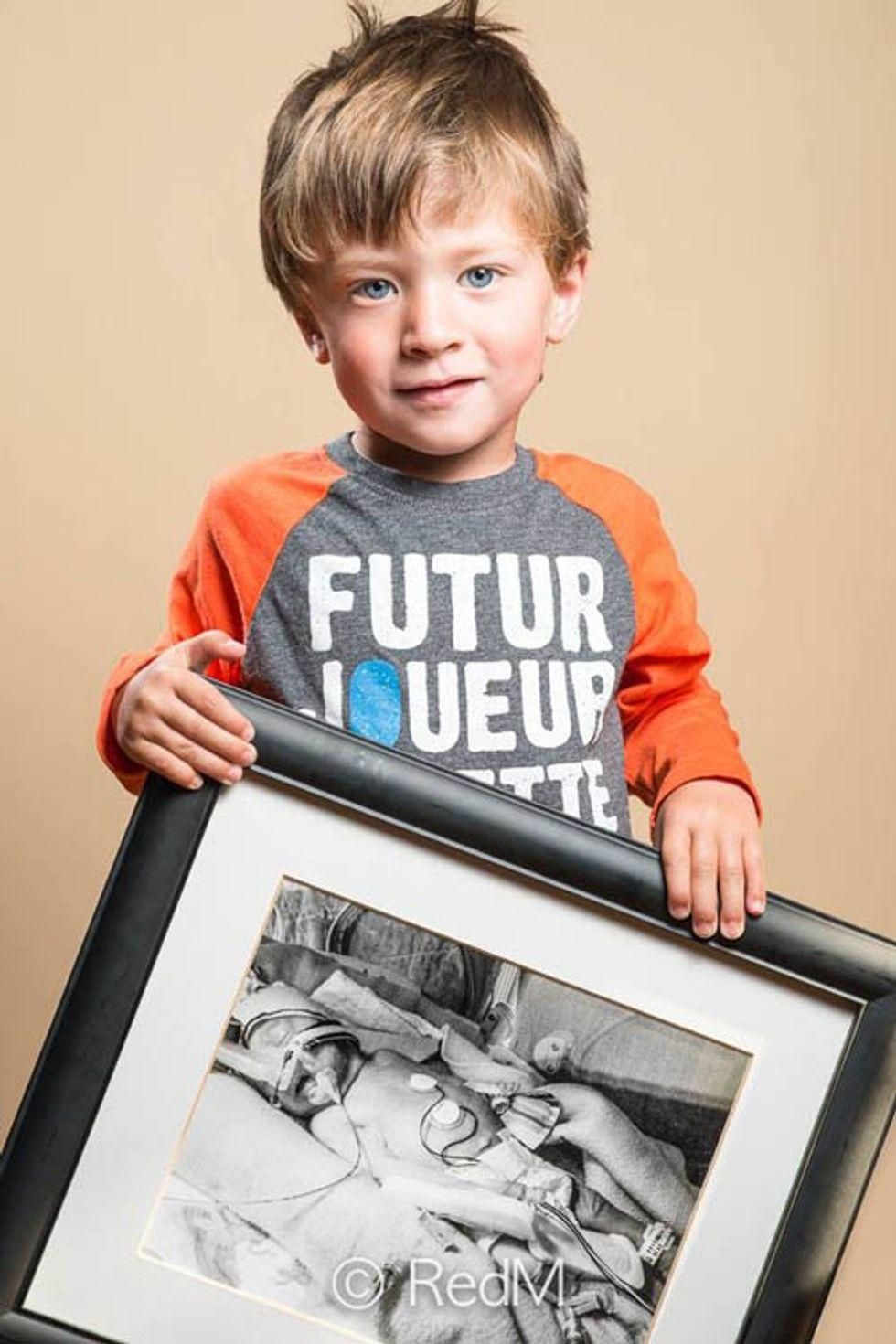
Red Méthot, a Canadian photographer and student, decided to capture the resilience of many of these kids for a school photography project.

He's the father of two prematurely born kids himself, so the topic is important to him.

"My son was born at 29 weeks and my daughter at 33 weeks," he told Upworthy a phone interview. "These are the kind of pictures I would like to have seen when my first child was born — they've been through that, and they are great now."

Méthot said he knows not all preemie stories have a happy ending—one of his photos features a child whose twin passed away after they were born prematurely—but for so many kids who come early, they go on to experience a great life.

Meet several of the beautiful kids he photographed:
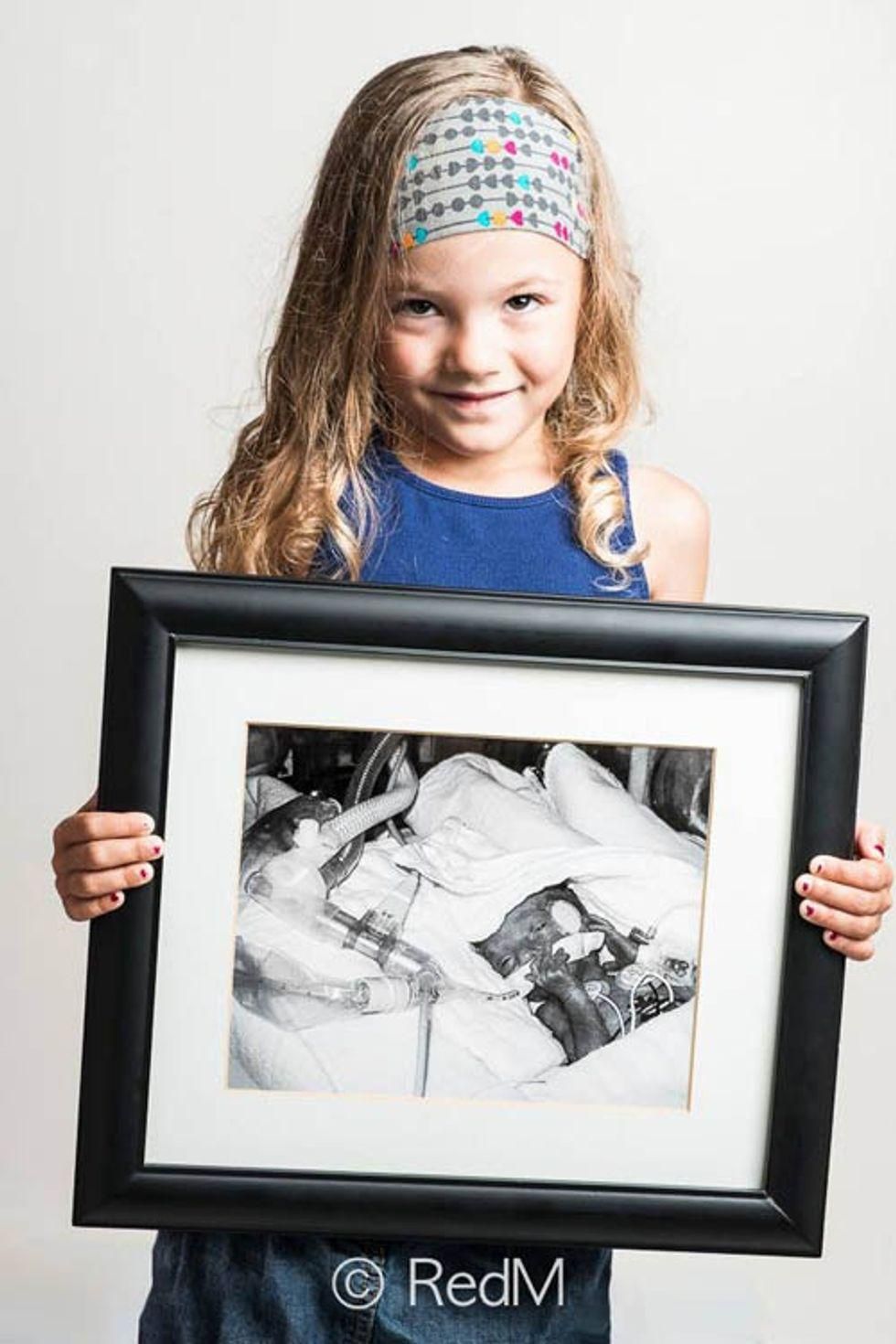
a little girl holds a black and white photograph of herself as a premature baby

1. Lexiani, born at 25 weeks

Original. All photos belong to Red Méthot, who gave me permission to share them here.
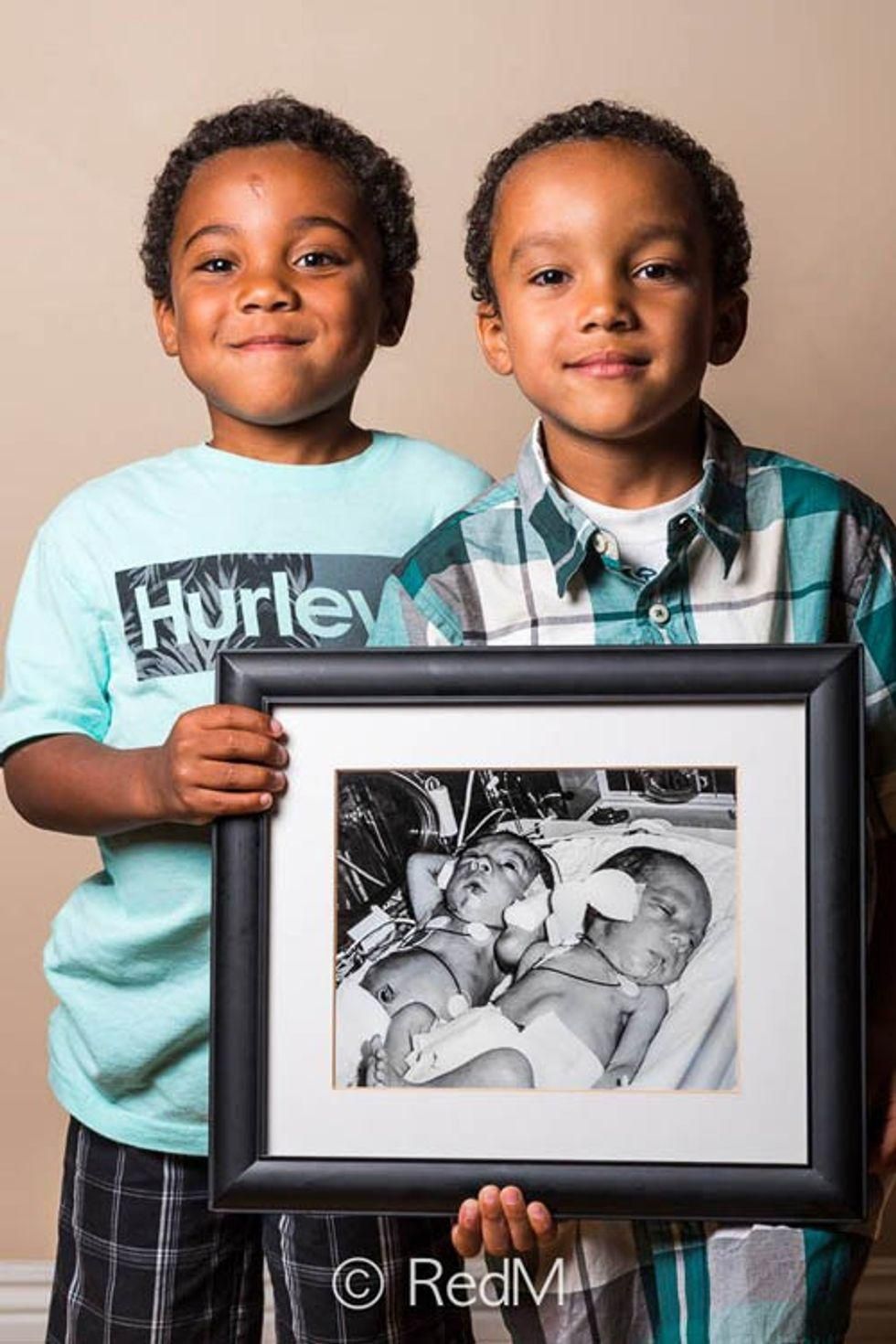
twin boys hold black and white photo of themselves as premature babies

2. Noah and Nathan, born at 32 weeks

Original.All photos belong to Red Méthot, who gave me permission to share them here.
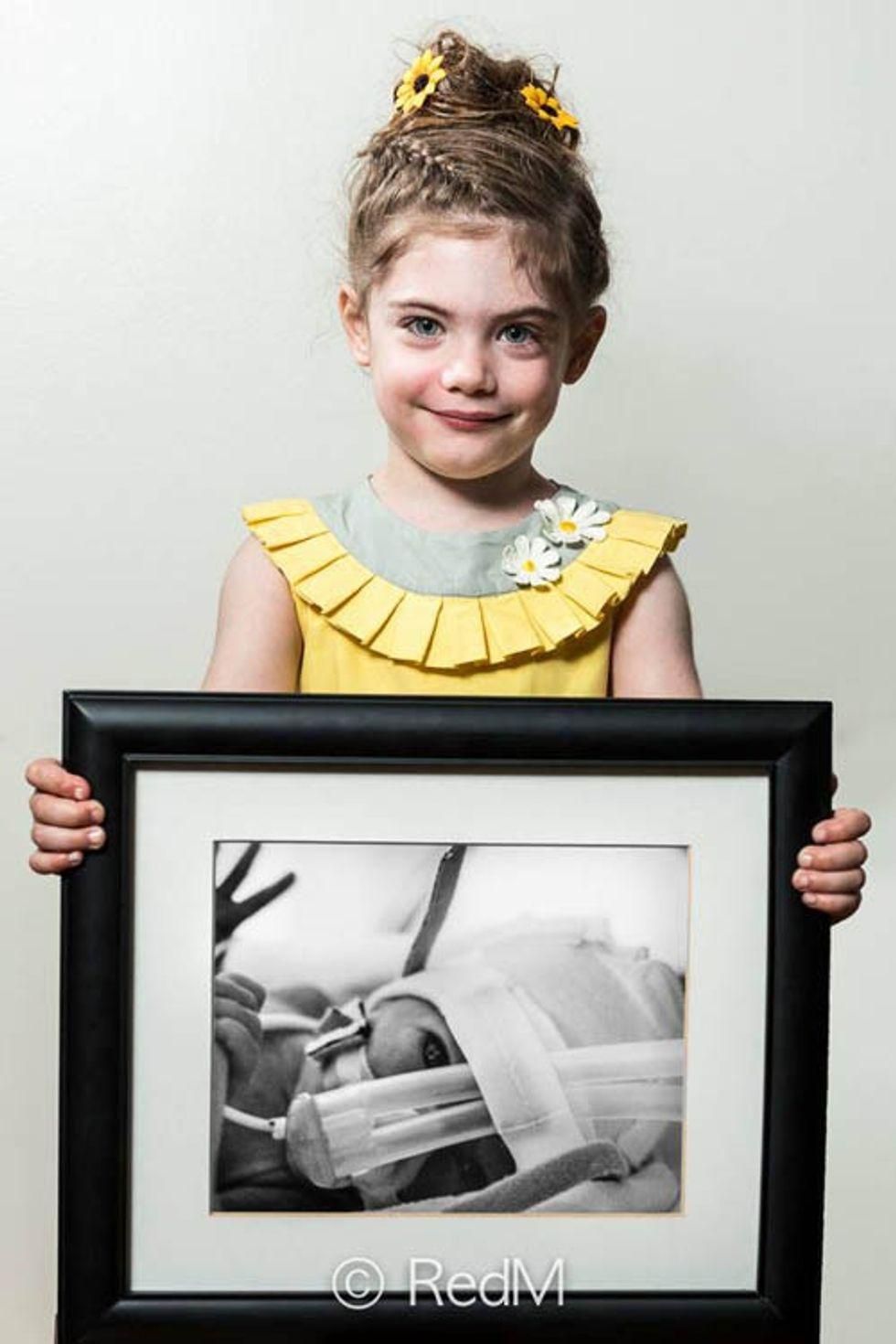
a little girl holds a black and white photograph of herself as a premature baby

3. Margot, born at 29 weeks

Original.All photos belong to Red Méthot, who gave me permission to share them here.
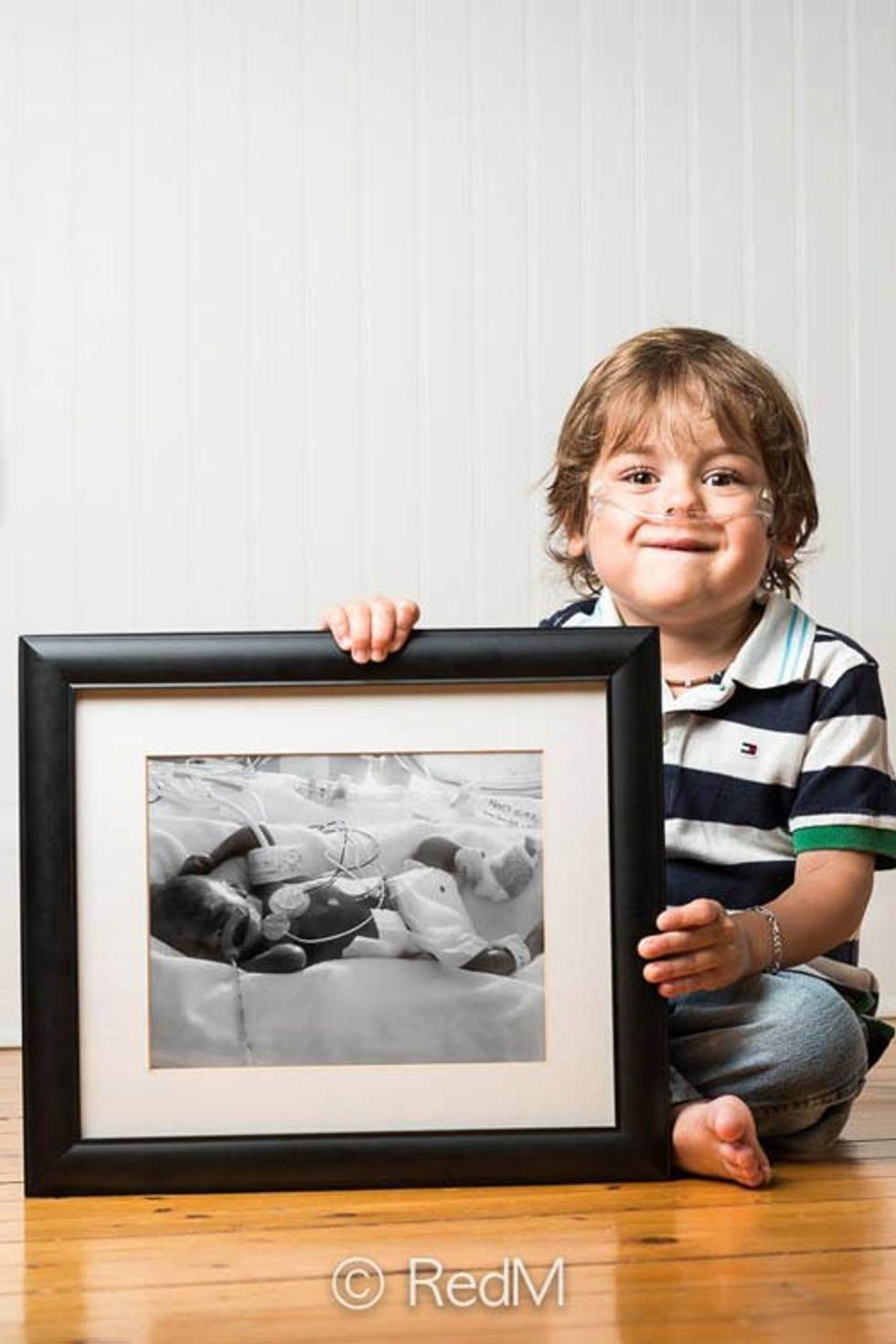
a little boy holds a black and white photograph of himself as a premature baby

4. Thomas, born at 23 weeks

Original.All photos belong to Red Méthot, who gave me permission to share them here.
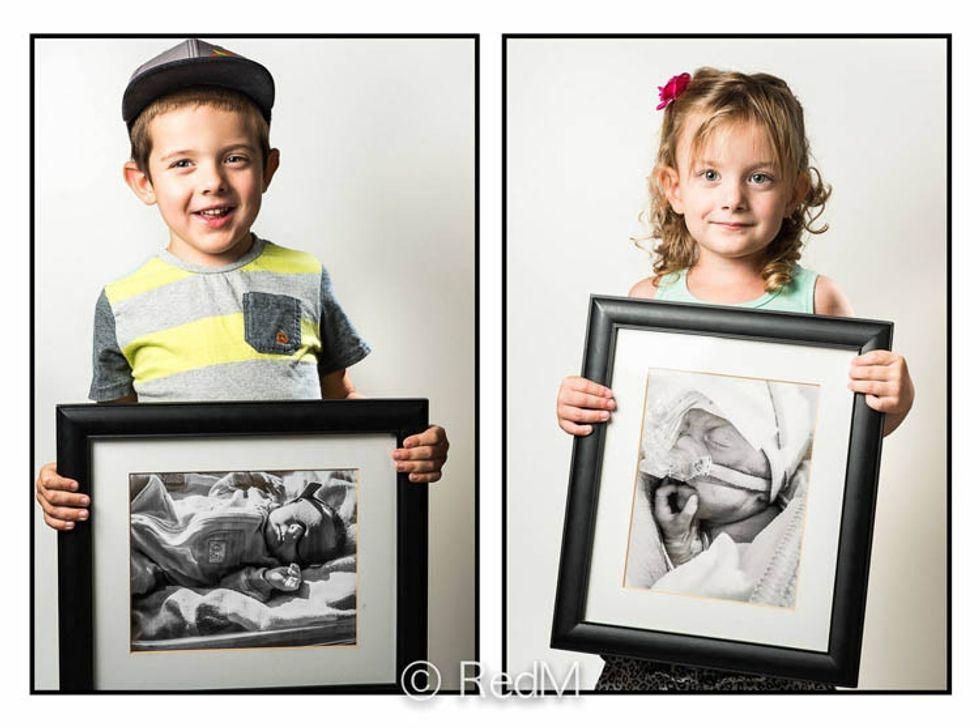
siblings each hold  black and white photographs of themselves as premature babies

5. Samuel, born at 36 weeks, and his sister Alice, born at 27 weeks

Original.All photos belong to Red Méthot, who gave me permission to share them here.
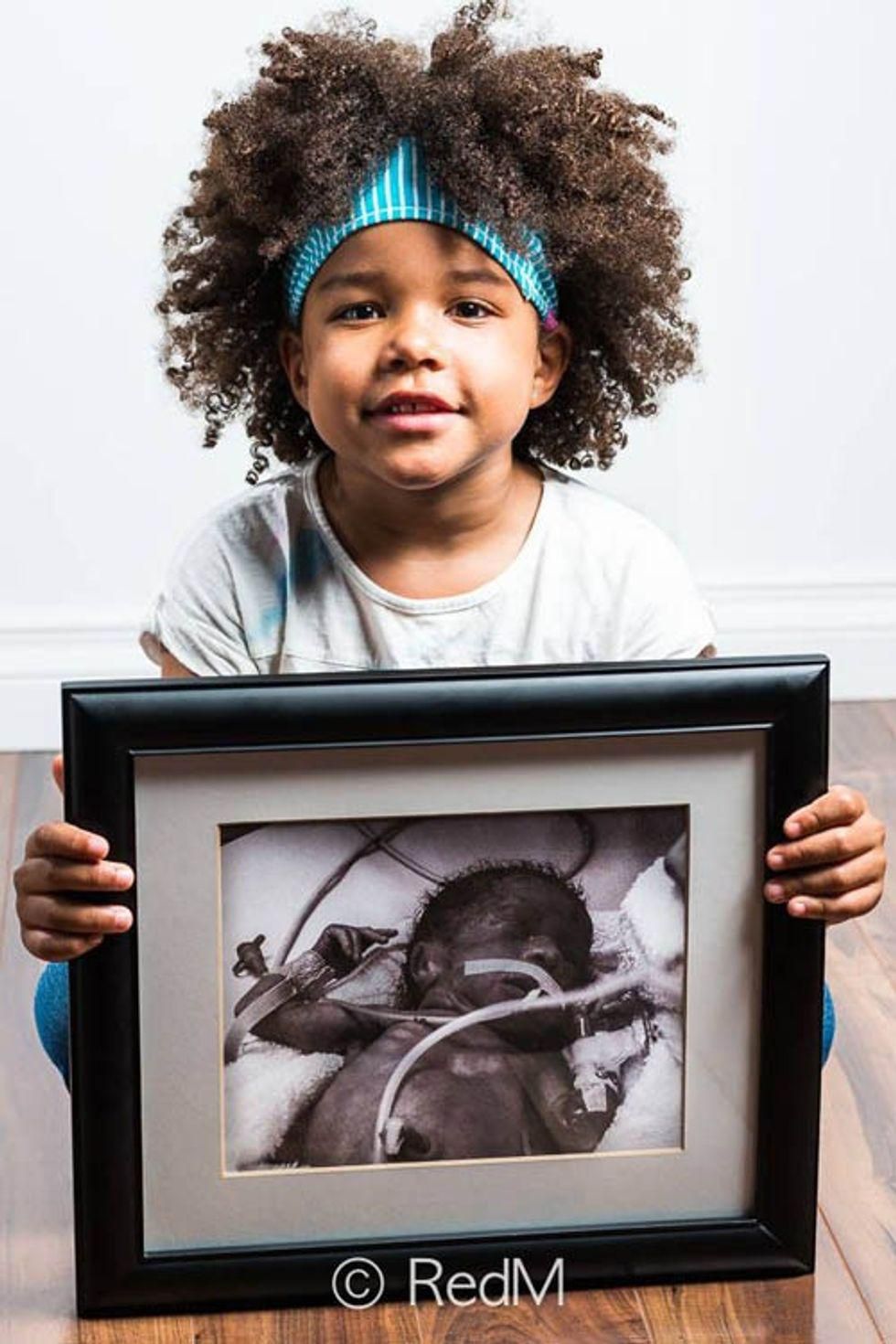
a little girl holds a black and white photograph of herself as a premature baby

6. Éva, born at 29 weeks

Original.All photos belong to Red Méthot, who gave me permission to share them here.
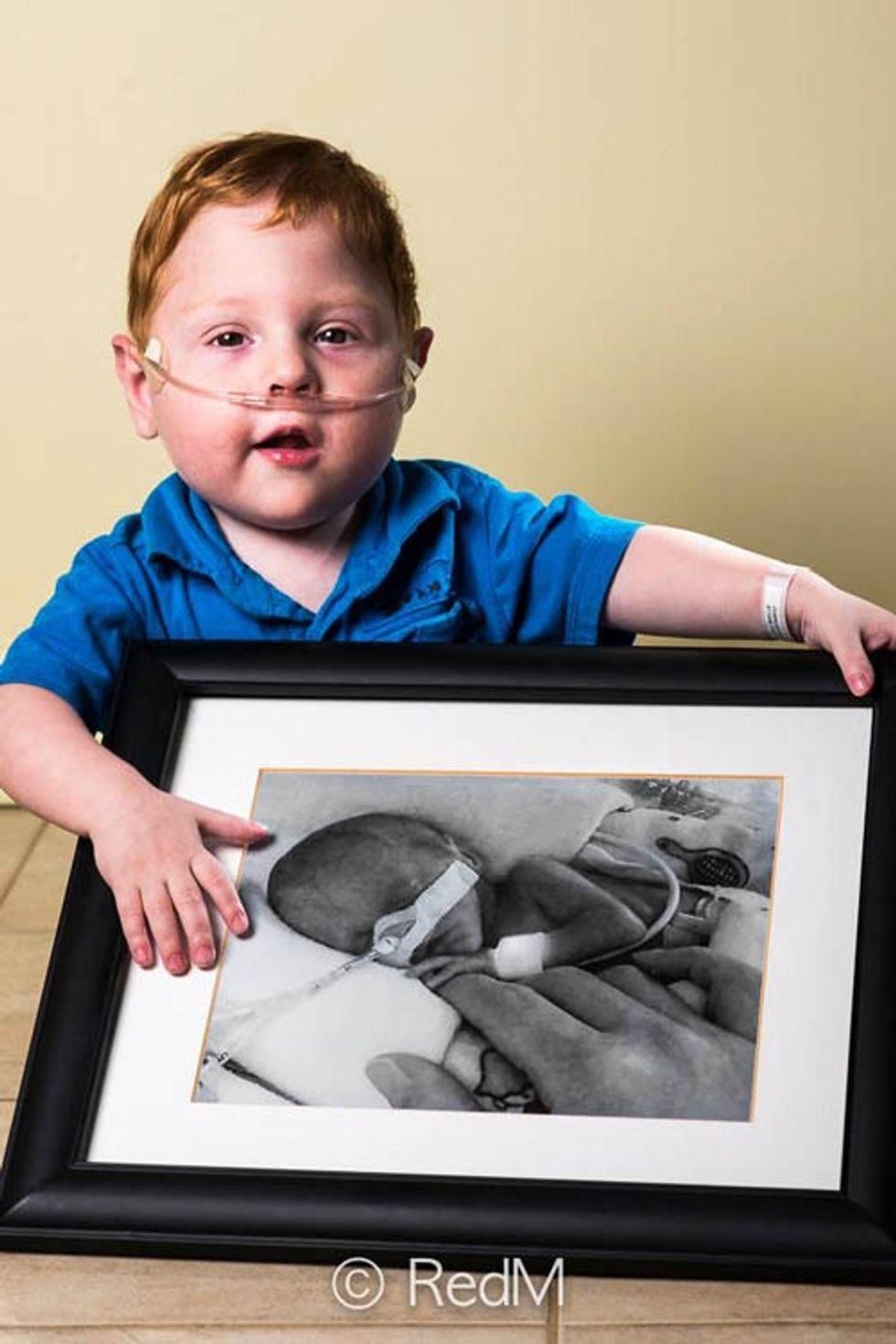
a little boy holds a black and white photograph of himself as a premature baby

7. Charles, born at 26 weeks

Original.All photos belong to Red Méthot, who gave me permission to share them here.
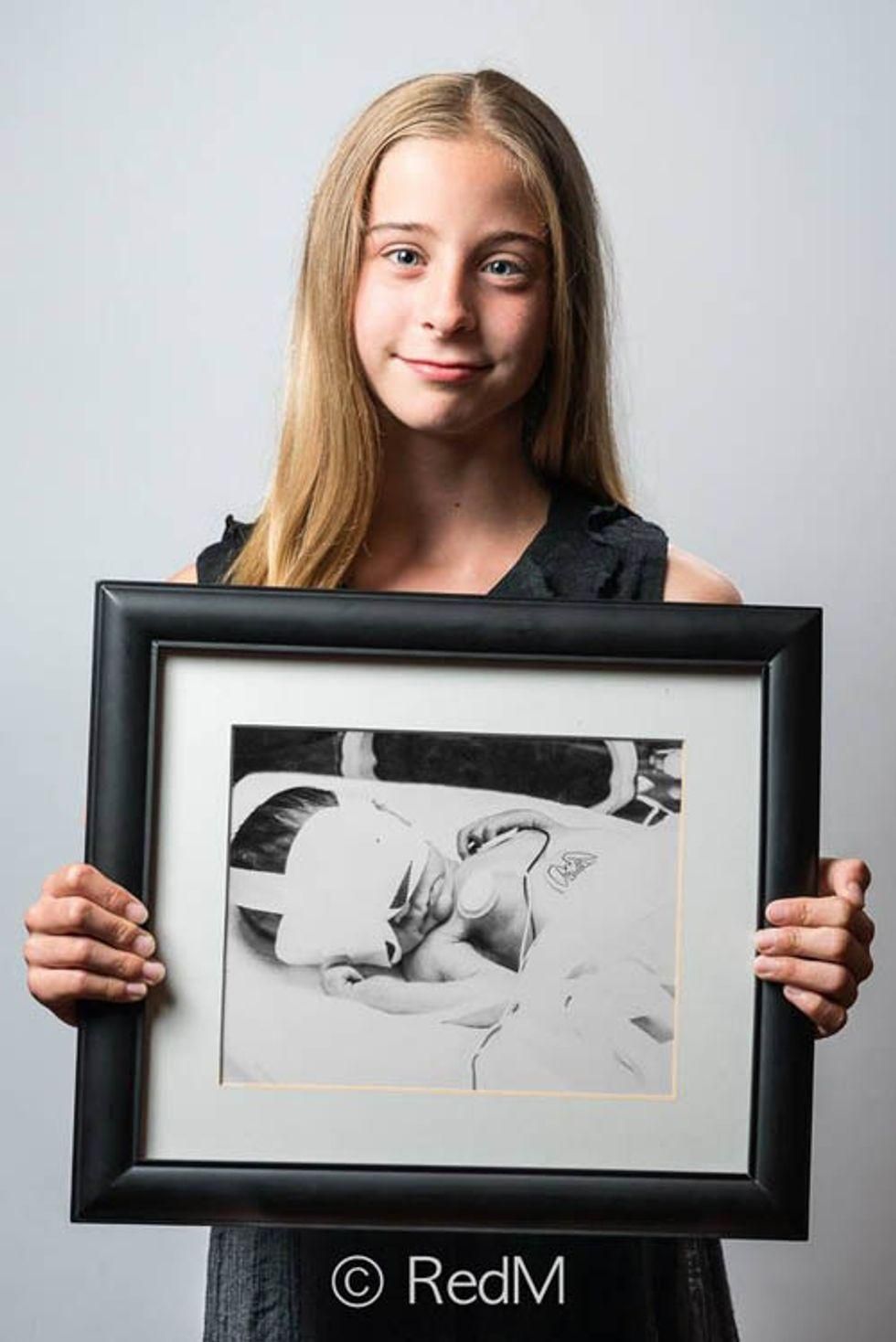
a girl holds a black and white photograph of herself as a premature baby

8. Chloé, born at 32 weeks

Original.All photos belong to Red Méthot, who gave me permission to share them here.
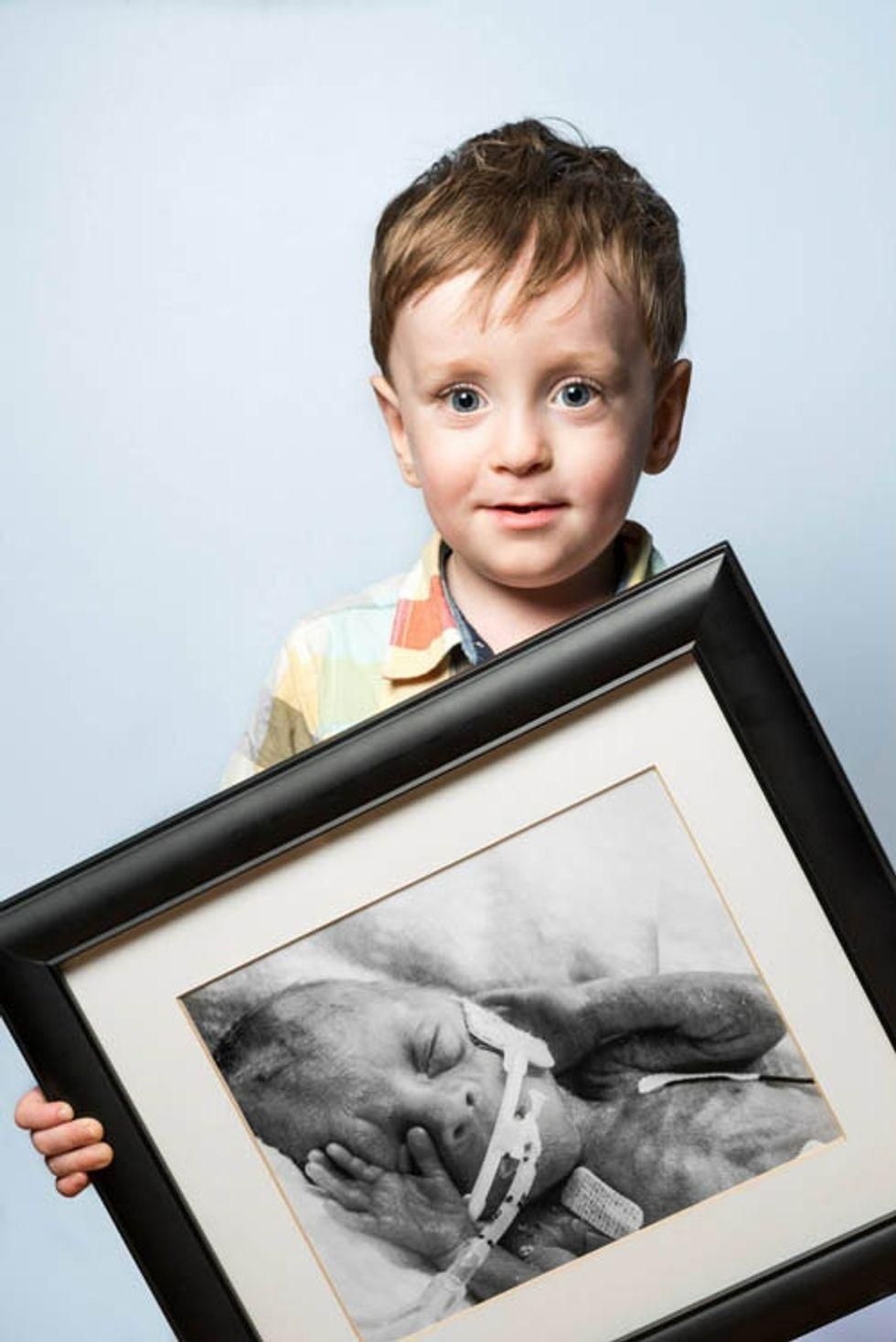
siblings each hold  black and white photographs of themselves as premature babies

10. Felix, born at 23 weeks, and his brother Alexis, born at almost 33 weeks

Original.All photos belong to Red Méthot, who gave me permission to share them here.
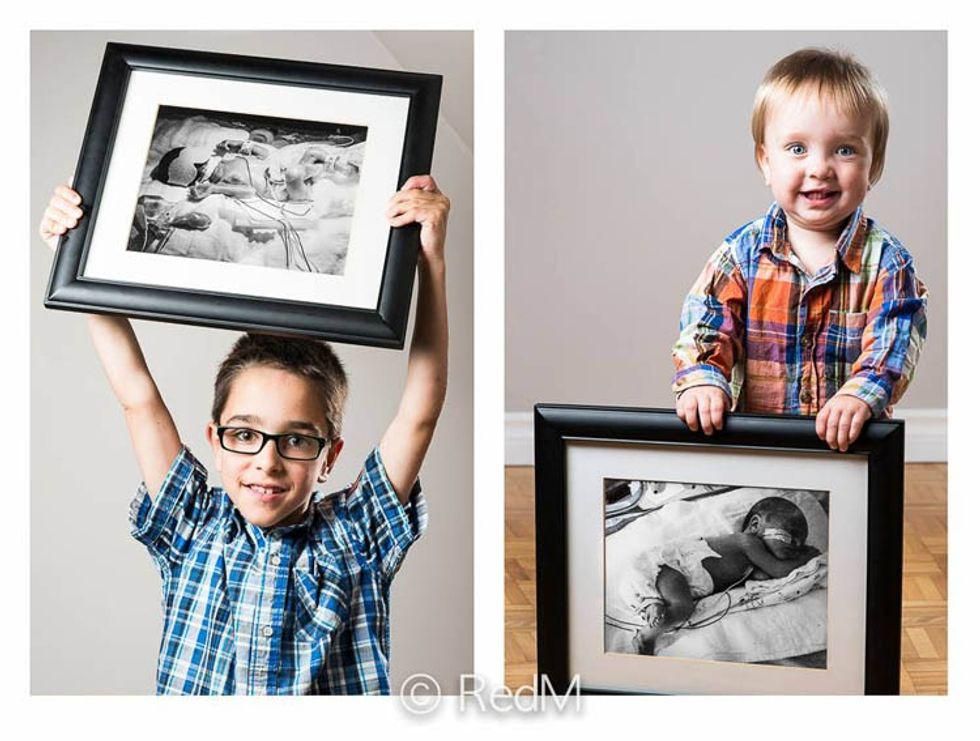
a  young boy holds a black and white photograph of himself and his deceased twin sister as premature babies

11. Noah, born at 32 weeks; his twin sister, Victoria (on the left in the framed picture), passed away when she was one month old

Original.All photos belong to Red Méthot, who gave me permission to share them here.
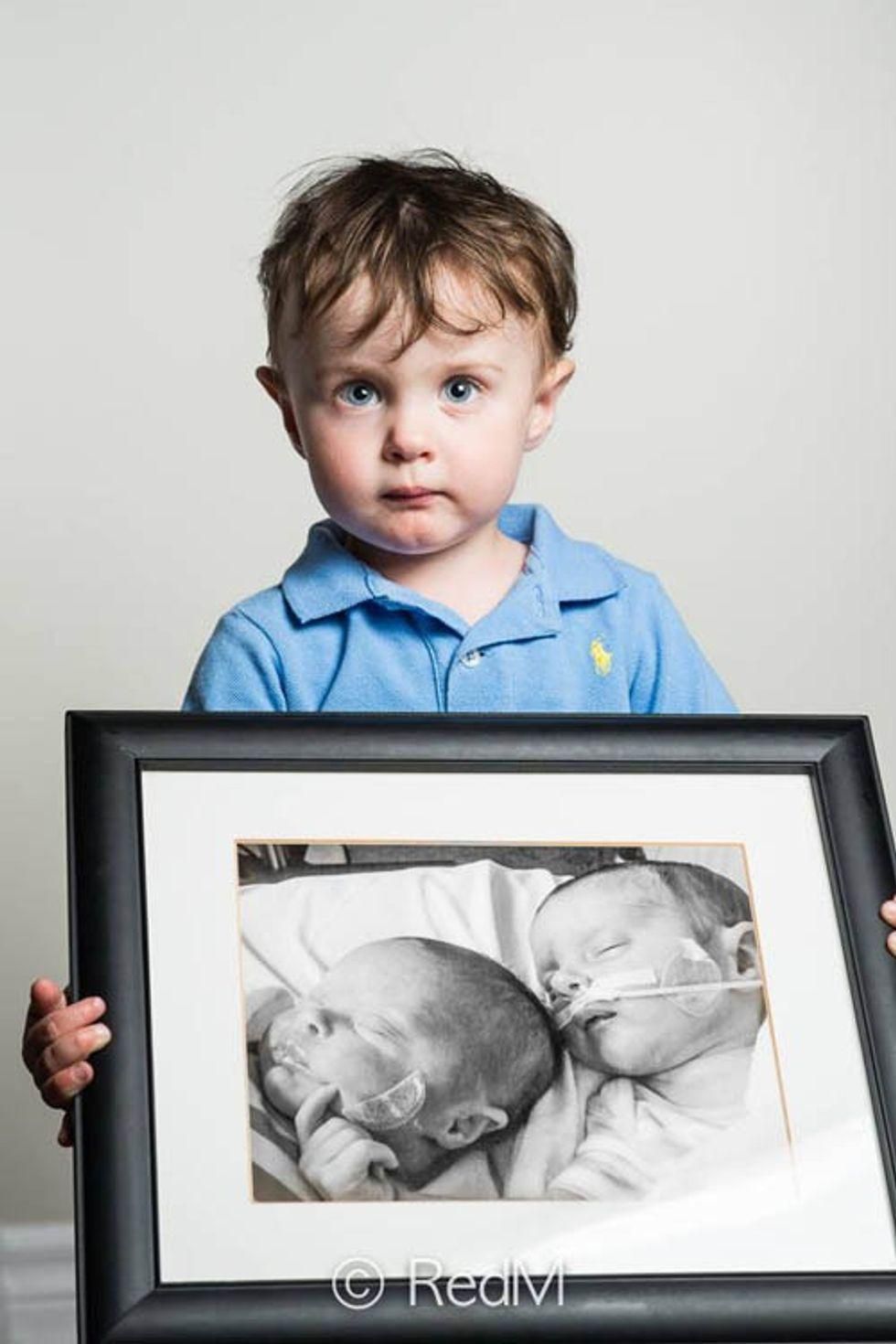
a little girl holds a black and white photograph of herself as a premature baby

12. Juliette, born at 30 weeks

Original.All photos belong to Red Méthot, who gave me permission to share them here.
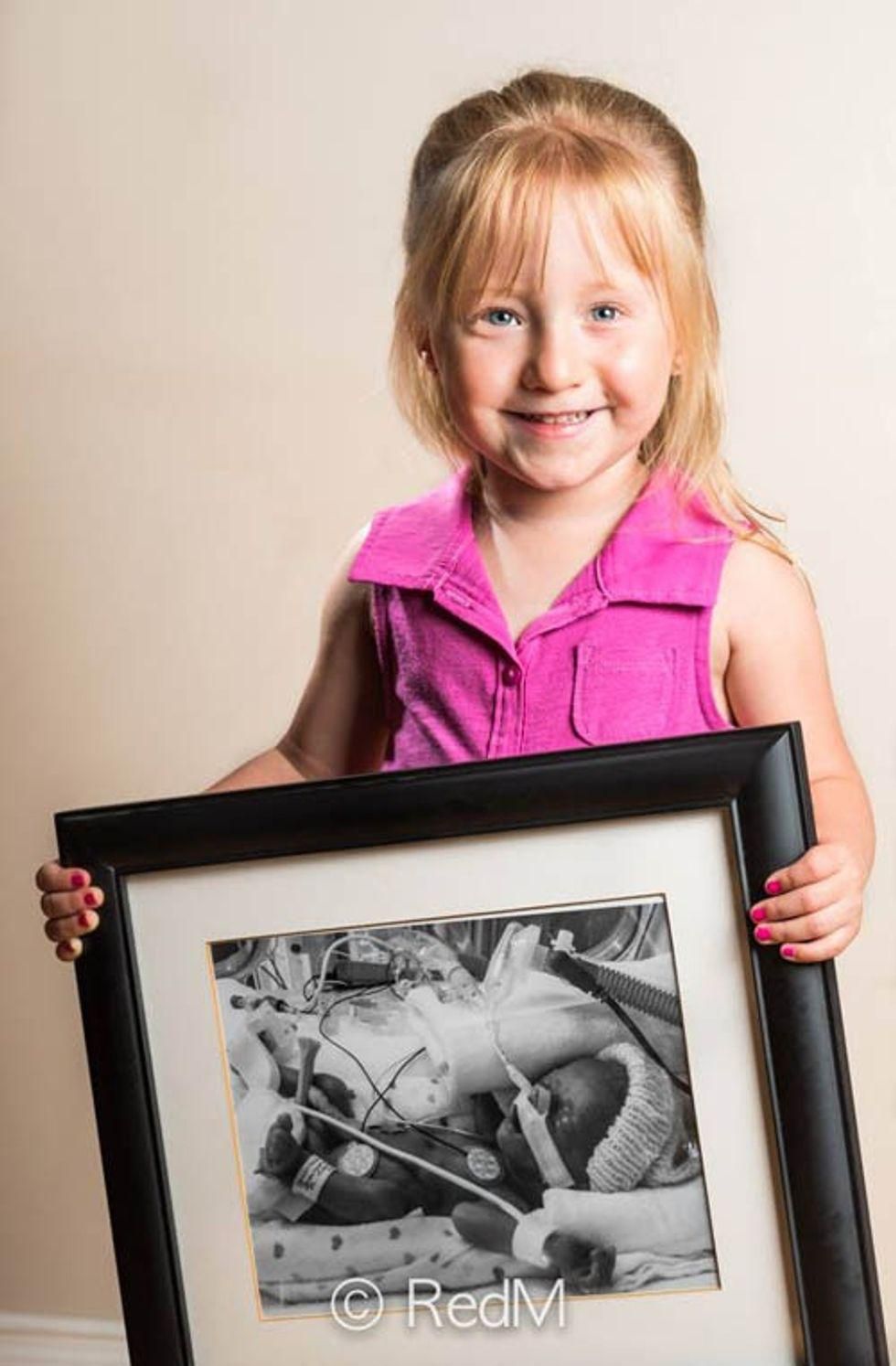
three siblings each hold  black and white photographs of themselves as premature babies

14. Olivier, born at 31 weeks, his sister Ariane, born at 33 weeks, and their brother Noah, born at 34 weeks.

Original.All photos belong to Red Méthot, who gave me permission to share them here.
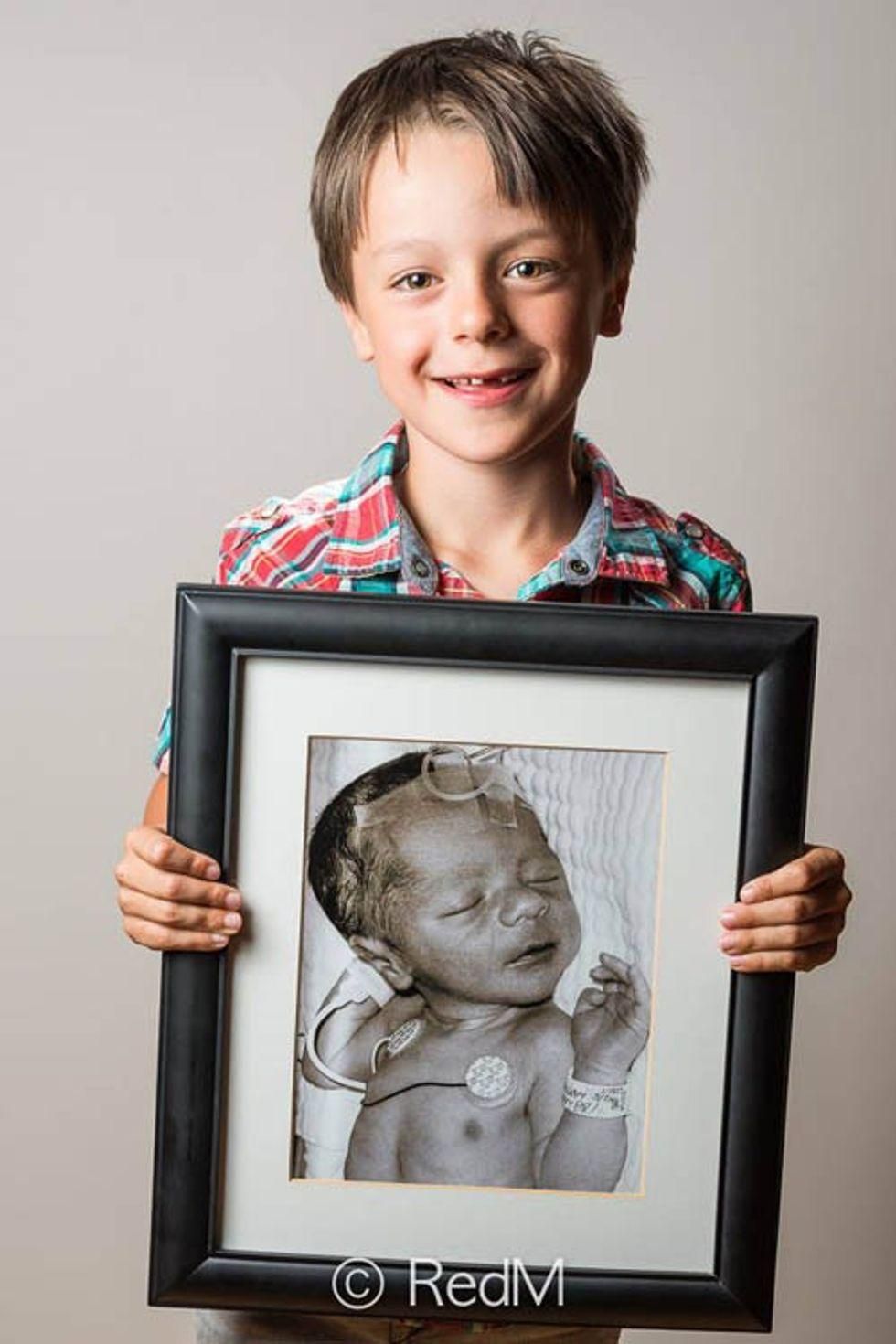
a young boy holds a black and white photograph of himself as a premature baby

15. Émile, born at 26 weeks

Orignal.All photos belong to Red Méthot, who gave me permission to share them here.
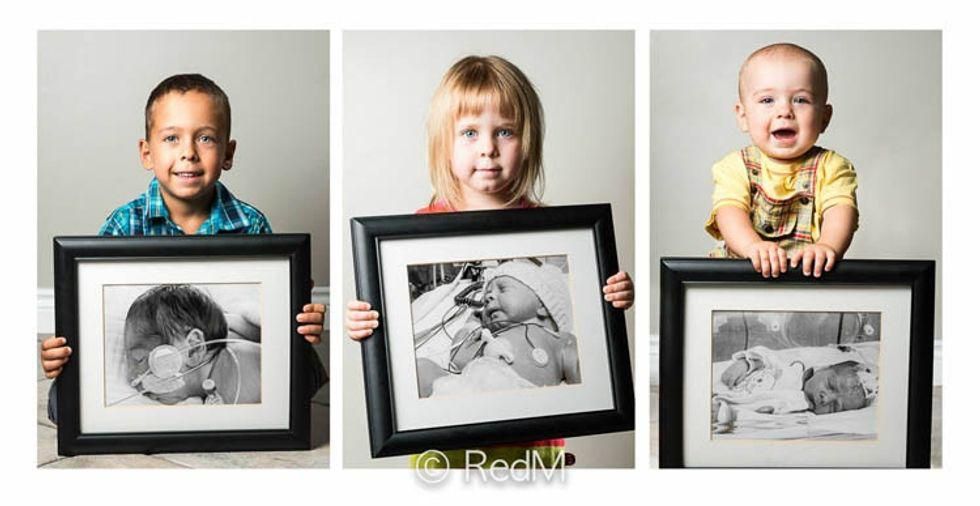
a young boy holds a black and white photograph of himself as a premature baby

16. Théo, born at 25 weeks

Original.All photos belong to Red Méthot, who gave me permission to share them here.
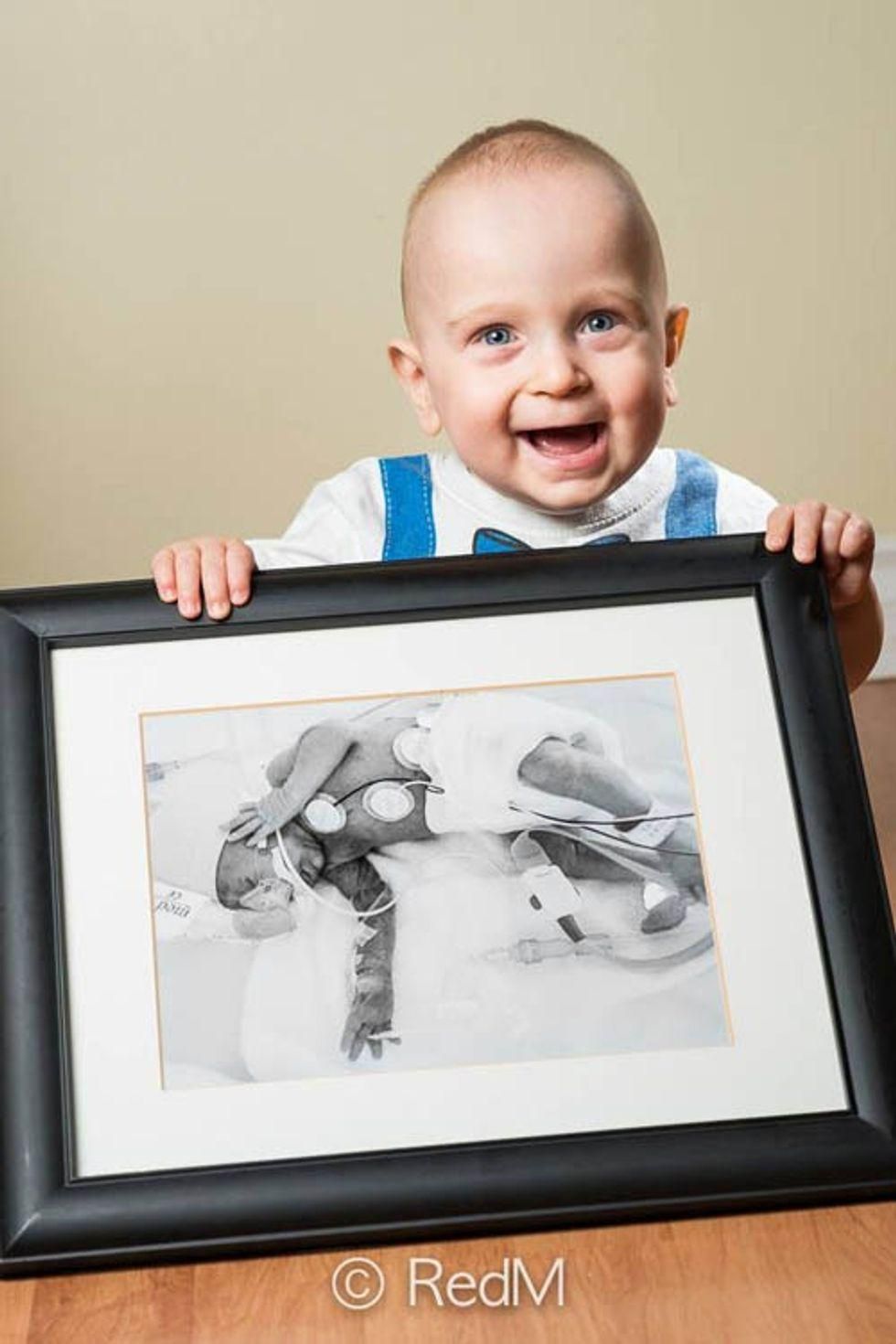
twin siblings hold black and white photo of themselves as premature babies

17. Charles-Antoine and Mara, born at 27 weeks

Original.All photos belong to Red Méthot, who gave me permission to share them here.
Méthot's school project originally consisted of 10 photos, but the reaction has been so positive and he's enjoyed taking them so much, he continued adding to the collection.

Currently, he has captured 50 images. (You can view them all in the album on his Facebook page!). Méthot told Upworthy that his favorite part of the project has been meeting the subjects.

"Each time I meet a new person, I [learn] about a new story," he said.

And I think we can all agree that Méthot is a wonderful storyteller through his photography. Between his photos showing the bright future so many premature babies have and the loss of others, he captures reality beautifully.


This article originally appeared ten years ago.

Once a refugee seeking safety in the U.S., Anita Omary is using what she learned to help others thrive.
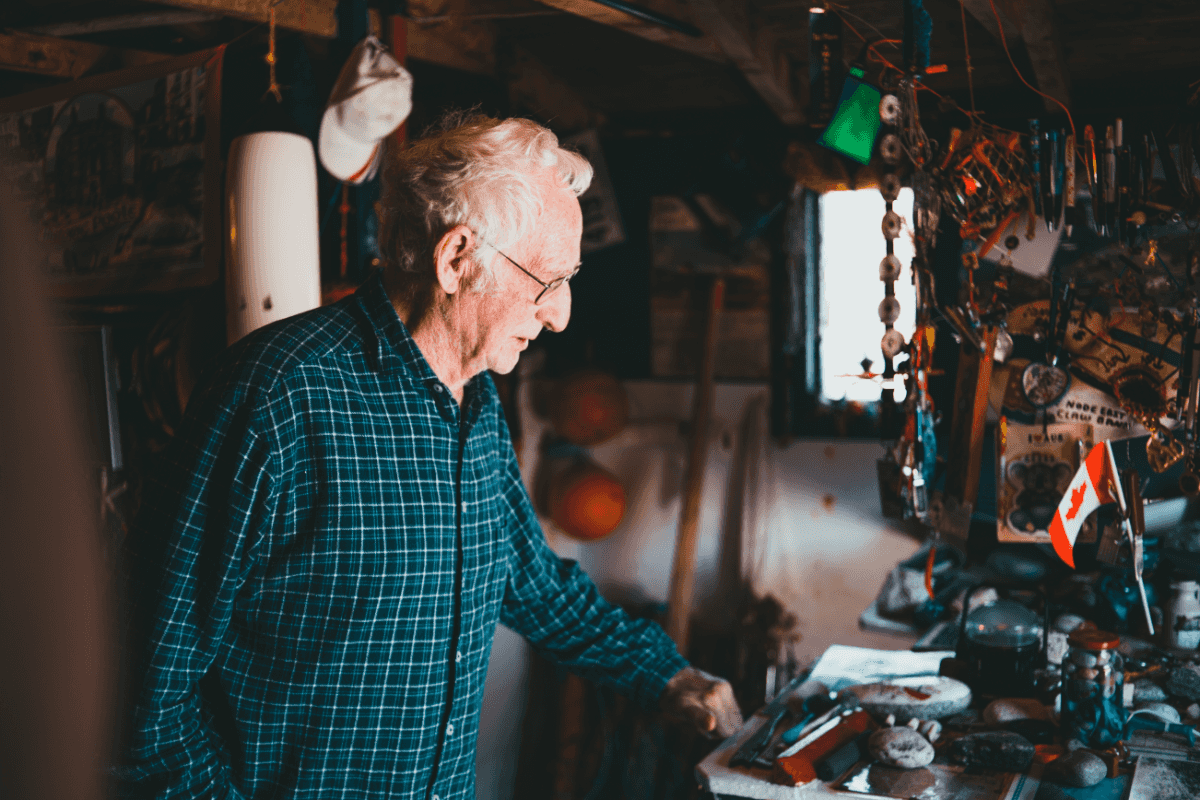
Pictured here: Anita Omary; her son, Osman; and Omary’s close friends
True

In March 2023, after months of preparation and paperwork, Anita Omary arrived in the United States from her native Afghanistan to build a better life. Once she arrived in Connecticut, however, the experience was anything but easy.

“When I first arrived, everything felt so strange—the weather, the environment, the people,” Omary recalled. Omary had not only left behind her extended family and friends in Afghanistan, she left her career managing child protective cases and supporting refugee communities behind as well. Even more challenging, Anita was five months pregnant at the time, and because her husband was unable to obtain a travel visa, she found herself having to navigate a new language, a different culture, and an unfamiliar country entirely on her own.


“I went through a period of deep disappointment and depression, where I wasn’t able to do much for myself,” Omary said.

Then something incredible happened: Omary met a woman who would become her close friend, offering support that would change her experience as a refugee—and ultimately the trajectory of her entire life.

Understanding the journey

Like Anita Omary, tens of thousands of people come to the United States each year seeking safety from war, political violence, religious persecution, and other threats. Yet escaping danger, unfortunately, is only the first challenge. Once here, immigrant and refugee families must deal with the loss of displacement, while at the same time facing language barriers, adapting to a new culture, and sometimes even facing social stigma and anti-immigrant biases.

Welcoming immigrant and refugee neighbors strengthens the nation and benefits everyone—and according to Anita Omary, small, simple acts of human kindness can make the greatest difference in helping them feel safe, valued, and truly at home.

A warm welcome

Dee and Omary's son, Osman

Anita Omary was receiving prenatal checkups at a woman’s health center in West Haven when she met Dee, a nurse.

“She immediately recognized that I was new, and that I was struggling,” Omary said. “From that moment on, she became my support system.”

Dee started checking in on Omary throughout her pregnancy, both inside the clinic and out.

“She would call me and ask am I okay, am I eating, am I healthy,” Omary said. “She helped me with things I didn’t even realize I needed, like getting an air conditioner for my small, hot room.”

Soon, Dee was helping Omary apply for jobs and taking her on driving lessons every weekend. With her help, Omary landed a job, passed her road test on the first attempt, and even enrolled at the University of New Haven to pursue her master’s degree. Dee and Omary became like family. After Omary’s son, Osman, was born, Dee spent five days in the hospital at her side, bringing her halal food and brushing her hair in the same way Omary’s mother used to. When Omary’s postpartum pain became too great for her to lift Osman’s car seat, Dee accompanied her to his doctor’s appointments and carried the baby for her.

“Her support truly changed my life,” Omary said. “Her motivation, compassion, and support gave me hope. It gave me a sense of stability and confidence. I didn’t feel alone, because of her.”

More than that, the experience gave Omary a new resolve to help other people.

“That experience has deeply shaped the way I give back,” she said. “I want to be that source of encouragement and support for others that my friend was for me.”

Extending the welcome

Omary and Dee at the Martin Luther King, Jr. Vision Awards ceremony at the University of New Haven.

Omary is now flourishing. She currently works as a career development specialist as she continues her Master’s degree. She also, as a member of the Refugee Storytellers Collective, helps advocate for refugee and immigrant families by connecting them with resources—and teaches local communities how to best welcome newcomers.

“Welcoming new families today has many challenges,” Omary said. “One major barrier is access to English classes. Many newcomers, especially those who have just arrived, often put their names on long wait lists and for months there are no available spots.” For women with children, the lack of available childcare makes attending English classes, or working outside the home, especially difficult.

Omary stresses that sometimes small, everyday acts of kindness can make the biggest difference to immigrant and refugee families.

“Welcome is not about big gestures, but about small, consistent acts of care that remind you that you belong,” Omary said. Receiving a compliment on her dress or her son from a stranger in the grocery store was incredibly uplifting during her early days as a newcomer, and Omary remembers how even the smallest gestures of kindness gave her hope that she could thrive and build a new life here.

“I built my new life, but I didn’t do it alone,” Omary said. “Community and kindness were my greatest strengths.”

Are you in? Click here to join the Refugee Advocacy Lab and sign the #WeWillWelcome pledge and complete one small act of welcome in your community. Together, with small, meaningful steps, we can build communities where everyone feels safe.

This article is part of Upworthy’s “The Threads Between U.S.” series that highlights what we have in common thanks to the generous support from the Levi Strauss Foundation, whose grantmaking is committed to creating a culture of belonging.

quiet, finger over lips, don't talk, keep it to yourself, silence

A woman with her finger over her mouth.

It can be hard to stay quiet when you feel like you just have to speak your mind. But sometimes it's not a great idea to share your opinions on current events with your dad or tell your boss where they're wrong in a meeting. And having a bit of self-control during a fight with your spouse is a good way to avoid apologizing the next morning.

Further, when we fight the urge to talk when it's not necessary, we become better listeners and give others a moment in the spotlight to share their views. Building that small mental muscle to respond to events rather than react can make all the difference in social situations.


argument, coworkers, angry coworkers, hostile work enviornment, disagreement A woman is getting angry at her coworker.via Canva/Photos

What is the WAIT method?

One way people have honed the skill of holding back when they feel the burning urge to speak up is the WAIT method, an acronym for the question you should ask yourself in that moment: "Why Am I Talking?" Pausing to consider the question before you open your mouth can shift your focus from "being heard" to "adding value" to any conversation.

The Center for The Empowerment Dynamic has some questions we should consider after taking a WAIT moment:

  • What is my intention behind what I am about to say?
  • What question can I ask to better understand what the other person is saying?
  • Is my need to talk an attempt to divert the attention to me?
  • How might I become comfortable with silence rather than succumb to my urge to talk?

tape over muth, sielnce, be quiet, mouth shut, saying nothing A man with tape over his mouth.via Canva/Photos

The WAIT method is a good way to avoid talking too much. In work meetings, people who overtalk risk losing everyone's attention and diluting their point to the extent that others aren't quite sure what they were trying to say. Even worse, they can come across as attention hogs or know-it-alls. Often, the people who get to the heart of the matter succinctly are the ones who are noticed and respected.

Just because you're commanding the attention of the room doesn't mean you're doing yourself any favors or helping other people in the conversation.

The WAIT method is also a great way to give yourself a breather and let things sit for a moment during a heated, emotional discussion. It gives you a chance to cool down and rethink your goals for the conversation. It can also help you avoid saying something you regret.

fight, spuse disagreement, communications skills, upset husband, argument A husband is angry with his wife. via Canva/Photos

How much should I talk in a meeting?

So if it's a work situation, like a team meeting, you don't want to be completely silent. How often should you speak up?

Cary Pfeffer, a speaking coach and media trainer, shared an example of the appropriate amount of time to talk in a meeting with six people:

"I would suggest a good measure would be three contributions over an hour-long meeting from each non-leader participant. If anyone is talking five/six/seven times you are over-participating! Allow someone else to weigh in, even if that means an occasional awkward silence. Anything less seems like your voice is just not being represented, and anything over three contributions is too much."

Ultimately, the WAIT method is about taking a second to make sure you're not just talking to hear yourself speak. It helps ensure that you have a clear goal for participating in the conversation and that you're adding value for others. Knowing when and why to say something is the best way to make a positive contribution and avoid shooting yourself in the foot.

middle kids, middle children, middle child day, siblings, brother, sister, family, love, parents, parenting, adult children
via Wikimedia Commons/ABC Television and Wikimedia Commons/ABC Television

Eve Plumb and Christopher Knight from "The Brady Bunch"

Just think of the list: Stephanie Tanner, Jan Brady, Cory Matthews. Where would we be without these iconic middle children who made for such great TV in the '60s-'90s? And let's not forget Malcolm in the Middle, which managed to get an entire seven-season run out of all the conflict experienced by the misunderstood and overlooked middle child (not to mention the reboot coming April 2026).

August 12 is National Middle Child Day in America, dedicated to recognizing the sibling in the middle. It’s a special day to highlight the kids who often get lost in the familial mix while the youngest hogs all the attention and the eldest has all the responsibilities.


Elizabeth Walker founded the day in the 1980s because she thought middle children were “left out.” But we think the great traits of being the kid in the middle are worth highlighting any day of the week.

When people discuss the plight of these kids, they often bring up Middle Child Syndrome, which some say leads kids caught in the middle to feel rebellious or have a chip on their shoulder. However, at Upworthy, we like looking at the bright side of things, so we’ve made a list of the seven traits that make middle children amazing.

1. They’re good kids


@vintagetvshows

Malcolm In The Middle Intro Theme! #fyp #malcolminthemiddle #malcolm #intro #theme #song #tvshow #tvseries #series #show #opening #family

Research shows that, historically, middle children have been the most behaved out of the bunch. One study in 1964 and another in 2009 found that middle children were the least likely to act out.

Middle children have been shown to be humble, honest, and agreeable. The fact that they get less attention and have a less defined role in the family can lead to high levels of independence and self-sufficiency from a young age.

2. They’re wonderful team players

Middle children are the way to go if you’re building a team, whether on the field or in the office. “They become more independent, think outside the box, feel less pressure to conform, and are more empathetic,” Katrin Schumann, author of The Secret Power of Middle Children, told Psychology Today. “This gives them great skills as employees and also makes them excellent team players and partners.”

Did you know that Michael Jordan was a middle child? To be fair, he was known to be a near-psychotic competitor and not the kindest teammate around, but he knew how to get the job done. Simone Biles is a middle child, too! Can't argue with that.

3. They are successful

Schumann also says middle children are more successful than their older and younger siblings. She notes that at least 52% of US presidents were middle children, as were Warren Buffet, Mark Zuckerberg, Jennifer Lopez, Princess Diana, and the aforementioned Michael Jordan.

"When they realize how many the useful skills they've developed as a result of being in the middle, they are empowered in ways that positively influence their lives," Schumann said, according to Business Insider. The expert claims that middle children are successful because they had to vie for attention and aren't used to giving up on what they want.”

4. They are great negotiators

Middle children must develop excellent negotiating skills because they are at a power disadvantage in the home. "When middleborns are growing up, they don't get their way because they're the biggest and they don't get their way because they're the baby who was indulged,” Catherine Salmon, PhD. told CBS News.

They learn to be clever and crafty to get what they want. They also develop a more easy-going nature when things don't go their way. They're used to being overlooked in one way or another, and don't get as bent out of shape about it as the youngest and oldest sometimes do.

5. They’re humble


Middle children have to learn humility the hard way because their birth order makes them the least important in the bunch. But even though it’s a harsh lesson, the benefits are great. “Humility can produce more happiness, positive emotions, and well-being because a person has a clearer understanding of the self,” Tiara Blain writes in a PsyD-reviewed article for Verywell Mind. “They are able to be comfortable with who they are and who they are not.”

6. They are creative

Middle children may also be more creative because they are “trying to be different from their elder and younger sibling,” Michele Borba, Ed.D., writes. Given that the eldest and youngest naturally stand out, the middle child may have to work a bit harder to receive attention for their creativity, so they push themselves further.

It could also be that middle children get a little more alone time spent in solitude to pursue creative endeavors.

7. They’re likeable

- YouTube youtu.be

Suzanne Degges-White, PhD, says middle children may be more “agreeable” and easygoing” than their siblings. “They are more extroverted, as well,” she writes. “They don’t have to lead the pack, and they don’t get the 'babying' their younger siblings do. This allows them a bit more freedom to be themselves.”

What's more is that the likability and agreeableness of middle children was found to be higher the more children a family had. So when kids get even more "lost in the shuffle" in a four or five-children household, some of these traits and phenomenon become amplified. In other words, anyone who's not the oldest or youngest qualifies for the label.

Ultimately, we’re all individuals, so not all middle children will develop these qualities. It depends how much stock you want to put into birth order theory. Some believe that birth order plays a monumental role in your personality and the trajectory of your life. Others are more skeptical. There's no denying, however, that the eldest, youngest, and middle children receive different amounts and kinds of parenting due to the nature of the family hierarchy. One study from 2008 showed that youngest children, for example, get 3,000 more hours of quality time with their parents during their key childhood years than other siblings. That's a massive difference!

In any case, it’s nice to take a second and heap some praise on the kids who may have felt a little neglected by letting them know that they are special, too. (Just not as special as Marsha. “Marcia, Marcia, Marcia!”).

This article originally appeared two years ago. It has been updated.

80s game show; just like mom; Fergie Olver; 80s childhood; family game show; body autonomy

Girl stops 80s game show host in his tracks as he tries to kiss her

The 80s seems like a completely different lifetime when it comes to what was considered acceptable behavior. Things people deemed acceptable or were just part of everyday expectations for television back in the 60s through well into the 90s would get stars blacklisted today. But there was one game show in the 80s that had moments so cringy that even for the times may have raised some eyebrows though everyone seemed to go along with it, except one brave little girl.

The Canadian show, Just Like Mom ran from 1980-1985 even with the uncomfortable moments between the game show host and young girls. The girls who were aged 7-12 would appear on the show with their mother answering questions about each other and competing in bake-offs to see which pair knew each other best. Just Like Mom was created by Catherine Swing, the wife of the show's host Fergie Olver who would often stand uncomfortably close to the girls and elicit kisses.


80s game show; just like mom; Fergie Olver; 80s childhood; family game show; body autonomy Mom hugging crying daughterPhoto credit: Canva

Recently a compilation video of the game show host behaving in a manner people might consider questionable is going viral. In the video the Olver stands near the girls, often putting his hand on their backs, placing his face close to theirs to ask questions. The very first clip shows 11-year-old Lee Ann, Olver hovers over her asking what color her eyes are.

"What color are your eyes?" Olver asks before the child tells him they're blue, to which he responds, "they're not blue, now don't tell me that. Look at me a little closer." Just as the girl leans in slightly, appearing hesitant to do so, Olver quickly kisses the child on the side of her mouth and declares, "they're green."

80s game show; just like mom; Fergie Olver; 80s childhood; family game show; body autonomy Dad kissing child on cheekPhoto credit: Canva

The audience sounds as if they didn't know how to react to the bizarre moment. Some people loudly gasp, others uncomfortably chuckle, while a few seem to let out a high pitched surprised squeal. The girl also laughs uneasily while the host remains extremely close. Video clip after video clip shows similar interactions where the host tries to either kiss the girls or have them kiss him but one little girl refused. While it appeared that she was nervous to do so in front of a live audience, on television and refusing a directive from an adult, she stood her ground.

This was a moment where parents can see in real time the benefit of teaching body autonomy and the power of teaching children that no is a complete sentence. Olver originally didn't accept the young girl's "no," attempting to coerce her into kissing him when she was clearly uncomfortable and uninterested in the request.

The host perches himself up close to the young girl and says, "you look like a girl who likes to give out hugs and kisses," to which the girl laughs with discomfort before saying, "not really." That didn't stop him, Olver continued, "not really? can I have a hug and a kiss?" This time the girl gives a very direct answer through nerves by shaking her head no while saying "uh-uh." She's clearly uncomfortable as she bites her fingernail trying to assert authority over her body against someone much older.

At this point the child has been clear. She immediately told the host she didn't give out hugs and kisses and when that didn't work she mustered the courage to say no more directly. Olver was still not accepting of the child's boundaries and continued to apply pressure by questioning her decision, "I can't have one?" Again the child shakes her head and says no but he persists, saying "even if I say...whisper in your ear that Alison you're going to win the show? I still can't have a hug and a kiss?" Alison sticks to her answer so Olver changes tactics, telling the child, "Well I guess you can't win the show then if I don't get a hug and a kiss."

80s game show; just like mom; Fergie Olver; 80s childhood; family game show; body autonomy Mom comforting daughterPhoto credit: Canva

Alison stayed firm in her no but the host's behavior resulted in the child's mother calling him a dirty old man. In the end the host appears to have moved on and told the girl she did a good job answering one of the questions, but to top the praise Olver attempts to sneak a kiss. The little girl didn't let that deter her as she quickly dodged his advance.

It seems apparent that Alison's parents instilled the idea of bodily autonomy in her giving her full permission to say no to adults and anyone else who dares to get in her space without consent. While the experience was probably not one that she would've ever wanted to have, that moment likely gave permission to other young girls watching to tell the host and other like him no. And no is a complete sentence, especially when it comes to someone's body. There's no further explanation needed. No further clarification. The answer is simply no. Well done Alison. Well done.

This article originally appeared in May.

They thought their son lived an isolated life. But when he died, friends showed up in droves.

Mats Steen's parents were shocked to learn their severely disabled son had lived a rich, independent life they knew nothing about.

world of warcraft, online gaming, mats steen, remarkable life of ibelin, duchenne muscular dystrophy

Mats Steen lived a secret life that his family only discovered after he died.

Parents of severely disabled children often worry about the social limitations of their kids' lives, thinking about the milestones and relationship experiences they'll never have. With certain disabilities, all notions of "normal" go out the window, and parents have to figure out how to meet their children's needs within their unique situation.

Mats Steen's parents were in those shoes. Mats had a genetic disease, Duchenne muscular dystrophy, that slowly took away his mobility. He had lived in a wheelchair since his early teens, and by his 20s, his physical abilities had deteriorated to the point of only being able to move his fingers. He could push buttons and use a mouse, and he spent nearly all of his waking hours playing video games in his parents' basement.


world of warcraft, online gaming, mats steen, remarkable life of ibelin, duchenne muscular dystrophy Online gaming became Mats Steens' life, but in a wonderfully remarkable way.Photo credit: Canva

His family loved him and cared for him through it all, giving him as much of a normal life as they could. But they also lamented everything they knew he'd missed out on. "Our deepest sorrow lay in the fact that he would never experience friendships, love, or to make a difference in people's lives," Mats' father shares.

Mats was only 25 years old when he passed away, his body finally succumbing to the disease. But he left behind the password to a blog he kept. Not knowing if anyone would actually read it, his parents published the news of Mats' passing in a blog post, adding their email address in case anyone who had read it wanted to reach out.

Much to their surprise, messages began pouring in from around the world—not just with condolences, but with heartfelt stories from people who called Mats their friend.

The Steens soon discovered that their son had lived a much fuller life than they'd ever imagined—one that included all the things they'd always wished for him.

As his online life was revealed, the family learned that Mats began his days with a routine 30-minute sprint through the forest. He frequented cafes and pubs, chatting with strangers and flirting with women. He sat by campfires having heart-to-heart conversations. He made friends and enemies. He fought heroic battles. He supported people in times of need. He gave advice that people took. He experienced his first kiss.

And he did it all as "Ibelin," his handsome, muscular avatar in the online game World of Warcraft.

- YouTube www.youtube.com

Mats' life is showcased in the documentary, "The Remarkable Life of Ibelin," in which his parents share the story of how they discovered their son's group of friends they didn't know he had.

People who've never played an open world roleplay game like World of Warcraft may wonder how real community can be built through it, but Mats' story proves it's possible. The friends he made through the game have shared the real influence he'd had on their real lives, from helping them with problems they were facing to empowering them to make positive changes in their relationships.

Though he never met them face-to-face, Mats' online friends say he made a significant impact on them.

A young woman Ibelin had connected with as a teenager—the one with whom he'd shared that first virtual kiss—shared that her parents had taken away her computer when they feared gaming was interfering with her studies. When she logged on at a local library, Mats gave her a letter he had written to give to her parents, encouraging them to talk with her about her gaming hobby and to work out a solution together that didn't require her to give it up completely. She printed it and gave it to them. Miraculously, it worked.

Another woman had been having a hard time connecting with her autistic son as a young adult. When she talked with Ibelin about her struggles, he suggested that she and her son start gaming together and connect in that way first. Eventually, that connection via the virtual world led to warmer in-person interactions between them—and a life-changing shift in their relationship.

"I don't think he was aware of the impact that he had done to a lot of people," the mother shared.

Mats interacted with the same online friends as Ibelin for years, going through the kinds of ups and downs all real friendships experience. He kept his physical condition a secret until close to the end of his life, when he finally opened up to another player who convinced him to share his reality with the others. Some traveled from other countries to attend his funeral, with one of them speaking on the group's behalf and a few of them serving as pallbearers. Those who knew Ibelin also held a memorial in-game at his virtual gravesite—a tradition that has spread beyond just his own guild.

Typically, we think of someone escaping the real world and spending hours a day playing video games as unhealthy, but for Mats, it was a lifeline. As Ibelin, Mats was able to have a level of independence and a rich social life that simply wasn't possible for him in the offline world—an uniquely modern phenomenon that technology and human creativity have made possible.

Mats' impact on his online community was real, and 10 years after his passing his impact is spreading even further.

Duchenne muscular dystrophy (DMD), the genetic disease that Mats lived with and ultimately died from, affects 300,000 boys worldwide. It only affects males and it has no cure. But CureDuchenne, a global nonprofit dedicated to funding and finding a cure, partnered with video game company Blizzard Entertainment's World of Warcraft in Mats' honor from the end of 2024 until January 7, 2025. During that window, World of Warcraft players could purchase a limited-edition pet fox named Reven ("fox" in Norwegian). The Reven Pack, which includes a transmog backpack and Reven’s Comfy Carrier, costs $20, with 100% of the purchase price being donated to CureDuchenne.

“Mats Steen lived a life in World of Warcraft that he couldn’t in the real world as he fought Duchenne muscular dystrophy alongside his incredible family, who I’m proud to have met and fallen in love with,” said Holly Longdale, executive producer of World of Warcraft. “Working with CureDuchenne for our Charity Pet Program, in honor of Mats’ memory, allows us to harness the power of our phenomenal global community to bring meaningful impact to so many lives.”

In February 2025, CureDuchenne announced that The Reven Pack raised over two million dollars in support. Later in the month, Debra and Hawken Miller of CureDuchenne spoke withVice and shared how The Reven Pack helped raise valuable awareness about Duchenne in addition to funds. And in January 2026, CureDuchenne shared that The Remarkable Life of Ibelin was receiving the EURORDIS Black Peark Media and Awareness Raising Award. For those interested in updates, the site keeps donors and supporters current on all developments in Duchenne research news.

Mats' life was truly impactful in many ways and to many people. His love, kindness, and friendship touched lives, and his legacy continues to help those struggling with this rare disease. According to the site, since the inception of CureDuchenne, life expectancy for those with the disease has increased by a decade, and over $50 million has been raised for research, education, and care.

You can learn more about Mats' story in the award-winning documentary, The Remarkable Life of Ibelin on Netflix.

This article originally appeared two years ago. It has been updated.

Family

Mom explains the 'dishonest' Boomer parenting style that hurts adults to this day

“How did I not hear about dishonest harmony until now? This describes my family dynamic to a T."

boomer parents, parenting styles, dishonest harmony, parents, older parents, '70s and '80s parents,

“What they want is dishonest harmony rather than honest conflict.”

There are certainly many things the Boomer parents generally did right when raising their kids. Teaching them the importance of manners and respect. That actions do, in fact, have consequences. That a little manners go a long way…all of these things are truly good values to instill in kids.

But, and we are speaking in broad strokes here, being able to openly discuss difficult feelings was not one of the skills passed down by this generation. And many Gen X and Millennial kids can sadly attest to this. This is why the term “dishonest harmony” is giving many folks of this age group some relief. They finally have a term to describe the lack of emotional validation they needed throughout childhood to save face.


Psychologists define the "dishonest harmony" approach as maintaining a façade of peace and harmony at the expense of addressing underlying issues. Parents who practice disharmony prioritize appearance over authenticity and are known to avoid conflict and sweep problems under the rug.

In a video posted to TikTok, a woman named Angela Baker begins by saying, “Fellow Gen X and Millennials, let's talk about our parents and their need for dishonest harmony.”

@parkrosepermaculture

Replying to @Joe Namath #boomerparents #toxicparent #harmony #genx #millennial #badparenting #conflict #nocontact

Barker, who thankfully did not experience this phenomenon growing up, but says her husband “certainly” did, shared that when she’s tried to discuss this topic, the typical response she’d get from Boomers would be to “Stop talking about it. We don't need to hear about it. Move on. Be quiet.” And it’s this attitude that’s at the core of dishonest harmony.

What the experts say about 'dishonest harmony'

"Research supports what many therapists witness daily: families that avoid conflict tend to experience higher levels of anxiety, depression, and relational dissatisfaction," writes Dr. Rachel White, LMFT, at Restoration Psychological Services. "According to the American Association for Marriage and Family Therapy (AAMFT), families who suppress conflict are more likely to develop covert communication patterns, where body language and tone carry more weight than actual words. This leads to confusion, emotional misattunement, and a cycle of disconnection.

How 'dishonest harmony' works in families

“What that’s showing is their lack of ability to handle the distress that they feel when we talk openly about uncomfortable things,” she says. “What they want is dishonest harmony rather than honest conflict. Keep quiet about these hard issues. Suppress your pain, suppress your trauma. Definitely don't talk openly about it so that you can learn to heal and break the cycle,” she continues. “What matters most is that we have the appearance of harmony, even if there's nothing harmonious under the surface.”

baby boomers, boomer parents, boomer couple, couple 60s, grandparents, A Baby Boomer couple.via Canva/Photos


Barker concludes that this need to maintain a certain facade led to most of the toxic parenting choices of that period. “The desire of Boomer parents to have this perception that everything was sweet and hunky dory, rather than prioritizing the needs of their kids, is what drove a lot of the toxic parenting we experienced.”

Barker’s video made others feel seen

“How did I not hear about dishonest harmony until now? This describes my family dynamic to a T. And if you disrespect that illusion, you are automatically labeled as the problem. It’s frustrating,” one person wrote in the comments.

“THANK YOU SO MUCH! I'm a 49 yo biker sitting in my bedroom crying right now. You just put a name to my darkness!” added another.

baby boomers, boomer parents, boomer couple, couple 60s, grandparents, A Baby Boomer couple.via Canva/Photos


Many shared how they were refusing to repeat the cycle

One wrote, “This is EXACTLY my family dynamic. I’m the problem because I won’t remain quiet. Not anymore. Not again.”

“I love when my kids tell me what I did wrong. It gives me a chance to acknowledge and apologize. Everyone wants to be heard,” said another.

Of course, no parenting style is perfect. And all parents are working with the current ideals of the time, their own inner programming, and their inherent need to course-correct child-rearing problems of the previous generation. Gen Alpha parents will probably cringe at certain parenting styles currently considered in vogue. It’s all part of the process.

But hopefully, one thing we have learned as a collective is that true change happens when we summon the courage to have difficult conversations.

This article originally appeared last year. It has since been updated.