Gen Zers joke that their parents were born in the 1900s as a way to teasingly make it seem like their parents are much older than they actually are. But the kids coming up behind them are either really good at sarcasm or they actually believe the 80s were more like the 1780s. A 7th grade teacher asked her class full of Gen Alphas what they thought the worst part of the 80s was, and no one was prepared for their answers.
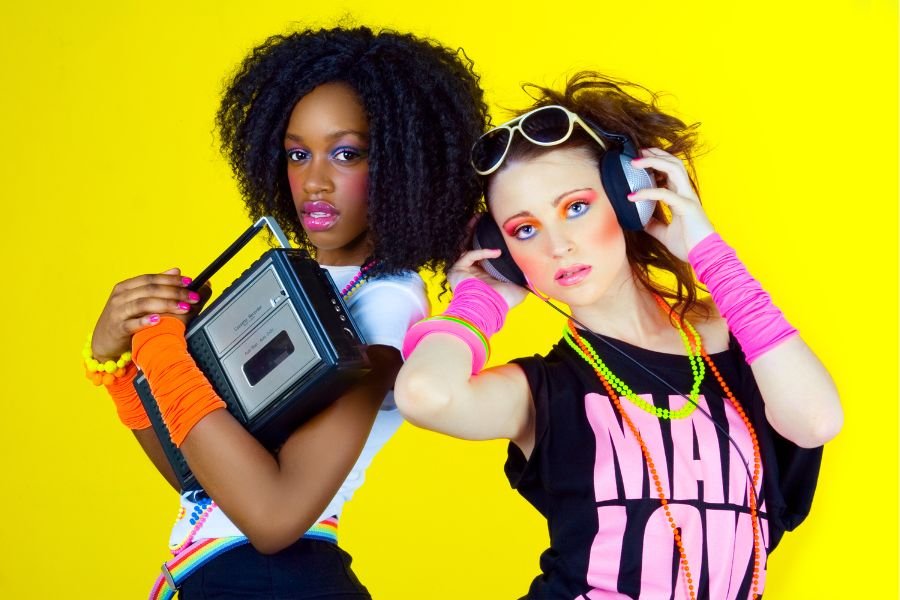
When most people think about the 80s, they think of big hair teased and sprayed to the gods. Bright colors, roller skates, and people walking around with giant boomboxes on their shoulders (as if everyone wanted to hear their music choices) are also at the top of the list for things that represent the 80s. But when thinking of the worst part of that decade, the lack of things like GPS, cell phones, and search engines would probably be at the top of that list.
Retro vibes with bold colors and music! ud83cudfb6u2728 #80sFashion Photo credit: Canva
Gen Alpha has other ideas about the worst part of the 80s. If you lived through that decade, you may want to remove your hat so you can scratch your head. The teacher who goes by Meliciousmo on social media recently uploaded the prompt and her students’ answers on TikTok, giving viewers a chuckle.
One kid answers the prompt with, “No electricity. No good food.” It’s starting out pretty questionably, but let’s give him the benefit of the doubt by assuming his family watches a lot of Little House on the Prairie and his centuries are mixed up. The next kid’s response will probably nail it.
Well, maybe not. Through a few spelling errors, the response explains that the worst part about the 80s is that they didn’t have cars. Yes, this sweet summer child surmised that life was tough because cars didn’t exist, so walking everywhere or riding a horse and buggy was imperative. Obviously, this is false, because there were cars in the 80s. They had seatbelts in them for decoration, and kids would slide across the backseat when their dad turned a corner too fast as their mom reflexively extended a stiff arm to stop them from flying out of the car.
Clearly, some of the students were exposed to either 80s movies or TV shows because a couple of answers were spot on. One student wrote that running out of hairspray was the worst thing about the 80s, while another said, “People listening to other people’s phone calls.” Yikes. They’re right. There were no cell phones, so there were no Bluetooth devices, so everyone was privy to your private conversation. Another child said nothing was bad about the 80s because “they had cool clothes, music, people, and hair.” Those are big facts, kid.
But other suggestions included having to walk through rivers because of the lack of buses, or the worst part of the 80s: the Cold War.
One person writes, “There’s[sic] like 3 kids who know the 1980s are not the same as the 1780s. LOL.”
Another laughs, “Gosh I’m still tired from walking through all the rivers to school.”
Someone else thinks the generational gap between parents has something to do with it, “Some of these are spot on…some think we’re over 100 years old! You can tell who has Gen X parents and who has Millennial parents!”
Book It pizza party anyone? (Or was that the 90s?) Either way, someone is proposing that iconic classic, writing, “Ok so some good ones, shoulder pads, people listening in to phone calls and hair spary[sic] are all legit. Give those kids a classic 80s pizza paety[sic]!! As for WW2, no tv, cars, and the great depression. Well those kids need a new history book lol.”
Another person adds a pressure that only those who were adults in the 80s could appreciate, saying, “I didn’t even grow up in the 80s and I KNOW it was writing a check at the grocery store with four people behind you and the person behind you had a full belt. The pressure must have been CRIPPLING.”
In a small village in Pwani, a district on Tanzania’s coast, a massive dance party is coming to a close. For the past two hours, locals have paraded through the village streets, singing and beating ngombe drums; now, in a large clearing, a woman named Sheilla motions for everyone to sit facing a large projector screen. A film premiere is about to begin.
It’s an unusual way to kick off a film about gender bias, inequality, early marriage, and other barriers that prevent girls from accessing education in Tanzania. But in Pwani and beyond, local organizations supported by Malala Fund and funded by Pura are finding creative, culturally relevant ways like this one to capture people’s interest.
The film ends and Sheilla, the Communications and Partnership Lead for Media for Development and Advocacy (MEDEA), stands in front of the crowd once again, asking the audience to reflect: What did you think about the film? How did it relate to your own experience? What can we learn?
Sheilla explains that, once the community sees the film, “It brings out conversations within themselves, reflective conversations.” The resonance and immediate action create a ripple effect of change.
MEDEA Screening Audience in Tanzania. Captured by James Roh for Pura
Across Tanzania, gender-based violence often forces adolescent girls out of the classroom. This and other barriers — including child marriage, poverty, conflict, and discrimination — prevent girls from completing their education around the world.
Sheilla and her team are using film and radio programs to address the challenges girls face in their communities. MEDEA’s ultimate goal is to affirm education as a fundamental right for everyone, and to ensure that every member of a community understands how girls’ education contributes to a stronger whole and how to be an ally for their sisters, daughters, granddaughters, friends, nieces, and girlfriends.
Sheilla’s story is one of many that inspired Heart on Fire, a new fragrance from the Pura x Malala Fund Collection that blends the warm, earthy spices of Tanzania with a playful, joyful twist. Here’s how Pura is using scent as a tool to connect the world and inspire action.
A partnership focused on local impact, on a global mission
Pura, a fragrance company that recognizes education as both freedom and a human right, has partnered with Malala Fund since 2022. In order to defend every girl’s right to access and complete 12 years of education, Malala Fund partners with local organizations in countries where the educational barriers are the greatest. They invest in locally-led solutions because they know that those who are closest to the problems are best equipped to solve and build durable solutions, like MEDEA, which works with communities to challenge discrimination against girls and change beliefs about their education.
But local initiatives can thrive and scale more powerfully with global support, which is why Pura is using their own superpower, the power of scent, to connect people around the world with the women and girls in these local communities.
The Pura x Malala Fund Collection incorporates ingredients naturally found in Tanzania, Nigeria, Pakistan, and Brazil: countries where Malala Fund operates to address systemic education barriers. Eight percent of net revenue from the Pura x Malala Fund Collection will be donated to Malala Fund directly, but beyond financial support, the Collection is also a love letter to each unique community, blending notes like lemon, jasmine, cedarwood, and clove to transport people, ignite their senses, and help them draw inspiration and hope from the global movement for girls’ education. Through scent, people can connect to the courage, joy, and tenacity of girls and local leaders, all while uniting in a shared commitment to education: the belief that supporting girls’ rights in one community benefits all of us, everywhere.
You’ve already met Sheilla. Now see how Naiara and Mama Habiba are building unique solutions to ensure every girl can learn freely and dare to dream.
Naiara Leite is reimagining what’s possible in Brazil
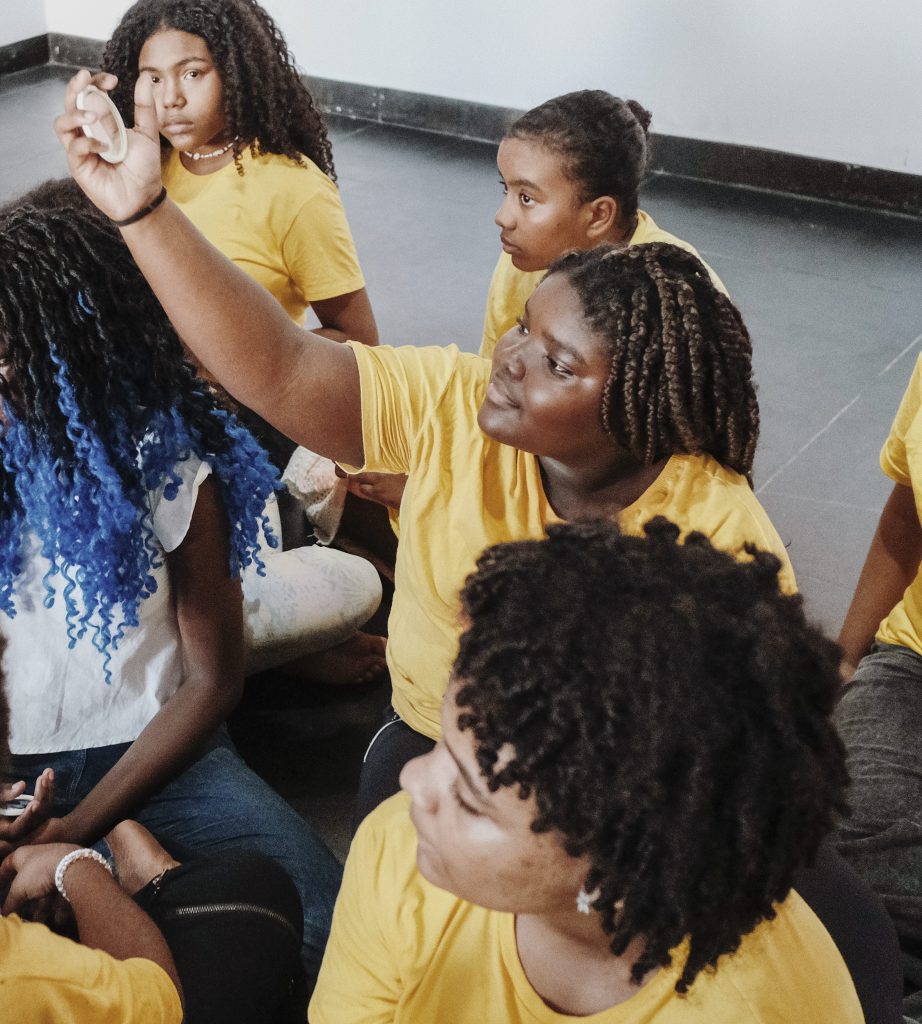
Julia with Odara in Brazil. Captured by Luisa Dorr for Pura
In Brazil, where pear trees and coconut plantations cover the Northeastern Coast, girls like ten-year-old Julia experience a different kind of educational barrier than girls in Tanzania. Too often, racial discrimination contributes to high dropout rates among Black, quilombola and Indigenous girls in the country.
“In the logic of Brazilian society, Black people don’t need to study,” says Naiara Leite, Executive Coordinator of Odara, a women-led organization and Malala Fund partner. Bahia, the state where Odara is based, was once one of the largest slave-receiving territories in the Americas, and because of that history, deeply-ingrained, anti-Black prejudice is still widespread. “Our role and the image constructed around us is one of manual labor,” Naiara says.
But education can change that. In 2020, with assistance from a Malala Fund grant, Odara launched its first initiative for improving school completion rates among Black, quilombola, and Indigenous girls: “Ayomidê Odara”. The young girls mentored under the program, including Julia, are known as the Ayomidês. And like the Pura x Malala Fund Collection’s Brazil: Breath of Courage scent, the Ayomidês are fierce, determined, and bursting with energy.
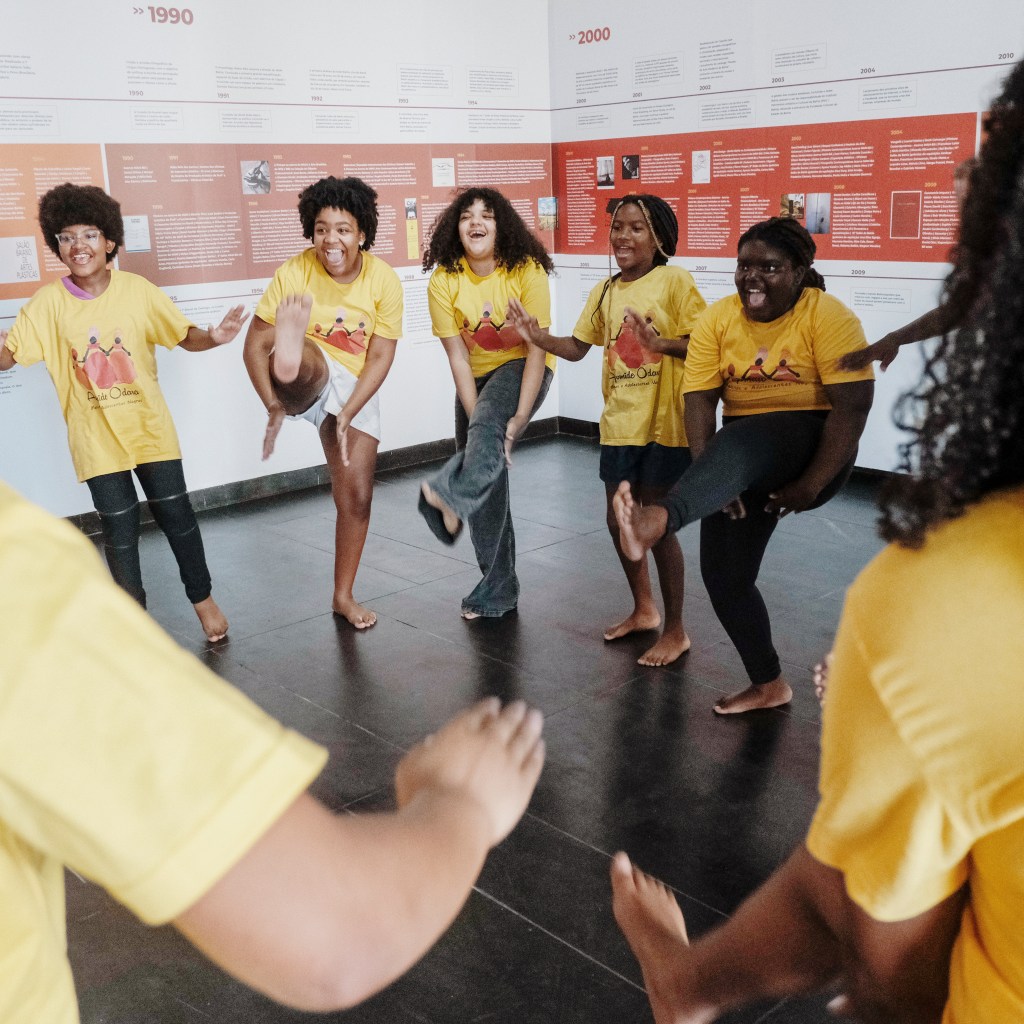
Ayomidês with Odara in Brazil. Captured by Luisa Dorr for Pura
Ayomidês take part in weekly educational sessions where they explore subjects like education and ethnic-racial relations. The girls are encouraged to find their own voices by producing Instagram lives, social media videos, and by participating in public panels. Already, the Ayomidês are rewriting the narrative on what’s possible for Afro-Brazilian girls to achieve. One of the earliest Ayomidês, a young woman named Debora, is now a communications intern. Another former Ayomidê, Francine, works at UNICEF, helping train the next generation of adolescent leaders. And Julia has already set her sights on becoming a math teacher or a model.
“These are generations of Black women who did not have access to a school,” Naiara says. “These are generations of Black women robbed daily of their dreams. And we’re telling them that they could be the generation in their family to write a new story.”
Mama Habiba is reframing the conversation in Nigeria
Centre for Girls' Education, Nigeria. Captured by James Roh for Pura
In Mama Habiba’s home country of Nigeria, the scents of starfruit, ylang ylang and pineapple, all incorporated into the Pura x Malala Collection’s “Nigeria: Hope for Tomorrow,” can be found throughout the vibrant markets. Like these native scents, Mama Habiba says that the Nigerian girls are also bright and passionate, but too often they are forced to leave school long before their potential fully blooms.
“Some of these schools are very far, and there is an issue of quality, too,” Mama Habiba says. “Most parents find out when their children are in school, the girls are not learning. So why allow them to continue?”
When girls drop out of secondary school, marriage is often the alternative. In Nigeria, one in three girls is married before the age of 18. When this happens, girls are unable to fulfill their potential, and their families and communities lose out on the social, health and economic benefits.
Completing secondary school delays marriage, and according to UNESCO, educated girls become women who raise healthier children, lift their families out of poverty and contribute to more peaceful, resilient communities.
Centre for Girls’ Education, Nigeria. Captured by James Roh for Pura
To encourage young girls to stay in school, the Centre for Girls’ Education, a nonprofit in Nigeria founded by Mama Habiba and supported by Malala Fund and Pura, has pioneered an initiative that’s similar to the Ayomidê workshops in Brazil: safe spaces. Here, girls meet regularly to learn literacy, numeracy, and other issues like reproductive health. These safe spaces also provide an opportunity for the girls to role-play and learn to advocate for themselves, develop their self-image, and practice conversations with others about their values, education being one of them. In safe spaces, Mama Habiba says, girls start to understand “who she is, and that she is a girl who has value. She has the right to negotiate with her parents on what she really feels or wants.”
“When girls are educated, they can unlock so many opportunities,” Mama Habiba says. “It will help the economy of the country. It will boost so many opportunities for the country. If they are given the opportunity, I think the sky is not the limit. It is the starting point for every girl.”
From parades, film screenings to safe spaces and educational programs, girls and local leaders are working hard to strengthen the quality, safety and accessibility of education and overcome systemic challenges. They are encouraging courageous behavior and reminding us all that education is freedom.
Experience the Pura x Malala Fund Collection here, and connect with the stories of real girls leading change across the globe.
The ‘90s are often depicted as a golden age. A time of less violence, more money, better music, equal rights, unprecedented technological progress, and Beanie Babies instead of Labubus. A time of peace throughout the land.
However, take a quick romp through actual history and we see that when we take the rose-colored glasses off, the ’90s weren’t without its less-that-stellar moments. Furthermore, there was a lot more nuance to it than teens wearing a bunch of flannel and listening to grunge music.
Across severalRedditthreads, people who actually lived through the ’90s have shared some prime examples of how we get the ’90s wrong and elements we have completely forgotten about, from recalling society’s very unhealthy obsession with thinness, to police brutality, to the questionable hunter green/maroon craze (remember that?).
Take a scroll down memory lane with our 15 favorites:
1.”The early 90s and late 90s were two very different times culturally. I can’t stand it when I see a picture of the spice girls with a ‘So 90s!’ caption.”
“There’s a HUGE difference between the early 90’s and late 90’s. After 1996 it was more millennial, Pokémon, Britney Spears vs the early 90’s which was more grunge and smooth RnB.”
2. “Not all Gen Xers were disinterested slackers in the 90s.”
“I graduated from university in 1991. I spent the 1990s trying to get a decent job, pay rent and generally just getting my shit together. Most other people my age seemed to be doing pretty much the same thing, unless they had rich parents.”
3. “Nobody seems to talk about all the maroon and hunter-green wallpaper strips that were added to the top of the walls in houses. Maroon and hunter-green everywhere. From cars to vacuums and beyond.”
“My comforter set for my freshman dorm (Fall 1994) was maroon on one side, hunter green on the other. I realized it was dark and depressing so I got a girlie daisy print bedspread for the rest of college.”
4. “Money was tight then, too. People were happy with fewer luxuries, because we could get by. And the very idea of giving a child a device worth hundreds of dollars was ludicrous! I still feel this way.”
5. “A lot of people talk about the 90s like it was a utopian decade. Sure, a lot of stuff was awesome. But there was also the AIDS epidemic, the crack epidemic, the heroin epidemic, lots of police brutality, the sharp uptick in domestic terrorism, etc. plus the casual sexism, racism, & homophobia. The hope for the future that started in late 1989 with the fall of the Berlin Wall and the heating up of our economy in the mid-90s only lasted until 2000. It was a very brief window, in retrospect.”
6. “Female celebrities were shrinking to child sizes and getting praised for it. ‘Thinspo’ was a thing. ALL my friends group from high school and college, including myself, had eating disorders — Marlboro Light and Diet Coke for every meal. Our idea of sports was extreme cardio only. We were SO unhealthy. Thank God we were young enough to bounce back to normal without major issues.”
7. “That Nirvana ruled the 90s, and killed off all other forms of hard rock. They hit hard for about two and a half years, and then we were stuck with Tonic and the goddamn Spin Doctors.”
“A lot of people mention grunge and gangsta rap, but country was very hot too. Country line dancing became a big thing, Branson, Missouri became a big tourist destination with its theaters, and artists like Garth Brooks and Shania Twain made tons of money.”
“I don’t think the Riot Grrrl movement gets enough recognition and acknowledgment as an extremely significant 90s cultural event.”
8. “I think one idea that’s misrepresented is that we were already online, all the time.”
“I mean, I was STOKED when I got into the dorm with LAN connections in 1993, but I was an outlier. Lots of kids at my college barely understood using computers, much less anything internet-related beyond maybe an AOL/AIM. Obviously this was an evolution of ten very fast moving years.”
9. “That mom Jeans were cool. No one under 35 wore them.”
10. “Not everyone wore Doc Martens back in the 1990s. Many people wore military boots as a fashion statement that were often mistaken for Doc Martens, while others wore sneakers every day, even in venues where they should have been wearing more formal shoes.”
11. “Cellphones were considered tacky and unnecessary unless you were a doctor.”
12 .”Not everyone got around on rollerblades.”
13. “Property was cheaper, not cheap as in affordable to all.”
14. “If your family lived in a rural area and wasn’t rich enough to immediately buy a computer, you could be lonely in a way that people can’t even comprehend now. I spent the last two years of high school doing nothing, watching TV and playing 16-bit RPGs repeatedly because I couldn’t get anywhere or do anything.”
15. “Drunk driving didn’t have the stigma it does today. It took a long campaign waged by MADD (Mothers Against Drunk Driving) to shift public perception on how dangerous drunk driving is.”
This article originally appeared last year. It has been updated.
The human body is amazing. People that have figured out a way to command their body to do reality defying acts are just as fascinating. There’s nothing quite like watching someone feel them music, moving so smoothly from one movement to the next while they dance.
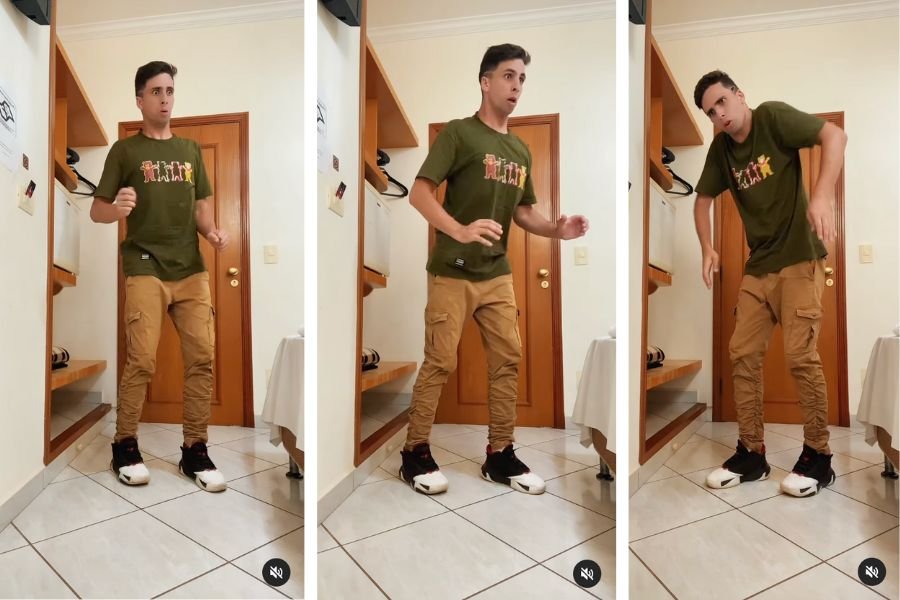
Dancing can be a beautiful expression of art and creativity, connecting people through music and movement without even speaking the same language. One dancer from Brazil is turning heads on social media with moves so fluid and robotic that people are questioning if he’s human. Maikon Alves uploaded a video recently of him dancing to “Boom Boom Pow” by the Black Eyed Peas.
To say his dance moves are impressive would be an understatement. Alves pops his chest to the beat while slowly stepping in place making it look like he’s gliding from move to move. Some movements are crisp and sharp like a robot while others are so fluid it’s nearly unbelievable that it could be coming from a human.
While the man’s moves do look slightly out of this world, he is indeed a real person, or at least he appears to be in other videos on his page. Commenters ranged between being in awe of his abilities and questioning if he was human.
“Loved. I like how everything is in sync – from the music to the moves to face expressions. ??? and your cool personal style,” one person writes.
“Doesn’t even look real it’s that good..!! Love this,” someone says.
“You will be the dance instructor for the children of our AI overlords someday,” a commenter thinks.
“Nah, this is God-level pop-locking,” someone compliments.
Even Nicole Scherzinger, actress, singer and former member of the pop group and dance ensemble, Pussycat Dolls gave Alves praise saying, “you are a legend!” Watch his reality defying moves for yourself.
When an older employee was asked to train a 25-year-old to do the same job she’d been doing for as long as the young recruit had been alive, she had some choice words. And it became a vital lesson in not getting exploited. The TikTok creator, who goes by The Unobsolete (@theunobsolete) centers her content…
When an older employee was asked to train a 25-year-old to do the same job she’d been doing for as long as the young recruit had been alive, she had some choice words. And it became a vital lesson in not getting exploited.
The TikTok creator, who goes by The Unobsolete (@theunobsolete) centers her content around helping people “fight age bias” in the workplace. She explained how she had been “passed over” for a promotion that she had rightfully earned over the past two-and-a-half decades and was instead expected to train someone “fresh out of grad school” who presumably would then do the job for a fraction of the price.
“They expected me to teach her the job they said I wasn’t good enough for.”
The Unobsolete didn’t entertain pleasantries as she flat-out said “no.”
@theunobsolete watched 25-year-old get my promotion then ask me to train her. I said no. Not sorry. Not maybe. Just no. She shocked. Manager furious. HR email about team player. Don’t care. They passed me over for promotion I earned. Gave it to someone with zero experience. Expected me to teach her job they said I wasn’t good enough for. Train my replacement? Pay me. Want 25 years knowledge? Triple salary consulting rates. Want me to smile while you humiliate me? Wrong person. Not your free training program. Not making cheap hire look competent. Not handing over everything so you can pay her half. They said unprofessional. I said appropriately compensated or not sharing. They said not supporting team. I said team didn’t support me. Silence. Second you stop being useful they stop caring. Stop pretending you owe them anything.#promotions#over50#notateamplayer#genx#isaidno♬ original sound – The Unobsolete
“I’m not your free training program,” she explained. “Want me to smile while you humiliate me? Wrong person.” Furthermore, she noted that if she were going to move forward with the training, she would be expecting “triple salary consulting rates” as payment.
While she got reprimanded by HR for not “being a team player,” she maintained her stance that she deserved to be “fairly compensated for her expertise” or she wasn’t sharing it.
“They said [I was] not supporting [the] team. I said [the] team didn’t support me.”
She then concluded the video with a word of caution to other folks who might find themselves in similar situations:
“The second you stop being useful, they stop pretending to care. So stop pretending you owe them anything.”
With over four million views, the video certainly resonated. People flooded the comments agreeing how real ageism is in the workplace, and commended The Unobsolete for standing her ground.
“Can’t be a team player for a team that played you,” one person said.
Quite a few shared their own horror stories. One person recalled, “They hired 6 people to replace me and the work I was doing & wanted me to train them. Nope.”
Another said, “I was laid off from a job and they said they’d be fine, because I wrote a literal manual on how to do everything for when I was on vacation. First thing I threw in the trash cleaning out my office. They emailed a few days later, asking where it was. I told them.”
In subsequent videos, The Unobsolete shared that while she didn’t get fired outright (for obvious legal reasons), the company had less direct ways of phasing her out. First, a meeting was held to discuss her “attitude.” Then, she was excluded from company functions and given less work. Eventually, she was called into another meeting and told the company’s culture might not be a “good fit” for her.
@theunobsolete UPDATE: Refused to train replacement. What happened next I expected. Two days later meeting with manager and HR. My attitude. Not that they passed me over or wanted free labor. My attitude refusing exploitation. They said not collaborative poor leadership need team players. I said you passed me over want free training punish boundaries that’s control not collaboration. Silence. Not willing develop staff maybe not culture fit. I said right. Culture exploiting experience isn’t my fit. Ready for compensation talk? No? Back to my job. Didn’t fire me. Can’t. Lawsuit risk. Instead stopped including meetings gave projects away documented everything performance issues. Managed out playbook. I documented everything back. Every email meeting project. Knew exactly what they were doing. #promotions#isaidno#refused# #over45#corporatetiktok♬ original sound – The Unobsolete
“I agree,” The Unobsolete apparently said in the meeting. “A culture that exploits experience isn’t a fit for me.”
Still, she didn’t back down and asked what the severance package she would receive for leaving. Unsurprisingly, that offer started off low with two weeks’ worth of pay. The Unobsolete told them she expected six months of pay with full benefits through the end of the year, plus a neutral reference letter, and a release stating that they wouldn’t contest her unemployment.
When the manager said her demands were “unreasonable,” The Unobsolete replied, “So is asking me to train my replacement for free.”
“I’ve never been prouder of someone I don’t know,” one viewer wrote.
Thankfully, this story has a happy ending. The Unobsolete got her demands met, and with that six months of pay, she was able to build what she “actually wanted.” Furthermore, she learned that not long after she left, the 25-year-old quit the job and the company was left scrambling to fill the position. Talk about karmic justice.
“Turns out, I wasn’t obsolete after all. I was just undervalued. There’s a difference.”
Now, she’s taking what she’s learned to help other experienced professionals protect themselves against being taken advantage of.
“They’re counting on you being afraid…stop being what they’re counting on.”
That’s useful advice for anyone, no matter what age they are.
When it comes to young people, every generation is different from the one that precedes it. It makes sense. Every group grows up in different economic, cultural, and technological circumstances, so of course they’re going to have different tastes and values. It’s also natural for younger generations to rebel against their parents and create their…
When it comes to young people, every generation is different from the one that precedes it. It makes sense. Every group grows up in different economic, cultural, and technological circumstances, so of course they’re going to have different tastes and values. It’s also natural for younger generations to rebel against their parents and create their own unique identities.
These days, however, with the rapid changes in technology and culture spurred on by the Internet, some older people (Baby Boomers, Gen X) think the younger generations (Millennials, Gen Z, Gen Alpha) are downright confusing. Further, Gen Z and Gen Alpha were raised during the pandemic, the #MeToo movement, and the murder of George Floyd, which have had an enormous impact on how they see the world.
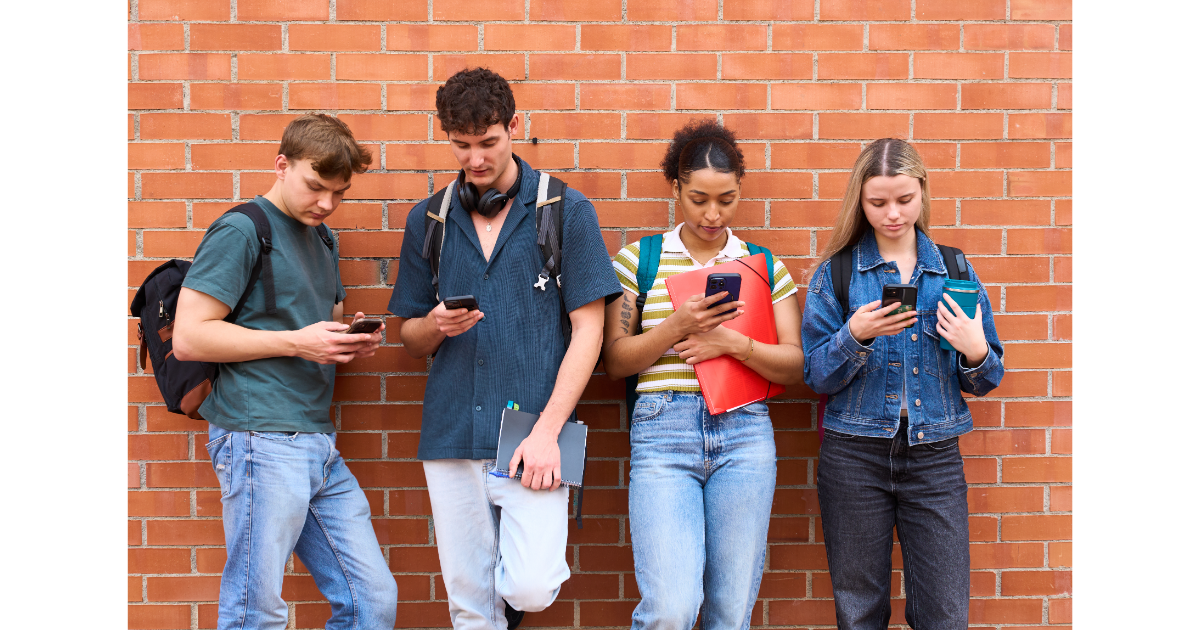
A grandpa with his grandsons on their smartphones. Canva Photos
To help the older folks who may be confused by “kids these days” feel less alone, a Redditor named 5h0gKur4C4ndl posed a question to the AskReddit subforum, “What is something about the newer generations that you can’t seem to understand?”
A lot of the responses were centered around the younger generations’ relationship to technology.
The older generations also seem concerned that younger kids are a lot more prudish than their parents, and should learn how to lighten up and have some fun—a big role reversal from previous generational wars.
Here are 15 things about the younger generations that older people just don’t understand.
1. Recording yourself crying
Young woman crying while holding her phone. Canva Photos
For many younger people, everything is “content.” Even their most intimate and private moments.
“THIS IS THE ONE. I do not know how intense your desire for external validation has to be for you to be in the midst of crying and think ‘Lights, camera, action baby let’s make sure as many people see this as possible.’” — Thrillmouse
“People who record themselves crying are already weird but posting it on the internet is weirder. imagine clicking ‘post’ to every social media they have. do they seriously not look at what they’re posting online?” — TryContent4093
2. Poor grammar
AI and automatic grammar checkers may be taking a toll on young people’s ability to write for themselves.
“The emails I get from my students aged 18-25 are such a mess of incoherent garbage, I can’t tell if they are lazy or if it’s an actual literacy issue. And I’m barely older than they are so if this is a generational gap, it happened quickly!” — NefariousSalmander
“It’s a block of text with no capitalization or punctuation. Imagine receiving 6 consecutive one-line texts at once. If you can figure out where the periods should go then you can make sense of it, but it’s all texting abbreviations and slang. Something like, ‘yo mr y u slow fixin my grade I trned in the lab last class my dad gonna take my phone lmk.’” — Ceesa
3. Learned helplessness
“I’m a middle school teacher. My kids will routinely claim they can’t do anything and then shut down and do nothing. And then… It’s easy and they do it. So basically it’s the degree of learned helplessness. They know to ask when I go over, but if there are twenty kids and I get to them last, they will do nothing (no phones, nothing!) for twenty minutes and act surprised I’m irritated they didn’t grab a damn pencil from the freeeee pencils on my desk. And then act surprised they’re behind on the assignment!” — Scarletuba
4. The Internet is forever
Pro tip: Never participate in one of those TikTok “street interviews” after you’ve had a few drinks.
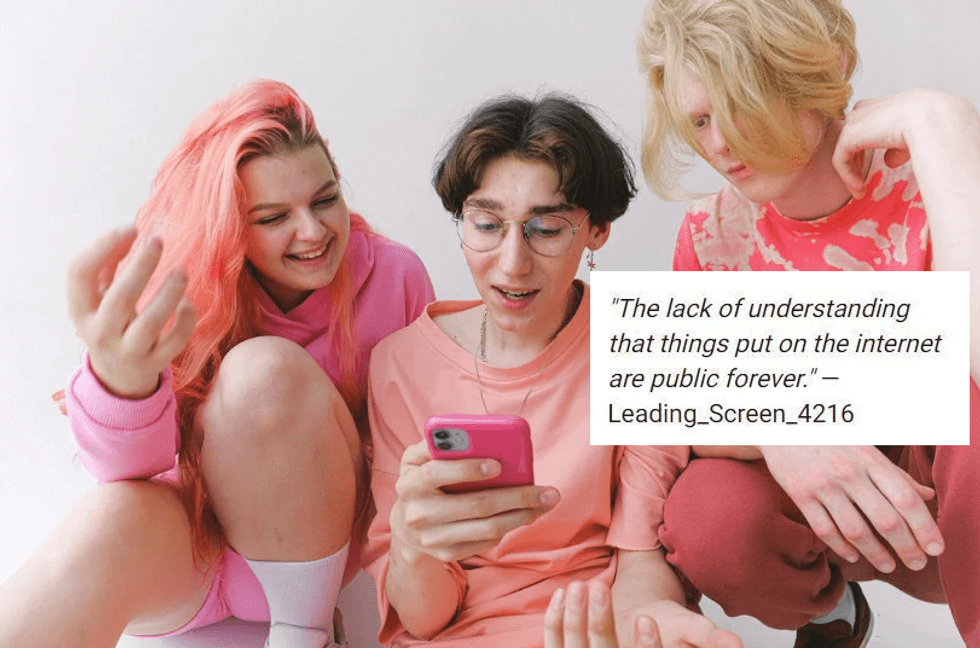
“The lack of understanding that things put on the internet are public forever.” — Leading_Screen_4216
“37-year-old attending college for the first time here. They have negative confidence. They barely speak above a mumble, especially when answering a question from the teacher. Most of them would rather die than talk to someone they’re interested in. It’s like 90% of them are cripplingly introverted.” — Intelligent-Mud1437
“We were saying what we would do if we won the big lottery jackpot. The new 22-year-old hire said he’d become an influencer. Can you imagine winning a billion at 22 and that’s what you would do? Not start a business, travel the world, charity, sports, property… Learn something… but become an influencer… with a billion dollars. I mean, like, he’s gonna hire a marketing company to fabricate interest in his social media? He’s gonna spend money on stupid things to make people cringe or rage comment? With a billion dollars.” — Covercall
7. Put your phone down
“Why do you want to watch 100% of a concert, that you paid good money for, through your phone lens?” — LeluWater
“I was yesterday in a Linkin Park cover band concert, a fuckin blast. There was that one guy, that spent every song recording HIS FACE ‘singing’ along. Not the band, his face. Please wake me up in 1995.” — pls_tell_me
The older generations are right about this one. Recording an experience actively worsens your enjoyment of it in the moment.
8. Phone at the movies
“Why do they go to the movies only to scroll through their phone the entire time?” — IAmASurgeonDoctorHan
“My wife does this. Not at the theater, but we’ll be watching a movie or TV show, and she’ll be glued to her phone. Then when she looks up she doesn’t get what’s going on and we have to pause while I explain what just happened and why.” — Project2R
Anyone who’s fluent in smartphones can get caught up in this one. It’s tough to get through a whole movie or show at home without checking your phone! We’re all addicted.
9. Paranoia
“I’m in my forties and I manage a small group of people who are in their 20s to early thirties. What I notice most is how anxious and fearful they seem to be. Everyone is out to get them. I often get approached by subordinates who want me to do something about a colleague who is doing them wrong in some way. After I gather more information, it almost always is a case of poor assumption about someone else’s intentions, coupled with a desire to jump to the worst-case scenario. If I ask them a series of probing questions about other possible interpretations they often admit they didn’t consider those possibilities.” — Reasonable_Human55
“I don’t understand why most of them want to look rich with expensive s**t and most of them act like they run businesses or something. They take pictures with cars that are not theirs for example. Dude chill, you’re 16.” — Honest_Math7760
“Because they are indoctrinated by social media that tells them they are a failed human if they don’t become a multi-millionaire entrepreneur.” — Outrageous_Glove_467
11. The new Puritans
It’s weird for Gen Xers and Millennials to be old enough to witness the cultural pendulum swinging back the other way in several key ways.
“This weird new Puritan wave they are riding on. We struggled for generations to free ourselves from oppressive dogmas, and now they are all-in on the whole: ‘if you like anything even remotely non-wholesome, you should be arrested and burn in hell.’ … Constantly calling for bans on anything that upsets them, instead of learning how to avoid the things that upset them.” — SleepyCera
“The prudishness is so weird to me. Hearing young people talk about body counts’ and how you should be married with kids by the age of 25, or you’re past your prime is absolutely insane. Even my Christian grandparents weren’t as sexually conservative as this generation. The complete demonization of partying, drinking, and going out is weird too—like I can see being traumatized by fentanyl and the general lack of safety around drugs, but I did most of my socializing as a young person by going to concerts and nightlife events and meeting people, and they seem to just…not do anything social?” — Counterboudd
12. Can’t handle stress
“The absolute lack of capacity to deal with any emotional stress or upheaval without turning into a gibbering mess. …I had someone messing around in a lecture, playing with their phone and being disruptive. I stopped the lecture and told them to put it away and pay attention or leave. They looked SHOCKED to have been called out and sat there quietly for the next 10-15 minutes until suddenly going all ‘deer in the headlights’ when asked a question in relation to the topic and then running the full length of the lecture hall and out the room. I was informed the following day that the student had went to counseling services to complain that I had ‘put unreasonable pressure on him by asking him questions in class, and set off his anxiety.’” — Indiana_Harris
13. White socks with sneakers
“How pulling up white socks with sneakers was the most unfashionable middle-aged American dad clothing in the entire world. To being fashionable.” — Awkward_Moments
“Socks with sandals too. And mustaches. Kids today think dressing like a dorky dad thirty years ago is cool. I laugh at them all the time.” — IDigRollingRockBeer
14. Watching video games
It is impossible for anyone over the age of 30 to understand “streamer” culture.
“Why they’d rather watch someone else play a video game than play it themselves. That was a punishment when I was a kid, not entertainment.” — DeadDevilMonkey
“Will never understand the constant need for external stimulation. I’m quite happy just to ponder my own thoughts. I love flying, because it gives me several hours to think on shit without distraction. Ask young people to put down their phone? It’s as if you asked them to chop off their left hand.” — Midnight_Poet
Though older generations definitely have a lot of legitimate concerns about younger folks, much of the list was created in jest. In reality, there’s a lot to like about Gen Z and Gen Alpha because they have a lot of fantastic qualities. For example, Gen Z is really driving change when it comes to work life balance. They refuse to make their career their whole life, thus avoiding getting sucked into the same trap as previous generations. They’re also, as a group, much more inclusive. They can also be extremely creative and willing to take big risks to achieve their dreams and get ahead in an economy that’s stacked against them.
So cheers to you, young people. We only tease because we love you.
This article originally appeared two years ago. It has been updated.
Digital fatigue is brutal. It robs us of our focus, productivity, and most importantly, our joy. Thankfully, there is a way to escape the never-ending flurry of notifications, emails, and pings and reclaim our inner peace in a way that’s not only effective but fun as well. Cue: analog hobbies. The health benefits of analog…
Digital fatigue is brutal. It robs us of our focus, productivity, and most importantly, our joy. Thankfully, there is a way to escape the never-ending flurry of notifications, emails, and pings and reclaim our inner peace in a way that’s not only effective but fun as well.
Cue: analog hobbies.
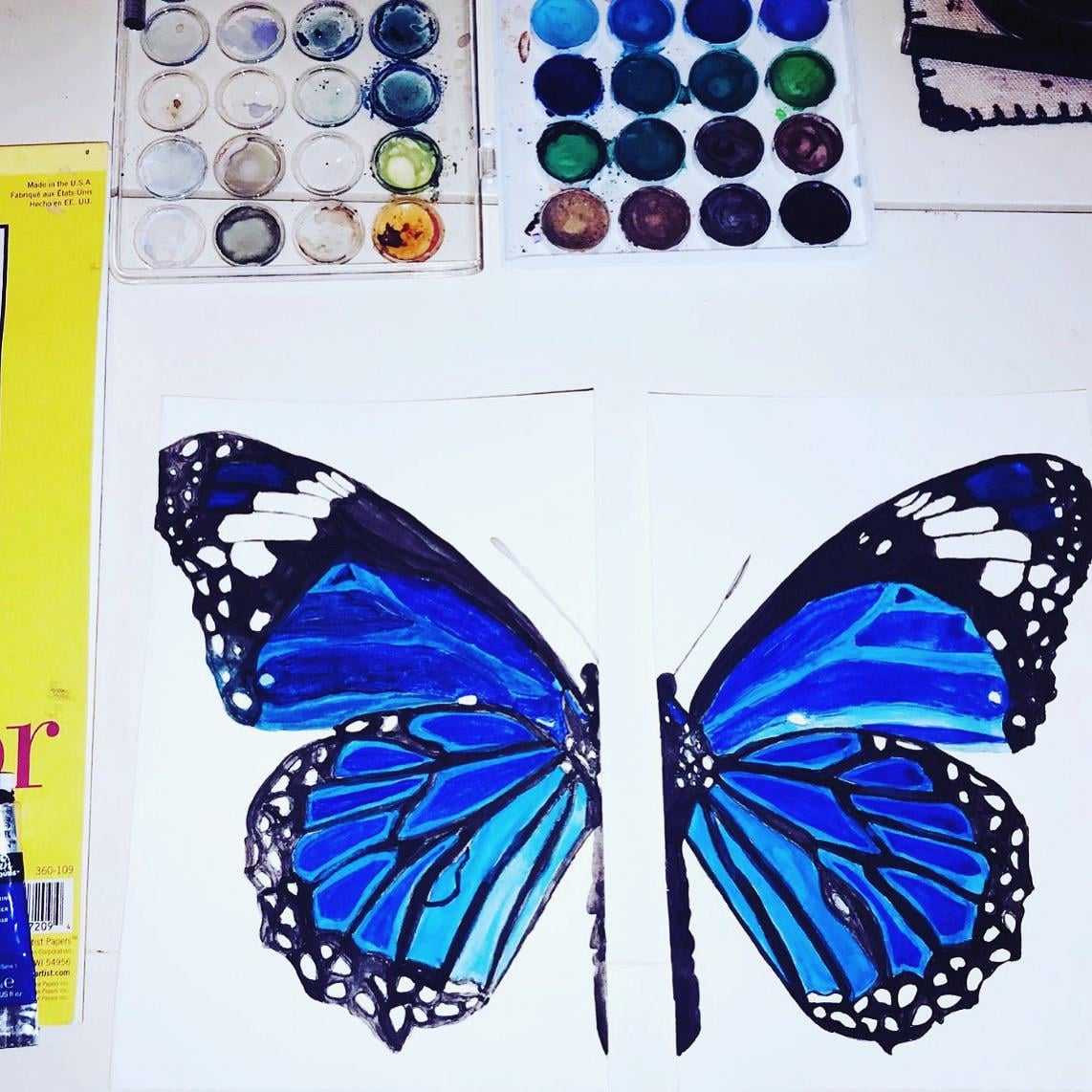
The health benefits of analog hobbies are well-documented. Whether they be artistic pursuits like painting or drawing, which help ease racing thoughts and anxiety, or physical activities like gardening or dancing, which get us more active, or some combination of both, like cooking or woodworking, which enlists both the practical and creative sides of our brains.
During the height of the COVID-19 pandemic, many of us found out firsthand just how soothing tech-free hobbies could be. According to one survey, nearly two-thirds of Americans picked up a new hobby during this time. And even though we are more or less back to the regular hustle and bustle of pre-COVID times, the need to unplug is just as important now as ever.
If you’re looking for inspiration for your next low-to-no tech hobby, keep reading.
Recently, a Reddit user shared that they had been “craving a bit of simplicity and a break from screens,” and in the process rediscovered former analog passions like sketching and playing vinyl records.
“Personally, I’ve found that stepping away from tech even for just an hour or two really helps with mental clarity and stress relief,” they wrote. “Also, there’s something so satisfying about making something with your hands, right?”
“It made me wonder: what non-tech hobbies have you all picked up or returned to recently?” they added. “Whether it’s knitting, gardening, brewing your own coffee, or something else that doesn’t require a charger or Wifi.”
Boy, did people respond in kind. Be it with classics like cross-stitching, or some out-of-the-box ideas like sending postcards to German princes (more on that later). Many even shared samples of their WIPS (works in progress), which was doubly inspiring.
Take a look at some of our favorites:
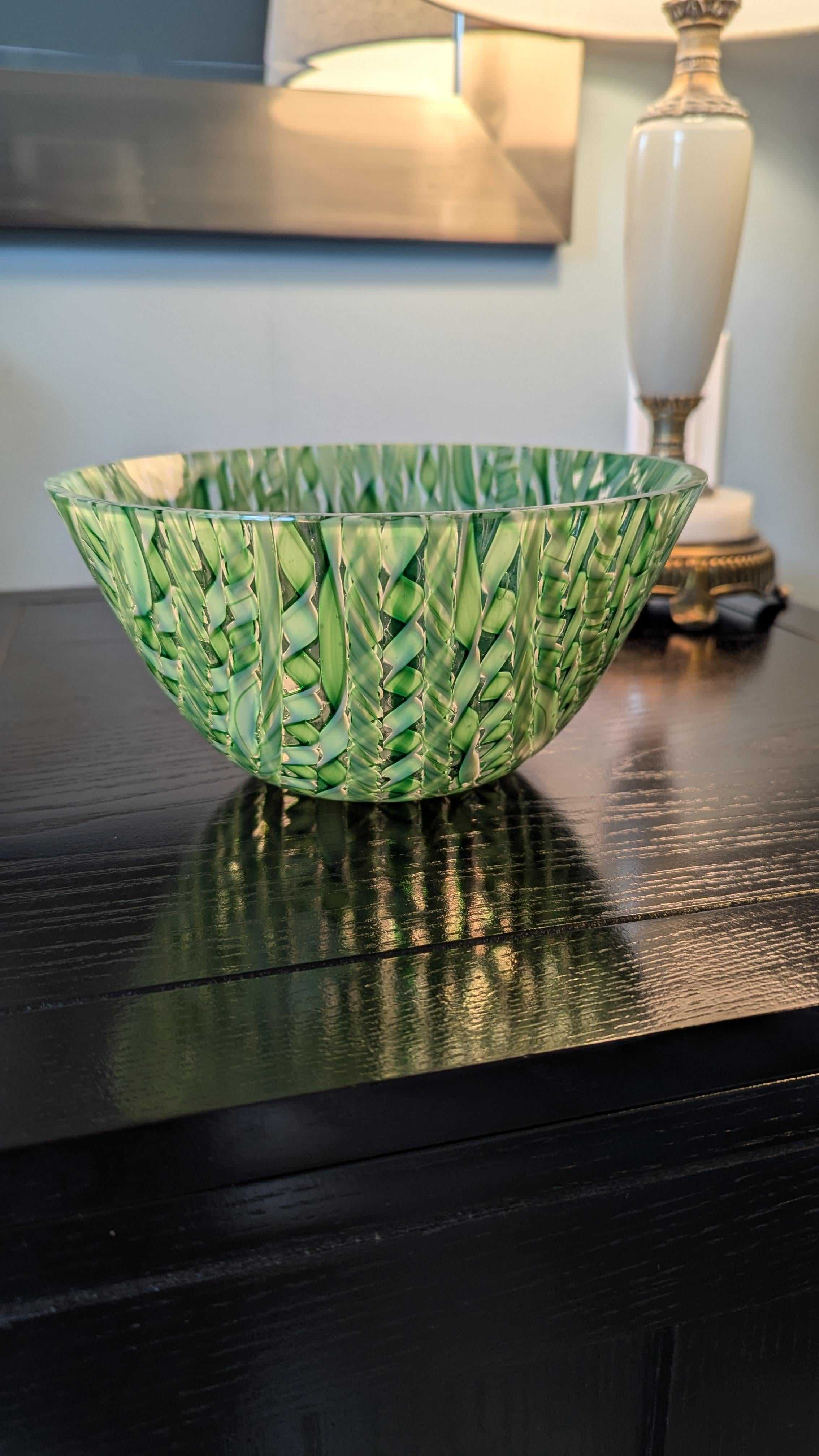
“Fused glass is my current hobby. I just enjoy doing it and don’t look at my phone for hours when I’m cutting glass. Unfortunately, I do have a lot of cuts on my hands.”
“Solo board games. There are tons of different mechanics, difficulties and themes…My favorites are Tiny Epic Dungeons, Nemo’s War, Zombicide Black Plague, Threetale, Grove, Valor and Villainy, Ludwig’s Labyrinth.”
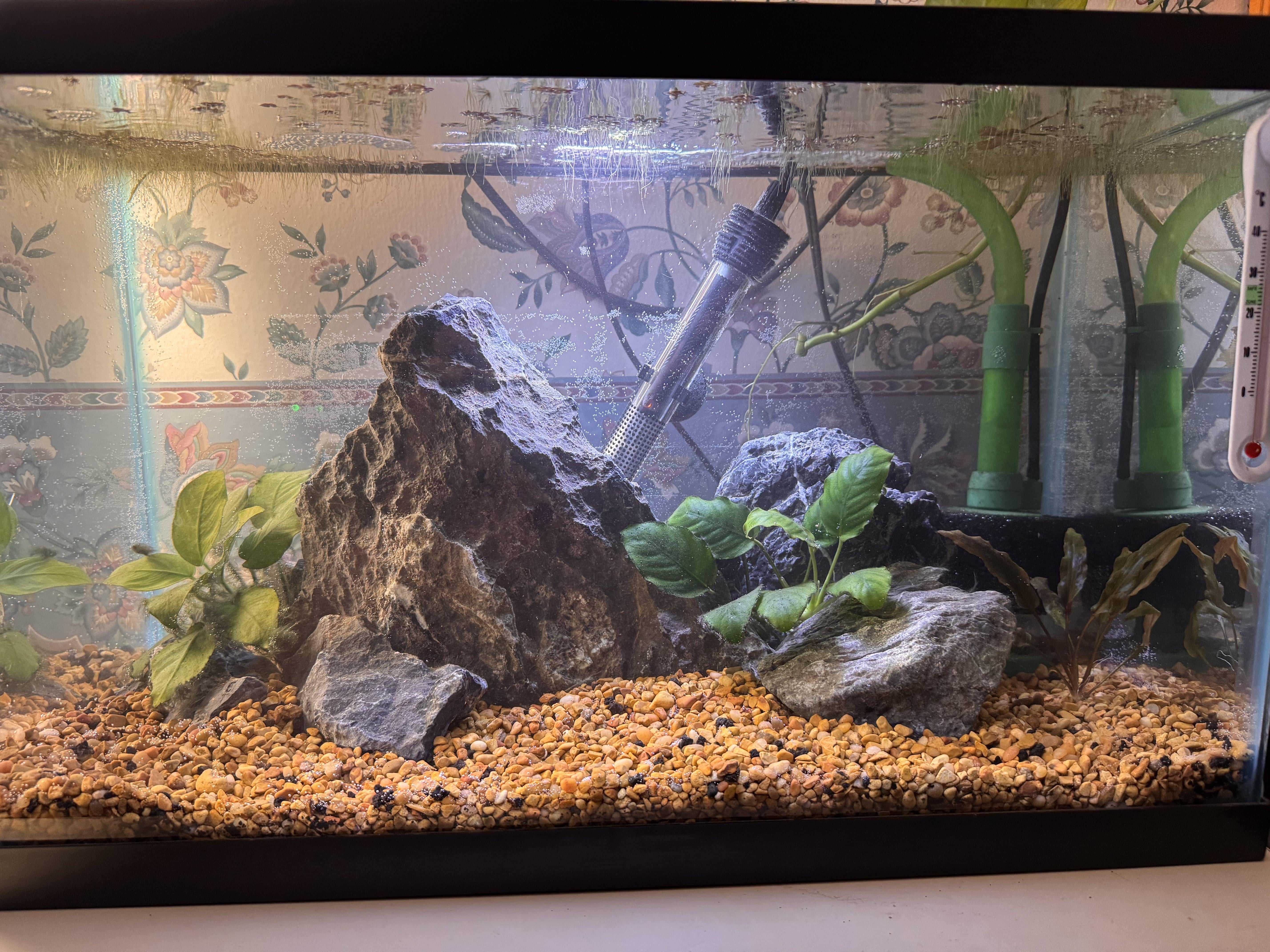
“Aquascaping is such a good break from tech. I have all the time I spend fiddling with rocks and plants, and once that’s done and I stock the tank with fish and shrimp and whatever else, I have a living piece of art that is 100% custom and always changing.”
“Gardening has probably become the one that’s changed my life the most, it gets me more active, I spend and enjoy hours outside now. It’s taken a big bite out of my grocery bill, it also forces me to cook more. I extend the season by growing cool season crops, keeping a small hydro grow indoors and starting seeds in March. I also vermicompost indoors which is oddly fun and comforting — digging in dirt in the middle of winter and anticipating spring. I find having year round gardening activities helps with SAD and it’s done a ton for my overall mental health and sense of wellbeing.”
“I’ve been doing film photography since 1973 and am still at it in my home darkroom.”
“Repairing old electric toy trains. I find myself looking forward to unplugging and taking these things apart to fix or replace a part or two and bring them back to life. The smell of oil, soldering a wire or two, working through a fairly simple mechanical problem – these are the only things keeping me sane these days!”
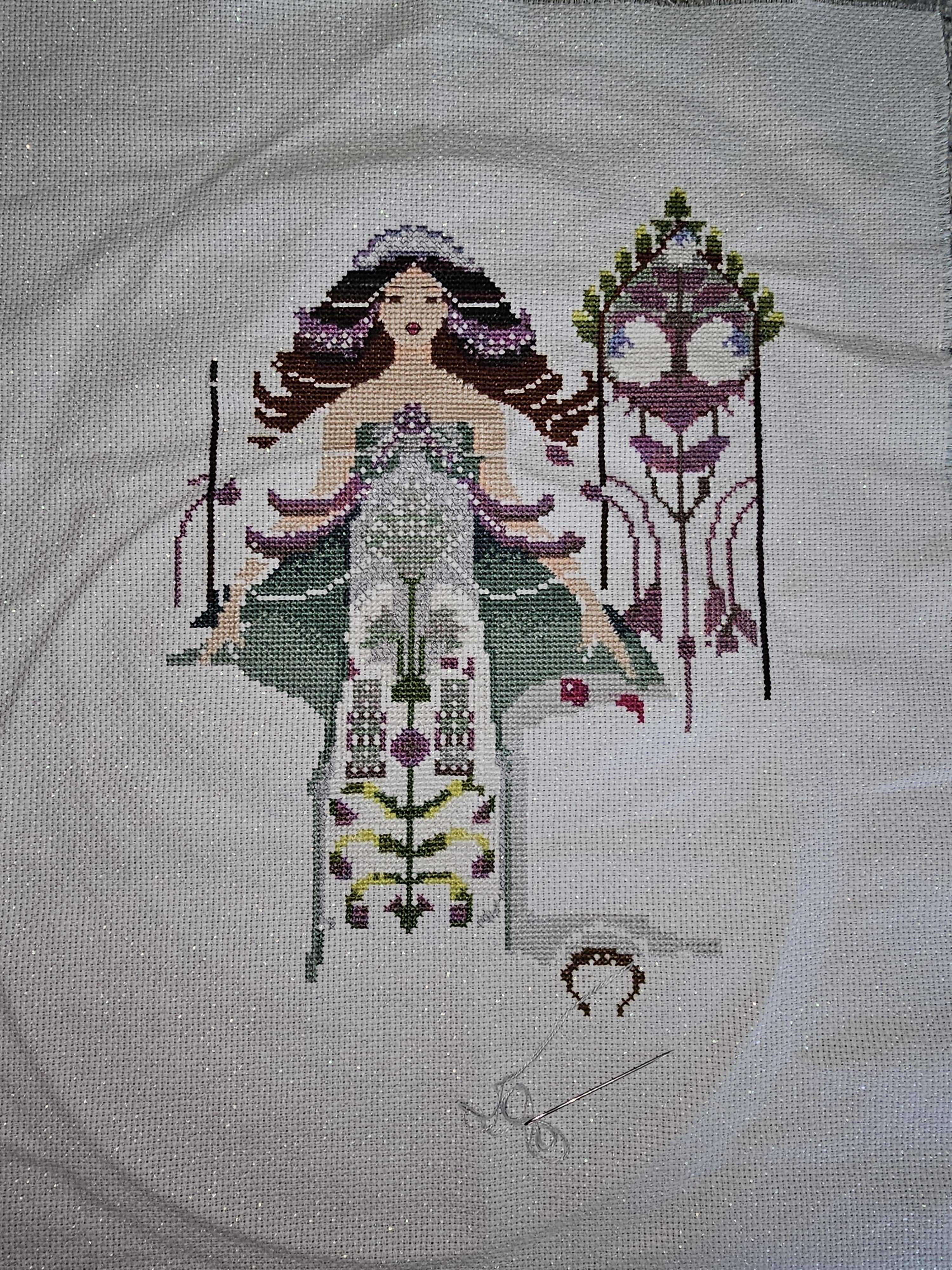
A cross-stitched pattern of a goddess-like woman. Reddit
“I have gotten back into writing letters to pen pals but most of them are what I call fictional pen pals. That’s where I create a character and that character writes a pen pal letter to another created character. It’s a lot of fun and makes me slow down to actually write a letter and I can live a more exciting life through my character.”
“I write letters to royals and nobles world wide and collect their responses. It makes going to the mailbox a lot of fun! I always send birthday, anniversary, and coronation day greetings. Other times it might be commenting on an event they attended or appearance they made. Other times letters of condolence if they’ve experienced a recent death of a loved one. You’d be surprised how many respond personally, particularly minor royals or nobles (the German princes have been particularly gracious with their time to write back).”
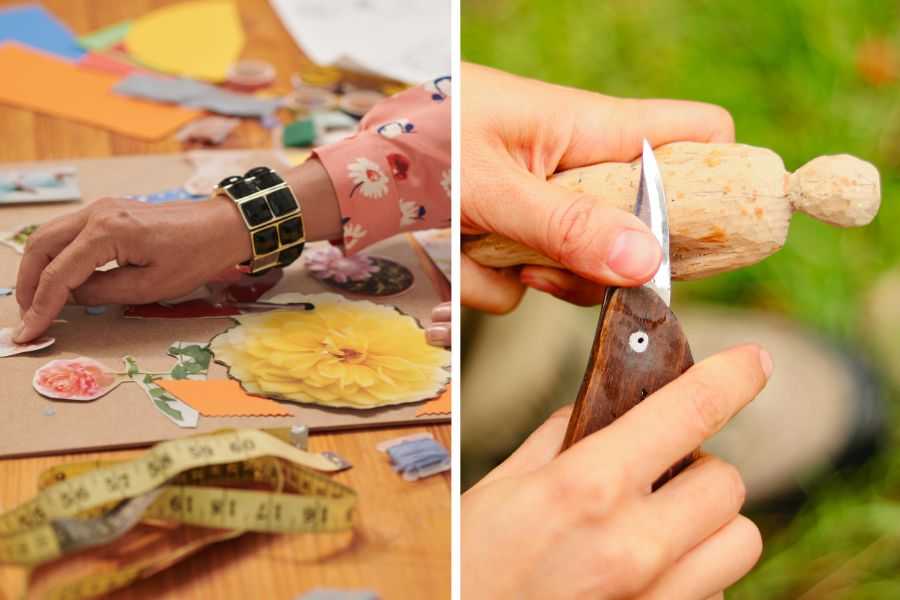
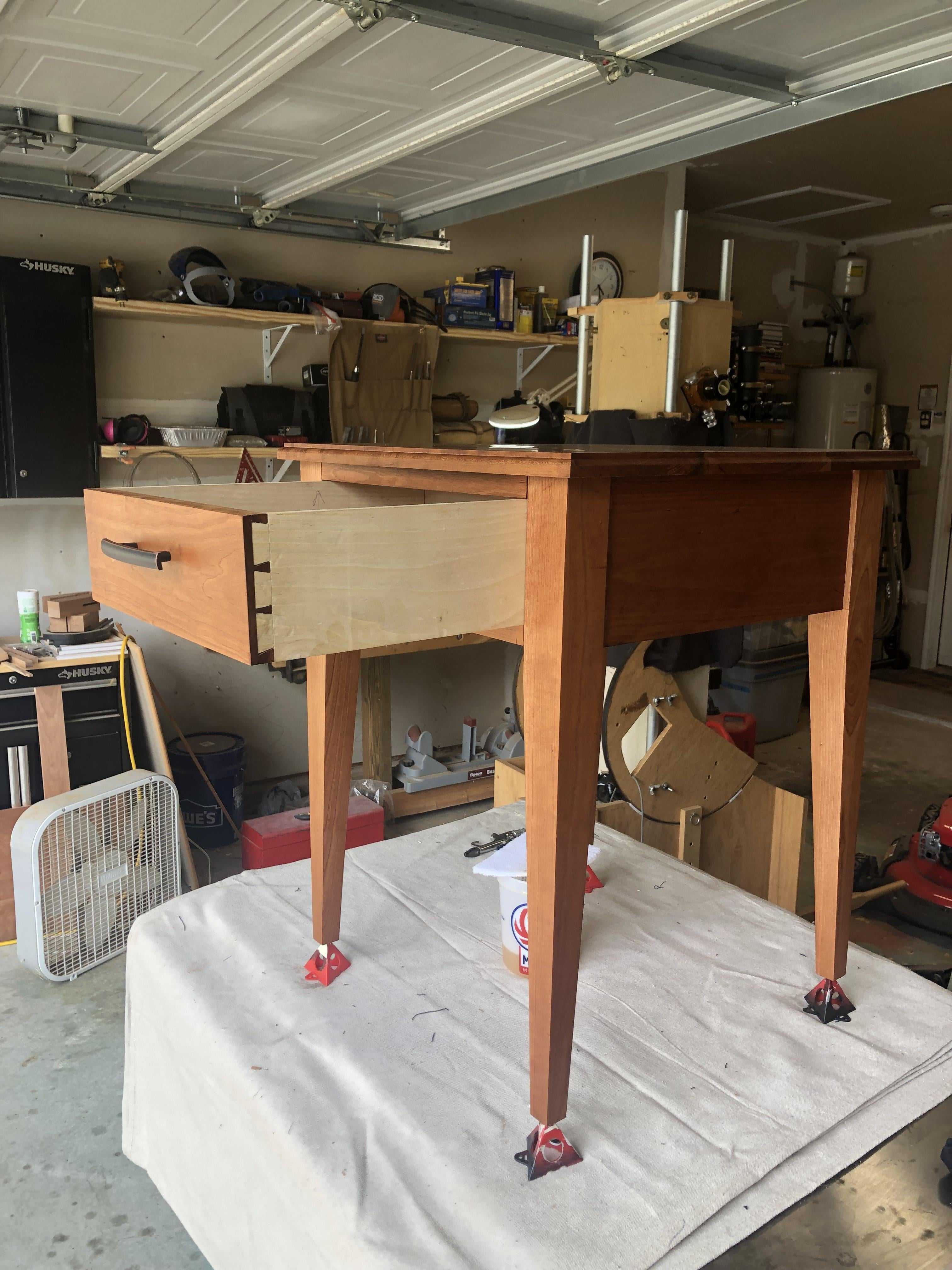
“Been a woodworker since I was a wee lad. It’s just super relaxing and mentally rewarding to dive into a project… Here’s one of my latest…Most of the work was done with muscle powered hand tools…”
“Making collages from old magazines. It’s somewhat mindless and cheap to get started. People give away free old magazines on Facebook marketplace or you can buy cheap ones on eBay.”
“Making my own stencils from cardboard and using them on my gelli plate. I’m into surface design at the moment.”
“I’m getting back into art welding. Last week, I found myself in a flow state and forgot to eat. I’m also stunned at how encouraging different old dudes have been to me at supply shops. It was not like that 13 years ago when I learned.”
“Getting back into pottery. I get into my zen zone when my hands get dirty.”
“After dabbling before, I’m now taking up bookbinding! Despite the latest trend in doing up fancy versions of paperbacks, you can actually start with stuff you have at home and would otherwise throw away. The first book we’re making in my coptic class uses cardboard packaging and regular printer paper.”
“Camping and backpacking are the most fulfilling for me. I enjoy hiking, birding, tying knots, chilling in a hammock, reading, and photography. I get to do all those things in one hobby.”
“Mandolin and tenor guitar.”
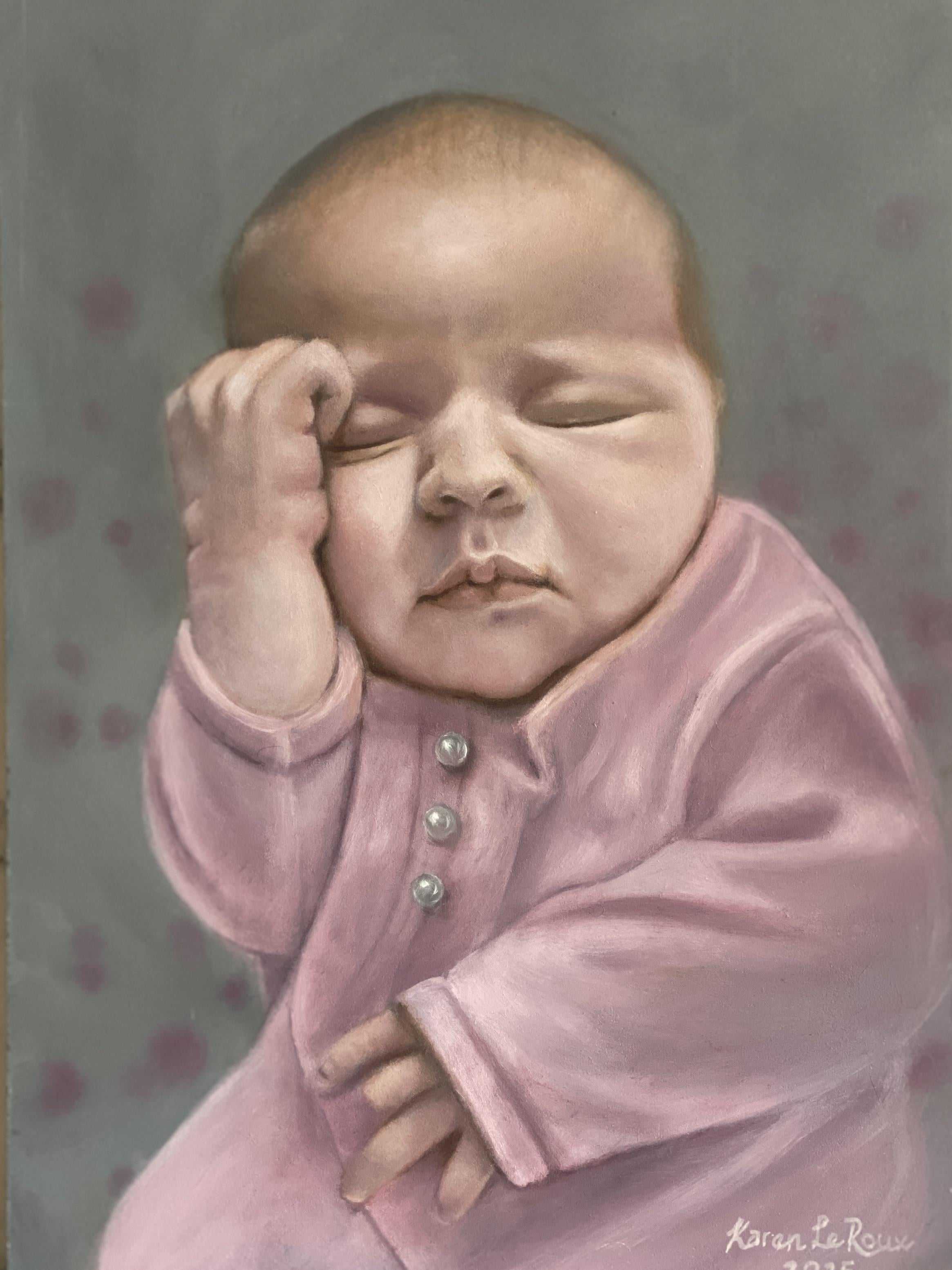
“I paint portraits in oils – mostly of family, or pets. Here is my latest piece. It’s a very rewarding hobby and I’ve met some amazing people along the way.”
“My all-time favourite analog hobbies are dirt biking, snowmobiling, skiing at 2-3 years old, and they certainly do not need WiFi. Why are they such a great escape from the digital world? Cause you literally leave your home, go where theres no cell service, and you only focus on the machine/skis and never the phone while doing them. Perfect, best escape from the digital world.”
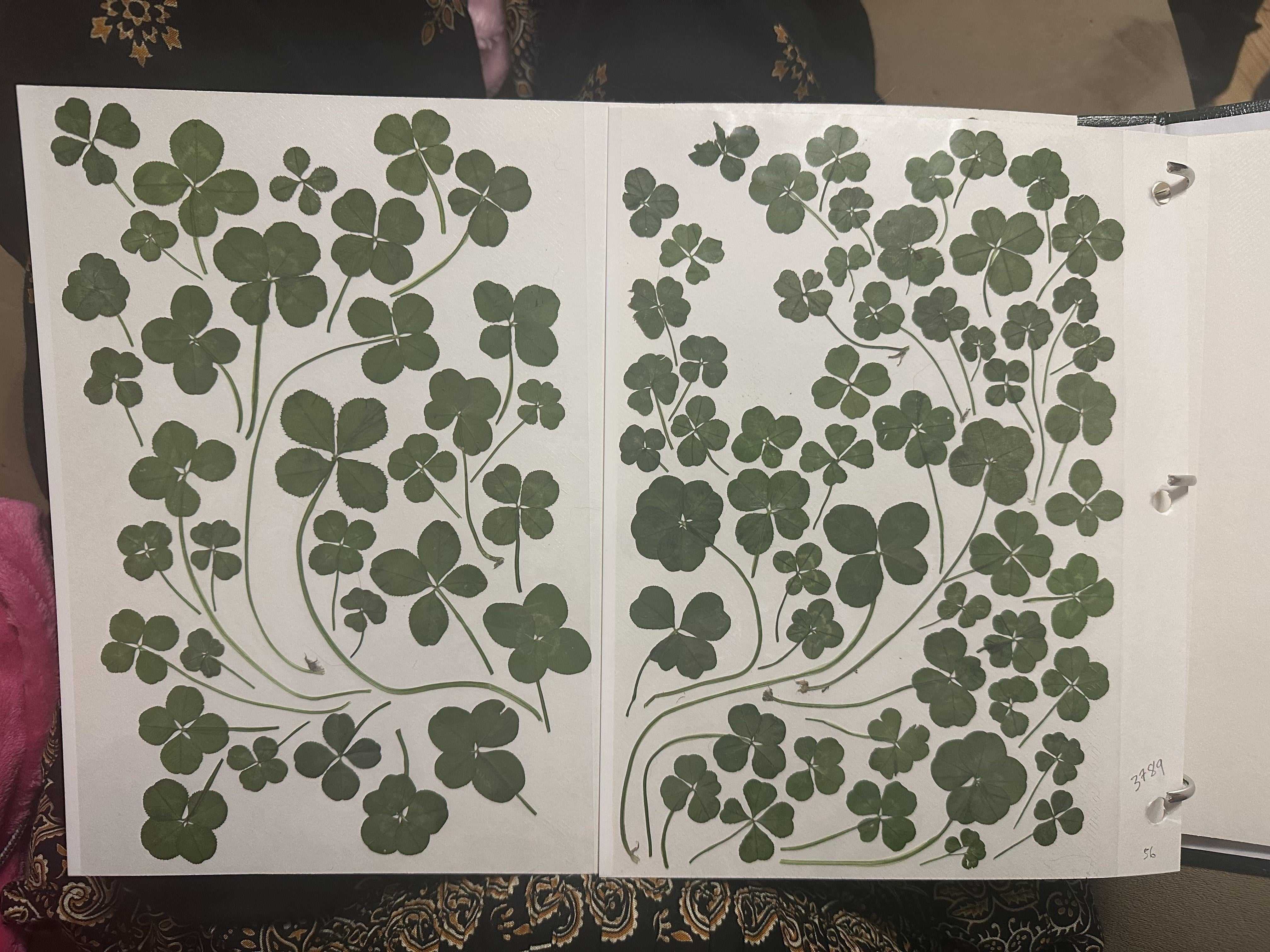
“I go on walks looking for 4 leaf clovers and lay them out in a photo album and think of it kind of like art meets meditation meets scavenger hunting.”
“Penmanship. Specifically: writing cursive with a fountain pen. I’ve started collecting some pens, improved my handwriting, started journaling a little, and even ground some of my own nibs.”
“Public lectures, author meet-and-greets, book clubs, meetups in general- local colleges often have special interest groups open to the public, public libraries usually have some event going on, farmer’s markets and local festivals frequently have interesting people who love to talk about what they do.”
“Rockhounding, because it literally gets me out of the house and going places.”
For those wondering, rockhounding is searching for and collecting rocks, minerals, fossils, gems, etc. Some folks get specific on what types of colors or shapes they aim to find. And while rockhounding itself involves no tech, you might need to hop online to make sure you’re allowed to take items from the spot you’re in.
“I love fishing! It’s so peaceful!”
“I danced as a kid and recently got back into it through a dance fitness class. Now I’m choreographing my own dances. It’s fun, active, and creative.”
Let this be your sign to carve out some time for joy today, in whatever way feels best. Your mind, body, and spirit will thank you for it.
Being frugal isn’t about deprivation—it’s about living intentionally. Meaning you spend less on what drains you, and more on what gives you back time, peace, or comfort. That also means that sometimes throwing down a liiiiiiittle bit of moolah here and there to invest in a higher quality of life isn’t seen as a frivolous…
Being frugal isn’t about deprivation—it’s about living intentionally. Meaning you spend less on what drains you, and more on what gives you back time, peace, or comfort. That also means that sometimes throwing down a liiiiiiittle bit of moolah here and there to invest in a higher quality of life isn’t seen as a frivolous move, but a truly wise one.
That’s certainly a philosophy plenty of money-savvyRedditors seem to share. Across dozens of threads, people who pride themselves on being budget-conscious swapped stories about the little upgrades that made their life run more smoothly—time-saving robots, procedures that added convenience, mattresses that heal more than they cost, and more.
When you read through enough of these threads, a pattern emerges. The most “worth it” purchases bring more peace and joy to the day-to-day in some way, and they need not be super fancy to achieve that.
So, what are these life-changing splurges that even the most frugal swear by? Here are the simple, sanity-saving luxuries these folks say pay dividends.
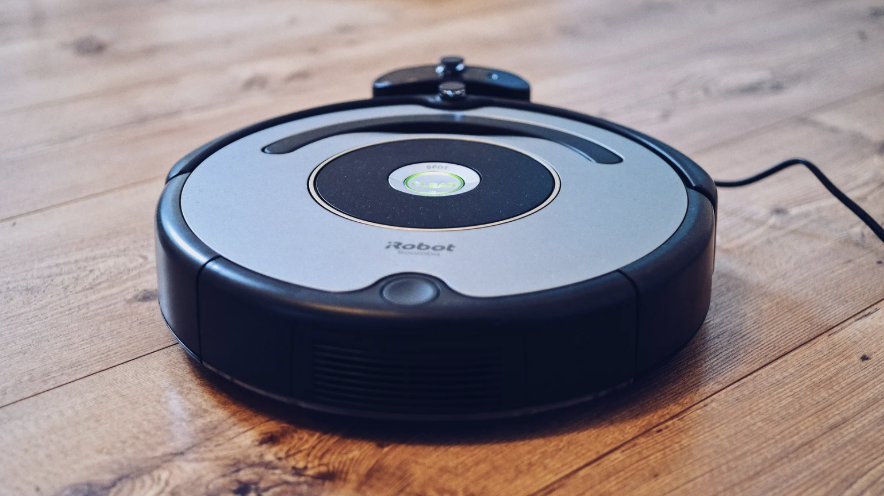
It’s like hiring a tiny, tireless butler who never complains. You come home to clean floors without lifting a finger…or a broom, for that matter. What’s not to like?
Fun fact: According to an article from Ecovacs, robot vacuums might be a more “effective” and “healthier option” than traditional dusting, since they stir up less dust.
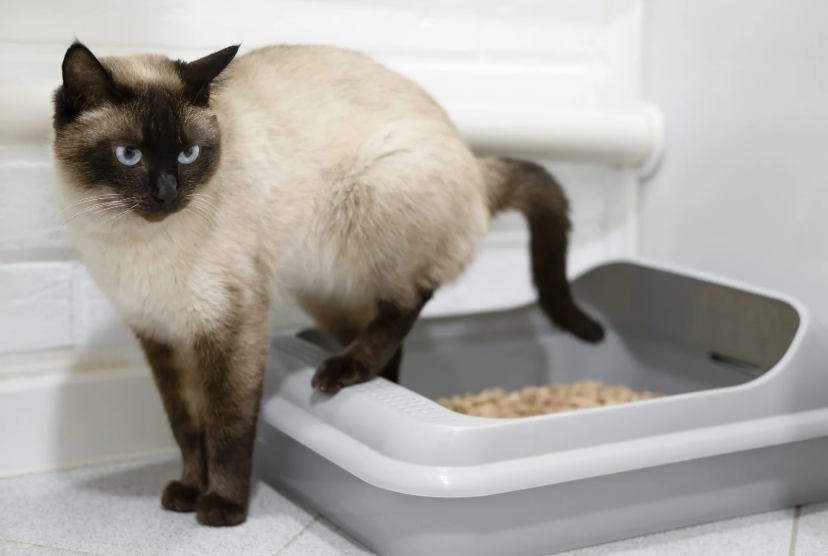
No more 6 a.m. guilt trips from hungry cats or late-night scooping marathons. Automation means your pets stay fed and happy while you reclaim a few precious minutes, sans any unsavory smells.
As some people noted, self cleaning litters boxes can be especially helpful for pet owners who might suffer from depression and have trouble maintaining routines.
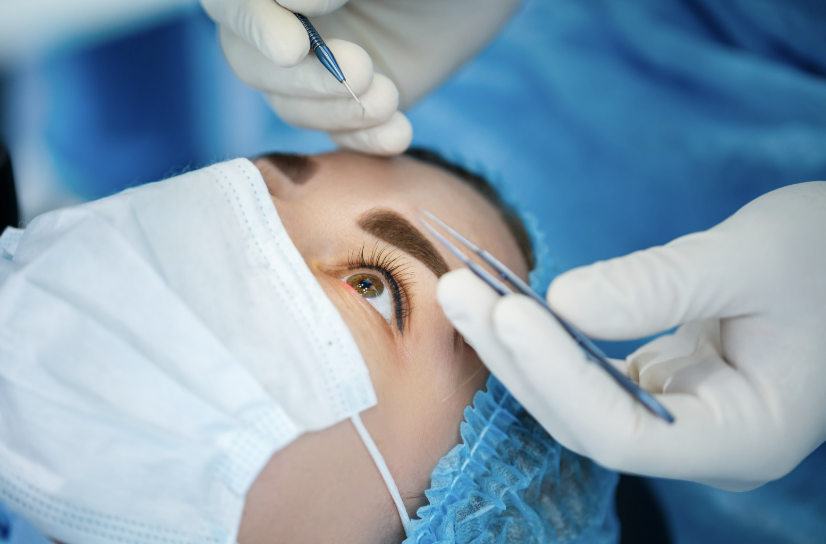
Listen, it’s great that glasses have broken through stigma to become a chic fashion accessory, but are still so annoying to need at all times. With LASIK, the luxury comes in simply being able to wake up and see the world without having to clumsily hunt for those specs. It’s like the ultimate set-it-and-forget-it upgrade for your eyes.
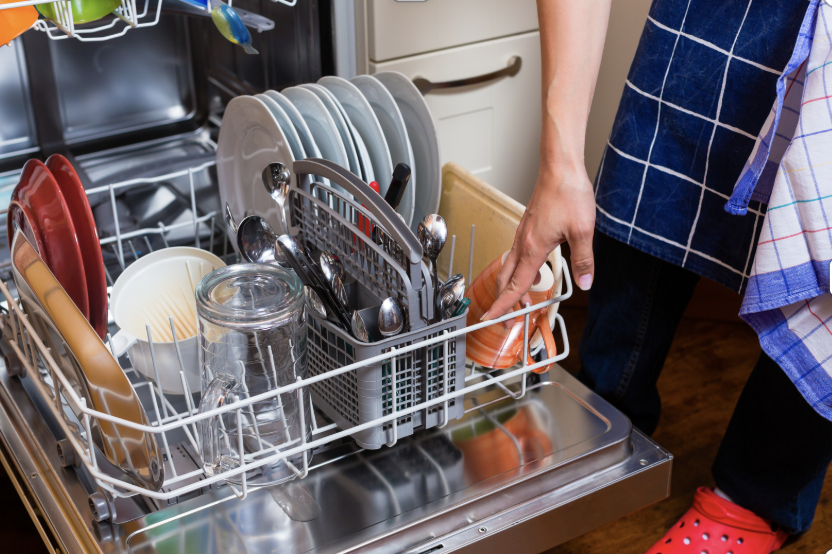
Because no one has ever said, “I wish I spent more time scrubbing plates.” A great dishwasher saves time, water, and (most importantly) your will to live after dinner.
“I never had one growing up, and rented a bunch of apartments afterwards that didn’t have one. I bought my first apartment 3 years ago and made sure to have one installed, and it was life changing. No more toiling over the sink for almost an hour every evening, and no more eczema on my hands and ruined nails.”
“The great thing about dishwashers is the simplicity of the routine for me. Empty it as the kettle boils in the morning. Rinse dirty dishes and stack them in as you go. Put it on when it’s full. Repeat as needed. No more dishes on the bench 😇”
We all know how important it is to get a good night’s sleep. According to the Sleep Foundation, quality sleep is the major key to our focus, immunity, and mood throughout the day.
Conversely, if you’ve ever woken up with a stiff back or neck (read: if you’ve over 32) you know that your mattress can make or break that much needed reset. So many people who have finally invested in a top notch mattress can attest to this.
“Being able to elevate my feet and head without juggling to organize a bunch of pillows feels like the epitome of luxury.”
And of course, there are money-savvy ways to make this big purchase.
“I’m glad I opted to put the purchase on my credit card, even though I paid it off right away with savings budgeted for the big spend. The store would have given me 0% interest, but since I didn’t carry the balance, I didn’t pay any interest, anyway, and my card basically paid me with a kickback/cashback.”
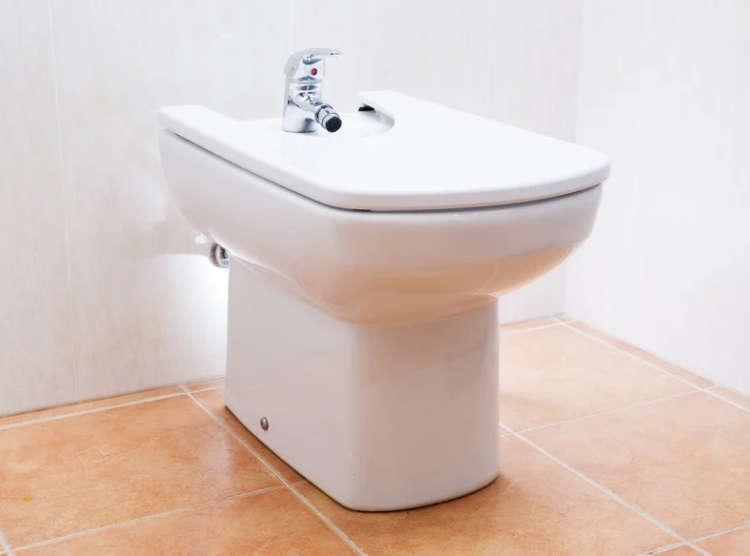
Once you try it, you understand. It’s cleaner, greener, and oddly life-affirming. You’ll save money on toilet paper and feel like you’re living in the future. A win-win.
Another stat: Americans use 34 million rolls of toilet paper daily. Bidets can cut that by up to 75%.
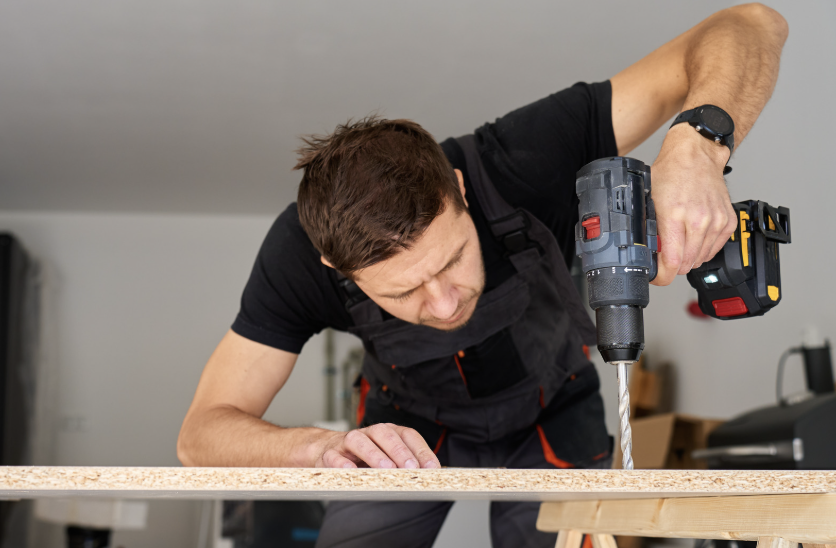
Whether it’s a power drill or a solid wrench set, the right tools turn frustrating chores into five-minute fixes. Plus, you get the earned confidence in your own self-sufficiency.
“Having the right tools to repair, modify, improve, or build something can vastly simplify automotive and home maintenance. It can also be cheaper to buy the tools once than it is to pay someone to perform the maintenance regularly. Especially the battery powered ones.”
A quiet moment with a cup of tea can reset your day faster than any productivity hack ever could. And harnessing the power of electricity can bring that peace ritual even sooner.
“Drinking tea and even the ritual of preparing it nurtures me and brings me so much peace and clarity. Maybe that sounds goofy, but staying hydrated and getting your antioxidants throughout the day makes life simpler and happier. Wow, I am making myself thirsty. Time for some chamomile.”
No more frantic pocket-patting or key-hunting at the door. Tap a code, and badda bing, badda boom, you’re home. It’s safety, simplicity, and peace of mind, especially for chronic key-losers everywhere.
It’s the holy grail of quick, crispy satisfaction; just ask any millennial. Dinner goes from frozen to fantastic in 15 minutes flat, with less mess, less oil, less calories (up to 70–80% less, to be exact) and zero regrets.
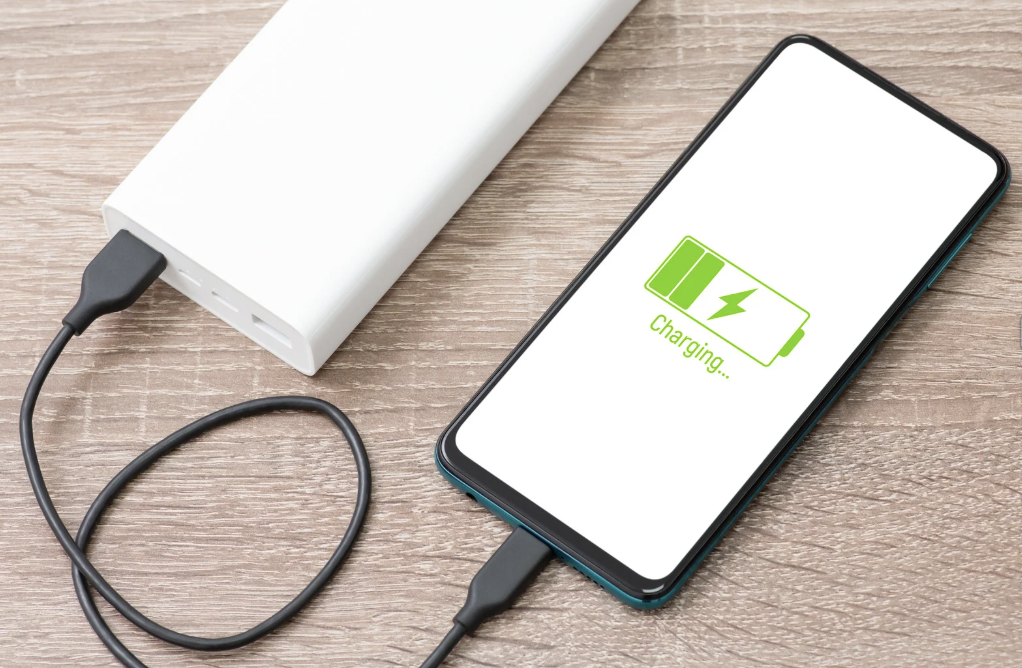
Running out of battery-life in 2025 feels like running out of oxygen, so having one hand “oxygen tank” for all your electronic needs is beyond a luxury, and more of a modern day necessity.
“[I have one] powerful enough to run my laptop and charge devices. It has multiple USB ports. I no longer have to juggle multiple charging bricks or the awkward OEM laptop power supply. It’s noticeably simpler so much that several folks have commented at work when they saw my simplified setup in conference rooms.”
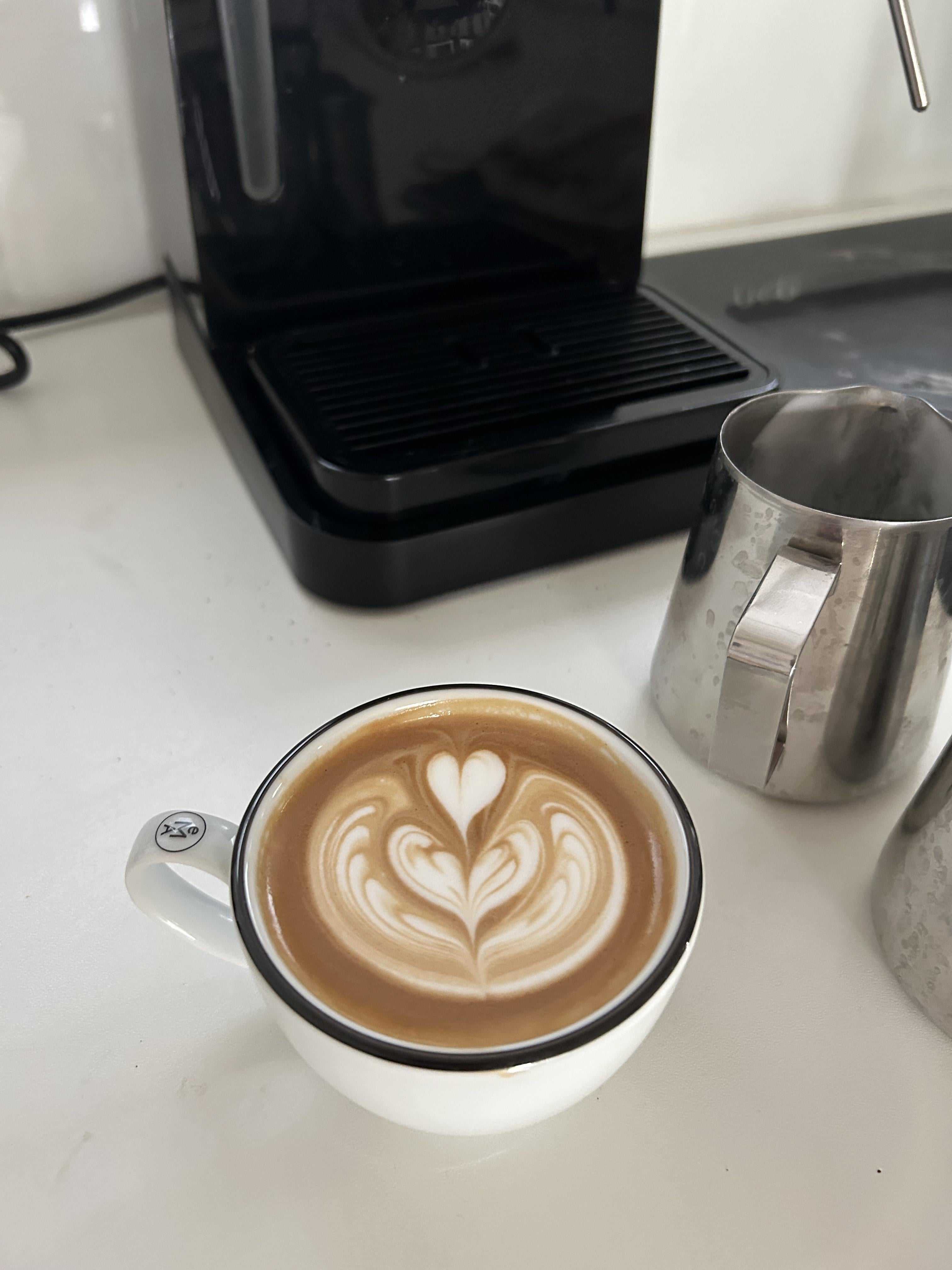
Behold, your kitchen is magically transformed into a café—minus the line, tip jar, or misspelled name on the cup. It’s an investment that pays you back in energy and joy. And you get to create your own latte art!
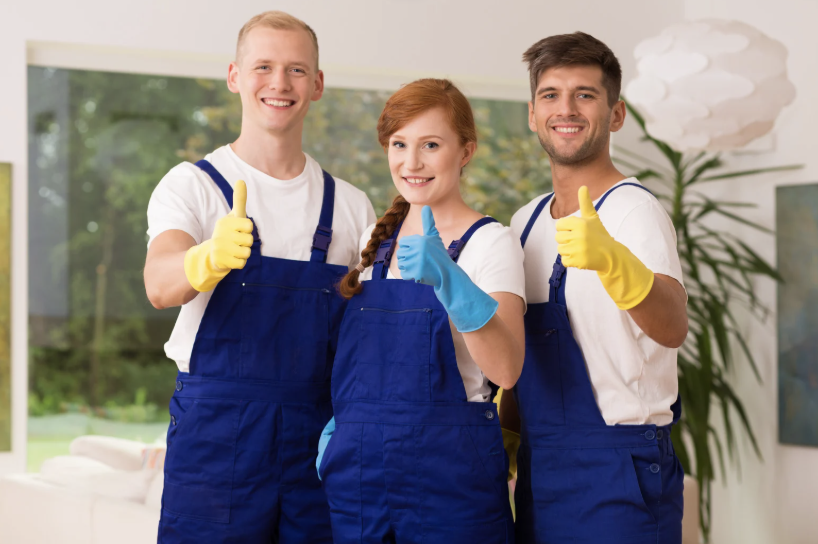
Sometimes, the most impactful luxury of all is walking into a spotless home you didn’t have to clean yourself. And doing it only once a month helps hinder burnout while still keeping within budget.
“It’s not so often that it feels over-indulgent, but it’s enough to help keep the house truly clean and relieves a lot of stress. Also motivates you to keep tidy, as cleaners clean, they don’t tidy, and they clean better if it’s tidy!”
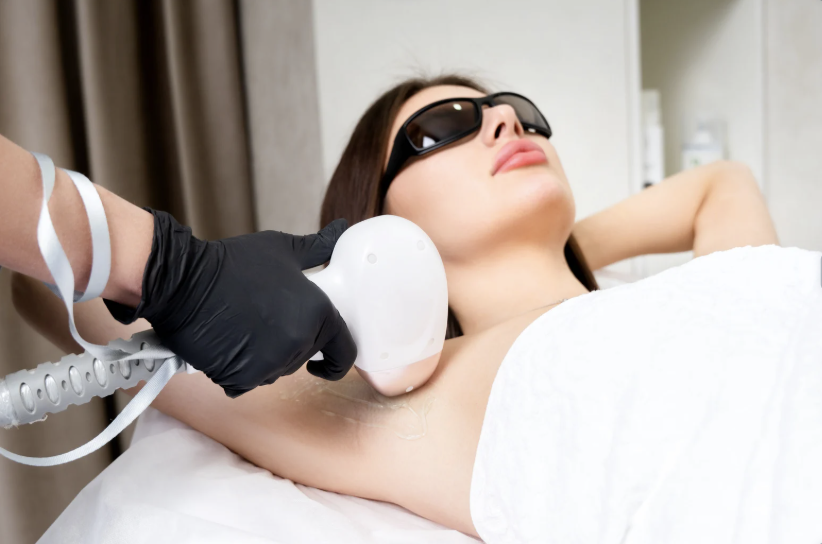
Less shaving, less irritation, less time. It’s freedom disguised as skincare. Medi-spas seems to agree that, generally speaking, most people see a 50-70% reduction after 3-4 sessions, and 85-95% permanent reduction after 6-8 sessions. Then there’s 5+ years of being “practically hair-free” with minimal need for maintenance.
With this option, maybe I actually could take quick showers like a normal person!
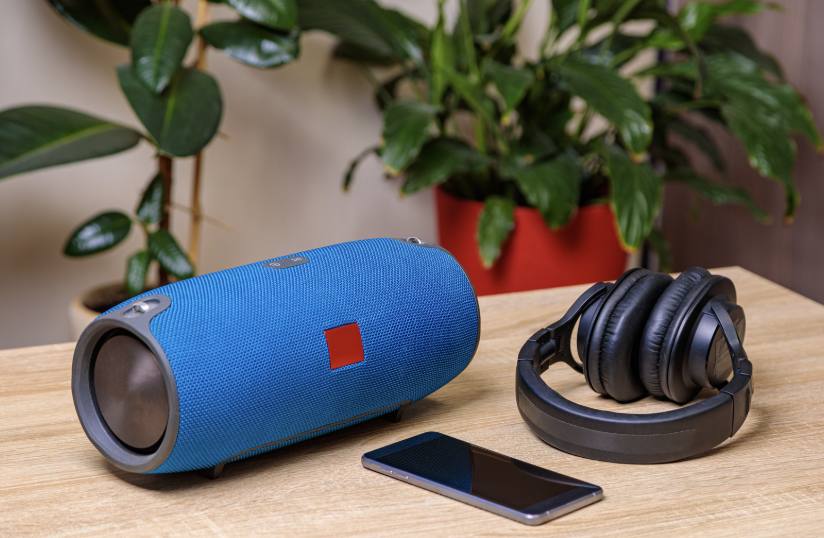
The right soundtrack—be it a playlist, or a podcast—makes everything better, does it not? One study found that students who used headphones while working were more focused, less distracted, and even enjoyed studying more…proof that good sound can help produce good habits.
Bottom line: investing in peace of mind, better sleep, or a cleaner home isn’t frivolous. It’s human. Because when life feels just a little lighter, you have more room to actually live it. Consider this your permission slip to appreciate some of the luxuries you might already have in your life. Or, bank account willing, even purchase something today that adds a little peace of mind.
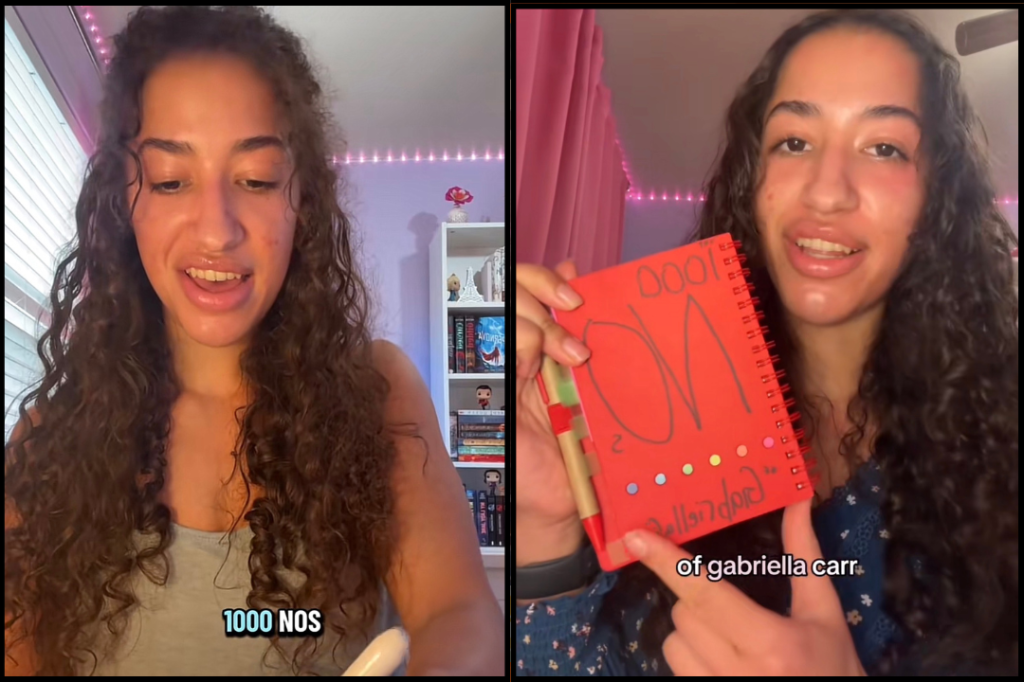
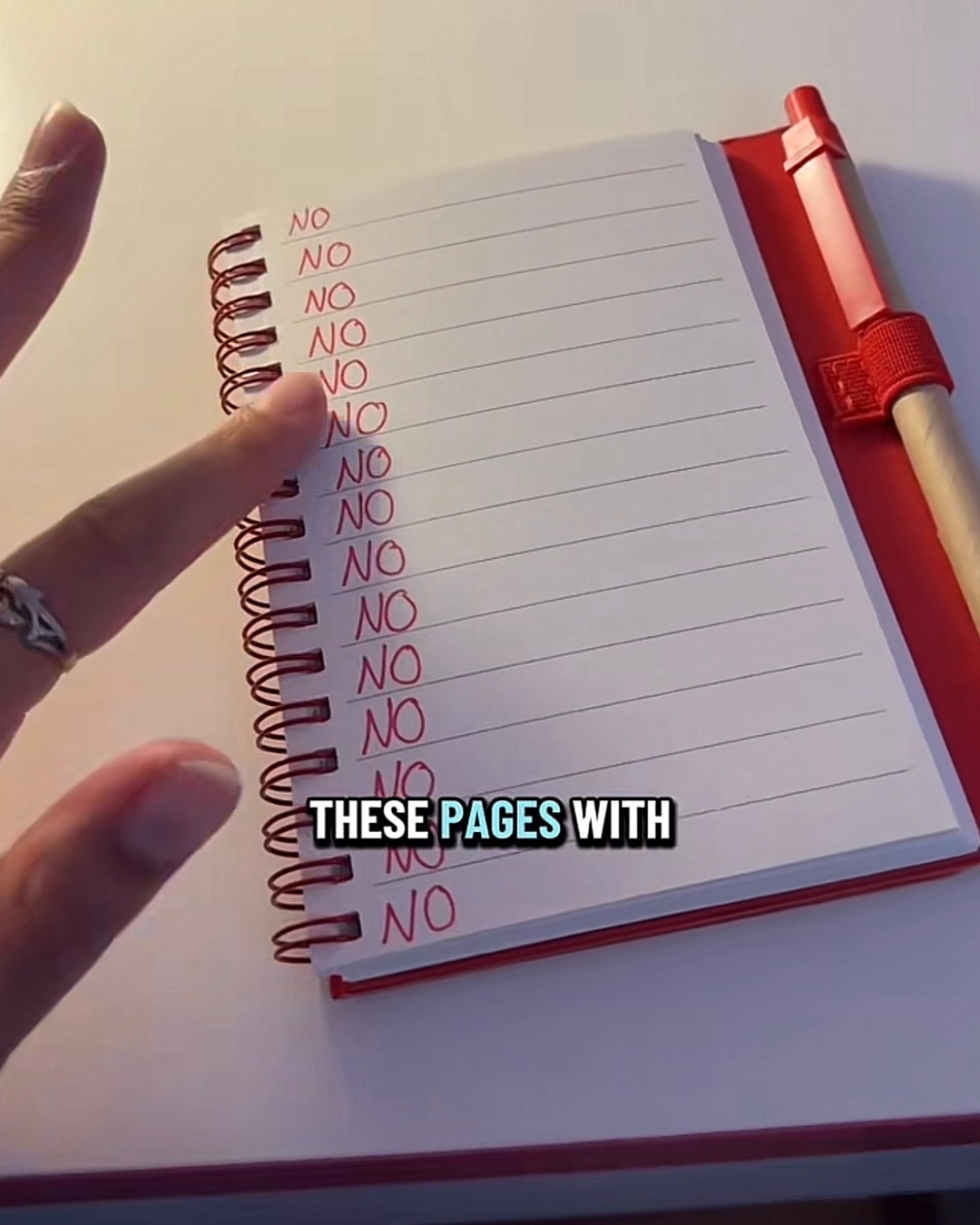
If you opened Gabriella Carr’s red notebook, you might expect to find a diary, a grocery list, or her homework. Instead, you’d find an organized, numbered list of failures.
That’s one way to see it. Gabriella views it differently, though. To her, every entry in that notebook is a victory.
Gabriella, a content creator and actor, is embarking on a fascinating experiment she calls “The 1,000 No’s.” Her goal: to face rejection 1,000 times in a year. While the rest of us spend our days avoiding the word “no,” Gabriella is hunting for it. She asks for opportunities she feels unqualified for. She puts herself in situations where rejection is likely.
Something unexpected happened on her quest for failure: she started to succeed.
In seeking “no’s,” Gabriella stumbled upon a life filled with unexpected “yeses.” Her journey offers a fresh perspective on risk and rejection, and she’s not alone in discovering the surprising power of failure.
The notebook that changed everything
Gabriella began her challenge in September 2025. As a creative, the sting of rejection was familiar. Casting directors passed on her self-tape auditions. Brand partners left her emails unread. The constant silence and dismissal started to take a toll on her self-worth.
She switched up her approach. Instead of striving for a “yes” and dreading denials, she set “no” as the goal.
When Gabriella shared her rejection journey on TikTok, it resonated with hundreds of thousands of people. They recognized their own fears in her red book.
“My daughter shared your account with me, and it inspired me to apply for my dream job! I haven’t heard back yet, but yes or no, it felt good to be so daring!” read one comment. “I need to get an internship for spring, and I’m so scared,” shared another. One viewer said that Gabriella’s courage inspired them to apply for a federal job.
Users across the Internet are following her lead. TikTok user @theplanistobefamous tracks his outrageous haggling on Facebook Marketplace. Others record similar experiments—renegotiating lease agreements, asking strangers for fashion advice, pitching themselves to major brands for sponsorships.
Gabriella’s experiment has led her to a powerful realization: what holds us back from our greatest dreams isn’t a lack of talent or opportunity—it’s the fear of asking.
Embracing the “no”
Gabriella follows in the footsteps of innovators who saw fear as their sole obstacle.
Jason Comely, a freelance IT specialist, first developed the concept of “Rejection Therapy” in 2009. After his wife left him, Jason felt isolated and hesitant to socialize. His fear of rejection had morphed into a psychological barrier, a self-imposed mental prison that prevented him from forming meaningful connections and living a free life. He recognized the trap he was in—and knew he needed to find a way to confront and overcome his fears.
To toughen up, he modeled his training after Russian special forces. He created a game with one rule: get rejected at least once a day. Accepted requests didn’t count—he had to continue until he got a “no.” This simple but powerful game became more than a personal experiment, resonating with people worldwide and blossoming into a global movement.
Jia Jiang took the challenge publicly as well. After a difficult rejection from an investor, he decided to try Jason Comely’s “Rejection Therapy” experiment for 100 days. Jiang began recording his quest for no’s, expecting to document a long string of awkward failures.
On day three, he strolled into a Krispy Kreme and asked an employee to make him doughnuts shaped like Olympic rings.
Jiang braced for laughter and a curt “no,” but the employee caught him off guard as she began to sketch a design. Fifteen minutes later, she handed him a box of Olympic ring-shaped doughnuts, free of charge. This encounter went viral, touching millions with its heartwarming display of unexpected kindness.
In 2017, Jiang gave a TED Talk titled “What I Learned from 100 Days of Rejection,” which garnered over six million views—one of the most popular lectures released that year.
Why rejection hurts (and how to overcome it)
If these experiments yield such positive results, why do we remain terrified of putting ourselves out there?
The answer lies in our biology. Psychologists have discovered that social rejection lights up the same areas of the brain as physical pain. In other words, hearing “no” triggers a reaction in your brain—the same one that activates when you slam a finger in the door or douse yourself with freezing water by accident.
Social rejection feels just like physical pain to the brain. Photo credit: Canva
From an evolutionary perspective, this makes perfect sense. In the beginning, our ancestors relied on social groups for survival. Being a part of the tribe meant access to shared resources, protection from predators, and aid in child-rearing. Outcasts faced starvation and predators solo. Although we no longer live in small, nomadic tribes, your brain is still wired with that ancient software. It perceives modern rejections, like an unanswered text or a chilly response during a job interview, with the same primal panic as banishment from the group thousands of years ago.
This is why Gabriella’s challenge works—it’s a form of exposure therapy.
Exposure therapy is a well-established psychological method used to help people overcome phobias. The core idea is to gradually expose someone to the object of their fears in a safe and controlled way. For instance, if you have an intense fear of spiders, a good therapist won’t place you in a room full of tarantulas. They’ll ease you into it. The process might begin with something as simple as looking at a cartoon drawing of a spider. Once you’re comfortable with that, you might move on to realistic photos, then to a video of a spider. By the end, you could end up in the same room as one or hold a harmless spider in your hands. This logical, step-by-step approach teaches your brain that what you fear isn’t a real threat.
Gabriella’s experiment works in a similar fashion. By seeking out small, manageable rejections—like requesting a song on the radio—she began to retrain her brain. With each mini-rejection, Gabriella’s fear of hearing “no” faded, making it easier for her to take bigger risks, like signing up for that pageant.
Gen Z and the gamification of failure
This trend has seen a major resurgence with Gen Z viewers at the forefront. It’s no surprise given today’s challenges. Data shows Gen Z may be the “most rejected generation” in history. By February 2025, the average job posting received 244 applications. Young people sent out hundreds of resumes—and faced a wall of silence or boilerplate automatic rejections.
When life feels out of control, turning challenges into a game can help you regain a sense of agency. Instead of passively waiting and dreading rejections, people like Gabriella are making “no’s” the goal. This shifts everything. This powerful reframing tool protects your self-esteem and spins a helpless situation into a conquerable hurdle—you can win the game by participating in life.
Ready to start your own rejection challenge?
You don’t need to aim for 1,000 rejections or a “no” every day to benefit. If you want to strengthen your own “rejection muscle,” here are some simple strategies to get started.
Begin by asking for something minuscule, like the time from a stranger. The goal is to feel that jolt of anxiety—then realize you’re okay.
Know when to stop
Pushing your comfort zone is healthy, but remember to stay safe. As psychologist Dr. Elisabeth Morray explains, forcing yourself into situations that feel unsafe can yield traumatic outcomes. Know your limits—the goal is growth, not distress.
Track your data
Take a cue from Gabriella and use a pen and paper to record your rejections. Writing them down by hand helps externalize the experience, turning an uncomfortable memory into banal data entry.
Reframe the outcome
Remember what Jia Jiang learned: the worst thing someone can say isn’t “no.” It’s that you never even asked. When you stay silent, you reject yourself by default. Keep in mind that with every brave request, you open the door for the universe to say “yes.”
The beautiful truth about “no”
We spend an obscene amount of time trying to be perfect and dodging the embarrassment of disapproval. But people like Gabriella Carr, Jia Jiang, and Jason Comely show us the vibrant, exhilarating world that awaits on the flip side of fear. Rejection is an inevitable part of being human, but there’s no shame in asking.
Every “no” in Gabriella’s notebook marks an act of courage—an opportunity to embrace possibility over comfort. Within those possible 1,000 rejections lie the “yeses” that will shape her life: the plays, the pageants, and the moments she would have missed if she’d chosen to stay silent.
Buy your red notebook. Approach a neighbor with the favor that’s been on your mind. Apply for the job that seems out of your league. The worst outcome? “No.” And as Gabriella has shown, hearing a “no” isn’t the end of the world—it’s proof that you were courageous enough to take the leap and try. Each attempt, no matter how disastrous, is a step forward. You’re proving to yourself that you are willing to endure uncertainty to pursue what matters to you.
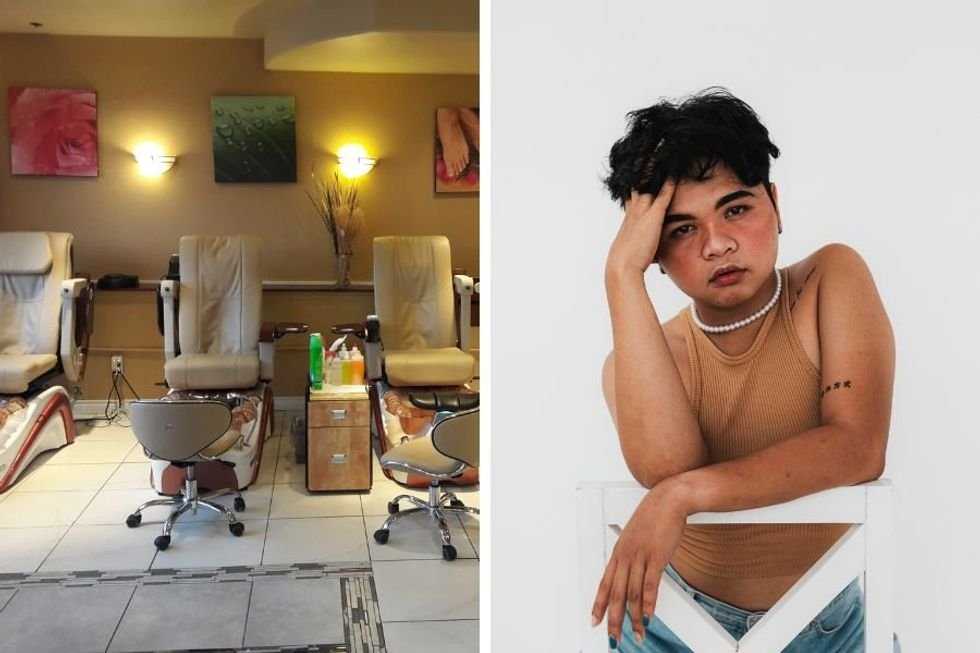
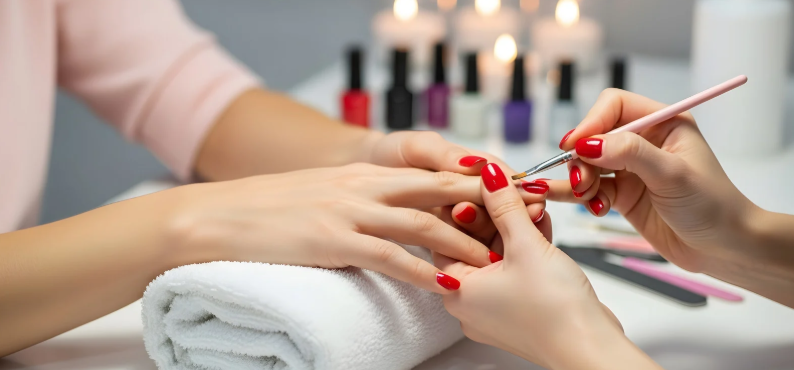
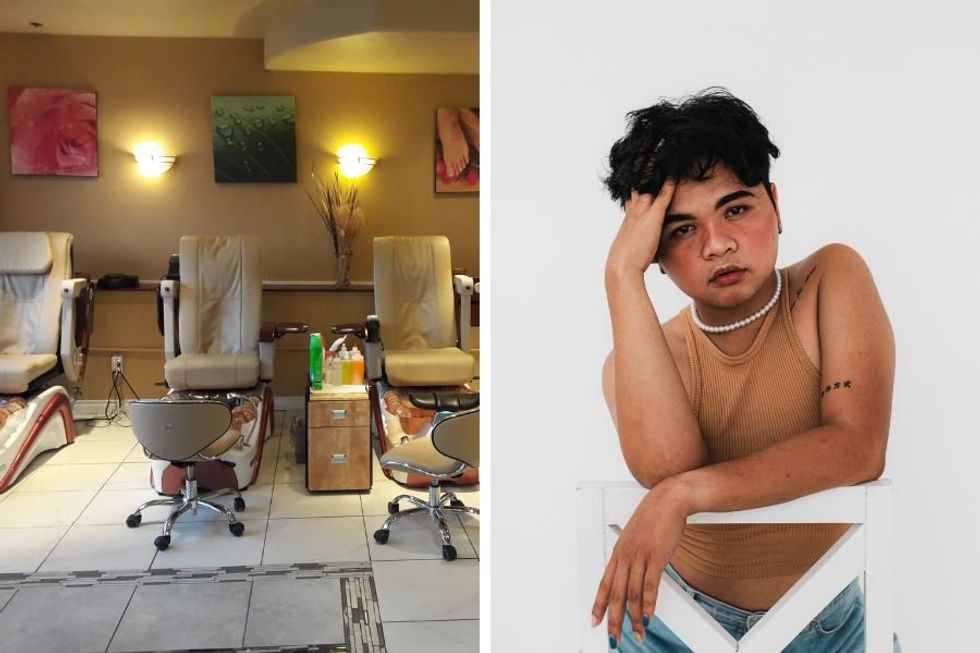
There are a lot of nail salons out there, and without word-of-mouth recommendations from people you trust, it can be impossible to know which salon to visit. Thanks to social media, many businesses can advertise their services without spending much on traditional marketing like television, billboards, and radio. Using pictures and videos of their amazing work to market can help maintain a steady flow of customers, but one Canadian nail salon is taking a slightly different approach.
Henry Pro Nails which started in Toronto, Canada, is leaving the Internet in stitches after creating a viral ad for his nail salon. The video uses the beginnings of several viral clips, but instead of the expected ending, Henry pops in to complete the viral moment in hilarious, unexpected ways.
HenryProNails takes viral videos and turns them into funny marketing
It opens with a familiar viral video of a man on a stretcher being pulled by EMS when the stretcher overturns, flopping the man onto the ground. But instead of it ending with the injured man on the ground, Henry seamlessly appears, lying out on the floor of his salon and delivers his first line, “Come to my nail salon. Your nails will look beautiful.”
In another clip, a man holds his leg straight up and somehow flips himself into a split. When the camera cuts back to Henry, he’s in the splits on the floor of his nail salon promoting loyalty discounts. The ad is insanely creative, and people in the comments can’t get enough. Some are even planning a trip to Toronto just to get their nails done by the now Internet-famous top nail artist in Canada. This isn’t Henry’s first rodeo making creative ads, but this one is, without a doubt, his most popular—and effective.
People love Henry’s videos
“I will fly to Canada to get my nails done here just because of this hilarious video. You win this trend for sure,” one woman says.
“Get yourself a passport and make a road trip! My bf and I are legit getting ours, and it’s only a 4 hr drive from where we are in Pennsylvania. Their prices are a lot better than other places I’ve been too,” another person says while convincing a fellow American citizen to make the trip.
“Omg, where are you located? I would fly to get my nails done by you,” one person writes.
“The pedicure I had at Henry’s was the best I have ever had. Unfortunately, it made all other places disappointing, and I don’t live close enough for Henry’s to be my regular spot,” someone else shares.
In another hilarious video, Henry urges a woman not to divorce her husband for not cooking her dinner, but instead to come get her nails done so she’ll feel a lot better.
It just goes to show that creative advertising can get people to go just about anywhere, but great service is what keeps them coming back. If you’re ever in Canada and find yourself needing an emergency manicure, Henry’s Pro Nails is apparently the place to be.
This article originally appeared two years ago. It has been updated.