Brittany Patterson’s heart sank when she got a call from police about her 10-year-old son, Soren. As any parent would, she had to be in a complete panic. Was he OK? Did something terrible happen?
A deputy explained that, yes, Soren was OK, but that he’d been found alone “downtown” — in a rural Georgia town with a population of only a few hundred people. He’d apparently gotten bored at home and walked into town on his house, a distance of less than a mile.
A concerned citizen had called the police, who then brought Soren home.
And then Brittany Patterson was arrested.
This wild story has caught fire on social media and reignited a decades-old parenting debate.
Patterson is a self-described Free Range Parent.
Her son hadn’t told her that he’d left the house to go downtown, which she chastised him for, but overall she wasn’t that concerned. She was used to giving her kids lots of freedom to explore nature around their home, visit nearby friends, and come and go more or less as they pleased.
Free Range Parenting is a controversial parenting style in stark contrast to Helicopter Parenting, which involves near constant supervision and intervention. Free Range Parents let their kids roam freely, often supervising very little — usually with a lot of communication about what is and isn’t OK, and a lot of trust that their child has the tools to navigate situations properly on their own.
It’s controversial because the line between fostering independence and pure neglect is extremely gray.
According to Parents Magazine, the term Free Range Parent gained initial popularity in response to a New York columnist who let her 9-year-old ride the subway alone. Some people thought the idea sounded ridiculously dangerous and neglectful. Others figured, if the kid has money and knows how to read the map, why not?
Anecdotally, it feels like we supervise children way more than previous generations did.
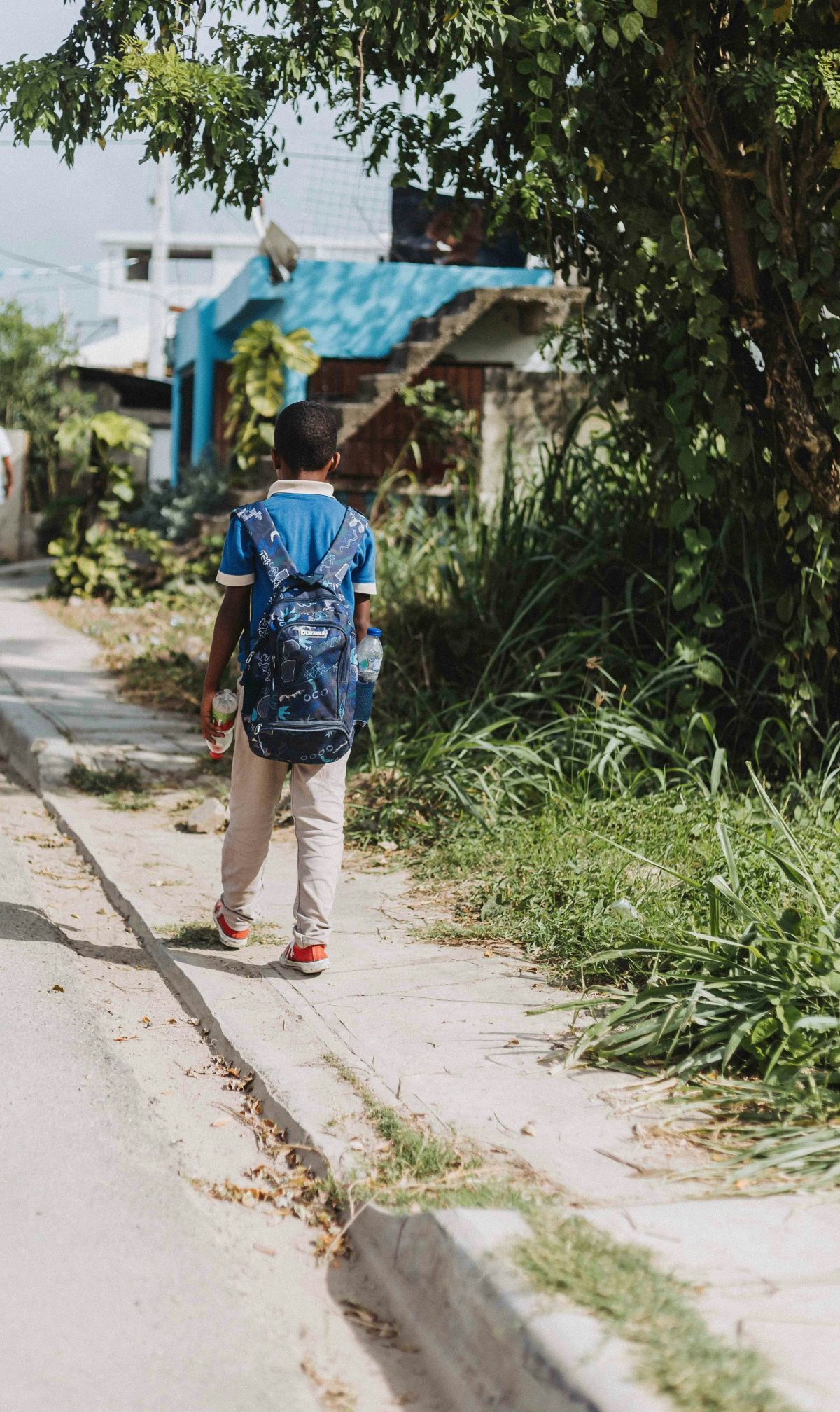
It was common for Boomers and even Gen X kids to quite literally get kicked out of the house on Saturday morning and told not to come back until dinner!
Most parents I know, including me, hover a great deal more than our parents ever did.
Why is that? Has the world gotten more dangerous?
“Crime rates and many risks have actually decreased over the past few decades,” says psychologist Caitlin Slavens, but “we’re more aware of them than ever, thanks to 24/7 news and social media. So [while] it might feel more dangerous now, the stats don’t actually show that is the case. “
Proponents of Free Range Parenting say it works wonders in fostering confident, independent children.
“We’ve taught our children to trust themselves, fostering calm and thoughtful individuals rather than chaotic and anxious ones,” says Michelle Shahbazyan, a marriage and family therapist who practices free range in her own home. “This approach not only benefits them but also sets a positive precedent for how they interact with the world and for future generations they will be a part of shaping.”
But there are legitimate drawbacks to a more hands-off approach too.
“There are new risks, like the online world,” says Slavens, “that make free range parenting not always a safe option, especially when dangers aren’t necessarily apparent.”
Your kid walking a half mile alone to meet a friend shouldn’t be a huge deal (even if our own anxieties say otherwise), but what if they’re really going to meet someone they met online? It’s cool if kids want to be alone or hang by themselves in their room — you don’t need to constantly check on them — but what if they’re trying their hand at the latest deadly TikTok challenge?
It sounds absurd, but these are things parents legitimately have to fear in 2024.
These hard-to-see dangers are what complicate matters and make it difficult for many parents to let go of control.
Brittany Patterson’s story isn’t over yet.
It’s shocking to know that she was arrested in front of her children for “reckless conduct” and booked at the county jail, just because her almost 11-year-old decided to go for a walk less than a mile from home.
She was charged a fine and, far worse, assigned a case manager from the Division of Family and Children Services.
They’re currently trying to get her to sign a Safety Plan and agree to download a location-tracking app on her son’s phone. She says she won’t sign and is disputing the charges.
Parents everywhere are outraged, and in Patterson’s case, it seems clear that law enforcement has way overstepped.
But the debate between the need for independence and safety remains, and we probably won’t know exactly where the line between free range vs neglect really is any time soon.