7 powerful photographs of terminally ill patients living out their final wishes

Before 54-year-old Mario passed away, he had one special goodbye he needed to say ... to his favorite giraffe.

Mario had worked as a maintenance man at the Rotterdam zoo in the Netherlands for over 25 years. After his shifts, he loved to visit and help care for the animals, including the giraffes.

As Mario's fight against terminal brain cancer came to an end, all he wanted to do was visit the zoo one last time. He wanted to say goodbye to his colleagues — and maybe share a final moment with some of his furry friends.


Thanks to one incredible organization, Mario got his wish.
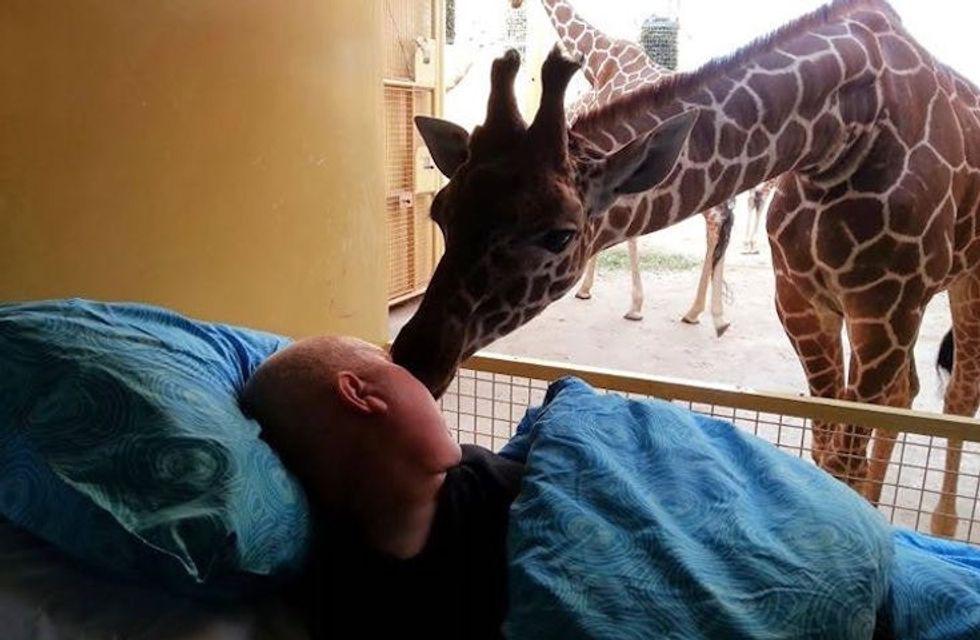
"To say goodbye to the animals." All photos by the Ambulance Wish Foundation, used with permission.

The Ambulance Wish Foundation, a Dutch nonprofit, helps people like Mario experience one final request.

It's a lot like Make-A-Wish, only it's not just for kids.

In 2006, Kees Veldboer, who was an ambulance driver at the time, was moving a patient from one hospital to another. The patient was a terminally ill man who had spent three straight months confined to a hospital bed. During the trip from one hospital to the other, the patient told Veldboer that he wanted to see the Vlaardingen canal one last time. He wanted to sit in the sun and wind and smell the water again before going back inside.
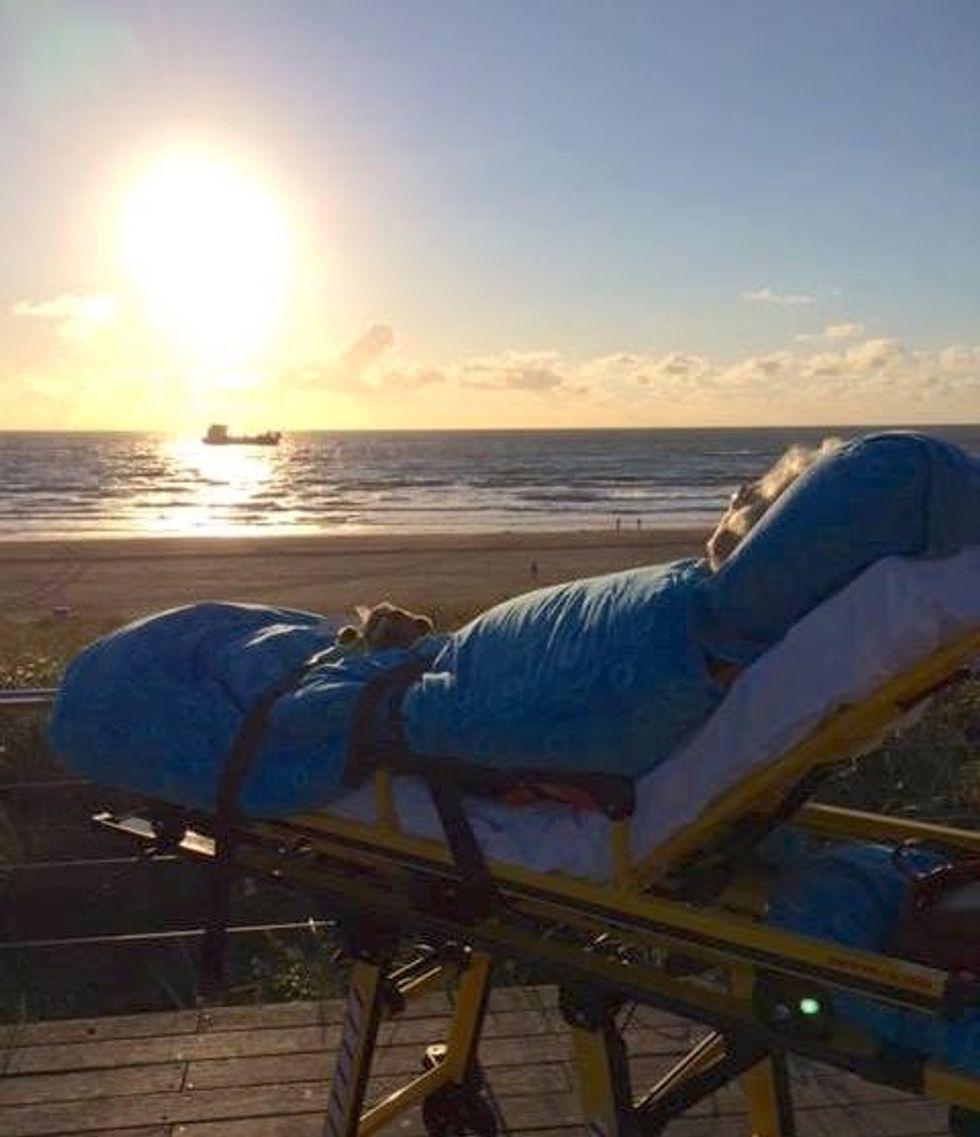
"To see the ocean again."

Veldboer made the patient's last wish happen, and as tears of joy streamed down the man's face, Veldboer knew he had tapped into a powerful way to bring peace to people in their final days.

Soon after, the Ambulance Wish Foundation was born.

Based in the Netherlands, Veldboer's organization scoffs at the logistical hurdles of transporting terminally ill patients who need high levels of care and, often, lots of medical equipment. The Ambulance Wish Foundation employs a fleet of custom-built ambulances and always has highly trained medical staff on hand for emergencies.
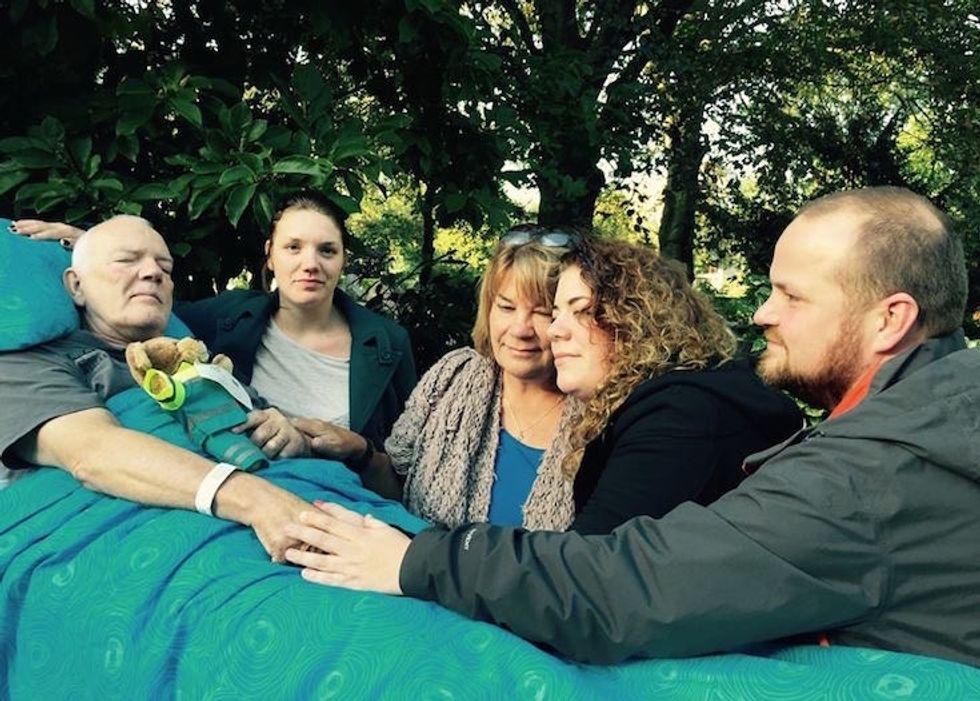
"To visit my best friend's grave."

Their message? Positive end-of-life experiences are far too important to pass up.

Today, the AWF has over 230 volunteers and has fulfilled nearly 7,000 wishes.

Even more beautiful than the work this organization does, though, are the things its patients are asking for.
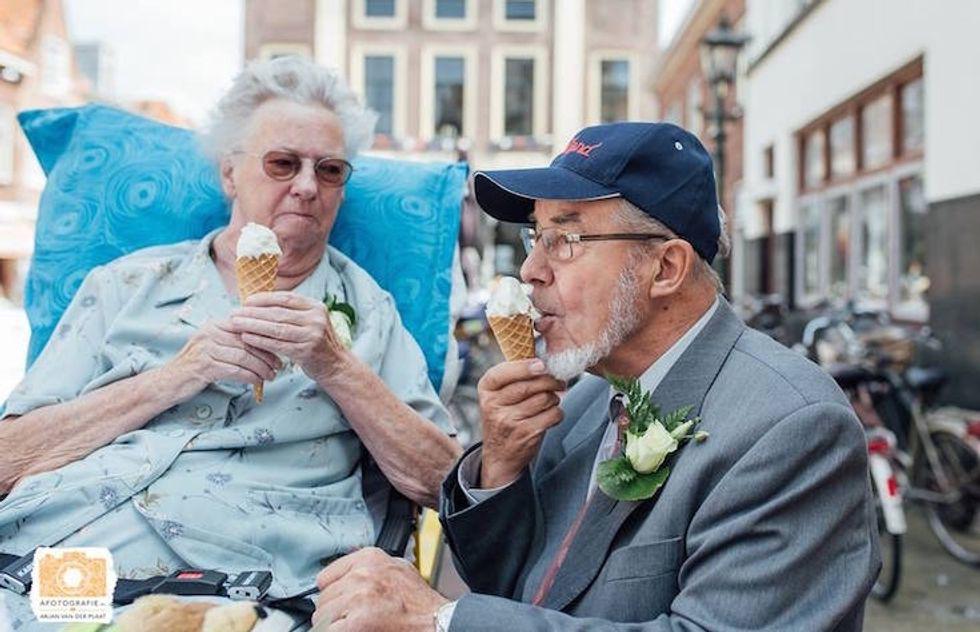
"To enjoy a delicious ice cream cone."

The Make-A-Wish Foundation specializes in granting wishes for children with life-threatening illnesses, many of whom have barely begun to live. The children's wishes run the gamut, from starring in a music video to a day as a hero soldier in the Army.

But what does Veldboer do for older folks who have already experienced so much? What do their wishes look like?

Mostly, it's the little things they cherish, like seeing their home one last time or spending a few hours just looking at something beautiful.

Veldboer, in an interview with the BBC, describes one woman who had not been home for six months. When they brought her into her living room on a stretcher, she hoisted herself up and stayed there for hours, doing nothing but looking around — likely replaying an entire lifetime worth of memories — before quietly asking them to take her away.

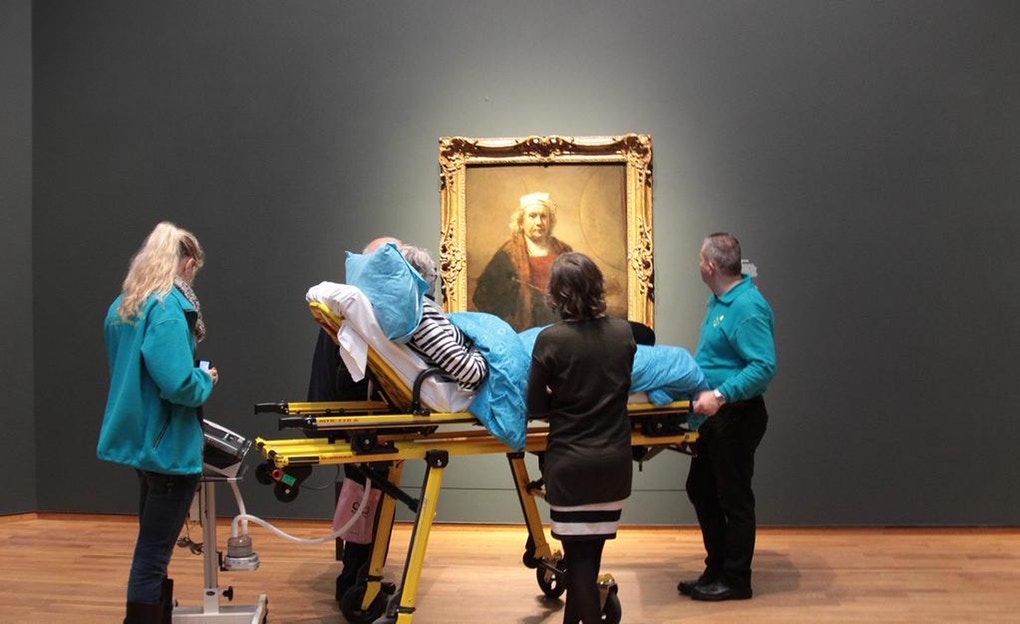
Another patient simply wanted to see her favorite Rembrandt painting again.
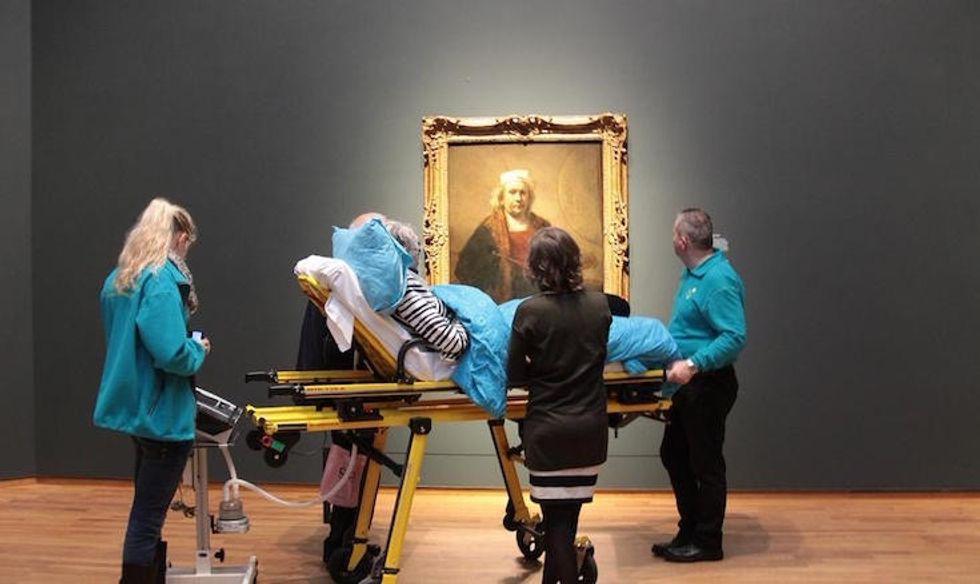
"To see my favorite painting one last time."

And another just wanted to spend an afternoon watching dolphins play.
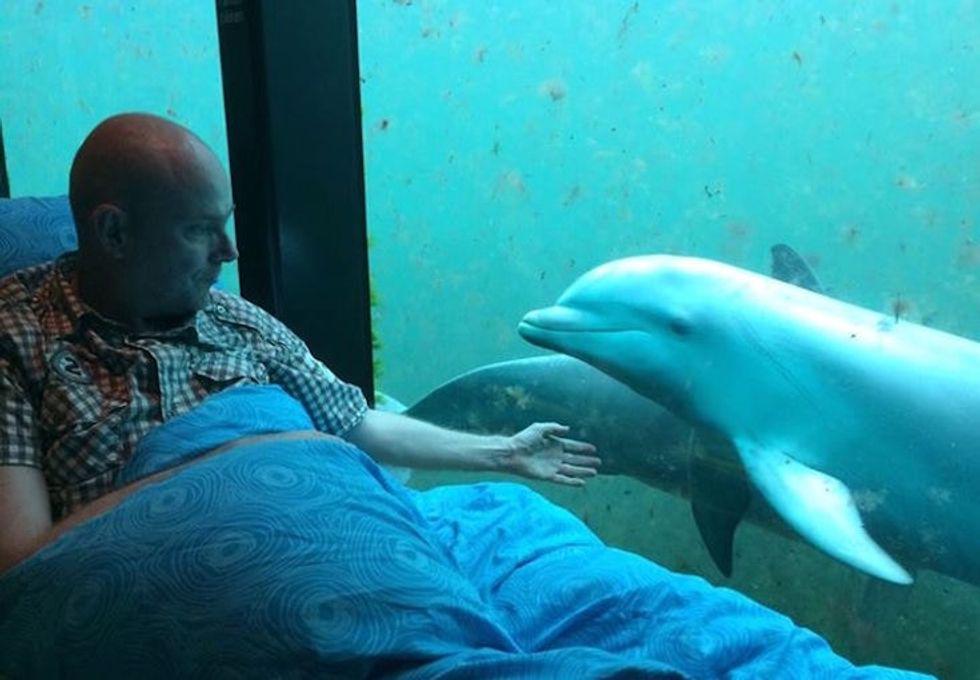
"To watch the dolphins play."

On and on the wishes go — about four of them fulfilled every day. People who just want to see their grandchild for the first time, or stand on the beach again before they can't anymore.

Turns out that life's simplest pleasures just might be its most meaningful.

Sometimes it feels like there's never enough time. Not in a day. Not in a year. Not in a life.
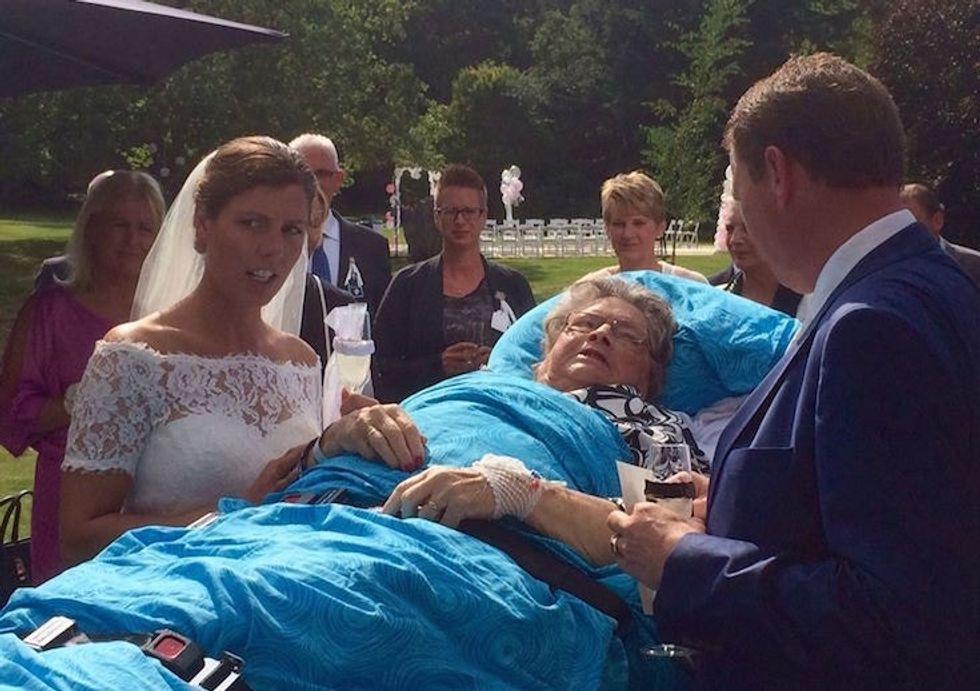
"To attend my granddaughter's wedding."

But maybe it's better to cherish what we have rather than spend so much time thinking about all the things we haven't done yet.

Maybe the things we remember at the end aren't the time we went skydiving or the time we hiked across Europe. When our time is up, maybe what we'll remember most is more mundane — the tacky wallpaper in the house we grew up in, a sunny day spent on the water, or those little everyday moments spent with the people we love the most.

Whatever it is, it's comforting to know there are people out there who want our last memories of this place to be good ones.

I can't think of a more wonderful job.

Courtesy of CeraVe
True

"I love being a nurse because I have the honor of connecting with my patients during some of their best and some of their worst days and making a difference in their lives is among the most rewarding things that I can do in my own life" - Tenesia Richards, RN

From ushering new life into the world to holding the hand of a patient as they take their last breath, nurses are everyday heroes that deserve our respect and appreciation.

To give back to this community that is always giving so selflessly to others, CeraVe® put out a call to nurses to share their stories for a chance to be featured in Heroes Behind the Masks, a digital content series shining a light on nurses who go above and beyond to provide safe and quality care to patients and their communities.

First up: Tenesia Richards, a labor and delivery nurse working in New York City who, in addition to her regular job, started a community outreach program in a homeless shelter that houses expectant mothers for up to one year postpartum.

Tenesia | Heroes Behind the Masks presented by CeraVe www.youtube.com

Upon learning at a conference that black mothers in the U.S. die at three to four times the rate of white mothers, one of the widest of all racial disparities in women's health, Richards decided to take further action to help her community. She, along with a handful of fellow nurses, volunteered to provide antepartum, childbirth and postpartum education to the women living at the shelter. Additionally, they looked for other ways to boost the spirits of the residents, like throwing baby showers and bringing in guest speakers. When COVID-19 hit and in-person gatherings were no longer possible, Richards and her team found creative workarounds and created holiday care packages for the mothers instead.

Keep Reading Show less

Naomi Osaka was only 20 years old when she won the U.S. Open tournament, and she is the first Asian player to hold the highest singles ranking. The tennis star moved to the U.S. from Japan at age three and she has held both Japanese and American citizenship.

Her U.S. citizenship has been a topic of discussion as the Japanese exemption that allows her to hold both passports expired at age 22—which Osaka turned in 2019. At that time, she announced she would choose to give up her U.S. citizenship to keep her Japanese citizenship and compete for Japan in the 2020 Olympics. However, Osaka has said that she feels "more like a global citizen" than one particular nationality—a sentiment supported by her latest endeavor.

In partnership with Nike and Laureus Sport for Good, Osaka launched a program to support girls in sports in Japan last year. Her Play Academy is committed to leveling the playing field for girls through physical play and sports, giving girls opportunities and encouragement to get moving.

Now, she is expanding Play Academy to Los Angeles, where she currently lives and trains, as well as to Haiti, where her father is from.

Keep Reading Show less
Courtesy of CeraVe
True

"I love being a nurse because I have the honor of connecting with my patients during some of their best and some of their worst days and making a difference in their lives is among the most rewarding things that I can do in my own life" - Tenesia Richards, RN

From ushering new life into the world to holding the hand of a patient as they take their last breath, nurses are everyday heroes that deserve our respect and appreciation.

To give back to this community that is always giving so selflessly to others, CeraVe® put out a call to nurses to share their stories for a chance to be featured in Heroes Behind the Masks, a digital content series shining a light on nurses who go above and beyond to provide safe and quality care to patients and their communities.

First up: Tenesia Richards, a labor and delivery nurse working in New York City who, in addition to her regular job, started a community outreach program in a homeless shelter that houses expectant mothers for up to one year postpartum.

Tenesia | Heroes Behind the Masks presented by CeraVe www.youtube.com

Upon learning at a conference that black mothers in the U.S. die at three to four times the rate of white mothers, one of the widest of all racial disparities in women's health, Richards decided to take further action to help her community. She, along with a handful of fellow nurses, volunteered to provide antepartum, childbirth and postpartum education to the women living at the shelter. Additionally, they looked for other ways to boost the spirits of the residents, like throwing baby showers and bringing in guest speakers. When COVID-19 hit and in-person gatherings were no longer possible, Richards and her team found creative workarounds and created holiday care packages for the mothers instead.

Keep Reading Show less