Two mass shootings in less than two weeks. It sounds like some faraway land where citizens fight for their right to freedom. But it’s not some far off land, it’s here in our own backyard. America has a problem—it’s the only developed country in the world that has more mass shootings a year than there are days. We are 144 days into the year and there has already been more than 200 mass shootings, 27 of which were school shootings. Robb Elementary in Uvalde, Texas, is the latest to join that growing list with 19 children and two teachers dying in an elementary school designated for second, third and fourth graders.
Parents and other adults who have lost children at the school are reeling from this unspeakable act of violence. And adults raising children in this country are joining those parents in their grief, but know that collective grief is not enough. People are feeling helpless and want to take action to combat those feelings. It gives our hands and minds something to focus on as our hearts heal.
Here are four things you can do if you’re feeling helpless about gun violence in America.
Connect with advocacy groups
Many gun safety advocacy groups have local chapters or you can connect with them online. Everytown for Gun Safety is the largest gun violence prevention organization in America. Moms Demand Action for Gun Sense in America has chapters in every state and a bunch of resources on their website. Giffords and Brady are two other nonprofits furnishing statistics, resources and ways to get involved. All of these organizations are there to help people have a voice in creating gun laws that make the most sense for the safety of American citizens. No one wants another mass shooting, and joining the fight with one of these organizations can put your anger and frustration to good use.
Run for office
Running for national office may be a privilege reserved for those who can afford to not work for a lengthy period of time leading up to the elections, but that’s not so much the case with local elections. And a lot of change is enacted at local and state levels. You don’t have to run to become a member of Congress to elicit change. School boards, county commissioners and other local influential positions can be of great benefit to your community. If you’re interested in finding out more about how to run for an office, look for information on your state’s secretary of state website. If you identify as a woman and are unsure of what office to run for, you should check out She Should Run. As well as having a starter kit, trainings and meetings, the organization also has a quiz to help you narrow down the office that would suit you best.

Get involved in other areas of public service
If running for office isn’t your thing, research your local and state candidates and find the ones who support the causes that are important to you and who share your views on preventing gun violence. Your support to their campaign can be in the form of monetary donations, helping with phone banks, texting, canvassing or helping put up signs. Any and every form of support helps for candidates who don’t have deep pockets or big donors.
Active participation in politics may be a bit too much for some people. But you can always write your member of Congress or state senator. If you’re computer savvy, you can even create a form letter and share it with others to make it easier for them to contact their representatives. You can also call your state representatives and leave them messages so they know your voice.
Peacefully protest
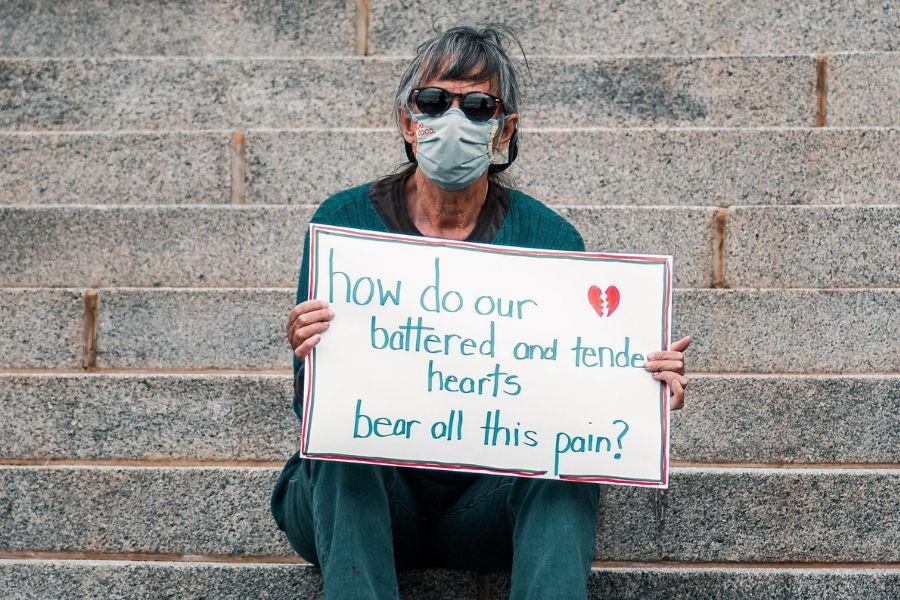
Something that will help you move from a place of feeling helpless and stuck is to protest. You can organize protests in your area or you can join protests that are already scheduled. You don’t have to be a member of an organization to show up. Grab a piece of poster board and some markers and go exercise your First Amendment right. You have the power to enact change. Every action has a ripple effect and if enough people are speaking up and stepping up, change is bound to happen.
We have to do what we can as adults because active shooter drills should not be part of learning to write your name. Calls from school should be because your child has a tummy ache, not because they’re not coming home. Teachers should only need to worry about correcting minor behaviors and teaching math, not how to teach their classroom to barricade a door. America, we have to do better, and the best way to change outcomes is by putting in the work.