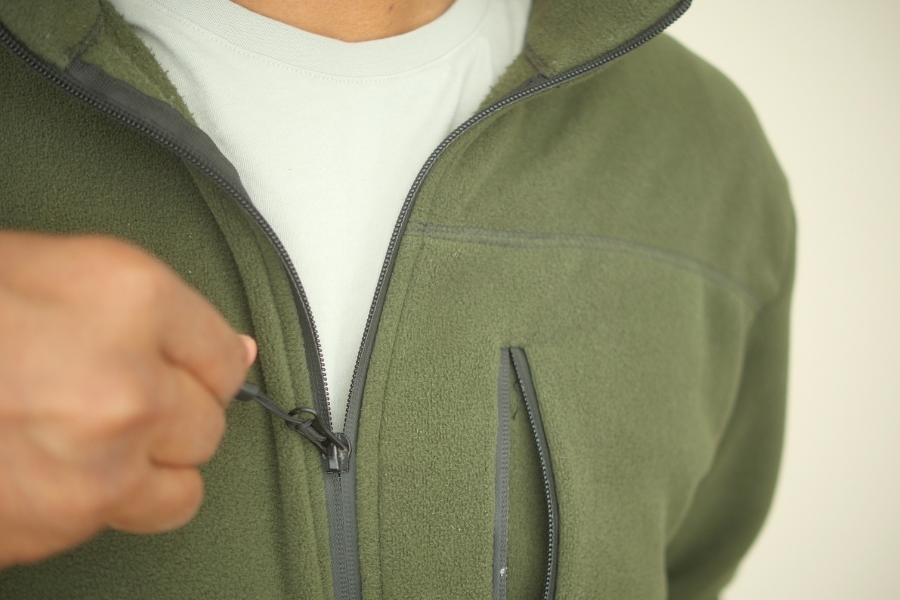
Between clothing, outerwear, handbags, and cushion covers, most of us have no shortage of zippers in our households. They’re so ubiquitous that we probably don’t give them much thought (until one of them stops working properly, of course).
But zippers are surprisingly fascinating, from their storied history to their truly genius design. Veritasium created a video explaining how zippers work, how they were invented, and why so many have the letters “YKK” on them, which you can watch here:
Host Gregor Čavlović starts us off with a remarkable fact: “We’ve made more zippers than there are stars in the Milky Way.” Wow. But how did we get here?
It all began with a not-so-great inventor who knew how to sell an idea
In the late 1800s, American engineer Whitcomb Judson decided that fastening buttons and hooks one by one was entirely too tedious. He came up with a zipper-like device for shoes that would automatically connect hook-and-eye fasteners. He received a patent, but the device didn’t work very well. Still, he didn’t let that minor detail deter him.
“In 1893 at the Chicago World’s Fair, he presented this fastening device as the next big thing, claiming that in no time at all, this would replace buttons and laces,” says Čavlović. “And not just on shoes, but on all sorts of garments. A few wealthy investors actually believed it. So with their backing, the Universal Fastener Company was born.”
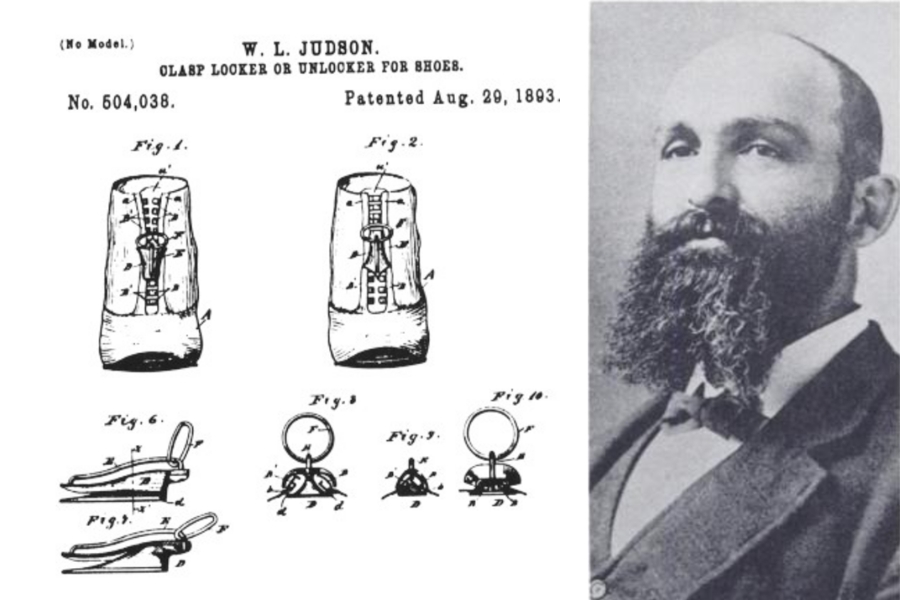
But it would take another decade for a usable zipper-like product to come from Judson’s company. They had made an automatic fastener for women’s skirts, but even that was a bust. The device jammed constantly and couldn’t be washed with the garment, meaning it had to be removed before each wash and sewn back in afterward. The company struggled to retain customers and fell into debt.
How a manager’s “gorgeous” daughter played a major role in the invention of the modern zipper
In 1906, 25-year-old Swedish engineer Gideon Sundback joined Judson’s floundering company. Sundback may or may not have had a particular affinity for fasteners, but he did have an affinity for Elvira, the “absolutely drop-dead gorgeous” daughter of one of the company’s managers.
Sundback took the job to get closer to Elvira, and it worked. They fell in love and married, and in the meantime, Sundback made minor improvements to Judson’s fastener design. Tragically, Elvira fell ill and died soon after giving birth to their daughter. Sundback was devastated.
To deal with his grief, he threw himself into his work. He eventually tossed Judson’s fastener idea completely and came up with a “separable fastener” design of his own. Patented in 1914, Sundback’s design is nearly identical to zippers today.
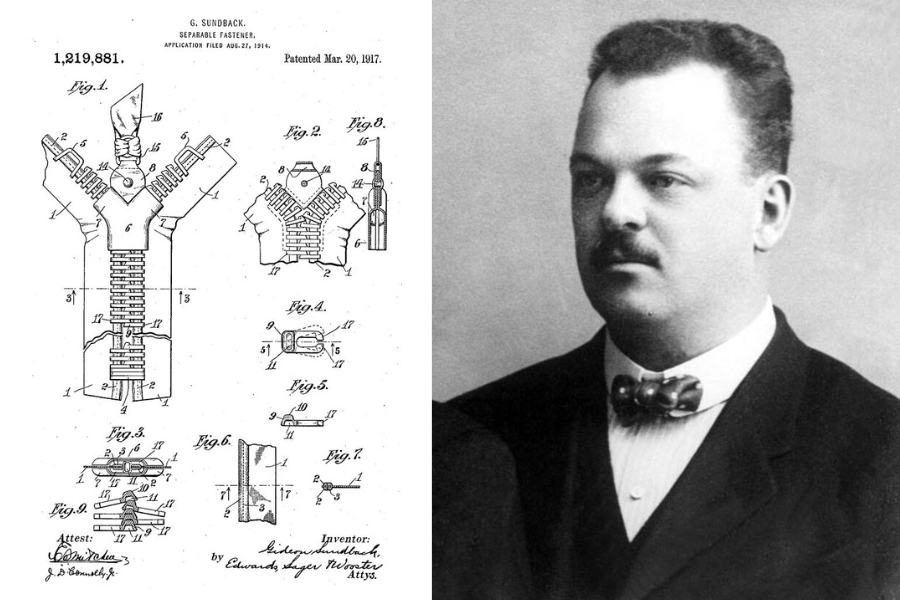
How a zipper (aka “the hookless hooker”) actually works
Sundback’s design was fairly simple, but ingenious—so ingenious, in fact, that manufacturing capabilities at the time were no match for it. He also had to design the machinery to produce the zipper.
(You really have to watch the video to see how the machine was designed and how a zipper works. The folks at Veritasium even created a large-scale model to make the mechanism easier to see.)
Finally, the Universal Fastener Company had created a commercially viable product. They initially called it a “hookless hooker,” which, thankfully, lasted only a blip. They ultimately went with a less eyebrow-raising name: the “hookless fastener.”
The word “zipper” actually came from B.F. Goodrich Company (yes, the tire company), after it used the fastener in rubber boots it manufactured. It called them Zipper boots, after the “zip” sound they made when used. The boots were a hit, and the name stuck—eventually becoming the common term for the hookless fastener.
What’s the deal with “YKK” being on so many zipper pulls?
If you check the zippers in your home, there’s a good chance you’ll find the letters “YKK” on many of the pull tabs. Why?
YKK stands for Yoshida Kōgyō Kabushikikaisha, the Japanese company that manufactures more zippers than any other in the world—close to 10 billion each year. YKK is the undisputed G.O.A.T. of zippers.
That story began in 1933 with Tadao Yoshida, a salesman in Japan whose company had gone under. He found a pile of unsold zippers among the company’s leftover inventory, bought them, and started his own zipper business.
His goal was to make zippers that never failed. That foresight into how frustrating an unreliable zipper is for a consumer proved invaluable. After some setbacks that could have ended his business ambitions, Yoshida became the leading manufacturer of zippers in the world. And he kept on honing the quality and efficiency of the manufacturing process, eventually bringing every part of the process in-house.
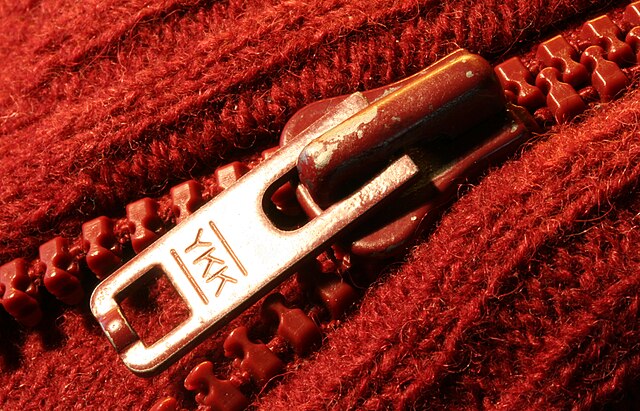
Yoshida had created a zipper juggernaut. Today, YKK makes over 7,000 types of zippers and dominates the global zipper market. It also operates under an endearing philosophy referred to as “The Cycle of Goodness,” which basically boils down to: “No one prospers without rendering benefit to others.”
Who knew the basic zipper had such a fascinating history?
You can follow Veritasium on YouTube for more fascinating insights into innovation and ideas.