Imagine getting a phone call out of the blue from a stranger offering you $26 million for part of your farm.
For most of us, that would be a life-changing, champagne-popping, are-you-serious-right-now? moment. But for 82-year-old Ida Huddleston of Mason County, Kentucky, it was something else entirely: an insult dressed up in dollar signs.
Ida’s answer? A hard no, and trust me, she didn’t lose a wink of sleep over it.
A legacy that can’t be bought
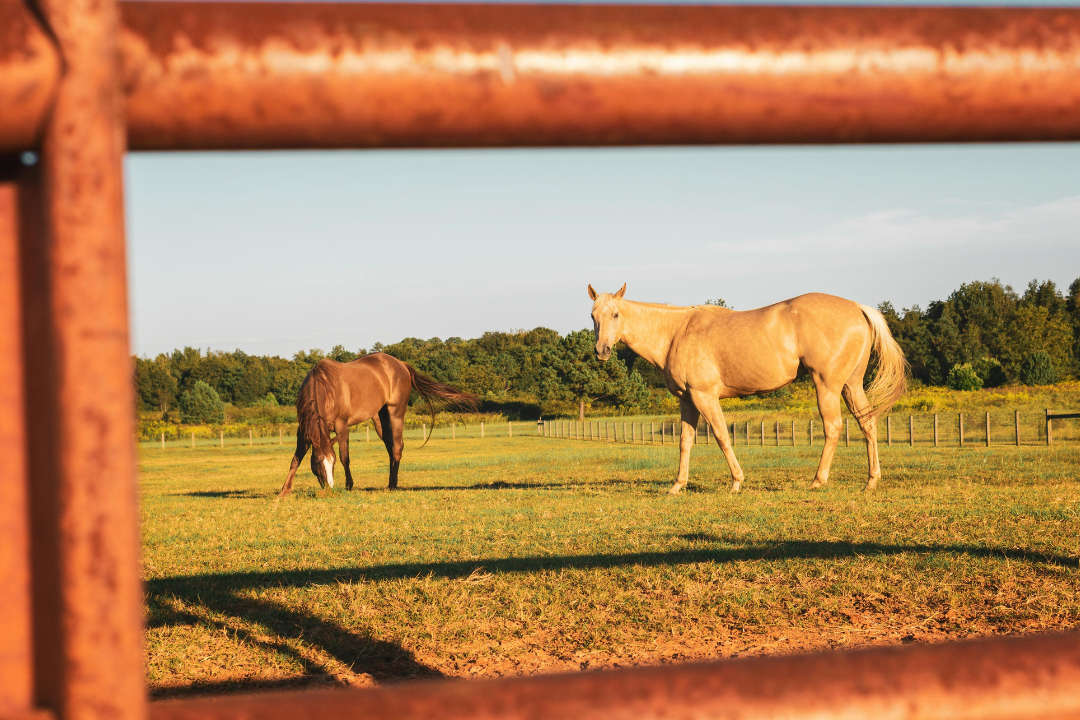
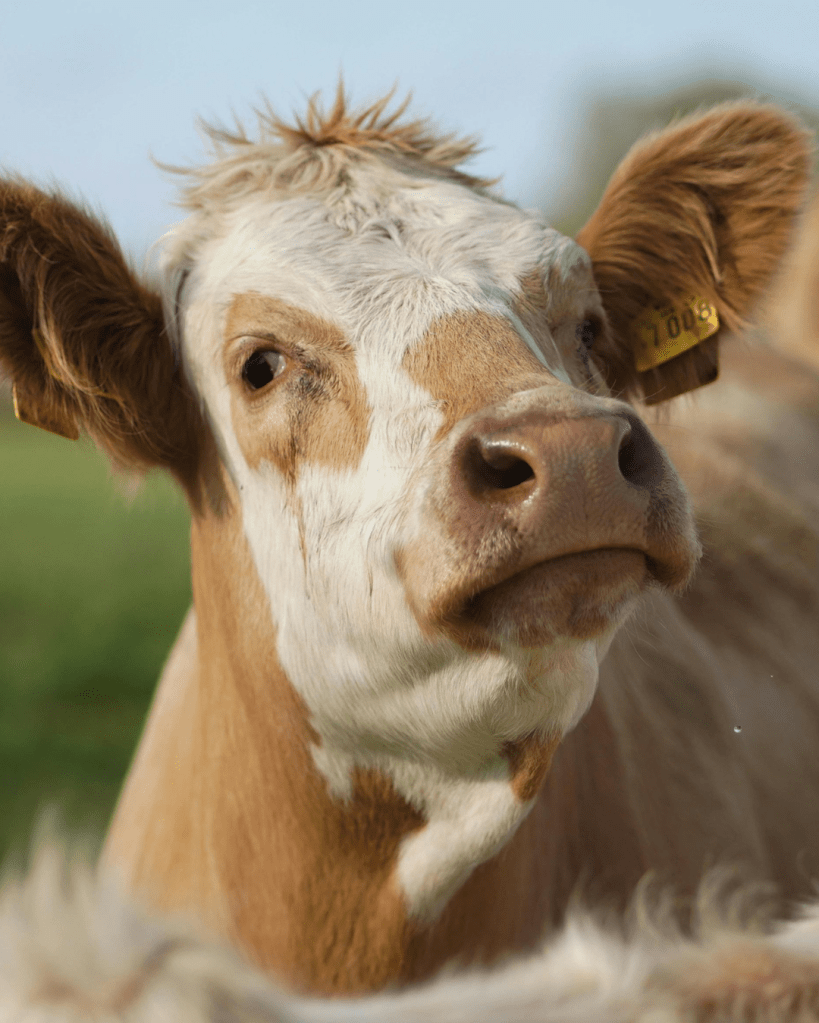
Ida is a part of the Huddleston family, who have farmed this land for 200 years. That’s two centuries of early mornings, muddy boots, and honest work. Over generations, they’ve raised cattle, grown soybeans, and planted corn on their 1,200-acre property outside Maysville.
But it’s not just land stewardship. During the Great Depression—when jobs disappeared and families lined up just to get a meal—the Huddlestons grew wheat. They helped keep bread lines operating across America when people had almost nothing left. This land didn’t just feed the family; it fed the nation.
So when a representative from an unnamed Fortune 100 tech company offered $60,000 per acre—about ten times the current market rate—Ida’s daughter, Delsia Bare, simply said: “Stay and hold and feed a nation. $26 million doesn’t mean anything.”
Notice the wording. She didn’t say “nothing.” She said $26 million doesn’t mean anything.
The tech giant at the door
The company that offered $26 million for the Huddlestons’ property has never revealed its identity; local officials were required to sign non-disclosure agreements just to learn who was making the offer.
What we do know: The company planned to convert half of the Huddleston farm into a large “hyperscale” AI data center campus covering 2,000 acres outside Maysville. These facilities are enormous. They devour electricity. And a single ginormous data center can consume up to five million gallons of water per day: roughly what a city of 50,000 people uses.
However, the company did promise this: 400 permanent jobs in exchange for community support. Ida wasn’t buying it.
“They call us old, stupid farmers, you know, but we’re not,” she told WKRC-TV. “We know whenever our food is disappearing, our lands are disappearing, and we don’t have any water, and that poison. Well, we know we’ve had it.”
She called it a scam. And to be honest, the repeated pressure campaigns—multiple offers, persistent calls, and what she described as “mind harassment”—don’t exactly reflect good faith.
A community that agrees
Ida isn’t a lone voice in the wilderness here. Since 2017, Mason County has lost one-fifth of its farms. Neighbors throughout the region share her concerns about what an industrial mega-campus would do to their rural way of life: their water, their soil, their sense of home.
And they’re fighting back.
A grassroots group called “We Are Mason County” has filed a lawsuit claiming the county’s zoning laws lack a proper legal framework for data centers. Their attorney noted that approving this rezoning would directly conflict with the county’s comprehensive land-use plan.
In other words, this isn’t over.
What this land means
For Ida, the decision was never really about money.
Her late husband built their house with his own hands. She feels his presence every time she walks the fields. The land holds her family’s past and, she hopes, their future.
“I said, ‘No, mine is priceless.’ What I’ve got here, I want to pass it down. What God told me to do was to keep it until I was through with it and then pass it on to the next generation,” she told WXIX-TV.
In an era when everything seems to have a price—and the biggest tech companies in the world have the resources to buy nearly anything—there’s something quietly remarkable about a woman who simply says: no, not this.
Ida says she intends to die on that land, on her own terms, surrounded by 200 years of family history.
Some things really are priceless.