upworthy
Add Upworthy to your Google News feed.
Google News Button
Shopping

4 Best hair growth products to help with thinning hair

Discover the top hair growth products designed to combat thinning and promote healthier, fuller hair.

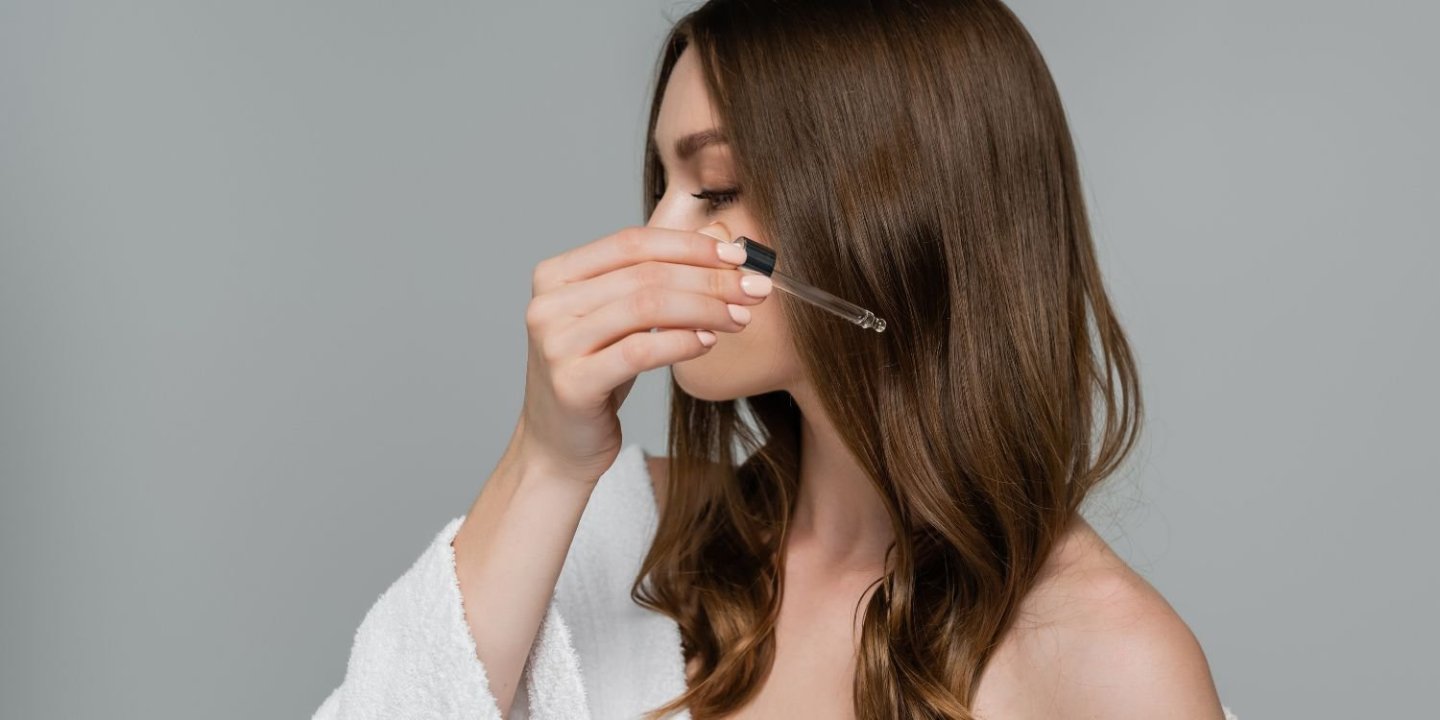
Close-up of hair strands, highlighting products to combat hair thinning and promote regrowth.

Discover the best products designed to combat hair thinning and promote regrowth.

Upworthy may receive a percentage of revenue from products purchased through this article.


Whether due to androgenetic alopecia, stress, or other factors, experiencing hair loss or thinning can be distressing. Fortunately, innovative hair loss treatment plans can help rejuvenate hair follicles and promote fuller, healthy-looking hair. Join us as we explore the top four products designed to combat hair loss, shedding, and dry scalps and stimulate hair growth.


Summary of the Best Hair Growth Products

  1. Best Overall: Hers Hair Blends
  2. Most Customized: Happy Head Custom Hair Regrowth Plan
  3. Best for Hair Growth: Unveil The Essentials Kit
  4. Best for Men: Keeps Hair Loss Treatment for Men

What Causes Hair Loss?

There are many possible causes of hair loss, including:

  • Androgenetic alopecia (male- or female-pattern baldness)
  • Pregnancy, menopause, or thyroid issues
  • Alopecia areata and other medical conditions
  • Scalp infections, flaky scalp, and other scalp conditions
  • Chemotherapy and certain medications
  • Physical/emotional stress
  • Heated tools and chemical styling products
  • Nutrient deficiencies

Best Hair Products for Treating Hair Loss

1. Best Overall: Hers Hair Blends
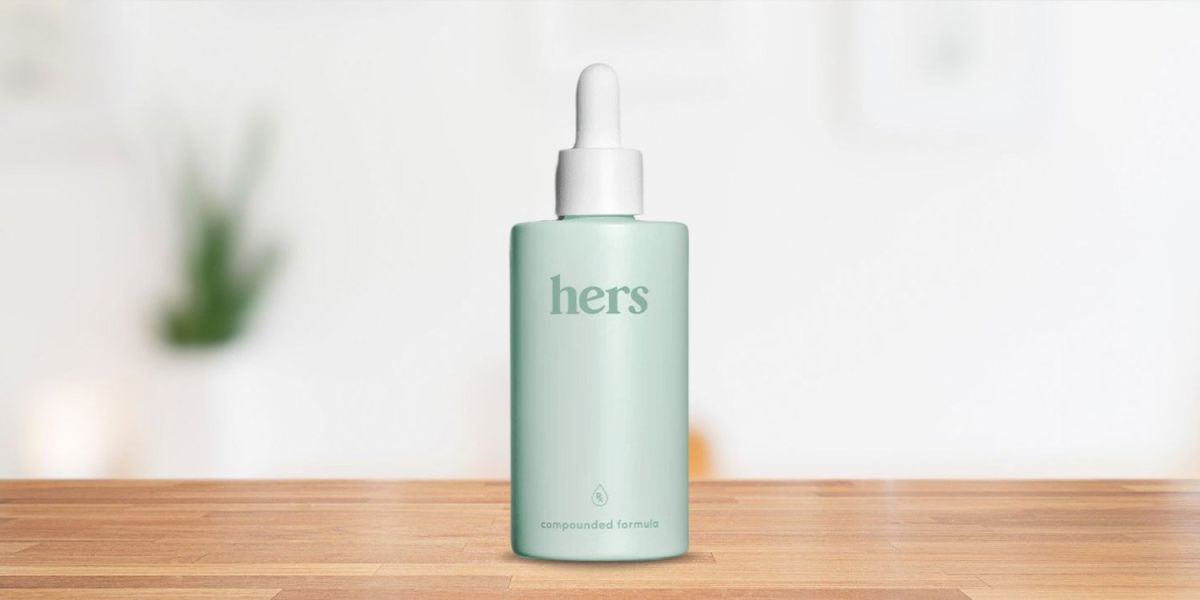

Hers Hair Blends product, a top choice for combating hair thinning and promoting growth.Hers Hair Blends - Best overall hair growth product for fuller, healthier hair.Hers

What we love:

Hers Hair Blends are a game-changer for women with all hair types seeking effective hair growth solutions. One of the key ingredients, minoxidil, stimulates blood circulation to the hair follicles, promoting healthy hair growth*. From topical solutions to oral treatment options, Hers offers access to a variety of reliable choices for combating hair thinning and hair loss.

Pros:

  • For all hair types
  • Dermatologist trusted ingredients
  • Includes hair vitamins to support healthy hair
  • Proven to show hair regrowth in just 3-6 months.*

Cons:

  • Consistent use required

Specs:

  • Size: 2 ounces (scalp serum)
  • Key ingredients: Minoxidil

Learn more about Hers Hair Blends today!

*Results vary. Based on separate individual studies of oral minoxidil and oral finasteride.

Hers Hair Blends are compounded products and have not been approved by the FDA. The FDA does not verify the safety, effectiveness, or quality of compounded drugs.

Prescription products require an online consultation with a healthcare provider who will determine if a prescription is appropriate. Restrictions apply. See website for full details and important safety information

2. Most Customized: Happy Head Custom Hair Regrowth Plan
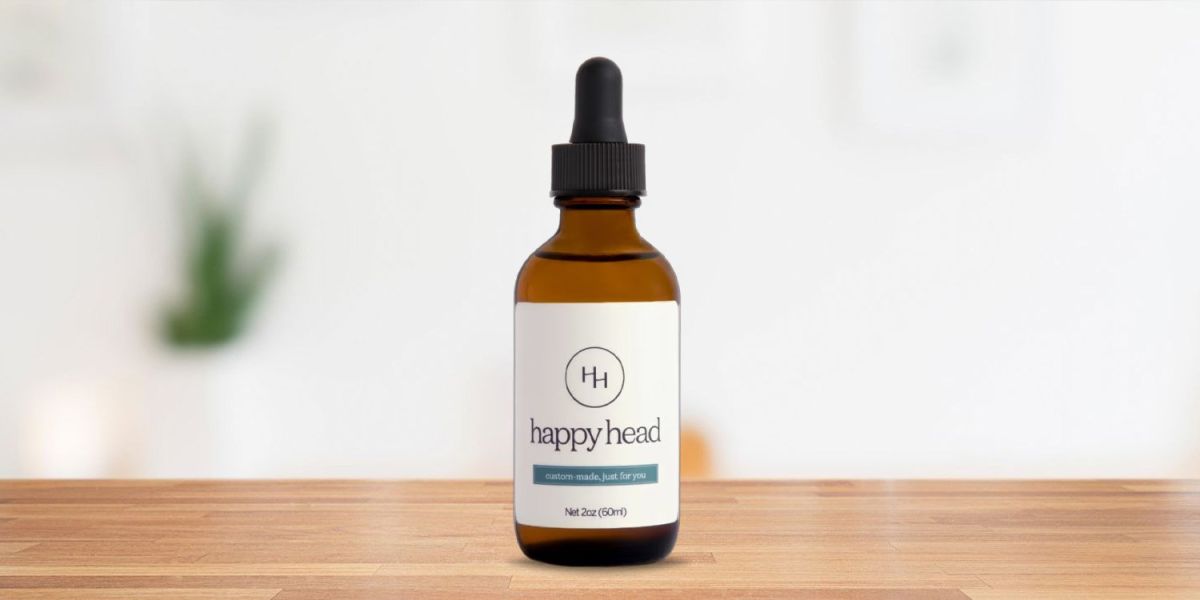

Happy Head Custom Hair Regrowth Plan, offering personalized treatment for hair loss.Happy Head - Most customized hair regrowth plan tailored to individual needs.Happy Head

What we love:

Happy Head Custom Hair Regrowth Plan takes a personalized approach to tackling hair loss. Its powerful ingredients include finasteride, spironolactone, minoxidil, retinoic acid, and hydrocortisone. The combination of expert formulation and ongoing support from a board-certified dermatologist makes it a top choice for those seeking healthy hair growth.

Pros:

  • Suitable for men and women
  • Topical and oral treatment options
  • Consultations with a board-certified dermatologist

Cons:

  • Prescription required

Specs:

  • Size: 2 ounces (scalp serum)
  • Key ingredients: Finasteride, spironolactone, minoxidil, retinoic acid, hydrocortisone

Learn more about Happy Head Custom Hair Regrowth Plan today!

3. Best for Hair Growth: Unveil The Essentials Kit
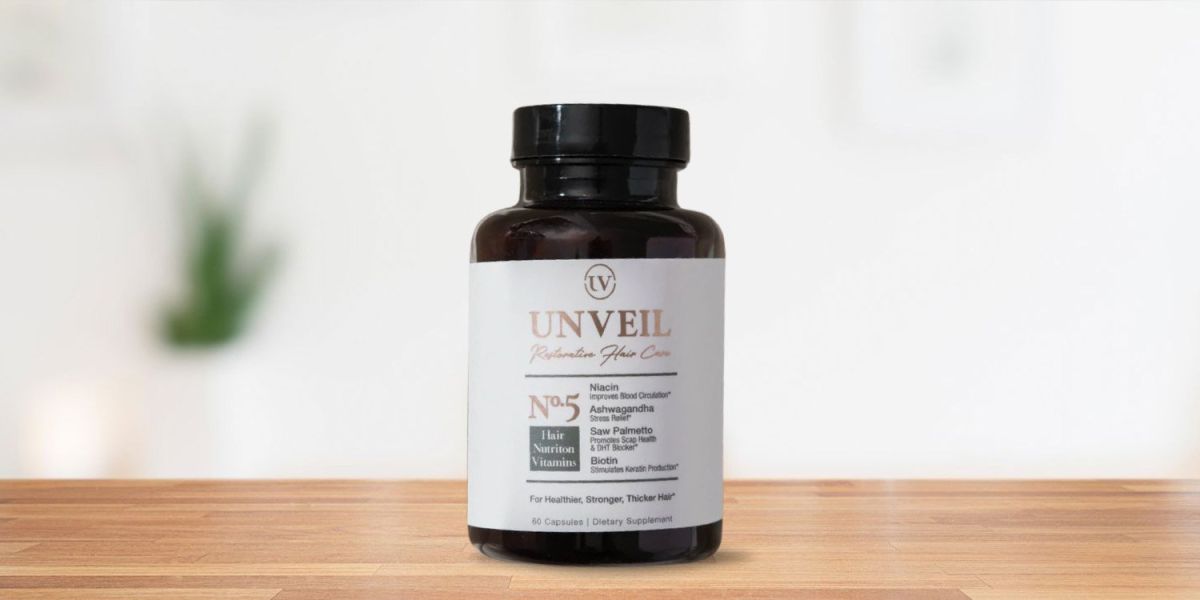

Unveil The Essentials Kit, a top product for promoting hair regrowth.Unveil The Essentials Kit - Best for promoting strong and healthy hair growth.Unveil

What we love:

The Essentials Kit by Unveil offers a comprehensive approach to hair loss treatment, using natural ingredients to promote hair growth and scalp health. The No.3 Thicker Hair Serum enhances density and vitality. The No.0 Scalp Renewal Brush stimulates blood flow to hair follicles, boosting hair growth. Lastly, the No.5 Hair Nutrition Supplements provide essential vitamins to support healthy hair, skin, and nails.

Pros:

  • Comprehensive hair and scalp care
  • Gluten-, soy-, and gelatin-free
  • Formulated with natural ingredients

Cons:

  • Consistent use required

Specs:

  • Size: 1 ounce (scalp serum); 60 count (capsules)
  • Key ingredients: Niacin, ashwagandha, saw palmetto, biotin

Learn more about Unveil The Essentials Kit today!

4. Best for Men: Keeps Hair Loss Treatment for Men
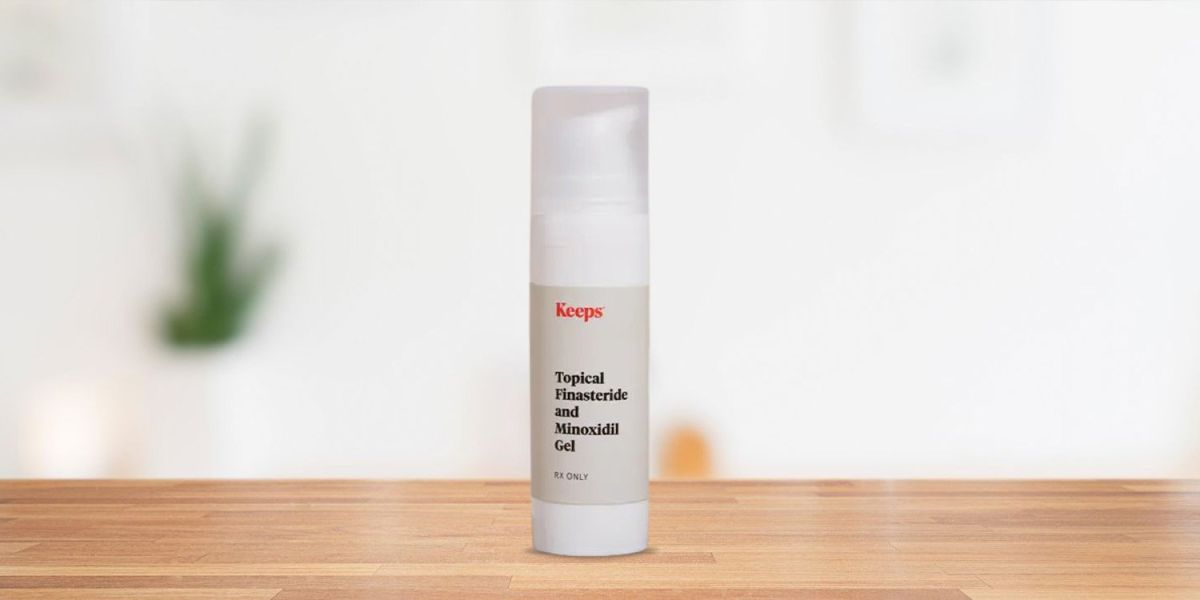

Keeps Hair Loss Treatment for Men, specifically designed to combat male-pattern baldness.Keeps Hair Loss Treatment - Best hair loss treatment plan for men experiencing thinning hair.Keeps

What we love:

Keeps Hair Loss Treatment for Men provides a streamlined, effective solution for hair loss and thinning with clinically proven treatment plans and expert support. Its FDA-approved formulas include finasteride and minoxidil and boast a 90% effectiveness rate. Keeps ensures personalized care through a free consultation with a board-certified dermatologist and treatment plan adjustments.

Pros:

  • High effectiveness rate
  • Unlimited provider access for one year
  • Flexible delivery options

Cons:

  • Requires ongoing commitment

Specs:

  • Size: 90 count (capsules); 2.11 ounces (foam)
  • Key ingredients: Finasteride, minoxidil

Learn more about Keeps Hair Loss Treatment for Men today!

Finding the Best Hair Growth Products for Your Hair Loss

Finding the right scalp serum or treatment for your hair loss can be challenging. Here’s what to look for:

Price

The best hair growth serum is affordable without compromising quality.

Customer Reviews

Customer reviews give insight into a product's effectiveness and ease of use. Avoid options with many reported side effects and unfavorable reviews.

Active Ingredients

The best hair growth serum products are physician-formulated with nourishing ingredients that support new hair growth.

Ingredients Good for Hair Growth

Choosing the right ingredients is crucial for effective hair loss treatment. Here are some key ingredients to look for:

Minoxidil

Found in many of the best hair growth serums, minoxidil helps protect hair follicles and add volume by extending the growth phase of the hair cycle.

Biotin

Used in many hair loss treatments, Biotin reduces hair shedding and strengthens the hair shaft.

Saw Palmetto

Saw palmetto blocks DHT, a hormone linked to hair loss, and can help reduce hair thinning and loss.

Potential Benefits of Using Hair Growth Products

Using hair growth products can yield several benefits, helping to combat hair loss and improve overall scalp and hair health:

Reverse Hair Loss

The best hair growth serum products include powerful ingredients that target the root causes of hair loss and hair thinning to promote new growth.

Enhanced Hair Strength

Hair growth products strengthen hair, resulting in less breakage and shedding, making your hair look fuller and healthier.

Improved Confidence

Using hair growth treatments can significantly boost your confidence after hair loss. Seeing improvements in hair density can make you feel better about your appearance.

Potential Side Effects of Using Hair Growth Products

While hair growth products can be highly effective, they may also come with potential side effects for both men and women, including:

  • Skin/scalp irritation
  • Allergic reactions
  • Hormonal changes
  • Interactions with other medications/supplements

FAQ

How do hair growth products work?

Most supplements and scalp serums stimulate follicular circulation, promoting hair growth and improving hair density.

Are hair growth products safe?

Most are safe when used as directed. However, men and women must choose products formulated for their hair loss needs and be aware of potential side effects.

How long do results take after using hair growth products?

Results typically start to appear after three to six months of consistent use. The exact timeframe can vary based on hair loss severity and individual factors.

Conclusion

Choosing the right hair growth product is essential for addressing thinning hair and hair loss. The products above offer effective hair follicle stimulation to promote healthy growth. By incorporating these treatments into your hair care routine, you can achieve thicker, fuller hair.


Related Content

    Once a refugee seeking safety in the U.S., Anita Omary is using what she learned to help others thrive.
    Pictured here: Anita Omary; her son, Osman; and Omary’s close friends
    Pictured here: Anita Omary; her son, Osman; and Omary’s close friends
    True

    In March 2023, after months of preparation and paperwork, Anita Omary arrived in the United States from her native Afghanistan to build a better life. Once she arrived in Connecticut, however, the experience was anything but easy.

    “When I first arrived, everything felt so strange—the weather, the environment, the people,” Omary recalled. Omary had not only left behind her extended family and friends in Afghanistan, she left her career managing child protective cases and supporting refugee communities behind as well. Even more challenging, Anita was five months pregnant at the time, and because her husband was unable to obtain a travel visa, she found herself having to navigate a new language, a different culture, and an unfamiliar country entirely on her own.


    “I went through a period of deep disappointment and depression, where I wasn’t able to do much for myself,” Omary said.

    Then something incredible happened: Omary met a woman who would become her close friend, offering support that would change her experience as a refugee—and ultimately the trajectory of her entire life.

    Understanding the journey

    Like Anita Omary, tens of thousands of people come to the United States each year seeking safety from war, political violence, religious persecution, and other threats. Yet escaping danger, unfortunately, is only the first challenge. Once here, immigrant and refugee families must deal with the loss of displacement, while at the same time facing language barriers, adapting to a new culture, and sometimes even facing social stigma and anti-immigrant biases.

    Welcoming immigrant and refugee neighbors strengthens the nation and benefits everyone—and according to Anita Omary, small, simple acts of human kindness can make the greatest difference in helping them feel safe, valued, and truly at home.

    A warm welcome

    Dee and Omary's son, Osman

    Anita Omary was receiving prenatal checkups at a woman’s health center in West Haven when she met Dee, a nurse.

    “She immediately recognized that I was new, and that I was struggling,” Omary said. “From that moment on, she became my support system.”

    Dee started checking in on Omary throughout her pregnancy, both inside the clinic and out.

    “She would call me and ask am I okay, am I eating, am I healthy,” Omary said. “She helped me with things I didn’t even realize I needed, like getting an air conditioner for my small, hot room.”

    Soon, Dee was helping Omary apply for jobs and taking her on driving lessons every weekend. With her help, Omary landed a job, passed her road test on the first attempt, and even enrolled at the University of New Haven to pursue her master’s degree. Dee and Omary became like family. After Omary’s son, Osman, was born, Dee spent five days in the hospital at her side, bringing her halal food and brushing her hair in the same way Omary’s mother used to. When Omary’s postpartum pain became too great for her to lift Osman’s car seat, Dee accompanied her to his doctor’s appointments and carried the baby for her.

    “Her support truly changed my life,” Omary said. “Her motivation, compassion, and support gave me hope. It gave me a sense of stability and confidence. I didn’t feel alone, because of her.”

    More than that, the experience gave Omary a new resolve to help other people.

    “That experience has deeply shaped the way I give back,” she said. “I want to be that source of encouragement and support for others that my friend was for me.”

    Extending the welcome

    Omary and Dee at the Martin Luther King, Jr. Vision Awards ceremony at the University of New Haven.

    Omary is now flourishing. She currently works as a career development specialist as she continues her Master’s degree. She also, as a member of the Refugee Storytellers Collective, helps advocate for refugee and immigrant families by connecting them with resources—and teaches local communities how to best welcome newcomers.

    “Welcoming new families today has many challenges,” Omary said. “One major barrier is access to English classes. Many newcomers, especially those who have just arrived, often put their names on long wait lists and for months there are no available spots.” For women with children, the lack of available childcare makes attending English classes, or working outside the home, especially difficult.

    Omary stresses that sometimes small, everyday acts of kindness can make the biggest difference to immigrant and refugee families.

    “Welcome is not about big gestures, but about small, consistent acts of care that remind you that you belong,” Omary said. Receiving a compliment on her dress or her son from a stranger in the grocery store was incredibly uplifting during her early days as a newcomer, and Omary remembers how even the smallest gestures of kindness gave her hope that she could thrive and build a new life here.

    “I built my new life, but I didn’t do it alone,” Omary said. “Community and kindness were my greatest strengths.”

    Are you in? Click here to join the Refugee Advocacy Lab and sign the #WeWillWelcome pledge and complete one small act of welcome in your community. Together, with small, meaningful steps, we can build communities where everyone feels safe.

    This article is part of Upworthy’s “The Threads Between U.S.” series that highlights what we have in common thanks to the generous support from the Levi Strauss Foundation, whose grantmaking is committed to creating a culture of belonging.

    Pop Culture

    James Van Der Beek's realization about his identity after cancer has people pondering

    "I had to look my own mortality in the eye," said the Dawson's Creek alum. "I had to come nose to nose with death."

    james van der beek
    Photo credits: SANSIERRASTUDIO (left) Super Festivals from Ft. Lauderdale, USA (right)

    James Van Der Beek in 2010 and 2023

    There's nothing like a brush with death to make you reflect on your life. It's so easy for all of us to get caught up in the day-to-day details of living and not take the time to ponder the deeper elements of existence, from the nature of the universe to the meaning of life to our own individual role in the big picture.

    Existential questions can sometimes feel overwhelming, but actor James Van Der Beek shared a thoughtful 48th birthday message with his own life reflection after facing cancer, and it distills a lot of the angst of those questions into a simple yet profound answer that's hitting home with people.


    Van Der Beek, who starred in the millennial favorite Dawson's Creek, announced he'd been diagnosed with stage 3 colorectal cancer in 2024 at age 47. He and his wife, Kimberly, have six children, and in a video shared on social media, Van Der Beek shared the progression from his somewhat unfulfilling identity as an actor to "the ultimate" identity as a husband and father prior to his cancer diagnosis.

    "I could define myself as a loving, capable, strong, supportive husband, father, provider, steward of the land that we're so lucky to live on," he said. "And for a long time, that felt like a really good definition of the question, 'Who am I? What am I?'"

    "And then this year, I had to look my own mortality in the eye," he continued. "I had to come nose to nose with death. And all of those definitions that I cared so deeply about were stripped from me. I was away for treatment, so I could no longer be a husband who is helpful to my wife. I could no longer be a father who could pick up his kids and put them to bed and be there for them. I could not be a provider because I wasn't working. I couldn't even be a steward of the land because at times I was too weak to prune all the trees during the window that you're supposed to prune them."

    He found himself facing the question: "If I am just a too-skinny, weak guy, alone in an apartment, with cancer, what am I?"

    So often we define ourselves by our roles in life or by what we do, but what if those things change? Who are we when it's just us, alone, with nothing external to anchor us to a particular identity?

    "And I meditated and the answer came through," Van Der Beek shared. "I am worthy of God's love, simply because I exist. And if I'm worthy of God's love, shouldn't I also be worthy of my own? And the same is true for you."

    I offer that to you however it sits in your consciousness. However it resonates, run with it," he said. "And if the word God trips you up, I certainly don't know or claim to know what God is or explain God. My efforts to connect to God are an ongoing process that is a constant unfolding mystery to me. But if it's a trigger or if it feels too religious you can take the word 'God' out and your mantra can simply be 'I am worthy of love.' Because you are."


    Van Der Beek's sincere, warm delivery and universal message of love and worth hit home for a lot of people. Fellow celebrities and fans alike praised and thanked him for it:

    "Happy birthday brother. This was absolutely beautiful 💜🙏🏻💜," wrote singer Chris Daughtry.

    "You’re a gift to this earth and I’m grateful to know you even if it’s just through IG. Greatly admire the graceful way you share and happy you made it around the Sun again," wrote New Kids on the Block's Joey McIntyre.

    The Sopranos' Jamie-Lynn Sigler wrote, "That is it James. That is it. And you my friend are love. A steward of love. A teacher of love !❤️. We love you !!"

    "I watched this with Bodhi with tears in our eyes and Bodhi said 'that was really touching' thanks for being love James and sharing that with everyone, ❤️" added actor Teresa Palmer.

    Battlestar Galactica reboot's Katee Sackhoff wrote, "Thank you for your vulnerability and wisdom ❤️ Amen!'

    "You are such a special soul. You are pure love my friend," added actor Nikki Reed. "Worthy of it all… hoping to hug all of you soon. Happy birthday❤️❤️❤️"

    Some people took issue with Van Der Beek saying people could remove the word "God" from the message if they wanted to, but the reality is that not everyone has positive feelings about God or religion, and some have even been deeply hurt by people weaponizing them. Van Der Beek making a message of love more universal so that everyone can take it in and benefit from it without barriers or hang-ups is part of what makes it so beautiful. He was able to express his own religious/spiritual experience without shying away from the terminology that was true for him, while also making sure that his message was accessible to everyone regardless of faith or belief.

    Perhaps we can all take a lesson from Van Der Beek's sincere, open, and balanced approach as well.

    Celebrity

    James Van Der Beek shared his hopes for the spring weeks before his death, and it's beautiful

    Funny, clever, and profound in a way only Van Der Beek could pull off.

    james van der beek, james van der beek death, james van der beek cancer, cancer, colorectal cancer, cancer treatment
    John E. Manard/Wikipedia

    James Van Der Beek speaking at Galaxy Con.

    James Van Der Beek, best known for his roles in Dawson's Creek and Varsity Blues, has died at the age of 48 after a journey with stage 3 colorectal cancer.

    Since November of 2024, the actor has been open about some of the struggles he’s faced with the diagnosis, including having to sell off much of his iconic memorabilia to pay off his cancer treatment.


    And yet, Van Der Beek still left the world on perhaps a grounded, somewhat hopeful note, as indicated by the undeniably profound message he made in an Instagram video, posted a mere few weeks before his death.

    Using his signature down-to-earth, friendly sense of humor, Van Der Beek spoke directly to the camera as he asked the essential question: “Why are we celebrating a new year in the dead of winter? Why are we celebrating new beginnings at a time when nature rests?"

    “Animals are hibernating, birds fly south for the winter,” he continued. “The time to celebrate new beginnings, and a new year, and a new you and a new resolution is spring at the vernal equinox, when the flowers bloom and it gets warmer and the birds return.”

    He then quipped that the Gregorian calendar, which marks a new year in the winter, goes against nature, and therefore makes “absolutely no sense.”

    “In the winter, the days are shorter and the nights are longer,” he wrote in his caption. “But instead of being reminded how perfect this season is for cocooning, eating stew, snuggling and sleeping… why are we being told this is the time to buy a gym membership?”

    So, to anyone having trouble keeping to those New Year’s resolutions, Van Der Beek assured, “I don’t think it’s your fault” and offered a different solution: viewing spring as the start of the new year.

    “I’m gonna say screw it,” he said. “I’m gonna take the winter to recover, to rest and I’m gonna make New Year’s resolutions in the spring. Who’s with me?”

    Obviously, the video hits differently now…the optimism a little bittersweet. But it's nonetheless a huge testament to how he “met his final days with courage, faith, and grace,” as his wife Kimberly Van Der Beek wrote.

    “There is much to share regarding his wishes, love for humanity and the sacredness of time,” she added.

    It’s wisdom that still rings true. We can force ourselves to go against nature. Or we can follow in Van Der Beek’s footsteps and give ourselves the grace to let nature work through us, to trust in our inherent worthiness, and to take time to heal. This is just one of many wonderful contributions that he’s given to us all, and he will be deeply missed.

    quiet, finger over lips, don't talk, keep it to yourself, silence

    A woman with her finger over her mouth.

    It can be hard to stay quiet when you feel like you just have to speak your mind. But sometimes it's not a great idea to share your opinions on current events with your dad or tell your boss where they're wrong in a meeting. And having a bit of self-control during a fight with your spouse is a good way to avoid apologizing the next morning.

    Further, when we fight the urge to talk when it's not necessary, we become better listeners and give others a moment in the spotlight to share their views. Building that small mental muscle to respond to events rather than react can make all the difference in social situations.


    argument, coworkers, angry coworkers, hostile work enviornment, disagreement A woman is getting angry at her coworker.via Canva/Photos

    What is the WAIT method?

    One way people have honed the skill of holding back when they feel the burning urge to speak up is the WAIT method, an acronym for the question you should ask yourself in that moment: "Why Am I Talking?" Pausing to consider the question before you open your mouth can shift your focus from "being heard" to "adding value" to any conversation.

    The Center for The Empowerment Dynamic has some questions we should consider after taking a WAIT moment:

    • What is my intention behind what I am about to say?
    • What question can I ask to better understand what the other person is saying?
    • Is my need to talk an attempt to divert the attention to me?
    • How might I become comfortable with silence rather than succumb to my urge to talk?

    tape over muth, sielnce, be quiet, mouth shut, saying nothing A man with tape over his mouth.via Canva/Photos

    The WAIT method is a good way to avoid talking too much. In work meetings, people who overtalk risk losing everyone's attention and diluting their point to the extent that others aren't quite sure what they were trying to say. Even worse, they can come across as attention hogs or know-it-alls. Often, the people who get to the heart of the matter succinctly are the ones who are noticed and respected.

    Just because you're commanding the attention of the room doesn't mean you're doing yourself any favors or helping other people in the conversation.

    The WAIT method is also a great way to give yourself a breather and let things sit for a moment during a heated, emotional discussion. It gives you a chance to cool down and rethink your goals for the conversation. It can also help you avoid saying something you regret.

    fight, spuse disagreement, communications skills, upset husband, argument A husband is angry with his wife. via Canva/Photos

    How much should I talk in a meeting?

    So if it's a work situation, like a team meeting, you don't want to be completely silent. How often should you speak up?

    Cary Pfeffer, a speaking coach and media trainer, shared an example of the appropriate amount of time to talk in a meeting with six people:

    "I would suggest a good measure would be three contributions over an hour-long meeting from each non-leader participant. If anyone is talking five/six/seven times you are over-participating! Allow someone else to weigh in, even if that means an occasional awkward silence. Anything less seems like your voice is just not being represented, and anything over three contributions is too much."

    Ultimately, the WAIT method is about taking a second to make sure you're not just talking to hear yourself speak. It helps ensure that you have a clear goal for participating in the conversation and that you're adding value for others. Knowing when and why to say something is the best way to make a positive contribution and avoid shooting yourself in the foot.

    gramnesia, millennial, millennial parents, boomers, boomer parents, boomer grandparents, boomer grandparenting
    @millennialmomtherapist/Instagram, Photo credit: Canva

    Millennials coined the term "gramnesia" for Boomer grandparents who have forgotten what it's like raising kids.

    Becoming a grandparent is the dream for many parents who've raised their children into adulthood. After all, there are few things sweeter than getting to spend time with grandkids.

    But many Millennial parents have had many bones to pick with their Boomer parents about their grandparenting skills (or lack thereof). Recently, Millennials have been calling out Boomer grandparents for a number of questionable grandparenting behaviors: from excessive gift giving to completely disappearing.


    And its led one Millennial mom to coin the term "gramnesia" when describing her Boomer parents as grandparents.

    What is "gramnesia"?

    “Gramnesia,” which combines the words “grandparent” and “amnesia,” has been popping up on Reddit discussions for a while now, though the coiner of the term seems unknown. But only recently has it been really gaining traction.

    Back in June of 2024, Maryland-based therapist and mom Allie McQuaid, really brought “gramnesia” to the forefront of the conversation when she made an Instagram video all about it.

    “I just heard this term called ‘gramnesia’ when grandparents forget what it’s really like having young kids and I can’t stop thinking about how accurate it is,” she said in the clip.

    In her caption, McQuaid shared how so many of her clients would get “slammed” by their parents about how different (i.e. “easier”) raising kids was for them whenever they brought their own children around.

    These hyperbolic memories are, as McQuaid put it, so “ridiculous” that they've clearly “forgot[ten] what it was really like in those early years of parenthood.”

    @selahvictor

    Millennial Moms have you experienced this?! I swear every time I ask my Mom about a parenting struggle, she's like "what are you talking about?" SHE HAS GRAMNESIA😂😂Disclaimer: my Mom had 8 kids, so maybe she just was way more of an expert than me😜Also if you made it to the end, this is probably why it was easier for that generation too (and why I'm a great sleeper!)😂 #boomers #millenialmom #millennial #boomermom #parentinghelp #momof8 #selahvictor #lamom #gramnesia

    Examples of “gramnesia” statements

    “You never had tantrums when you were a kid.”

    “I potty trained you before you were one.”

    “You were always happy to eat whatever we fed you.”

    “You were spanked and turned out fine!”

    Clearly, McQuaid’s video struck a chord, because it wasn’t long before people begin chiming in with their own stories of gramnesia:

    “My MIL, over the years, loved to act like her children were perfect growing up. I love to tell the stories of her son (my hubby) getting into all kinds of trouble as a kid - oh the shock.”

    *Baby makes any kind of noise* Grandma: "Oh they must be teething!" Me : "Umm she's 4 months old, She isn't teething yet - just has feelings and is you know - A BABY" grandma: ‘well my kids had all their teeth by 4 months’ 😐🤨”

    “5 months old and not sleeping through the night? Did you try rice cereal? Baby not walking ? Rice cereal. Baby not in college yet? Have you tried rice cereal?”

    “Ugh my dad literally just said this to me last week… ‘I don’t remember you guys having this many tantrums’… 🙄 right after my boys were upset.”

    gramnesia, boomer grandparent, boomer grandparents, grandkids, grandparenting Some Boomer grandparents are being called out for "gramnesia".Photo credit: Canva

    Why "gramnesia" exists in the first place

    One is that it could simply be the natural tendency to have a cognitive bias which puts past experiences in a more positive light than they actually were, aka having “euphoric recall.” As she told Huffpost, we tend to have a “foggier memory of how things truly were” as we get older, “especially if the experience we had was particularly difficult or even traumatic.”

    Plus, the first few years of parenthood are often such a blur anyway. McQuaid herself admitted that ”I even have a hard time remembering the first year of motherhood, and that was only four years ago.”

    In addition, McQuaid theorized that gramnesia exists because previous generations “were not given space to express emotions or indicate that they were struggling to adjust to motherhood.” Honestly, a sound hypothesis.

    How to confront Boomer parents about "gramnesia"

    “Check your capacity if you have the space or energy to even consider bringing up your frustration with your parents,” she told Huffpost. “You are likely in the throes of parenting right now, and maybe all you can do is smile and nod after hearing for the 100th time how ‘you were never like this.’”

    However, if you are determined to bring it up and set the record straight, McQuaid suggests to actually keep it centered around you and how the situation makes you feel, rather than combating their memories. So, instead of saying, “That’s NOT how it happened!” try something like, “When you said that I never did X when I was Y’s age, it makes me question how well I’m doing as a parent.” Probably easier said than done, to be sure.

    And while this sore spot might never come to a full resolution for a lot of millennial parents, at least take some solace in knowing that you’re not crazy, nor are you alone.

    This article originally appeared two years ago. It has been updated.

    1990s kids, 1990s parents, lies, '90s nostalgia, old wives tale, '90s kid
    via 90sKid4lyfe/TikTok (used with permission)

    90sKidforLife shares 10 lies everyone's parents told in the era.

    Children believe everything their parents tell them. So, when parents lie to prevent their kids to stop them from doing something dumb, the untruth can take on a life of its own. The lie can get passed on from generation to generation until it becomes a zombie lie that has a life of its own. In 2024, a man named Justin, known as 90sKid4Lyfe on TikTok and Instagram, put together a list of 10 lies parents told their kids in the ‘90s, and the Gen X kids in the comments thought it was spot on.

    “Why was I told EVERY ONE of these?” one commenter, wrote. “I heard all of these plus the classic ‘If you keep making that face, it will get stuck like that,’” another added. After just four days of being posted, the video had been viewed upwards of 250,000 times.


    @90skid4lyfe

    Parents were always lying #90s #90skids #parenting

    Here are Justin’s 10 lies '90s parents told their kids:

    1. "You can't drink coffee. It'll stunt your growth."

    2. "If you pee in the pool, it's gonna turn blue."

    3. "Chocolate milk comes from brown cows."

    4. "If you eat those watermelon seeds, you'll grow a watermelon in your stomach."

    5. "Don't swallow that gum. If you do, it'll take 7 years to come out."

    6. "I told you we can't drive with the interior light on. ... It's illegal."

    7. "Sitting that close to the TV is going to ruin your vision."

    8. "If you keep cracking your knuckles, you're gonna get arthritis."

    8. "You just ate, you gotta wait 30 minutes before you can swim."

    10. "If you get a tattoo, you won't find a job."

    '90s kids, '80s kids, parents, white lies, tattoo, jobs A woman gets a tattoo.Canva Photos

    Eight more lies that parents told their kids in the '90s

    Justin's video was also a hit on Reddit, where many commenters had heard the same lies growing up. However, there were a few more they remembered hearing as kids back in the day. Commenters added eight more items to his list of 10 things that parents lied to their kids about in the '90s. Here are some great ones Justin could use to create a follow-up video:

    "When the ice cream man is playing music, that means he’s all sold out."

    "You'll never make any money messing around with that computer."

    '90s kids, '80s kids, parents, white lies, kids, parenting Boy playing on the computer.Canva Photos

    "Dusty went to live on a farm."

    "You'll go to jail if you take the mattress tag off."

    "My in-laws told my husband (as a child) not to flip the light switch on and off because he would start a fire in the wall that would burn down the house."

    "I was also always told that if I played with the campfire, I would wet the bed that night."

    "Green potato chips are poisonous, and eating raw hot dogs gives you cancer."

    "My mom told me I couldn’t put on the skin transfer tattoo that came with my chewing gum because the tattoo had drugs in it."

    This post originally appeared last year. It has been updated.