A Texas dad gave a heart-wrenching speech about his trans son. It's a must-see.

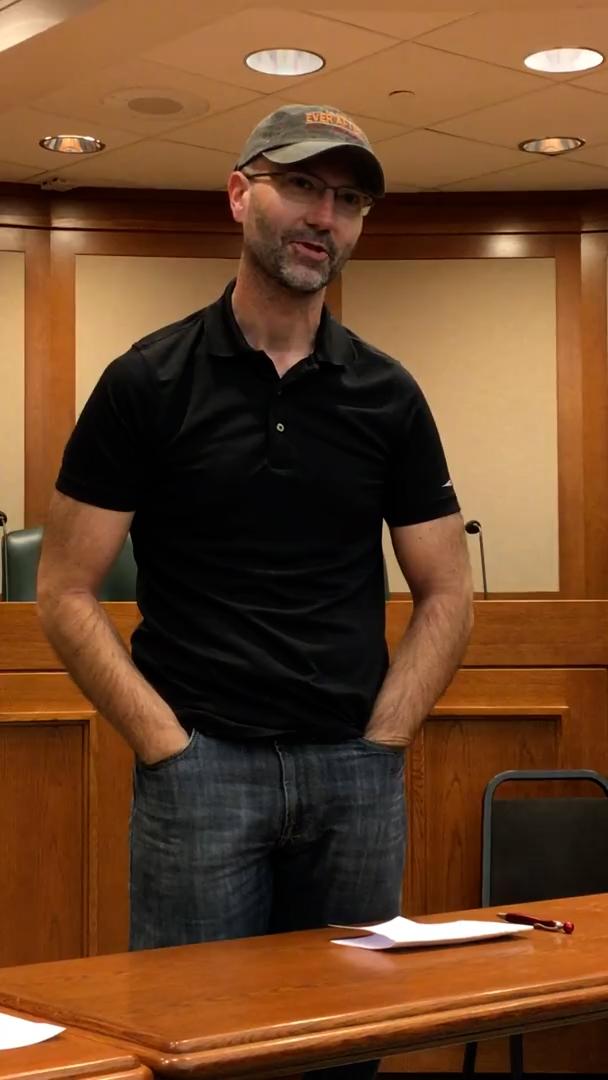
A baseball cap on his head, his hands tucked snugly in his front blue jean pockets, Ken Ballard stood in front of a room of onlookers, admittedly a little out of his element.

GIF via Equality Texas.


But the issue at hand was so critical, Ballard said, he couldn't keep quiet.

Ballard was speaking during Texas' 85th Legislative Session this past winter about his 14-year-old transgender son, Ashur, who attempted suicide twice.

Ashur, like many trans people, had wrestled with his identity in a world where ignorance and irrational fear-mongering continue harming people like him.

"Was I going to be his bully?" an emotional Ballard said in response to his son's coming out. "Was I going to try and put him back into a box that fit the rules of my world at the time or wait it out and see if it would just pass and go back to the way it’d use to be?"

Advocacy group Equality Texas, who's worked with Ballard in fighting for LGBTQ rights in the state, recently shared a video of him speaking during the session. Although it was captured on video several months ago, Ballard's emotional plea in front of his fellow Texans is just now making waves online.

Since Equality Texas shared the video on Facebook, the comment section has filled with loving messages of support and admiration.

The comments, although mostly positive, are a bit bittersweet to Ballard.

"I ... see comments that too many parents missed out on what could have been an amazing journey for them and their child by not accepting them," Ballard explains. "Be as excited about your kid's life as you were at the sonogram, when 'we are having a baby' was enough."

The ongoing debate over trans rights isn't isolated in Ballard's home state. Legislatures at both the state and local level across the country are pushing forward with harmful bills this very moment.

A recently proposed Texas "bathroom bill" — which would have forced trans Texans to use the restroom that corresponds with the sex they were assigned at birth (not the gender they identify) — was just rejected by House Speaker Joe Straus, which was great news for human rights groups like Equality Texas.

But there's still much at stake in the Lone Star State and in jurisdictions from coast to coast.

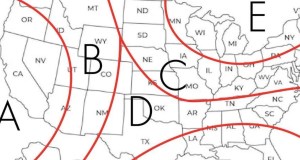
A handful of states, including Montana, Virginia, and Minnesota — as well as local school boards spanning the U.S. — deliberating similar bathroom bills. Research shows these laws leave trans people even more vulnerable to dangerous circumstances in their own communities — yet, their passing doesn't protect anyone.

Chances are, equality — and trans lives — might be at stake in your own region of the country.

As for Ballard and Ashur, they're living proof that acceptance and inclusion save lives.

And, as Ballard's moving speech illustrates so well, it's important our laws reflect that critical reality.

"I've watched a kid go from someone who, 26 months ago, was in despair," Ballard says of his son's mental health. "Now, [he's] flourishing."

Annie Reneau

A few years ago, our family took a two-week road trip through the Pacific Northwest. We visited six state parks and four national parks, camped under the Redwoods, frolicked in the Pacific Ocean, hiked through breathtaking scenery, and ate and laughed with friends and family who traveled with us.

Perusing the photos from that vacation (or "family trip" to be more accurate, per M. Blazoned's brilliant analysis), I see gorgeous vistas and genuine smiles, children playing and families picnicking, magical moments of beauty and bliss.

But photos never show the whole picture, do they? This is a problem in the social media age as studies suggest that constantly seeing people's "highlight reels" on Facebook and Instagram can lead to sadness and/or jealousy. Apparently, scrolling through photos of our friends basking on beautiful beaches while we're waging whining wars with our wee ones can make us feel all icky inside. Go figure.

Keep Reading Show less
Annie Reneau

A few years ago, our family took a two-week road trip through the Pacific Northwest. We visited six state parks and four national parks, camped under the Redwoods, frolicked in the Pacific Ocean, hiked through breathtaking scenery, and ate and laughed with friends and family who traveled with us.

Perusing the photos from that vacation (or "family trip" to be more accurate, per M. Blazoned's brilliant analysis), I see gorgeous vistas and genuine smiles, children playing and families picnicking, magical moments of beauty and bliss.

But photos never show the whole picture, do they? This is a problem in the social media age as studies suggest that constantly seeing people's "highlight reels" on Facebook and Instagram can lead to sadness and/or jealousy. Apparently, scrolling through photos of our friends basking on beautiful beaches while we're waging whining wars with our wee ones can make us feel all icky inside. Go figure.

Keep Reading Show less
True

If you've ever donated to a cause but worried that your contribution wasn't really enough to drive real change, you're not alone. As one person, it can be tough to feel like you're making a real difference, especially if you don't have a lot to donate or if times are tough (aka there's a worldwide pandemic going on.)

That's why, for years, the idea of philanthropy felt a little bit like a rich person's thing: if you had millions, you could donate and make change. The rest of us were just tossing pennies into a cup without really doing much.

But that's a problem: the priorities of a wealthy few don't represent the priorities of many, which means that good causes are often left underfunded, leading to a lack of meaningful action.

The thing is: it doesn't have to be like this. We can all make a difference, especially if we pool our money together.

Enter: Giving Circles. These are when groups of people with shared values come together to drive change. They do it by pooling their time and money together, then deciding as a circle where it should go. That way, they can cause a real targeted change in one place quickly in a very people-powered way by giving what they can, whether that's volunteer hours, money, or a mix of both. Best of all, Giving Circles are a social experience — you get to work together as a community to make sure you do the most good you can.

In other words, giving circles are a way to democratize philanthropy, making it more accessible regardless of your age, income, gender, or race.

That's why this year, The Elevate Prize, a nonprofit founded in 2019, is launching a new pop-up "Giving Circle" program so that problem solvers, budding philanthropists, and anyone that wants to do good can come together and drive real impact at a large scale. And you can do it all in just 90 minutes.

All you have to do is join one of the Elevate Giving Circles online. Learn about organizations doing good for the world, then pool your money together, and as a group, direct it where you think that donation could make the most difference.

But that's not all: every single donation made is matched by the Elevate Prize Foundation — basically guaranteeing that you double your impact for good. The theme for the first cycle is education, and Elevate Giving will match up to $75,000 in total donations for each cycle.

Ready to get involved? Elevate Giving experiences start June 26th, so sign up now for your spot to make a difference. There's no minimum fee to join either — so get involved no matter what you have to give. Now that's philanthropy for all.