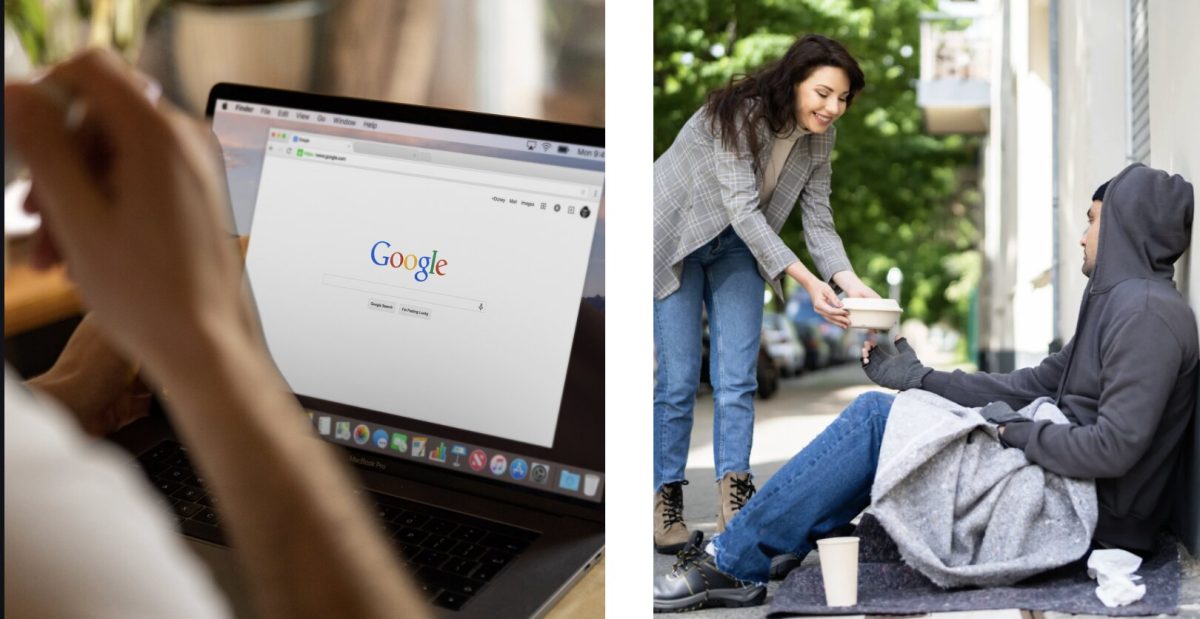
One thing many people believe is that you can truly know a person based on their Google history. Private searching is understandably on the rise, and given how negativity drives a lot of online news and social media, it can be easy to think the same way regarding our searches. However, a Google expert shared that the majority of searches on the platform are actually hopeful.
Google Data Editor and Journalist Simon Rogers reported that, while we do Google news information, the vast majority of Google queries were positive. In fact, Rogers says Google’s publicly available data set shows a counterbalance to the negativity often seen when scrolling on our feeds. The hard fact is that our Google searches show something different than the narrative on social media.
“The data is unfailingly honest,” Rogers wrote on CNBC’s Make It. “The way we search collectively is simply not the way we present ourselves on social media. There’s no such thing as a ‘dumb query,’ and analyzing these massive trends gives us a highly accurate reflection of our shared curiosities.”
Here are the surprisingly refreshing top queries he found on Google:
‘How to [insert life skill here]’
Rogers shares that the top searches start with “How to” and end with some form of life skill or task. “How to boil an egg”, “How to fix a door”, “How to cook spaghetti”, and so on. Google has turned to the go-to place for adults to learn many life skills.
Some folks may be concerned that adults have to learn basic life tasks they could or should have learned as children. However, it’s mostly agreed that it is good such information is readily available through a simple online search.
It’s also promising that the top Google searches are from people who want to independently learn their lives (and others) easier. If not a tutorial, they can also use Google as a resource to find classes or people who may properly teach them.
‘What’s a job that helps people?’
The other top trend Rogers indicated was occupation-oriented. While many top searches included queries like “high-paying jobs” and the like, Rogers noticed that those didn’t get the top spots. Searches for a “job that helps people” have surpassed searches for “jobs that pay well.”
The search for meaning at work has been on the rise since the COVID-19 pandemic. Meaningful careers included therapists, social workers, and other vocations dedicated to health, wellness, and community building.
‘How to help [insert person, place, or thing here]’
Many see our current time as one of anger, tension, and incredibly high division, but Rogers says that couldn’t be further from the truth. Near the top end of Google queries in the U.S. and U.K. is some variation of “How can I help?”
This is backed up by a 2022 Stanford University report showing that more people are willing to help more than most realize. This echoes a study found that Americans are more likely to help a stranger now than they did in the 1950s or “the good ol’ days” as many frame it.
There are many reasons for a person to help, and not all of them are altruistic. However, the fact that so many do such a search that it towers over all others can feel inspiring.
These trends show and can back up the claim that people are still instinctively good. If you still don’t think so, well…just Google it.