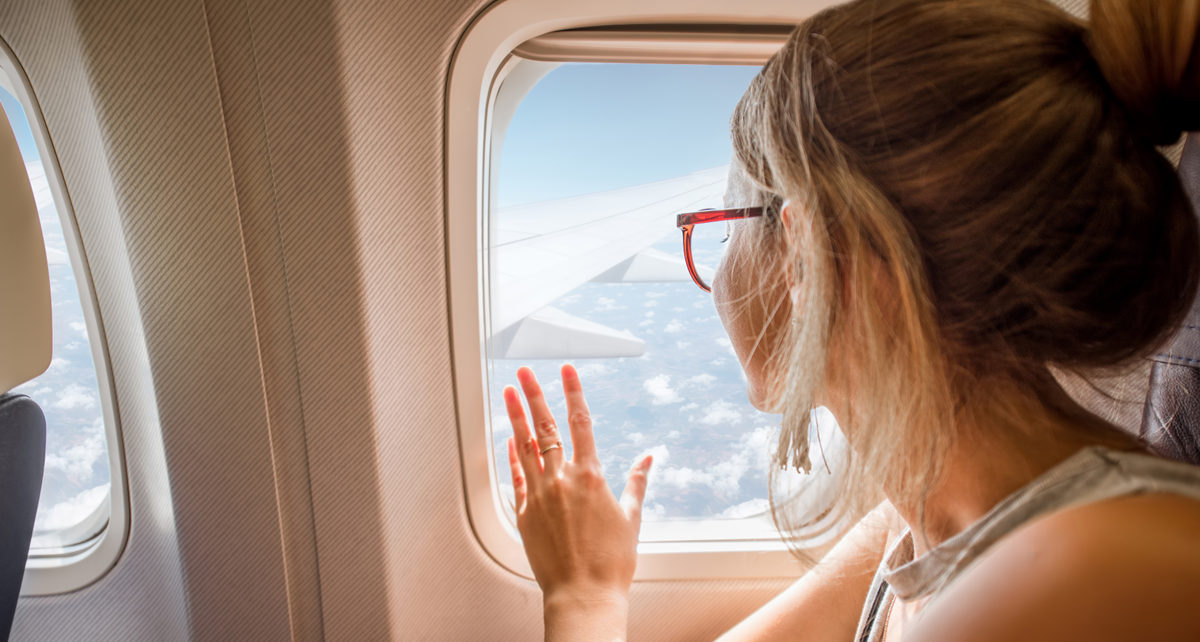
Have you ever been crammed into the window seat in a plane and, while gazing down at the terra firma beneath you, noticed that there was a tiny hole in the window? According to Petter Hörnfeldt, aka Mentour Pilot, a Swedish commercial airline captain, those holes could one day save your life.
In a TikTok video, Hörnfeldt explains that there are three layers to the windows on a commercial airliner. The outside window is the strongest because it was designed “to handle any impacts as well as the pressure difference between the thin high altitude air outside of the plane and a pressurized air inside,” Hörnfeldt says.
Then there is the middle layer, with a tiny hole, designed to protect the outer layer. The final layer is the one you can touch or press your nose up against to see what you’re flying over.
Why do airplane windows have tiny holes?
“So why the hole then? Well, because there is air between those layers. Differences in pressure and temperature would otherwise start causing forces to build up between the layers, trying to bend them inwards or outwards, which is something that we obviously do not want, since especially the inner two layers are not designed to take those kind of forces. So that little hole is put there to allow air to flow through slowly and relieve that potential pressure difference. Hence the name breather hole,” Hörnfeldt says.
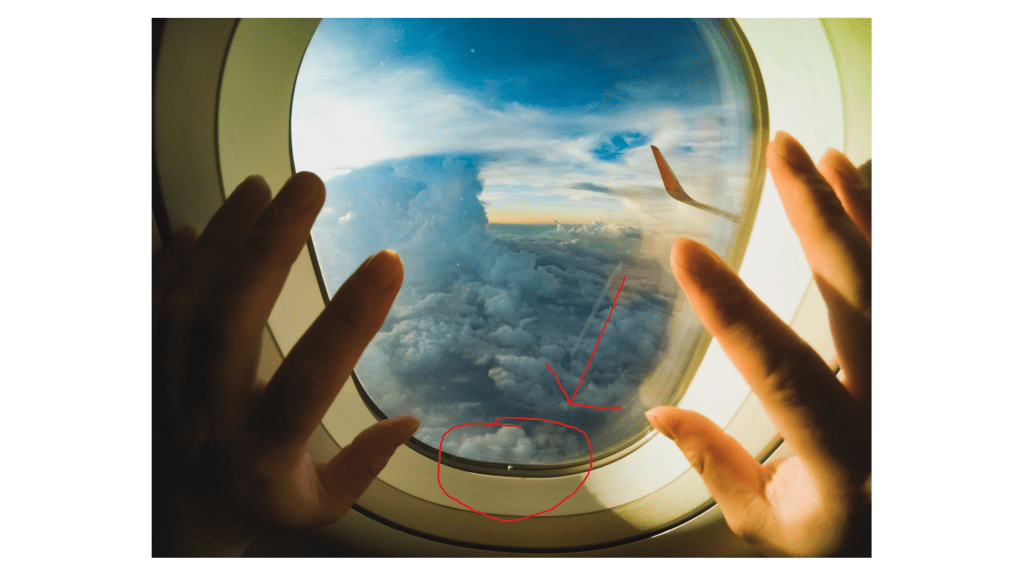
“Now, the inner window layer, the one that’s closest to you, doesn’t really need a hole because it’s fitted in a way that allows air to flow around it. But that breather hole also serves a different job, which is to make it more difficult for moisture to become trapped between the layers and start fogging up your window, stopping you from admiring the view outside,” Hörnfeldt continues.
In his most popular video, Hörnfeldt admitted that commercial airline pilots know when you’ve flushed the toilet on a plane.
Do pilots know when you flush the toilet on a plane?
According to Hörnfeldt, pilots don’t know that you’ve flushed a toilet based on an alert, security camera footage, or a sudden power surge. They know that the toilet has been flushed because of a slight change in cabin pressurization. Airplane toilets use a special vacuum flushing mechanism to suck the contents out. The vacuum system is calibrated to the cabin air pressure. “But that flushing actually does show up on our instruments as a sudden cabin climb on our cabin vertical speed indicator,” Hörnfeldt says. “So we can see it. And it kind of makes sense, if you think about it.”
Next time you see the tiny hole in an airplane window as you gaze upon your hometown at 35,000 feet, you know that it’s not a manfcatingring mistake. It’s here to keep you safe in a cabin with a pressurized system that also knows if you used the bathroom. Aren’t airplanes just incredible?