It’s sometimes known as The Most Wonderful Time of the Year, but the holidays, or more specifically the stretch between Christmas and New Years, also have a dark side that’s a little uncomfortable to talk about.
The data is extremely clear: more people of all ages (except, fortunately, children) die around the holidays. Most of them pass away on three specific days.
Deaths spike dramatically on:
- Christmas Day
- Boxing Day (The day after Christmas)
- New Year’s Day
It’s a phenomenon that’s been studied and measured for years across many different countries around the world.
There are more deaths in general during the winter months, but there are noticeable spikes on those days, in particular, and not just in America. Deaths due to natural causes like old age or cardiac events increase, as well as the number of people admitted to emergency rooms due to accidents or unexpected medical emergencies.
CNN writes, fascinatingly, that a British study “found patients admitted to hospitals as emergencies on public holidays are significantly more likely to die than those admitted on other days of the week–including weekends.”
What’s not clear is what causes this morbid trend.
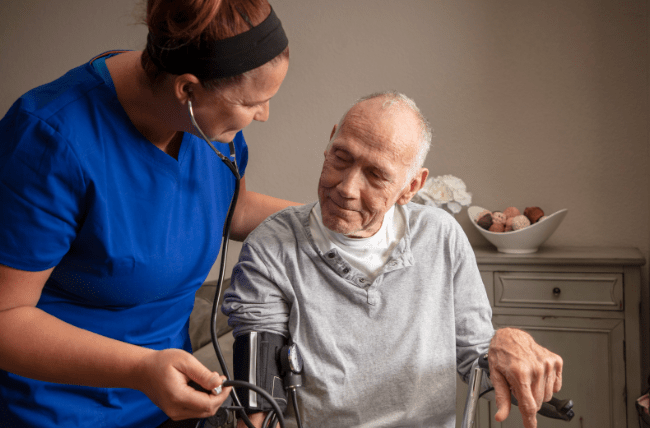
YouTuber Hospice Nurse Julie, who sees and works intimately with death on a daily basis, explains that there are a few reasons more people die so close to Christmas.
“In science they actually call this The Holiday Effect,” she says, and it has a few possible explanations.
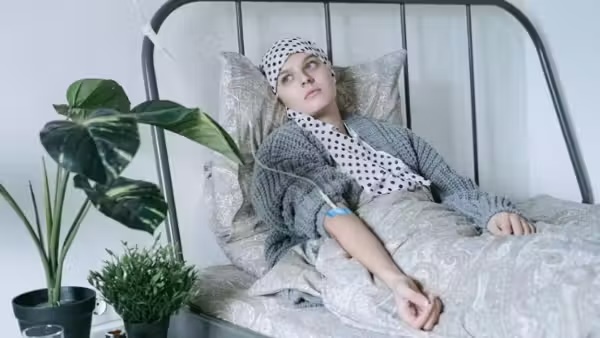
First up is people avoiding getting medical treatment that might “ruin the holidays,” she says. They may be having symptoms like chest pains but may not want to be in the hospital on Christmas, for example. Or they may put off necessary care because doctor’s offices are closed around the holidays.
The second cause is the stress of the holidays. “Not everyone has families they love being around,” Julie says. “Being around your family…that’s wonderful, and it can be hard. There can literally be cardiac events because of this stress and pressure.”
“Also there’s loneliness, there’s grief surrounding the holidays. Those things can truly increase stress hormones, they can be difficult on your heart,” she says, in addition to all the other potential factors of people eating poorly, drinking too much, and having a disrupted routine.
Hospice Nurse Julie says that one of the biggest reasons, however, should bring us some comfort.
She says she works with a lot of families with a dying loved one who’s in particularly rough shape and often thinks, “There’s no way they’ll make it to Christmas.”
But then they do. Somehow, they manage to hang on.
“So [in hospice] we see a lot of death December 26, December 27… They may even try to make it through the New Year.”
It’s another phenomenon that has been well-observed. People in the final stages of dying have a miraculous ability to “hold on” for certain times, certain moments, or certain circumstances.
Many people pass in the middle of the night, for example, when things are quiet. Or they’ve been known to wait just long enough for family to gather from out of town before they finally let go.
It’s a warm and comforting thought that, even if a family is struggling with the impending death of an older relative, the odds are in their favor that they may get to have that one last holiday season together.
Some of The Holiday Effect, however, still remains a mystery. No one’s been fully able to explain why deaths spike in the winter and on those three specific days.
Though more people die in general during the winter months, deaths don’t seem to be correlated to colder temperatures. The BBC reports that colder winters in the UK don’t lead to more deaths, and warmer countries in general don’t necessarily have fewer winter deaths.
The numbers are also not linked to socio-economic status. In other words, the cold is not affecting people with less resources and shelter more so than anyone else. Researchers also can’t definitively tie the trend to viruses like flu and the common cold.
The holiday stress can’t explain it all either. One study, per CNN, looked at people with severe Alzheimer’s disease, people who wouldn’t know or remember that it was Christmas and wouldn’t be anxious about it, and found they were still more likely to die on or around those common days.
Data also suggests that, while loneliness can be especially painful around the holidays, suicides do not spike the way general deaths do at this time of year.
For now, The Holiday Effect remains only partially explained. The rest is still a mystery.